>

ブログ

>

SAE J845 および J595 のデコード: LED アンバー ライトの米国規格

SAE J845 および J595 のデコード: LED アンバー ライトの米国規格

OPTSIGNS | Decoding SAE J845 and J595: US Standards for LED Amber Lights

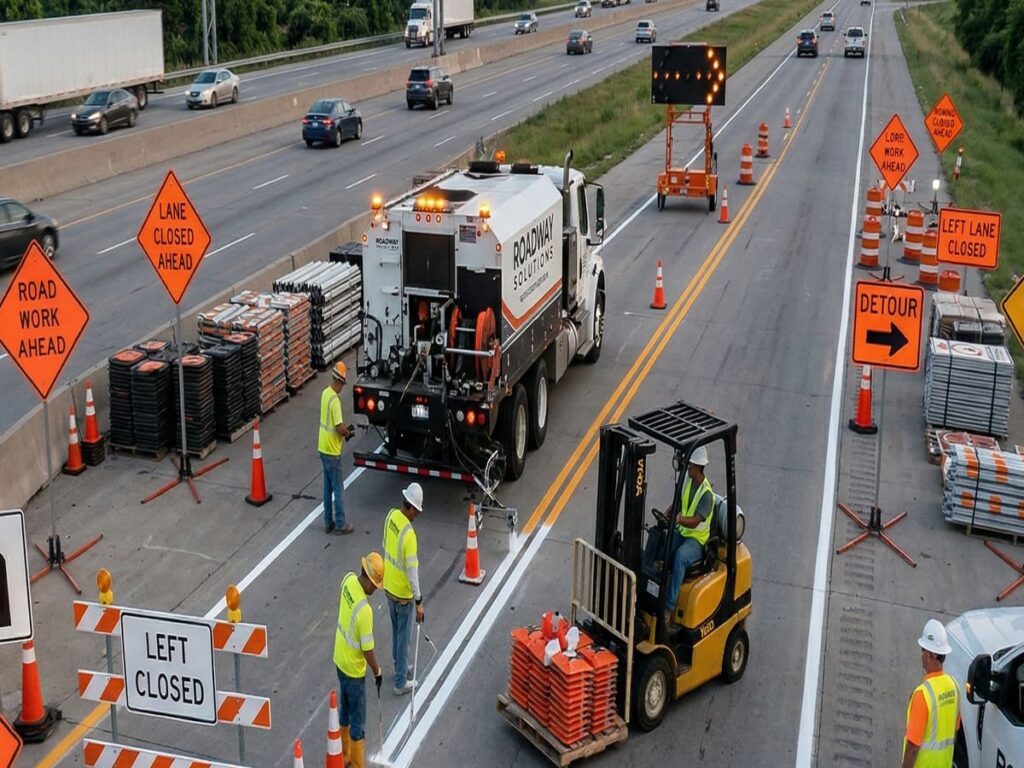
Highway construction zones present severe daily hazards. Approaching motorists frequently ignore stationary heavy equipment. Professional procurement managers prevent fatal accidents using specifically engineered LED amber lights. You must understand North American legal frameworks completely. These technical standards separate professional safety gear from dangerous imitations.

オプトラフィック safety experts recommend evaluating exact hardware specifications before upgrading your fleet. Procurement managers needing to purchase high-visibility LED警告灯 should browse our complete guide: 交通安全のためのLED警告灯: 購入する前に知っておくべきこと.

Why Commercial Fleets Require SAE Certified LED Amber Lights

The Society of Automotive Engineers (SAE International) authors these critical lighting regulations. This global engineering association defines precise optical performance metrics for amber strobe lights. State authorities utilize these exact scientific baselines to regulate highway safety. 購入 flashing amber lights without this engineering pedigree invites massive operational risks.

Surviving Severe Highway Collisions

Severe weather conditions destroy poor visibility entirely. Heavy rain absorbs weak optical beams instantly. 高性能 commercial amber lights penetrate these environmental barriers easily. 労働安全衛生局 (OSHA) mandates specific workplace visibility requirements. Road maintenance crews rely on this intense optical power to survive.

How High-Intensity LED Amber Lights Prevent DOT Fines

The US Department of Transportation (ドット) inspects commercial work vehicles rigorously. DOT officers penalize operators using unapproved amber beacon lights immediately. Unregulated optical equipment causes severe company profit losses through massive fines. Inspectors can impound entire work trucks lacking proper hardware. Fleet directors avoid these legal liabilities by verifying technical credentials beforehand.

Eliminate compliance risks completely by mastering federal highway regulations. Read our definitive operational breakdown: 作業ゾーン LED 警告灯の究極ガイド: 安全性, コンプライアンス, とパフォーマンス.

SAE J845 Standards for 360-Degree LED Amber Lights

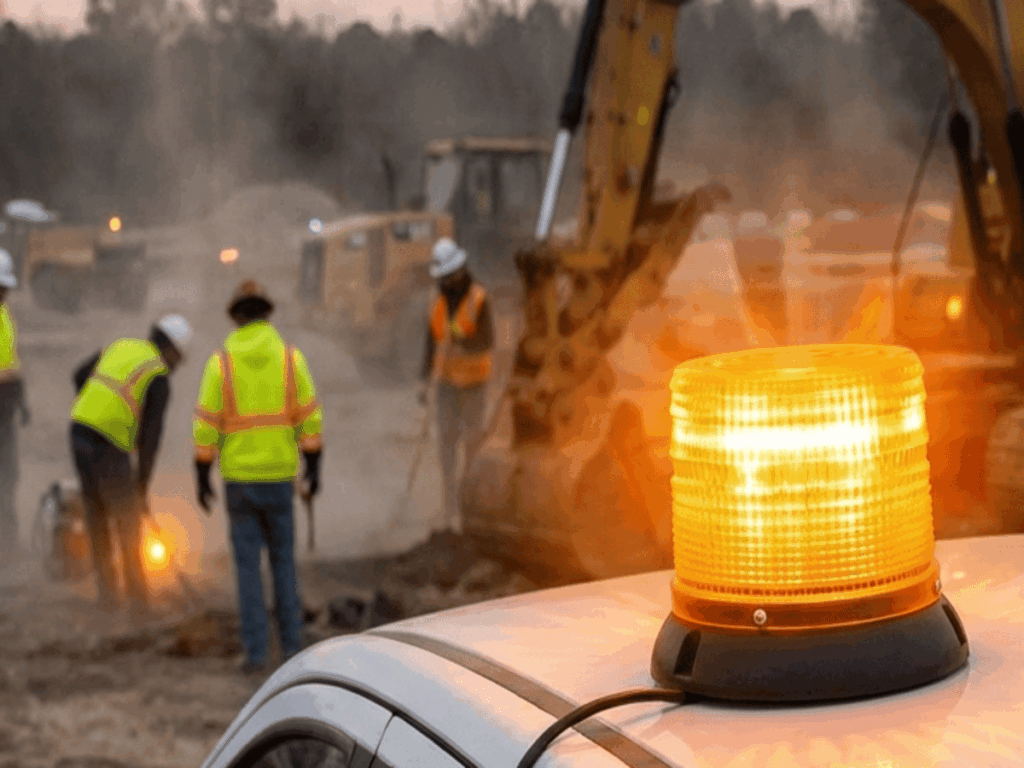
Engineers designed the SAE J845 standard for omnidirectional warning devices. これら LED amber lights project intense optical energy across 360 学位. This complete coverage eliminates dangerous blind spots around stationary work vehicles.

The Three Classes of SAE J845 Performance

Testing laboratories grade these devices using strict candela output measurements. Procurement managers must match the optical class to the operational hazard.

  • クラス 1 (Maximum Intensity): These premier units produce minimum baseline outputs of 400 candela-seconds/minute. Highway tow trucks and emergency response fleets require Class 1 力.
  • クラス 2 (Medium Intensity): These mid-tier devices deliver balanced daylight visibility for local roads. Municipal utility vans and landscaping crews utilize Class 2 ハードウェア.
  • クラス 3 (Base Intensity): These entry-level units emit low-intensity beams for indoor warehouse environments. Safety officers restrict Class 3 devices to factory forklifts exclusively.

SAE J595 Standards for Directional LED Amber Lights

The SAE J595 standard evaluates directional flashing optical safety equipment. These compact LED amber lights concentrate all photonic energy forward.

Protecting Traffic Lanes with Directional Optics

Fleet technicians mount these specialized units on vertical vehicle surfaces. Grilles, bumpers, and tailgates provide excellent installation points for directional optics. This focused optical beam warns approaching rear traffic highly effectively.

Comparing SAE J845 and J595 LED Amber Lights

Procurement managers often hesitate between omnidirectional and directional optical systems. The following data table compares these core engineering standards directly. This technical breakdown accelerates accurate hardware purchasing decisions significantly.

Core Engineering MetricSAE J845 StandardSAE J595 Standard
Optical Coverage360-degree continuous illuminationFocused directional optical beam
クラス 1 Intensity~400 candela-seconds/minute (horizontal axis)最小 400 candela (peak center axis)
Primary Safety GoalMarks overall vehicle spatial positionWarns specific approaching traffic lanes
Optimal MountingVehicle roof or highest cabin pointBumpers, grilles, or vehicle sides
Hardware Form FactorLarge beacons and full light barsCompact surface mounts and grille strobes

North American fleets follow SAE guidelines strictly. しかし, European and Australasian markets enforce different technical rules entirely.

運輸当局、未認定の警告灯に厳しい罰則を与える. Master European standards in our technical guide: ECE R65 のデコード & R10 EMC: LEDビーコンの規格.

結論

Selecting correct optical safety equipment saves highway workers directly. Fleet managers must evaluate legal compliance and candela outputs carefully. Mismatched hardware wastes budgets and exposes crews to fatal collisions. Analyze your specific highway application before signing any purchase orders. プロフェッショナルなフリートにプレミアム機能を装備 LED amber lights 今日.

よくある質問

What is the difference between SAE Class 1 とクラス 2?

クラス 1 devices output significantly higher candela values than Class 2 ユニット. High-speed highway operations require Class 1 intensity strictly.

Does my construction truck need SAE J845 certification?

はい. State transportation departments require certified 360-degree visibility for highway construction vehicles.

How do DOT inspectors verify compliant LED amber lights?

Inspectors check the physical polycarbonate lens during roadside vehicle audits. Certified manufacturers engrave the SAE class rating directly onto the plastic housing.

Can I use an SAE J595 light on my vehicle roof?

いいえ. Roof installations require 360-degree SAE J845 optical coverage. J595 directional lights leave dangerous blind spots on vehicle sides.

目次

共有: