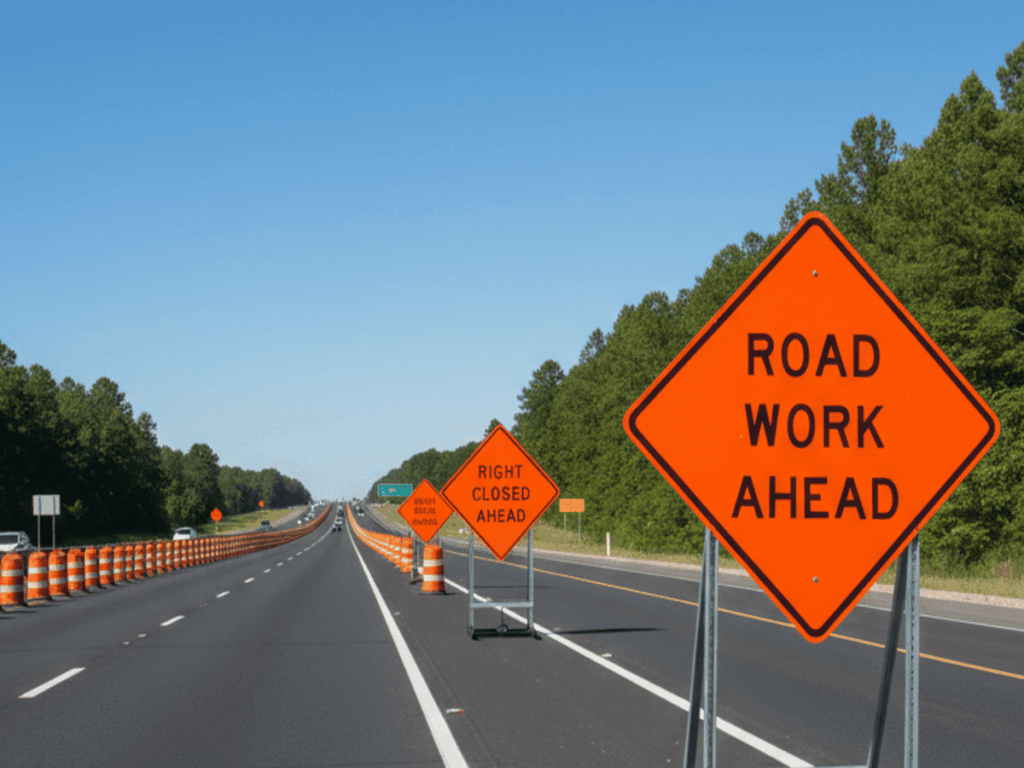
Segnali stradali ad energia solare risolvere un problema ricorrente sul campo: potenza affidabile nel momento del bisogno. Riducono lo scavo, velocità di distribuzione, e supportare dispositivi ad alta visibilità in cui l'alimentazione della rete non è praticabile.
Il più recente inquadramento pubblico del problema energetico da parte di Elon Musk è direttamente rilevante per questa categoria di prodotti. In un gennaio 6, 2026 colloquio, ha descritto il valore fondamentale delle batterie come energia "tamponante" - caricarsi quando l'energia è disponibile e scaricarsi successivamente - per aumentare la produttività utilizzabile senza aggiungere nuova generazione. Ha anche osservato che l’energia solare su larga scala richiede una superficie oltre i tetti. Tradotto in applicazioni stradali, questi principi sono semplici: il posizionamento del pannello determina la cattura di energia, mentre il dimensionamento dello stoccaggio determina se tale energia può essere fornita in modo affidabile durante le notti, tempeste, e condizioni invernali.
In pratica, squadre che specificano apparecchiature per il traffico off-grid, come ad esempio Pannelli a messaggio variabile OPTRAFFIC—trattare l'esposizione del pannello e il buffering della batteria come vincoli di progettazione di primo ordine, perché il tempo di attività è un requisito di sicurezza, non una comodità.
Questa guida è scritta per i team di procurement, Ingegneri, e appaltatori che necessitano di un percorso basato sulle specifiche per selezionare segnali stradali ad energia solare che funzionino in modo coerente su strade e autostrade. Se il tuo ambito include anche Segnali stradali standard per gli stessi corridoi, OPTRAFFIC può fornire anche quelli.
Riepilogo rapido delle decisioni per gli acquirenti
I team di procurement spesso necessitano di un modo rapido per allineare il tipo di dispositivo ai requisiti di "non-guasto".. La tabella seguente fornisce un punto di partenza per strade e autostrade.
| Caso d'uso | Dispositivo tipico | Ciò che di solito si rompe per primo | Cosa specificare prima |
|---|---|---|---|
| Curve ad alta velocità, rampe, spostamenti di corsia | fari lampeggianti solari / Segnali di avvertimento lampeggianti a energia solare | batteria sottodimensionata per le notti invernali | Carico Wh/giorno, dimensionamento del mese invernale, giorni di autonomia |
| Approcci scolastici | segnali di zona scolastica ad energia solare | deriva del programma, danni vandalici, invecchiamento della batteria | controllo del programma, sicurezza del recinto, piano di servizio |
| Attraversamenti a metà isolato | segnaletica di attraversamento pedonale ad energia solare / Sistemi solari RRFB | conteggi di attivazione elevati, conformità dimmer/flash | profilo di attivazione, Documentazione IA-21, autonomia |
| Corridoi di rispetto della velocità | Segnali di limite di velocità a energia solare / segnali di feedback della velocità del radar solare (alimentato ad energia solare) | il carico del display supera la resa solare | modalità di caricamento, registrazione del controllore, chimica della batteria |
| Corridoi remoti/rurali | misto | tempi di risposta lunghi per le riparazioni | autonomia + monitoraggio remoto (opzionale) |
Un modello coerente appare tra le categorie: gli acquirenti ottengono risultati migliori quando trattano il sistema come un bilancio energetico (Wh/giorno) oltre a un problema di dimensionamento invernale, non come esercizio di acquisto del wattaggio del pannello.
Ciò che conta come segnaletica stradale ad energia solare
Il termine “segnali stradali ad energia solare” copre più famiglie di dispositivi con carichi energetici molto diversi. Gli acquirenti ottengono risultati migliori quando specificano prima la classe del dispositivo.
Segnali di pericolo lampeggianti a energia solare e fari lampeggianti solari
Questi includono avvisi sulla curva, Stop Avanti, riduzione della corsia, e altri segnali di avvertimento abbinati a fari esterni o frontali di segnaletica potenziati da LED.
Tipico focus sugli appalti: modello lampeggiante, ciclo di lavoro, giorni di autonomia, e visibilità.
Segnaletica di zona scolastica ad energia solare
Le configurazioni comuni includono segnalatori lampeggianti basati sul tempo, viene visualizzato il feedback della velocità, e assemblee di attraversamento scolastico.
Tipico focus sugli appalti: controllo del programma, prestazione invernale, resistenza agli atti vandalici, e accesso per manutenzione.
Segnaletica di attraversamento pedonale ad energia solare e sistemi solari RRFB
I sistemi basati su RRFB e altri trattamenti di attraversamento ad alta attenzione hanno carichi di attivazione più elevati e aspettative di implementazione più rigorose.
Tipico focus sugli appalti: documentazione di conformità, metodo di attivazione, e dimensionamento della batteria per un numero elevato di trigger.
Segnali di limite di velocità a energia solare e segnali di feedback della velocità del radar solare
Questa categoria comprende segnali di limite di velocità statici con illuminazione o potenziamento LED e display di feedback della velocità radar che assorbono più energia.
Tipico focus sugli appalti: leggibilità del display, bilancio energetico, e registrazione del controller.
Segnaletica di parcheggio ad energia solare e segnaletica regolamentare illuminata a energia solare
Ciò include la segnaletica di controllo del parcheggio con illuminazione, requisiti di visibilità dell'ora del giorno, e luoghi in cui lo scavo di scavi non è conveniente.
Tipico focus sugli appalti: uniformità di illuminazione, resistenza alla manomissione, e strategia di sostituzione della batteria.
Gli acquirenti del contesto di conformità dovrebbero integrare le specifiche
I requisiti di conformità non scompaiono perché l’energia è solare. In molti casi, l'energia solare aumenta il controllo perché consente comportamenti di lampeggiamento e illuminazione che devono essere coerenti e prevedibili.
I tempi di adozione del MUTCD influiscono sulle specifiche dell'offerta
FHWA MUTCD sito documenta che la Regola finale che adotta l'undicesima edizione è stata pubblicata a dicembre 19, 2023 con decorrenza gennaio 18, 2024, e che gli stati hanno un periodo di due anni dalla data di entrata in vigore per adottare il MUTCD nazionale o un manuale statale sostanzialmente conforme, fissando la scadenza a gennaio 18, 2026.
Questa sequenza temporale è importante a causa dei tipi di dispositivi, pratiche lampeggianti, e i pacchetti di documentazione sono spesso allineati all'attuale linea di base MUTCD utilizzata da un'agenzia. Un appalto che tace sul contesto dell'edizione MUTCD invita a presentare proposte incoerenti.
Le implementazioni RRFB devono seguire le condizioni di approvazione provvisoria FHWA
FHWA ha rilasciato l'approvazione provvisoria per gli RRFB ai sensi della IA-21 e fornisce le condizioni ufficiali e le aspettative di utilizzo sulle sue pagine di risorse MUTCD.
Impatto pratico: gli acquirenti dovrebbero richiedere (1) una dichiarazione di conformità mappata alle condizioni IA-21, E (2) test di messa in servizio che convalidano il funzionamento del flash, logica di attivazione, e qualsiasi inventario o procedura di documentazione richiesta.
Definire i requisiti operativi prima di confrontare i prodotti
La maggior parte dei fallimenti sul campo sono riconducibili a cicli di lavoro sottospecificati e ad aspettative di autonomia non realistiche.
Ciclo di lavoro e profilo di innesco
Una buona richiesta di offerta descrive:
- Modalità operativa: 24/7, dal tramonto all'alba, finestre programmate, o attivato da un evento
- Comportamento flash: modello e tasso (come applicabile)
- Metodo di attivazione: pulsante, rilevamento passivo, innesco del radar, sempre in programma
- Attivazioni previste al giorno (per sistemi di attraversamento e segnali di feedback)
Requisito di autonomia (giorni senza sole utilizzabile)
L’autonomia dovrebbe essere esplicita, ad esempio:
- Minimo 3–5 giorni per basso rischio, siti facilmente serviti
- Minimo 7–10 giorni per corridoi remoti, siti ombreggiati in inverno, o luoghi ad alto rischio
Vincoli del sito che influiscono sulla resa solare
Gli acquirenti dovrebbero richiedere una breve valutazione del sito che copra:
- Ostruzioni dell'ombra e dell'orizzonte
- Rischio di accumulo di neve e angolazione del pannello
- Esposizione ad atti vandalici
- Carico del vento e tipo di montatura
Dimensionamento solare che i team di approvvigionamento possono difendere
I segnali stradali ad energia solare hanno successo quando la generazione e lo stoccaggio corrispondono al carico reale. Gli acquirenti non devono eseguire una simulazione completa, ma dovrebbero richiedere un modello energetico documentato.
Costruisci il budget energetico in Wh/giorno
I venditori dovrebbero presentare:
- Potenza media e di picco (W) per modalità
- Consumo energetico giornaliero totale (Wh/giorno) secondo la pianificazione configurata
- Ipotesi di declassamento della temperatura per la batteria
Utilizzare un metodo riconosciuto per le ipotesi di produzione solare
PVWatts di NREL è ampiamente utilizzato per stimare la produzione di energia fotovoltaica e fa riferimento a dati meteorologici storici pluridecennali nella sua metodologia e nei suoi risultati.
Requisito di procurement che funziona: il venditore deve fornire una stima del caso peggiore per il mese invernale con ipotesi di ubicazione, inclinazione/orientamento, e le ipotesi di ombreggiamento divulgate.
Traduci il concetto di “buffer” di Musk in una specifica stradale
Il gennaio di Musk 2026 Il quadro “tamponare l’energia” è un’utile scorciatoia per gli appalti: la batteria esiste per preservare il servizio quando la generazione diminuisce. Ciò corrisponde a un requisito chiaro: giorni di autonomia minima a fine vita della batteria e condizioni solari invernali.
Batteria, controllore, e gli standard di sicurezza che gli acquirenti dovrebbero richiamare
Selezione della batteria del segnale stradale solare: LiFePO4 contro AGM
Per molti moderni sistemi stradali, LiFePO4 (LFP) è selezionato per la durata del ciclo e la stabilità. La scelta corretta dipende ancora dall'intervallo di temperatura, progettazione del recinto, e modello di servizio.
Lingua specifica da includere:
- Chimica della batteria e capacità utilizzabile (Wh), non solo targa Ah
- Limiti della profondità di scarico utilizzati per il dimensionamento
- Presupposto di fine vita (Per esempio, 80% capacità utilizzabile residua)
- Comportamento e protezioni di ricarica a bassa temperatura
Requisiti del controller che riducono i guasti
Include una forte specifica del controller:
- Metodo di ricarica (spesso MPPT su sistemi a carico più elevato)
- Orari programmabili e logica di dimmerazione
- Registrazione dei guasti (voltaggio, attuale, temperatura, eventi)
- Comportamento di disconnessione e ripristino a bassa tensione
Standard di sicurezza: specificare cosa significa "elencato" negli invii
UL descrive UL 9540 come base per la sicurezza dei sistemi di accumulo dell'energia e fa riferimento a standard sui componenti come UL 1973 per sistemi di batterie stazionarie.
Implicazione sugli appalti: gli acquirenti dovrebbero richiedere la documentazione attestante che il sistema batteria e il gruppo motore integrato soddisfano le aspettative di sicurezza applicabili per la classe di prodotto, ambiente di installazione, e requisiti del codice locale.
Durata e prestazioni dell'involucro che prevedono la vita sul campo
Classificazione IP ed esposizione stradale
Le classificazioni IP forniscono un modo standardizzato per descrivere la resistenza alla polvere e all'intrusione di liquidi. L'IEC spiega che l'IEC 60529 valuta la resistenza della custodia alla polvere e ai liquidi. Nelle specifiche sugli appalti, L'IP65 è uno degli obiettivi richiesti più frequentemente, ma spesso viene frainteso in modi che portano ad aspettative errate sul campo. Per un resoconto pratico, fare riferimento a Idee sbagliate comuni su IP65: Quello che devi sapere.
Scelte pratiche delle specifiche (esempi):
- Custodia controller/batteria: grado di protezione IP minimo adeguato all'ambiente
- Pressacavi: requisiti di pressacavo e tenuta
- Resistenza alla corrosione: hardware rivestito, elementi di fissaggio inossidabili, ove appropriato
Caricamento e montaggio del vento (strade vs autostrade)
I corridoi ad alta velocità e le aree esposte determinano i requisiti di montaggio:
- Supporti resistenti al vento e specifiche di coppia
- Dispositivi di fissaggio antifurto e custodie antimanomissione
- Tolleranza alle vibrazioni (soprattutto per installazioni a sbalzo o su palo)
Facilità di manutenzione e standardizzazione delle parti
Gli acquirenti dovrebbero preferire design che semplifichino la manutenzione:
- Pacchi batterie modulari
- Connettori standard
- Pannelli di accesso agli utensili che non compromettono la tenuta
Prestazioni ottiche e comprensione del driver
L'energia solare consente l'illuminazione e il lampeggiamento, ma non garantisce la comprensione.
Requisiti di visibilità
Gli acquirenti dovrebbero richiedere:
- Comportamento dimmerazione giorno/notte (fotocellula o programmatore)
- Aspettative dell'angolo di visione per la geometria della carreggiata
- Conferma che la combinazione del cartello e del faro non crea “disordine visivo”
Evitare comportamenti flash eccessivamente complessi
Sugli approcci complessi, troppi dispositivi lampeggianti riducono la chiarezza. Un approccio migliore utilizza:
- Un dispositivo di attenzione primaria per punto decisionale
- Spaziatura chiara e applicazione coerente in un corridoio
Specifiche di acquisto per applicazione
Le specifiche di acquisto variano in base al contesto stradale. Le sezioni seguenti raggruppano le comuni implementazioni di segnali stradali ad energia solare per applicazione, quindi ingegneria, appalti, e le squadre sul campo possono abbinare i requisiti prestazionali alle condizioni operative reali, dal controllo degli incroci agli avvicinamenti ad alta velocità e alle zone vulnerabili degli utenti della strada.
Per i team che valutano dove questi sistemi offrono il valore di sicurezza più misurabile, la guida accompagnatrice Applicazioni di segnaletica stradale ad energia solare che riducono effettivamente i rischi fornisce una visione basata sul rischio degli scenari di distribuzione e su come assegnarne la priorità.
Strade: incroci, arterioso, e le reti stradali locali
Segnali stradali ad energia solare più adatti:
- Segnali di avvertimento lampeggianti ad energia solare per curve e stop-head
- Segnali normativi illuminati a energia solare in cui l'energia di rete è costosa
Specifiche prioritarie: resistenza agli atti vandalici, pianificazione pulita, e facile manutenzione.
Autostrade: corridoi rurali e approcci ad alta velocità
Segnali stradali ad energia solare più adatti:
- Fari solari lampeggianti sulle curve, rampe, e transizioni di corsia
- Segnali di limite di velocità a energia solare e display di feedback della velocità sugli avvicinamenti
Specifiche prioritarie: autonomia, robustezza strutturale, e segnalazione remota dei guasti.
Ambienti scolastici
Segnaletica di zona scolastica ad energia solare più adatta:
- Segnalatori orari e display di feedback della velocità
Specifiche prioritarie: controllo del programma, prestazione invernale, e un rapido processo di riparazione.
Attraversamenti pedonali
Segnaletica di attraversamento pedonale ad energia solare più adatta:
- Sistemi solari RRFB (dove utilizzato) e altri miglioramenti di attraversamento conformi
Specifiche prioritarie: Documentazione IA-21 e dimensionamento della batteria in base all'attivazione.
Costo dei segnali stradali ad energia solare e costo totale di proprietà
Il prezzo dell’adesivo riflette raramente l’economia del settore.
Ciò che determina il costo totale
Include un pratico modello TCO:
- Hardware e montaggio/fondazione
- Lavori di installazione e controllo del traffico
- Evitati scavi e coordinamento dei servizi
- Ciclo di sostituzione della batteria durante la vita utile
- Intervalli di ispezione e pulizia
- Costo della risposta in caso di errore (rotoli di camion)
Compromessi comuni sui costi
- Le batterie ad alta capacità spesso riducono le chiamate di assistenza.
- Controller migliori riducono i danni prematuri alla batteria.
- Il monitoraggio remoto può ripagare rapidamente i corridoi remoti.
Copia/incolla la lista di controllo RFQ e RFP
I team di procurement possono inserire quanto segue come requisiti di invio.
Contributi tecnici richiesti
- Categoria del dispositivo e descrizione della configurazione
- Bilancio energetico (Wh/giorno) per modalità operativa
- Ipotesi di produzione solare per il mese invernale (inclinazione/orientamento/ombra divulgata) con metodologia
- Calcolo dell'autonomia (giorni) utilizzando ipotesi sulla capacità della batteria a fine vita
- Specifiche della batteria in Wh utilizzabili e composizione chimica
- Documentazione di sicurezza allineata alle aspettative UL applicabili (componenti del sistema e della batteria, ove pertinente)
- Documentazione sulla classificazione IP dell'involucro (CEI 60529 riferimento)
- Manuale di installazione (montaggio, coppia, cablaggio, messa a terra)
- Termini di garanzia separati per il pannello, controllore, LED, e batteria
Test di accettazione sul campo
- Test funzionale per il comportamento di pianificazione/trigger
- Verifica dimmerazione giorno/notte
- Verifica del modello Flash (ove applicabile)
- Verifica del runtime rispetto al ciclo di lavoro configurato
- Prova di simulazione del guasto (bassa tensione, disconnessione/ripristino)
Errori d'acquisto frequenti da evitare
Sottodimensionamento per l'inverno e l'ombra
Un segnale stradale alimentato a energia solare che funziona a luglio può guastarsi a gennaio. Brevi ore diurne, angolo solare basso, manto nevoso, e il frequente cielo coperto riducono la tariffazione, soprattutto sulle strade alberate, curve esposte a nord, e siti con ombra parziale. Un risultato tipico è un faro che lampeggia normalmente in estate, quindi iniziano i brownout o gli arresti notturni in inverno.
Cosa richiedere: un'informativa sulle taglie per il mese invernale (ipotesi, apporto minimo giornaliero, e autonomia in condizioni di bassa irradianza).
Specificando “watt pannello” senza Wh/giorno
La potenza del pannello non corrisponde all'energia utilizzabile fornita. Angolo di inclinazione, ombreggiatura, latitudine, temperatura, e l'efficienza del controller può trasformare un pannello "ad alto watt" in una bassa potenza reale. Gli acquirenti che confrontano solo i watt del pannello spesso si ritrovano con sistemi che non raggiungono mai la carica completa durante i tratti nuvolosi.
Cosa richiedere: ipotesi documentate di Wh/giorno più autonomia dichiarata (giorni di funzionamento con addebito limitato/nessun).
Ignorare le ipotesi di fine vita della batteria
Le batterie si degradano nel tempo, e le prestazioni possono diminuire sostanzialmente prima che sia programmata la sostituzione, soprattutto con il caldo, Freddo, o ciclismo profondo. Sul campo questo si presenta come reset intermittente, intensità del flash ridotta, o spegnimenti anticipati dopo alcuni anni.
Cosa richiedere: requisiti prestazionali alla capacità di fine vita (PER ESEMPIO., 70–80% del nominale) e un chiaro intervallo di sostituzione.
Requisiti di custodia e montaggio deboli
La progettazione dell'alimentazione si guasta rapidamente se l'involucro perde o il supporto si allenta. Intrusione d'acqua, corrosione, carico del vento, vibrazione, e i cicli di gelo-disgelo possono sconfiggere un sistema solare altrimenti conforme. Un esempio comune è un pannello che si sposta lentamente dall'angolazione ottimale o una scatola della batteria che assorbe umidità e accelera il guasto.
Cosa richiedere: aspettative di tenuta/integrità definite, hardware resistente alla corrosione, e montaggio idoneo all'esposizione al vento e alle vibrazioni del sito.
Segnali stradali ad energia solare funzionano in modo affidabile quando gli appalti li trattano come sistemi energetici ingegnerizzati, accessori non imbullonati. Una specifica affidabile inizia con un ciclo di lavoro e un profilo di attivazione definiti, quindi lega il carico in Wh/giorno, ipotesi solari del mese invernale, e l’autonomia della batteria a fine vita all’ombra del sito, tempo atmosferico, e realtà manutentive. Questo approccio trasforma le dichiarazioni di runtime in richieste verificabili anziché in linguaggio di marketing.
I programmi più durevoli richiedono anche una documentazione completa e una messa in servizio ripetibile: protezioni del controllore, valutazioni dell'involucro, prove di accettazione, e un piano di manutenzione che soddisfi i vincoli di accesso al campo. Quando gli acquirenti adottano il “solare + storage buffering” enfatizzato nelle recenti osservazioni di Musk – area e ubicazione di raccolta più spazio di archiviazione dimensionato per la continuità – riducono le interruzioni, limitare i rotoli del camion, e proteggere i risultati di conformità sia sulle strade che sulle autostrade.
Domande frequenti
Quanto dovrebbe durare la batteria di un segnale stradale solare?
La durata della batteria dipende dalla chimica, profondità di scarico, temperatura, e ciclismo. L’approvvigionamento dovrebbe specificare la capacità utilizzabile alla fine del ciclo di vita e richiedere protezioni del controller che impediscano lo scaricamento completo.
I segnali stradali ad energia solare sono “impostati e dimenticati”??
Non lo sono. Gli acquirenti dovrebbero pianificare la pulizia periodica, controlli dei dispositivi di fissaggio, e controlli sullo stato della batteria.
Qual è il modo più difendibile per dimensionare un segnale stradale a energia solare??
Un budget Wh/giorno documentato più una stima della produzione solare del mese invernale utilizzando un metodo riconosciuto come PVWatts, combinato con un esplicito requisito di autonomia.
I sistemi solari RRFB richiedono passaggi di conformità speciali?
La FHWA pubblica le condizioni di approvazione provvisoria per gli RRFB (IA-21). Gli acquirenti dovrebbero richiedere una mappatura della conformità documentata e test di accettazione allineati a tali condizioni.
OPTRAFFIC può fornire più della segnaletica stradale standard??
SÌ. Oltre a produrre segnali stradali normativi e di avvertenza standard, OPTRAFFICO fornisce anche attrezzature per la sicurezza stradale ad energia solare per progetti off-grid e di rapida implementazione, in particolare VMS alimentati a energia solare (segnali stradali portatili) e torri faro solari. Queste linee di prodotti sono fabbricate secondo un'ISO 9001 sistema di qualità, con la documentazione di conformità comunemente richiesta come CE e RoHS, E (per modello) Protezione della custodia con grado di protezione IP; Le offerte OPTRAFFIC VMS sono inoltre posizionate per l'uso in zone di lavoro con compatibilità NTCIP e allineamento MUTCD. Le soluzioni OPTRAFFIC sono fornite a livello globale, comprese le consegne a 50+ paesi e il sostegno ai grandi eventi internazionali e ai grandi programmi infrastrutturali.