Le zone di lavoro temporanee sulle autostrade richiedono risposte rapide da parte delle squadre di sicurezza. Le chiusure improvvise delle corsie creano rischi estremi per gli automobilisti distratti. I capisquadra necessitano di avvisi visivi rapidi per proteggere le loro squadre. I responsabili degli approvvigionamenti devono scegliere tra flash direzionali e fari omnidirezionali. I professionisti risolvono questo problema distribuendo il corretto Luci di faro a LED. Queste unità offrono la massima visibilità per tipi di veicoli specifici.
Gli acquirenti devono comprendere gli standard di settore più ampi prima di finalizzare gli ordini all'ingrosso. Scopri oggi stesso le specifiche tecniche complete e le norme di conformità federale. Leggi la nostra risorsa fondamentale: La guida definitiva alle luci di segnalazione a LED per zone di lavoro: Sicurezza, Conformità, e prestazioni. Questa guida completa ti aiuta a scegliere l'equipaggiamento di sicurezza perfetto.
Comprendere le differenze principali tra le spie a LED
Rischi diversi richiedono soluzioni ottiche specifiche. Un unico stile di illuminazione non può risolvere ogni pericolo autostradale. I gestori della flotta devono adattare il design ottico al funzionamento del veicolo.
Come funzionano le luci direzionali a LED
I flash direzionali proiettano una luce intensa in una direzione specifica. Sono dotati di lenti ottiche strette. Queste lenti avanzate focalizzano il raggio orizzontalmente negli occhi del conducente. Forniscono un potere di avviso eccezionale per il traffico in avvicinamento. Non sprecano la luce illuminando il cielo.
Il vantaggio a 360 gradi dei fari a LED
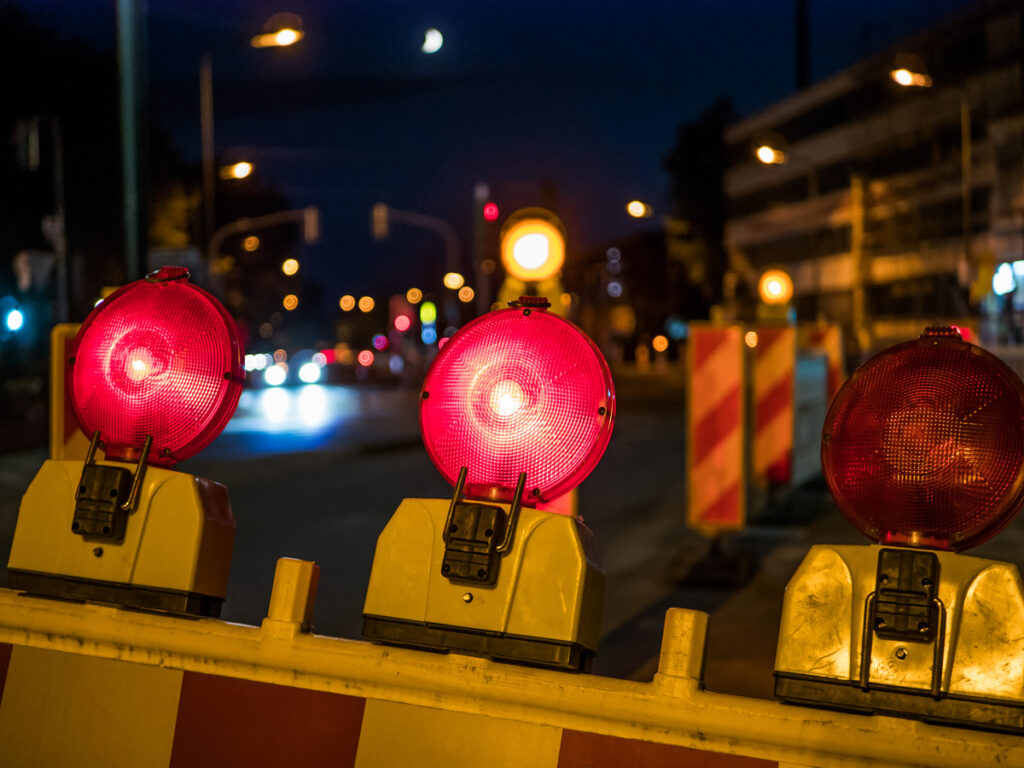
Luci di faro a LED lanciare un segnale continuo in ogni direzione simultaneamente. Utilizzano lenti cilindriche per distribuire la luce in modo uniforme. Le unità moderne simulano la rotazione tradizionale utilizzando più diodi a stato solido. Questo design brillante elimina completamente le parti mobili fragili. Allunga drasticamente la durata di vita delle apparecchiature.
Quando utilizzare le luci stroboscopiche a LED direzionali
Le unità direzionali eccellono in posizioni di montaggio specifiche. Proteggono le zone immediatamente anteriori e posteriori di un veicolo.
Montaggio sulla griglia anteriore e posteriore
Montano i tecnici spie direzionali a LED direttamente sulle griglie dei camion. Li installano anche sui portelloni posteriori in modo sicuro. Questi lampeggiatori avvisano i veicoli che si avvicinano direttamente da dietro. Inoltre, puliscono efficacemente le intersezioni se montati rivolti in avanti.
Prevenzione delle collisioni T-Bone alle intersezioni
I camion utilitari spesso parcheggiano lateralmente sulle corsie attive. Gli equipaggi montano flash direzionali sui lati del pianale del camion. Queste luci rivolte lateralmente prevengono catastrofiche collisioni a T durante la notte. Definiscono chiaramente la lunghezza del veicolo che ostacola.
Applicazioni ideali per i fari a LED
Alcuni veicoli operano in modo imprevedibile su più corsie di traffico. Queste flotte richiedono legalmente una visibilità a 360 gradi per sopravvivere.
Protezione degli spazzaneve e degli spazzatrici stradali
Gli spazzaneve attraversano più corsie autostradali durante le forti tempeste invernali. Gli spazzini stradali si muovono lentamente attraverso gli incroci urbani trafficati. Entrambi i tipi di veicoli utilizzano 360-Spie luminose a LED di grado costantemente.
Il potente faro assicura che il traffico circostante veda immediatamente il pericolo:
- Gli automobilisti che si avvicinano vedono l'avviso a un miglio di distanza.
- I veicoli in transito restano consapevoli della presenza del camion accanto a loro.
- Il traffico posteriore mantiene automaticamente una distanza di sicurezza.
Guida di veicoli di scorta per carichi eccezionali
Le auto pilota guidano carichi enormi attraverso i confini di stato in sicurezza. Fanno affidamento su carichi pesanti Luci di faro a LED sui loro tetti. Il flash omnidirezionale avvisa immediatamente il traffico autostradale in arrivo. Avvisa anche i veicoli che tentano di sorpassare l'enorme convoglio.
Integrazione di entrambi i sistemi per la massima visibilità
Molte flotte commerciali combinano entrambe le tecnologie per la massima sicurezza. Un approccio ibrido elimina completamente i pericolosi punti ciechi.
Creazione di un perimetro di sicurezza ridondante
I gestori della flotta installano un segnalatore principale sul tetto del veicolo. Completano questo faro con flash direzionali sui paraurti. Ciò crea un perimetro di sicurezza ridondante completo a 360 gradi. I flash inferiori catturano efficacemente l'attenzione dei conducenti che seguono da vicino. L'alto faro sul tetto penetra nel traffico su lunghe distanze.
Gestione dell'assorbimento di potenza nelle flotte miste
Le luci alogene tradizionali consumano rapidamente le batterie. Tuttavia, moderno stato solido Luci stroboscopiche a LED consumano pochissima energia elettrica. I veicoli possono far funzionare più fari e flash contemporaneamente senza guasti all'alternatore. Questa efficienza protegge la batteria del veicolo durante i lunghi turni notturni.
Conclusione: Seleziona le spie LED giuste
La selezione del modello ottico corretto protegge i tuoi equipaggi e il tuo budget. I flash direzionali forniscono un'intensità intensa, avvisi mirati per specifiche zone di pericolo. Luci di faro a LED offrono una visibilità omnidirezionale essenziale per i veicoli imprevedibili. I gestori della flotta devono valutare i rischi operativi specifici prima dell'acquisto. Assicurati la tecnologia di illuminazione adeguata per mantenere sicure le tue zone di lavoro.
Optraffic produce esattamente questi Luci di faro a LED e flash direzionali per flotte commerciali. Responsabili degli acquisti negli Stati Uniti, Regno Unito, e l'Australia si affidano a Optraffic per gli ordini all'ingrosso. Il team di ingegneri di Optraffic progetta soluzioni di illuminazione durevoli per soddisfare la rigorosa conformità federale. Contatta Optraffic oggi stesso per equipaggiare i tuoi veicoli con premium Luci di avvertimento a LED.
Domande frequenti
NO. Moderno Luci di faro a LED utilizzare interamente la tecnologia a stato solido. Più diodi stazionari lampeggiano in sequenza per simulare la rotazione in modo fluido. Questo design durevole elimina completamente gli ingranaggi rotti e i motori bruciati.
I tecnici montano le unità direzionali su superfici verticali piane. Le posizioni comuni includono le griglie anteriori, portelloni posteriori, e pannelli laterali. Queste posizioni specifiche indirizzano la luce direttamente verso i conducenti in avvicinamento.
SÌ. Molte flotte commerciali combinano entrambe le tecnologie per la massima sicurezza. Un faro sul tetto offre una visibilità a 360 gradi a lunga distanza. I flash direzionali inferiori avvisano i conducenti immediatamente dietro il veicolo.
NO. I moderni LED a stato solido consumano una potenza elettrica estremamente bassa. I veicoli della flotta possono azionare più segnalatori contemporaneamente senza scaricare la batteria. Questa elevata efficienza garantisce prestazioni affidabili durante i lunghi turni invernali.
I veicoli che cambiano spesso corsia richiedono una visibilità costante a 360 gradi. Spazzaneve, spazzini stradali, e le scorte di carichi di grandi dimensioni fanno molto affidamento sui fari. La luce omnidirezionale li protegge da tutti gli angoli di traffico circostanti.