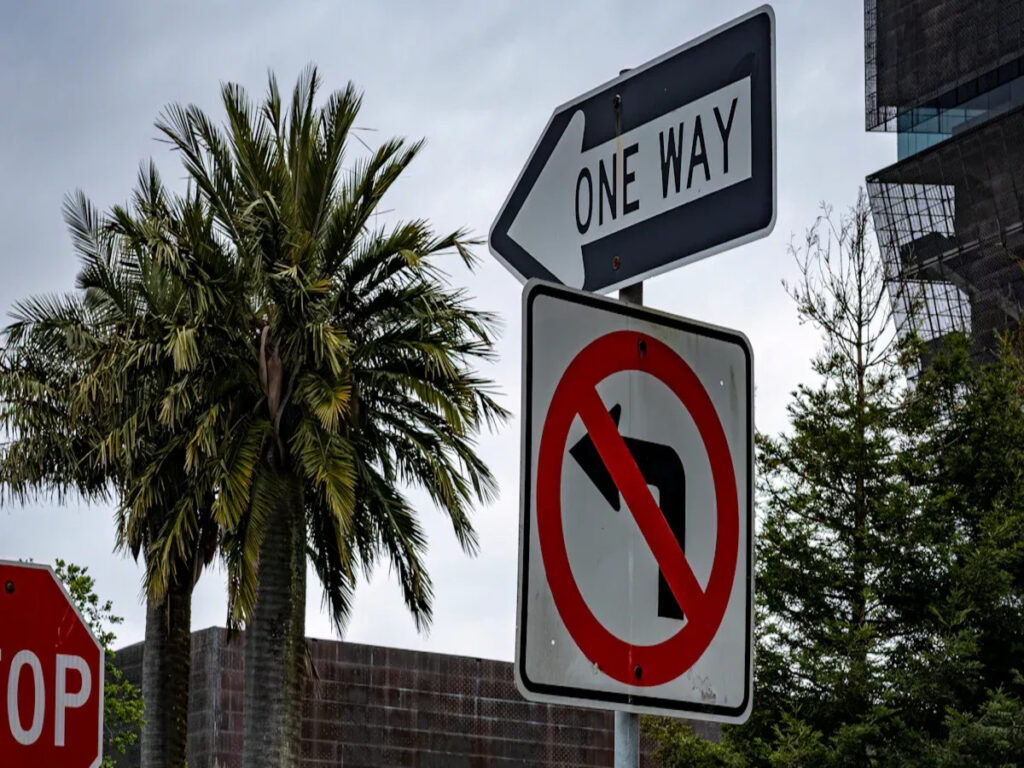
Quando si tratta di sicurezza del traffico, i segnali stradali sono fondamentali per mantenere la visibilità, soprattutto in condizioni di scarsa illuminazione o di cattivo tempo. Tuttavia, col tempo, i fogli riflettenti possono deteriorarsi a causa dell'esposizione agli elementi, ecco perché è importante comprendere la longevità dei diversi materiali. ANCA (Prismatico ad alta intensità) E Grado di diamanti sono due tipi comuni di fogli riflettenti utilizzati per la segnaletica stradale. In questo blog, confronteremo la longevità all'aperto di HIP vs. Segni di grado diamante, concentrandosi su come ciascun materiale resiste all'esposizione ai raggi UV, nebbia salina, variazioni climatiche, e altro. Comprendere questi fattori ti aiuterà a selezionare il materiale giusto, riducendo in definitiva il costo totale di proprietà (TCO) evitando lo sbiadimento prematuro, delaminazione, e frequenti sostituzioni.
A OPTRAFFICO, comprendiamo l'importanza di scegliere il materiale giusto per segnaletica stradale riflettente. Sia che tu stia cercando la qualità Diamond per una durata superiore in climi rigidi o che tu abbia bisogno di una soluzione più economica con le lastre HIP, i nostri segnali stradali di alta qualità garantiscono visibilità e prestazioni a lungo termine. Forniamo segnali stradali conformi al MUTCD progettati per resistere ai raggi UV, aria costiera, e tempo estremo, aiutandoti a ridurre al minimo i costi di manutenzione a lungo termine ed evitare sostituzioni frequenti.
Durata garantita dell'HIP vs. Segni di grado diamante per zona climatica
IL vita garantita della segnaletica stradale varia a seconda della zona climatica a cui sono esposti. Entrambi ANCA E Grado di diamanti i segnali sono progettati per durare a lungo, ma le loro prestazioni varieranno in base a fattori ambientali.
In che modo il clima influisce sui rivestimenti riflettenti
- Grado di diamanti i segni in genere superano ANCA segnaletica negli ambienti più difficili. Questo è perché Grado di diamanti il rivestimento è progettato per resistere a condizioni estreme, compreso elevata esposizione ai raggi UV, umidità, E fluttuazioni della temperatura.
- In regioni costiere, Grado di diamanti è più resistente al nebbia salina E aria costiera corrosiva che possono degradare i materiali riflettenti nel tempo.
Nelle aree con alta umidità O piogge frequenti, entrambi i materiali si comportano bene, Ma Grado di diamanti è generalmente la scelta migliore per una maggiore longevità.
Esposizione ai raggi UV e suoi effetti sulla luminosità dei segnali
Radiazione UV è un fattore primario nel ridurre la luminosità e l'efficacia della segnaletica stradale. Col tempo, l'esposizione ai raggi UV del sole può far sì che i segni perdano la loro retroriflessione, che è fondamentale per garantire la visibilità di notte o in condizioni di scarsa illuminazione.
HIP vs. Grado di diamanti: Resistenza UV
- ANCA i segni iniziano a sbiadire notevolmente dopo circa 5-7 anni dell’esposizione ai raggi UV. Ciò è dovuto alla rottura dei microprismi riflettenti nel tempo, che ne diminuisce la luminosità.
- Grado di diamanti i segnali sono progettati per resistere alla degradazione UV fino a 12 anni, mantenendo la loro riflettività molto più a lungo e riducendo significativamente la necessità di sostituzioni. Questo fa Grado di diamanti una scelta più conveniente nel tempo, soprattutto per progetti con esigenze di visibilità a lungo termine.
Aria costiera e nebbia salina: Effetti sul rivestimento riflettente
Gli ambienti costieri sono noti per la loro nebbia salina E umidità, che possono accelerare il degrado dei materiali. Per i segnali stradali situati vicino all'oceano, è essenziale scegliere un rivestimento riflettente in grado di resistere a queste condizioni difficili.
Resistenza alla nebbia salina: HIP vs. Grado di diamanti
- ANCA segni, sebbene efficace in molti ambienti, sono più vulnerabili alla nebbia salina, conducendo a sbiadimento prematuro E delaminazione quando esposto all'aria costiera.
- Grado di diamanti i segnali sono appositamente progettati per resistere alla nebbia salina e all'umidità, assicurando che mantengano la riflettività anche dentro zone costiere. La loro tecnologia di rivestimento avanzata fornisce una maggiore protezione contro gli effetti corrosivi dell'aria costiera, rendendoli la scelta preferita per la segnaletica stradale vicino all'oceano.
Pratiche di manutenzione per prolungare la retroriflettenza
La longevità dei segnali stradali non dipende esclusivamente dal materiale; corretto manutenzione può aiutare a prolungare la vita di ANCA E Grado di diamanti fogli.
Pratiche di manutenzione essenziali per la longevità
- Pulizia regolare: Sporco, Detriti, e l’accumulo ambientale può ridurre la visibilità di un segnale. La pulizia regolare con acqua e sapone neutro aiuta a mantenere la riflettività.
- Ispezione: Controlli regolari per crepe, delaminazione, o segni di Danno UV garantire che eventuali problemi vengano rilevati in anticipo prima che influenzino le prestazioni della segnaletica.
- Conservazione corretta: Quando i segnali stradali non sono in uso, conservandoli al fresco, l’ambiente secco aiuterà a ridurre l’esposizione ai fattori di stress ambientale.
Mentre entrambi ANCA E Grado di diamanti possono beneficiare della manutenzione, Grado di diamanti tende a richiedere meno manutenzione a causa della sua superiore resistenza ai fattori ambientali.
Preoccupazioni fondamentali: Scolorimento e delaminazione prematura
Due dei problemi più comuni che i segnali stradali devono affrontare sono: sbiadimento prematuro E delaminazione. Questi problemi sorgono quando lo strato riflettente inizia a rompersi, con conseguente riduzione della visibilità e necessità di sostituzioni più frequenti.
Prevenire lo sbiadimento e la delaminazione prematura
- ANCA i segnali sono più suscettibili sbiadimento prematuro E delaminazione, soprattutto in zone con esposizione solare estrema, nebbia salina, o alta umidità.
- Grado di diamanti segni, a causa loro rivestimenti avanzati e tecnologia riflettente superiore, resistere sia allo sbiadimento che alla delaminazione, offrendo una durata di vita più lunga con meno sostituzioni necessarie.
Scegliendo Grado di diamanti, puoi ridurre al minimo il rischio di questi problemi e ridurre i costi a lungo termine associati alle frequenti sostituzioni della segnaletica.
Comportamenti tipici di approvvigionamento: Lettura di PDF di garanzia e scansione di casi di studio
Quando si acquistano segnali stradali, responsabili degli appalti spesso rivedere garanzie, casi di studio, E riferimenti per garantire che stiano facendo il miglior investimento.
Migliori pratiche per l'approvvigionamento
- Esamina i PDF della garanzia: Assicurati di leggere attentamente i documenti di garanzia per comprendere la durata prevista del materiale, soprattutto in specifiche condizioni ambientali.
- Scansiona casi di studio: Cerca esempi reali di come ANCA E Grado di diamanti il rivestimento ha funzionato in ambienti simili.
- Richiedi referenze: Parla con gli altri Comuni, appaltatori, o fornitori che hanno utilizzato questi prodotti nella tua zona per ottenere un feedback diretto.
Questi passaggi ti aiuteranno a prendere una decisione informata quando selezioni i segnali stradali giusti per le tue esigenze.
Domande frequenti: Domande comuni sui segnali riflettenti HIP e Diamond Grade
1. Quanto tempo durano i cartelli HIP e Diamond Grade all'aperto?
I segni dell'HIP in genere durano 5-7 anni a seconda del clima, mentre i segni Diamond Grade possono durare fino a 12 anni grazie alla loro superiore resistenza ai raggi UV e durata.
2. In che modo l'esposizione ai raggi UV influisce sulla luminosità dei segnali stradali?
L'esposizione ai raggi UV fa sì che i segni dell'HIP svaniscano più rapidamente, cominciando intorno 5-7 anni. I segni Diamond Grade mantengono la loro riflettività per 12 anni o più, rendendoli un migliore investimento a lungo termine.
3. La nebbia salina o l'aria costiera influiscono sui rivestimenti riflettenti?
SÌ, la nebbia salina e l'aria costiera possono degradare i rivestimenti riflettenti. I segnali Diamond Grade sono meglio attrezzati per resistere a questi effetti, mentre i segnali HIP sono più suscettibili ai danni negli ambienti costieri.
4. Quale manutenzione può aiutare a prolungare la retroriflessione?
Pulizia regolare, ispezione periodica per danni, e una corretta conservazione può aiutare a mantenere la retroriflessione dei segnali HIP e Diamond Grade.
5. Quali sono i problemi più comuni legati alla riflettività dei segnali stradali??
I problemi più comuni sono lo sbiadimento prematuro e la delaminazione. I segnali Diamond Grade sono meno soggetti a questi problemi rispetto ai segnali HIP, che potrebbero richiedere sostituzioni più frequenti.
Conclusione:
La longevità della segnaletica stradale è fondamentale per garantire visibilità e sicurezza costanti sulle strade. Di scegliere il giusto telo riflettente, non solo puoi migliorare le prestazioni della segnaletica ma anche ridurre i costi di manutenzione a lungo termine. Mentre i teli HIP possono funzionare bene per i climi moderati, Il grado di diamante offre una durata superiore, soprattutto in condizioni difficili come le zone costiere e gli ambienti con elevata esposizione ai raggi UV.
Investire nella segnaletica Diamond Grade significa meno sostituzioni, TCO ridotto, e una maggiore sicurezza stradale. Per i responsabili degli acquisti che desiderano prendere una decisione informata, Il grado di diamante offre la migliore longevità, offrire valore e prestazioni a lungo termine.