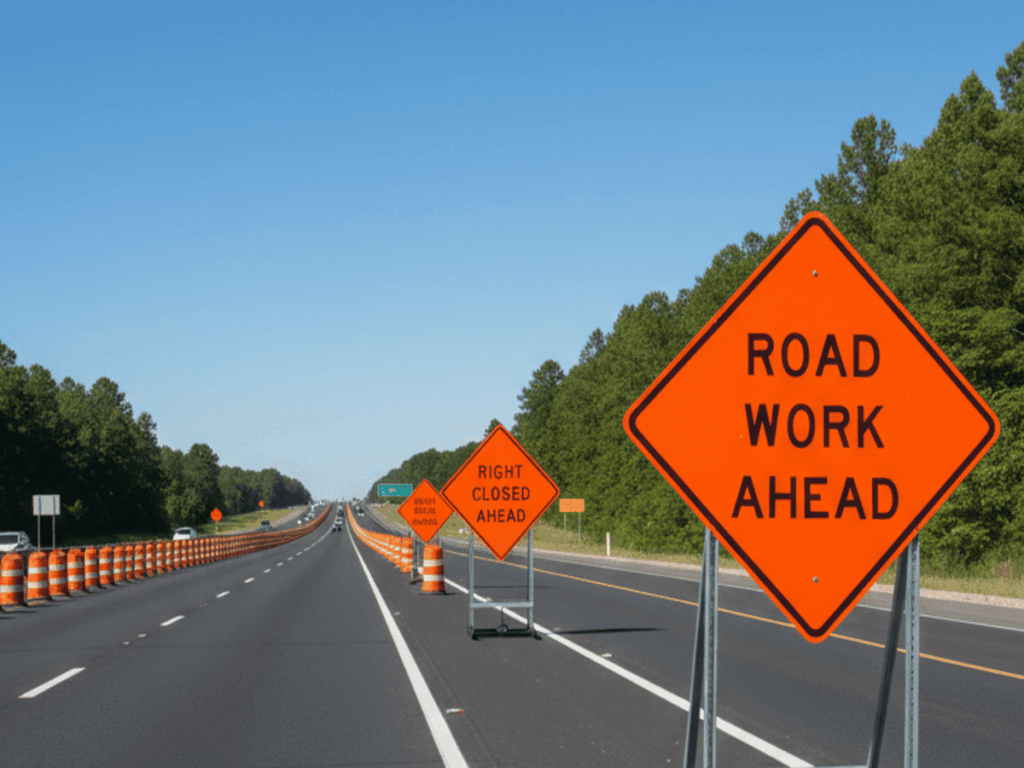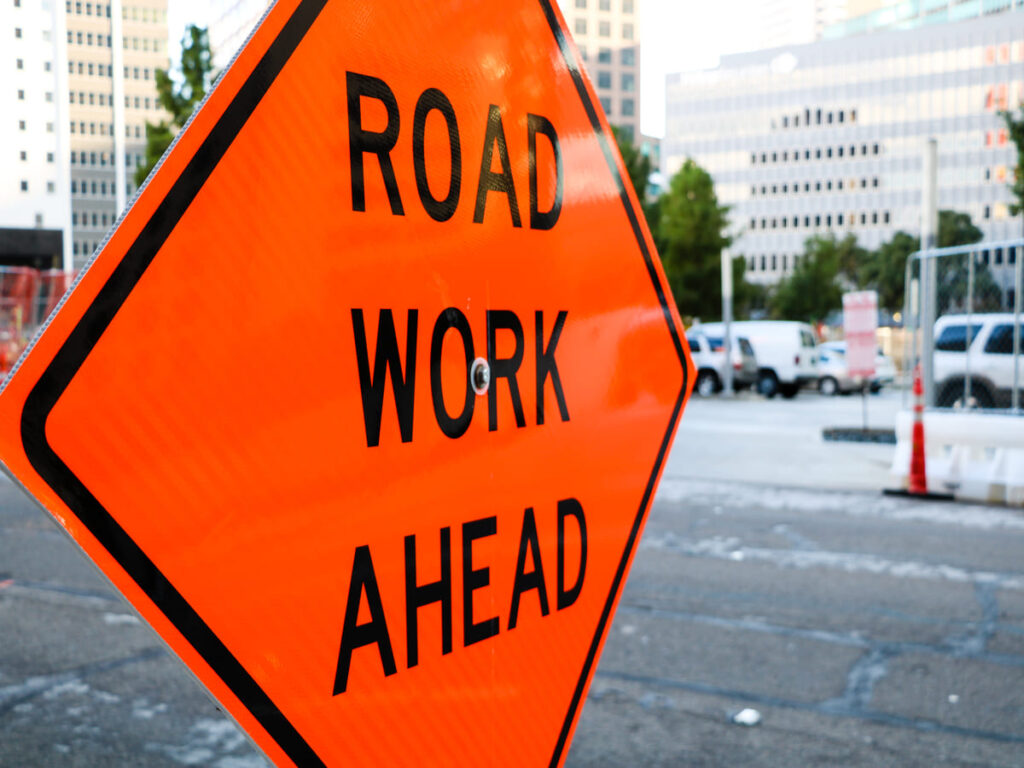
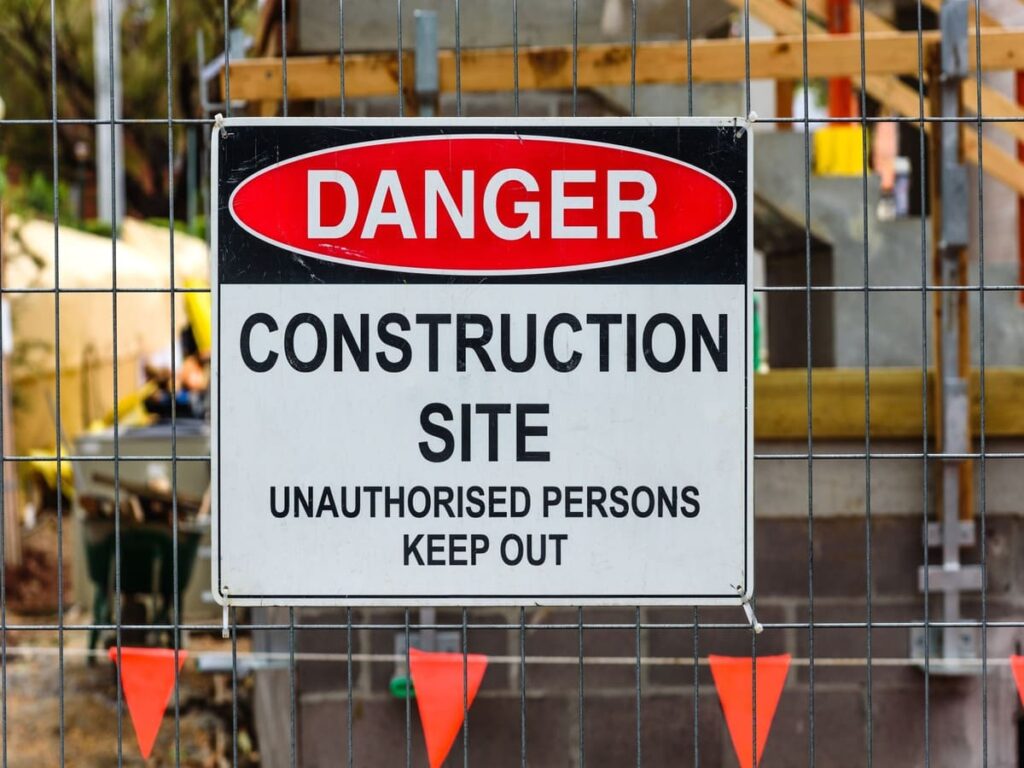
La sicurezza è fondamentale nei cantieri, E segnaletica di cantiere svolge un ruolo cruciale nel garantire la sicurezza sia dei lavoratori che del pubblico. Avere la giusta segnaletica è essenziale per la gestione del traffico, guidare i lavoratori, e il mantenimento della conformità normativa. Il MUTCD e l'OSHA stabiliscono standard rigorosi per l'uso della segnaletica nelle zone di costruzione, progettati per proteggere i lavoratori e aiutare a gestire il flusso del traffico.
Questo blog si concentra sui requisiti normativi per segnaletica di cantiere. Fornirà informazioni dettagliate sugli standard MUTCD e OSHA e spiegherà come funzionano le società di costruzione, appaltatori, e i gestori dei siti possono garantire che i loro siti rimangano conformi. Aderendo a questi regolamenti, possono prevenire gli incidenti, evitare multe, e mantenere un ambiente di lavoro sicuro.
Importanza della segnaletica del cantiere per la sicurezza e la conformità
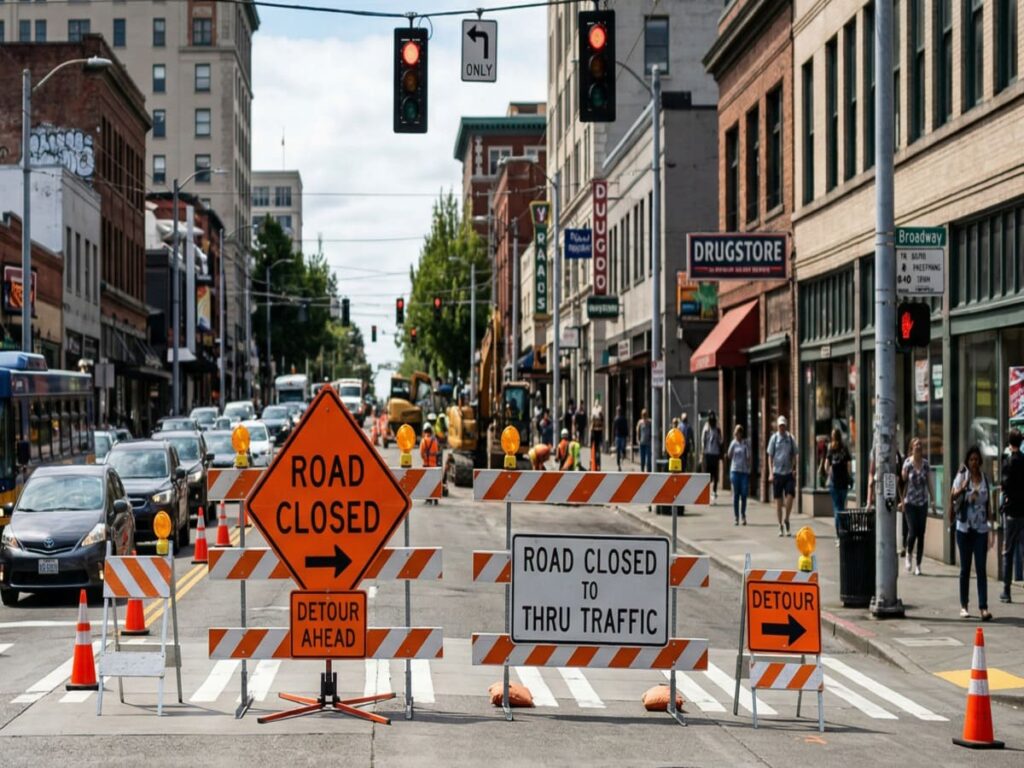
Segnaletica di cantiere non è solo una questione estetica o di comodità, ma riguarda anche la sicurezza e la conformità. I segnali avvisano i lavoratori e il pubblico dei potenziali pericoli, veicoli e pedoni diretti, e comunicare informazioni essenziali sulla sicurezza. Che si tratti di un segnale di avvertimento per un pericolo di caduta, un segnale di limite di velocità per il controllo del traffico, o un segnale di uscita di emergenza, ogni segno ha uno scopo specifico.
L'obiettivo primario di segnaletica di cantiere è garantire che tutti coloro che si trovano all'interno o nelle vicinanze del sito siano consapevoli dei potenziali rischi. Una segnaletica adeguata svolge un ruolo chiave nella riduzione degli incidenti e degli infortuni. Il mancato rispetto degli standard MUTCD e OSHA per la segnaletica può comportare gravi conseguenze, comprese le sanzioni legali, rischi per la sicurezza, e costi finanziari.
Comprendere la conformità MUTCD per la segnaletica dei cantieri edili
Il manuale sui dispositivi di controllo del traffico uniforme (MUTCD) è lo standard federale per tutti i dispositivi di controllo del traffico negli Stati Uniti, compresa la segnaletica delle zone di costruzione. Il MUTCD garantisce che tutti i segnali stradali siano coerenti, facilmente riconoscibile, ed efficace nel guidare il traffico e proteggere i lavoratori.
Requisiti chiave del MUTCD per la segnaletica dei cantieri edili
- Posizionamento e visibilità dei segnali:
Il posizionamento di segnaletica di cantiere deve garantire che la segnaletica sia visibile e posizionata nelle aree in cui operano i lavoratori, appaltatori, e i conducenti possono vederli chiaramente. Ciò include il posizionamento della segnaletica agli incroci, punti decisionali, e attorno al perimetro delle zone di costruzione. I segnali dovrebbero inoltre essere posizionati in modo da dare ai conducenti e ai lavoratori il tempo sufficiente per reagire ai potenziali pericoli. - Dimensioni e riflettività dei segni:
I segnali devono soddisfare requisiti dimensionali specifici per garantire la leggibilità a distanza. Devono inoltre utilizzare materiali riflettenti per la visibilità notturna o in condizioni meteorologiche avverse. Ciò è particolarmente importante per i segnali di avvertimento e di deviazione nelle zone di costruzione. - Disegni standardizzati:
Il MUTCD standardizza la progettazione di segnaletica di cantiere, compreso il colore, forma, e carattere. Ad esempio, i segnali di stop sono rossi e ottagonali, che li rendono facilmente identificabili, mentre i segnali di pericolo sono tipicamente gialli o arancioni per attirare l'attenzione.
Seguendo gli standard MUTCD, puoi garantire che la segnaletica di costruzione sia efficace nella gestione del flusso del traffico e nella protezione dei lavoratori.
Standard OSHA per la segnaletica dei cantieri edili
Mentre MUTCD si concentra sul controllo del traffico, OSHA le normative riguardano specificamente la sicurezza dei lavoratori. L'OSHA lo impone segnaletica di cantiere fornire chiare avvertenze e istruzioni sui pericoli presenti sul sito. Conformità a Segnaletica OSHA norme è essenziale per prevenire gli incidenti e garantire la sicurezza di tutti i lavoratori.
Requisiti OSHA chiave per la segnaletica dei cantieri edili
- Avvertenze sui pericoli:
L'OSHA richiede che vengano affissi segnali di pericolo per avvisare i lavoratori dei rischi specifici presenti nel sito, come i rischi di caduta, Pericoli elettrici, and chemical exposure. Tali segnali devono essere visibili e posizionati dove è probabile che i lavoratori incontrino i pericoli. - Attrezzatura di protezione personale (PPE):
Gli standard OSHA richiedono la segnaletica per indicare i dispositivi di protezione individuale (PPE) necessari per compiti specifici. Per esempio, se i lavoratori devono affrontare lavori in testa o sostanze chimiche pericolose, i segnali devono ricordare loro di indossare dispositivi di sicurezza come elmetti di protezione, guanti, o occhiali di sicurezza. - Segnaletica di risposta alle emergenze:
Vie di uscita di emergenza, postazioni di pronto soccorso, e le posizioni degli estintori devono essere chiaramente contrassegnate. L'OSHA impone che la segnaletica di emergenza sia sempre visibile per guidare i lavoratori verso la sicurezza in caso di incidente o altra emergenza.
Adependo agli standard OSHA, ti assicurerai che il tuo cantiere sia conforme alle norme di sicurezza, che a sua volta riduce il rischio di lesioni o morte.
Conformità agli standard MUTCD e OSHA per la segnaletica dei cantieri edili
Gli standard stabiliti da MUTCD e OSHA si completano a vicenda. Mentre MUTCD garantisce che la segnaletica sia efficace per il controllo del traffico e una comunicazione chiara sulla strada, L'OSHA garantisce che la segnaletica sul cantiere mantenga i lavoratori al sicuro dai pericoli.
Conformità MUTCD e OSHA per diversi tipi di segnaletica
- Segnali di avvertimento:
Segnali di avvertimento, come dispositivi di protezione anticaduta o segnali di pericolo elettrico, avvisare i lavoratori dei rischi immediati. Questi segnali devono seguire gli standard MUTCD e OSHA per garantire visibilità e chiarezza. - Segni normativi:
Segni normativi, come i limiti di velocità, Segnali di stop, e restrizioni di parcheggio, deve soddisfare gli standard MUTCD. Questi segnali sono importanti per mantenere l'ordine sul luogo di lavoro e garantire la sicurezza sia dei lavoratori che del pubblico. - Segni di sicurezza:
Segni di sicurezza (PER ESEMPIO., Requisiti PPE, istruzioni di primo soccorso) sono regolati dalle normative OSHA. Tali segnali devono essere ben visibili ed essere facilmente visibili nelle aree in cui sono presenti pericoli.
Garantendo la conformità agli standard MUTCD e OSHA, contribuisci a creare un cantiere più sicuro e a ridurre il rischio di conseguenze legali.
Migliori pratiche per il posizionamento e la manutenzione della segnaletica dei cantieri
Il corretto posizionamento e la manutenzione continua sono essenziali per segnaletica di cantiere per essere efficace.
Migliori pratiche per il posizionamento della segnaletica
- Garantire la visibilità: Posizionare i segnali in aree altamente visibili dove i lavoratori e gli autisti possano vederli senza ostacoli.
- Usa l'altezza corretta: I segnali dovranno essere posizionati ad altezze adeguate (Generalmente 7 piedi sopra terra) per massimizzare la visibilità.
- Considera l'illuminazione: Per il lavoro notturno, i segnali dovrebbero essere riflettenti o illuminati per garantire la visibilità in condizioni di scarsa illuminazione.
Manutenzione della segnaletica di cantiere
- Ispezionare regolarmente: I segnali dovrebbero essere controllati quotidianamente per eventuali danni, sporco, o ostacoli che potrebbero comprometterne la visibilità.
- Sostituisci i segnali danneggiati: Eventuali segnali danneggiati o sbiaditi devono essere sostituiti immediatamente per garantire che rimangano leggibili e visibili.
- Mantieni i segnali puliti: Pulisci regolarmente i cartelli per prevenire l'accumulo di sporco, soprattutto segnali riflettenti, che possono perdere la loro visibilità se non puliti adeguatamente.
Conseguenze della non conformità: Rischi legali e implicazioni sulla sicurezza
Mancato rispetto degli standard MUTCD e OSHA per segnaletica di cantiere può portare sia a rischi legali che a pericoli per la sicurezza.
Rischi legali di non conformità
- Multe e sanzioni: Gli appaltatori che non rispettano le norme sulla segnaletica possono incorrere in multe e sanzioni sostanziali.
- Responsabilità: La non conformità può anche comportare responsabilità se la segnaletica impropria provoca un incidente o un infortunio.
Rischi per la sicurezza
- Aumento degli incidenti: La mancanza di una segnaletica adeguata aumenta la probabilità di infortuni sul lavoro, come le cadute, collisioni di veicoli, o esposizioni chimiche.
- Segnaletica di emergenza inadeguata: Senza segnali di uscita di emergenza O marcatori di pronto soccorso, i lavoratori possono avere difficoltà a evacuare o a trovare aiuto durante un'emergenza.
Come garantire la conformità alle normative sulla segnaletica di costruzione
Per rimanere conformi MUTCD E Standard OSHA, ecco i passaggi chiave da seguire:
- Condurre controlli di conformità: Dovrebbero essere eseguiti controlli regolari per garantire che tutta la segnaletica sia aggiornata e posizionata correttamente secondo MUTCD E OSHA standard.
- Fornire formazione ai lavoratori: Formare i lavoratori e gli appaltatori sull'importanza di posizionamento del segno E visibilità della segnaletica.
- Utilizza una lista di controllo: Conserva una lista di controllo per ciascuna zona di costruzione per garantire che siano presenti tutti i segnali di sicurezza e di controllo del traffico necessari.
Conclusione
Corretto segnaletica di cantiere è essenziale per mantenere un ambiente di lavoro sicuro, rispettando le normative, e riducendo il rischio di incidenti. Seguendo gli standard MUTCD e OSHA, gli appaltatori possono garantire che le loro zone di costruzione non solo siano sicure ma anche conformi alla legge. L'ispezione e la manutenzione regolare della segnaletica aiutano a mantenere i cantieri edili a norma, garantendo sia la sicurezza dei lavoratori che la gestione del traffico.
Per saperne di più sul miglioramento della sicurezza, efficienza, e il rispetto della segnaletica di cantiere, Dai un'occhiata al nostro Guida completa ai segnali di costruzione.
Domande frequenti: Conformità della segnaletica del cantiere
Quali tipologie di segnaletica sono necessarie in un cantiere edile per la conformità?
I cantieri edili richiedono diversi tipi di segnaletica per garantire la sicurezza e la conformità normativa:
- Segnali di avvertimento: Questi avvisano i lavoratori e il pubblico di potenziali pericoli come i rischi di caduta, elpericoli elettrici, e siti di scavo.
- Segni normativi: Questi includono i segnali di stop, Segni di limite di velocità, e nessun segnali di parcheggio, che aiutano a controllare il flusso del traffico e garantiscono la sicurezza nella zona di costruzione.
- Segni di sicurezza: Segnali che indicano la necessità di dispositivi di protezione individuale (PPE), come gli elmetti protettivi, guanti, e occhiali di sicurezza, nonché uscite di emergenza e posti di pronto soccorso.
Tutti i segnali dovrebbero essere conformi MUTCD E OSHA standard per garantire visibilità ed efficacia adeguate.
Come posso garantire che la segnaletica del mio cantiere sia conforme al MUTCD?
Per garantire il rispetto MUTCD:
- Segui le linee guida di progettazione di MUTCD: Assicurati che la segnaletica sia coerente con gli standard MUTCD per le dimensioni, colore, e riflettività.
- Posizionamento corretto: Posizionare i segnali nei punti decisionali chiave, come le intersezioni, le corsie si uniscono, e ad un'altezza di circa 7 piedi per la massima visibilità.
- Usa materiali riflettenti: Utilizzare materiali riflettenti per i segnali per migliorarne la visibilità, soprattutto in condizioni di scarsa illuminazione.
- Audit regolari: Eseguire ispezioni regolari per garantire che tutti i segnali siano visibili e in buone condizioni. Sostituire tempestivamente eventuali cartelli danneggiati o illeggibili.
Sono previste sanzioni per il mancato rispetto degli standard di segnaletica OSHA?
SÌ, il mancato rispetto degli standard di segnaletica OSHA può comportare sanzioni significative, compreso:
- Multe per il mancato rispetto delle norme di sicurezza.
- Maggiore responsabilità se la segnaletica non conforme contribuisce a provocare un incidente o un infortunio sul posto di lavoro.
- Interruzione del lavoro O ritardi se il sito risulta non conforme alle norme di sicurezza OSHA.
Garantire che tutta la segnaletica di sicurezza sia posizionata e mantenuta correttamente è fondamentale per evitare queste sanzioni e mantenere sicuro l'ambiente di lavoro.
Posso utilizzare la segnaletica temporanea per progetti di costruzione a lungo termine?
Per progetti di costruzione a lungo termine, dovresti utilizzare segnaletica permanente che soddisfi i requisiti MUTCD e OSHA. Tuttavia, è consentita la segnaletica temporanea per esigenze a breve termine come deviazioni del traffico, chiusure di corsia, o rischi specifici del progetto.