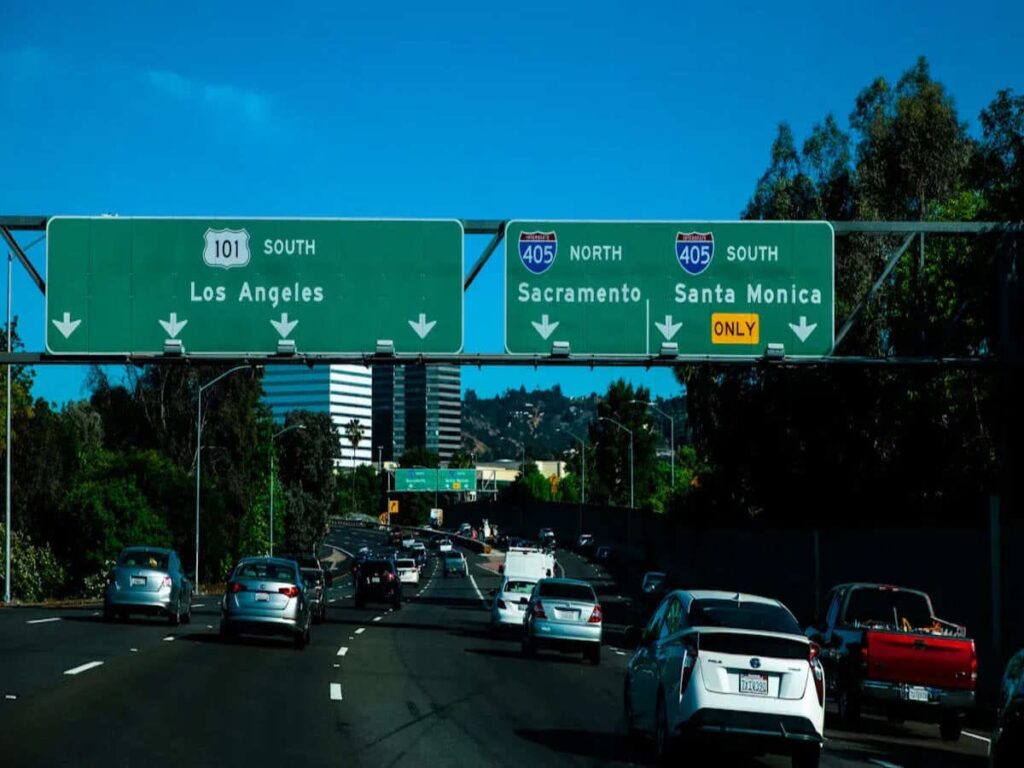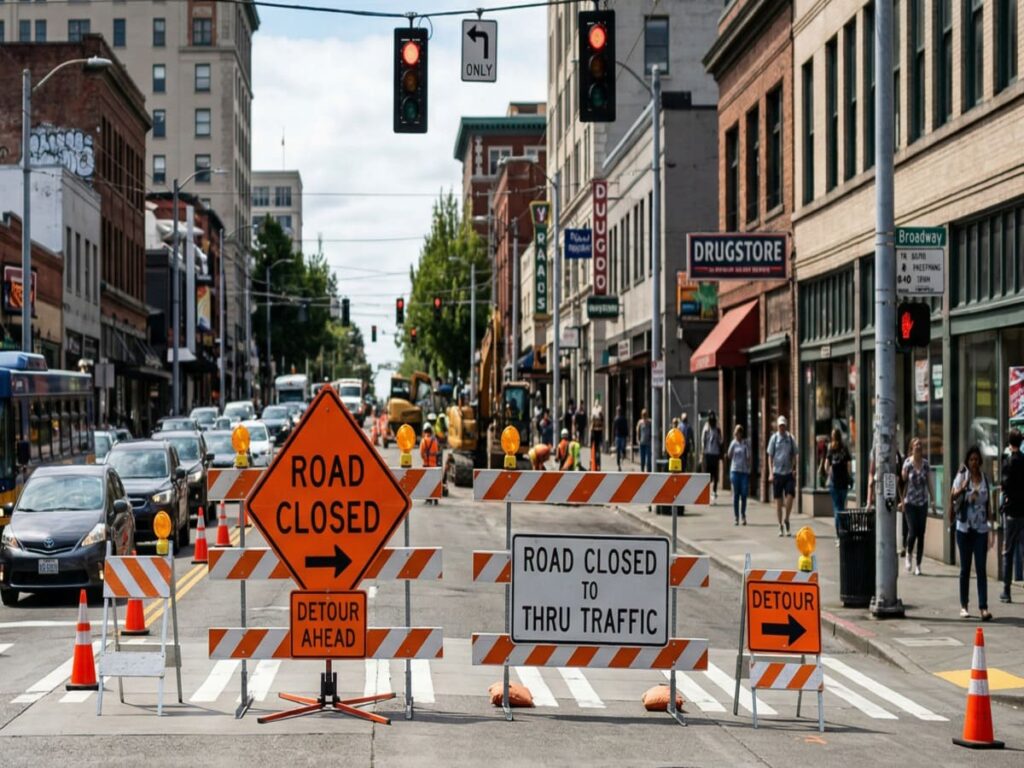
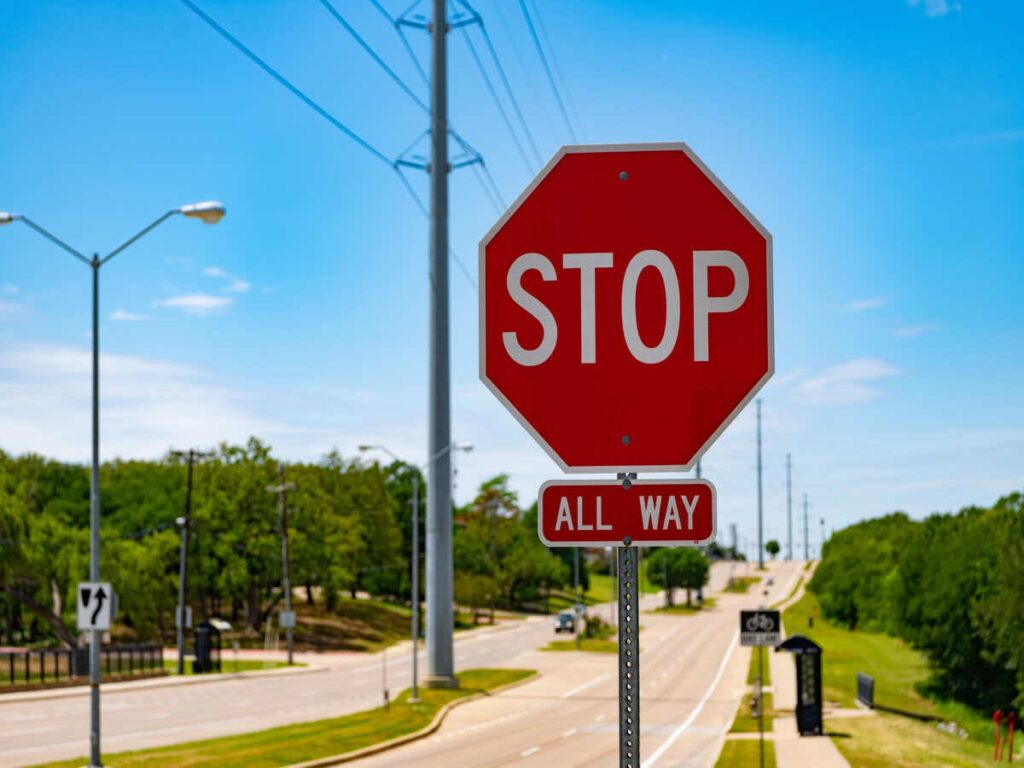
مصنعي علامات الطريق نواجه تغييرات كبيرة ونحن نقترب 2026. المتطلبات المتزايدة لتوسيع المناظر الطبيعية الحضرية, بنية تحتية أكثر ذكاءً, واللوائح الأكثر صرامة تعيد تشكيل مستقبل الصناعة.
وفقا لاستطلاع حديث أجرته شركة MNI, هناك حاليا 7,687 توقيع الشركات المصنعة في الولايات المتحدة, توظيف أكثر 52,000 العاملين في القطاع. مع استمرار المدن في التطور وتوسع مشاريع البنية التحتية, الحاجة إلى جودة عالية, ومن المقرر أن ترتفع علامات الطريق الدائمة.
مع التركيز المتزايد على المدن الذكية, الرقمنة, والاستدامة, الشركات المصنعة لعلامات الطريق يجب أن تتكيف بسرعة. حلول موفرة للطاقة, مواد صديقة للبيئة, والتقنيات المبتكرة ليست مجرد اتجاهات، بل أصبحت معايير صناعية.
مع تطور اللوائح وتحسن سلاسل التوريد, الشركات المصنعة لعلامات الطريق مثل OPTRAFFIC أمامنا تحديات وفرص على حد سواء. إن تبني هذه التغييرات والبقاء في الطليعة سيكون أمرًا بالغ الأهمية لتحقيق النجاح 2026.
2025 مراجعة: نحن. تطورات صناعة الإشارة
الولايات المتحدة. شهدت صناعة اللافتات تحولا كبيرا في 2025, مع التطورات الرئيسية المدفوعة بالابتكار التكنولوجي ومتطلبات الاستدامة المتزايدة. كما تتكيف الصناعة مع التقنيات الجديدة, يواجه المصنعون فرصًا وتحديات للحفاظ على قدرتهم التنافسية.
اتجاهات الاستدامة وكفاءة الطاقة
مع استمرار كون الاستدامة أولوية عالمية, يتزايد الطلب على المواد الصديقة للبيئة في صناعة اللافتات. علامات الطريق الثابتة التقليدية, والتي اعتمدت تاريخيا على الألومنيوم, فينيل, وغيرها من المواد غير القابلة لإعادة التدوير, يتم إنتاجها بشكل متزايد باستخدام بدائل قابلة لإعادة التدوير. يركز المصنعون على استخدام مواد مستدامة تقلل من التأثير البيئي دون المساس بالمتانة أو الرؤية.
في 2025, وهذا الاتجاه نحو الاستدامة ليس مدفوعًا بالضغوط التنظيمية فحسب، بل أيضًا بسبب الطلب المتزايد في السوق على التقنيات الخضراء. كما تسعى الشركات والبلديات لتحقيق الأهداف البيئية, إنهم يبحثون عن حلول اللافتات التي تتوافق مع هذه القيم.
في أوبترافيك, لقد لاحظنا زيادة كبيرة في استفسارات العملاء حول استخدام المواد القابلة لإعادة التدوير في إنتاج اللافتات المرورية. يطلب العديد من العملاء الآن لافتات 100% قابلة لإعادة التدوير لدعم مبادرات الاستدامة الخاصة بهم. يوضح هذا الطلب المتزايد تحولًا واضحًا في السوق, إثبات أن الممارسات الصديقة للبيئة ليست مجرد اتجاه ولكنها ضرورة لتأمين مستقبل الصناعة.
التحولات التكنولوجية لمصنعي لافتات الطرق
في 2025, تُحدث التطورات التكنولوجية ثورة في عمليات تصنيع لافتات الطرق التقليدية. وتشمل التحسينات الرئيسية مواد عاكسة عالية الأداء وطلاءات متينة, والتي تضمن بقاء العلامات مرئية ومقاومة للظروف الجوية القاسية مع مرور الوقت. لا تعمل هذه التقنيات على تحسين طول عمر علامات الطرق وفعاليتها فحسب، بل تساعد الشركات المصنعة أيضًا على تلبية الطلب المتزايد على الحلول طويلة الأمد.
بالإضافة إلى ذلك, أتاحت التطورات في التصنيع الدقيق مثل القطع بالليزر وخطوط التجميع الآلية إنتاجًا أكثر كفاءة وتخصيصًا أكبر. تتيح هذه التقنيات للمصنعين إنشاء لافتات طريق بدقة أعلى وأوقات تسليم أسرع, التأكد من أنها تلبي الطلب المتزايد على اللافتات المخصصة للمدن والشركات. يعد هذا التحول نحو عمليات تصنيع أكثر كفاءة ودقة أمرًا ضروريًا حيث تواجه الصناعة ضغوطًا لتقديم منتجات عالية الجودة وحلول فعالة من حيث التكلفة.
التحديثات التنظيمية والامتثال
المشهد التنظيمي للولايات المتحدة. تطورت صناعة اللافتات بسرعة في 2025, مع معايير جديدة تؤثر على كيفية إنتاج الشركات المصنعة لعلامات الطرق وصيانتها. الشركات المصنعة للعلامة كان مطلوبًا منهم البقاء على اطلاع بهذه التغييرات لتجنب العقوبات. قامت العديد من الشركات بتحديث اللافتات القديمة لتتوافق مع المعايير الجديدة, وخاصة تلك التي تنطوي على متطلبات الانعكاس والرؤية للسلامة.
مع تشديد اللوائح, وخاصة فيما يتعلق بالاستدامة واستخدام المواد, توقيع الشركات المصنعة واجهت تحديات في تحقيق التوازن بين مراقبة التكاليف والامتثال. بدءًا, وجاء اعتماد المواد الصديقة للبيئة بتكلفة أعلى, لكن بمرور الوقت, وساعدت هذه الاستثمارات في تقليل استهلاك الطاقة وتحسين جودة المنتج بشكل عام. يعكس هذا التحول الاتجاه الأوسع في الصناعة, حيث لا يساعد الامتثال للمعايير المحدثة على تجنب الغرامات فحسب، بل يعزز أيضًا سمعة الشركات المصنعة كقادة في مجالي السلامة والاستدامة.
سلسلة التوريد والتحديات الاقتصادية
الولايات المتحدة. واجهت صناعة اللافتات تحديات كبيرة في سلسلة التوريد في 2025, بما في ذلك نقص المواد وارتفاع الأسعار. ساهمت التعريفات الجمركية المفروضة خلال إدارة ترامب على مواد اللافتات الرئيسية مثل الألومنيوم والألواح العاكسة في زيادة التكاليف, مما يزيد من تعقيد الجهود التي تبذلها الشركات المصنعة للحفاظ على هوامش الربح أثناء تسليم المنتجات في الوقت المحدد.
لمكافحة هذه التحديات, كثير توقيع الشركات المصنعة وقامت بتنويع سلاسل التوريد الخاصة بها وتحولت إلى المزيد من الإنتاج المحلي. ساعدت هذه الإستراتيجية في تخفيف بعض ضغوط التكلفة وتقليل المهل الزمنية, ضمان إمكانية إنتاج لافتات الطرق وتسليمها بشكل أكثر كفاءة. من خلال الحصول على المواد محليًا والتعاون مع شبكة أوسع من الموردين, تمكنت الشركات المصنعة من الحفاظ على قدرتها التنافسية وتلبية الطلب المتزايد في الوقت المناسب, علامات الطرق عالية الجودة في المدن والبلديات في جميع أنحاء البلاد.
للتعمق أكثر في التأثيرات المحددة لهذه التعريفات على الإنتاج, تحقق من مدونتنا: تأثير الولايات المتحدة. تعريفات الصلب والألومنيوم على إنتاج إشارات المرور.
السلامة على الطرق وابتكارات الشركات المصنعة لللافتات
تعزيز الانعكاسية والرؤية
تعد علامات الطريق الفعالة أمرًا بالغ الأهمية لمنع الحوادث وتحسين السلامة على الطرق. في 2025, الشركات المصنعة لعلامات الطريق نكون باستخدام مواد عاكسة متقدمة تعكس الضوء للسائقين, تحسين الرؤية, خاصة في الليل. هذا الابتكار يجعل العلامات أكثر وضوحًا من مسافات أكبر, وهو أمر مهم بشكل خاص للسيارات ذاتية القيادة التي تعتمد على رؤية واضحة لإشارات الطريق.
تشير الانعكاسية الرجعية إلى خاصية المواد التي توجه الضوء نحو مصدره, مساعدة السائقين على اكتشاف الإشارات ليلاً أو في ظروف الرؤية المنخفضة. وقد أثبتت هذه الابتكارات فعاليتها في الحد من الحوادث. دراسة في مقاطعة ميندوسينو, كاليفورنيا, تنطوي على ترقية منهجية للعلامات والعلامات, ذكرت أ 61% انخفاض في الوفيات و 42% انخفاض في الإصابات. بالإضافة إلى ذلك, تقييم من قبل الإدارة الفيدرالية للطرق السريعة (الهيئة الفيدرالية للطرق السريعة (FHWA).) من اللوحات الخلفية العاكسة للضوء تم العثور على تخفيضات في حوادث التصادم بمقدار 20% في إجمالي حوادث و 44% في حوادث الزاوية.
تعتبر هذه التحسينات في الانعكاس الرجعي خطوة حاسمة نحو تعزيز السلامة على الطرق. تعد قدرة المواد العاكسة على الحفاظ على رؤية عالية في جميع الظروف الجوية أمرًا أساسيًا لضمان السلامة المستمرة لكل من المركبات التي يقودها الإنسان والمركبات ذاتية القيادة.
إشارات المرور الذكية وتكامل البيانات
على الرغم من أن مفهوم إشارات المرور الذكية ينمو في مكانة بارزة, أصبحت إشارات الطرق الثابتة مرتبطة بشكل متزايد بأنظمة البيانات. قد لا تكون هذه العلامات ديناميكية مثل الإصدارات الرقمية, ولكنها جزء من شبكة متكاملة مصممة لتعزيز تدفق حركة المرور والسلامة. إنترنت الأشياء, منظمة العفو الدولية, ويتم استخدام أجهزة الاستشعار بشكل متزايد لجمع البيانات في الوقت الحقيقي حول ظروف حركة المرور, مساعدة المدن على تحسين الطرق وتقليل الازدحام.
تسمح الابتكارات مثل أنظمة التحكم في الإشارات التكيفية بضبط إشارات المرور في الوقت الفعلي بناءً على تدفق حركة المرور, بينما يمكن لأجهزة الاستشعار المدمجة مراقبة حركة مرور المركبات وجودة الهواء, توفير بيانات قيمة لمخططي المدن. تعمل التقاطعات الذكية على تحسين كفاءة الطريق, بينما تعمل الأجهزة/البرامج من الجيل التالي على تبسيط إدارة حركة المرور, ضمان سفر أكثر سلاسة وأمانًا للجميع.
على الرغم من أنها رقمية في المقام الأول, تعمل بعض هذه الأنظمة الذكية على تحسين رؤية وفعالية علامات الطريق التقليدية, المساهمة في إدارة حركة المرور بشكل أفضل وزيادة السلامة لجميع مستخدمي الطريق.
إيجاد الطريق واللافتات المتوافقة مع ADA
في 2025, يعد تحديد الطريق واللافتات المتوافقة مع ADA أمرًا بالغ الأهمية في التخطيط الحضري, مدفوعة بالحاجة إلى مساحات عامة يسهل الوصول إليها وشاملة. المعايير القانونية مثل قانون الأمريكيين ذوي الإعاقة (أدا) التأكد من أن اللافتات تناسب الأشخاص ذوي الإعاقة, ميزات إلزامية مثل طريقة برايل, حروف مرفوعة, والعناصر اللمسية. تعتبر هذه المتطلبات أساسية لتعزيز الاستقلالية والسلامة لجميع المستخدمين, بما في ذلك أولئك الذين يعانون من ضعف بصري. للحصول على فهم شامل لمعايير ADA وكيفية تطبيقها على اللافتات, تحقق من مدونتنا: دليل كامل لمعايير ADA للافتات.
وقد دفع تزايد شيخوخة السكان واعتماد مبادئ التصميم العالمي المدن إلى تنفيذ أكثر وضوحا, لافتات أكثر سهولة. ألوان عالية التباين, حروف اللمس, وتسمح الأنظمة المعيارية بإجراء تحديثات سهلة دون استبدال إعدادات اللافتات بالكامل, مما يجعلها قابلة للتكيف ومستدامة مع مرور الوقت.
تعكس هذه الاتجاهات تحولًا ثقافيًا أوسع نطاقًا نحو التصميم الشامل, التأكد من أن جميع الأفراد, بغض النظر عن العمر أو القدرة, يمكنه التنقل في الأماكن العامة بثقة واستقلالية. وفقا ل صندوق التصميم للمساحة العامة, تستثمر المدن بشكل متزايد في هذه التحسينات لتعزيز إمكانية الوصول لمجموعات سكانية متنوعة.
2026 اتجاهات لمصنعي لافتات الطرق
التكنولوجيا الذكية والمركبات ذاتية القيادة
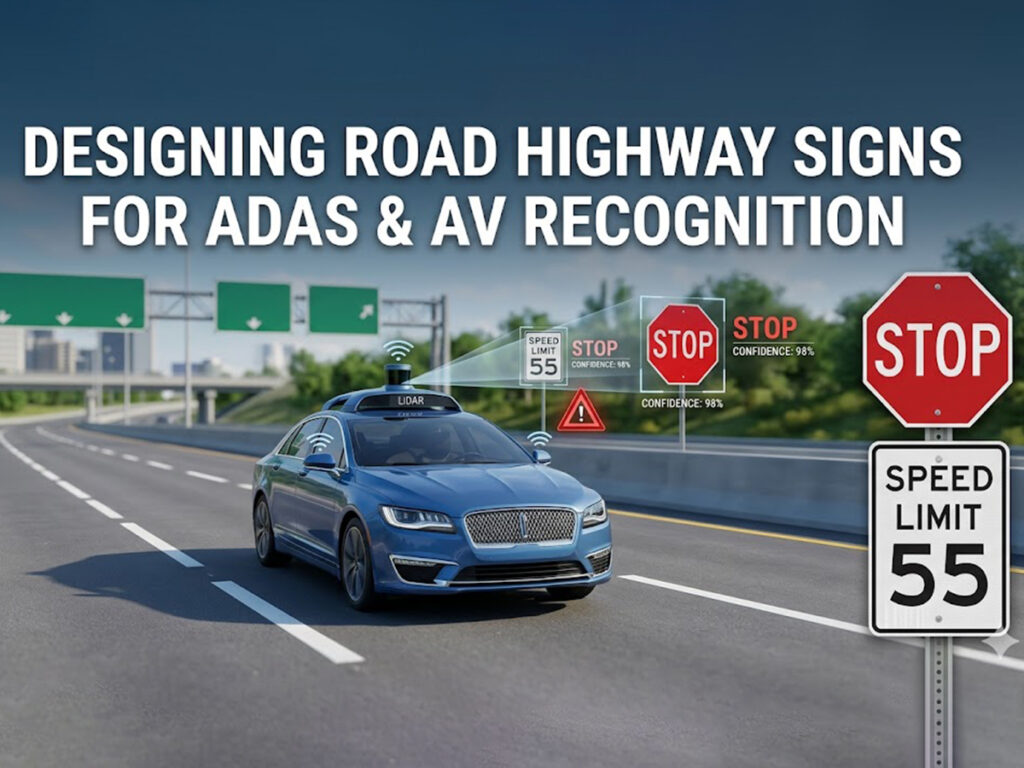
بواسطة 2026, سيواجه مصنعو لافتات الطرق طلبًا متزايدًا بسبب ظهور المركبات ذاتية القيادة وأنظمة الطرق الذكية. ومن المتوقع أن ينمو سوق السيارات ذاتية القيادة العالمية من $2.6 تريليون إلى $8.4 تريليون بواسطة 2035. وهذا سوف يؤثر على تصميم علامة الطريق. يجب على الشركات المصنعة إنشاء لافتات ذكية تتكامل مع المركبات ذاتية القيادة وأنظمة المرور المتقدمة.
تستثمر المدن والولايات في أنظمة المرور التي تعمل بالذكاء الاصطناعي وV2X (مركبة إلى كل شيء) تواصل. تعمل هذه التقنيات على تحسين السلامة على الطرق وتدفق حركة المرور. يقوم المصنعون بتطوير علامات رقمية ديناميكية تعرض معلومات الطقس في الوقت الفعلي, مرور, وحالات الطوارئ. ستساعد هذه العلامات المركبات البشرية والمستقلة على البقاء آمنة. بالإضافة إلى ذلك, ستعمل التقاطعات الذكية المزودة بمستشعرات الذكاء الاصطناعي والتحكم التكيفي في الإشارات على ضبط إشارات المرور في الوقت الفعلي, تحسين إدارة المرور والسلامة.
الاستدامة وتصنيع اللافتات الخضراء
في 2026, ستبقى الاستدامة محور التركيز الرئيسي الشركات المصنعة لعلامات الطريق بسبب الحوكمة البيئية والاجتماعية وحوكمة الشركات (البيئية, اجتماعي, والحكم) اللوائح وطلب المستهلكين على المنتجات الصديقة للبيئة. الشركات المصنعة للعلامة سيختار المزيد من المواد القابلة لإعادة التدوير والقابلة للتحلل. وسوف تتضمن أيضًا تقنيات تعمل بالطاقة الشمسية, يحب علامات VMS, لتقليل استهلاك الطاقة.
يعيد المصنعون التفكير في سلاسل التوريد الخاصة بهم لتقليل التأثير البيئي. سوف يتبنون ممارسات التصنيع الخضراء, مثل الحصول على مواد مستدامة وخفض آثار الكربون. ستساعد هذه الإجراءات الشركات على الامتثال للوائح أكثر صرامة ووضعها كقادة في سوق أكثر خضرة.
ستبقى المتانة أولوية, خاصة في الظروف الجوية القاسية. ستحتوي التصميمات الصديقة للبيئة على أنظمة رقمية لتحديد الطريق مصنوعة من مكونات قابلة لإعادة التدوير وأجزاء موفرة للطاقة. ستلبي هذه الأنظمة أهداف الاستدامة وإمكانية الوصول.
الابتكار والتخصيص في تصنيع لافتات الطرق
في 2026, الشركات المصنعة لعلامات الطريق من المتوقع أن تعطي الأولوية للابتكار والتخصيص لتظل قادرة على المنافسة في صناعة سريعة التطور. مع استمرار نمو المدن والبنية التحتية, سيزداد الطلب على الحلول المخصصة واللافتات المتخصصة. سيحتاج المصنعون إلى تقديم أكثر من مجرد المنتجات القياسية; يجب عليهم إنشاء علامات طريق مخصصة تلبي الاحتياجات المحددة لكل مشروع, من المواد العاكسة إلى الأحجام المخصصة والتصاميم الفريدة.
بالإضافة إلى ذلك, الشركات المصنعة لعلامات الطريق يجب أن تظل في صدارة التقنيات الناشئة مثل اللافتات الذكية وممارسات الاستدامة. مع تزايد المخاوف البيئية, وسيكون الاستثمار في المواد المبتكرة مثل المصابيح التي تعمل بالطاقة الشمسية والمكونات الموفرة للطاقة أمرًا بالغ الأهمية لتحقيق أهداف الاستدامة العالمية. لن تساعد هذه التطورات في تقليل البصمة الكربونية لأنظمة إدارة حركة المرور فحسب، بل ستلبي أيضًا الطلب المتزايد على الحلول الصديقة للبيئة في الصناعة..
في أوبترافيك, ونحن ملتزمون بالتحسين المستمر لعروضنا لتلبية هذه المطالب. لقد قدمنا مؤخرًا مقطورة VMS ذات العدسات الحاصلة على براءة اختراع بمعايير EN12966, والذي يتميز بنظام العدسات البصرية الحاصل على براءة اختراع. يقوم هذا النظام بتركيز ضوء LED بشكل أكثر كفاءة, تعزيز السطوع والتباين بشكل ملحوظ. والنتيجة هي تحسين الأداء البصري بمقدار 10 مرات مع تقليل استهلاك الطاقة بشكل كبير, مما يجعلها حلاً أكثر استدامة وفعالية من حيث التكلفة لإدارة حركة المرور الديناميكية.
من خلال تبني الابتكار والتخصيص, يمكن للمصنعين إنشاء أكثر كفاءة, متينة, وعلامات الطريق المستدامة, وضع أنفسهم بعيدا في سوق تنافسية بشكل متزايد.
التكيف مع التغيير: استراتيجيات لمصنعي لافتات الطرق
تنويع سلاسل التوريد
مصنعي علامات الطريق تواجه العديد من المخاطر المتعلقة باضطرابات سلسلة التوريد. وإليك كيف يمكن للمصنعين التعامل مع مخاطر محددة:
| مخاطر سلسلة التوريد | استراتيجية التخفيف المحددة |
|---|---|
| المخاوف الاقتصادية | استراتيجيات الشراء المرنة, مثل تعديل عقود الموردين لاستيعاب تقلبات الأسعار أو تنويع الموردين على أساس الاستقرار الاقتصادي الإقليمي. |
| نقص المواد | قم بإبرام اتفاقيات الموردين المزدوجين وقم بتخزين المواد الأساسية مثل الأغطية العاكسة للوقاية من النقص غير المتوقع. |
| الكوارث الطبيعية | قم بتوزيع الإنتاج عبر مناطق متعددة لضمان توفر خيارات النسخ الاحتياطي في حالة وقوع كوارث محلية. |
| الامتثال التنظيمي | قم بتنفيذ قائمة مرجعية للامتثال ونظام تدقيق لضمان تلبية جميع الموردين والمواد للمتطلبات التنظيمية اللازمة. |
| تهديدات الأمن السيبراني | الاستثمار في برامج الأمن السيبراني وإجراء عمليات تدقيق منتظمة لتأمين منصات سلسلة التوريد الرقمية. |
| الموثوقية اللوجستية | استخدم البرامج اللوجستية لتتبع الشحنات في الوقت الفعلي وتحديد التأخير مبكرًا. |
| نقص العمالة | استثمر في برامج الاحتفاظ بالموظفين والحلول الآلية لتقليل الاعتماد على مجموعة العمالة المتقلصة. |
| تقلب الطلب | استخدم التحليلات التنبؤية لضبط جداول الإنتاج بناءً على اتجاهات السوق وتقلبات الطلب القادمة. |
| المخاطر التشغيلية | تنفيذ جداول الصيانة الوقائية للآلات لتجنب فترات التوقف غير المتوقعة. |
| مخاطر السمعة | قم بتطوير بروتوكول واضح للتواصل مع العملاء لمعالجة مشكلات المنتج أو التسليم المحتملة على الفور. |
الاستثمار في الإنتاج المحلي
يوفر تصنيع لافتات الطرق محليًا العديد من الفوائد المتميزة. يعزز الإنتاج المحلي القدرة على الاستجابة السريعة للتغيرات, يضمن مراقبة أفضل للجودة, ويسمح للمصنعين بفهم الاحتياجات المحلية بشكل أفضل. على سبيل المثال:
- أوقات رد فعل أسرع: تستطيع المصانع المحلية تعديل الإنتاج بسرعة عندما يرتفع الطلب أو عندما تكون هناك تغييرات تنظيمية مفاجئة.
- حلول مخصصة: يمكن للمصنعين تصميم لافتات مخصصة تلبي المعايير المحلية ومتطلبات السلامة المحددة.
- مراقبة الجودة بشكل أفضل: توفر المرافق المحلية مزيدًا من الإشراف وتساعد على ضمان تلبية اللافتات لمعايير الجودة والمعايير التنظيمية باستمرار.
على الرغم من أن الإنتاج المحلي قد يكون له تكاليف عمالة ومواد أعلى, غالبًا ما يتم تعويض ذلك عن طريق التسليم بشكل أسرع, مراقبة أفضل للجودة, والقدرة على تلبية متطلبات السوق المحلية بشكل أكثر فعالية.
تدريب الموظفين والشراكات
يعد التدريب والشراكات القوية أمرًا ضروريًا لضمان بقاء الموظفين على اطلاع دائم بتطورات الصناعة والتقنيات الناشئة. بعض الأمثلة على الاستراتيجيات المستهدفة:
- التدريب المستمر: يمكن للمصنعين تنفيذ ورش عمل منتظمة حول التقنيات الجديدة مثل تحديد الطريق الرقمي والمواد العاكسة المتقدمة. وتضمن ورش العمل هذه تزويد العمال بأحدث المهارات والمعارف.
- الشراكات مع الموردين: يتيح التعاون مع الموردين في برامج التدريب للعاملين التعرف على أحدث المواد وتقنيات التصنيع. على سبيل المثال, يضمن التدريب على تركيب لافتات LED التي تعمل بالطاقة الشمسية أن الفرق جاهزة لتلبية الطلب المتزايد على اللافتات الموفرة للطاقة.
- البرامج الحكومية والصناعية: يمكن للمصنعين المشاركة في برامج تنمية القوى العاملة التي تمولها الحكومة أو المنظمات التجارية. تركز هذه البرامج على بناء المهارات الأساسية لهذه الصناعة, مثل عمليات إشارات المرور أو التصميم والنمذجة ثلاثية الأبعاد لإشارات الطريق.
تلبية المعايير التنظيمية الجديدة للمركبات ذاتية القيادة
كما ننظر نحو 2026, الشركات المصنعة لعلامات الطريق سوف تحتاج بشكل متزايد إلى تكييف تصميماتها وعمليات الإنتاج لتتكامل مع المركبات ذاتية القيادة (ل) التقنيات. في السنوات الأخيرة, لقد انتقلت القيادة الذاتية من المفهوم إلى الواقع, مع الاتجاهات العالمية التي تشير إلى نمو كبير.
على سبيل المثال, أعلنت وزارة الصناعة وتكنولوجيا المعلومات الصينية في ديسمبر 15, 2025, إصدار أول تراخيص للمركبات ذاتية القيادة من المستوى L3 للقيادة المشروطة. ويمثل هذا خطوة حاسمة إلى الأمام في الدفع العالمي نحو المركبات ذاتية القيادة بالكامل. وتعكس هذه الخطوة الأهمية المتزايدة لتكنولوجيا المركبات ذاتية القيادة في جميع أنحاء العالم, بما في ذلك في الولايات المتحدة.
مع ارتفاع المركبات ذاتية القيادة, علامات الطريق يجب أن تتطور. من المحتمل أن يتم تحديث معايير MUTCD الحالية لدعم اتصالات V2X واحتياجات المركبات المستقلة. وقد يشمل ذلك العلامات الذكية التي تنقل المعلومات مباشرة إلى السيارات ذاتية القيادة. يمكن أن تسمح هذه العلامات بإجراء تعديلات في الوقت الفعلي على إشارات المرور وتحذيرات الطريق. يجب على الشركات المصنعة أن تظل في المقدمة من خلال تحديث تصميمات اللافتات لدمج البنية التحتية التقليدية مع التكنولوجيا المستقلة.
الشركات المصنعة للعلامة يجب أن تتبنى التكنولوجيا الذكية, الإنتاج المستدام, وسلاسل التوريد القوية لتظل قادرة على المنافسة في صناعة لافتات الطرق المتطورة. يعد تدريب الموظفين أمرًا بالغ الأهمية لضمان تجهيز الفرق بأحدث المهارات وقدرتها على التكيف مع التغييرات التنظيمية الجديدة. لا تعمل شاشات العرض الرقمية والمواد الصديقة للبيئة على تعزيز السلامة على الطرق والمساهمة في الاستدامة فحسب، بل تساعد الشركات المصنعة أيضًا على تلبية الطلب المتزايد على اللافتات المتوافقة مع ADA.
في أوبترافيك, نحن نبقى في صدارة اتجاهات الصناعة من خلال مراقبة الموارد مثل إرشادات MUTCD, تحديثات الهيئة الفيدرالية للطرق السريعة (FHWA)., والمواقع الصناعية الرئيسية. نحن نركز على الابتكار ونحافظ على استعداد فرقنا. وهذا يضمن أن علامات الطرق لدينا تلبي الاحتياجات المتطورة للبنية التحتية الحديثة وتخدم جميع مستخدمي الطريق بفعالية.
التعليمات
ما هي التقنيات الجديدة التي ستؤثر على تصنيع لافتات الطرق 2026?
سيستخدم المصنعون المزيد من الإشارات الذكية مع الذكاء الاصطناعي وإنترنت الأشياء. تساعد البيانات في الوقت الفعلي المدن على إصلاح حركة المرور والحفاظ على سلامة الأشخاص. ستكون شاشات العرض وأجهزة الاستشعار الرقمية شائعة في اللافتات الجديدة.
كيف يمكن للمصنعين تلبية متطلبات الاستدامة الجديدة؟?
يمكنهم اختيار المواد المعاد تدويرها وتوفير الطاقة عند عمل اللافتات. تساعد لافتات LED التي تعمل بالطاقة الشمسية والأفلام القابلة للتحلل على تقليل التلوث. كما أن الخيارات الخضراء تجعل الشركات تبدو أفضل للعملاء.
لماذا يعتبر الامتثال لـ ADA مهمًا لصانعي لافتات الطرق?
يضمن امتثال ADA إمكانية استخدام الجميع للطرق بأمان. علامات بطريقة برايل, الحروف اللمسية, والألوان عالية التباين تتبع القانون. هذه الميزات تساعد الأشخاص ذوي الإعاقة.
ما هي استراتيجيات سلسلة التوريد التي تساعد في تقليل تأخير الإنتاج?
يستخدم المصنعون العديد من الموردين والمصانع المحلية. إنهم يحتفظون بالمواد الإضافية جاهزة ويراقبون الشحنات باستخدام البرامج. تساعد هذه الخطوات في وقف النقص وإبقاء العمل على المسار الصحيح.
كيف ستكون السيارة لكل شيء (V2X) تأثير التكنولوجيا على علامات الطريق?
مع انتشار تقنية V2X بشكل أكبر, قد تحتاج لافتات الطريق إلى أن تكون مجهزة بالتكنولوجيا الذكية التي تتواصل مباشرة مع المركبات ذاتية القيادة. سيسمح هذا للعلامات بتقديم تحديثات في الوقت الفعلي بشأن حدود السرعة, ظروف الطريق, وغيرها من البيانات الهامة, تمكين السيارات من التكيف والاستجابة بسرعة للظروف المتغيرة.
هل ستكون هناك حاجة إلى تعديل علامات الطريق للمركبات ذاتية القيادة؟?
نعم, حيث أصبحت المركبات ذاتية القيادة أكثر شيوعًا, قد تتطور لوائح إشارات الطريق لضمان توافق أفضل مع أنظمة القيادة الذاتية. يمكن أن يشمل ذلك تحسين اكتشاف أجهزة الاستشعار واستخدام مواد متقدمة يمكن قراءتها بواسطة السائقين البشريين وأجهزة استشعار السيارة, ضمان التفاعل السلس بين إشارات الطرق التقليدية وتكنولوجيا القيادة الذاتية.