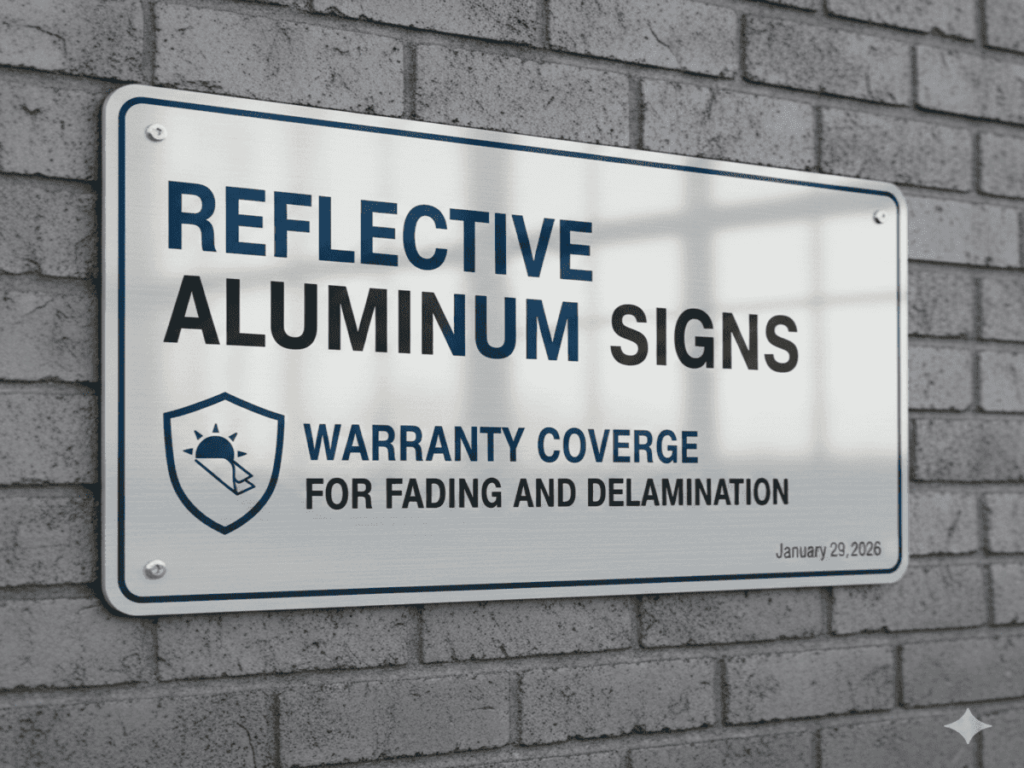
تقييم مديري مشتريات التحكم في حركة المرور علامات الألومنيوم العاكسة غالبًا ما يواجهون نفس سؤال المخاطر: ماذا يحدث إذا فقد وجه الإشارة الأداء مبكرًا، إما من خلال التلاشي المرئي, فقدان سطوع الليل, أو التصفيح عند الحواف?
الضمان الذي يبدو قويًا على الورق قد يفشل في الميدان إذا لم يحدد الأداء, حدود المناخ, وشروط العلاج بشكل واضح. يشرح هذا الدليل ما يغطيه عادةً ضمان اللافتات العاكسة, ما يستبعد في كثير من الأحيان, وما هي التفاصيل الجاهزة للعقد التي تقلل من النزاعات أثناء عمليات التدقيق والاستبدال.
لمصادر الفرق علامات الألومنيوم العاكسة, أوبترافيك يدعم مشاريع التحكم المروري بجودة عالية, لافتات مصنوعة في المصنع مصممة للظروف الميدانية الصعبة. تركز OPTRAFFIC على الإنتاج المتسق, طباعة واضحة وأداء انعكاسي, وممارسات ضمان الجودة الجاهزة للتوثيق, مساعدة مديري المشتريات على توحيد الموافقات والحفاظ على موثوقية إمدادات اللافتات عبر مواقع العمل المتعددة.
يعد التلاشي مقابل التصفيح من حالات الفشل المختلفة مع لغة ضمان مختلفة
التلاشي ليس فقط "تغير اللون"
في مراقبة حركة المرور, عادة ما يصف "التلاشي" مشكلتين منفصلتين:
- متانة اللون: الأحمر يتحول إلى اللون الوردي, يغسل الأصفر, الأسطورة السوداء تصبح رمادية.
- فقدان الأداء ليلا: تظهر العلامة أقل سطوعًا تحت المصابيح الأمامية, تقليل مسافة التعرف.
وترتبط المسألة الثانية بالانعكاس الرجعي، أي مدى فعالية الإشارة في إعادة الضوء إلى السائق. تشرح مواد FHWA الانعكاس الرجعي كخاصية أداء قابلة للقياس (يتم التعبير عنها عادة كـ R<الفرعية>أ</الفرعية> في مؤتمر نزع السلاح/LX/م²) وربطها بالحد الأدنى من توقعات رؤية العلامة في الممارسة العملية.
عادة ما يكون التصفيح مشكلة في سلامة السندات
يشير التصفيح إلى الفصل بين الطبقات - غالبًا الوجه العاكس والركيزة -تظهر كحواف رفع, فقاعات, أو تقشير. يمكن أن يكون سببه عيوب مادية, ولكنه يتأثر أيضًا بظروف التصنيع والتعامل مثل إعداد السطح, درجة حرارة التطبيق, ضغط, وقت المعالجة, ختم الحافة, والتخزين.
عادةً ما يحدد الضمان المفيد في مشتريات التحكم في حركة المرور عملية التفريغ بوضوح ويذكر الشروط المطلوبة للحفاظ على صلاحية التغطية.
الاستبدال الكامل مقابل الضمانات التناسبية يغير القيمة الحقيقية لـ "10 سنوات"
يفترض العديد من المشترين أن "الضمان لمدة 10 سنوات" يعني الاستبدال الكامل للمنتج 10 سنين. في الممارسة العملية, تنقسم الضمانات عادةً إلى هيكلين:
استبدال كامل
تظل التغطية "كاملة" طوال مدة الضمان - وفقًا للشروط - وبالتالي فإن الخلل الذي تم التحقق منه يؤدي إلى علاج محدد (استبدال أو ما يعادلها من الائتمان) دون جدول زمني متناقص.
تصنيف مؤيد
تنخفض التغطية بعد فترة (على سبيل المثال, الاستبدال الكامل في وقت مبكر, الائتمان الجزئي في وقت لاحق). غالبًا ما تحول الشروط التناسبية معظم التكاليف إلى المالك بعد منتصف العمر لأن الضمان قد يغطي المواد فقط ويستثني تكاليف التشغيل.
لبرامج التحكم في حركة المرور, التكاليف التشغيلية يمكن أن تهيمن: إزالة, تثبيت, إغلاق حارة, نوافذ العمل, ووقت الطاقم. لذلك, تعتمد قيمة الضمان بشكل كبير على ما إذا كان يغطي العمالة والتركيب, أو استبدال المواد فقط.
تعتبر شروط المناخ والجغرافيا شائعة ويمكن أن تقلل من التغطية
أداء الأغطية العاكسة يختلف حسب التعرض للأشعة فوق البنفسجية, ركوب الدراجات الحرارية, رطوبة, والملح الساحلي. غالبًا ما تستخدم الشركات المصنعة الكبرى "المناطق" المناخية لضبط مدة الضمان وشروطه.
توضح وثائق ضمان Avery Dennison تخفيضات الضمان على أساس المنطقة (وتخفيضات إضافية مرتبطة بظروف التثبيت مثل الاتجاه غير الرأسي).
من حيث المشتريات, وهذا يعني أن نفس مواصفات العلامة يمكن أن تحمل حقائق ضمان مختلفة اعتمادًا على مكان تثبيتها. للبرامج التي تغطي مناطق متعددة, يجب أن تتطابق ملفات الضمان مع منطقة التثبيت بدلاً من استخدام بيان عام "بحجم واحد"..
غالبًا ما تحدد الأحبار والتراكبات ما إذا كان "التلاشي" يحدث مبكرًا
أ علامة الألومنيوم العاكسة يمكن استخدام أغطية عالية الجودة ولا تزال تفشل بصريًا إذا كان أسطورة مطبوعة تتلاشى. في كثير من الحالات الميدانية, "العلامة تلاشت" تعني في الواقع "فشل الحبر".
ولهذا السبب تتطلب العديد من برامج الضمان نظام مكونات مطابقًا, حيث الأغطية, أحبار, ويتم استخدام التراكبات الواقية كمجموعة معتمدة.
- تتضمن وثائق ضمان العلامة الرقمية لشركة Avery Dennison متطلبات النظام المرتبطة بالمكونات المستخدمة في التصنيع.
- 3يصف إطار ضمان طباعة إشارات المرور الخاص بـ M توقعات التغطية ويؤكد على العلاقة بين ألوان حركة المرور, أداء عاكس, وأساليب النظام المعتمدة.
- تم أيضًا توثيق أفلام التراكب الواقية كجزء من إستراتيجيات المتانة في أدبيات الشركة المصنعة.
لفرق المشتريات, الوجبات الجاهزة العملية بسيطة: الضمان الذي يغطي الأغطية فقط ولكنه لا يشمل الأحبار أو التراكبات يمكن أن يترك المالك معرضًا لوضع الفشل الأكثر وضوحًا.
الاحتفاظ بالانعكاس الرجعي هو الطريقة الاحترافية لتعريف "التلاشي"
في مراقبة حركة المرور, ويصبح "التلاشي" قابلاً للتنفيذ عندما يرتبط به الاحتفاظ بالانعكاس الرجعي.
- تشرح الإدارة الفيدرالية للطرق السريعة (FHWA) مفاهيم قياس الانعكاس الرجعي واستخدام R<الفرعية>أ</الفرعية> (CD/LX/M²) كأساس قابل للقياس لمناقشة الأداء.
- يحدد ASTM D4956 الفئات ومتطلبات الأداء للألواح العاكسة المستخدمة في أجهزة التحكم في حركة المرور, مع توضيح أيضًا أن نطاق المعيار يركز على الأغطية بدلاً من مكونات الطباعة.
تحدد إرشادات FHWA ذات الصلة بـ MUTCD أيضًا التوقعات بضرورة الحفاظ على العلامات لتلبية الحد الأدنى من احتياجات الرؤية, وهذا هو السبب في أن لغة الضمان التي تشير إلى الاحتفاظ القابل للقياس تتوافق بشكل أفضل مع محادثات الامتثال الحقيقية.
يمكن أن تؤثر متطلبات الصيانة والتنظيف على صلاحية الضمان
تنشأ بعض النزاعات المتعلقة بالضمان من ممارسات الصيانة وليس من عيوب مادية. تشمل القضايا الشائعة:
- مواد كيميائية عدوانية تعمل على ضبابية التراكبات أو تحلل الأحبار
- الأدوات الكاشطة التي تخدش الطبقات الواقية
- الغسيل بالضغط العالي عند الحواف مما يؤدي إلى تسريع تسرب الرطوبة
- التلوث طويل الأمد الذي يؤدي إلى تدهور السطح
لأصحاب أصول التحكم في حركة المرور, تتضمن حزمة الضمان المفيدة عادةً بروتوكولًا أساسيًا للصيانة والتنظيف, لأنه يقلل من الخلافات اللاحقة حول استثناءات "التعامل غير السليم"..
قائمة مرجعية ملائمة للعقد لما تتضمنه حزمة الضمان القوية
ل علامات الألومنيوم العاكسة في تطبيقات التحكم في حركة المرور, تعتبر وثائق الضمان أكثر موثوقية عندما تتضمن:
- هيكل العلاج
- الاستبدال الكامل مقابل الجدول الزمني المقدر
- تغطية المواد فقط مقابل العمالة/التركيب
- مصطلحات الفشل المحددة
- ما يؤهل للتلاشي (لون, الاحتفاظ بالانعكاس الرجعي, أو كليهما)
- ما هو مؤهل للتصفيح (رفع الحافة, عتبات تقشير, إلخ.)
- الظروف المناخية/الجغرافية
- شروط المنطقة / المنطقة, الظروف الساحلية أو الأشعة فوق البنفسجية العالية إن أمكن
- تغطية المكونات المتطابقة
- التغطية التي تشمل النظام (أغطية + حبر + تراكب), ليس فقط الأغطية الأساسية
- مراجع الأداء
- نوع الأغطية يتوافق مع فئات ASTM D4956
- مصطلحات متوافقة مع قياس الانعكاس الرجعي والحفاظ على توقعات الرؤية
- دعم التتبع
- أرقام الدفعة وسجلات تتبع ضمان الجودة (مفيدة لعمليات التدقيق وحل النزاعات)
جدول المقارنة السريعة
| موضوع الضمان | قوي, صياغة منخفضة النزاع | الفجوة المشتركة التي تخلق النزاعات |
|---|---|---|
| هيكل الاستبدال | تم ذكر الاستبدال الكامل بوضوح | لم يتم الكشف عن الجدول الزمني المتناسب في وقت مبكر |
| نطاق التكلفة | يوضح ما إذا كان العمل/التركيب مشمولاً أم لا | "المواد فقط" مع عدم وجود وضوح بشأن التعرض للتكلفة الإجمالية |
| شروط المناخ | تم توثيق شروط المنطقة/الأشعة فوق البنفسجية العالية/الساحلية | ضمان عام لا ينطبق على المستوى الإقليمي |
| تعريف التلاشي | يتضمن لغة الاحتفاظ بالانعكاس الرجعي | صيغة "المظهر" فقط |
| تعريف التفريغ | عتبات وشروط واضحة | استبعاد واسع النطاق لـ "التثبيت غير السليم". |
| تغطية النظام | أغطية + حبر + تراكب كنظام مغطى | الأغطية مغطاة, تم استبعاد الحبر |
| صيانة | تم تضمين إرشادات التنظيف المعتمدة | تم إلغاء الضمان بسبب "الصيانة" دون إرشادات |
خاتمة
في برامج التحكم المروري, يتعامل الموردون الأكثر موثوقية مع الضمان باعتباره نظامًا موثقًا, ليست جملة واحدة على الاقتباس. تتضمن حزمة ملف الضمان الكاملة عادةً بيان الضمان مع الاستبدال الكامل أو الشروط المقسمة بالتناسب, ملاحظات المناخ أو المنطقة إن وجدت, قائمة المكونات المعتمدة للألواح/الأحبار/التراكب, إرشادات الرعاية الأساسية والتنظيف, وسجلات تتبع الدفعة/الدفعة التي تدعم عمليات تدقيق ضمان الجودة. عندما تكون هذه الوثائق متاحة قبل الشراء, يمكن لمديري مشتريات التحكم في حركة المرور تقليل الاحتكاك بالموافقة, تجنب "الفجوات الورقية" أثناء عمليات التفتيش, واتخاذ قرارات بشأن علامات الألمنيوم العاكسة بناءً على الأداء القابل للقياس بدلاً من الافتراضات.
التعليمات
ما هو الضمان الذي يغطي بهتان علامات الألمنيوم العاكسة؟?
يحدد الضمان المفيد ما إذا كان البهتان يشير إلى متانة اللون, الاحتفاظ بالانعكاس الرجعي, أو كليهما. في مراقبة حركة المرور, الانعكاس الرجعي هو المفهوم الأكثر أهمية من الناحية التشغيلية لأنه مرتبط بالرؤية الليلية وتوقعات الصيانة.
لماذا تبدو اللافتة "باهتة" حتى عند استخدام الأغطية الممتازة?
في كثير من الحالات, تتلاشى الأسطورة بسبب التعرض للحبر والأشعة فوق البنفسجية بدلاً من فشل الأغطية. تتطلب برامج الضمان في كثير من الأحيان أنظمة مكونات متطابقة (أغطية + أحبار + تراكب) للحفاظ على التغطية صالحة.
هل تغير المناطق الساحلية أو ذات الأشعة فوق البنفسجية العالية مدة الضمان?
يمكنهم. تطبق بعض الشركات المصنعة تخفيضات الضمان على أساس المنطقة وشروط إضافية مرتبطة ببيئة التثبيت.
هل يثبت ASTM D4956 أن نظام الإشارة بأكمله مضمون؟?
يتناول ASTM D4956 في المقام الأول مواصفات الأغطية العاكسة للضوء ولا يفعل ذلك, في حد ذاته, ضمان متانة الحبر والتراكب. عادةً ما يحتاج الضمان الكامل للعلامة النهائية إلى تغطية على مستوى النظام.