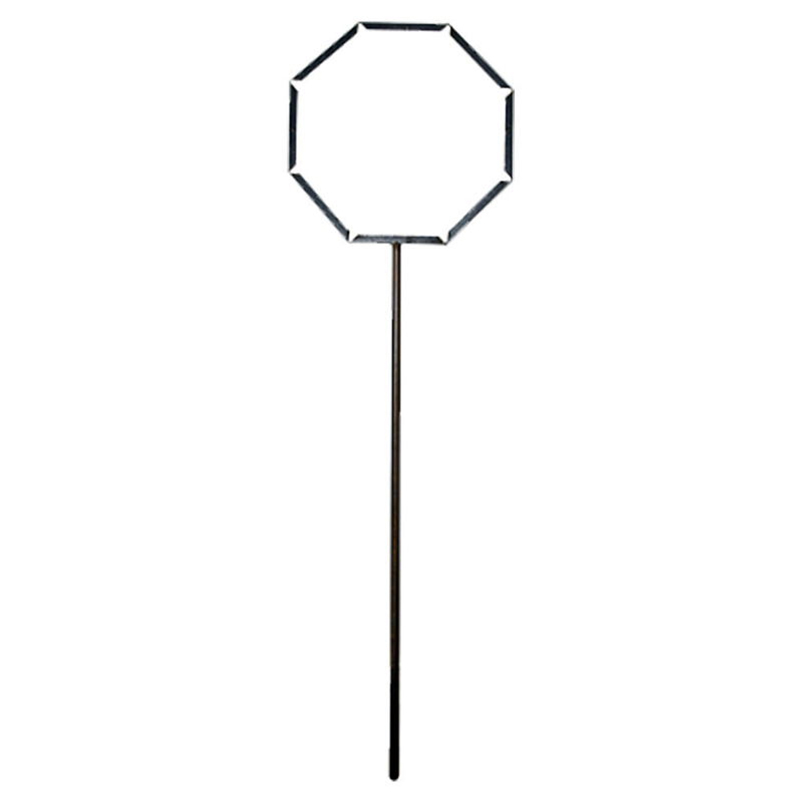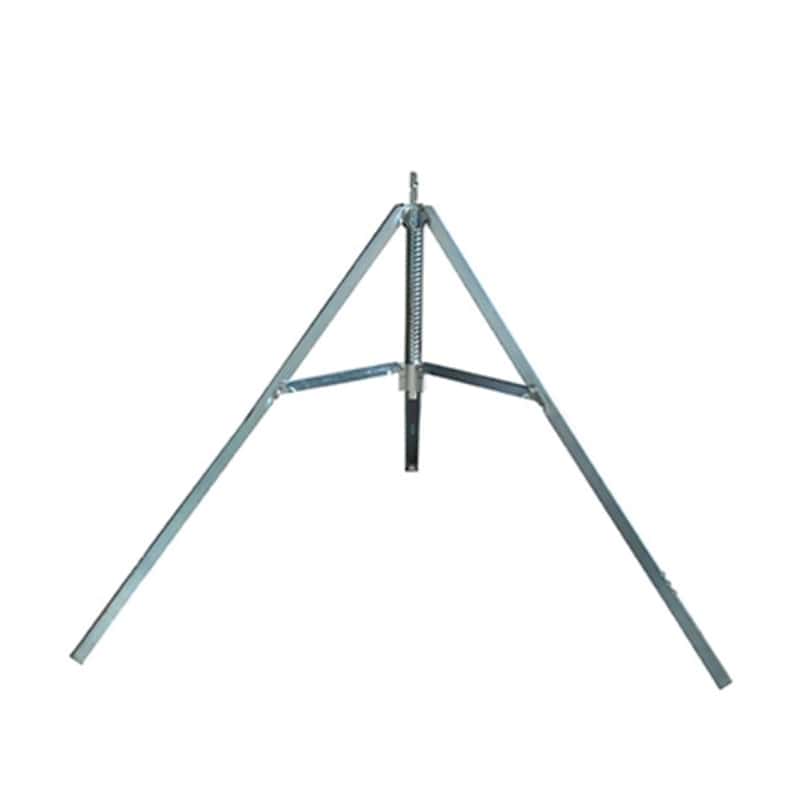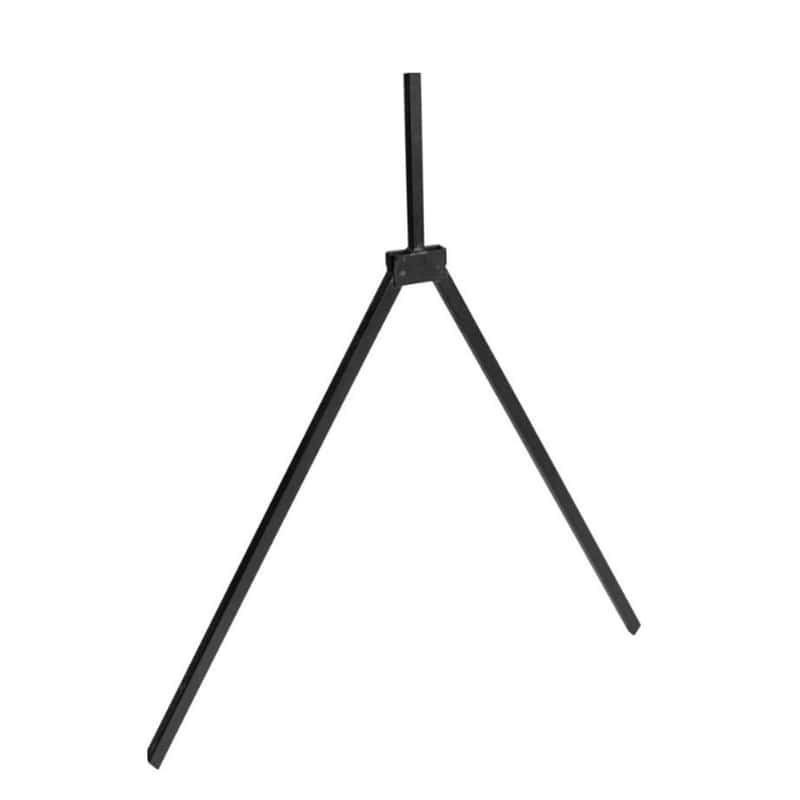
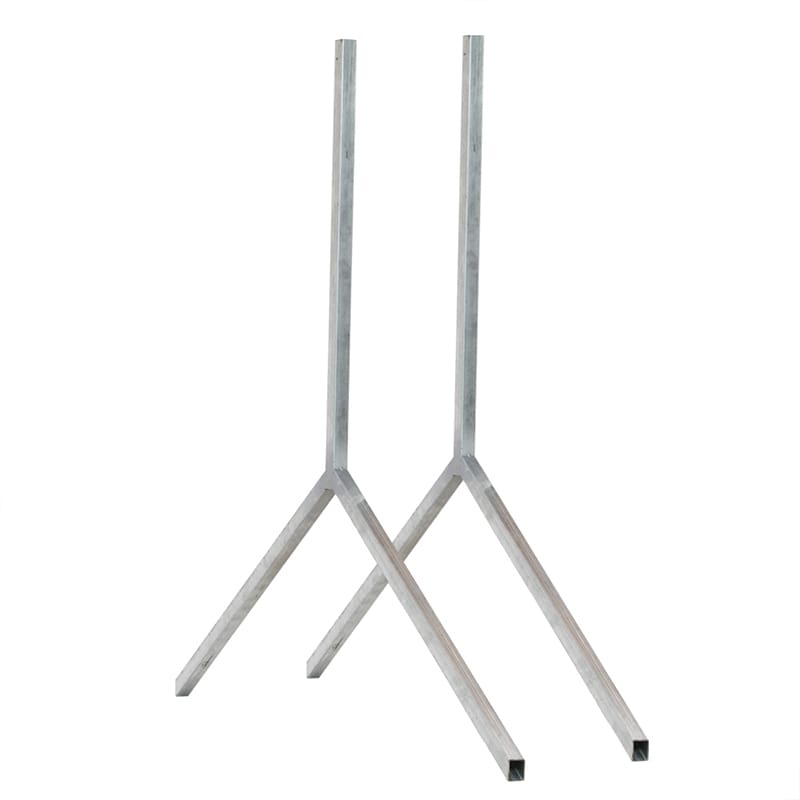
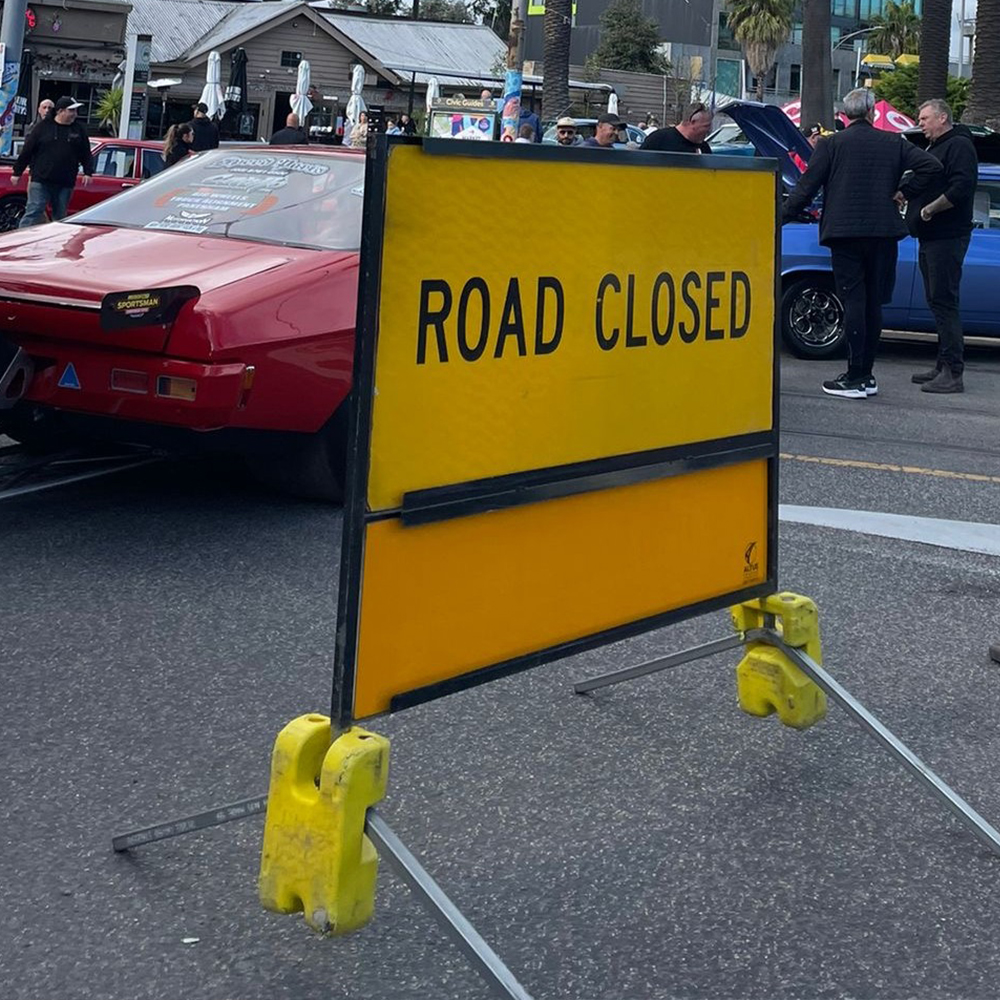
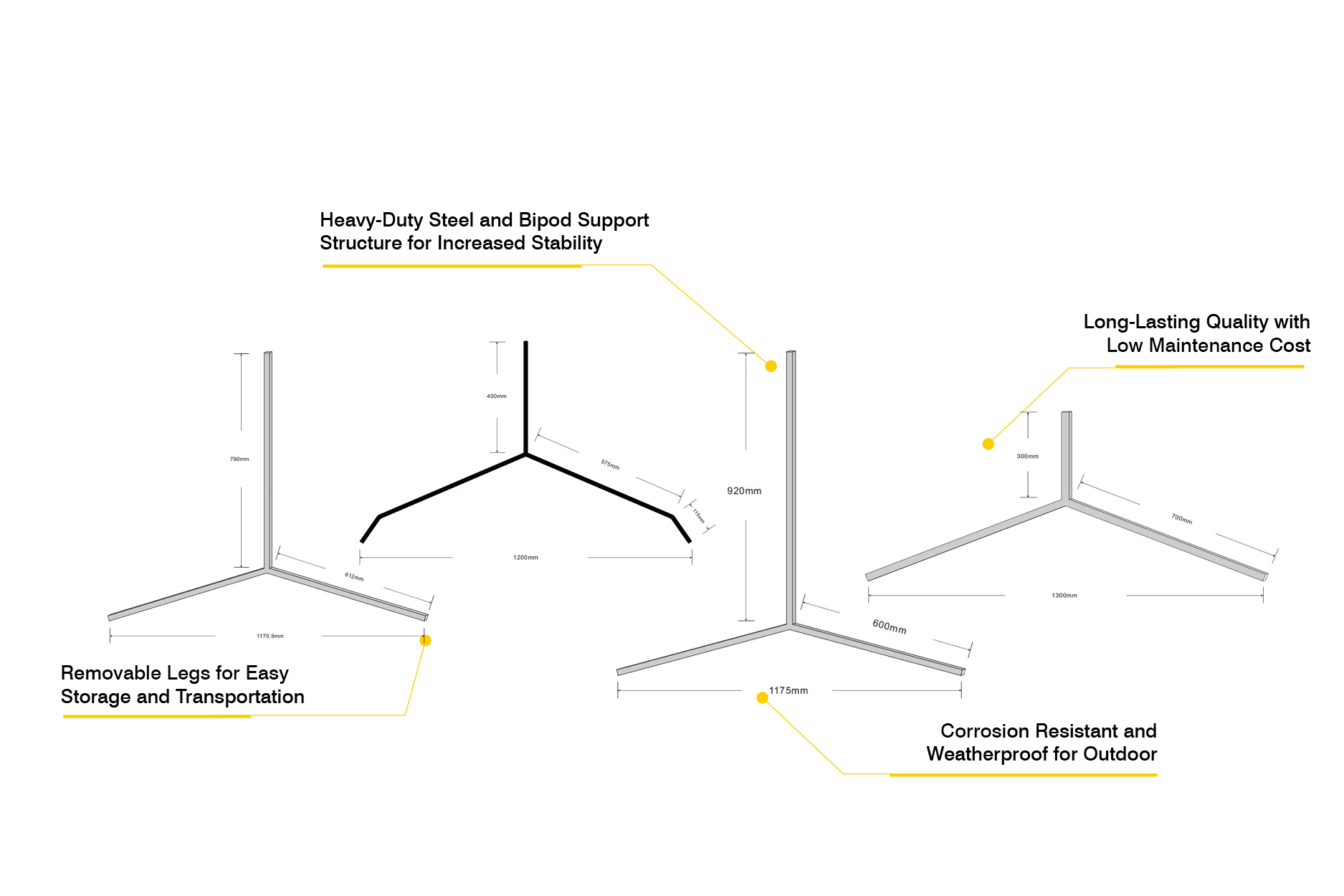
تتميز Stands Optsigns y بأرجل فولاذية قابلة للإزالة متينة مصممة لدعم إطارات متعددة الأحرف, تقديم هيكل قوي ومستقر لعلامات السلامة المؤقتة. هذه y متعددة الاستخدامات تقف بشكل فعال إدارة حركة المرور وتنبيه سائقي السيارات إلى معلومات مهمة, مثل أعمال الطرق, إغلاق الطريق, تخفيضات السرعة, وغيرها من ظروف الطريق الخطرة. يسمح تصميمهم خفيف الوزن بإعداد وسهولة النقل, جعلها أداة أساسية لإدارة حركة المرور في بيئات مختلفة.
*نحن نحترم سريتك وجميع المعلومات محمية.
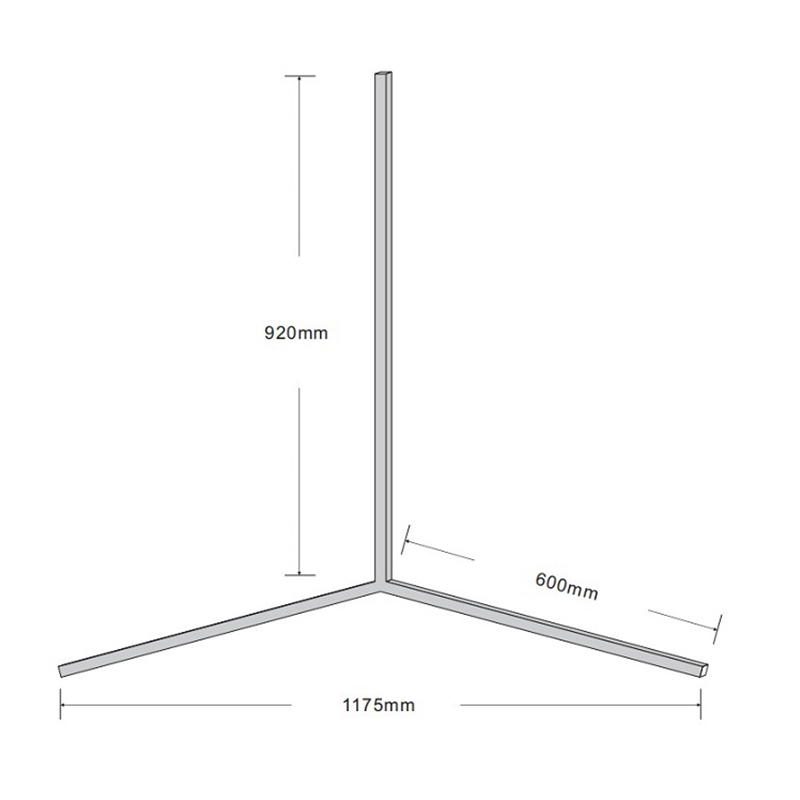
| مقاس | 1175*1095*50مم |
|---|---|
| وزن | 1.65كلغ |
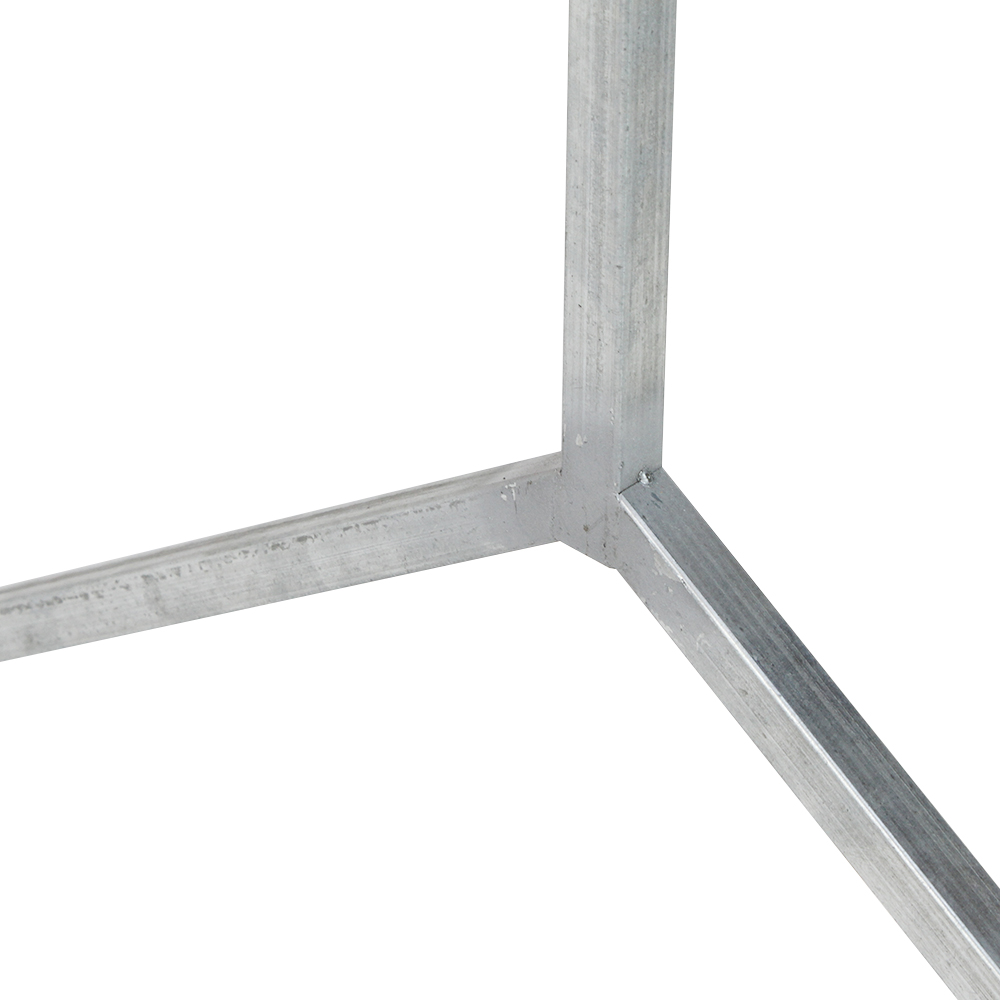
| مادة | الصلب مربع جوفاء |
| ينهي | طلاء مسحوق أسود |
| شريط الأوسط | 920مم |
| طول الساق | 600مم |
| تخصيص | الحجم والشكل المخصص |
استخدام مواقف OptsIsns y واضحة وفعالة. ابدأ بوضع أرجل bipod على سطح مستو حيث تنوي إعداد علامات السلامة المؤقتة الخاصة بك. نعلق الإطار متعدد المراسلة بشكل آمن على الساقين y, التأكد من أنها مستقرة ومستقيمة. اضبط الإطار لعرض الرسائل اللازمة بوضوح, سواء كان ذلك من أجل أعمال الطرق, تخفيضات السرعة, أو تنبيهات السلامة الأخرى. بمجرد الإعداد, تحقق بانتظام من استقرار مواقف Y, خاصة في الظروف عاصفة, لضمان أقصى قدر من الرؤية والسلامة لسائقي السيارات.
نوع 1 barricade is a traffic control device used to warn or direct traffic in temporary work zones, إغلاق الطرق, أو مناطق البناء. It features a single reflective panel (usually orange or white) mounted on a lightweight frame. يكتب 1 barricades are designed for low to moderate traffic areas and are often used for shorter-term applications.
النوع الأول حاجز
تصميم: A lightweight, foldable barricade with one reflective panel, suitable for low-traffic areas.
طلب: Often used in urban or short-term construction zones.
النوع الثاني حاجز
تصميم: A larger, more robust barricade with two reflective panels, providing greater visibility.
طلب: Commonly used for moderate traffic control in construction sites and road work.
النوع الثالث حاجز
تصميم: The largest barricade, typically with three reflective panels, providing maximum visibility.
طلب: Used in high-traffic areas or hazardous zones where maximum warning is needed.
إدارة السلامة والصحة المهنية (إدارة السلامة والصحة المهنية) sets standards for barricades used in construction and industrial settings to ensure worker safety. OSHA standards for barricades are outlined in 29 CFR 1926.200 and state that:
Barricades must be visible and clearly mark hazards to prevent accidents or unauthorized access.
The barricade must have high-visibility materials, such as reflective sheeting, and be designed to withstand environmental conditions.
Barricades must be stable enough to remain upright and prevent injury if struck by vehicles or equipment.
OSHA regulations require that warning barricades are properly maintained and positioned to protect both workers and the public.
While stable under normal conditions, sandbags or weights can be added for extra stability in windy environments.