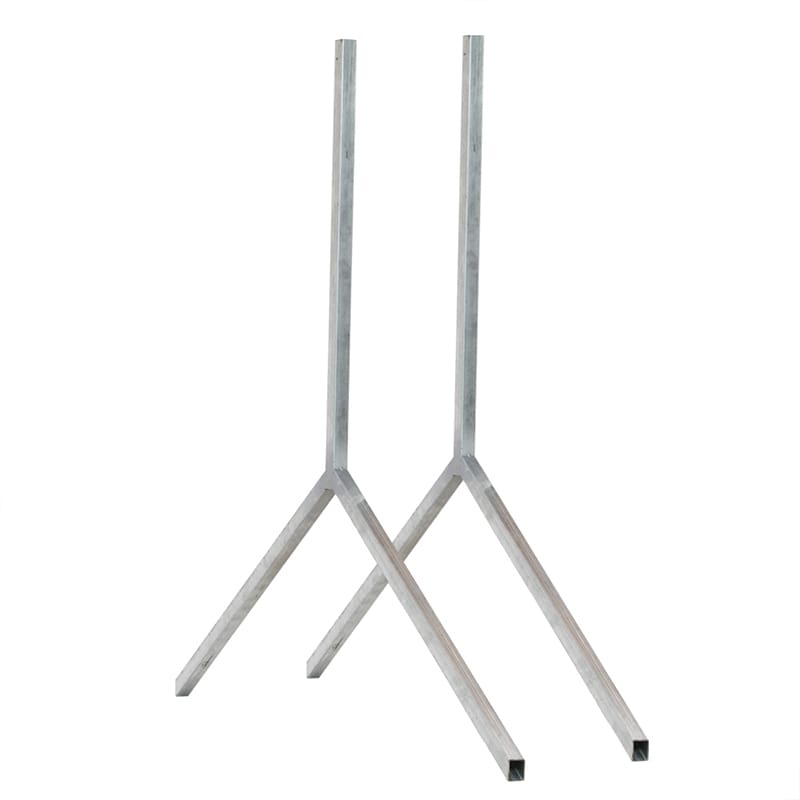
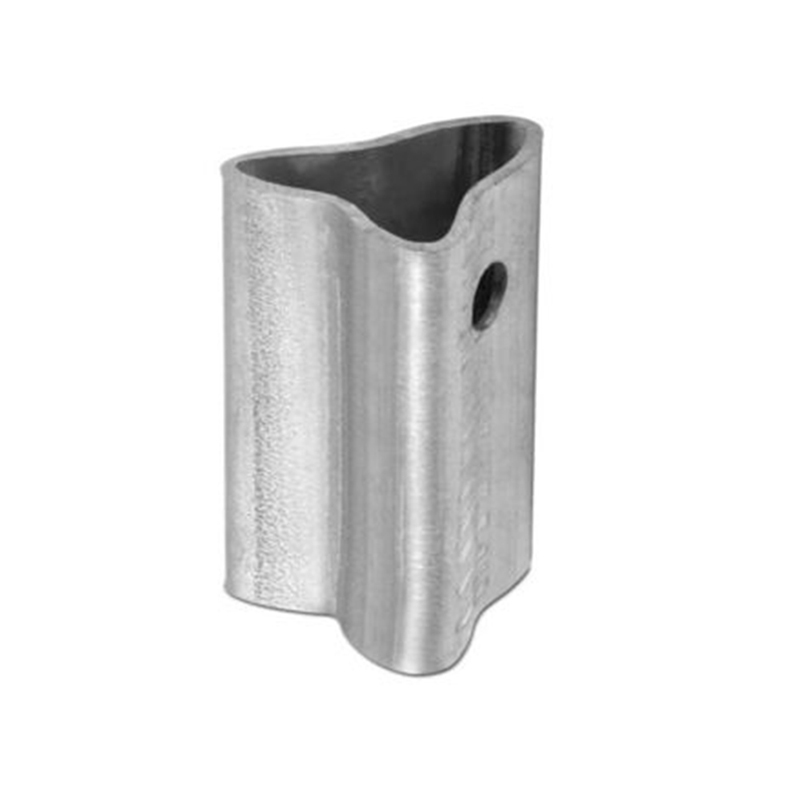
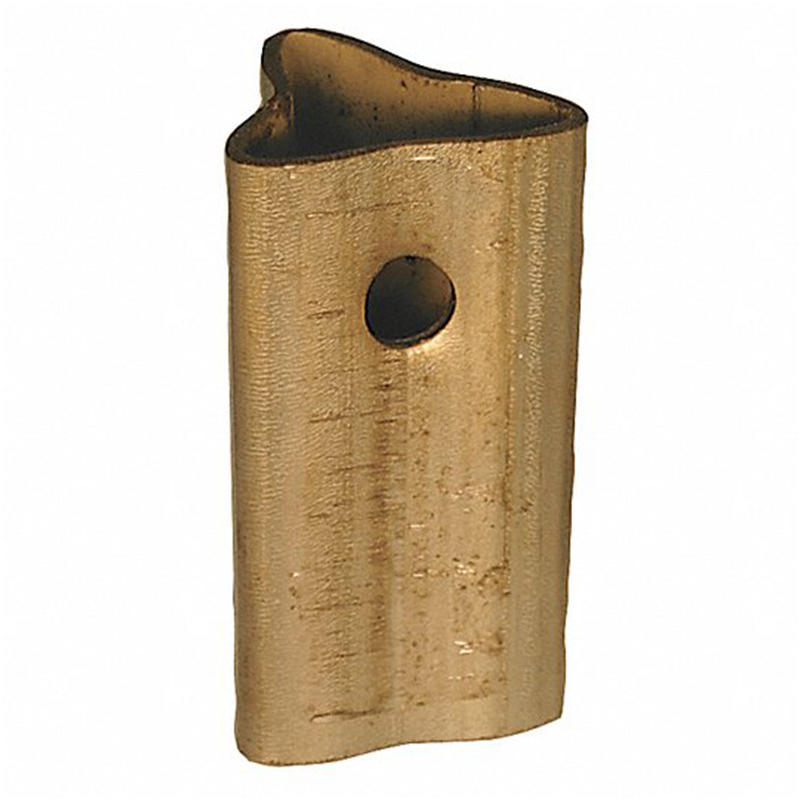
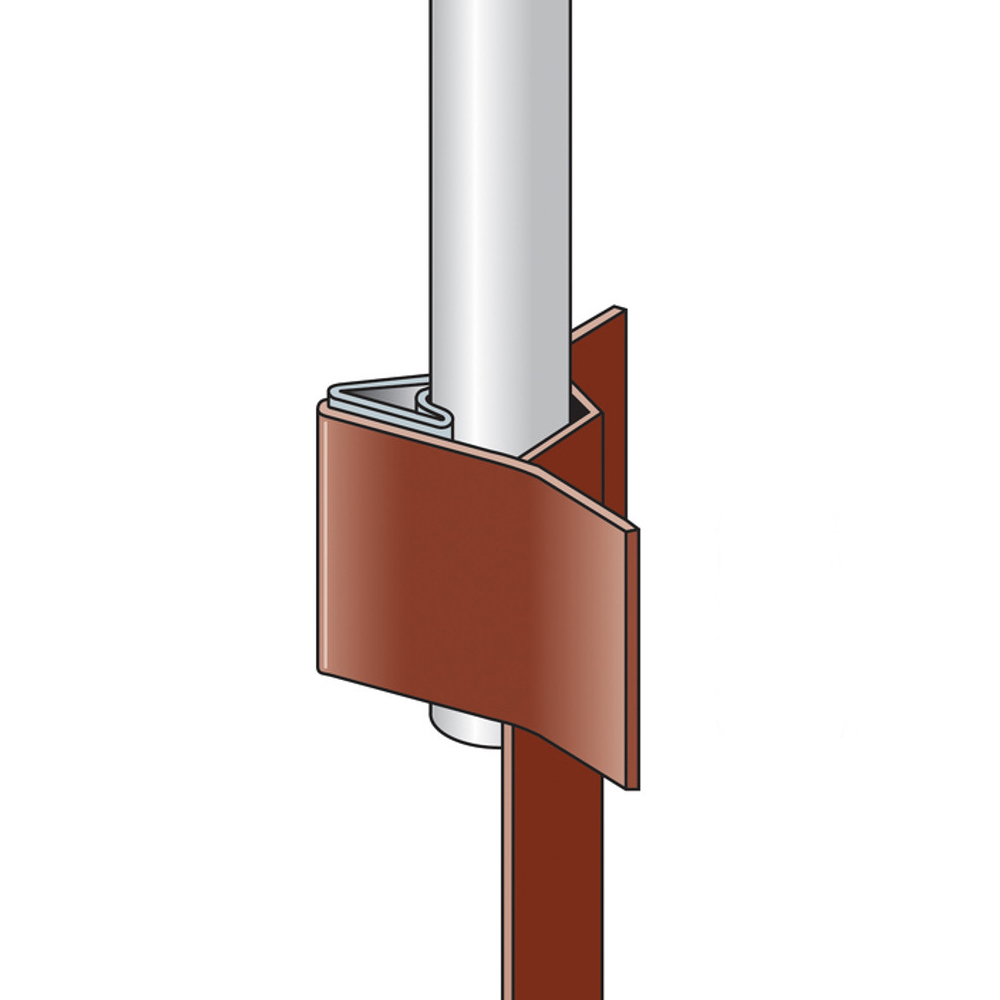
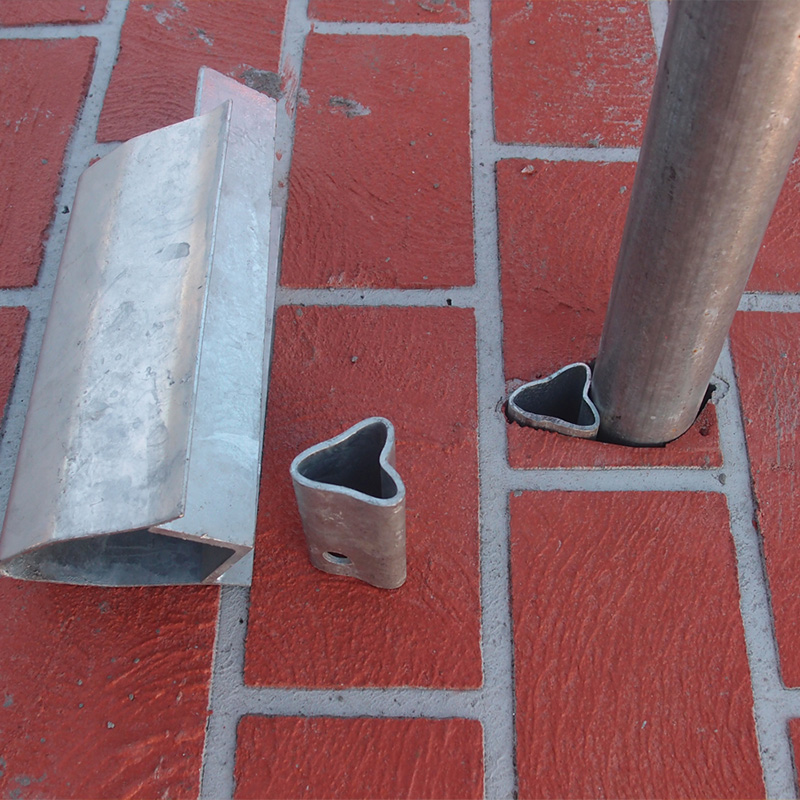
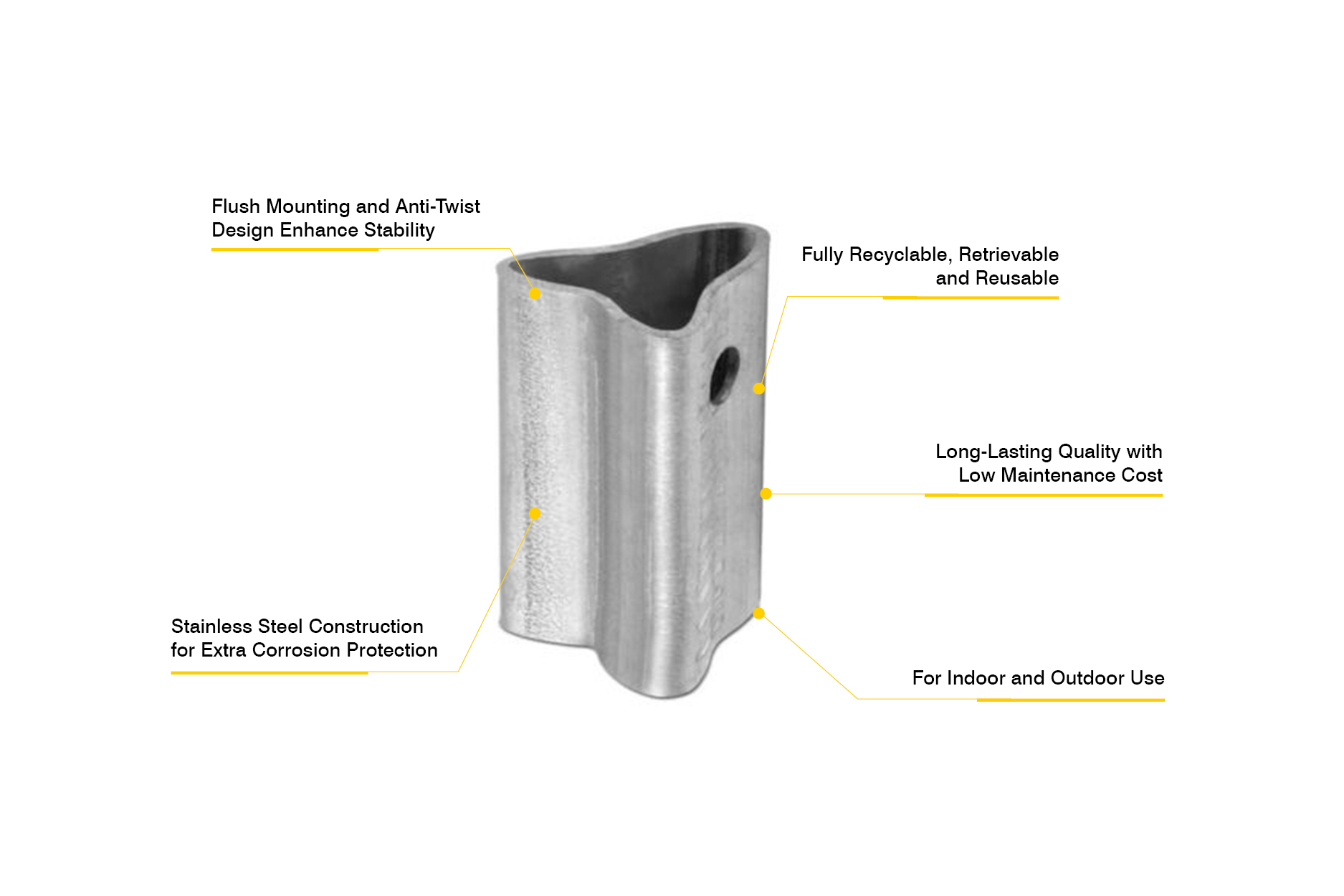
تم تصنيع أسافين Optsigns V-Loc بخبرة من الفولاذ المقاوم للصدأ عالي الجودة, توفير حل رسو دائم وموثوق. مصممة لإعادة الاستخدام بعد اصطدام السيارة, تضمن هذه الأوتاد تسجيل المشاركات, صناديق البريد, ويمكن أن تتحرر الأسوار أو تنهار عند مستوى الأرض, يقلل بشكل كبير من خطر الحوادث. إن بنائها القوي يجعل الأوتاد مثالية لمختلف التطبيقات, ضمان السلامة والاستقرار في أي بيئة.
*نحن نحترم سريتك وجميع المعلومات محمية.
| مقاس | 4*2*4 بوصة, قابلة للتخصيص |
|---|---|
| مادة | الفولاذ المقاوم للصدأ |
| لون | فضي |
| نوع التركيب | تركيب فلوش |
| تخصيص | شعار مخصص, وضع العلامات والشكل |
يعد استخدام الإسفين الفولاذي V-Loc أمرًا مباشرًا وفعالاً. ابدأ باختيار الحجم المناسب لمنشور اللافتة الخاص بك, صندوق البريد, أو السياج. ضع الإسفين الفولاذي أسفل قاعدة العمود وادفعه بشكل آمن إلى الأرض باستخدام مطرقة أو مطرقة. تأكد من أن العمود مستقيم ومستقر قبل ممارسة أي ضغط. في حالة اصطدام السيارة, سيسمح الإسفين الفولاذي V-Loc للعمود بالتحرر أو الانفصال بأمان, التقليل من المخاطر المحتملة. تحقق بانتظام من ثبات الإسفين الفولاذي للحفاظ على الأداء الأمثل.
نوع 1 barricade is a traffic control device used to warn or direct traffic in temporary work zones, إغلاق الطرق, أو مناطق البناء. It features a single reflective panel (usually orange or white) mounted on a lightweight frame. يكتب 1 barricades are designed for low to moderate traffic areas and are often used for shorter-term applications.
النوع الأول حاجز
تصميم: A lightweight, foldable barricade with one reflective panel, suitable for low-traffic areas.
طلب: Often used in urban or short-term construction zones.
النوع الثاني حاجز
تصميم: A larger, more robust barricade with two reflective panels, providing greater visibility.
طلب: Commonly used for moderate traffic control in construction sites and road work.
النوع الثالث حاجز
تصميم: The largest barricade, typically with three reflective panels, providing maximum visibility.
طلب: Used in high-traffic areas or hazardous zones where maximum warning is needed.
إدارة السلامة والصحة المهنية (إدارة السلامة والصحة المهنية) sets standards for barricades used in construction and industrial settings to ensure worker safety. OSHA standards for barricades are outlined in 29 CFR 1926.200 and state that:
Barricades must be visible and clearly mark hazards to prevent accidents or unauthorized access.
The barricade must have high-visibility materials, such as reflective sheeting, and be designed to withstand environmental conditions.
Barricades must be stable enough to remain upright and prevent injury if struck by vehicles or equipment.
OSHA regulations require that warning barricades are properly maintained and positioned to protect both workers and the public.
While stable under normal conditions, sandbags or weights can be added for extra stability in windy environments.