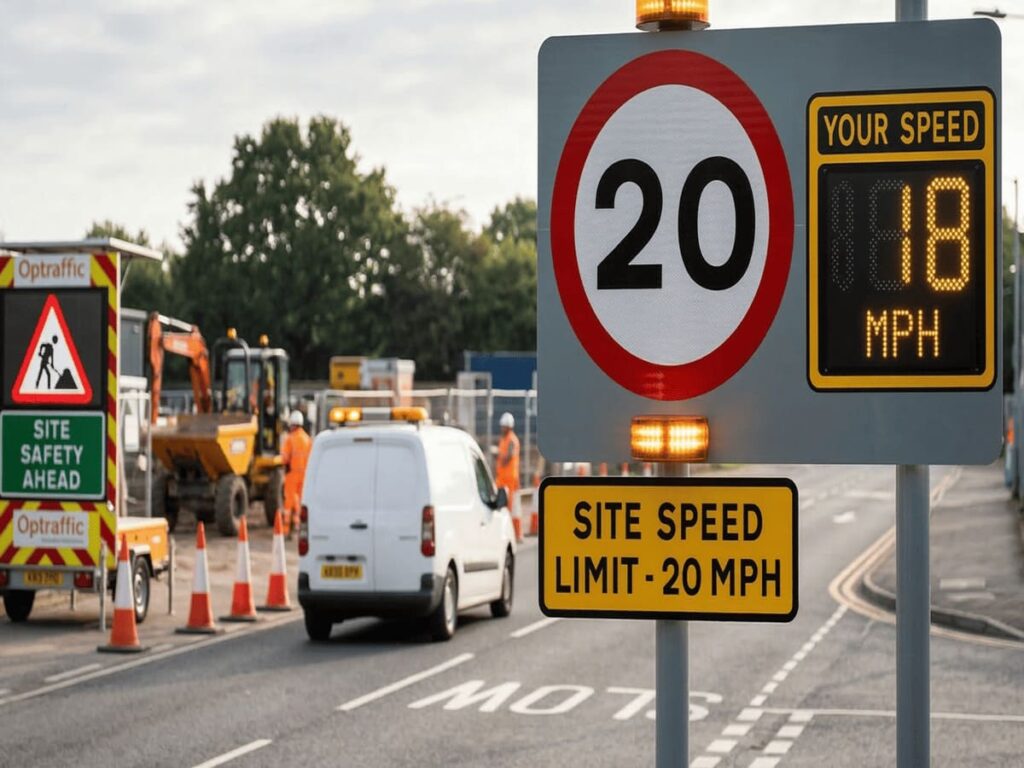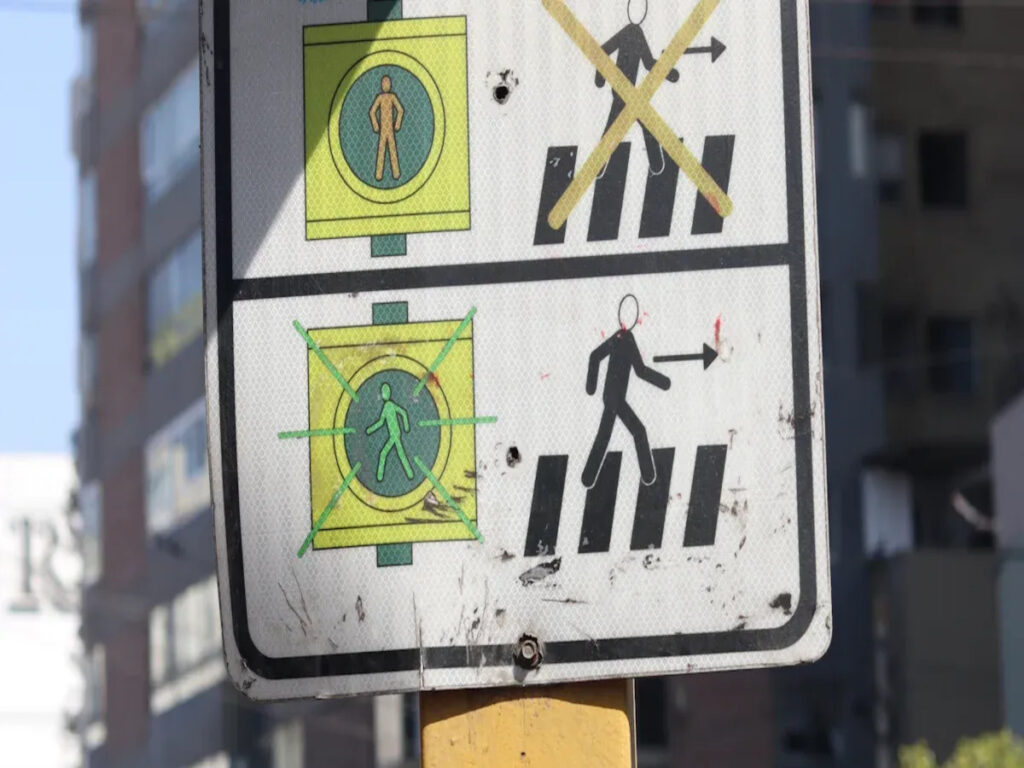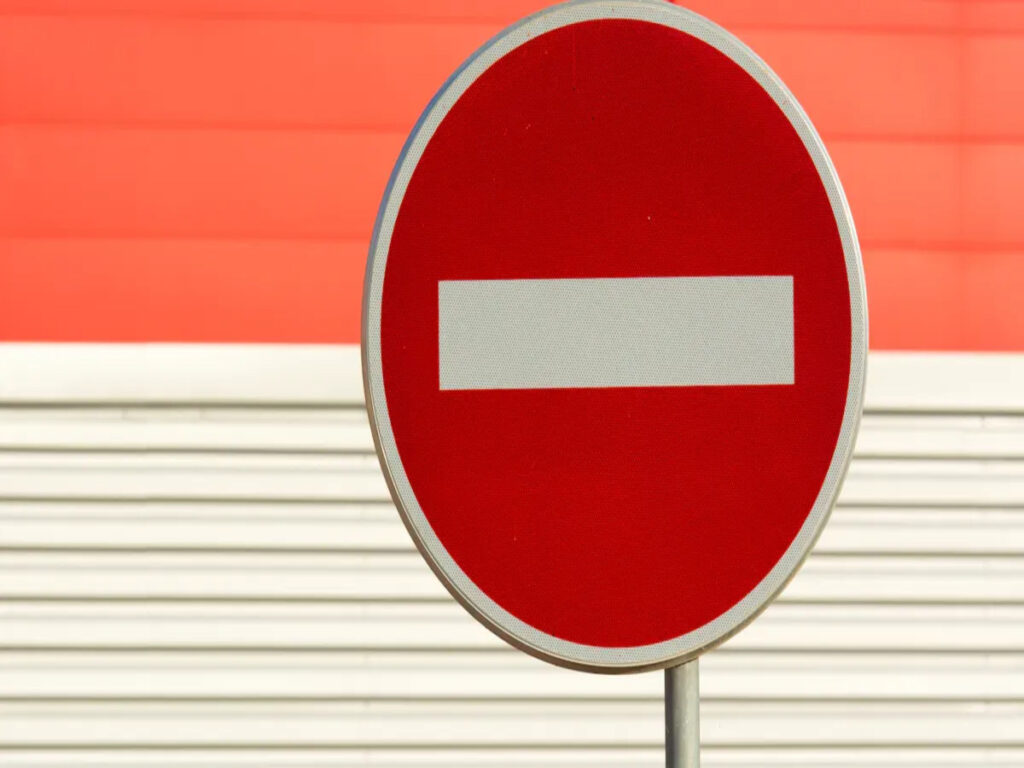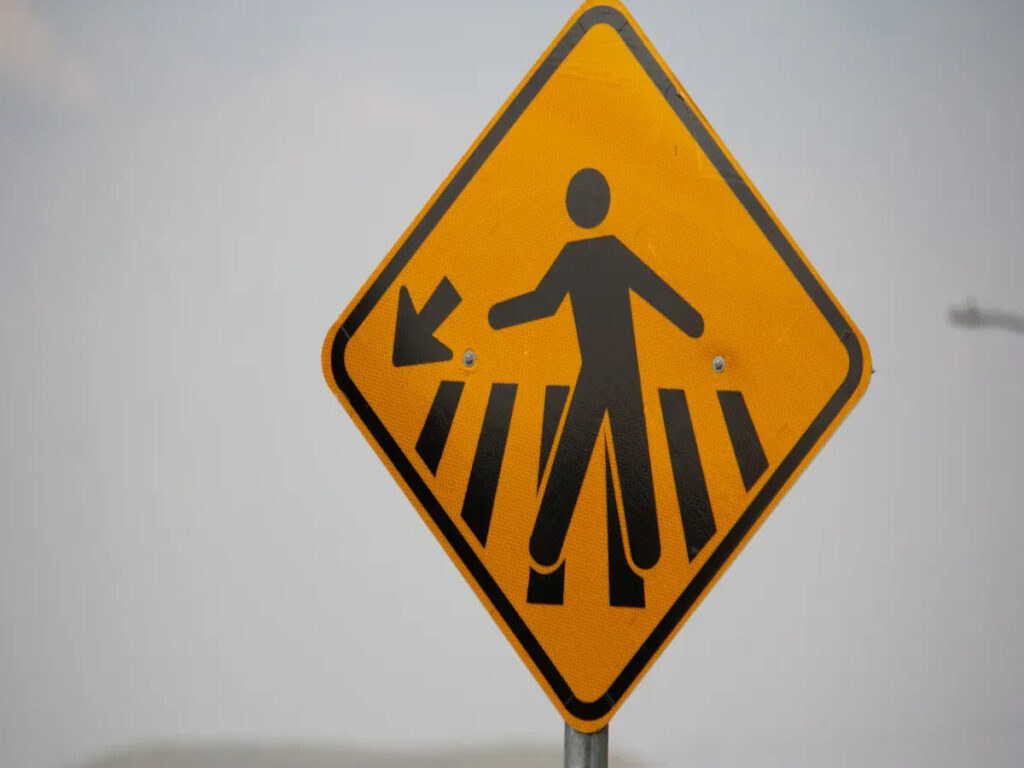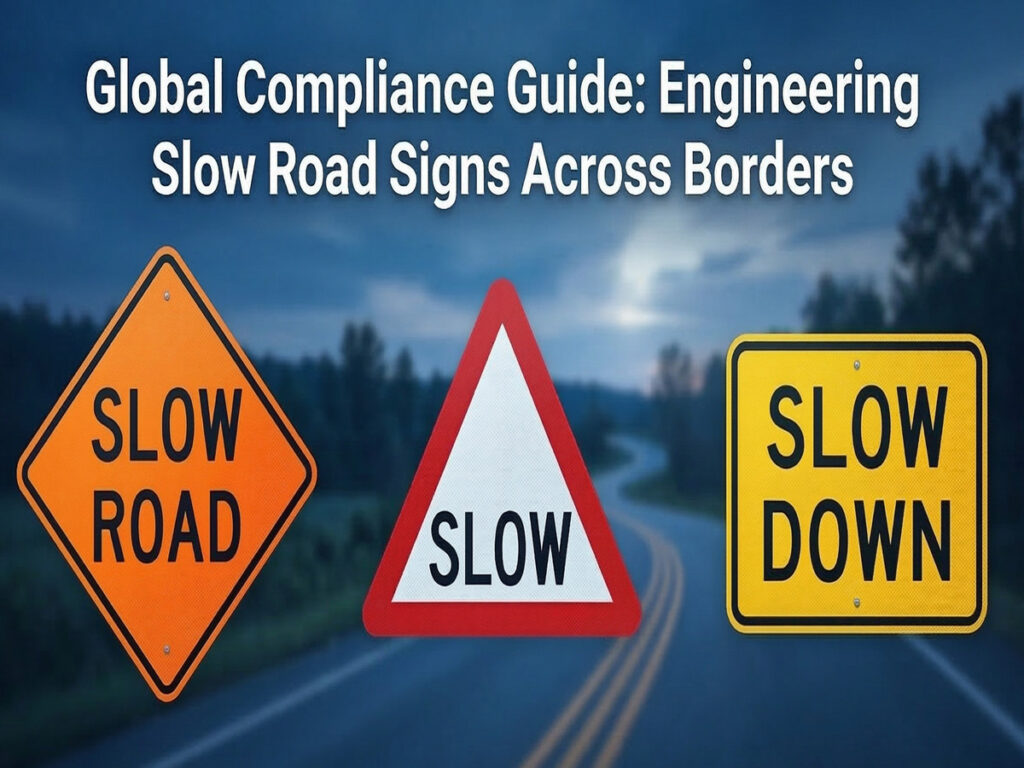
عندما يتعلق الأمر بالسلامة المرورية, علامات الطريق ضرورية للحفاظ على الرؤية, خاصة أثناء الإضاءة المنخفضة أو الظروف الجوية السيئة. لكن, متأخر , بعد فوات الوقت, يمكن أن تتحلل الأغطية العاكسة بسبب التعرض للعناصر, ولهذا السبب من المهم فهم طول عمر المواد المختلفة. خاصرة (المنشورية عالية الكثافة) و درجة الماس هناك نوعان شائعان من الأغطية العاكسة المستخدمة لإشارات الطرق. في هذه المدونة, سنقوم بمقارنة طول العمر في الهواء الطلق الورك مقابل. علامات درجة الماس, مع التركيز على كيفية تحمل كل مادة للتعرض للأشعة فوق البنفسجية, رذاذ الملح, التغيرات المناخية, وأكثر. سيساعدك فهم هذه العوامل على اختيار المادة المناسبة, في نهاية المطاف خفض التكلفة الإجمالية للملكية (TCO) عن طريق تجنب التلاشي المبكر, التصفيح, والاستبدالات المتكررة.
في أوبترافيك, نحن نتفهم أهمية اختيار المادة المناسبة لها علامات الطريق العاكسة. سواء كنت تبحث عن درجة الماس للحصول على متانة فائقة في المناخات القاسية أو تحتاج إلى حل أكثر فعالية من حيث التكلفة مع أغطية HIP, تضمن علامات الطريق عالية الجودة لدينا الرؤية والأداء على المدى الطويل. نحن نقدم لافتات الطرق المتوافقة مع MUTCD والمصممة لتحمل الأشعة فوق البنفسجية, الهواء الساحلي, والطقس القاسي, مما يساعدك على تقليل تكاليف الصيانة على المدى الطويل وتجنب عمليات الاستبدال المتكررة.
الحياة المضمونة لـ HIP مقابل. علامات الصف الماسي حسب المنطقة المناخية
ال حياة مضمونة تختلف علامات الطريق باختلاف منطقة المناخ يتعرضون لها. كلاهما خاصرة و درجة الماس تم تصميم العلامات لتدوم لفترة طويلة, لكن أدائها سيختلف بناءً على العوامل البيئية.
كيف يؤثر المناخ على الأغطية العاكسة
- درجة الماس علامات تتفوق عادة خاصرة علامات في بيئات أكثر قسوة. هذا بسبب درجة الماس تم تصميم الأغطية لتحمل الظروف القاسية, مشتمل التعرض العالي للأشعة فوق البنفسجية, رُطُوبَة, و تقلبات درجات الحرارة.
- في المناطق الساحلية, درجة الماس أكثر مقاومة لل رذاذ الملح و الهواء الساحلي المسببة للتآكل التي يمكن أن تؤدي إلى تحلل المواد العاكسة مع مرور الوقت.
في المناطق ذات رطوبة عالية أو هطول الأمطار المتكرر, كلتا المادتين تعملان بشكل جيد, لكن درجة الماس بشكل عام هو الخيار الأفضل لطول العمر الممتد.
التعرض للأشعة فوق البنفسجية وتأثيرها على سطوع الإشارة
الأشعة فوق البنفسجية هو عامل أساسي في تقليل سطوع وفعالية علامات الطريق. متأخر , بعد فوات الوقت, يمكن أن يؤدي التعرض للأشعة فوق البنفسجية من الشمس إلى فقدان العلامات لانعكاسها الرجعي, وهو أمر بالغ الأهمية لضمان الرؤية ليلاً أو في ظروف الإضاءة المنخفضة.
الورك مقابل. درجة الماس: مقاومة الأشعة فوق البنفسجية
- خاصرة تبدأ العلامات في الشعور بالتلاشي الملحوظ بعد حوالي 5-7 سنين من التعرض للأشعة فوق البنفسجية. ويرجع ذلك إلى انهيار المنشورات الدقيقة العاكسة مع مرور الوقت, مما يقلل من سطوعها.
- درجة الماس تم تصميم العلامات لمقاومة تدهور الأشعة فوق البنفسجية حتى 12 سنين, الحفاظ على انعكاسها لفترة أطول بكثير وتقليل الحاجة إلى الاستبدال بشكل ملحوظ. هذا يجعل درجة الماس خيار أكثر فعالية من حيث التكلفة مع مرور الوقت, خاصة بالنسبة للمشاريع ذات احتياجات الرؤية طويلة المدى.
الهواء الساحلي ورذاذ الملح: التأثيرات على الأغطية العاكسة
البيئات الساحلية معروفة ب رذاذ الملح و رُطُوبَة, والتي يمكن أن تسرع تدهور المواد. لعلامات الطرق الموجودة بالقرب من المحيط, من الضروري اختيار الأغطية العاكسة التي يمكنها تحمل هذه الظروف القاسية.
مقاومة رذاذ الملح: الورك مقابل. درجة الماس
- خاصرة علامات, على الرغم من فعاليتها في العديد من البيئات, هم أكثر عرضة لرذاذ الملح, يؤدي إلى يتلاشى المبكر و التصفيح عندما تتعرض للهواء الساحلي.
- درجة الماس تم تصميم اللافتات خصيصًا لمقاومة رذاذ الملح والرطوبة, ضمان الحفاظ على الانعكاس حتى في المناطق الساحلية. توفر تقنية الطلاء المتقدمة حماية معززة ضد التأثيرات المسببة للتآكل للهواء الساحلي, مما يجعلها الخيار المفضل لإشارات الطرق بالقرب من المحيط.
ممارسات الصيانة لإطالة الانعكاس الرجعي
لا يعتمد طول عمر علامات الطريق على المادة فقط; سليم صيانة يمكن أن تساعد في إطالة عمر خاصرة و درجة الماس أغطية.
ممارسات الصيانة الأساسية لطول العمر
- التنظيف المنتظم: الأوساخ, حطام, والتراكم البيئي يمكن أن يقلل من رؤية اللافتة. يساعد التنظيف المنتظم بالصابون المعتدل والماء على الحفاظ على الانعكاس.
- تقتيش: فحوصات منتظمة ل الشقوق, التصفيح, أو علامات تلف الأشعة فوق البنفسجية تأكد من اكتشاف أي مشكلات مبكرًا قبل أن تؤثر على أداء الإشارة.
- التخزين السليم: عندما لا تكون علامات الطريق قيد الاستخدام, تخزينها في مكان بارد, البيئة الجافة سوف تساعد على تقليل التعرض للضغوطات البيئية.
بينما كلاهما خاصرة و درجة الماس يمكن الاستفادة من الصيانة, درجة الماس يميل إلى أن يتطلب صيانة أقل بسبب مقاومته الفائقة للعوامل البيئية.
المخاوف الأساسية: التلاشي والتصفيح المبكر
هناك اثنتان من المشكلات الأكثر شيوعًا التي تواجهها علامات الطريق يتلاشى المبكر و التصفيح. تنشأ هذه المشاكل عندما تبدأ الطبقة العاكسة في الانهيار, مما يؤدي إلى انخفاض الرؤية والحاجة إلى المزيد من الاستبدالات المتكررة.
منع البهتان والتشويه المبكر
- خاصرة العلامات أكثر عرضة ل يتلاشى المبكر و التصفيح, خاصة في المناطق ذات التعرض الشديد لأشعة الشمس, رذاذ الملح, أو رطوبة عالية.
- درجة الماس علامات, بسببهم الطلاءات المتقدمة والتكنولوجيا العاكسة متفوقة, مقاومة كل من التلاشي والتصفيح, تقديم عمر أطول مع عدد أقل من البدائل المطلوبة.
عن طريق الاختيار درجة الماس, يمكنك تقليل مخاطر هذه المشكلات وتقليل التكاليف طويلة المدى المرتبطة باستبدال اللافتات بشكل متكرر.
سلوكيات الشراء النموذجية: قراءة ملفات PDF الخاصة بالضمان ومسح دراسات الحالة
عند شراء علامات الطريق, مدراء المشتريات مراجعة في كثير من الأحيان الضمانات, دراسات الحالة, و مراجع للتأكد من أنهم يقومون بأفضل استثمار.
أفضل الممارسات للمشتريات
- مراجعة ملفات PDF الخاصة بالضمان: تأكد من قراءة مستندات الضمان بدقة لفهم العمر المتوقع للمادة, خاصة في ظل ظروف بيئية محددة.
- مسح دراسات الحالة: ابحث عن أمثلة واقعية عن كيفية القيام بذلك خاصرة و درجة الماس تم تنفيذ الأغطية في بيئات مماثلة.
- اسأل عن المراجع: التحدث إلى البلديات الأخرى, المقاولون, أو الموردين الذين استخدموا هذه المنتجات في منطقتك للحصول على تعليقات مباشرة.
ستساعدك هذه الخطوات على اتخاذ قرار مستنير عند اختيار إشارات الطريق المناسبة لاحتياجاتك.
التعليمات: أسئلة شائعة حول العلامات العاكسة من فئة HIP والماس
1. ما المدة التي تدوم فيها علامات HIP وDiamond Grade في الهواء الطلق؟?
علامات الورك عادة ما تستمر 5-7 سنوات حسب المناخ, في حين أن علامات الدرجة الماسية يمكن أن تدوم حتى 12 سنوات بسبب مقاومتها الفائقة للأشعة فوق البنفسجية ومتانتها.
2. كيف يؤثر التعرض للأشعة فوق البنفسجية على سطوع إشارات المرور؟?
يؤدي التعرض للأشعة فوق البنفسجية إلى تلاشي علامات الورك بسرعة أكبر, البدء حولها 5-7 سنين. تحافظ علامات الدرجة الماسية على انعكاسها 12 سنوات أو أكثر, مما يجعلها استثمارًا أفضل على المدى الطويل.
3. هل يؤثر رش الملح أو الهواء الساحلي على الأغطية العاكسة؟?
نعم, يمكن لرذاذ الملح والهواء الساحلي أن يؤدي إلى تحلل الأغطية العاكسة. علامات الدرجة الماسية مجهزة بشكل أفضل لمقاومة هذه التأثيرات, بينما تكون علامات HIP أكثر عرضة للتلف في البيئات الساحلية.
4. ما هي الصيانة التي يمكن أن تساعد في إطالة الانعكاس الرجعي?
التنظيف المنتظم, الفحص الدوري للأضرار, والتخزين المناسب يمكن أن يساعد في الحفاظ على الانعكاسية الرجعية لكل من علامتي HIP وDiamond Grade.
5. ما هي المشكلات الأكثر شيوعًا المتعلقة بانعكاس إشارات الطريق?
المشاكل الأكثر شيوعًا هي التلاشي المبكر والتصفيح. علامات الدرجة الماسية أقل عرضة لهذه المشكلات مقارنة بعلامات HIP, والتي قد تتطلب المزيد من الاستبدالات المتكررة.
خاتمة:
يعد طول عمر علامات الطريق أمرًا بالغ الأهمية لضمان الرؤية المستمرة والسلامة على الطرق. بواسطة اختيار الأغطية العاكسة الصحيحة, لا يمكنك تحسين أداء اللافتة فحسب، بل يمكنك أيضًا تقليل تكاليف الصيانة على المدى الطويل. في حين أن صفائح HIP قد تعمل بشكل جيد في المناخات المعتدلة, توفر درجة الماس متانة فائقة, خاصة في الظروف القاسية مثل المناطق الساحلية والبيئات ذات التعرض العالي للأشعة فوق البنفسجية.
الاستثمار في علامات الدرجة الماسية يعني عددًا أقل من البدائل, انخفاض التكلفة الإجمالية للملكية, وتحسين السلامة المرورية. لمديري المشتريات الذين يتطلعون إلى اتخاذ قرار مستنير, توفر الدرجة الماسية أفضل عمر افتراضي, تقديم قيمة وأداء طويل الأمد.