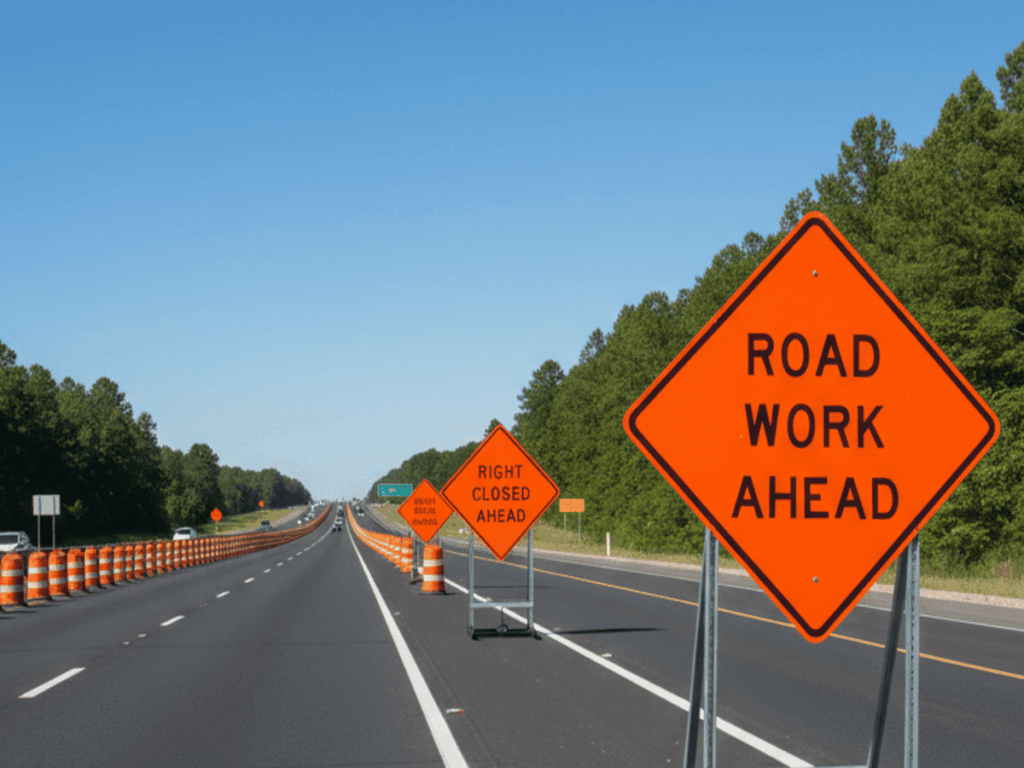
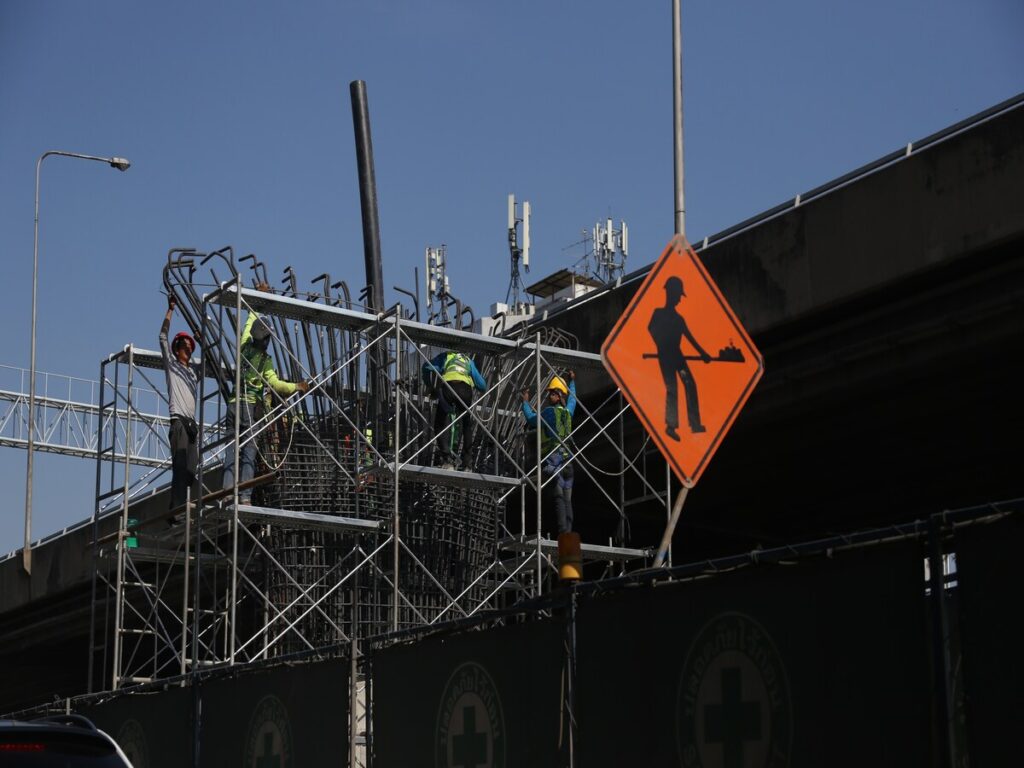
في إطار مشاريع البناء في القطاع العام, مثل المباني الحكومية, المدارس, المستشفيات, وأعمال الطرق, ضمان ذلك علامات بناء الطرق تلبية جميع المعايير التنظيمية أمر ضروري. ولا يقتصر الأمر على أن عدم الامتثال يشكل مخاطر قانونية ومالية, ولكنه يعرض أيضًا سلامة العمال وعامة الناس للخطر.
تلعب لافتات البناء دورًا حاسمًا في حماية العمال, توجيه حركة المرور, والتأكد من أن الجمهور على علم جيد بالمخاطر المؤقتة, إغلاق الطرق, والالتفاف. وتخضع هذه المشاريع لرقابة تنظيمية صارمة, خاصة في الولايات المتحدة, حيث الامتثال لمعايير مثل دليل أجهزة التحكم في حركة المرور الموحدة (Mutcd) وإدارة السلامة والصحة المهنية (إدارة السلامة والصحة المهنية) المبادئ التوجيهية إلزامية.
في هذه المقالة, سوف نستكشف المعايير التنظيمية الأساسية التي تحكم اللافتات في مشاريع البناء في القطاع العام, عملية خطوة بخطوة لضمان الامتثال, المزالق المشتركة, والحلول العملية, جنبا إلى جنب مع أمثلة من العالم الحقيقي.
المعايير التنظيمية الرئيسية لعلامات بناء الطرق
يعد التأكد من امتثال لافتات إنشاء الطرق للمعايير التنظيمية أمرًا بالغ الأهمية للحفاظ على السلامة وتجنب المشكلات القانونية. لفهم أعمق لمعايير الامتثال هذه, الرجوع إلى بلوق لدينا, الامتثال التنظيمي ولافتات موقع البناء, حيث نتعمق في تفاصيل هذه الإرشادات الأساسية.
Mutcd: مؤسسة الامتثال لافتات إنشاء الطرق
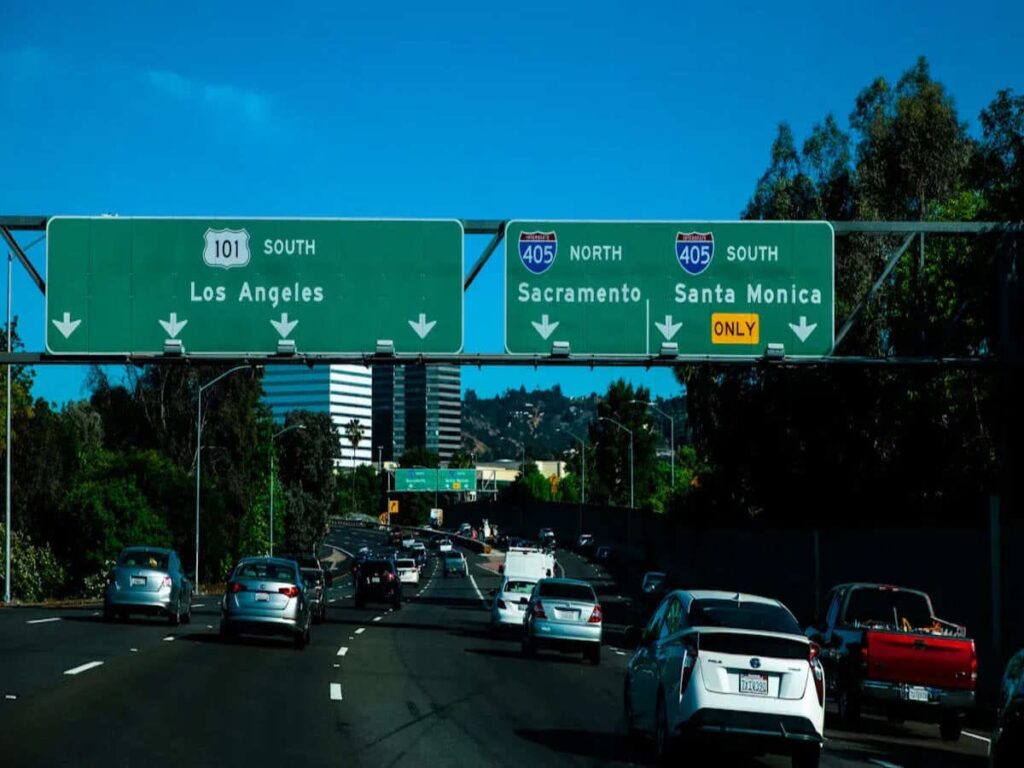
MUTCD, أو دليل أجهزة التحكم في حركة المرور الموحدة, يحدد المعيار الوطني لإشارات المرور, إشارات, وعلامات الرصيف المستخدمة في الولايات المتحدة. ويوفر المبادئ التوجيهية للتصميم, الموضع, وصيانة علامات بناء الطرق, التأكد من أنها تلبي متطلبات السلامة لكل من السائقين والمشاة.
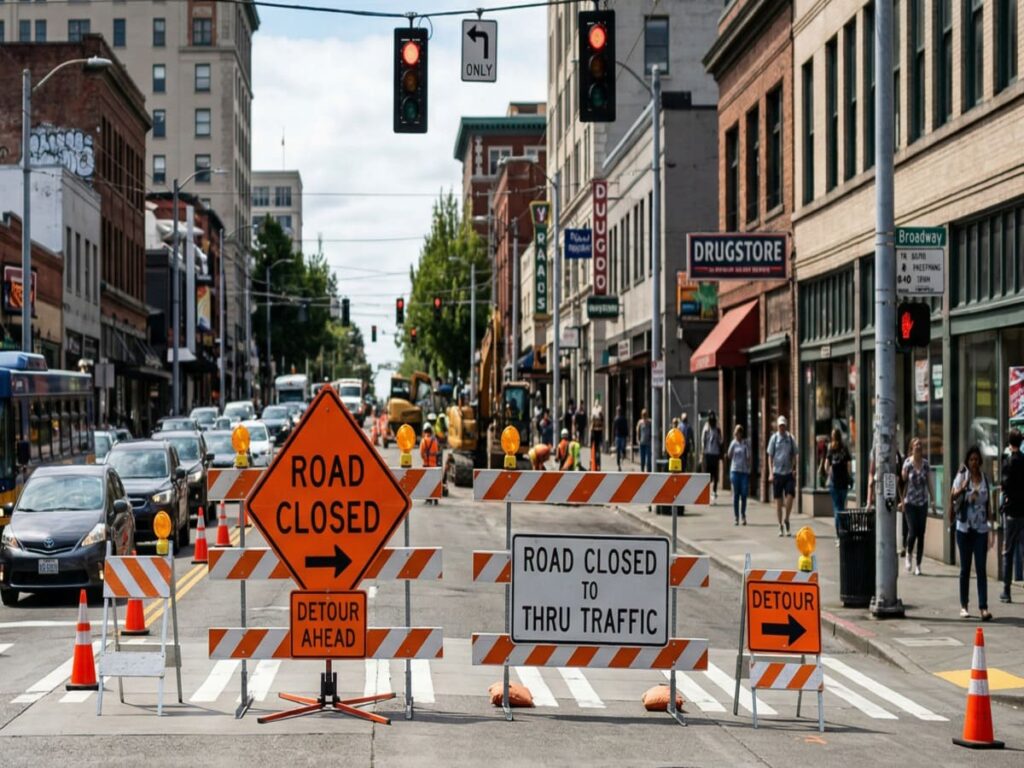
بخاصة, جزء 6 من MUTCD, والذي يركز على التحكم في حركة المرور في منطقة العمل (WZTC), أمر ضروري لضمان ذلك لافتات منطقة البناء مرئيا, مقروء, ووضعها بشكل صحيح لحماية العمال والجمهور. الهدف الرئيسي للجزء 6 هو تقليل المخاطر وتحسين تدفق حركة المرور أثناء مشاريع البناء.
الجوانب الرئيسية للامتثال MUTCD
- وضع تسجيل: تحدد MUTCD إرشادات محددة بشأن علامات المسافة التي يجب وضعها من منطقة العمل لإتاحة الوقت الكافي للسائقين للرد. على سبيل المثال, ويجب وضع علامات تحذيرية على الأقل 500 قدم قبل منطقة البناء على الطرق السريعة.
- حجم التوقيع والرؤية: يجب أن تكون العلامات ذات حجم مناسب ومرئية للغاية, مع أغطية عاكسة لضمان إمكانية رؤيتها ليلاً ونهارًا. يتطلب MUTCD علامات لتلبية الحد الأدنى من معايير الانعكاس لضمان الرؤية في ظروف الإضاءة المنخفضة.
- علامات التحذير المسبقة: ويجب تثبيت هذه العلامات على مسافات مناسبة لتحذير السائقين من مناطق البناء القادمة, إغلاق حارة, أو الالتفاف. الموضع المناسب ل علامات تحذير متقدم أمر بالغ الأهمية للحد من مخاطر الحوادث في مناطق البناء.
- متانة التوقيع: تتناول MUTCD أيضًا الجودة المادية لعلامات البناء. هذه العلامات تحتاج إلى تحمل الظروف الجوية المختلفة, بما في ذلك المطر, ثلج, أو الحرارة الشديدة. وهذا مهم بشكل خاص لمشاريع البناء طويلة الأجل حيث قد تتعرض اللافتات لبيئات قاسية لفترات طويلة.
معايير OSHA: العمال والسلامة العامة
إدارة السلامة والصحة المهنية (إدارة السلامة والصحة المهنية) يوفر لوائح سلامة إضافية تستهدف على وجه التحديد حماية العمال. إدارة السلامة والصحة المهنية 29 CFR 1926.200 يوضح متطلبات اللافتات لمواقع البناء لضمان العمال’ أمان, مثل التحذيرات المناسبة ورسائل السلامة في المناطق الخطرة.
- علامات التحذير: تتطلب إدارة السلامة والصحة المهنية أن تعرض جميع مناطق البناء علامات التحذير المناسبة لتنبيه العمال إلى المخاطر مثل مخاطر السقوط, المخاطر الكهربائية, والتعرض للمواد الكيميائية.
- سلامة الموقع: يجب أن تكون العلامات واضحة للعيان, يتم تركيبها على ارتفاعات مناسبة, ويتم وضعها في المناطق التي من المرجح أن يواجه فيها العمال المخاطر. على سبيل المثال, يجب وضع علامات تحذيرية من احتمالية حدوث انسكابات كيميائية بالقرب من مناطق تخزين المواد الكيميائية أو أرصفة التحميل.
- صيانة لافتات السلامة: تفرض إدارة السلامة والصحة المهنية عمليات فحص منتظمة لعلامات السلامة للتأكد من أنها لا تزال مرئية ومقروءة. متسخ, تالف, أو يجب تنظيف العلامات المعيقة أو استبدالها على الفور.
التوافق مع ANSI Z535 لوضوح التصميم
على الرغم من أن MUTCD أو OSHA لا ينفذانها بشكل مباشر, تعتمد مشاريع البناء على نطاق واسع معايير ANSI Z535 لتصميم اللافتات لتحسين وضوح الرمز, الوضوح, والسلامة الشاملة. تعمل إرشادات ANSI على توحيد تصميم علامات السلامة, التأكد من أن العمال يمكنهم فهم المعلومات المقدمة والتصرف بناءً عليها بسهولة.
- ترميز الألوان: تحدد ANSI أن العلامات الحمراء تشير إلى الخطر, الأصفر يشير إلى الحذر, ويشير اللون الأخضر إلى التعليمات المتعلقة بالسلامة. يتوافق نظام الألوان هذا مع معايير MUTCD وOSHA لضمان الاتساق عبر جميع لافتات السلامة.
- استخدام الرمز: تعمل ANSI أيضًا على تعزيز استخدام الرموز المعترف بها عالميًا لتكملة النص, جعل علامات السلامة أكثر فعالية في البيئات متعددة اللغات أو متعددة الثقافات.
خطوات ضمان الامتثال لافتات إنشاء الطرق
1. مرحلة التخطيط: تطوير خطة التحكم المروري (برنامج التعاون الفني)
قبل البدء في البناء, تطوير خطة التحكم المروري (برنامج التعاون الفني) أمر بالغ الأهمية. يعمل TCP بمثابة مخطط للافتات البناء في جميع أنحاء المشروع ويضمن أن كل لافتة تلبي المتطلبات التنظيمية اللازمة.
العناصر الرئيسية لبرنامج التعاون الفني:
- تحليل تدفق حركة المرور: إن فهم كيفية تحرك حركة المرور حول منطقة البناء هو الخطوة الأولى في تحديد مكان وزمان وضع العلامات التحذيرية والإرشادية.
- اختيار نوع الإشارة: بناء على احتياجات المشروع, أنواع مختلفة من العلامات (على سبيل المثال, تحذير, تنظيمي, إرشاد) تم تحديدها. ينبغي وضع علامات التحذير المسبقة على مسافة كافية أمام السائق لتزويد السائقين بإشعار مناسب بإغلاق المسار أو التحويلات.
- التنسيب والمسافة التنسيب: يجب وضع اللافتات على مسافات مناسبة وفقًا لمعايير MUTCD لمنح السائقين الوقت الكافي للاستجابة للمخاطر المحتملة. يمكن أن تختلف هذه المسافات حسب نوع الطريق وحدود السرعة.
- الانعكاسية واختيار المواد: وينبغي أن يحدد بروتوكول TCP انعكاسية الإشارات, خاصة للعمل الليلي أو ظروف الرؤية المنخفضة. يضمن اختيار المواد المتينة والمقاومة للعوامل الجوية بقاء العلامات مرئية وسليمة طوال مشروع البناء.
2. مرحلة التثبيت: وضع اللافتات المناسبة وإعدادها
بمجرد وضع الخطة, حان الوقت لتثبيت اللوحات الإرشادية وفقًا لخطة التحكم المروري. يعد التنسيب المناسب أمرًا ضروريًا لتلبية متطلبات MUTCD وضمان الرؤية والسلامة الأمثل.
أفضل ممارسات التثبيت:
- ارتفاع الإشارة والموقع: يجب تثبيت اللافتات على الارتفاع المناسب (عادة على الأقل 7 قدم فوق الأرض) وبعيدًا عن العوائق مثل الأشجار أو اللافتات الأخرى.
- تسجيل المسافة من منطقة العمل: وفقًا لإرشادات MUTCD, وينبغي وضع علامات تحذيرية على الأقل 500 قدم قبل منطقة البناء على الطرق السريعة, حسب ظروف حركة المرور وحدود السرعة.
- عمليات التفتيش المنتظمة: مرة واحدة تثبيت, يجب فحص العلامات بانتظام بحثًا عن الضرر, عرقلة, أو يتلاشى. وهذا يضمن أن تظل واضحة وفعالة طوال المشروع.
3. مرحلة الصيانة: عمليات التفتيش والتعديلات المستمرة على اللافتات
تضمن صيانة اللافتات المناسبة أن تظل اللافتات متوافقة وفعالة طوال مدة المشروع. يجب أن تكون الصيانة جزءًا من الجدول الزمني المعتاد للمشروع.
قائمة مراجعة الصيانة:
- عمليات التفتيش البصرية: افحص جميع علامات إنشاء الطرق أسبوعيًا أو بعد الأحداث الجوية القاسية. تحقق من تغير لون الإشارة, تراكم الأوساخ, والأضرار الجسدية.
- استبدال التوقيع: يجب استبدال العلامات التالفة أو المعيقة بالداخل 24 ساعات من الاكتشاف للحفاظ على الامتثال وضمان السلامة.
- التوثيق: الاحتفاظ بسجل لجميع أنشطة التفتيش والصيانة لأغراض التدقيق. ويساعد ذلك على ضمان بقاء المشروع متوافقًا مع معايير MUTCD وOSHA.
مخاطر الامتثال الشائعة وكيفية تجنبها
رغم التخطيط والتنفيذ الدقيق, لا تزال هناك مطبات شائعة عندما يتعلق الأمر علامات بناء الطرق. وفيما يلي بعض التحديات والاستراتيجيات المتكررة لتجنبها:
1. عدم وجود انعكاس مناسب للعمل الليلي
لمشاريع البناء التي تمتد إلى ساعات الليل, الانعكاسية أمر بالغ الأهمية. يمكن أن يؤدي الفشل في تلبية معايير الانعكاس إلى وقوع حوادث بسبب ضعف الرؤية. لمعالجة هذا, استخدم الأغطية المنشورية عالية الكثافة وفكر في لافتات LED المضاءة للمناطق ذات حركة المرور العالية.
2. وضع غير صحيح للعلامات
يمكن أن يؤدي وضع اللافتة غير الصحيحة إلى الارتباك, تأخير, والحوادث. التأكد من وضع العلامات على المسافات الصحيحة ومتطلبات الرؤية. التزم دائمًا بإرشادات المواضع المحددة الخاصة بـ MUTCD بناءً على حدود السرعة وظروف الطريق.
طاولة: MUTCD الحد الأدنى للمسافات لوضع اللافتة
| نوع علامة | الحد الأدنى لمسافة التنسيب |
|---|---|
| علامات التحذير | 500 قدم قبل البناء |
| العلامات التنظيمية | 100 قدم قبل البناء |
| دليل العلامات | 200 قدم قبل البناء |
خاتمة: تحقيق الامتثال لافتات بناء الطرق
ضمان لافتات بناء الطرق لا يقتصر الامتثال في مشاريع القطاع العام على الالتزام بالقوانين فحسب، بل يتعلق أيضًا بحماية العمال والجمهور. من خلال تطوير خطة شاملة للتحكم في حركة المرور (برنامج التعاون الفني), تركيب العلامات بشكل صحيح, والمحافظة عليها طوال فترة المشروع, يمكن لفرق البناء تلبية جميع متطلبات MUTCD وOSHA الضرورية.
تعمل استراتيجية اللافتات جيدة التخطيط على تقليل المخاطر, يعزز سلامة العمال, ويساهم في تدفق حركة المرور بشكل أكثر سلاسة حول مناطق البناء. من خلال معالجة الامتثال للافتات منذ البداية وضمان عمليات التفتيش والصيانة المنتظمة, مشاريع البناء يمكن أن تستمر دون تأخير, غرامات, أو الحوادث.
لدعم جهود الامتثال الخاصة بك, أوبترافيك يوفر جودة عالية علامات بناء الطرق مصممة لتلبية أحدث المعايير التنظيمية, ضمان السلامة والكفاءة في جميع أنحاء المشروع الخاص بك.
التعليمات
1. ما هي الضوابط الأساسية لعلامات إنشاء الطرق في مشاريع القطاع العام؟?
في مشاريع القطاع العام, علامات بناء الطرق يجب أن يتوافق مع دليل أجهزة التحكم في حركة المرور الموحدة (Mutcd) وإدارة السلامة والصحة المهنية (إدارة السلامة والصحة المهنية) المعايير. يحدد MUTCD المبادئ التوجيهية لتصميم اللافتات, الموضع, والرؤية, بينما تضمن إدارة السلامة والصحة المهنية (OSHA) سلامة العمال من خلال فرض علامات التحذير المناسبة في مناطق البناء.
2. كيف يمكن للمقاولين ضمان الامتثال للوائح لافتات بناء الطرق؟?
يمكن للمقاولين ضمان الامتثال من خلال تطوير خطة التحكم في حركة المرور (برنامج التعاون الفني), اختيار اللافتات المناسبة بناءً على احتياجات المشروع, واتباع إرشادات MUTCD وOSHA لوضع اللافتات, مقاس, الانعكاس, والمتانة. تعد عمليات التفتيش والصيانة المنتظمة أيضًا أمرًا أساسيًا للحفاظ على توافق اللافتات في جميع أنحاء المشروع.
3. لماذا تعتبر الانعكاسية مهمة لعلامات بناء الطرق؟?
الانعكاس أمر بالغ الأهمية لرؤية علامات بناء الطرق, خاصة أثناء العمل الليلي أو الظروف الجوية السيئة. يجب أن تفي اللافتات بمعايير الانعكاس MUTCD لضمان بقائها مرئية للسائقين والمشاة, وبالتالي منع وقوع الحوادث وضمان السلامة.
4. كم مرة يجب فحص علامات بناء الطرق؟?
فحص علامات بناء الطرق بانتظام, مرة واحدة على الأقل في الأسبوع أو بعد الظروف الجوية السيئة. استبدال أو إصلاح أي تلف, عرقلة, أو تلاشت العلامات على الفور, عادة داخل 24 ساعات, للحفاظ على الامتثال لمعايير السلامة.
5. ما هي الأخطاء الشائعة في وضع لافتات بناء الطرق?
تتضمن الأخطاء الشائعة ارتفاعًا غير مناسب للعلامة, مسافات التنسيب غير صحيحة, والفشل في ضبط الإشارات بناءً على تغييرات تدفق حركة المرور. لتجنب هذه الأخطاء, تأكد من وضع العلامات وفقًا لإرشادات MUTCD, بمسافات مناسبة قبل منطقة العمل وعلى مستوى العين لضمان الرؤية.