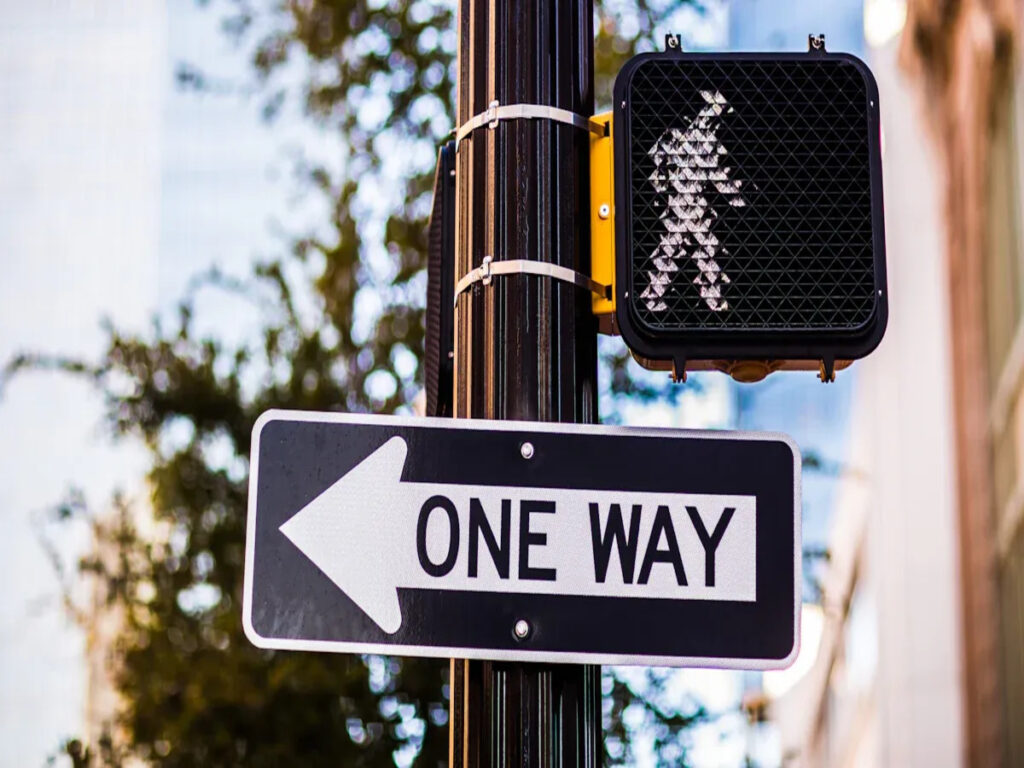
المناطق الحضرية, وخاصة تلك ذات الكثافة السكانية العالية, تتطلب إدارة فعالة لحركة المرور لضمان ظروف قيادة سلسة وآمنة. إشارة المرور لطريق واحد تلعب دورا حاسما في الحد من الازدحام, التقليل من الحوادث, وتحسين تدفق حركة المرور بشكل عام. لشركات إدارة المرور, فهم الوضع الاستراتيجي والامتثال لهذه علامات أحادية الاتجاه ضروري للحفاظ على النظام والسلامة في بيئات المدينة المزدحمة.
توفر هذه المدونة رؤى تفصيلية لمحترفي إدارة حركة المرور, تسليط الضوء على العوامل الرئيسية التي يجب مراعاتها عند التثبيت إشارة المرور لطريق واحد في البيئات الحضرية. ويؤكد على أفضل الممارسات, الامتثال التنظيمي, واعتبارات لتحسين تدفق حركة المرور وتعزيز سلامة المشاة.
فهم وظيفة لافتات الطرق ذات الاتجاه الواحد في المناطق الحضرية
تسهيل تدفق حركة المرور بكفاءة
علامات الطريق ذات الاتجاه الواحد تعتبر جزءًا لا يتجزأ من إدارة حركة المرور في المناطق الحضرية لأنها تسمح بحركة أكثر تنظيماً للمركبات. من خلال القضاء على الحاجة للمركبات للتنقل ضد حركة المرور, هذه العلامات تخلق طرقًا أكثر سلاسة, تقليل الازدحام, وتعزيز كفاءة حركة المرور بشكل عام.
لمعرفة المزيد عن كيفية إشارات المرور في اتجاه واحد تلعب دورا حاسما في تحسين السلامة على الطرق وتدفق حركة المرور, تحقق من مدونتنا على أهمية علامات حركة المرور في طريقة واحدة لتعزيز السلامة على الطرق وتدفق حركة المرور.
سلامة المشاة في البيئات الحضرية
علامات ذات اتجاه واحد كما تساهم في سلامة المشاة من خلال تقليل الارتباك ومنع المركبات من الانعطاف إلى الشوارع عكس حركة المرور, وبالتالي تقليل مخاطر حوادث المشاة.
في المناطق الحضرية ذات الكثافة السكانية العالية مثل الحي المالي في سان فرانسيسكو, التنسيب المناسب ل علامات الطريق في اتجاه واحد لقد كان حاسما في إدارة حركة مرور المشاة والمركبات. أظهرت الدراسات أن المناطق التي بها علامات واضحة لاتجاه حركة المرور ترى أ 25% الحد من حوادث المشاة والمركبات.
العوامل الرئيسية التي يجب مراعاتها عند تركيب لافتات الطرق ذات الاتجاه الواحد
اختيار الموقع المناسب للافتات ذات الاتجاه الواحد
وضع علامات الطريق في اتجاه واحد يجب أن تكون استراتيجية لضمان التدفق السلس لحركة المرور وتجنب الازدحام. فيما يلي ظروف الطريق الرئيسية التي يجب مراعاتها عند اختيار المواقع:
- التقاطعات الحرجة: وضع علامات ذات اتجاه واحد حيث تتقارب أو تتقاطع المسارات المتعددة, حيث أن هذه المناطق غالباً ما تشهد مستويات عالية من الحركة المرورية.
- الطرق الضيقة أو الأزقة: في المناطق ذات المساحة المحدودة, تساعد العلامات ذات الاتجاه الواحد على منع الارتباك وضمان تحرك المركبات في اتجاه واحد لتجنب الاختناقات المحتملة.
- نقاط الدخول/الخروج: تركيب لوحات إرشادية ذات اتجاه واحد عند مداخل أو مخارج الشوارع التي تحتاج إلى إدارة تدفق حركة المرور, مثل المنحدرات أو الطرق ذات حركة المرور المرتفعة للدخول والخروج.
من خلال النظر في ديناميكيات تدفق حركة المرور هذه, يمكن لشركات إدارة حركة المرور ضمان ذلك علامات أحادية الاتجاه يتم وضعها بشكل فعال لتحسين حركة المرور ومنع وقوع الحوادث.
وضع التوقيع والرؤية
ضمان ذلك علامات أحادية الاتجاه مرئية بوضوح أمر ضروري للحفاظ على السلامة المرورية. تشمل العوامل التي يجب مراعاتها من أجل الرؤية:
- خطوط رؤية واضحة: تجنب العوائق مثل الأشجار, أعمدة المرافق, أو غيرها من اللافتات التي يمكن أن تمنع رؤية السائقين للعلامة ذات الاتجاه الواحد. يجب وضع العلامات في مناطق مفتوحة حيث يمكن رؤيتها بسهولة.
- الارتفاع والموقع: رفع اللافتات فوق مستوى الشارع أو وضعها على مستوى العين, خاصة في المناطق التي قد تحجب فيها هياكل الشوارع الرؤية. وهذا يضمن أن يتم ملاحظة العلامات من مسافة بعيدة.
- الإضاءة والانعكاس: في المناطق ذات حركة المرور العالية أو الإضاءة الضعيفة, يمكن للطلاءات العاكسة أو الإضاءة الإضافية أن تعزز رؤية اللافتات أثناء القيادة ليلاً, ضمان بقائها مرئية في جميع الظروف.
تساعد هذه الخطوات على ضمان قدرة السائقين على اكتشاف اللافتات ذات الاتجاه الواحد والاستجابة لها بسهولة, الحد من الارتباك وتحسين السلامة على الطرق.
النظر في حجم حركة المرور وحدود السرعة
يعد حجم حركة المرور وسرعة السيارة من العوامل الحاسمة عند تحديد حجم وموضع السيارة علامات الطريق في اتجاه واحد. يجب على شركات إدارة المرور مراعاة الشروط التالية:
- ارتفاع حجم حركة المرور: في المناطق ذات حركة مرور المركبات العالية, تعد العلامات الكبيرة ذات الاتجاه الواحد ضرورية لجذب انتباه السائقين وضمان الامتثال, خاصة عند التقاطعات الرئيسية أو الطرق السريعة.
- حدود السرعة: في المناطق التي تتحرك فيها حركة المرور بسرعات أعلى, يجب استخدام علامات أكبر ذات طبقات عاكسة لزيادة الرؤية. وهذا يضمن أن السائقين يمكنهم رؤية التعليمات ذات الاتجاه الواحد بوضوح والتفاعل معها في الوقت المناسب.
- المناطق المزدحمة: للمناطق ذات الكثافة السكانية العالية, وضع إشارات إضافية ذات اتجاه واحد في النقاط الإستراتيجية, مثل منتصف الكتلة أو على طول الممرات, يساعد على تعزيز الاتجاه وتقليل الارتباك خلال ساعات الذروة المرورية.
التكيف مع الحجم والمكان علامات أحادية الاتجاه وبالاعتماد على هذه العوامل يضمن فعاليتها في توجيه حركة المرور ومنع وقوع الحوادث, خاصة في المناطق التي تتطلب ظروف الطريق مزيدًا من الوضوح.
الامتثال لإرشادات MUTCD الخاصة بإشارات الطرق ذات الاتجاه الواحد
الالتزام باللوائح الاتحادية والمحلية
الدليل على أجهزة مراقبة حركة المرور الموحدة (Mutcd) يحدد معيار إشارات المرور في الولايات المتحدة. علامات ذات اتجاه واحد يجب أن تستوفي هذه الإرشادات للتأكد من أنها قابلة للتنفيذ قانونًا ويمكن التعرف عليها عبر الولايات القضائية.
يجب أن تكون شركات إدارة حركة المرور على دراية بإرشادات MUTCD المحددة فيما يتعلق بالحجم, شكل, ولون علامات الطريق في اتجاه واحد لضمان الامتثال. على سبيل المثال, يتضمن معيار الإشارات ذات الاتجاه الواحد استخدام أحرف بيضاء على خلفية سوداء أو سهم أبيض, والذي هو معترف به عالميا. للتعمق أكثر في معايير MUTCD والتحجيم المناسب إشارات المرور في اتجاه واحد, تحقق من مدونتنا على فهم معايير MUTCD لأحجام علامة المرور في اتجاه واحد.
ضمان الاتساق في البنية التحتية الحضرية
يعد توحيد اللافتات عبر المنطقة الحضرية أمرًا ضروريًا لتقليل الارتباك للسائقين. يجب على شركات إدارة المرور التأكد من أن اللافتات ذات الاتجاه الواحد تتبع تصميمًا متسقًا لمساعدة السائقين على التنقل في شوارع المدن بسلاسة.
في مدن مثل بوسطن, حيث توجد شبكة طرق معقدة, ركز مخططو المدن على الحفاظ على لافتات متسقة لتقليل التفسيرات الخاطئة لاتجاهات تدفق حركة المرور, تحسين كل من السلامة وحركة المرور.
دمج الحلول التكنولوجية مع لافتات الطرق ذات الاتجاه الواحد
اللافتات الإلكترونية والذكية للشوارع ذات الاتجاه الواحد
مع استمرار المناطق الحضرية في التطور ومواجهة الطلبات المرورية المتزايدة, تعمل شركات إدارة المرور بشكل متزايد على دمج التقنيات الذكية جنبًا إلى جنب مع اللافتات التقليدية لتعزيز كفاءة وسلامة الشوارع ذات الاتجاه الواحد. توفر علامات الطريق التقليدية ذات الاتجاه الواحد اتجاهًا أساسيًا لتدفق حركة المرور, ولكن دمج اللافتات الإلكترونية أو الديناميكية يوفر قدرًا أكبر من المرونة والاستجابة لظروف حركة المرور المتغيرة.
على سبيل المثال, يستخدم جسر خليج سان فرانسيسكو الديناميكية لافتات في اتجاه واحد, عنصرا أساسيا في نظام المرور الذكي (إنه), والذي يسمح بالتحديثات في الوقت الفعلي بناءً على ظروف حركة المرور المتقلبة. خلال فترات الازدحام أو الحوادث, تغير العلامات الديناميكية اتجاهها لاستيعاب تدفق حركة المرور بشكل أكثر كفاءة. يساعد هذا التكيف في الوقت الفعلي لافتات الطريق على تخفيف الاختناقات المرورية, تقليل الزجاجة, وتحسين تدفق حركة المرور بشكل عام خلال أوقات الذروة أو حالات الطوارئ. ويضمن استخدام علامات الطريق الإلكترونية هذه أن تظل أنظمة إدارة حركة المرور سريعة الاستجابة وقابلة للتكيف, في نهاية المطاف تحسين السلامة وتقليل التوتر للسائقين.
لا يقتصر تكامل إشارات المرور الذكية على البنية التحتية واسعة النطاق مثل الجسور فقط. مدن في جميع أنحاء الولايات المتحدة. بدأت في تبني التقنيات التي تجعل اللافتات أكثر مرونة وقدرة على التكيف مع الظروف في الوقت الفعلي, بما في ذلك شاشات العرض الرقمية التي تعمل بالطاقة الشمسية, علامات مضاءة LED, وأنظمة مراقبة تدفق حركة المرور. على سبيل المثال, قامت لوس أنجلوس بتجربة أنظمة تعمل على تحديث إشارات الطرق بناءً على مستوى الازدحام أو الظروف الجوية, التأكد من أن أجهزة التحكم في حركة المرور محدثة دائمًا وتعكس الحالة الحالية لحركة المرور.
أنظمة التحكم المرورية المتقدمة
دمج علامات الطريق في اتجاه واحد إلى أنظمة المرور الذكية الأوسع (إنه) يقدم لشركات إدارة حركة المرور نهجا أكثر شمولا لتحسين التنقل في المناطق الحضرية. يدمج نظام النقل الذكي (ITS) مجموعة من التقنيات التي تعمل معًا لتحسين تدفق حركة المرور, تقليل التأخير, وتعزيز السلامة على الطرق. غالبًا ما تستخدم هذه الأنظمة مزيجًا من جمع البيانات في الوقت الفعلي, التحليلات التنبؤية, وآليات التحكم في حركة المرور التكيفية.
إحدى المزايا الرئيسية لدمج الإشارات ذات الاتجاه الواحد مع أنظمة النقل الذكية هي القدرة على تعديل توقيت الإشارة بناءً على ظروف حركة المرور المباشرة. على سبيل المثال, عندما يزداد الازدحام عند التقاطعات الرئيسية, يمكن للنظام ضبط توقيت الإشارة تلقائيًا للسماح بانتقالات أكثر سلاسة, تقليل أوقات تباطؤ السيارة وتحسين الإنتاجية الإجمالية لحركة المرور. يساعد هذا المستوى من التعديل الديناميكي في تخفيف التأخير الذي قد يحدث بطريقة أخرى في حالة ثابتة, نظام التحكم اليدوي.
في سياتل, تكامل علامات الطريق في اتجاه واحد مع ITS أدى إلى تحولات أكثر سلاسة عند التقاطعات الرئيسية, تحسين تدفق حركة المرور بشكل ملحوظ. يستخدم النظام بيانات حركة المرور في الوقت الفعلي من أجهزة الاستشعار الموضوعة على طول الشوارع والطرق السريعة لضبط إشارات المرور ديناميكيًا والتحكم في حركة السيارة بشكل أكثر كفاءة. وقد أدت هذه التكنولوجيا إلى انخفاض ملموس في متوسط أوقات الانتظار عند التقاطعات الحرجة وانخفاض معدلات الحوادث, خاصة في المواقع المعروفة بكثافة حركة المشاة والازدحام. من خلال دمج التحليلات التنبؤية, ويمكن للنظام أيضًا تنبيه السائقين إلى الازدحام المحتمل في المستقبل, وتزويدهم بإنذار مسبق لضبط مساراتهم, وبالتالي تعزيز السلامة على الطرق وتقليل احتمالية وقوع الحوادث.
إذا كنت مهتمًا بـ ITS, تحقق من مدونتنا الأخرى, كيف تقوم أنظمة النقل الذكية (ITS) بتحويل معدات المرور من أجل طرق أكثر أمانًا.
صيانة وطول عمر لافتات الطرق ذات الاتجاه الواحد
بروتوكولات الفحص والصيانة الدورية
علامات الطريق ذات الاتجاه الواحد ضرورية لضمان التدفق السلس لحركة المرور والسلامة, لكن فعاليتها تعتمد بشكل كبير على الفحص والصيانة المنتظمة. متأخر , بعد فوات الوقت, الظروف الجوية, ارتداء حركة المرور, والعوامل البيئية يمكن أن تقلل من وضوح وسلامة علامات الطريق. العلامات التي تضررت, تلاشى, أو قد يؤدي حجبها بالحطام إلى خلق ارتباك للسائقين, مما يؤدي إلى حوادث محتملة. لتجنب مثل هذه المخاطر, يجب على شركات إدارة حركة المرور تنفيذ جدول صيانة شامل يعالج مشكلات مثل الصدأ, يتلاشى, والأضرار الجسدية.
في مدن مثل شيكاغو, حيث يجلب الشتاء الظروف الجوية القاسية, وزارة النقل في شيكاغو (CDOT) أنشأت برامج صيانة مستمرة تركز على إطالة عمر لافتات الطريق. أثبت استخدام المواد المقاومة للصدأ في بناء اللافتات فعاليته بشكل خاص في مكافحة الآثار الضارة للثلج, الجليد, والملح خلال أشهر الشتاء. ساعد نهج الصيانة الاستباقية الذي تتبعه CDOT في الحفاظ على معايير عالية من السلامة والرؤية على مدار العام, حتى في أقسى الظروف. لا تؤدي هذه الجهود إلى إطالة عمر اللافتات فحسب، بل تقلل أيضًا من التكاليف طويلة المدى المرتبطة باستبدال اللافتات, ضمان السلامة المستمرة لجميع مستخدمي الطريق.
متانة مواد الإشارة
اختيار المواد ل علامات أحادية الاتجاه أمر بالغ الأهمية لطول عمرهم, خاصة في المدن ذات الطقس القاسي. يجب على شركات إدارة المرور اختيار المواد المقاومة للتلاشي, تآكل, وتأثير الضرر, ضمان استمرار العلامات لسنوات دون تدهور كبير.
استخدام صفائح عاكسة عالية الجودة, والتي يمكن أن تتحمل المطر والثلوج, أصبحت ممارسة معتادة في مناطق مثل دنفر, حيث يمكن أن تتسبب ظروف الشتاء في تآكل كبير في لافتات الطريق.
دراسات حالة حول التنفيذ الناجح لللافتات ذات الاتجاه الواحد في المناطق الحضرية
مثال 1: مدينة نيويورك
قامت مدينة نيويورك بتنفيذ إشارات طريق ذات اتجاه واحد بشكل استراتيجي في المناطق ذات حركة المرور العالية, مثل تايمز سكوير, التي تشهد واحدة من أعلى تركيزات حركة المشاة في العالم. في 2020, وزارة النقل في مدينة نيويورك (نقطة) أكملت إعادة تصميم تايمز سكوير والتي تضمنت لافتات واضحة في اتجاه واحد, ساحات المشاة, وتعزيز تدابير مراقبة حركة المرور. وكانت النتائج كبيرة: أشار تقرير صادر عن NYC DOT إلى أ 15% انخفاض في إصابات المشاة خلال السنة الأولى بعد التغييرات. الموضع الصحيح للإشارات ذات الاتجاه الواحد, جنبا إلى جنب مع استراتيجيات إدارة حركة المرور الأخرى, ساهمت في تخفيف الازدحام والحد من الحوادث, المساهمة في تحسين سلامة المشاة وتدفق المركبات بشكل أكثر سلاسة في أحد أكثر أجزاء المدينة ازدحامًا.
مثال 2: لوس أنجلوس
في لوس أنجلوس, تركيب علامات الطريق في اتجاه واحد على طول شارع هوليوود, مركز تجاري وسياحي رئيسي, كان لها تأثير ملموس على السلامة المرورية. بين 2010 و 2019, 53 وقعت اصطدامات خطيرة ومميتة على امتداد شارع هوليوود بين شارع جاور وليمان بليس, قسم مشهور بارتفاع حجم حركة المرور ونشاط المشاة الكثيف. لمعالجة هذه القضايا, متخصصون في إدارة حركة المرور في وزارة النقل في لوس أنجلوس (لادوت) مُنفّذ لافتات في اتجاه واحد على طول هذا الممر.
بعد التثبيت, ذكرت لادوت أ 25% انخفاض في الحوادث عند التقاطعات الرئيسية على طول شارع هوليوود. ويمكن أن يعزى هذا الانخفاض في الحوادث إلى عدة عوامل, بما في ذلك تحسين اتجاه حركة المرور, الامتثال بشكل أفضل لعلامات الطريق, وتقليل ارتباك السائق. بخاصة, وساعدت اللافتات في إدارة انسيابية حركة المرور في المناطق التي تتقاطع فيها حركة المشاة الكثيفة مع حارات المركبات, مما يجعلها أكثر أمانًا لكل من المشاة والسائقين.
التأثير الإيجابي لل لافتات في اتجاه واحد يوضح نظام السلامة فعالية تدابير مراقبة حركة المرور الموضوعة بشكل جيد في المناطق الحضرية ذات الكثافة السكانية العالية, التأكيد أيضًا على مدى أهمية معالجة سلامة المشاة والمركبات في المناطق ذات حركة المرور العالية مثل هوليوود بوليفارد.
الاعتبارات النهائية لشركات إدارة المرور
التعاون مع السلطات المحلية
يجب على شركات إدارة المرور العمل بشكل وثيق مع الهيئات الحكومية المحلية, المخططون الحضريون, وإدارات السلامة العامة للتأكد من ذلك علامات أحادية الاتجاه يتم وضعها بشكل استراتيجي وتلبية الاحتياجات المحددة لكل منطقة.
التوعية العامة والتعليم
أثناء التثبيت علامات الطريق في اتجاه واحد أمر ضروري, إن تثقيف الجمهور حول معناها وأهميتها يمكن أن يؤدي إلى تقليل الانتهاكات بشكل أكبر. يمكن لشركات إدارة المرور دعم حملات التوعية العامة لتعزيز امتثال السائقين.
اختيار الشركة المصنعة لللافتات المناسبة لافتات الطرق ذات الاتجاه الواحد
اختيار الحق إشارة المرور لطريق واحد تعد الشركة المصنعة خطوة حاسمة لشركات إدارة حركة المرور لضمان طول العمر, الرؤية, والامتثال للافتات. من المهم الشراكة مع الشركات المصنعة التي تلتزم بإرشادات MUTCD وتوفر مواد عالية الجودة يمكنها تحمل الظروف الجوية القاسية وأحجام حركة المرور العالية. الشركات المصنعة لعلامات الطريق الموثوقة تحب أوبترافيك تقديم حلول قابلة للتخصيص, التأكد من أن كل علامة ذات اتجاه واحد تناسب الاحتياجات المحددة للمناطق الحضرية, من الحجم والتصميم إلى تضمين الأغطية العاكسة للرؤية الليلية.
ختاماً, التثبيت علامات الطريق في اتجاه واحد في المناطق الحضرية يتطلب توازنا دقيقا في التخطيط الاستراتيجي, الامتثال التنظيمي, والصيانة المستمرة. من خلال النظر في عوامل مثل تدفق حركة المرور, سلامة المشاة, الرؤية, وتكامل التقنيات الذكية, يمكن لشركات إدارة المرور أن تعزز بشكل كبير كفاءة الطرق الحضرية وسلامتها. ويضمن التعاون مع السلطات المحلية وتثقيف الجمهور بشكل أكبر فعالية تدابير مراقبة حركة المرور هذه. مع استمرار المدن في النمو والتطور, إن إعطاء الأولوية لتركيب وصيانة لافتات الطرق ذات الاتجاه الواحد سوف يلعب دورًا حاسمًا في خلق بيئة أكثر أمانًا, شبكات نقل أكثر كفاءة لجميع المستخدمين. يجب أن تظل شركات إدارة حركة المرور استباقية في اعتماد أفضل الممارسات لتلبية المتطلبات المتزايدة للتنقل في المناطق الحضرية, في نهاية المطاف تعزيز بيئات الطرق أكثر أمانا وأكثر موثوقية.
التعليمات
لماذا تعتبر علامات الطريق لطريق واحد مهمة في المناطق الحضرية؟?
تعد علامات الطريق الخاصة باتجاه واحد ضرورية لضمان التدفق السلس لحركة المرور في المناطق الحضرية المزدحمة. أنها تمنع المركبات من التنقل ضد حركة المرور, الحد من الازدحام, منع الحوادث, وتحسين السلامة على الطرق بشكل عام. من خلال تنظيم اتجاه حركة المرور, تعمل هذه العلامات على تحسين استخدام مساحة الطريق, خاصة في البيئات عالية الكثافة.
ما هو حجم الإشارة ذات الاتجاه الواحد?
يمكن أن يختلف حجم اللافتة ذات الاتجاه الواحد حسب الموقع, متطلبات الرؤية, وظروف المرور. لكن, يوفر MUTCD توصيات موحدة الحجم. الأحجام الأكثر شيوعًا لإشارات الطرق ذات الاتجاه الواحد هي:
| نوع علامة | الحجم القياسي | الاستخدام |
|---|---|---|
| علامة أحادية الاتجاه – الحد الأدنى | 18 بوصة × 24 بوصة | تستخدم لمواقف السيارات أو الطرق الصغيرة. |
| علامة أحادية الاتجاه – معيار | 24 بوصة × 30 بوصة | تستخدم عادة للشوارع السكنية والطرق الصغيرة. |
| علامة أحادية الاتجاه – أكبر | 30 بوصة × 36 بوصة | يُستخدم على الطرق متعددة الحارات أو الطرق ذات الكثافة المرورية العالية. |
| علامة أحادية الاتجاه – .طريق سريع | 36 بوصة × 48 بوصة | يُستخدم عادةً على الطرق السريعة أو الطرق السريعة ذات السرعات الأعلى. |
| علامة أحادية الاتجاه – طريق سريع | 48 بوصة × 60 بوصة | للطرق السريعة عالية السرعة والطرق السريعة ذات سرعات مرورية أعلى. |
هي علامة ذات اتجاه واحد علامة تنظيمية?
نعم, علامة الطريق ذات الاتجاه الواحد هي علامة تنظيمية بموجب دليل أجهزة التحكم في حركة المرور الموحدة (Mutcd). إنه يوجه السائقين بشكل قانوني للتحرك في اتجاه محدد, وقد يؤدي عدم الامتثال إلى غرامات أو مخالفات مرورية. تلعب العلامة دورًا حاسمًا في ضمان تدفق حركة المرور بأمان وكفاءة في البيئات الحضرية وتساعد على منع الحوادث التي تسببها المركبات التي تسير في الاتجاه الخاطئ.
ما هي أنواع مختلفة من الإشارات الاتجاهية?
العلامات الإرشادية ترشد السائقين, المشاة, وراكبي الدراجات من خلال الإشارة إلى الطرق, تعليمات الدوران, أو اتجاهات الحركة. فيما يلي الأنواع الأساسية:
- علامات أحادية الاتجاه: يشير إلى أن حركة المرور يجب أن تسير في اتجاه واحد فقط. غالبًا ما يتم رؤيتها في الشوارع ذات الاتجاه الواحد أو الطرق السريعة.
- علامات الانعطاف يسارًا/يمينًا: يوجه السائقين للانعطاف يسارًا أو يمينًا عند التقاطع, المساعدة في إدارة تدفق حركة المرور.
- “إلى الأمام فقط” علامات: يوجه السائقين لمواصلة السير إلى الأمام مباشرة, تستخدم عادة في المناطق التي يحظر فيها الدوران.
- علامات التفاف: يستخدم لإعادة توجيه حركة المرور حول الطرق المغلقة أو مناطق البناء.
- علامات الدمج: يشير إلى أن الممرات سوف تندمج, إرشاد السائقين لضبط مواقفهم.
تساعد هذه العلامات الاتجاهية في الحفاظ على الأمان, حركة يمكن التنبؤ بها لجميع مستخدمي الطريق, تحسين إدارة المرور والسلامة.
ما هو الفرق بين أ “إلى الأمام فقط” علامة و “طريقة واحدة” لافتة?
الفرق الرئيسي يكمن في الغرض منها. و “إلى الأمام فقط” لافتة توجه السائقين إلى الاستمرار في الأمام في اتجاه واحد, غالبًا ما تستخدم عند التقاطعات أو للإشارة إلى طريق مسدود. أ “طريقة واحدة” لافتة, على الجانب الآخر, يقيد حركة المرور للتحرك في اتجاه واحد فقط على طول الشارع أو الطريق السريع, ضمان انسيابية حركة المرور بشكل منظم ومنع وقوع الحوادث في الاتجاه المعاكس.