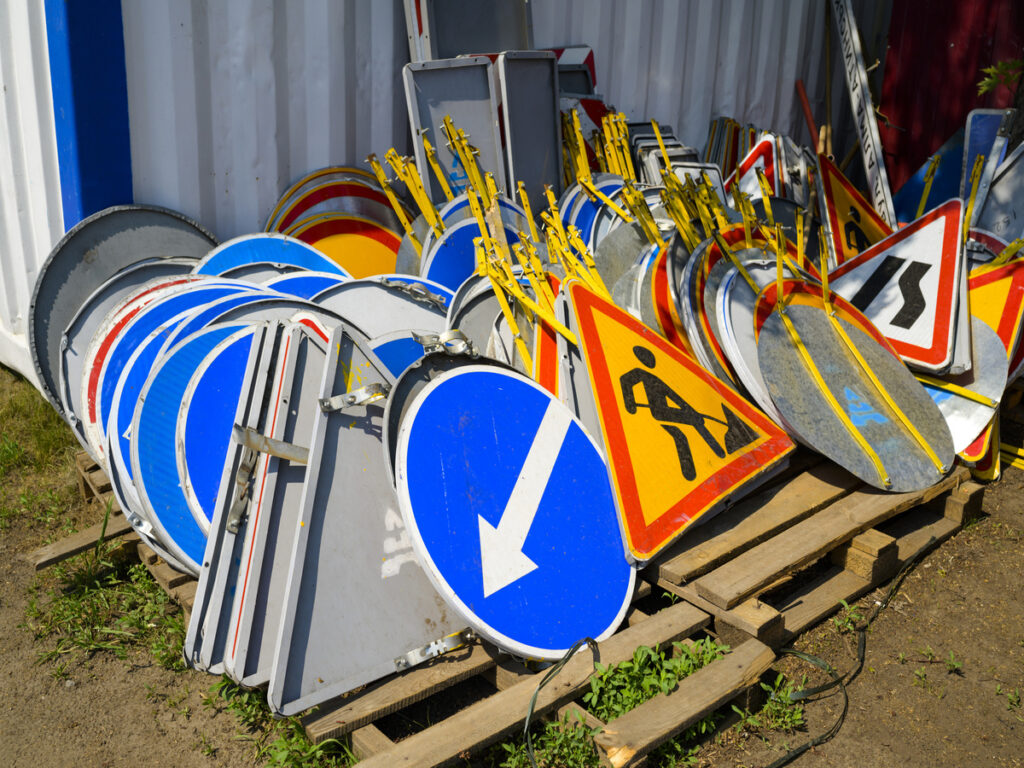
علامات الطريق العاكسة ضرورية لضمان الرؤية والسلامة, خاصة في الليل أو في ظروف الإضاءة المنخفضة. AS/NZS 1906.1 يوضح المعايير الخاصة بكيفية أداء هذه العلامات, تفاصيل السطوع والمتانة اللازمة. يجب أن تستوفي لافتات الألومنيوم ذات المواد العاكسة هذه المتطلبات الصارمة لتظل فعالة, حتى في الطقس الصعبة. في أستراليا, تعتبر هذه اللوائح حيوية للسلامة على الطرق وضمان امتثال جميع اللافتات للقانون. أوبترافيك المصنوعات لافتات ألومنيوم متوافقة مع AS/NZS 1906.1, توفير الأداء العالي علامات الطريق العاكسة التي تضمن الرؤية الواضحة والسلامة لجميع مستخدمي الطريق.
AS/NZS 1906.1 ونظرة عامة على المواد العاكسة
ما هو AS/NZS 1906.1?
AS/NZS 1906.1 هو معيار الصناعة في أستراليا ونيوزيلندا للمواد العاكسة للضوء المستخدمة في لافتات المرور. تحدد هذه المواصفة القياسية متطلبات الأداء والمتانة للمواد التي تضمن ظهور إشارات المرور, خاصة في ظروف الإضاءة المنخفضة. الامتثال AS/NZS 1906.1 يضمن أن المواد تعكس الضوء الكافي لتعزيز الرؤية لمستخدمي الطريق, خاصة في الليل أو في الأحوال الجوية السيئة.
يتم تطبيق المعيار في جميع الولايات والأقاليم الأسترالية, وكذلك في نيوزيلندا, لضمان سلامة متسقة عبر شبكة الطرق.
بالإضافة إلى AS/NZS 1906.1, الذي يحكم المواد العاكسة, يجب على الشركات المصنعة للافتات أيضًا الالتزام بها AS/NZS 1365 لجودة الألومنيوم والمتانة. لمعرفة المزيد حول كيفية قيام AS/NZS 1365 يشكل جودة ومتانة لافتات الألومنيوم, اقرأ مدونتنا: كيف AS/NZS 1365 Shapes Aluminium Signage Quality and Durability in Australia and New Zealand. أوبترافيك يضمن أن جميع علاماتنا تتوافق مع كلا المعيارين, ضمان الأداء المتفوق والموثوقية طويلة الأمد.
الدور الحاسم للانعكاسية الرجعية في السلامة على الطرق
تلعب المواد العاكسة للضوء دورًا حيويًا في السلامة على الطرق, خاصة للقيادة الليلية أو أثناء الظروف الجوية السيئة. تعكس هذه المواد الضوء باتجاه مصدره, عادة من المصابيح الأمامية للسيارة, مما يعزز بشكل كبير رؤية علامات الطريق.
الفوائد الرئيسية للانعكاس الرجعي:
- الرؤية المعززة: صفائح عاكسة للضوء عالية الأداء, مثل الصفائح العاكسة من الدرجة الماسية DG3 من 3M, يعكس ما يصل إلى 60% من الضوء, مما يجعل العلامات أكثر سطوعًا وأسهل في الرؤية, حتى من مسافة بعيدة.
- التعرف بشكل أسرع: دراسات, بما في ذلك تلك التي تقدمها جامعة أيوا, تبين أن العلامات الأكثر سطوعًا تمكن من القراءة بشكل أسرع. وهذا يقلل من الوقت الذي يقضيه السائقون في النظر بعيدًا عن الطريق, التقليل من احتمالية وقوع الحوادث.
- تحسين السلامة: لا تزود علامات الطريق العاكسة السائقين بالمعلومات الأساسية عن حالة الطريق فحسب، بل تضمن أيضًا الرؤية في الظروف البيئية الصعبة, مثل المطر أو الضباب.
مواد عاكسة للضوء في لافتات الألومنيوم
يعتبر الألومنيوم خيارًا شائعًا لإشارات المرور بسبب قوتها, متانة, ومقاومة التآكل. عند دمجها مع الأغطية العاكسة للضوء, يضمن الألومنيوم بقاء العلامات واضحة للغاية, حتى في الظروف الجوية القاسية.
إن استخدام المواد العاكسة للضوء على لافتات الألومنيوم يضمن استيفائها للمتطلبات الموضحة في AS/NZS 1906.1. تعكس هذه العلامات ضوءاً كافياً لتوجيه السائقين بأمان, مما يجعلها ضرورية للسلامة على الطرق في جميع أوقات اليوم وفي مختلف الظروف الجوية.
عن طريق الالتزام ب AS/NZS 1906.1, يضمن مصنعو اللافتات أن كل علامة طريق عاكسة متوافق مع اللوائح الأسترالية والنيوزيلندية, المساهمة في تجربة قيادة أكثر أمانًا لجميع مستخدمي الطريق. على سبيل المثال, مع تزايد عدد سيارات الدفع الرباعي والمركبات الأكبر حجمًا على الطرق الأسترالية, الحاجة واضحة, أصبحت اللافتات المرئية أكثر أهمية. هذه المركبات, كونها أعلى من الأرض, غالبًا ما تمثل تحديات في الرؤية مقارنة بالمركبات القياسية. تضمن العلامات العاكسة التي يتم صيانتها بشكل صحيح أن يتمكن جميع السائقين من التنقل بأمان على الطرق, حتى في ظروف الإضاءة المنخفضة أو الطقس السلبي.
لاستكشاف كيف تساعد علامات الطريق العاكسة في التخفيف من المخاطر المتزايدة على المركبات والمشاة, اقرأ مدونتنا: علامات الطرق العاكسة: حل لارتفاع المخاطر المتعلقة بالمركبات والمشاة في أستراليا.
المواصفات الرئيسية لإشارات الطرق العاكسة
أنواع المواد العاكسة
تعتمد إشارات المرور على مواد عاكسة للضوء لضمان الرؤية, خاصة في ظل ظروف الإضاءة المنخفضة أو الطقس السيئ. يمكن أن يؤثر نوع المادة العاكسة المستخدمة بشكل كبير على أداء اللافتة.
- الأغطية micromormatic: تحتوي هذه المادة على منشورات صغيرة تعكس الضوء مباشرة باتجاه مصدره. معروف بسطوعه الفائق, تعتبر الأغطية المنشورية الدقيقة مثالية للمناطق ذات حركة المرور العالية والعلامات التحذيرية أو التنظيمية حيث تكون الرؤية أمرًا بالغ الأهمية.
- صفائح الخرز الزجاجي: تستخدم هذه المادة التقليدية حبات زجاجية صغيرة لتعكس الضوء. في حين أنها فعالة, إنها عمومًا أقل سطوعًا من الأغطية المنشورية الدقيقة. تُستخدم الأغطية الزجاجية بشكل شائع في اللافتات الإرشادية ولافتات الطرق القديمة في المناطق ذات حركة المرور المنخفضة.
- صفائح عالية الكثافة: الجمع بين تقنيات المنشورية الدقيقة والخرز الزجاجي, توفر الأغطية عالية الكثافة توازنًا بين السطوع والمتانة. وهي مصممة للاستخدام على المدى الطويل على التنظيمي, تحذير, وعلامات إعلامية, توفير أداء أعلى وطول العمر من الأغطية القياسية.
معايير الأداء والاختبار
علامات الطريق العاكسة يجب أن تستوفي معايير الأداء الصارمة لضمان متانتها وفعاليتها. AS/NZS 1906.1 تحدد المعايير اللازمة للمواد العاكسة للضوء لضمان بقاء العلامات مرئية مع مرور الوقت.
- السطوع والانعكاس: AS/NZS 1906.1 يقيس مقدار الضوء الذي تعكسه المادة من زوايا مختلفة. كلما زادت الانعكاسية الرجعية, كلما كان أداء المادة أفضل في ظل ظروف الإضاءة المنخفضة.
- مقاومة الطقس: يجب أن تتحمل اللافتات العوامل البيئية مثل المطر, رياح, والتعرض للأشعة فوق البنفسجية دون فقدان الانعكاس. يتم اختبار المواد للتأكد من مقاومتها لتراكم الأوساخ, التجوية, وعمليات التنظيف.
- منهجية الاختبار: آلات الاختبار المتخصصة (على سبيل المثال, أجهزة قياس الانعكاس الرجعي, متر الإنارة, غرف التجوية, غرف اختبار الغبار والأوساخ, غرف درجة الحرارة) محاكاة ظروف العالم الحقيقي من خلال تسليط الضوء على اللافتات وقياس الضوء المنعكس. وهذا يضمن أن المواد تلبي الحد الأدنى من متطلبات الانعكاس الرجعي وستظل فعالة طوال عمرها الافتراضي.
تقنيات التطبيق للعلامات العاكسة الألومنيوم
يتطلب تطبيق المواد العاكسة على لافتات الألومنيوم الدقة لضمان طول العمر والأداء المتسق. تقنيات التطبيق الصحيحة تمنع مشاكل مثل التقشير أو الفقاعات, مما قد يؤثر على فعالية الإشارة.
- تحضير السطح: قبل تطبيق الأغطية العاكسة للضوء, يجب تنظيف سطح الألومنيوم جيدًا لإزالة أي حطام أو ملوثات. وهذا يضمن الالتصاق الأمثل ويمنع فشل المواد المبكر.
- تقنيات الالتصاق: لضمان المتانة, يتم استخدام بكرات أو مكابس لتطبيق المادة على الألومنيوم. في بعض الحالات, يتم استخدام الحرارة لزيادة ربط المادة بالركيزة, تحسين مقاومة اللافتة للتآكل البيئي.
- أدلة المواد: يجب على الشركات المصنعة لإشارات المرور اتباع الإرشادات الخاصة بالمواد لعملية التقديم. توضح هذه الأدلة أفضل الممارسات لضمان أداء المادة بشكل جيد في ظل ظروف مختلفة وبقاءها سليمة لسنوات.
يضمن التطبيق الصحيح بقاء المواد العاكسة ملتصقة بالألمنيوم, ضمان احتفاظ اللافتة بسطوعها ومتانتها في جميع الظروف الجوية.
علامات الطريق في أستراليا: الامتثال والسلامة
AS/NZS 1906.1 ومحاذاة MUTCD
ال AS/NZS 1906.1 يحكم هذا المعيار الانعكاس الرجعي لإشارات المرور في أستراليا, التوافق مع دليل أجهزة التحكم في حركة المرور الموحدة (Mutcd), الذي يحدد اللوائح الأوسع لأجهزة التحكم في حركة المرور. بينما يحدد MUTCD التصميم العام, تثبيت, ووضع علامات الطريق, AS/NZS 1906.1 يركز على خصائص الأداء المحددة للمواد العاكسة للضوء.
يضمن هذان المعياران الاتساق في لافتات الطرق في جميع أنحاء البلاد, وضع متطلبات ل:
- الانعكاسية: تحديد الحد الأدنى للسطوع لرؤية فعالة.
- متانة: التأكد من أن المواد تتحمل التعرض البيئي وتحافظ على الرؤية بمرور الوقت.
من خلال الالتزام بكل من MUTCD وAS/NZS 1906.1, يضمن مصنعو لافتات الطرق والسلطات أن جميع لافتات الطرق ليست متسقة في التصميم فحسب، بل تتوافق أيضًا مع معايير السلامة الوطنية, تحسين السلامة على الطرق في جميع أنحاء أستراليا.
آثار الرؤية والسلامة
ترتبط رؤية علامات الطريق ارتباطًا مباشرًا بالسلامة على الطرق. تساعد اللافتات الفعالة السائقين على السرعة, قرارات مستنيرة, تقليل مخاطر الحوادث. يلعب استخدام المواد العاكسة دورًا رئيسيًا في ضمان ظهور اللافتات في ظل ظروف الإضاءة المنخفضة وأثناء الأحوال الجوية السيئة, مثل المطر أو الضباب.
العلامات التي تجتمع AS/NZS 1906.1 تضمن المعايير أن المواد العاكسة للضوء تعمل على النحو الأمثل, حتى في ظل أصعب الظروف. وهذا مهم بشكل خاص للعلامات التنظيمية, مثل حدود السرعة وعلامات التوقف, حيث يكون الاعتراف في الوقت المناسب أمرًا بالغ الأهمية.
وإليك كيف تؤثر مستويات الرؤية المختلفة بشكل مباشر على السلامة:
| مستوى الرؤية | وقت رد فعل السائق | المسافة للتعرف على العلامة | خطر الاصطدام | متوسط زمن استجابة السائق (آنسة) |
|---|---|---|---|---|
| عالي | <1 ثانية | 200-300 متر | قليل | 400-800 آنسة (عمل فوري) |
| واسطة | 1-2 ثوان | 150-200 متر | معتدل | 800-1200 آنسة (استجابة أبطأ) |
| قليل | 2-3 ثوان | 100-150 متر | عالي | 1200-1800 آنسة (رد فعل متأخر) |
المتطلبات والعواقب القانونية
الامتثال AS/NZS 1906.1 لا تعد هذه مسألة تتعلق بالسلامة على الطرق فحسب، بل إنها أيضًا مطلب قانوني لجميع لافتات الطرق في أستراليا. عدم الامتثال يمكن أن يؤدي إلى عواقب وخيمة, مشتمل:
- المسؤولية القانونية: قد تواجه السلطات والمصنعون إجراءات قانونية إذا كانت اللافتات لا تستوفي المعايير الانعكاسية المنصوص عليها. على سبيل المثال, إذا كانت علامة التوقف أو علامة حد السرعة غير مرئية بسبب ضعف الانعكاس الرجعي, وهذا يتسبب في تفويت السائق الإشارة وبالتالي التسبب في وقوع حادث, وقد تواجه السلطات المسؤولة دعاوى قضائية من الضحايا أو عائلاتهم. وقد يُطلب منهم دفع تعويضات أو تعويضات.
- تكاليف الاستبدال: قد يلزم استبدال العلامات غير المتوافقة, الأمر الذي يمكن أن يؤدي إلى تكاليف كبيرة لكل من السلطات والمصنعين.
على سبيل المثال, إذا قامت الحكومة المحلية بتثبيت 500 إشارات المرور التي لا تلتقي AS/NZS 1906.1 معايير عاكسة للرجعية, وكل علامة تكاليف $200 ليحل محل, ستكون تكلفة الاستبدال الإجمالية:
500 علامات × $200 لكل علامة = $100,000
- زيادة مخاطر الحوادث: يمكن أن يؤدي ضعف الرؤية وتأخر ردود أفعال السائقين بسبب اللافتات دون المستوى المطلوب إلى وقوع حوادث, زيادة المخاطر على السلامة العامة.
الالتزام ب AS/NZS 1906.1 و mutcd تعتبر المعايير ضرورية لضمان توفير علامات الطريق للرؤية والمتانة اللازمة للحفاظ على السلامة على الطرق. يساعد الالتزام بهذه المعايير على تقليل المخاطر, منع الحوادث, وحماية المصنعين والسلطات من التداعيات القانونية. من خلال التأكد من أن جميع اللافتات تلبي هذه المتطلبات, لا تزال البنية التحتية للطرق في أستراليا موثوقة, واضح, وآمنة لجميع المستخدمين.
فوائد اللافتات المصنوعة من الألومنيوم المتوافقة مع AS/NZS 1906.1
المتانة والصيانة
لافتات ألومنيوم متوافقة مع AS/NZS 1906.1 مصممة لتحمل الظروف الجوية القاسية في أستراليا, توفر متانة فائقة. هذه العلامات تقاوم التلاشي, تقشير, والأضرار البيئية, ضمان بقاء المواد العاكسة للضوء مشرقة وفعالة مع مرور الوقت. يتم ربط المواد بشكل آمن بالركيزة المصنوعة من الألومنيوم, تقليل خطر الخدوش أو الضرر.
الصيانة ضئيلة. لا تتطلب هذه العلامات سوى التنظيف العرضي بالصابون المعتدل, مما يقلل بشكل كبير من الحاجة إلى الإصلاحات أو الاستبدالات المتكررة. وهذا لا يوفر الوقت فحسب، بل يقلل أيضًا من التكاليف المستمرة لفرق الصيانة.
الجودة والأداء المتسقان
AS/NZS 1906.1 يضمن أن كل علامة تنظيمية تلبي معايير الرؤية العالية, بغض النظر عن الموقع. يحدد المعيار الخصائص العاكسة للرجعية, سطوع, ومعايير الأداء, التأكد من أن العلامات مرئية ليلاً أو نهارًا, في جميع الظروف الجوية، سواء كان ذلك ضبابًا, مطر, أو ضوء الشمس الساطع.
تتيح هذه الجودة المتسقة للسائقين التعرف على الإشارات والتفاعل معها بسرعة, الحد من الارتباك وتحسين السلامة على الطرق. الامتثال للمعيار يضمن التوحيد في اللافتات, وهذا يعني بغض النظر عن مكان وجود السائق, يمكنهم الاعتماد على رؤية وأداء العلامات.
فعالية التكلفة
على الرغم من أن الاستثمار الأولي في علامات متوافقة مع AS/NZS 1906.1 قد يكون أعلى, والفوائد طويلة الأجل تفوق التكاليف بكثير. تدوم هذه العلامات عالية الجودة لفترة أطول وتتطلب عمليات استبدال أقل, مما يقلل في النهاية من نفقات الصيانة والإصلاح للمجالس ومديري الطرق.
بالإضافة إلى التوفير في التكاليف المباشرة, تساعد اللافتات الموثوقة على منع وقوع الحوادث, والتي يمكن أن تقلل من الحاجة إلى خدمات الطوارئ, انخفاض أقساط التأمين, وتقليل الأثر المالي للحوادث على السلطات المحلية.
إذا كنت ترغب في استكشاف التوازن بين التكلفة والجودة في الأغطية العاكسة للعلامات, وفهم ما يستحق الاستثمار حقًا في لافتات الطرق, اقرأ مدونتنا: التكلفة مقابل. الجودة في الأغطية العاكسة: ما يستحق الاستثمار في لافتات الطرق?
التطبيقات الواقعية للافتات الألومنيوم المتوافقة مع AS/NZS 1906.1
استخدامها في التنظيمية, تحذير, والإشارات الإرشادية
لافتات ألومنيوم متوافقة مع AS/NZS 1906.1 ضرورية لأنواع مختلفة من لافتات المرور في جميع أنحاء أستراليا, تلعب دورا رئيسيا في السلامة على الطرق. تعتبر هذه العلامات ضرورية لإعلام السائقين بالقواعد التي يجب عليهم اتباعها, وتحذيرهم من المخاطر المحتملة, وتوجيههم بتوجيهات دقيقة.
فيما يلي التطبيقات الشائعة لـ لافتات متوافقة مع AS/NZS 1906.1:
| نوع التطبيق | وصف |
|---|---|
| العلامات التنظيمية | تشير إلى قواعد الطريق, مثل حدود السرعة, توقف العلامات, أو مناطق ممنوع وقوف السيارات, ضمان الامتثال القانوني. |
| علامات التحذير | تنبيه السائقين إلى المخاطر المحتملة مثل أعمال الطرق, الانحناءات الحادة, أو معابر الحياة البرية. |
| دليل العلامات | تقديم التوجيه, مسافات, وتفاصيل الطريق للمساعدة في الملاحة. |
تستخدم هذه اللافتات مواد عاكسة للضوء لضمان الرؤية ليلاً ونهارًا, تحسين وعي السائق وسلامته.
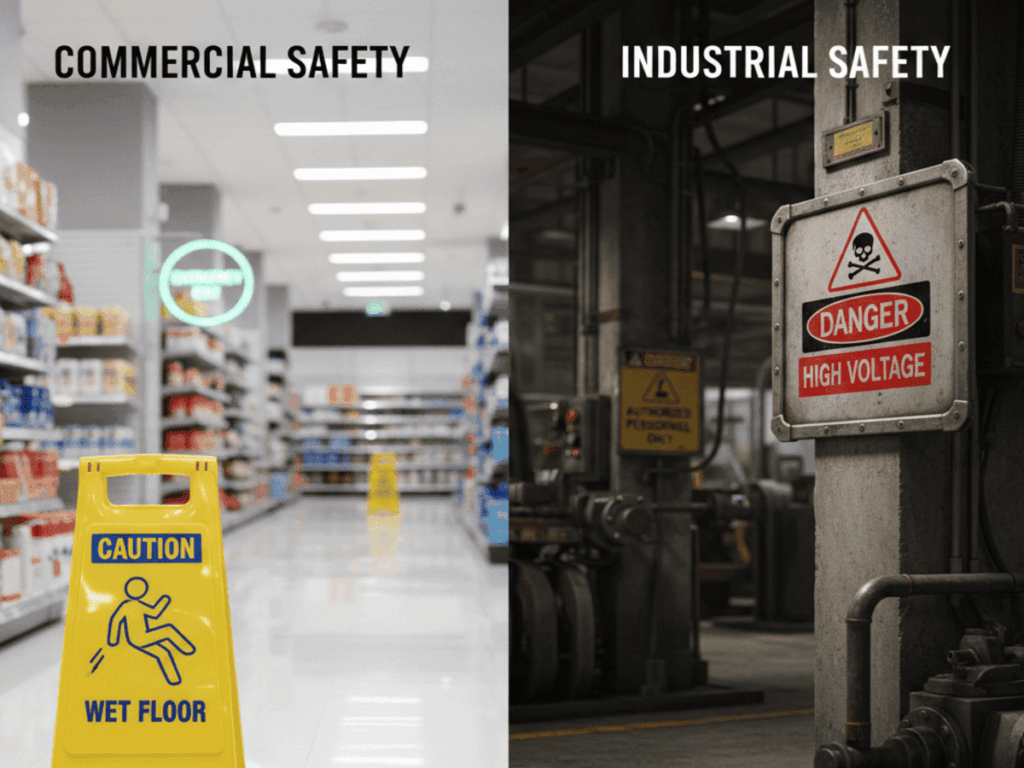
التطبيقات الصناعية والتجارية
وراء إشارات المرور, لافتات ألومنيوم متوافقة مع AS/NZS 1906.1 كما تستخدم على نطاق واسع في البيئات الصناعية والتجارية. تساعد هذه العلامات في الحفاظ على معايير السلامة, توجيه الناس من خلال المرافق, وضمان التواصل الواضح للمعلومات المهمة.
| نوع التطبيق | وصف |
|---|---|
| لافتات البناء | عرض أسماء المباني, أرقام الغرف, وخارج الطوارئ, تقديم إرشادات واضحة للزوار. |
| علامات القطب | مثبتة على أعمدة, تنقل هذه العلامات القواعد أو التحذيرات, مثل لوائح وقوف السيارات أو إشعارات السلامة. |
| لافتات السلامة | تحذير العمال من المخاطر مثل الجهد العالي, الآلات الثقيلة, أو غيرها من المخاطر المحتملة, باستخدام مواد عاكسة للرؤية. |
تعتبر هذه التطبيقات ضرورية للسلامة في مكان العمل وتساعد الشركات على الالتزام بالمعايير التنظيمية.
الأداء في الظروف القاسية
تم تصميم لافتات الألومنيوم ذات الطلاءات العاكسة لتحمل المناخ القاسي في أستراليا - بدءًا من أشعة الشمس الشديدة وحتى هطول الأمطار الغزيرة والعواصف الترابية. لافتات متوافقة مع AS/NZS 1906.1 يحافظ على انعكاسيته ووضوحه مع مرور الوقت, حتى بعد التعرض لفترات طويلة للعناصر.
هذه العلامات شديدة المقاومة للتلاشي, تقشير, والأضرار, مما يقلل من تكرار عمليات الاستبدال والصيانة. يمكن تنظيفها بسهولة بالماء والصابون المعتدل, ضمان أداء طويل الأمد وتحسين الرؤية, على مدار السنة.
AS/NZS 1906.1 يعطي قواعد واضحة ل علامات الطريق الألومنيوم العاكسة. تساعد هذه القواعد صانعي العلامات على بناء علامات تظل مشرقة وتدوم لفترة طويلة. إن اتباع القواعد يجعل الطرق أكثر أمانًا ويبقي الإشارات قانونية. عمال الطرق وصانعو اللافتات يوفرون المال لأن اللافتات تعمل بشكل جيد. ستجعل المواد العاكسة الجديدة العلامات أسهل في الرؤية وأفضل لكوكب الأرض. يجب أن يتعلم الناس القواعد والأفكار الجديدة للحفاظ على سلامة الطرق.
إذا كنت ترغب في معرفة المزيد عن أحدث إشارات المرور العاكسة معايير الأغطية, يمكنك قراءة مدونتنا: نظرة عامة على معايير ألواح علامات المرور العاكسة في أستراليا.
التعليمات
متوافق مع OPTRAFFIC مع AS/NZS 1906.1 المعايير?
نعم, أوبترافيك يضمن بكل فخر أن جميع علاماتنا تتوافق مع معايير AS/NZS 1906.1 معايير المواد العاكسة. تم تصميم لافتاتنا المصنوعة من الألومنيوم لتوفير أقصى قدر من الرؤية والمتانة, التأكد من أنها تلبي المتطلبات الصارمة للسطوع, طول العمر, ومقاومة الطقس. يضمن هذا الامتثال أن إشارات OPTRAFFIC آمنة, فعال, ويسهل رؤيته, بغض النظر عن الوقت من اليوم أو الظروف الجوية.
ماذا يفعل AS/NZS 1906.1 تغطية في لافتات المرور?
AS/NZS 1906.1 يعطي قواعد للمواد العاكسة على علامات الطريق. يوضح المعيار مدى سطوع هذه المواد وقوتها. يساعد على إبقاء العلامات سهلة الرؤية وآمنة للجميع.
لماذا تحتاج لافتات الألمنيوم إلى مواد عاكسة؟?
تستخدم لافتات الألومنيوم مواد عاكسة للضوء لتبقى مشرقة في الليل. تعكس هذه المواد المصابيح الأمامية للسيارة في الأحوال الجوية السيئة. يمكن للسائقين قراءة الرسائل بسرعة والبقاء في أمان.
كيف تختبر السلطات إشارات الطرق العاكسة؟?
تستخدم السلطات آلات للتحقق من مدى انعكاس الإشارات الضوئية. يقومون باختبار الإشارات من زوايا مختلفة وبعد سوء الأحوال الجوية. ويجب أن تجتاز اللافتات هذه الاختبارات قبل أن تسير على الطرق.
ماذا يحدث إذا كانت الإشارة لا تتوافق مع AS/NZS 1906.1?
العلامات التي لا تستوفي المعايير يمكن أن تكون غير آمنة. قد يتم تغريم السلطات أو تضطر إلى تغيير اللافتات. يساعد اتباع القواعد على حماية السائقين ويحافظ على سلامة الطرق.
هل يمكن للشركات استخدام اللافتات المتوافقة مع OPTRAFFIC AS/NZS 1906.1?
نعم, يمكن للشركات استخدام OPTRAFFIC بثقة علامات متوافقة مع AS/NZS 1906.1 في مختلف التطبيقات, مثل لافتات السلامة في أماكن العمل, مواقف السيارات, والمناطق العامة. تضمن المواد العاكسة عالية الأداء الموجودة في لافتات OPTRAFFIC أنها مرئية وواضحة, تعزيز السلامة والامتثال للوائح.