When managing a construction project, selecting the appropriate road signs is crucial to ensuring site safety and traffic management. Road signs for construction serve as essential tools for directing traffic, protecting workers, and providing clear instructions. Construction companies and contractors often face the decision between custom and standard road signs. Both have their advantages, but choosing the right one depends on the complexity of the project, safety needs, and regulatory requirements.
In such cases, OPTRAFFIC offers a valuable solution. As a trusted road sign manufacturer, OPTRAFFIC provides high-quality road signs that cater to the specific needs of construction companies and contractors, ensuring both safety and compliance on-site.
What Are Standard Road Signs for Construction?
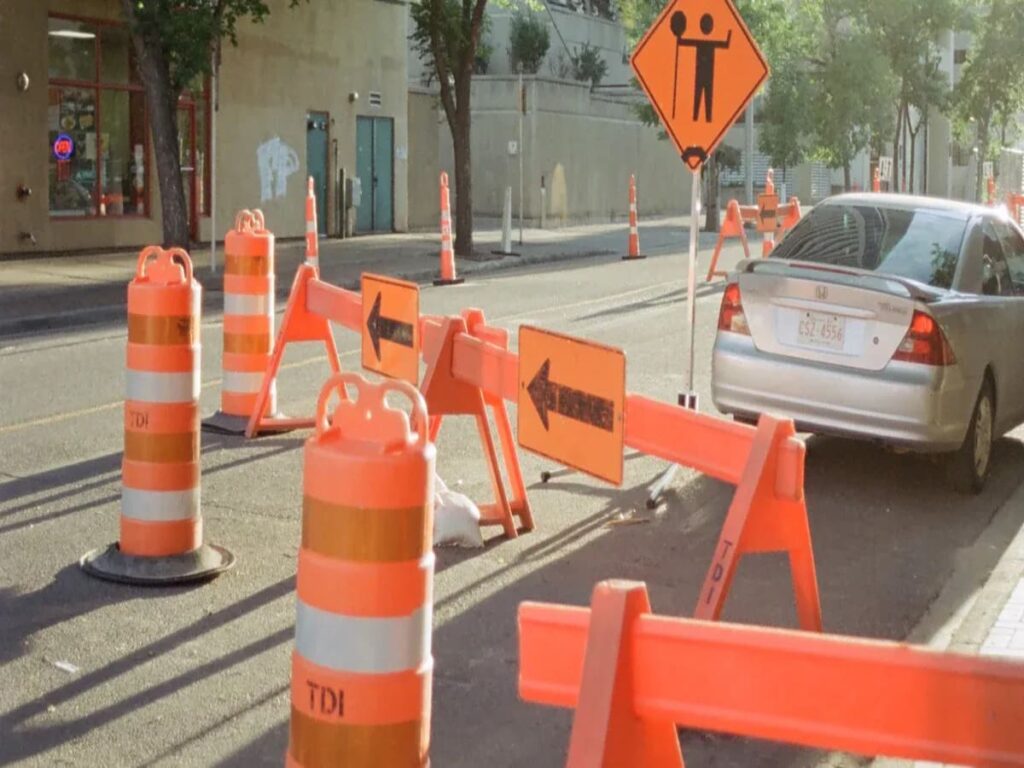
Standard road signs for construction are pre-made, mass-produced signs designed for common construction scenarios. These signs are widely available and serve general traffic management functions, such as warning of roadwork, detours, or the presence of workers.
Examples of Standard Road Signs for Construction:
- Road Work Ahead Sign
- Detour Sign
- Men at Work Sign
- One Lane Closed Sign
- Speed Limit Reduced Ahead Sign
Advantages of Standard Road Signs for Construction:
- Cost-Effective: Standard signs are mass-produced, making them an affordable choice for budget-conscious projects.
- Quick Delivery: They are readily available, which is ideal for projects that require immediate signage.
- Ease of Use: Standard road signs are suitable for common construction scenarios and meet the basic traffic control requirements.
Limitations of Standard Construction Site Signs:
- Limited Customization: These signs are not designed to address unique construction site needs.
- Basic Compliance: While they meet general safety standards, they may not meet specific regulatory or site-specific requirements.
What Are Custom Road Signs for Construction?
Custom road signs for construction are designed specifically for the unique needs of a project. These signs can be tailored to address specific hazards, traffic flow, or special regulations. Contractors may opt for custom signage when the site has specific needs that standard signs cannot accommodate.
Examples of Custom Road Signs for Construction:
- Hazardous Material Warning Signs
- Traffic Diversion Signs for Complex Sites
- Overhead Crane Operations Signs
- “Falling Debris Ahead” Signs
- Directional Arrows for Large Construction Sites
- Temporary Road Closures for Heavy Equipment Access
Advantages of Custom Road Signs:
- Tailored to Site Needs: Custom signs are designed to address specific construction site conditions, such as traffic rerouting or heavy machinery operations.
- Increased Safety: These signs improve visibility and understanding, which is crucial for high-risk zones.
- Meets Specific Regulations: Custom signage ensures compliance with local codes, OSHA regulations, or site-specific requirements.
- Branding and Communication: Custom signs can incorporate company logos or specific project information, reinforcing professionalism and site identity.
Limitations of Custom Construction Road Signs:
- Higher Costs: Custom signage is more expensive due to design, manufacturing, and specific material requirements.
- Longer Lead Time: The design and production process takes longer, which can delay delivery.
Factors Influencing the Choice: Custom vs. Standard Road Signs for Construction
Budget Considerations:
- Standard Signs: These signs are more affordable and are the ideal choice for smaller projects or when the budget is limited.
- Custom Signs: While more expensive, custom signs provide solutions tailored to larger or more complex construction sites.
- Solution: For standard road work or short-term construction, standard road signs for construction like “Road Work Ahead” and “One Lane Closed” will suffice. For large-scale projects with complex needs, custom road signs such as “Traffic Diversion” or “Heavy Equipment Crossing” should be prioritized.
Complexity of the Construction Site:
- Standard Signs: Best suited for simple projects with minimal traffic disruption and general roadwork.
- Custom Signs: Essential for large or multifaceted projects that require specific instructions for drivers, workers, or pedestrians. For example, a high-rise construction project may need custom “Overhead Crane Operation” or “Falling Debris” signs.
- Solution: Complex projects with multiple hazards and high traffic volumes should use a combination of custom road signs like “Heavy Equipment Crossing” and standard road signs for general guidance.
Safety Needs:
- Standard Signs: Ideal for projects that do not involve high-risk areas. Basic warning signs such as “Road Work Ahead” and “Men at Work” can typically meet safety requirements.
- Custom Signs: Critical for construction zones with specialized risks, such as those with crane operations, heavy machinery, or complex pedestrian routes.
- Solution: Sites with overhead operations, such as bridge construction, should consider custom signs like “Falling Debris” or “Crane Swing Area” to mitigate risks and ensure safety compliance.
Regulatory Compliance:
- Standard Signs: Often meet basic regulatory requirements but may fall short when specific local or national guidelines apply.
- Custom Signs: Tailored to meet specific safety standards and regulatory needs for more complex construction projects.
- Solution: If working in regulated environments, such as near highways or in urban areas, custom road signs for construction ensure full compliance with both OSHA regulations and local traffic laws.
Real-World Examples: When to Use Custom vs. Standard Road Signs in Construction
Example 1: Residential Roadwork Project
- Scenario: A residential roadwork project on a low-traffic street that will last a few weeks.
- Recommended Signage: Standard signs such as “Men at Work”, “Road Work Ahead”, and “One Lane Closed” will suffice.
- Reason: These basic signs are adequate for small-scale projects with minimal hazards and low traffic impact. Custom signage is not necessary unless there is a significant risk or complexity.
Example 2: Highway Construction Project
- Scenario: A major highway construction project with heavy traffic, multiple lane closures, and complex traffic diversion.
- Recommended Signage: Custom signs such as “Heavy Equipment Crossing”, “Traffic Diversion”, and “Pedestrian Detour” will be needed.
- Reason: This high-traffic area requires specific, clearly marked instructions to ensure smooth traffic flow and safety for both construction workers and drivers. Standard signs would not provide enough detail or clarity for these types of situations.
Example 3: High-Rise Construction
- Scenario: A high-rise building construction project with overhead cranes and heavy machinery in use.
- Recommended Signage: Custom signs such as “Overhead Crane Operation Zone”, “Falling Debris Warning”, and “Work Zone Speed Limit” are crucial for site safety.
- Reason: Due to the risks associated with overhead operations and heavy machinery, custom signage is necessary to ensure the safety of both workers and pedestrians.
Balancing Custom and Standard Road Signs for Construction Projects
For most construction projects, a mix of custom and standard road signs provides the most effective solution. Standard signs like “Road Work Ahead” and “Detour” are useful for general traffic control, while custom signs like “Falling Debris Warning” and “Pedestrian Detour” address specific hazards and requirements.
Solution: Use standard road signs for basic needs and custom signs for areas with unique hazards, high-risk zones, or complex traffic management needs. This balance will help maintain safety, minimize disruption, and stay within budget.
Conclusion
Choosing the right road signs for construction is vital for the success and safety of any project. Construction companies and contractors must evaluate the project’s complexity, safety concerns, and regulatory requirements to determine the right signage. Standard road signs are suitable for simple projects with general traffic control needs, while custom road signs are essential for larger, more complex sites. By understanding the needs of the construction zone, companies can select the appropriate signage to ensure safety and compliance.
To help you make an informed decision, check out our blog: The Ultimate Guide to Choosing the Right Road Signs for Your Construction Project, where we dive deeper into selecting the perfect road signs based on specific project requirements.