Selecting the right orange snow fence for winter is essential to manage heavy snow and strong winds effectively. An orange safety fence prevents snow accumulation, reducing hazards near roads, parking lots, and work areas. With winter bringing snow and ice, durable fencing plays a key role in ensuring safety. The bright orange color enhances visibility, further promoting safety in winter conditions. Robust fencing prevents snow from drifting and piling up in problematic areas. For harsh winter weather, a reliable orange snow fence is crucial to last the entire season. These fences are ideal for maintaining road safety, protecting parking lots, managing snow at work sites, and controlling snow drifts in rural regions during the winter months.
At OPTRAFFIC, we provide high-quality safety fences designed to withstand tough winter conditions, ensuring safety and efficiency throughout the season. Our orange snow fences are built to last and provide maximum visibility, making them the perfect solution for winter snow management.
Key Takeaways
- Pick orange snow fencing to help keep roads safe from snow drifts.
- Choose tough materials like vinyl or HDPE so the fence lasts in winter.
- Put fences at least 100 feet upwind to stop snow from piling up.
- Use mesh openings between 2 and 2.5 inches for good snow control and wind blocking.
- Check and fix the fence often to make sure it works all winter.
Why Use an Orange Snow Fence
Winter Safety and Snow Control
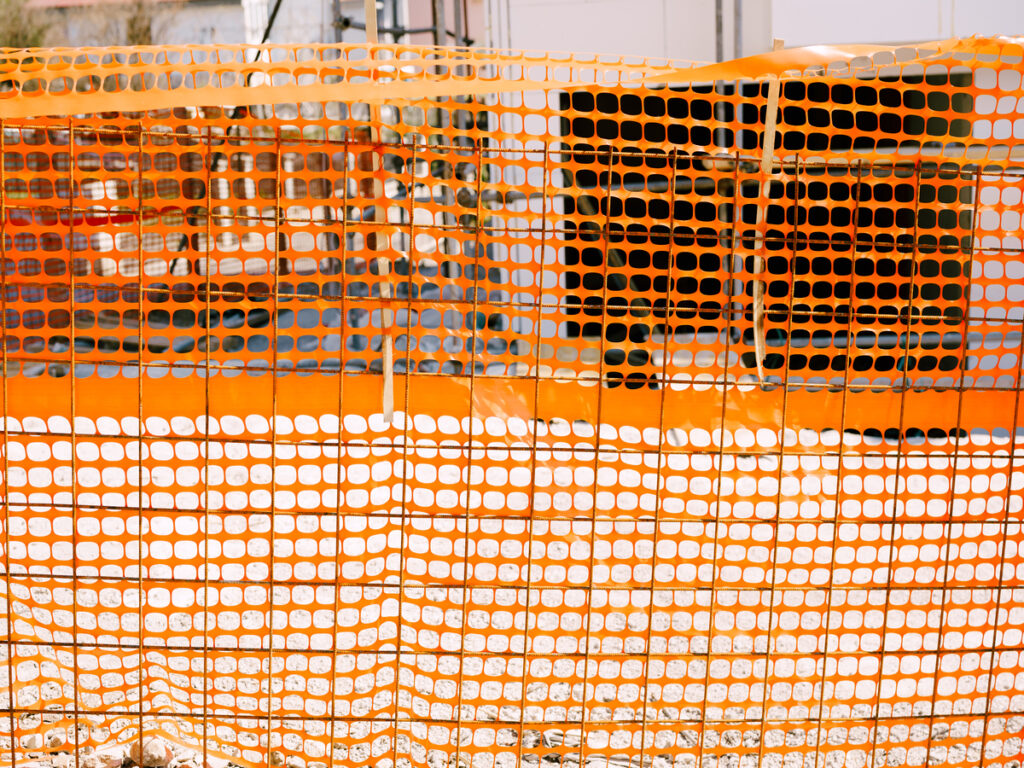
Orange snow fence helps keep people safe in winter. Its bright orange color is easy to see in the snow. Drivers and workers can spot the fence, even when it is dark. This helps stop accidents and warns people about danger. Orange snow fence does not stop all wind. It slows the wind down instead. When wind slows, it drops the heavy snow it carries. The snow then piles up behind the fence. This keeps snow off roads and sidewalks. Busy places stay clear and safe during winter storms.
The orange snow fence has mesh openings that are 3–5 cm wide. These holes help slow the wind and control drifting snow. The fence has a wave shape that guides where snow lands. This helps put snow in certain spots. It means people do not have to remove snow as often. Cities save money because they need less plowing and de-icing. Orange safety fence is a smart way to stay safe and save money in winter.
Note: Orange snow fence uses blaze orange, like hunting gear. It is easy to see, even when snow is falling hard.
Common Applications in Winter
Orange snow fence is used for many things in winter. Workers use it to mark “no go” zones at construction sites. This keeps people away from danger. It also stops animals from going into busy or risky places. Orange snow fence marks open pits, wet cement, and big potholes. This makes these dangers easy to see when it snows a lot.
People see orange snow fence by roads, parking lots, and country land in winter. It helps control where snow piles up. This protects cars and keeps walkways open. Orange snow fence is used for quick, temporary fencing too. It works well for snow control during storms. The fence stands up to heavy snow and strong wind. It is a good choice for many winter jobs.
- Orange snow fence keeps roads safe by stopping drifting snow.
- It protects parking lots and work sites from snow buildup.
- Rural places use orange snow fence to manage snow and keep paths open.
Key Features of Durable Winter Fencing
Material and Weather Resistance
Winter weather can be tough on fences. Picking the right material is important. Vinyl is a great choice for winter fencing. It does not get damaged by snow or pests. Vinyl bends in strong wind but does not break. This makes it last longer. Aluminum is also strong and does not rust. It keeps its shape when wet. Wood like cedar or pine can work if treated well. Cedar does not rot easily, but wood needs more care than vinyl or aluminum. HDPE plastic is another good option. It does not let water in like wood does. HDPE does not get weak from sunlight. It stays strong in cold weather. Vinyl, aluminum, wood, and HDPE all resist bad weather. Vinyl and HDPE last the longest.
| Material | Durability Features | Maintenance Level | Weather Resistance |
|---|---|---|---|
| Vinyl | Resistant to damage from weather and pests; flexible in windy conditions | Low | Strong against snow and moisture |
| Aluminum | Rust-resistant; maintains aesthetic and structural integrity in wet conditions | Low | Good against rain and snow |
| Wood (Cedar/Pine) | High-quality wood can resist weather with proper care; cedar has natural resistance | Moderate | Less likely to rot in snow |
Mesh Size and Effectiveness
Mesh design helps control snow in winter. Fences with holes between 2 and 2 1/2 inches work best. Bigger holes, over 6 inches, do not stop snow well. Mesh that is 25-50 percent open slows the wind. This makes snow drop behind the fence. Vinyl fencing often uses this mesh size. HDPE plastic also works well with strong mesh. It keeps snow from piling up where you do not want it. Mesh size matters most in windy places.
- Mesh openings of 2 to 2 1/2 inches control snow well.
- Openings wider than 6 inches are not effective.
- Porous mesh design helps create windbreaks for winter fencing.
Height, Length, and Wind Resistance
Fence height helps stop snow drifts. Taller fences catch more snow. This shapes snow piles behind the fence. The size of snow piles depends on fence height. Putting fences in the right spot protects roads and parking lots. Wind resistance is important for winter fencing. Strong vinyl and HDPE designs do not break easily. These materials stand up to deep snow and strong wind. Polyethylene mesh keeps fences stable and easy to see. Picking the right height, length, and strong materials helps fences work all winter.
Tip: Pick fencing with strong design and weather-resistant materials. This gives the best protection from snow and wind.
Fencing for Snow Climates: Installation and Placement
Site Preparation and Orientation
Getting the site ready is very important for snow fencing. Workers pick up trash, rocks, and plants before putting up the fence. This stops frost from pushing posts out of the ground. It also helps the fence stay strong in winter. Flat ground keeps snow from piling up in strange ways. How you set up the fence matters for stopping snow. Teams put fences at a right angle to the main wind. The smooth side faces the wind. The slats go on the other side of the posts. This setup makes snow fall behind the fence. It also keeps heavy snow off the places you want to protect. Setting up the fence the right way stops too much snow and frost from hurting it.
Tip: For the best results, use tips for snowy places. Always check which way the wind blows before you start.
Proper Fence Placement for Snow Drift Control
Where you put the safety fence changes how well it stops snow drifts. Experts say to put fences at least 100 feet before roads or parking lots. This space lets snow drop behind the fence. It keeps roads and work areas clear. Snow fencing works best when it stands at a right angle to the wind. If the wind goes the same way as a road, the fence should cross the wind. This stops snow from piling up where it can cause trouble. Putting the fence in the right spot means less work to clear snow and ice. It also keeps paths safe in winter.
- Put fences 100 feet before the places you want to protect.
- Make fences stand at a right angle to the main wind.
- Turn the smooth side toward the wind to stop snow drifts.
Maintenance Tips for Winter
Taking care of snow fencing helps it last longer. Teams look for loose boards, droopy parts, or cracks. Clearing off snow and ice keeps the fence from getting too heavy. Workers cut back plants so air can move and branches do not fall on the fence. Checking for wet spots and sealing cracks keeps out frost and water. Tightening screws and adding support makes weak spots stronger. Taking care of gates and hardware helps them work, even with lots of snow. These steps make it easier to clear snow and ice.
Note: Checking fences often and fixing problems fast keeps snow fencing working all winter.
Matching Winter-Ready Fences to Your Needs
Assessing Site and Snow Conditions
Picking winter-ready fences starts with checking your site and weather. Snow piles and wind speed help decide what fencing you need. Old snowdrifts show where snow builds up near fences, especially on the downwind side. Wind can make snow pile up in certain spots. Teams use computer models to guess how snow will drift. They look at past snowdrifts and study wind before picking fences for snowy places.
Site details are important for good snow fencing. Local rules tell you what permits you need. Property lines help teams stay off other people’s land. Soil type matters because soft or rocky ground changes how posts hold up. Windy places may need stronger posts. The table below shows what to think about for fencing:
| Site Characteristic | Description |
|---|---|
| Local Building Codes | Follow rules and get permits. |
| Property Lines | Check boundaries to stay off other land or utilities. |
| Soil Conditions | See if ground is soft or rocky for fence posts. |
| Weather Considerations | Windy spots may need stronger posts. |
Teams avoid mistakes by putting fences 100 feet upwind from places they want to protect. They put posts deep in the ground to keep fences strong. Fences should stand across the wind, not along it, for best snow control.
Choosing the Right Specifications
Choosing the ideal fencing involves aligning mesh density, height, and material with your specific site needs. Denser mesh helps manage snow accumulation while maintaining visibility through the fence. For example, a mesh size of 1.75 inches by 2 inches effectively controls snow placement, while a 1.75 inches by 1.75 inches mesh retains snow while allowing clear visibility for drivers and pedestrians.
Durability is very important. Polyethylene and polypropylene last a long time. These materials do not fade in the sun. Lightweight fences are easy to put up and fit many places. Strong mesh and sturdy frames make fences tough and reliable.
The table below shows features for good fencing:
| Feature | Description |
|---|---|
| Application | Works for homes, businesses, parking lots, and airports. |
| Visibility | Bright orange color helps people see the fence. |
| Durability | Made from tough polypropylene or polyethylene for long use. |
| UV Resistance | Does not fade in sunlight. |
| Lightweight | Easy to carry and set up fast. |
| Flexibility | Can be put up in many places without breaking. |
| Sizes Available | Comes in 4’ by 50’ or 4’ by 100’ rolls. |
| Snow Drift Containment | Made to stop snow drifts and slow wind. |
| Mesh Design | 1.75″ x 1.75″ mesh gives strength and flexibility. |
| Wind Resistance | Polyethylene mesh stands up to strong wind. |
| Recyclability | Can be recycled and used again, so it is green. |
| Long-lasting Color | Stays bright in bad weather for safety. |
Teams pick fencing that fits each place. Big sites may need taller fences and stronger mesh. Home driveways do well with light, bendy, and easy-care fences. Parking lots and airports need fences that are easy to see and stop snow drifts.
Supplier Reliability and Support
Good fencing comes from trusted suppliers. Teams look for suppliers who meet all rules and standards. Products must follow ISO 13688 and ANSI Z87.1 rules. UV resistance and local safety rules help fences last longer. Teams check for strong mesh and test results for impact. Outside testing makes teams feel sure about the fence.
Teams compare costs to find the best deal. Buying in bulk and using fences again saves money. Fences should work with what you already have. Modular fences are easy to put up. Good suppliers offer training, guides, and quick help. Safety rules help with fall protection and working with scaffolding.
The table below lists what to check when picking suppliers:
| Criteria | Details |
|---|---|
| Specifications, Standards & Compliance | Must follow ISO 13688 and ANSI Z87.1; check UV resistance and local safety rules. |
| Performance & Quality Validation | Mesh must be strong; test for impact; check mesh size. |
| Cost-Efficiency Analysis | Look at total cost; bulk buying and reuse save money. |
| Integration Capabilities | Should work with current systems; modular design is best. |
| After-Sales Support Evaluation | Training, guides, and fast help are important. |
| Operational Safety Compliance | Must help with fall protection and work with scaffolding. |
Teams pick suppliers who give good help and advice. Reliable fencing is strong and lasts a long time. The right supplier helps teams put up fences that keep people and property safe all winter.
Picking the right orange snow fence helps keep people safe in winter. It also helps control where snow goes. Teams need to look at the site first. They should pick fencing made from strong material. The mesh should be the right size. The fence must stand up to wind.
Talking to trusted suppliers is important. Reading reviews from other buyers helps too. This makes sure the fence is safe. Teams should think about what they need. They should look for fencing that is strong and lasts a long time.
FAQ
What is the main purpose of orange snow fencing in winter?
Orange snow fencing helps stop snow drifts. It keeps roads, parking lots, and work sites safe. The fence moves snow away from important places. It also helps drivers and workers see better.
How does orange snow fencing handle strong winds?
Manufacturers use tough materials and strong mesh for orange snow fencing. This makes the fence stand up to strong winter winds. The fence works well all season long.
Where should teams install orange snow fencing for best results?
Teams should put orange snow fencing at least 100 feet upwind. This helps catch drifting snow before it gets to roads or work areas.
How often should teams check and maintain snow fencing during winter?
Teams need to check snow fencing often, especially after storms. They should clear off heavy snow, fix loose parts, and repair damage. This keeps the fence strong and working well