Aluminum is the best pick for a stop road sign. It is strong and lasts a long time. It is also easy to see. Reflectivity is very important for road safety. Adding reflective sheeting helps lower crash rates. This is true, especially at intersections.
| Location | Intersection Type | Result on Crashes |
|---|---|---|
| South Carolina | Three-legged intersections | Rear-end crashes went down a lot. |
| South Carolina | Urban intersections | Crashes went down in a big way. |
| Connecticut | Rural intersections | Crashes went down in a big way. |
| General Findings | Lower volume intersections | Works better for drivers on small roads near stop signs. |
| General Findings | Nighttime crashes | No changes were seen. |
Think about your area before picking a sign. You should also think about your budget. Make sure you follow local rules.
At OPTRAFFIC, we offer high-quality aluminum stop road signs that meet all safety standards. Our reflective aluminum signs improve visibility, especially at intersections, helping reduce accidents and enhance road safety. Whether you’re managing an urban area, rural intersection, or low-volume road, our aluminum stop signs provide long-lasting durability and superior reflectivity, making them the ideal choice for all your traffic control needs.
Key Takeaways
- Aluminum stop signs are strong and easy to see. They last a long time, about 10 to 20 years. They do not rust easily.
- Plastic signs are light and cheap for short-term use. They last 5 to 15 years. They can break if hit hard.
- Wood signs look old-fashioned but need more care. They last 3 to 7 years. They are not good for busy roads.
- Reflective sheeting helps people see signs at night. It lowers the chance of accidents. Use better sheeting in busy places.
- Think about where you need the sign and your budget. Metal signs work best for busy roads. Plastic signs are good for quiet or short-term spots.
Types of stop road signs
When you drive in North America, you see different stop road signs. Each sign has its own job and follows certain rules. Knowing about these signs helps you know what to do at each intersection.
Standard stop road sign
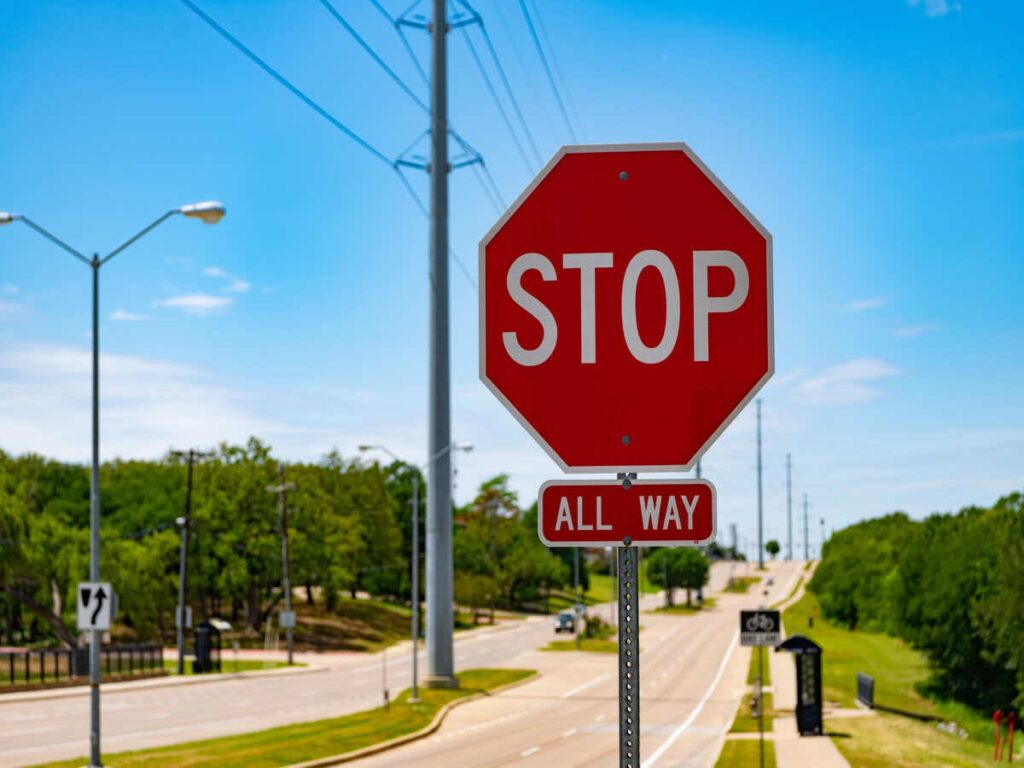
The standard stop road sign is used the most. You see it at places where drivers must stop before crossing or entering another road. This sign is always red and shaped like an octagon. It has the word “STOP” in white letters. In the United States, this sign is found where safety and right-of-way matter. In Canada, the sign looks almost the same. Sometimes it has both English and French words.
The colors for regulatory signs must follow the rules in Table 2A-4 and Chapter 2B.
You must stop all the way at this sign. Look for cars or people before you go.
All-way stop road sign
An all-way stop road sign means every driver at the intersection must stop. You might see a small sign under the main one that says “ALL WAY” or “4-WAY.” This sign is used where traffic comes from more than one direction. The four-way stop is the most common kind.
- Every driver has to stop and wait their turn to go.
- These signs help keep busy crossings safe and fair for everyone.
- Some studies say multi-way stop signs can make more noise and pollution because cars stop and start a lot.
Temporary stop road sign
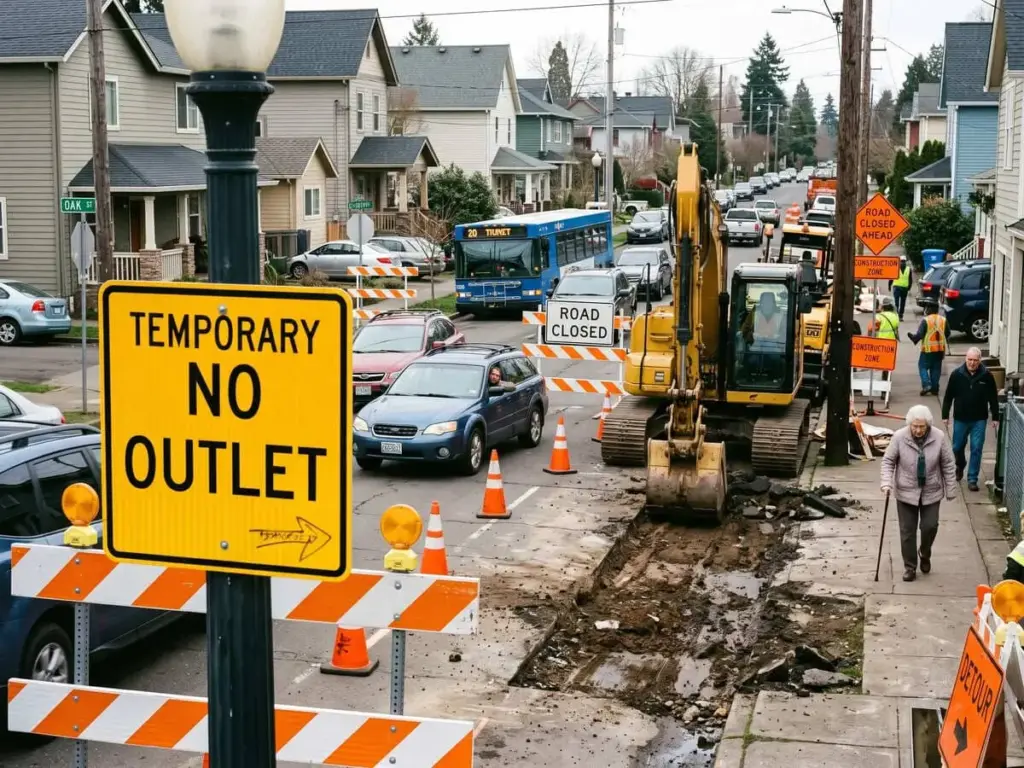
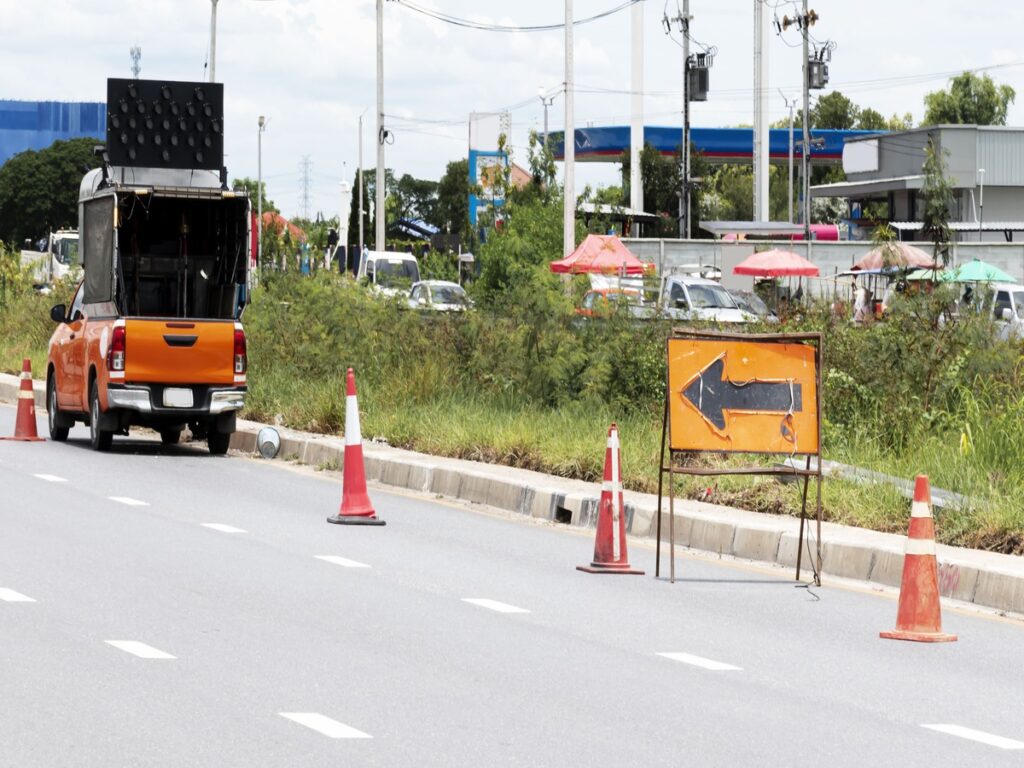
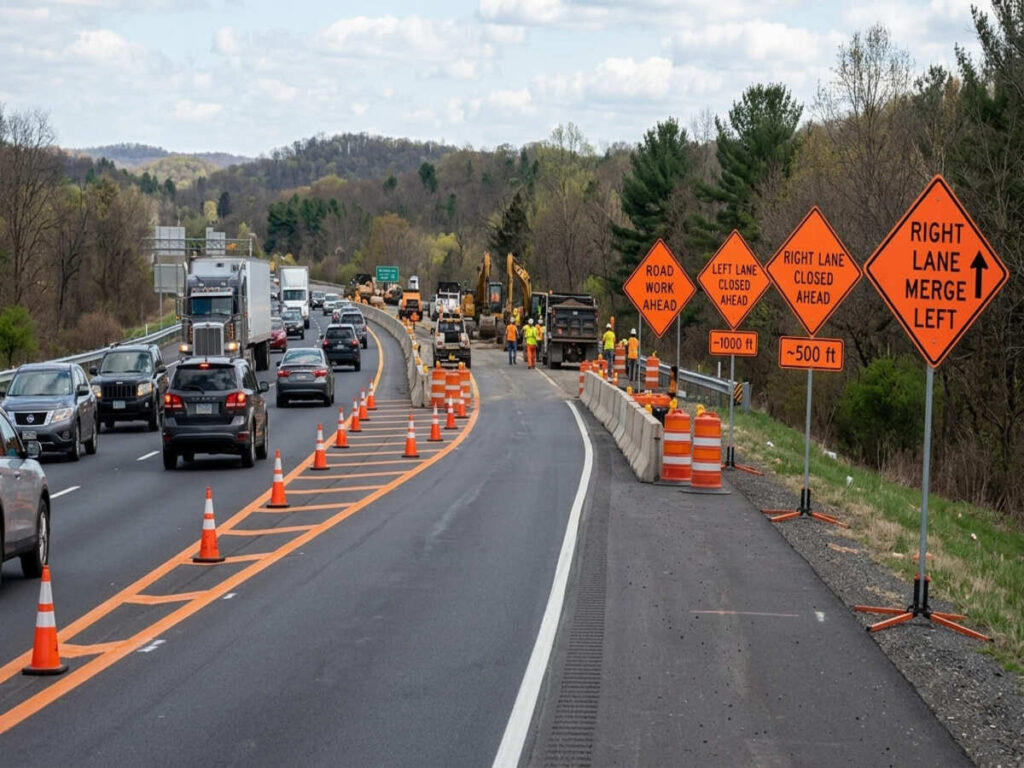
Temporary stop road signs are used during road work, events, or emergencies. Workers put these signs up to control traffic for a short time. When you see a temporary sign, you must obey it just like a regular sign.
| Requirement | Description |
|---|---|
| Installation | Regulatory signs must be put where the rules apply. |
| Visibility | Signs should be easy to see and read so drivers follow them. |
| Retroreflectivity | Signs must be shiny or lit up so drivers see them day and night. |
If a temporary sign takes the place of a regular one, the old sign should be covered or taken away. This rule helps drivers stay safe and know what to do.
Metal stop road sign
Pros and cons
You will find that metal stop road signs offer many benefits. They resist rust and harsh weather. You can count on them to stay strong in the sun, rain, or snow. Metal signs also hold up well against wind and small impacts. They do not bend or break easily. You can recycle them when they reach the end of their life.
However, metal signs can cost more than plastic or wood. If someone hits them with a car, they may dent. Sometimes, people steal metal signs for scrap. You may also need special tools to install them.
Typical uses
You see metal stop road signs almost everywhere. Cities, highways, and neighborhoods use them because they last a long time. Schools and busy intersections also rely on metal signs for safety. You can use them in both hot and cold climates. Many local rules require metal signs for official roads.
Here is a table showing the main materials and thicknesses used for metal stop road signs:
| Material Type | Typical Thickness |
|---|---|
| High Quality Sign-Grade Aluminum | .080″ gauge |
| Aluminum Composite Material (ACM) | 3 mil (18″, 24″, 30″), 4 mil (36″) |
| Steel | 24 gauge |
Performance and durability
You can expect a metal stop road sign to last between 7 to 10 years under normal outdoor conditions. Metal signs keep their shape and color for many years. They work well with reflective sheeting, so drivers see them day and night. You do not need to replace them often, which saves money over time. If you want a sign that stands up to weather and stays visible, metal is a smart choice.
Plastic stop road sign
Pros and cons
Plastic stop road signs give you a lightweight and easy-to-handle option. You can move them without much effort. They do not rust, so you do not have to worry about wet weather. Plastic signs resist fading from the sun. You will find that they need less maintenance than wood. Most plastic signs use strong materials like PVC.
However, plastic signs can crack if hit hard. They may not feel as sturdy as metal. In very hot or cold places, plastic can warp or become brittle over time. Some people think plastic does not look as official as metal.
Tip: If you need a sign for a short-term project or a place with less traffic, plastic can be a smart choice.
Typical uses
You often see plastic stop road signs at construction sites, school events, or parking lots. Many people use them for temporary traffic control. You can also use them in private communities or on private roads. Some cities use plastic signs for quick replacements when a metal sign gets damaged.
- Easy to move for events or emergencies
- Good for places where you need a sign for a short time
- Used in areas where theft of metal signs is a problem
Performance and durability
Plastic stop road signs stand up well to rain, snow, and sun. They do not rot like wood. You can expect a plastic sign to last between 5 and 15 years, depending on the weather and how much it gets used. This makes plastic more durable than wood but not as long-lasting as aluminum.
Here is a table that compares the years of service for different sign materials:
| Material | Durability Characteristics | Years of Service (Approx.) |
|---|---|---|
| Aluminum | Resists rust and corrosion | 10-20 years |
| PVC | Withstands weather without warping | 5-10 years |
| Wood | Prone to rot and requires maintenance | 3-7 years |
| Plastic | Low maintenance, durable against elements | 5-15 years |
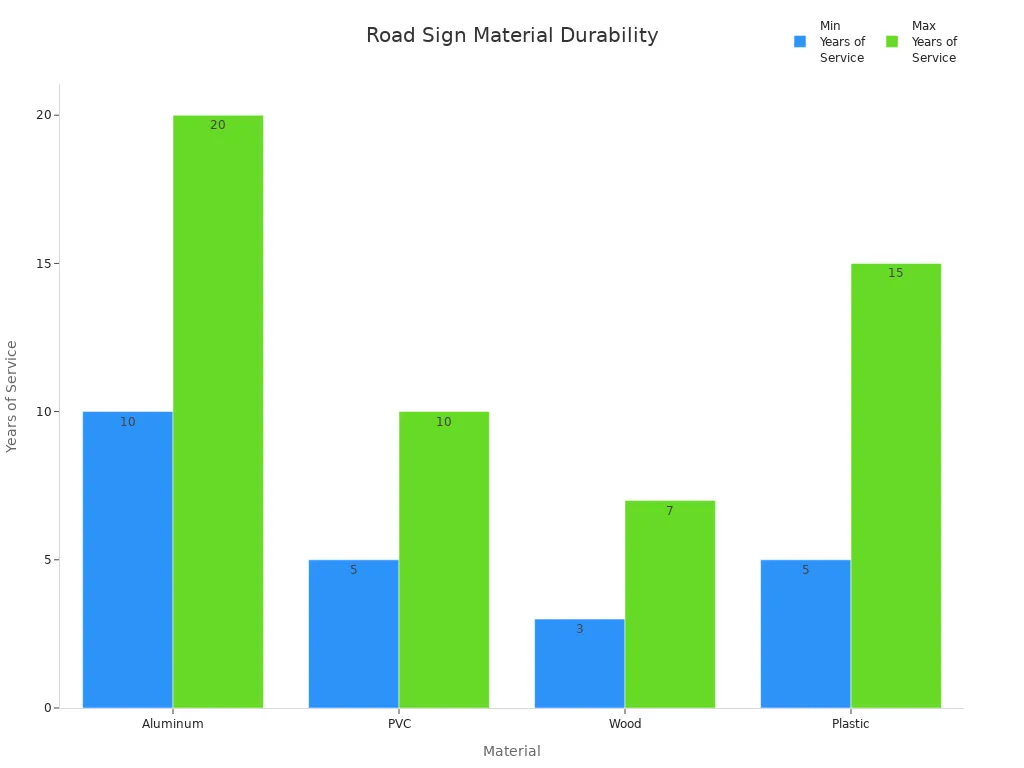
Plastic signs give you a balance between cost, weight, and durability. If you want a stop road sign that is easy to use and lasts longer than wood, plastic is a good pick.
Wood stop road sign
Pros and cons
You might think about using wood for a stop road sign if you want a classic look. Wood signs can blend in with natural surroundings. You can paint or stain them in many colors. Wood is easy to cut and shape, so you can make custom signs for special needs. If you want a sign that feels rustic or fits in a park, wood works well.
However, wood signs have some drawbacks. They can rot or warp when exposed to rain and snow. Insects like termites can damage them. You may need to repaint or seal them often. Wood signs do not last as long as metal or plastic. They can break if hit by a car or strong wind.
Note: Wood signs need more care and do not meet most city or highway rules for permanent traffic control.
Typical uses
You will see wood stop road signs in places where style matters more than strict rules. Parks, campgrounds, and private roads often use wood signs. Some small towns choose wood for a vintage look. You might also see wood signs at festivals or special events. People sometimes use them for temporary traffic control or as decorations.
- Parks and nature trails
- Campgrounds and resorts
- Private driveways or roads
- Special events or festivals
Performance and durability
Wood stop road signs can last a few years if you take care of them. The type of wood makes a big difference. Here is a table showing common woods and how they handle weather:
| Type of Wood | Weather Resistance Properties |
|---|---|
| Waterproof Plywood | Durable and resistant to moisture |
| Redwood | Naturally weather resistant and durable |
| Cedar | Known for its natural resistance to decay and insects |
You should choose redwood or cedar if you want a sign that stands up to rain and bugs. Waterproof plywood also works well for short-term use. Even with good wood, you need to check your sign often. Paint or seal it to keep out water and insects. Most wood signs last three to seven years before you need to replace them. If you want a stop road sign that looks natural and do not mind extra upkeep, wood is a good choice for certain settings.
Reflective technology in custom reflective street signs
Types of reflective sheeting
When you pick custom reflective street signs, you should know about the types of reflective sheeting. Each type shines differently. Some are better for busy streets. Others work well in quiet places. Here is a table that helps you compare:
| Type of Reflective Sheeting | Reflectivity Rating | Applications |
|---|---|---|
| 3M Engineer Grade Reflective (EGP) Sheeting | Basic level | Non-critical traffic signs in low-visibility areas |
| 3M High-Intensity Prismatic (HIP) Grade | Higher than EGP | Critical signs, regulatory and warning signs |
| 3M Reflective Sheeting Diamond Grade (DG) | Ultra-bright | High-volume and fast traffic areas |
| 3M Commercial Grade Reflective Sheet Sticker | Cost-effective | Non-regulatory signage, decals, general-purpose |
You see advanced engineer grade signs on local roads. High intensity prismatic is good for intersections. Diamond grade is used on highways and busy streets. Custom reflective street signs use these materials to fit what you need.
Visibility and safety benefits
Custom reflective street signs help you see better at night. When headlights hit a sign, retroreflective technology sends light back to you. This makes the sign easy to spot from far away. High intensity prismatic and diamond grade let you see stop signs from farther away at night. Advanced engineer grade gives basic shine, but high intensity prismatic and diamond grade make signs safer.
| Reflective Material Type | Visibility Impact at Night |
|---|---|
| High Intensity Prismatic (HIP) | Reflects more light, increasing visibility distance |
| Diamond Grade (DG3) | Superior reflectivity, enhancing visibility from afar |
| Engineer Grade (EG) | Lower reflectivity, reduced visibility distance |
A study in Sioux City found crashes dropped by 38% after using brighter custom reflective street signs. Another study showed a 4.4% drop in nighttime crashes with better retroreflective technology. You stay safer when you see signs sooner.
Customization options
You can make custom reflective street signs fit your area. Pick materials like aluminum or galvanized steel. Choose mounting hardware that works with your posts. Add UV-resistant coatings or anti-graffiti layers to help signs last longer. You can get single-sided or double-sided signs. Advanced engineer grade, high intensity prismatic, and diamond grade come in custom sizes and shapes. Custom reflective street signs help you follow local rules and handle tough weather.
| Customization Aspect | Description |
|---|---|
| Materials | Galvanized steel or aluminum for strength and rust-proofing |
| Mounting Hardware | U-bolt and swivel kits for best placement |
| Protective Finishes | UV-resistant and anti-graffiti coatings |
| Compliance with Standards | Custom options to meet local sign rules |
| Sign Orientation | Single-sided or double-sided for your needs |
Custom reflective street signs give you the right shine, strength, and look for any road or place.
Head-to-head comparison
Durability
You want your stop road sign to last as long as possible. Metal signs, especially those made from aluminum, stand up to harsh weather and heavy traffic. They resist rust and keep their shape for many years. In field tests, metal signs stayed legible and strong even after years of sun, rain, and wind. Plastic signs do well in humid or coastal areas because they do not corrode. However, they can crack or fade if exposed to strong sunlight or extreme cold for a long time. Wood signs look nice at first, but they can rot, warp, or break down when exposed to moisture and insects.
| Material | Average Lifespan | Weather Resistance | Notes |
|---|---|---|---|
| Metal | 10-20 years | Excellent | Best for high-traffic and harsh weather |
| Plastic | 5-15 years | Good (best in humid/coastal) | May crack or fade over time |
| Wood | 3-7 years | Poor to Fair | Needs frequent care; not for harsh climates |
Tip: Choose metal if you need a sign that will last the longest with the least trouble.
Visibility
Drivers need to see stop signs clearly, day or night. Metal and plastic signs both work well with modern reflective sheeting. This sheeting bounces light from headlights back to drivers, making the sign easy to spot. The type of sheeting matters. Signs with higher-grade sheeting, like Type IX, can be seen from farther away and help drivers react faster at intersections. Wood signs can use reflective sheeting, but the surface may not hold it as well, and the sign may not stay flat over time.
| Sheeting Type | Legibility Distance | Impact on Driver Response |
|---|---|---|
| Type I | Lowest | Slower |
| Type III | Moderate | Average |
| Type VII | High | Faster |
| Type IX | Highest | Fastest |
- Brighter signs help drivers see them sooner.
- Longer detection distances give drivers more time to stop safely.
The use of retro-reflective materials also helps drivers notice pedestrians near intersections. This extra visibility can lower the risk of accidents.
Cost
You want to get the best value for your money. Metal stop road signs cost more at first, but they last longer and need less replacement. Plastic signs cost less to buy and install. They work well for short-term needs or places with less traffic. Wood signs are often the cheapest to make, but you will spend more on repairs and replacements over time.
| Material | Initial Cost | Replacement Frequency | Long-Term Value |
|---|---|---|---|
| Metal | High | Low | Best |
| Plastic | Medium | Medium | Good for short-term |
| Wood | Low | High | Poor for long-term |
Note: Think about how often you want to replace your sign. Sometimes, paying more at first saves money later.
Maintenance
You want a sign that does not need much work. Metal signs need only simple cleaning. They resist rust, warping, and sun damage. Plastic signs need more attention. They can fade, crack, or turn yellow, so you may need to replace them more often. Wood signs need the most care. You must paint or seal them often to stop rot and insect damage.
| Material | Maintenance Level | Common Issues |
|---|---|---|
| Metal | Low | Occasional cleaning |
| Plastic | High | Fading, cracking, yellowing |
| Wood | High | Rotting, warping, insect damage |
Regular checks help all signs last longer, but metal signs need the least effort.
Environmental impact
You may care about how your choice affects the planet. Metal signs, especially aluminum, can be recycled when they wear out. This makes them a greener choice. Plastic signs do not rust, but they can add to plastic waste if not recycled. Some plastics are recyclable, but not all. Wood signs come from trees, which are renewable, but making and replacing them often uses more resources. Paints and sealants for wood can also harm the environment.
| Material | Recyclability | Resource Use | Environmental Notes |
|---|---|---|---|
| Metal | High | Moderate | Recyclable, long lifespan |
| Plastic | Varies | Low | Some recyclable, but adds to plastic waste |
| Wood | Low | High | Renewable, but needs frequent replacement |
If you want an eco-friendly option, look for recycled aluminum or certified wood.
You can see that each material has strengths and weaknesses. Metal signs offer the best mix of durability, visibility, and low maintenance. Plastic signs work well for special cases or short-term use. Wood signs give a natural look but need more care and do not last as long. Reflectivity plays a key role in keeping drivers and pedestrians safe, so always choose the best sheeting you can.
Best material for different scenarios
Urban and city use
You see stop signs all over cities. Busy streets need signs that are easy to see and last long. Aluminum signs with high intensity or diamond grade reflective sheeting are best. These signs shine very bright, even when headlights hit them from the side. Drivers and people walking can see them better, which keeps everyone safer.
Here is a table that shows which materials and reflectivity features work well in cities:
| Material Type | Reflectivity Features | Typical Applications |
|---|---|---|
| High Intensity (HI) | Enhanced visibility over a wide range of angles; significantly brighter than EG. | Regulatory signs (like STOP signs), warning signs. |
| Diamond Grade (DG) | Highest levels of reflectivity and durability; effective at sharp angles and distances. | Critical regulatory signs, overhead signage, barricades. |
Tip: Pick diamond grade reflective aluminum for busy intersections. This helps drivers spot signs faster and can lower accidents.
Rural and remote areas
You drive on long roads in the countryside. There are not many streetlights, so signs must be easy to see at night. Aluminum signs with high intensity prismatic sheeting are a good choice. These signs do not rust and can handle bad weather. They stay strong for years, even in rain or snow.
Plastic signs are also good for quiet places with little traffic. They cost less and do not get damaged by water. Wood signs can be used on private roads or in parks, but you need to check them often for problems.
- Aluminum with high intensity sheeting: Best for main roads and intersections.
- Plastic: Good for private lanes or places with few cars.
- Wood: Nice for parks or trails, but needs more care.
Note: Choose aluminum if you want a sign that stays bright and strong in any weather.
Temporary and event needs
You need stop signs for road work, festivals, or emergencies. It is important to set up and take down signs quickly. Lightweight aluminum and modular kits make moving signs easy. Rubber bases keep signs steady on many surfaces. Cast-iron bases are good when it is windy.
Here is a table that shows the best choices for temporary signs:
| Material | Characteristics | Best Use Case |
|---|---|---|
| Aluminum | Lightweight, easy to carry, quick setup, suitable for short-term use | Short-term projects |
| Steel | Very strong, durable, withstands bad weather, ideal for long-term use | Long-term projects |
| Rubber Base | Heavy enough for stability, easy to move, non-slip on various surfaces | Temporary setups in varied conditions |
| Cast-Iron | Heavier, provides more stability, keeps signs upright in strong winds | Areas with high wind conditions |
| Modular Kits | Adjustable for different needs, customizable height and size | Projects with changing requirements |
Alert: Always use reflective sheeting on temporary signs. Drivers need to see them both day and night.
Budget-friendly choices
You want to save money but keep roads safe. Plastic stop signs cost less than metal ones. They are good for short-term use or places with little traffic. You can put them up fast and move them easily. Wood signs are even cheaper, but you will spend more time fixing or replacing them.
Aluminum signs cost more at first, but they last longer and save money over time. If you need a sign for a busy road, pick aluminum. For events or private roads, plastic or wood can help you spend less.
| Material | Upfront Cost | Lifespan | Maintenance Needs |
|---|---|---|---|
| Aluminum | High | 10-20 years | Low |
| Plastic | Medium | 5-15 years | Medium |
| Wood | Low | 3-7 years | High |
Tip: Pick a sign that fits your budget and how long you need it. You get the best deal when you balance cost and how long the sign will last.
You now know that aluminum stop signs give you the best mix of strength, visibility, and long life. Reflective technology and custom options help drivers see signs better, which lowers crash risks. Many areas require retroreflective signs to meet safety rules.
- Stop signs slow traffic and help prevent accidents.
- Metal signs last longest and resist weather.
- Plastic signs work well for short-term or low-traffic spots.
- Regular checks and cleaning keep all signs clear and safe.
Think about your road, budget, and local laws before you buy. If you want safer roads, inspect your signs often and choose larger, brighter signs for busy places.
FAQ
What is the best material for a stop road sign?
You should choose aluminum for most stop signs. It lasts a long time and resists rust. Aluminum also works well with reflective sheeting, so drivers see the sign day and night.
How does reflective sheeting improve safety?
Reflective sheeting bounces light from headlights back to drivers. This makes the sign easy to see at night or in bad weather. You help prevent accidents when you use brighter, high-quality sheeting.
Can you use plastic stop signs on public roads?
You should not use plastic stop signs on main public roads. Most cities require metal signs for safety and durability. Plastic signs work best for temporary needs or private areas.
How often should you replace a stop road sign?
You should check your signs every year. Replace metal signs every 10 to 20 years. Plastic signs last 5 to 15 years. Wood signs need replacement every 3 to 7 years.
Are wood stop signs allowed everywhere?
Note: Most cities and highways do not allow wood stop signs for permanent use. You can use wood signs in parks, private roads, or special events, but always check local rules first.