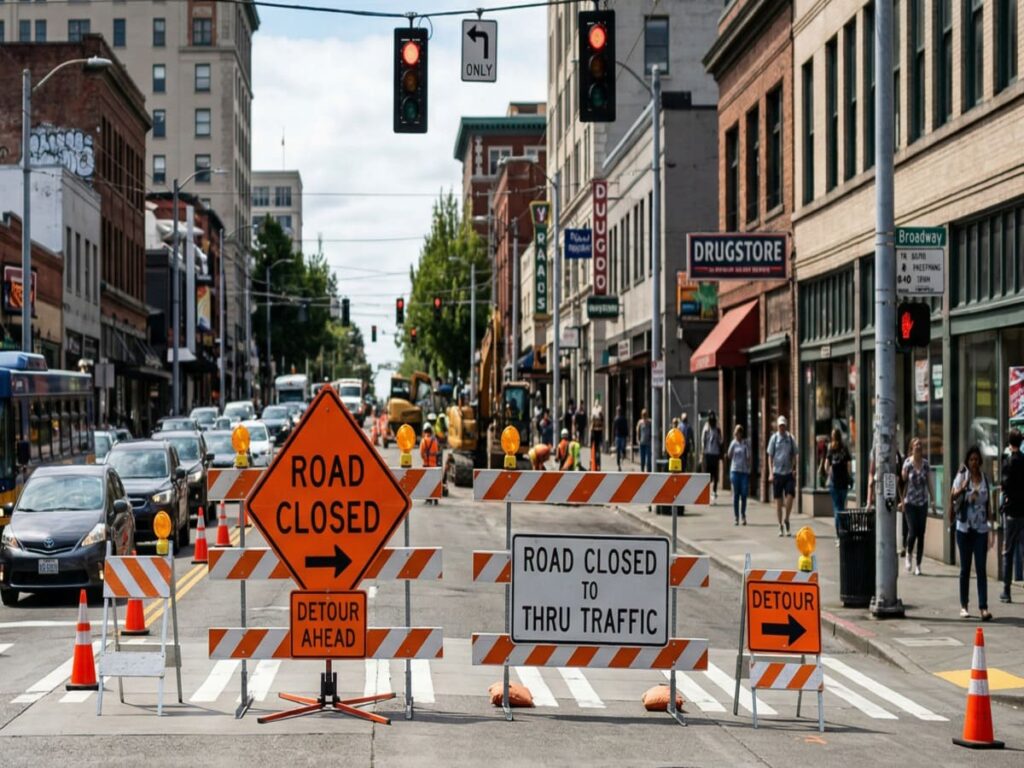
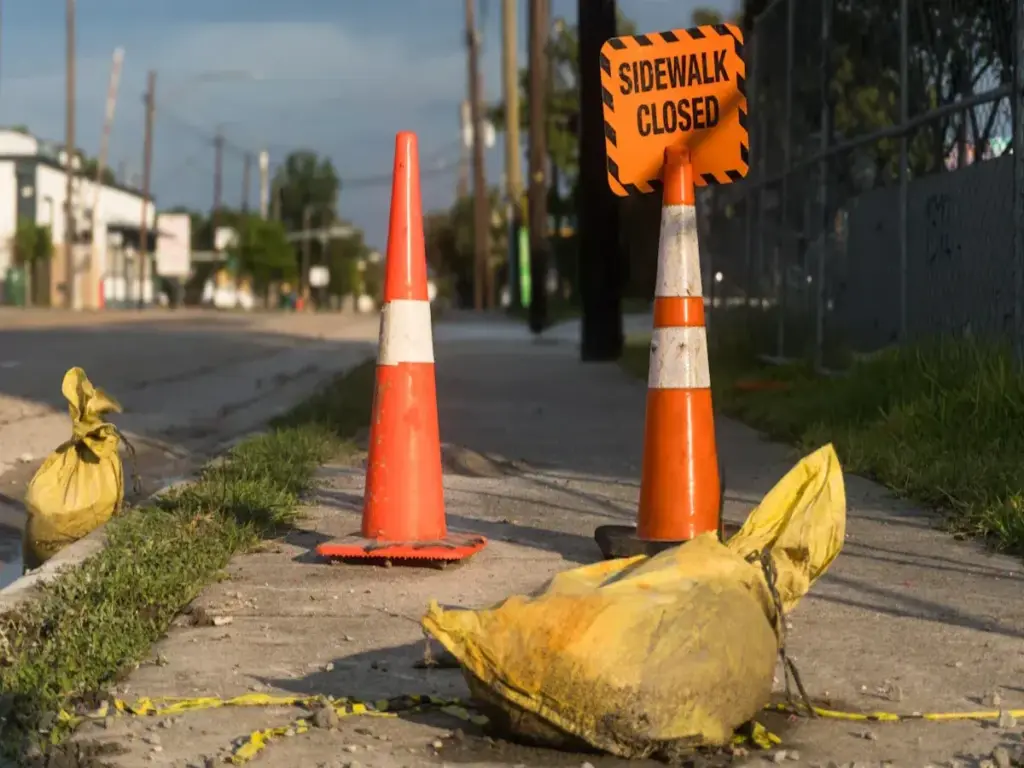
PVC Safety Cones are very important in emergencies and disasters. They help workers guide cars and show dangerous areas. They also help keep people safe. Teams use these cones fast because they are light. The bright color makes them easy to see. This warns drivers and people about danger. Emergency crews use these cones to make clear borders. They help keep things organized when it is busy or confusing.
At OPTRAFFIC, we provide high-quality PVC safety cones designed for quick deployment and maximum visibility. Our cones are perfect for use in emergency situations, helping to maintain safety and order. Whether for disaster response, construction zones, or crowd control, our cones offer reliability and durability when it matters most.
Key Takeaways
- PVC Safety Cones help guide cars and people in emergencies. They show where dangers are and help keep everyone safe.
- Putting cones in the right spots can stop confusion and accidents. This makes sure cars and people know where to go.
- Checking cones often is very important. Old or broken cones can cause problems and make things unsafe.
- Setting up cones quickly helps emergency teams do their jobs well. It makes safe areas and helps control crowds.
- Using enough cones is important. Too many cones can confuse people. Too few cones can miss marking dangers.
When to Use PVC Safety Cones
Accident Scenes
Emergency workers use PVC Safety Cones to make accident scenes safe fast. These cones show cars where to go and keep rescue teams safe. Responders follow rules to help everyone see and stay safe:
- Go to the farthest spot upstream and bring cones on the side.
- Put up an “Emergency Scene Ahead” sign to warn early.
- Use cones that are at least 28 inches tall with shiny bands for night or fast roads.
- Light up cones with road flares when it is dark.
- Set cones in a line to guide cars past the accident.
- Put cones at least 20 feet apart and use enough cones to block the lane.
- Always look at traffic when putting down or picking up cones.
Traffic cones help drivers see danger and stay out of risky places. Putting cones in the right spots lowers the chance of crashes and injuries. Studies from the National Institute for Occupational Safety and Health show that accident scenes with shiny cones help keep workers safer.
Tip: Emergency trucks should have at least five cones for quick use at accidents.
Natural Disasters
During natural disasters, teams use PVC Safety Cones to show safe ways out and mark dangerous spots. These cones help control crowds and keep people organized. They are easy to carry and stand up well in busy places.
For example, during Hurricane Katrina in 2005, emergency response teams used emergency cones to direct evacuees and secure dangerous areas. These cones were crucial in guiding people to safety and managing the flow of individuals in shelters and evacuation zones. Similarly, during the California wildfires in recent years, PVC cones were deployed to mark safe evacuation routes and to prevent people from entering hazardous areas. Their visibility and ease of use made them an essential tool in keeping order during chaotic situations. For more details on how orange caution cones ensured safe evacuation during the Los Angeles wildfires, check out our blog on How Orange Caution Cones Ensure Safe Evacuation During Los Angeles Wildfires.
- Traffic cones show safe ways to leave.
- Cones help teams control dangerous areas.
- Bright colors and strong bases make cones easy to see and trust in bad weather.
Hazardous Material Spills
PVC Safety Cones are very important for handling hazardous spills. Workers use cones to warn drivers and walkers about danger and make safe zones. Good steps include:
- Work with fire and road teams to check plans.
- Talk with road teams to control cars and keep people safe.
- Send only needed tools to lower risk.
- Teach workers to spot dangerous stuff and not close lanes they do not need to.
- Put cones before the spill to warn early.
- Use bright pink signs for emergency scenes.
- Make sure cones are orange, 28-36 inches tall, and have shiny bands.
- Check cones often and swap out broken ones.
Cones send clear messages to drivers and walkers, helping stop accidents and keeping workers safe.
Crowd Control
PVC Safety Cones help show people where to go during emergencies. Their bright colors and shapes help guide people away from danger. Workers use cones to make clear paths and keep crowds calm, so there is less confusion and panic. Warning cones are easy to spot and tell people to be careful and listen to instructions.
For instance, during the September 11, 2001 terrorist attacks, emergency responders used PVC safety cones to direct pedestrians and vehicles away from danger zones around Ground Zero. The cones were essential in organizing the evacuation process and keeping people safe in a highly chaotic environment. In more recent events, such as the 2017 Las Vegas shooting, safety cones were used to create clear pathways for first responders and help manage crowds during the immediate aftermath.
According to FEMA (Federal Emergency Management Agency), effective crowd control and the use of clear signage, such as emergency cones, are crucial for minimizing panic and ensuring an organized response during emergencies. The bright visibility of these cones helps people stay calm and focused, knowing exactly where to go and what actions to take.
Road Closures
Workers use PVC Safety Cones to show closed roads during disasters. These cones are easy to see even in bad weather because they are bright orange and have shiny bands. Heavy bases keep them from falling over in wind, and they last outside for a long time. The table below shows important features:
| Characteristic | Description |
|---|---|
| Visibility | Bright orange color makes cones easy to see anytime. |
| Stability | Heavy bases stop cones from tipping, which is important for closed roads. |
| Weather Resistance | Cones resist water and sun, so they work in many places. |
PVC Safety Cones help workers block off work areas, guide cars away from danger, and show lane closures. They are easy to move and set up fast, and their safety parts protect workers and everyone else.
Benefits of PVC Safety Cones
High Visibility
PVC Safety Cones are easy to see because they are bright orange. They also have shiny stripes that reflect light. This helps drivers and people walking spot danger during the day and night. Emergency workers use these cones to show where hazards are. The cones help guide cars safely. Firefighters, police, and repair teams use them to warn people fast. Some cones have lights, which help stop accidents and follow safety rules.
- Bright colors and shiny bands make cones stand out.
- Cones help workers warn people about danger early.
- Lights on cones make things safer when it is dark.
Responders count on PVC Safety Cones to keep everyone safe from hazards, even when it is busy or dark.
Durability in Emergencies
PVC Safety Cones are strong and last in hard situations. The soft PVC lets them pop back up if they get squished. The heavy base keeps them standing in strong wind. Special spots protect the shiny tape, so cones stay bright and useful for a long time. Emergency teams use these cones outside, even in bad weather, because they do not break easily.
- Cones pop back up if someone steps on them.
- Heavy bases keep cones from falling in the wind.
- The design keeps the shiny tape safe.
These things make PVC Safety Cones good for marking danger and keeping order in emergencies.
Rapid Setup
First responders must move fast in disasters. PVC Safety Cones help them make safe areas quickly. The cones are light and can be stacked, so teams can carry and set them up fast. Quick setup helps responders protect themselves and others right away. The table below shows how fast setup helps emergency teams:
| Benefit | Description |
|---|---|
| Enhanced Safety | Quick setup makes safe borders around problems. |
| Improved Traffic Management | Cones guide cars away from danger and lower crash risk. |
| Efficient Communication | Shiny cones help drivers see danger sooner. |
| Reduced Worker Fatigue | Light cones let workers focus on their main jobs. |
| Cost-Effective Management | Fast setup saves time and keeps equipment from wearing out. |
Setting up PVC Safety Cones fast helps teams keep things safe and organized in emergencies.
Versatility
PVC Safety Cones can be used in many emergencies. Workers use them on roads to guide cars and show detours. In factories, cones show workers where danger is and how to stay safe. Teams use cones to make safe spaces around accidents to keep people and cars away. The cones are made to work in many places, like highways and building sites.
- Cones show danger and guide cars at crash scenes.
- Teams use cones to make safe areas and control crowds.
- Factory workers use cones to stay safe from harm.
PVC Safety Cones help teams handle many emergencies, so they are an important tool for safety and order. To learn more about why PVC traffic cones are essential for traffic management and their various uses, check out our blog on What Are PVC Traffic Cones?
Best Practices for Deployment
Placement Guidelines
Putting PVC safety cones in the right spots helps keep things safe. Teams need to pick the right cone height and features for each job. Safety experts give these tips:
| Application Area | Minimum Cone Height | Additional Features |
|---|---|---|
| Local Utility Zones | 28 inches | |
| Highways and Major Roads | 36 to 42 inches | Double reflective collars for nighttime use, integrated LED lights available |
Crews set cones in lines to guide cars and people. On highways, taller cones with shiny collars help at night. Utility zones need cones that are at least 28 inches tall. Teams should make sure cones stand up straight and can be seen from far away.
Tip: Use cones with LED lights so people can see them better when it is dark.
Coordination with Other Equipment
Emergency teams use PVC safety cones with other tools. Workers put cones next to barriers, warning signs, and flashing lights. This helps drivers and people know where to go and what to avoid. Teams work with police and rescue crews to make clear paths and safe spots. Putting cones near emergency trucks and gear keeps things neat and less confusing.
- Cones work with barricades and caution tape.
- Teams use cones to mark where equipment is and keep people safe.
- Working together helps everyone follow safety rules.
Maintenance and Inspection
Checking PVC safety cones often keeps them working well in emergencies. Teams look for faded colors, cracks, or missing shiny collars. Bosses tell safety officers to check cones before and after using them. Workers write down when they got each cone or give it a number to track it. If a cone falls over or is hard to see, it should be replaced. Having a plan to swap out old cones keeps things safe.
- Look for cracks, fading, or damage on cones.
- Swap out cones that are broken or hard to see.
- Checking cones often makes sure they work and can be seen, which is very important in emergencies.
Note: Good cones help teams act fast and keep everyone safe.
Mistakes to Avoid
Improper Placement
Putting PVC safety cones in the wrong spots can be very dangerous. Teams need to place cones carefully to stop confusion and accidents. If cones are not set up right, many problems can happen:
- People can trip and fall, especially when it is dark.
- Drivers may crash if they do not know where to go.
- Emergency vehicles might get blocked and arrive late.
- Wind can blow cones away, making new dangers.
- Broken or old cones are hard to see and do not warn people.
- Using cones for the wrong reasons can hurt people or break rules.
- Not using signs with cones means people might not get enough warning.
- In construction zones, bad cone placement makes it unsafe for everyone.
Teams should always check that cones are standing up and easy to see. Good planning keeps people safe and makes emergency scenes less confusing.
Overuse or Underuse
Using too many or too few PVC safety cones is not safe. Too many cones can confuse drivers and make it hard to see danger. Piles of cones can distract both drivers and people walking, which can cause accidents. If there are not enough cones, dangers are not marked and people can get hurt.
| Mistake | Consequence |
|---|---|
| Too Many Cones | Confuses people and distracts them |
| Too Few Cones | Dangers are not marked, more risk |
Crews should look at each situation and use the right number of cones to guide cars and keep people safe.
Neglecting Maintenance
Not taking care of PVC safety cones can make things unsafe. Faded colors and worn shiny strips make cones hard to see. This means drivers and people walking may not notice danger. Places with bright cones have up to 35% fewer accidents than places with old cones. In Springfield, Missouri, a crew did not use cones while fixing a water leak. An older driver missed the warning lights and hit a worker. This shows why checking cones is very important.
Checking cones often keeps them bright and easy to see. Teams should look at cones before using them and swap out any that are broken or faded.
PVC Safety Cones are very important during emergencies and disasters. They help teams control traffic and show where danger is. The cones also keep people safe. Teams need to put cones in the right spots and work together. They should check cones often to make sure they work well.
- Bright colors and strong cones help keep people safe.
- Teams can set up cones quickly to save time.
- Cones can be used in many different emergencies.
Teams should practice using cones and review their plans often. This helps everyone stay ready and do a good job.
FAQ
How do emergency teams choose the right PVC safety cone size?
Teams pick cone size by where they will use it and how risky the area is. Highways need cones that are at least 36 inches tall. Utility zones use cones that are 28 inches tall. Taller cones with shiny bands help people see them better at night.
Can PVC safety cones withstand harsh weather?
PVC safety cones can handle rain, wind, and sun. Their heavy bases keep them from falling over. Emergency crews trust these cones during storms and tough weather.
How often should teams inspect PVC safety cones?
Teams check cones before and after every use. They look for cracks, faded colors, or missing shiny bands. Checking cones often keeps them working well and easy to see.
What makes PVC safety cones easy to deploy in emergencies?
PVC safety cones are light and stack on top of each other. Teams can carry and set them up fast. Quick setup helps responders block off areas and guide cars right away.
Where should teams place PVC safety cones for maximum safety?
Teams put cones in straight lines to guide cars and people. Cones must stand up straight and be easy to see from far away. Good placement stops confusion and keeps everyone safer.