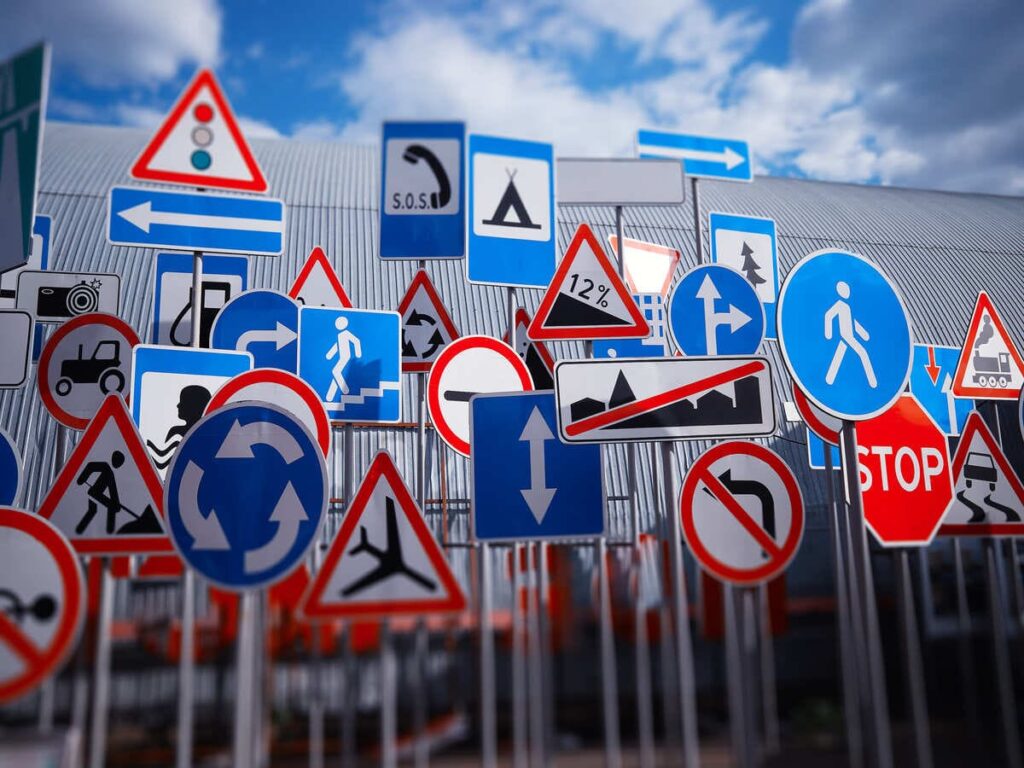
As a procurement manager, navigating the complexities of purchasing traffic signs can be challenging. From selecting the right materials and traffic sign manufacturers to negotiating terms and ensuring timely delivery, the traffic sign procurement process requires careful attention to detail at every step.
At OPTRAFFIC, we understand the importance of a smooth and efficient procurement journey. That’s why we’ve created this ultimate guide to help procurement managers like you successfully navigate the traffic sign procurement process.
Whether you’re sourcing signs for a large construction project, ensuring safety on roadways, or customizing signage for specific needs, our guide breaks down each step of the process—providing you with expert insights and practical tips to ensure that your project runs smoothly from start to finish. By following this step-by-step process, you’ll gain a deeper understanding of how to choose the right supplier, clarify specifications, and manage everything from sample reviews to post-delivery inspections.
Let’s dive in and explore the essential steps to securing high-quality traffic signs that meet your exact requirements, on time and within budget.
Step 1: Order Placement
1. Defining Your Traffic Sign Needs
Defining the needs for your traffic signs is the first and most crucial step in the procurement process. It ensures that the signs you order meet your project requirements and comply with local regulations.
Traffic Sign Specifications
Traffic signs come in various shapes and sizes, which can depend on the type of sign (e.g., regulatory, warning, informational) and the environment in which they will be placed. Ensuring that the right specifications are selected is key to a successful order. Make sure to define:
- Traffic Sign Type: Regulatory signs, warning signs, informational signage
- Traffic Sign Shape: Circular, rectangular, diamond, etc.
- Traffic Sign Installation: Pole-mounted, ground-mounted, or suspended
Traffic Sign Materials
Choosing the right materials for your traffic signs is essential for durability, visibility, and cost-effectiveness. Traffic sign suppliers offer a range of sign materials like:
- Aluminum: Durable and rust-resistant, ideal for outdoor use.
- PVC: Lightweight and cost-effective for temporary signs.
- Steel: For signs in harsh environments requiring high durability.
If you’re wondering which sign material suits your needs best, check out our blog “Which Material Is Right for You? Comparing Safety Signs for Sale: Aluminum vs Plastic vs Magnetic” for a detailed analysis.
Traffic Sign Sizes
Road signs need to meet specific size regulations based on their intended application. In many jurisdictions, sizes are regulated to ensure visibility at specific distances, especially in high-traffic areas.
Traffic Sign Reflective Film
Reflective film is a critical component in traffic sign design. It enhances visibility in low-light conditions and at night. Traffic sign suppliers use high-quality reflective films that comply with MUTCD (Manual on Uniform Traffic Control Devices) standards, ensuring maximum safety and compliance.
To learn more about choosing the best reflective materials for your traffic signs, read our blog “How to Select the Best Reflective Materials for Traffic Signs” for expert guidance.
Industry-Specific Needs
Each industry has unique traffic sign requirements based on its specific needs, environment, and safety standards. Below, we outline the essential traffic sign needs for various industries that Traffic sign suppliers serve:
Signage Industry
- Need: High-quality, durable signage solutions that meet regulatory standards and withstand various environmental conditions.
- Focus: Signs must be customizable in terms of design, size, and materials to fit various applications, including street signs, regulatory signs, and directional markers.
- Example: Street name signs, warning signs for traffic flow, and custom-made regulatory signs that comply with MUTCD standards.
PPE Industry
- Need: Safety signs to indicate the presence of personal protective equipment (PPE) requirements and safety zones.
- Focus: These signs must be highly visible and easily readable in both day and night conditions to ensure worker safety on job sites.
- Example: Signs that indicate areas requiring hard hats, gloves, or safety goggles, and emergency exit signs in PPE-heavy environments.
Municipal Industry
- Need: Durable, long-lasting traffic signs that are essential for urban planning, public safety, and traffic flow.
- Focus: Municipal signs must adhere to local and national regulations (such as MUTCD in the U.S.) and offer clear visibility and compliance.
- Example: Street name signs, pedestrian crossing signs, and traffic control signs in residential or urban settings.
Rental Industry
- Need: Temporary traffic signs and equipment for short-term or event-based use.
- Focus: Rental signage must be lightweight, easy to install, and portable for various short-term projects like roadwork or special events.
- Example: Portable road signs for construction sites, detour signs, and event-specific directional signs.
Security Industry
- Need: High-visibility signage for security purposes, such as surveillance zones and restricted areas.
- Focus: Security signs must be highly visible at all times, ensuring safety and compliance in secured facilities or public spaces.
- Example: “Surveillance in Use” signs, “Restricted Area” markers, and emergency exit signage for secure buildings.
Construction Industry
- Need: Temporary, durable traffic signs to ensure safety on construction sites and during roadwork.
- Focus: Construction signs need to be visible even in low light conditions, resistant to the weather, and portable for easy setup and relocation.
- Example: Traffic control signs, detour signs, “Road Closed” signs, and “Men at Work” signs, all designed for visibility and safety around construction zones.
Property Management Industry
- Need: Regulatory and directional signage for residential, commercial, or mixed-use properties to ensure safety and compliance with zoning laws.
- Focus: These signs must be clear, well-positioned, and designed to handle varying environmental conditions (e.g., outdoor signs that are weather-resistant).
- Example: Parking signs, “No Parking” or “Handicap Parking” signs, building identification signs, and “Private Property” notices.
2. Choosing the Right Sign Supplier
Choosing the right supplier is vital for ensuring that your traffic sign procurement process meets quality standards, delivers on time, and stays within budget. Here are a few factors to consider:
Product Range
Ensure the traffic sign supplier offers a wide range of products, including custom signs, mounting options, and reflective materials. A supplier with a diverse product range will help streamline the procurement process and reduce the time spent on sourcing different items.
One-Stop-Shop Capability
A reliable traffic sign supplier should be able to provide all the items you need in one place—custom signs, materials, and additional traffic management products. This one-stop-shop capability can save time and money.
For example: OPTRAFFIC offers a wide range of products, including: Safety Signage, Traffic Cones, Delineators-Bollards, Channelizers, Road Sign Frames & Brackets, Traffic & Road Barriers, Warning Lights, Parking Lot Supplies, Others.
3. Requesting a Quote and Comparing Prices
Once you’ve defined your traffic sign needs and selected a supplier, the next step is to request a quote. A detailed quote should include:
- Pricing: Ensure all materials, shipping, and customizations are accounted for.
- Lead Times: The expected time for the production and delivery of the signs.
- Additional Costs: Include setup fees, design charges, and installation costs, if applicable.
After receiving quotes, compare the pricing, lead times, and customer reviews to ensure you’re choosing the most reliable and cost-effective supplier.
Step 2: Supplier Communication in Traffic Sign Procurement
1. Background Check Methods
Before finalizing your order, it’s essential to conduct a thorough background check on the traffic equipment supplier. Here’s how you can ensure they are trustworthy and capable of meeting your needs:
Production Line and Equipment
Ask traffic equipment suppliers about their production capabilities. For example, inquire about the types of machinery they use, such as:
- Printers: UV printers, Eco-solvent printers for high-quality graphics.
- Cutting Machines: Laser cutters and die-cutting machines for precise shapes and sizes.
- Stamping Machines: For creating durable metal signs.
- Heat Press Machines: For laminating reflective films onto materials.
Certifications
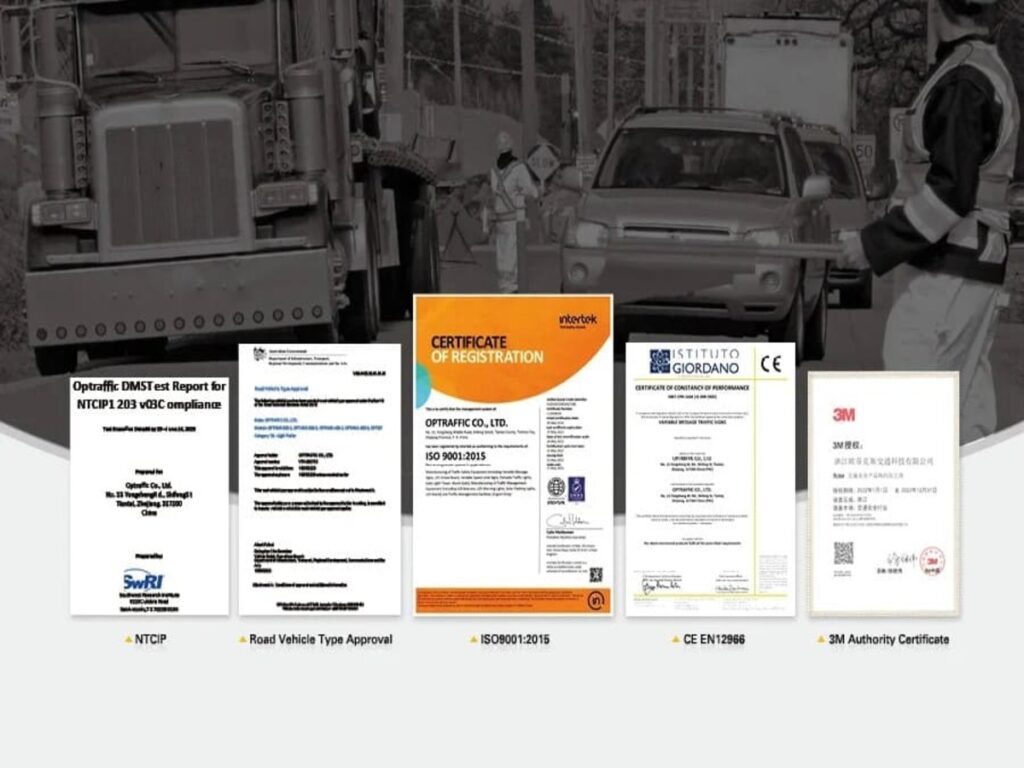
Ensure the supplier holds relevant industry certifications, such as:
- ISO 9001: Ensures quality management standards.
- MUTCD Compliance: Ensures compliance with the Manual on Uniform Traffic Control Devices.
- CE Certification: Validates compliance with European standards.
Past Collaborations
Request case studies or references from other clients, especially those in similar industries. A supplier with a history of successful projects with government agencies or large corporations can be trusted to deliver high-quality products.
2. Clarifying Product Specifications and Customizations
When communicating with road sign suppliers, it’s important to be clear about your product specifications and customizations.
Customization
Many traffic signs need to be customized to suit specific needs. Ensure the supplier is equipped to handle custom orders, including size, color, material, and reflectivity.
Material Communication
Discuss the materials in detail with your road sign supplier. Ensure they can provide the materials you’ve chosen, and verify their durability and compliance with industry standards. For example, you can ask about the performance of recycled ABS for traffic signs or inquire about the durability of reflective films.
Printing Methods
Clarify the type of printing method to be used for your signs, such as screen printing or digital printing. Each method has its benefits depending on the design complexity and material.
At OPTRAFFIC, we support both screen printing and digital printing. Our team will typically recommend the most suitable printing method based on the specifics of your order to ensure the best results for your traffic signs.
3. Negotiating Terms: Pricing, Lead Times, and Payment Conditions
Negotiating clear and favorable terms is crucial to avoid misunderstandings later in the process.
Pricing
Ensure that the price quoted includes all aspects of the product, including material, labor, and shipping. If the price seems too high or low, ask for a breakdown to understand the costs better.
Lead Times
Negotiate reasonable lead times for production and delivery. This is especially important if you have a tight project deadline.
Payment Terms
Agree on payment terms that suit both parties, such as:
- Deposit: A percentage of the order upfront.
- Final Payment: Upon delivery or completion.
At OPTRAFFIC, we support various convenient payment methods, including TT wire transfer, credit card payments, and Western Union to accommodate your preferred payment options.
4. Setting Clear Expectations
Clear communication is essential for a smooth procurement process. Discuss and set expectations for product quality, delivery dates, and customer service responses. This will ensure both you and your supplier are on the same page throughout the process.
Step 3: Sample Communication with Traffic Equipment Suppliers
1. Requesting and Reviewing Samples
Before committing to a large order, always request samples to evaluate the quality. Samples give you a tangible representation of the product and help you assess:
- Material Quality: Is the material durable and fit for the intended use?
- Reflective Performance: Does the reflective film meet the required standards for visibility?
- Design Accuracy: Are the designs printed accurately with clear, legible text?
2. Providing Feedback on Samples
Provide detailed feedback to your supplier after reviewing the samples. If any adjustments are necessary, communicate these clearly. For example, if the material isn’t durable enough or the reflective properties need improvement, let the supplier know before proceeding with the full order.
3. Finalizing Product Adjustments
Once the samples are approved, finalize any adjustments to the product to ensure it meets your exact requirements. This step ensures that the final production run aligns with your specifications.
Step 4: Production and Manufacturing
1. Finalizing the Order and Production Timeline
Once the order and customization details are confirmed, it’s time to finalize the production timeline with the supplier. Ensure both parties agree on:
- Production Schedule: The exact timeline for when the production will start and end.
- Delivery Date: The expected date for the products to arrive.
2. Understanding the Manufacturing Process
Understanding the manufacturing process helps you stay informed about potential delays and ensures that quality control is in place. Key processes to discuss with your supplier include:
- Material Sourcing: Where are the materials sourced from? Are they high-quality and durable?
- Production Steps: How are the signs fabricated, printed, and finished?
3. Quality Control in the Manufacturing Process
Make sure the traffic sign supplier follows a strict quality control process throughout manufacturing. Ask about:
- Inspection Stages: Are the signs inspected at different production stages?
- Final Quality Checks: Is there a final inspection before shipping to ensure all products meet the required standards?
Step 5: Shipping and Delivery
1. Coordinating with Suppliers for Shipping
Once the signs are ready, coordinate with your traffic sign supplier on the best shipping method. Whether using traditional freight or door-to-door service, make sure the supplier has an efficient logistics plan to ensure timely delivery.
For companies new to cross-border procurement, traditional freight methods can be complicated, involving multiple steps such as customs clearance, intermediaries, and various shipping handlers. These extra layers can lead to delays and added costs. To simplify the process, it’s best to choose door-to-door shipping, where the only action required from the buyer is unloading the goods upon arrival.
OPTRAFFIC offers efficient door-to-door services as part of our global supply solutions, ensuring seamless logistics from start to finish. With us handling the entire shipping process, you won’t have to worry about complex shipping or customs procedures.
2. Tracking Your Shipment and Managing Delays
Tracking your shipment is crucial to avoid unexpected delays. Use tracking systems provided by the supplier or the shipping carrier to monitor the shipment’s progress.
3. Receiving the Shipment and Inspecting the Goods
Upon arrival, inspect the goods to ensure they match the order specifications and are free of defects. Any discrepancies should be addressed immediately with the supplier.
Step 6: Post-Delivery
1. Handling Issues with the Order
If any issues arise with your order, such as damaged signs, incorrect quantities, or wrong specifications, it’s important to address them quickly to avoid delays. Some common scenarios include:
- Damaged Signs: If signs arrive damaged due to shipping, take clear photos of the damage and contact the supplier immediately. Most suppliers will work to replace damaged items at no extra cost.
- Incorrect Quantities: If the delivered quantity doesn’t match the order (e.g., fewer signs than requested), check the shipping documents and notify the supplier. Provide them with the order confirmation and shipping receipt to expedite the resolution.
- Wrong Specifications: In case the signs delivered don’t meet the specifications (e.g., wrong size, color, or material), compare the delivered product with the original order details and communicate the discrepancy to the supplier. A good supplier will either replace the incorrect items or offer a suitable solution.
- Missing Items: If some items are missing from your order, immediately verify with the supplier’s shipping team. It’s possible that the items were delayed or overlooked in the packaging process.
Clear communication with the supplier during this stage ensures that these issues are resolved quickly, without causing significant delays in your project.
2. Building Long-Term Supplier Relationships
Building a long-term relationship with a reliable supplier ensures smooth future transactions. Maintain regular communication, and evaluate the performance of the supplier after each order to ensure ongoing quality.
Conclusion
In the traffic sign procurement process, every step—from defining needs to building long-term supplier relationships—plays a critical role in ensuring the success of your project. By following a clear and structured process, procurement managers can ensure timely, cost-effective, and compliant traffic sign procurement.
At OPTRAFFIC, we pride ourselves on providing a seamless traffic sign procurement process that ensures quality, reliability, and customer satisfaction. Contact us today to discuss your signage needs!