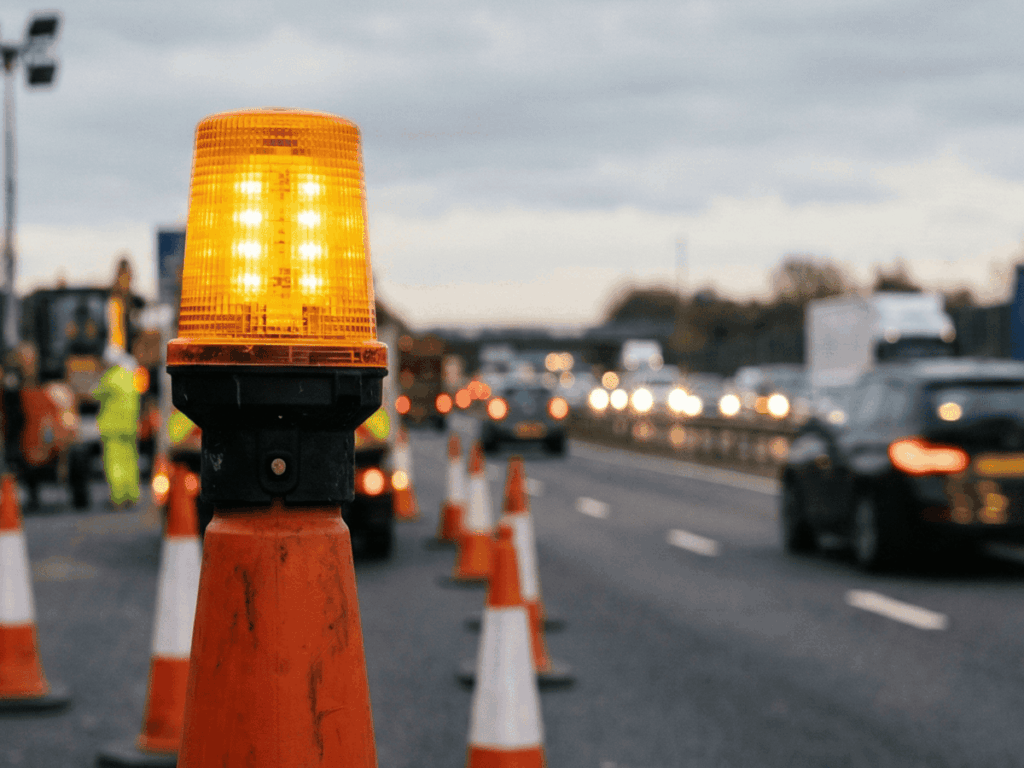
From “traffic cones” to “road cones,” the terminology for this essential safety device varies across the globe. Regardless of the name, traffic control cones play a crucial role in ensuring road safety and maintaining order. These simple yet highly effective tools help guide drivers, mark construction zones, and prevent accidents. Studies show that their proper use can reduce accidents by up to 30%. With over 140 million traffic cones in use worldwide, their importance in managing congestion and enhancing safety cannot be overstated. First introduced in the 1940s, traffic control cones have become indispensable for traffic management, evolving alongside expanding road networks and increasing vehicle numbers. As different countries adopt unique names and designs for these devices, understanding their global variations highlights their universal role in road safety.
The Universal Role of Traffic Control Cones
What Are Traffic Cones?
Traffic cones are essential, portable, cone-shaped markers designed to manage and guide traffic efficiently. Commonly seen on roads, highways, and construction sites, these cones are vital for ensuring safety and smooth traffic flow. Typically bright orange or yellow, their high visibility during the day makes them easy for drivers to spot. At night or in low-light conditions, reflective coatings enhance their visibility, ensuring they remain effective even in challenging environments.
There are various types of traffic cones, each tailored to meet specific needs. For instance, reflective traffic cones are ideal for nighttime use, while larger cones are used on highways to alert drivers from a distance. Some models are equipped with additional features like toppers or lights to further improve functionality. These variations ensure that traffic cones meet the unique demands of diverse environments, enhancing road safety.
For those seeking high-quality traffic safety cones, OPTRAFFIC offers a wide range of durable and effective traffic cones to suit various applications and customer needs.
Why Are Traffic Cones Essential for Road Safety?
Traffic control cones are an indispensable tool for ensuring road safety. They serve as visual warnings to drivers, marking potential hazards such as construction zones, accidents, or lane closures. By clearly delineating these areas, traffic cones help reduce confusion, ensuring that both drivers and pedestrians can navigate safely. Studies have consistently shown that proper use of traffic cones can significantly lower accident rates, making them a critical component of effective traffic management.
Reflective safety cones are particularly important for preventing accidents at night. Their reflective surfaces capture the light from vehicle headlights, making them visible even in low-visibility conditions. This is especially crucial in urban areas with heavy traffic or during adverse weather, where clear and visible traffic markers are essential for maintaining safety.
In addition to their role in traffic flow, traffic cones are also essential for protecting workers, especially on construction sites. They act as barriers between workers and moving vehicles, reducing the risk of accidents. Proper placement of these cones ensures that both drivers and workers remain safe.
Moreover, traffic cones play a key role in optimizing traffic management. They guide vehicles through detours, mark parking spaces, and organize pedestrian movement. Their versatility makes them an essential tool for maintaining order on busy roads, in public spaces, and across various infrastructure projects.
Traffic Cone Naming Conventions Across the World
North America
In North America, the term “traffic cone” dominates everyday language. You’ll often hear it referred to as “safety cones” or “construction cones”, especially in regions with frequent roadwork. The design of traffic cones prioritizes durability and visibility, aligning with the region’s strict safety regulations. Bright orange remains the standard color, ensuring high visibility during both day and night. Reflective safety cones are widely used to enhance visibility in low-light conditions, particularly on highways and construction zones.
The United States and Canada share similar naming conventions, but Canadians sometimes call them “pylons”. This term reflects the cone’s shape and its role in guiding traffic. In both countries, traffic control cones play a critical role in managing road safety. Their use extends beyond construction sites to include events, parking lots, and emergency situations. The demand for these traffic cones remains steady due to ongoing infrastructure projects and maintenance needs.
For those looking to purchase reliable traffic cones, OPTRAFFIC offers a wide selection of high-quality traffic control cones designed to meet the needs of various applications.
Europe
In Europe, the naming conventions for traffic control cones vary by country. The term “road cone” is common in the United Kingdom, while other countries like Spain and France use terms such as “baliza” and “cone de sécurité”, respectively. These names often reflect the local language and cultural preferences. Despite the linguistic differences, the purpose remains consistent—ensuring road safety and effective traffic control.
European traffic cone designs often adhere to standardized sizes. You’ll find three primary sizes used across the continent, each tailored for specific applications. Smaller traffic cones are ideal for pedestrian areas, medium-sized cones suit urban roads, and larger traffic cones are reserved for highways. This standardization simplifies their use and ensures consistency in traffic management across Europe.
Color schemes in Europe also vary. While orange is the prevalent color, some countries incorporate white or red stripes for added visibility. Reflective traffic cones are a staple, especially in regions with frequent fog or rain. These cones not only guide drivers but also play a vital role in protecting workers in construction zones.
For high-quality traffic control cones, OPTRAFFIC offers a wide range of traffic cones designed to meet the safety standards and varying needs of European roadways.
Asia
In Asia, traffic control cone designs emphasize practicality and efficiency. Many countries use color coding to convey specific messages. For example, yellow cones may indicate caution, while red cones signal danger. This color-coding system allows for quick identification, making traffic management more efficient in busy urban areas.
The naming conventions for traffic cones in Asia reflect the diversity of languages and cultures. In China, traffic cones are called “警告锥” (warning cones), while in Japan, they are known as “交通コーン” (traffic cones). These terms highlight their primary function—ensuring safety and guiding traffic. Cultural factors also influence the designs, with some regions preferring cones that include symbols or text to provide additional instructions.
Asian traffic cones often feature lightweight materials for easy transport and placement. Reflective coatings are common, ensuring high visibility in crowded cities and during nighttime. The focus on practicality extends to their use in various settings, from construction sites to school zones, ensuring safe and organized environments.
For reliable traffic control cones, OPTRAFFIC offers a variety of high-quality products designed to meet the needs of diverse applications across Asia.
Australia and New Zealand
In Australia and New Zealand, the term “road cone” is commonly used, though you might also hear them referred to as “witches hats.” This nickname stems from their distinctive shape, which resembles a pointed hat. These countries emphasize practicality and durability in their traffic cone designs, ensuring they withstand harsh weather conditions like strong winds and intense sunlight.
Australian and New Zealand traffic cones often feature bright orange as the primary color, paired with reflective strips for enhanced visibility. Reflective safety cones are particularly effective in these regions, where long stretches of rural roads require clear markers during nighttime or low-light conditions. You’ll also find traffic cones made from flexible materials, reducing the risk of damage when struck by vehicles.
The use of traffic cones extends beyond road safety. In urban areas, they guide pedestrians, mark off construction zones, and manage parking spaces. On highways, larger cones alert drivers to lane closures or hazards. These versatile tools play a vital role in maintaining order and ensuring safety across various settings, from city streets to remote highways.
For high-quality traffic control cones, OPTRAFFIC offers durable, reflective, and versatile cones designed to meet the specific needs of Australian and New Zealand roadways.
Other Regions
In other parts of the world, traffic cone terminology and designs reflect local needs and cultural influences. For example, in South America, you may encounter terms like “cono de tráfico” or “cono de seguridad”, which translate to “traffic cone” and “safety cone.” These names highlight their primary purpose—ensuring road safety and guiding traffic efficiently.
African countries often adapt traffic cone designs to suit their unique environments. Some regions use heavier bases to prevent traffic cones from tipping over in windy conditions. Others incorporate vibrant colors to improve visibility on dusty or uneven roads. These adaptations ensure that traffic cones remain effective, even in challenging conditions.
In the Middle East, traffic cones frequently feature bilingual text or symbols to accommodate diverse populations. Reflective traffic cones are essential in desert regions, where visibility can be compromised by sandstorms or intense sunlight. Lightweight materials make it easier to deploy and reposition traffic cones quickly, catering to the fast-paced nature of traffic control in bustling cities.
For durable and effective traffic control cones, OPTRAFFIC provides a wide range of high-quality cones designed to meet the diverse needs of regions around the world.
Cultural and Linguistic Influences on Traffic Cone Terminology
The Role of Local Culture in Naming Traffic Cones
Local culture plays a significant role in how traffic cones are named and perceived. In countries like traffic cones in Australia and New Zealand, for example, traffic cones are often referred to as “witches’ hats.” This nickname stems from their distinctive shape, which resembles a pointed hat traditionally associated with witches. The term reflects a cultural tendency to use descriptive and imaginative language, making the name both functional and relatable.
In other regions, cultural preferences influence not only the names but also the designs of traffic cones. For example, in several African countries, traffic cone designs are adapted to suit local environmental needs. Heavier bases prevent traffic cones from tipping over in windy conditions, while vibrant colors are chosen to enhance visibility on dusty roads. These adaptations ensure that traffic cones remain effective even in challenging conditions, helping local traffic management efforts.
Cultural Insight: The term “witches’ hats” in traffic cones in Australia and New Zealand showcases how cultural creativity influences even the most practical objects, such as traffic cones.
Linguistic Variations and Translations
Language diversity across the globe leads to fascinating variations in traffic cone terminology. In traffic cones in China, for example, traffic cones are called “警告锥” (warning cones), highlighting their primary function—alerting drivers to potential hazards. Similarly, in traffic cones in Japan, they are known as “交通コーン” (traffic cones), reflecting a straightforward naming approach.
In Europe, traffic cones in Spain are referred to as “baliza,” while in traffic cones in France, they are called “cone de sécurité.” These terms are closely tied to the local languages and often highlight the safety aspect of traffic cones.
In multilingual regions, traffic cones often feature bilingual or multilingual labels. For example, in the Middle East, traffic cones may include text in both Arabic and English, catering to international drivers and local residents. This practice ensures that traffic cones can be understood and used correctly by a wide range of people.
Government Regulations and Their Impact on Terminology
Government regulations significantly influence how traffic cones are named and categorized. In many countries, regulatory bodies establish specific standards for traffic control devices, including traffic cones. These standards often dictate the terminology used in official documents and signage. For example, in traffic cones in New Zealand, cones must comply with strict size requirements, with only two sizes permitted for use on roads. This standardization simplifies traffic management and ensures consistency across the country.
In traffic cones in Australia, these devices are designed to withstand intense UV exposure, reflecting the country’s focus on durability and practicality. Traffic cones in Australia are often referred to as “solid traffic cones” in official guidelines, emphasizing their robust construction. Such regulatory influences ensure that traffic cones meet the unique demands of different environments while maintaining their effectiveness as safety measures.
In Europe, standardized sizes and reflective coatings are common requirements for traffic cones. These regulations enhance their visibility and usability, particularly in regions with frequent fog or rain. By aligning terminology with functionality, governments ensure that traffic cones remain reliable tools for road safety across diverse environments.
Functional and Regional Adaptations of Traffic Cones
How Traffic Cones Are Used Differently Across Countries
In North America, the use of traffic cones is widespread in both urban and rural areas, yet their roles differ. In urban centers, traffic cones are primarily used to mark construction zones, guide vehicles through detours, and designate parking spaces. The high visibility of bright orange cones with reflective strips is essential, especially during heavy traffic or low-light conditions. However, in rural regions, larger traffic cones are often deployed on highways to warn drivers from a distance, particularly in areas with less visibility or high-speed limits.
The importance of traffic cones is highlighted by recent statistics from the National Highway Traffic Safety Administration (NHTSA), which reported a substantial 8.2% decline in roadway deaths during the first half of 2025. Despite this decrease, an estimated 17,140 people lost their lives in motor vehicle crashes from January to June 2025, underscoring the ongoing need for effective traffic control measures, including the strategic use of traffic cones.
In Europe, traffic cones serve a dual purpose—guiding both vehicles and pedestrians. Smaller cones organize foot traffic in busy areas, while larger, weighted cones ensure stability on highways, even in windy conditions.
Asian countries have introduced some of the most innovative designs in traffic cone technology. In densely populated cities like Tokyo and Shanghai, collapsible traffic cones have become increasingly popular due to their compactness and ease of transportation. These cones are especially beneficial in emergencies where space and efficiency are paramount. The use of color-coded traffic cones in Asia further enhances communication. For instance, yellow traffic cones signal caution, while red traffic cones indicate danger.
In Australia and New Zealand, traffic cones, often called “witches’ hats”, are not only a road safety tool but also serve a variety of other purposes. These versatile traffic cones are used at sports events, festivals, and even in school zones to maintain order and ensure safety in non-traffic environments. Traffic cones in Australia are designed to withstand extreme weather, including intense sunlight and strong winds, making them perfect for both urban and rural areas.
Unique Designs and Materials in Traffic Control Cones
Traffic cone designs have evolved to meet the unique demands of different regions. In North America, PVC cones and rubber cones are common, offering durability and flexibility. These cones can withstand impacts without breaking, and reflective strips improve visibility in low-light conditions.
In Europe, traffic cone designs follow strict standards. Three main sizes are used: small cones for pedestrian zones, medium cones for urban roads, and large cones for highways. Weighted bases are typical to prevent tipping in windy conditions, with some cones incorporating lights or toppers for added visibility and functionality.
Asia is leading with collapsible cones, which are lightweight and portable. Thermoplastic cones and lightweight rubber cones are used for their durability and ease of storage. Color coding is common, with each color conveying specific traffic messages.
In Australia and New Zealand, traffic cones are made to withstand extreme weather. UV-resistant PVC cones prevent fading under strong sunlight, while flexible designs reduce damage from vehicle impacts. Reflective coatings ensure visibility, especially on rural roads, and some cones use sand-filled bases for added stability.
In regions like Africa and the Middle East, traffic control cones are designed for local conditions. Vibrant colors enhance visibility on dusty roads, while heavier bases prevent tipping in wind. Bilingual text or symbols on cones help cater to diverse populations.
Do Naming Differences Affect the Use of Traffic Cones?
Communication Challenges in International Contexts
Naming differences for traffic cones can create challenges when you navigate international contexts. These variations often lead to confusion, especially in situations requiring quick and clear communication. For example, in North America, you might hear “traffic cone” or “safety cone,” while in Canada, “traffic pylons” is a common term. In Australia, the nickname “witches’ hats” adds another layer of complexity. These differences can make it harder for travelers, businesses, or even emergency responders to understand instructions or signage.
Imagine a scenario where you need to coordinate traffic control needs during an international event. Misunderstanding the terminology could delay operations or lead to improper use of traffic control devices. This issue becomes even more pronounced in multilingual regions, where translations may not always capture the intended meaning. For instance, in Asia, terms like “警告锥” (warning cones) or “交通コーン” (traffic cones) emphasize specific functions, which might not align with how other countries perceive these tools.
The design and materials of traffic cones also vary globally, further complicating their use. Some regions prioritize lightweight, collapsible cones for easy transport, while others focus on durability with heavier bases. These differences can affect how effectively you deploy them in unfamiliar environments. Understanding these nuances is essential for ensuring road safety and efficient traffic management across borders.
Tip: When traveling or working internationally, familiarize yourself with local traffic cone terminology and designs. This knowledge can help you avoid miscommunication and ensure proper usage.
Efforts Toward Standardization in Traffic Cone Terminology
Efforts to standardize traffic cone terminology aim to address these challenges. Organizations and governments worldwide recognize the importance of consistency in traffic control devices. Standardization not only simplifies communication but also enhances safety by ensuring everyone understands the purpose and use of these tools.
In Europe, for example, many countries follow standardized guidelines for traffic cone sizes, colors, and materials. These regulations ensure that cones meet specific road safety requirements, regardless of the country. Similarly, in North America, reflective coatings and bright orange colors are standard features, making cones universally recognizable. These efforts reduce confusion and improve the effectiveness of traffic control measures.
Global trade and manufacturing also drive the push for standardization. Traffic cone producers cater to diverse markets, so aligning designs and terminology helps streamline production and distribution. For instance, collapsible cones, popular in Asia, are now gaining traction in other regions due to their practicality. This trend highlights how innovation and standardization can coexist to meet varying traffic control needs.
Despite these efforts, complete standardization remains a challenge. Cultural and linguistic differences continue to influence how traffic cones are named and used. However, ongoing collaboration among international organizations, manufacturers, and governments shows promise. By working together, these stakeholders can create a more unified approach to traffic cone terminology and design.
A Universal Symbol of Safety and Order
Traffic cones have become more than just tools for managing traffic. They serve as universal symbols of safety and order, instantly recognizable across the globe. Whether you’re driving through a construction zone or navigating a crowded parking lot, these cones signal caution and guide you through potentially hazardous areas. Their bright colors and reflective surfaces ensure they grab your attention, even in low-light conditions.
The simplicity of their design belies their importance. Traffic cones create clear boundaries, helping to prevent accidents and maintain smooth traffic flow. In regions with diverse languages and cultures, their visual cues transcend linguistic barriers, making them effective in any setting. For example, blue cones often designate accessible parking or medical zones, while green cones are increasingly associated with eco-friendly projects. These color-coded systems enhance communication and improve road safety.
Innovations and the Future of Traffic Control Cones
The future of traffic cones lies in innovation. Manufacturers are constantly improving their functionality to meet evolving needs. Collapsible traffic cones, for example, are popular in densely populated cities, saving space and easing transport, making them ideal for emergency responders and event organizers. Lightweight materials like thermoplastic and flexible rubber ensure durability and portability.
Technology is shaping the next generation of traffic cones. Smart cones equipped with sensors and LED lights are being developed to provide real-time road updates, alerting drivers to hazards and improving traffic control. Some prototypes even feature GPS tracking, allowing authorities to monitor and manage their placement more effectively.
In some regions, manufacturers now integrate solar-powered lights into traffic cones to enhance visibility and promote sustainability. Additionally, they use specialized colors like blue and green to mark specific areas, such as accessible parking or eco-friendly projects. This improves communication and supports sustainability efforts.
As urbanization and road networks expand, the demand for versatile and efficient traffic cones will continue to grow. Innovations in design and technology will ensure these tools remain essential for road safety and traffic management.
Traffic cones, no matter what you call them, represent safety and order across the globe. Their bright colors and reflective coatings provide high visibility, ensuring they remain effective in guiding traffic and preventing accidents. Understanding the cultural and linguistic differences in naming these tools helps you appreciate their universal role in road safety.
FAQ: Traffic Cones Around the World
1. What are the different names for traffic cones in various countries?
The term traffic cone varies globally. For example, in North America, it’s commonly known as a traffic cone, while in the United Kingdom, it is referred to as a road cone. In Spain, they are called balizas, and in France, cone de sécurité. The naming reflects local language and cultural preferences, but all serve the same fundamental purpose: ensuring road safety.
2. Why are traffic cones important for road safety?
Traffic cones are crucial for road safety because they help guide vehicles, mark hazardous areas, and prevent accidents. They are especially important in construction zones, high-traffic areas, and on highways. In North America, the high visibility of traffic cones with reflective strips ensures they are seen during both day and night, preventing accidents in low-visibility conditions.
3. How are traffic cones used in emergency situations?
In Asia, collapsible traffic cones are widely used for emergency response, especially in cities like Tokyo and Shanghai. These cones are compact, portable, and easy to store, making them ideal for first responders who need to set up temporary traffic control quickly. Additionally, color-coded traffic cones in Asia (such as yellow for caution and red for danger) improve the speed and clarity of communication during emergencies.
4. What materials are used in making traffic cones?
Traffic cones are typically made from durable materials such as PVC, rubber, or thermoplastic. In Australia, these materials are chosen to withstand extreme weather conditions like intense sunlight or strong winds. In Europe, reflective coatings are commonly added to ensure visibility in foggy or rainy conditions, enhancing their effectiveness in diverse weather environments.
5. Are there any innovations in traffic cone design?
Yes, there are numerous innovations in traffic cone design. For instance, smart traffic cones equipped with sensors and LED lights are being developed to provide real-time updates about road conditions. In addition, some traffic cones in Japan feature built-in reflective elements and solar-powered lights, ensuring increased visibility while also promoting sustainability.