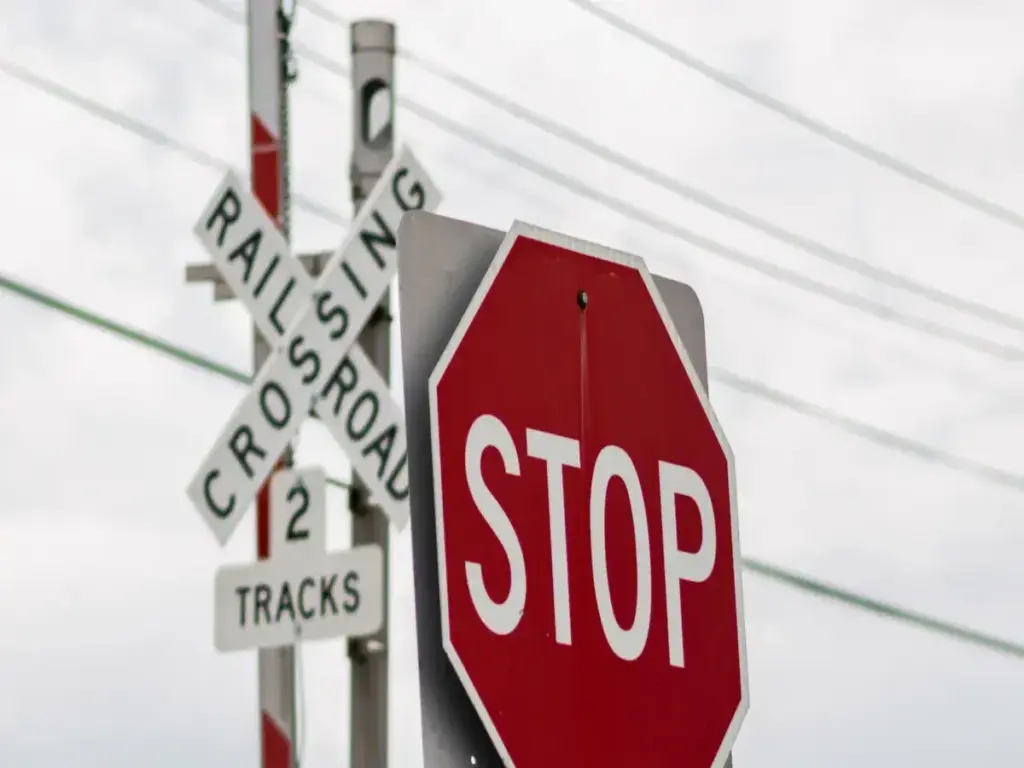
Sign packaging is very important for moving traffic signs safely to other countries. Good packaging keeps signs safe from harm while shipping and helps things run smoothly in the supply chain. When companies use good packaging, they lower the chance of damage and stop expensive delays. The right packaging makes sure products get to customers on time, keeps things safe, and makes the quality better when shipping between countries.
At OPTRAFFIC, we provide expertly packaged traffic signs that meet international shipping standards, ensuring your products arrive safely and on time, no matter where they’re headed.
Unique Challenges in Sign Packaging
Size and Shape Factors
Traffic signs have many shapes and sizes. Some are big rectangles. Others are small or shaped like triangles or circles. These different sizes make packaging harder. Companies need packaging that fits each sign well. If a sign does not fit, it can move around. Moving signs can get damaged or make the load unstable. Packaging that matches the sign’s shape and size keeps shipping safe and efficient. Good packaging helps stack signs better. This saves space and lowers costs.
Material Fragility
Many traffic signs use aluminum and reflective film. These materials can bend, scratch, or break easily. Fragile signs need extra protection when shipped. Companies use bubble wrap to stop scratches. Foam corners and airbags help protect sharp edges or odd shapes. Packing materials should cover all sides of the sign. This stops the sign from moving inside the box. The box-in-box method works well for fragile signs. Workers wrap the sign and put it in a small padded box. Then they place that box inside a bigger box with more padding. This makes a buffer zone to protect against drops and shocks. “Fragile” labels tell handlers to be careful. Adding tape and padding to the bottom keeps the sign steady during shipping.
Tip: Always use strong packing tape to seal packages. Do not use string or paper. This keeps packages closed and stops them from opening by accident.
Regulatory Compliance
Shipping signs to other countries needs careful attention to rules. Each country has its own packaging and labeling laws. Companies must follow these rules to avoid problems. Packages need clear labels like where they came from and how to handle them. Some countries want special marks for dangerous materials or certain packaging ratings. Following these rules helps customs go smoothly and keeps shipping on track. Rules also cover packaging materials. For example, wooden crates must meet ISPM 15 standards to stop pests from spreading. Following transport rules protects the signs and the people moving them. Good packaging that meets all rules keeps loads stable and safe during shipping.
Key Materials for Safe Transportation
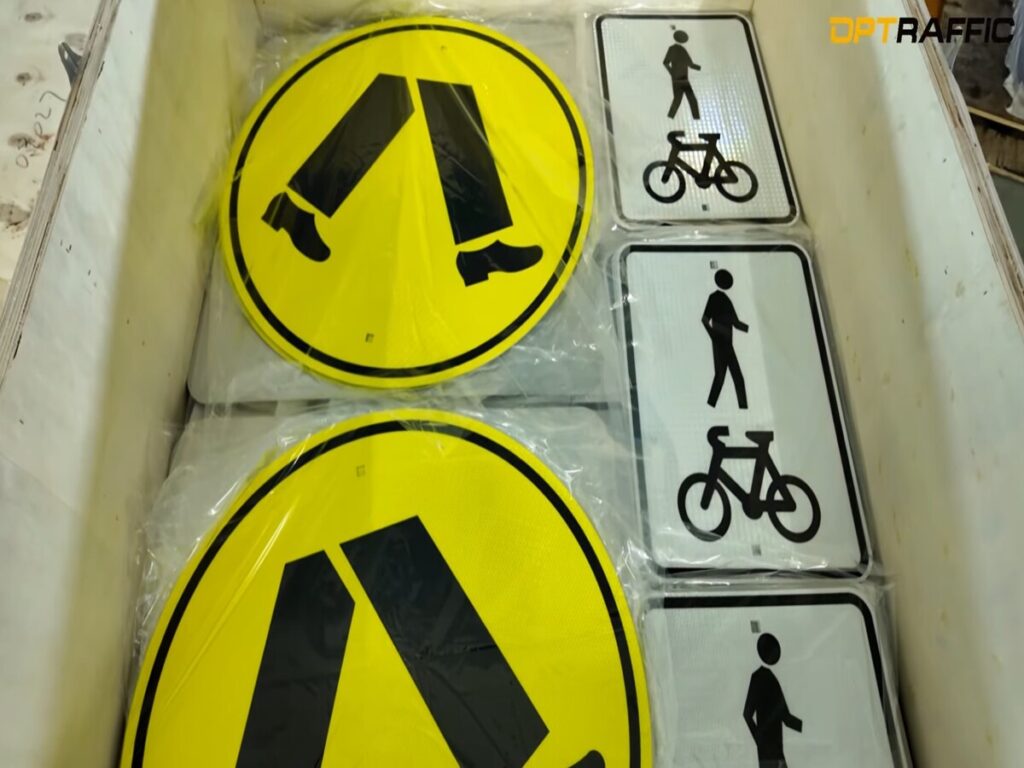
Wooden Crates and Pallets
Wooden crates and pallets are important for shipping signs. They give strong support to traffic signs of many sizes. Companies pick wooden crates because they cost less and are simple to make. These crates help use space well, which makes shipping better. Wooden crates keep signs from moving or getting hit. Pallets spread heavy weight, so they work well for big shipments.
But wood can soak up water and sometimes has bugs. Splinters can poke or cut, and fasteners might hurt the sign if used wrong. The quality of wood is not always the same. Companies need to choose good wood to keep signs safe. Even with these problems, wooden crates and pallets are good for the environment and help pack signs well.
Note: Always make sure wooden crates follow world rules to stop customs problems.
Advantages of Wooden Crates and Pallets:
- Good price for shipping lots of signs
- Simple to make for any size
- Good for the planet
- Hold signs tight during travel
- Spread heavy weight for big signs
- Save space and lower costs
- Keep out water and dust
Disadvantages:
- Fasteners might hurt signs
- Splinters can poke or cut
- Wood can soak up water
- Bugs can hide in wood
- Quality is not always the same
Cardboard Boxes and Foam Inserts
Cardboard boxes are light and easy to use for packing signs. They work best for small or less breakable traffic signs. Companies add foam or padding inside to keep signs safe from bumps. Foam inserts make a soft layer, so signs do not get hurt when shipped. Cardboard boxes stack well, which saves space and money.
Picking the right box size keeps the sign snug and stops it from moving. Using strong boxes and foam makes shipping safer and keeps signs in good shape. Cardboard boxes can be recycled, which helps the planet.
Tip: Use thick cardboard for heavy signs to make boxes stronger.
Plastic Wrap and Stretch Film
Plastic wrap and stretch film hold traffic signs together tightly. These wraps keep out dust, dirt, and water, so signs stay clean. Stretch film fits many shapes and sizes, so it works for different signs. Companies like it because it costs less and uses less material.
Plastic wrap stops signs from falling or sliding when shipped. Special wraps give extra care to signs with shiny surfaces. Using stretch film helps keep signs safe and lowers packing costs.
Benefits of Plastic Wrap and Stretch Film:
- Makes loads steady
- Keeps out dust, dirt, and water
- Costs less because it stretches
- Works for many shapes and sizes
Bubble Wrap and Padding
Bubble wrap and padding give soft protection to breakable traffic signs. These materials soak up bumps and stop scratches when signs are moved or shipped. Bubble wrap goes around the sign, and padding fills empty spaces in the box. Padding keeps the sign still and stops it from moving, so it does not get hurt.
Companies use bubble wrap and padding for signs with soft film or sharp edges. This keeps signs safe and keeps them looking good while shipping. Packing signs with bubble wrap and padding helps them arrive safely and makes customers happy.
Tip: Wrap each sign by itself before putting it in the box for best safety.
Table: Comparison of Key Packaging Materials
| Packaging Material | Best For | Main Benefit | Sustainability |
|---|---|---|---|
| Wooden Crates & Pallets | Large, heavy signs | Load distribution | High |
| Cardboard Boxes & Foam | Small, fragile signs | Lightweight, stackable | Moderate |
| Plastic Wrap & Stretch | All sign types | Moisture protection | Moderate |
| Bubble Wrap & Padding | Fragile surfaces | Shock absorption | Low |
Weather Protection and Durability
Waterproof Packaging
Traffic signs sometimes travel through places with lots of rain. Companies need to pick packaging that keeps out water. Waterproof packaging stops rust and water damage. It helps signs stay safe while moving. Many makers use aluminum composite panels and UV-resistant PVC. These materials block water and keep colors bright for a long time. Rigid panel signs, sealed LED enclosures, and non-corrosive substrates also help in wet places. Wind-load certifications show packaging stays strong in high winds. This makes shipping safer and better.
| Material Type | Key Features | Lifespan |
|---|---|---|
| Aluminum Composite Panels | Strong, blocks UV rays, keeps colors clear | 5+ years |
| UV-resistant PVC | Stops water from getting in, made for tough weather | 5+ years |
| Rigid Panel Signs (ACM, PVC) | Very stiff, prints look great, good for signs that last | 8–12 years |
| Sealed LED Enclosures | Keeps out water, important for signs that need to last | N/A |
| Non-corrosive Substrates | Keeps signs strong in wet places | N/A |
| Wind-load Certifications | Needed for signs in windy spots, keeps them safe and strong | N/A |
Tip: Always check if packaging is waterproof before sending signs to rainy places.
UV-Resistant Covers
Signs can be in sunlight and bad weather for a long time. UV-resistant covers protect signs from fading. They help signs stay easy to see. Clear overlay films and special laminates make signs last longer. These materials block sunlight, rain, and heat. Laminates made from polymethyl methacrylate keep colors bright and words clear. Even in tough weather, signs look good. Companies use UV-resistant covers to keep signs safe and make shipping better.
- Makes signs last longer in tough weather
- Blocks sunlight, rain, and heat
| Protective Measure | Benefit |
|---|---|
| UV-resistant covers | Stop fading and keep signs easy to see |
| Premium clear overlay film | Helps signs stay readable in bad weather |
| Protective laminates | Make signs last longer against weather |
Note: Using UV-resistant packaging helps stop damage and keeps signs safe for a long time.
Compliance with International Standards
Customs Labeling
Customs officers need clear labels on every shipment. Good paperwork helps them know what is inside fast. Labels must show where the item is from and how to handle it. They also need to say if there are any dangerous materials. Clear labels help things move faster at borders and stop delays. Companies must follow the rules for shipping. This makes sure each package is packed the right way. Labels also help keep people safe by telling them if something is breakable or needs care. When companies use the right labels, they keep traffic signs safe and stop damage. Customs labeling is very important for safe and quick shipping.
Tip: Always check all labels before sending packages. This helps avoid problems at customs and makes delivery easier.
| Labeling Requirement | Purpose | Benefit |
|---|---|---|
| Country of Origin | Shows where it came from | Makes checks faster |
| Handling Instructions | Tells how to handle it safely | Stops damage |
| Hazardous Material Info | Warns about dangerous stuff | Keeps people safe |
ISPM 15 and Packaging Ratings
There are special rules for packaging, especially when using wood. ISPM 15 is a rule for wooden packaging in world trade. This rule says wood must be treated to kill bugs and stop sickness from spreading. Companies must heat wood to 56 degrees Celsius for 30 minutes or use other ways like microwaving. Every treated piece must have the ISPM 15 logo, a special number, and the country code. The ISPM 15 stamp is needed to follow the rules.
- Wood packaging must be treated in certain ways.
- These treatments stop bugs and sickness.
- All treated wood must have the ISPM 15 stamp.
Other ratings like MSDS and UN ratings help show the packaging is safe and good quality. These ratings help companies pick the right packaging that meets world rules. Following these rules keeps sign packaging safe and steady when shipping to other countries.
Note: Always make sure packaging meets ISPM 15 and other world rules before shipping.
Cost-Effective Sign Packaging Solutions
Balancing Safety and Cost
Companies want to spend less but keep signs safe. Picking smart packaging helps keep signs safe when shipped. It also follows shipping rules. Many companies use strong packaging that lasts a long time. Flexible, UV-resistant polypropylene works well in bad weather. It also lowers repair costs. REFLEX BACK products use this material for extra protection. These choices keep traffic signs safe and do not cost more money.
Tip: Pick packaging that follows the rules and protects signs well. This helps you avoid extra charges and keeps shipments moving on time.
Good packaging keeps signs safe from harm. It helps companies meet quality rules. Using smart packaging means less waste and saves money. Foam inserts and bubble wrap give more safety. Companies should think about cost and how well packaging protects signs.
| Feature | Description |
|---|---|
| Durability | REFLEX BACK products last longer and need less fixing. |
| Material | Flexible, UV-resistant polypropylene stands up to weather and damage. |
| Cost-effectiveness | Cheap options make highways safer without costing more. |
Space Optimization
Smart packaging design helps companies use space better. Stackable crates and small boxes fit more signs in each shipment. This lowers shipping costs and makes things work faster. Businesses pick packaging that is light but strong. These materials keep signs safe and make loading simple.
Note: Stackable packaging helps follow shipping rules and keeps shipments steady.
Using space well also keeps signs safe. Signs that fit tight do not move or get hurt. Companies use clear labels and approved packaging to follow the rules. Smart packaging saves money and keeps signs looking good.
Innovations in Sign Packaging
Sustainable Materials
Many companies pick sustainable materials for packaging now. They use recycled cardboard, biodegradable wraps, and reusable crates. These choices help the planet and follow strict rules. Recycled cardboard is strong and protects traffic signs well. Biodegradable wraps break down fast and do not hurt nature. Reusable crates last through many shipments and keep signs safe.
Sustainable packaging makes shipping safer and cuts down on waste. Companies follow rules that ask for eco-friendly solutions. These materials also keep shipments dry and safe from bumps. Some businesses use plant-based foams for extra safety. These foams cushion signs and stop scratches. Choosing sustainable options shows care for safety and the environment while following rules.
Tip: Companies should check if packaging materials have environmental safety certifications before shipping signs.
| Material Type | Benefit | Meets Regulations | Protection Level |
|---|---|---|---|
| Recycled Cardboard | Strong, eco-friendly | Yes | High |
| Biodegradable Wraps | Breaks down easily | Yes | Moderate |
| Reusable Crates | Long-lasting | Yes | High |
Technology for Safe Transportation
Technology makes packaging better for traffic signs. Smart sensor tags track shipments and watch temperature, humidity, and shock. These sensors warn companies if signs are at risk. RFID labels help follow rules by giving real-time data about each package. Automated packing machines give steady protection and lower mistakes.
Some companies put QR codes on packaging to share handling tips and safety rules. This helps workers follow rules and keep signs safe. Advanced sealing machines add more layers to block moisture and dust. Technology makes packaging stronger and helps keep shipments safe.
Note: Using smart technology in packaging helps companies follow rules and protect every shipment.
Picking the best packaging for shipping traffic signs to other countries is important. Companies need to think about sign size and shape. They also need to check if materials are strong and can last. Weather protection matters too. There are many rules to follow. Heavy-duty boxes and wooden crates keep signs safe. Corrugated fiberboard can be changed to fit different needs. Packaging must handle rough treatment and bad weather. This keeps signs safe when moving them. Experts say companies should look at their packaging steps for hard shipments.
If you’re concerned about packaging for cross-border traffic sign purchases, look no further than OPTRAFFIC. We offer reliable packaging solutions designed to protect your signs and ensure they arrive safely and on time, no matter the destination.
FAQ
What packaging works best for large traffic signs?
Wooden crates and pallets are strong and hold big signs well. These materials keep signs from moving when shipped. Companies pick crates that fit the sign’s size. This stops signs from sliding and getting damaged.
How do companies protect fragile traffic signs during shipping?
Companies use bubble wrap, foam inserts, and padding for fragile signs. These materials soak up bumps and stop scratches. Workers wrap each sign by itself for extra safety.
Why is waterproof packaging important for traffic signs?
Waterproof packaging keeps signs dry when shipped. It stops rust and fading of colors. Signs may travel in rain or snow. Waterproof materials help signs stay bright and easy to see.
What labeling is required for cross-border shipments?
Customs need labels that show where the sign comes from. Labels must give handling instructions and warn about dangerous materials. Clear labels help border checks go faster and keep shipments safe.
How does packaging support safe transportation of traffic signs?
Good packaging keeps signs safe and stops damage. It follows world rules and uses strong materials. Companies trust packaging to deliver signs safely and on time.