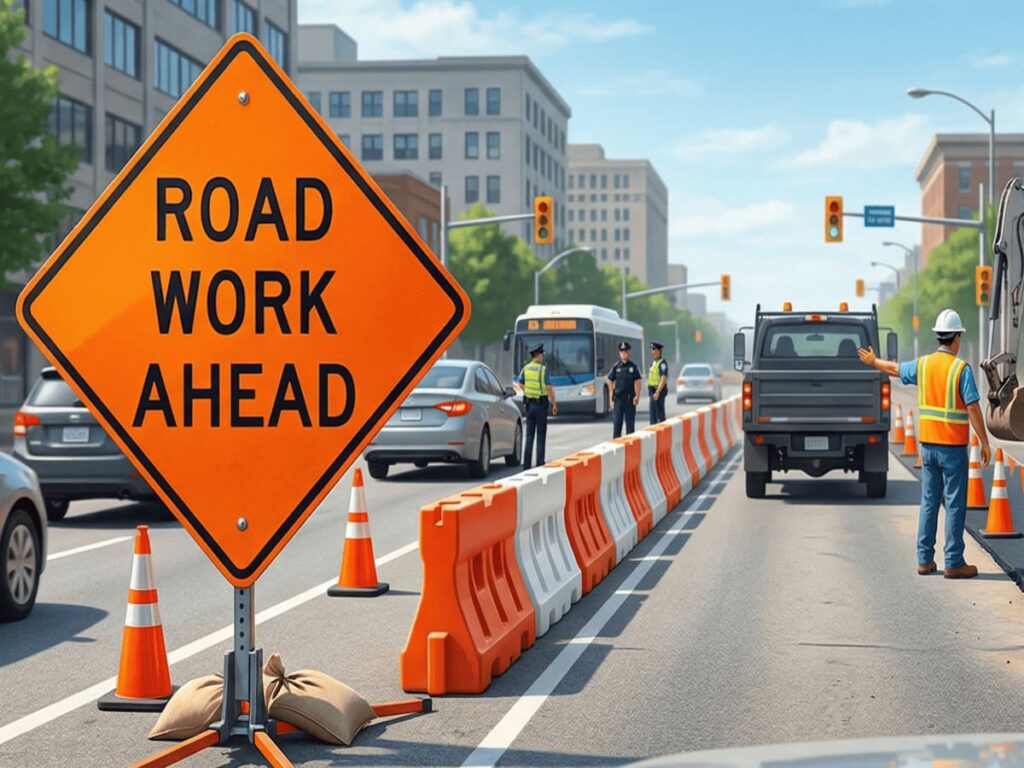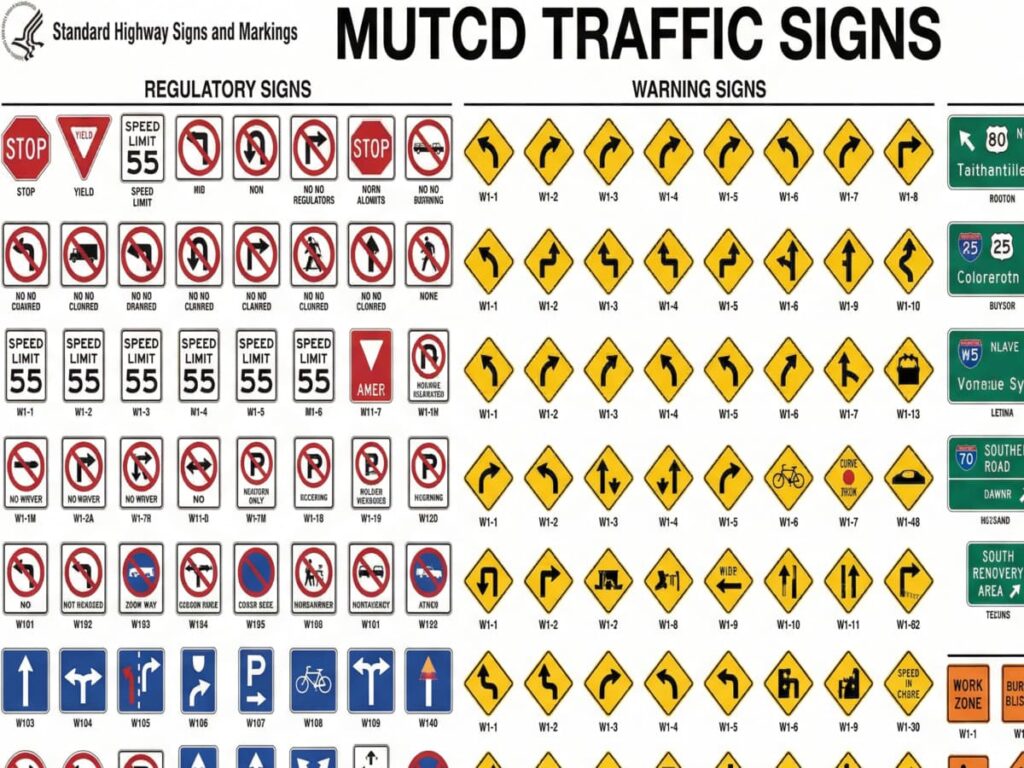
Соблюдение требований безопасности на дорогах требует строгого соблюдения федеральных стандартов.. Руководство по однородным устройствам управления движением (Mutcd) диктует особые требования к освещению. Бригадиры на объекте должны различать разные типы оборудования, чтобы обеспечить безопасность водителя.. Выбор неправильного Светодиодный фонарь для баррикады приводит к провалу Министерства транспорта (Точка) инспекции. Профессионалы решают эту проблему, подбирая схему световой вспышки в зависимости от конкретной опасности..
Покупатели должны понимать более широкие отраслевые стандарты, прежде чем оформлять оптовые заказы.. Ознакомьтесь с полными техническими спецификациями и федеральными правилами соответствия уже сегодня.. Прочтите наш основополагающий ресурс: Полное руководство по светодиодным сигнальным лампам рабочей зоны: Безопасность, Согласие, и производительность. Это подробное руководство поможет вам выбрать идеальное защитное оборудование..
Понимание функциональных классификаций MUTCD
MUTCD классифицирует сигнальные огни в зависимости от их визуального поведения и интенсивности.. Эти классификации обеспечивают постоянную связь с автомобилистами по всей стране..
Что определяет светодиодный баррикадный фонарь?
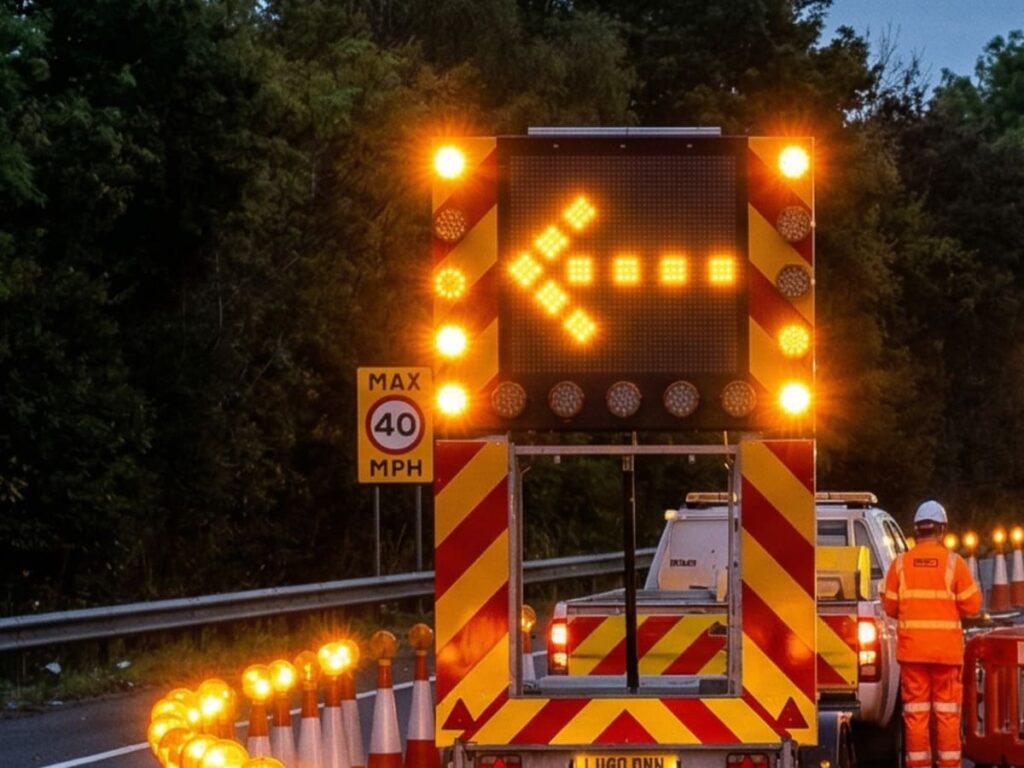
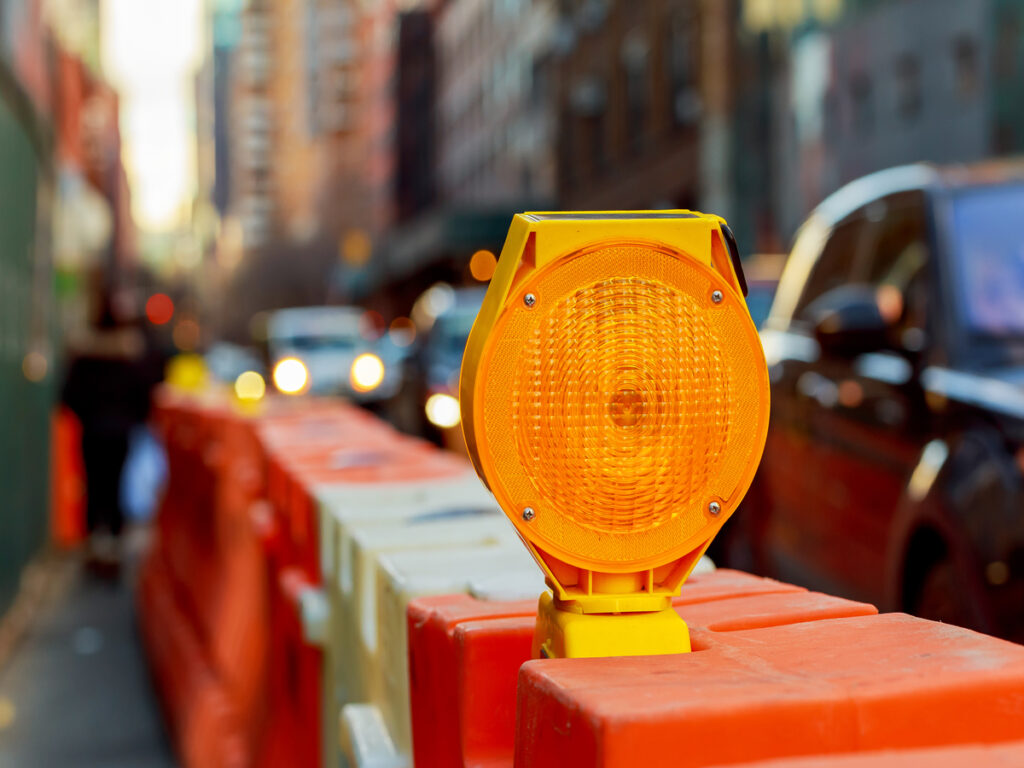
Анонца Светодиодный фонарь для баррикады представляет собой устройство оповещения низкой интенсивности. Устанавливается непосредственно на баррикады., барабаны, или вертикальные панели. Эти фонари в основном работают в ночное время или в условиях плохой видимости.. В современных устройствах используются высокоэффективные светодиоды, позволяющие максимально продлить срок службы батареи и обеспечить оптическую четкость..
Тип А против. Тип С: Основные различия
Основное различие заключается в том, как свет воспринимается водителем.. Один мигает, чтобы привлечь внимание, в то время как другой горит постоянно, направляя движение.
Функции светодиодного баррикадного фонаря типа А
Устройства типа А “Мигающий” свет. Всю ночь они излучают ритмичный импульс света.. Их основная цель — предупредить водителей о конкретных, локализованная опасность. Мигающее движение вызывает немедленный “осторожность” реакция человеческого мозга.
Функции светодиодного баррикадного фонаря типа C
Устройства типа C “Устойчивое горение” свет. Они обеспечивают постоянную, неизменное сияние без мерцания. Эти огни помогают автомобилистам отслеживать точный путь временной полосы движения.. Устройства устойчивого горения предотвращают “стробоскопический эффект” это сбивает водителей с толку на сложных поворотах.
Соответствие DOT: Таблица сравнения приложений
Выбор неправильного Светодиодный фонарь для баррикады создает юридическую ответственность для подрядчиков. Используйте таблицу ниже, чтобы определить подходящее оборудование для вашей рабочей зоны..
| Применение рабочей зоны | Рекомендуемый тип MUTCD | Световое поведение | Основная цель |
| Индивидуальные опасности (НАПРИМЕР., яма или куча) | Тип А | Мигающий | Предупреждение об определенном месте |
| Канализация (НАПРИМЕР., Закрытие полосы движения) | Тип С | Устойчивое горение | Управление потоком трафика |
| Конические секции (НАПРИМЕР., объединение областей) | Тип С | Устойчивое горение | Определение смены полосы движения |
| Общее перекрытие дорог | Тип А | Мигающий | Приказать водителям остановиться |
Почему менеджеры по закупкам отдают приоритет сертифицированному оборудованию
Покупка несертифицированного оборудования грозит задержкой проекта и государственными штрафами.. Профессиональный Светодиодные фонари для баррикад должен соответствовать ITE (Институт инженеров транспорта) оптические стандарты.
Обеспечение дальности видимости в ночное время
Соответствующий Светодиодный фонарь для баррикады должно быть видно из 3,000 ноги в ясную ночь. Такое расстояние дает водителям, владеющим высокой скоростью, достаточно времени для безопасной реакции.. Высококачественные линзы из поликарбоната фокусируют свет светодиодов в точном направлении., горизонтальный луч.
Реализация автоматического управления фотоэлементами
Ручное управление освещением невозможно в масштабных инфраструктурных проектах.. Соответствующие устройства оснащены встроенными фотоэлементами.. Датчик активирует Светодиодный фонарь для баррикады автоматически в сумерках. Он отключает устройство на рассвете, чтобы сохранить заряд внутренней батареи.. Такая автоматизация обеспечивает 100% соответствие без затрат ручного труда.
Заключение: Защитите свою рабочую зону с помощью правильного освещения
Выбор между типом A и типом C имеет решающее значение для безопасности и правовой защиты.. Мигающие огни предупреждают об опасности, в то время как постоянные огни направляют движение транспорта. Менеджеры по закупкам должны оценить структуру своего проекта перед размещением оптовых заказов.. Правильное оборудование гарантирует, что ваш объект будет соответствовать всем правилам DOT..
Optraffic производит профессиональные Светодиодные фонари для баррикад которые превосходят стандарты MUTCD и ITE. Менеджеры по закупкам в США, Великобритания, и Австралия полагаются на Optraffic при крупномасштабном развертывании. Наша команда инженеров создает надежные, Устройства с фотоэлементным управлением для самых тяжелых условий эксплуатации на шоссе. Свяжитесь с Optraffic сегодня, чтобы обеспечить правильное освещение типа A или типа C для вашего автопарка..
С помощью нашего подробного руководства по закупкам вы сможете точно ориентироваться в сложных оптических спецификациях и мировых стандартах соответствия.: Светодиодные огни для безопасности дорожного движения: Что знать, прежде чем покупать.
Часто задаваемые вопросы (Часто задаваемые вопросы)
Могу ли я использовать фары типа А для распределения полос движения??
Нет. MUTCD запрещает мигать огнями для длинных линий распределения каналов.. Мигающие огни сбивают с толку водителей при смене полосы движения. Вы должны использовать тип C постоянного горения. Светодиодные фонари для баррикад для управления потоком транспорта.
Каковы требования к видимости для светодиодного освещения баррикады??
Федеральные стандарты требуют прозрачности как минимум 3,000 Ноги ночью. Такое расстояние гарантирует, что у водителей будет достаточно времени, чтобы замедлить скорость или безопасно выехать на трассу..
Работают ли светодиодные фонари баррикад в дневное время?
Нет. Светильники типов A и C — это устройства низкой интенсивности, предназначенные для использования в ночное время.. Они используют фотоэлементы, чтобы оставаться выключенными в течение дня.. Это экономит заряд аккумулятора, когда он больше всего необходим..
Как установить светодиодное освещение баррикады?
Эти устройства оснащены стандартным крепежным болтом в основании.. Они надежно крепятся к верхней части дорожных барабанов., Баррикады А-образной формы, или вертикальные панели. Задвижка с защитой от несанкционированного доступа предотвращает кражу на активных строительных площадках..
Что лучше: Светодиодные баррикады на солнечных батареях или батареях?
Солнечные установки предлагают гораздо более высокую рентабельность инвестиций в долгосрочные проекты строительства автомагистралей.. Они исключают трудозатраты, связанные с ручной заменой батарей.. Аккумуляторные блоки подходят для очень краткосрочного аварийного ремонта..