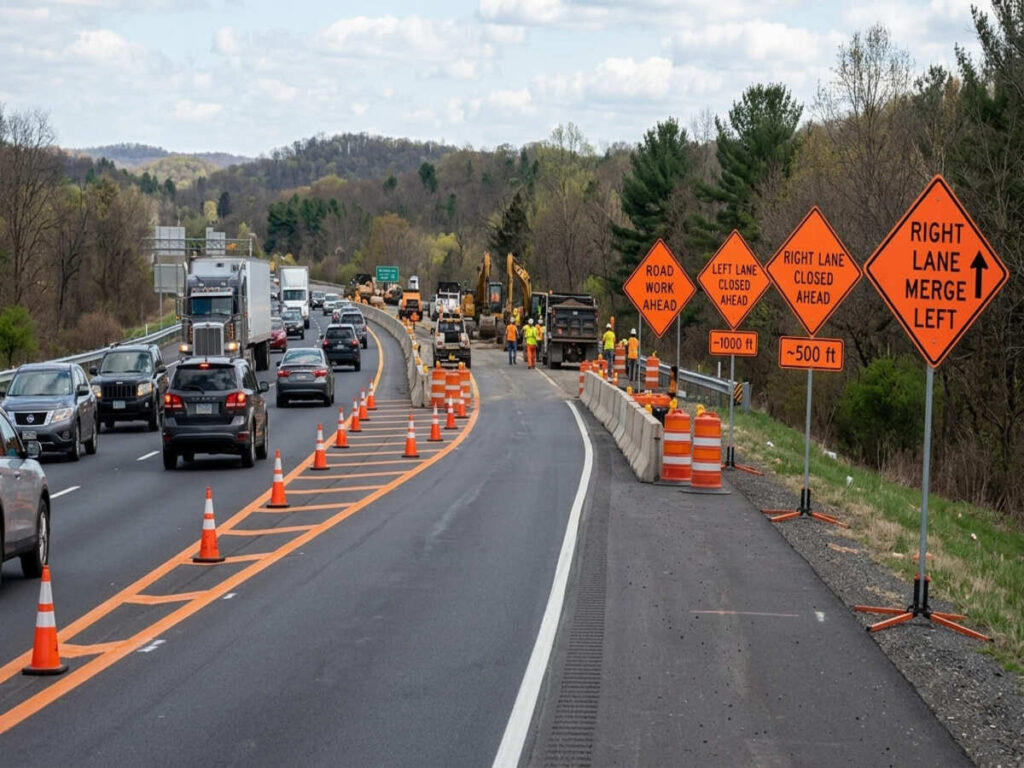
Каждому руководителю гражданского объекта знакомо неприятное ощущение, когда наблюдаешь за слишком быстрым приближением транспортного средства.. Он прибывает слишком поздно и слишком близко к пешему члену экипажа.. В этот момент возникает вопрос, который рано или поздно задает каждый руководитель бригады диспетчеров.: на каком расстоянии должны быть видны знаки работы корфлюта прежде чем у водителя появится реальная возможность отреагировать? Неправильно определите расстояние, и соответствующий знак становится обузой. Он тихо стоит у дороги, ничего не делать до момента, когда это станет самым важным. Плохое размещение не просто грозит промахом. Это грозит летальным исходом, обвинение, и закрытие проекта, которое отразится на каждом субподрядчике на объекте. Данное руководство решает эту неопределенность с помощью практического подхода., основанная на скорости система расстояний, поддерживается австралийскими стандартами дизайна.
Почему расстояние размещения — самая недооцененная переменная в управлении дорожным движением
Большинство бригад относятся к размещению знаков как к привычке, а не к расчету.. Они прикрепляют вывески на знакомом расстоянии.. “Так всегда делалось,” мышление идет, и ограничения скорости редко влияют на решение. Эта привычка игнорирует суровую правду: знак, который не виден вовремя, вообще не является предупреждением. Это просто картон на звездном пикете. Прежде чем привязывать один знак, командир экипажа уже должен знать на каком расстоянии должны быть видны знаки работы корфлюта для этого конкретного участка дороги.
- Обнаружение — это момент, когда взгляд водителя вообще замечает знак..
- Узнавание — это момент, когда водитель понимает, что означает знак..
- Реакция — это момент, когда водитель действительно начинает снижать скорость или менять полосу движения..
Каждый порог съедает пространство дороги перед рабочей зоной.. Понимание на каком расстоянии должны быть видны знаки работы корфлюта означает рассматривать размещение как инженерное решение, не привычка. Разрыв между “видимый” знак и “действенный” знак именно там, где происходят аварии.
В Австралии это не догадки. Транспортные происшествия остаются крупнейшей причиной смертности на рабочих местах в строительстве. Они составляют 42% смертельных травм, или 79 смертельные случаи, в отрасли, согласно последним данным Safe Work Australia (2024). В 2024, 188 рабочие умерли от травм, работая во всех отраслях промышленности Австралии.. Решения о размещении на гражданских объектах не являются административными деталями. Это средства контроля безопасности жизни..
Разница между наблюдением знака и реакцией на него
Скорость распознавания зависит от внимательности водителя., солнечные блики, и плотность трафика. Тем не менее, основная физика остается неизменной.: расстояние это время, и время сохраняет работнику жизнь.
Почему “Стандартный” Привычки размещения терпят неудачу на гражданских объектах с регулируемой скоростью
Расстояние, которое хорошо работает на пригородной дороге со скоростью 50 км/ч, плохо работает на сельской дороге со скоростью 80 км/ч.. Транспортное средство преодолевает тот же физический разрыв за долю времени..
Эффект силуэта: Почему вырезы в форме человека обнаруживаются быстрее, чем прямоугольные знаки
На вывесках рабочих Corflute используется человеческий силуэт по определенной причине.. Человеческий мозг замечает человеческие формы еще до того, как сознательно прочитает текст. Вот почему так много разговоров о трудоустройстве начинаются с одного и того же вопроса.: на каком расстоянии должны быть видны знаки работы корфлюта, по сравнению с плоским прямоугольным знаком, несущим то же сообщение?
- Мгновенная графическая символика: В соответствии с АС 1742.3:2019 (Руководство по единым устройствам регулирования дорожного движения, Часть 3: Управление дорожным движением при работах на дорогах), Пункт 3.2.2, символический “Рабочий впереди” форма (Знак Т1-5 / ТВ1) обходит когнитивные языковые центры. Автомобилисты распознают человеческие силуэты значительно быстрее, чем могут читать и интерпретировать текстовые таблички, такие как “ВПЕРЕД ДОРОЖНЫЕ РАБОТЫ”.
- Саккадический триггер: Неправильный силуэт человека нарушает единую горизонтальную и вертикальную геометрию стандартной придорожной инфраструктуры., вызывая непроизвольное движение глаз (саккада) фокусирует внимание водителя непосредственно на опасности.
- Универсальное понимание: Силуэт функционирует независимо от уровня грамотности или языкового барьера., обеспечение решающего, мгновенный предварительный сигнал для утомленных или отвлеченных водителей задолго до того, как автомобиль войдет в буфер активной рабочей зоны.
Предварительная обработка: Как мозг заранее распознает человеческую форму “Читает” Это
Человеческое зрение выполняет предварительную обработку форм задолго до того, как в них вступают языковые центры.. Силуэт рабочего часто замечается периферийным зрением раньше, чем словесный знак..
Цветовой контраст и размер силуэта — два множителя эффективного расстояния
Большая высота силуэта и более сильный цветовой контраст увеличивают практическое расстояние обнаружения.. Два знака в одном и том же месте могут работать по-разному в зависимости от размера и цвета подложки..
Пространственная матрица: Соответствие расстояния между знаками и скоростными зонами Австралии
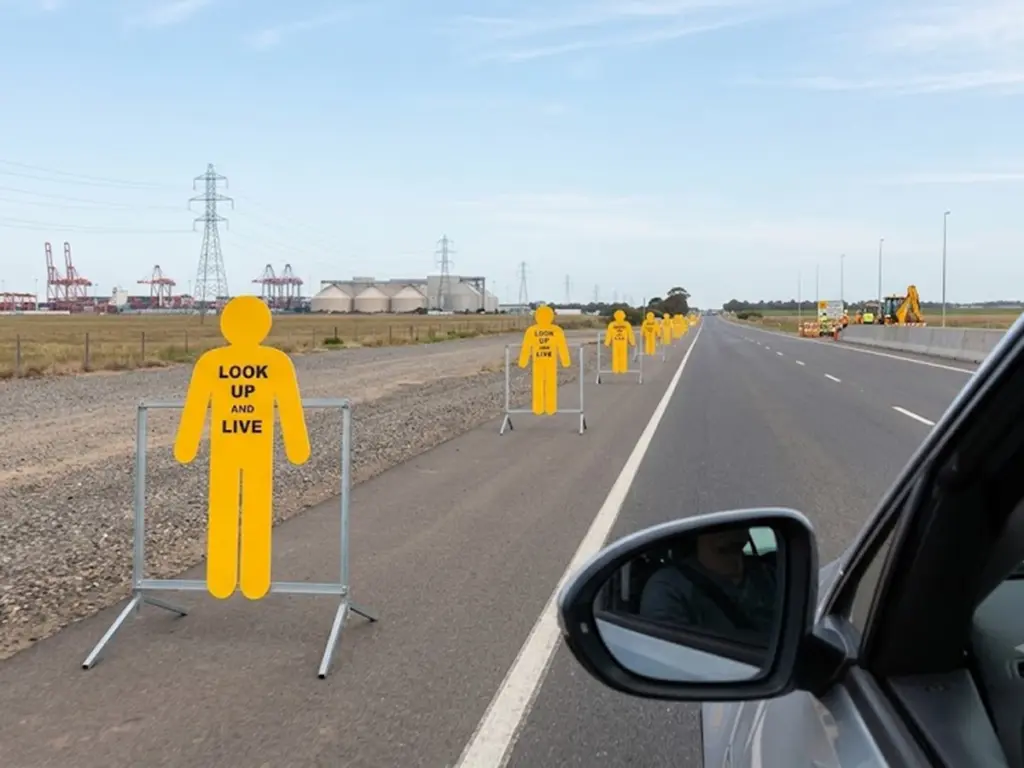
Этот раздел добавляют в закладки большинство инспекторов трафика сайта.. Оказывается “на каком расстоянии должны быть видны знаки работы корфлюта” в число, по которому они могут действовать немедленно, не формула для решения проблемы на дороге.
Основная инженерная концепция — «Останавливающаяся видимость на расстоянии». (SSD). Это расстояние, необходимое транспортному средству, чтобы почувствовать опасность., реагировать, и затормозить до полной остановки. Австралийское руководство по проектированию дорог строит SSD из двух компонентов: расстояние восприятия-реакции и тормозной путь. При проектировании сельских дорог время реакции составляет 2,5 секунды., пока 2.0 секунды могут применяться на крупных городских дорогах. Это применимо там, где 2.5 секунды приведут к непрактичным решениям. Это различие имеет непосредственное значение для расстояния размещения знаков безопасности работников.. Гражданскому объекту на сельской трассе требуется более длительный допуск, чем на пригородной магистрали..
Таблицу скорости-расстояния могут использовать выездные супервайзеры на месте
| Зарегистрированная скорость захода на посадку | Рекомендуемое расстояние между знаками AGTTM (Расстояние А) | Минимальное расстояние прямой видимости до знака | Операционный контекст |
| ≤ 50 км/ч | 15–30 м | 50м | Застроенные городские территории, низкоскоростные местные дороги |
| 60 - 70 км/ч | 45–60м | 90м | Пригородные магистрали, полусельские соединители |
| 80 - 90 км/ч | 80–120м | 150м | Сельские автомагистрали, высокоскоростные региональные коридоры |
| ≥ 100 км/ч | 150–200м+ | 250м | Автострады, автомагистрали (Требуется многознаковая последовательность) |
Источник: Взято из Руководства Auustroads по временному управлению дорожным движением. (АГТТМ) Часть 3: Статические рабочие сайты, Раздел 4.7.2 (Расстояние между знаками) и таблица 4.3 (Параметры расстояния макета)
⚠ Критическое примечание о соответствии: Хотя эти расстояния обеспечивают инженерную основу, ваше окончательное размещение на объекте всегда должно отражать одобренный проектом Схема управления дорожным движением (ТГС)— ранее известный как План управления дорожным движением (TCP).
Эта таблица — именно то, что ищет большинство экипажей. “на каком расстоянии должны быть видны знаки работы корфлюта” пытаются найти. Это быстро, оправданная ссылка, это не формула, которую можно решить на обочине дороги.
Почему в зонах с более высокой скоростью нужны последовательные знаки, Не просто один знак дальше назад
На высокоскоростных коридорах одного знака никогда не бывает достаточно.. Экипажи должны заранее предупреждать, пониженная скорость, и знаки «работник впереди». Это дает драйверам поэтапную информацию, а не одну сложную инструкцию..
Корректировка с учетом смешанного состава тяжелых транспортных средств и маршрутов перевозок
В то время как стандартное торможение легкового автомобиля с 100 км/ч требует общей тормозной дистанции примерно 95 к 115 метры (сочетание времени восприятия-реакции и физического торможения на уровне уровня), тяжелые транспортные средства работают в совершенно другом физическом масштабе. Полностью загруженному тяжелому грузовику с жесткой рамой или B-double требуется значительно более длинный диапазон остановок.. В 100 км/ч, принимая во внимание задержку воздушных тормозов и огромную инерцию тяжелой полезной нагрузки, Общий тормозной путь грузовика часто превышает 180 к 250 метры.
Если ваш гражданский объект расположен на главном грузовом коридоре, карьерный маршрут, или сельскохозяйственное шоссе, ваш TGS должен иметь расширенную последовательность заблаговременных предупреждений, чтобы гарантировать, что тяжелые комбинации имеют расстояние обзора, необходимое для безопасного снижения скорости..
Местные ловушки: Законное устранение препятствий на линии обзора
Матрица пространств предполагает плоскую, прямой подход. Когда гребни, резкие повороты, или режущие удары по обочине дороги закрывают обзор водителю, теоретическое расстояние на бумаге не соответствует действительности.
Если гребень или поворот скрывает ваш корфлейтовый знак рабочего за горизонтом водителя:
- НЕ перемещайте знак произвольно без документации.. Несанкционированные изменения, отклоняющиеся от утвержденного TGS, влекут за собой огромную юридическую ответственность в случае возникновения инцидента..
- Следуйте процедуре внесения изменений на сайт TGS.: Если вы обнаружили «слепую зону» во время предстартового обгона, квалифицированный проектировщик управления дорожным движением (ДВНЧС) или уполномоченный руководитель с полномочиями, эквивалентными штату (НАПРИМЕР., PWTS в Новом Южном Уэльсе/Квинсленде) должны формально изменить TGS.
- Зарегистрируйте вариант: Обратите внимание на скорректированную физическую цепочку и точную причину сдвига в Дневник сайта до начала смены.
Полевая проверка: Как супервайзеры подтверждают реальную видимость, Не только теоретическое расстояние
Расстояние, рассчитанное на бумаге, ничего не значит, пока оно не подтверждено на земле.. Самый надежный способ ответить на каком расстоянии должны быть видны знаки работы корфлюта на конкретном сайте проводится физическое испытание, в транспортном средстве, на заявленной скорости захода на посадку.
Метод подтверждения проезда
Начните задолго до расчетного расстояния стола.. Подход на заявленной скорости, и отметьте точную точку, в которой знак становится разборчивым, не просто виден как цветная фигура. Сравните эту точку с целевой матрицей и соответствующим образом скорректируйте ее..
Ежедневные предстартовые проверки на предмет отклонения от места
Ветер, проходящий завод, и бригада предыдущей смены меняют вывески на протяжении всего проекта. Быстрый фотографический журнал при каждой передаче смены обеспечивает постоянное расстояние размещения. Это также дает руководителям надежную репутацию, если трудоустройство когда-либо будет поставлено под сомнение..
Создан для расстояний: Выбор вывесок Corflute, которые выдержат условия Австралии
Каждое рассчитанное выше расстояние предполагает, что сам знак работает так, как задумано.. Искаженный, блеклый, или изогнутая панель подрывает всю пространственную матрицу. Испорченный знак просто не виден на таком расстоянии, как свежий..
- УФ-деградация со временем приводит к выцветанию фторо-оранжевого и фторо-желто-зеленого цвета., плавно сокращая эффективное расстояние обнаружения.
- Тепловая деформация и ветровая нагрузка искажают профиль плоской панели., нарушение эффекта силуэта, благодаря которому знак работал в первую очередь.
- Знак, выходящий из строя в середине проекта, вынуждает бригады заменять, перепроверить, и заново обосновать расстояние размещения.
Как стабилизированный УФ-излучением корфлейт сохраняет контрастность и целостность силуэта с течением времени
Устойчивая к выцветанию подложка защищает точный цветовой контраст и распознавание формы, которые определяют, на каком расстоянии в первую очередь должны быть видны знаки рабочих из корфлюта.. Производительность остается стабильной со дня установки до сдачи проекта.
Почему жесткий, Устойчивые к деформации панели важны для обеспечения постоянной читаемости вывесок
Панель, прогибающаяся от жары, меняет свой видимый профиль в зависимости от приближающегося транспорта.. Это незаметно уменьшает расстояние разборчивости, часто никто на месте не замечает этого, пока инцидент не вызовет вопрос.
Не позволяйте сбою подложки поставить под угрозу вашу временную настройку управления трафиком или нарушить работу TGS.. Как специализированный австралийский производитель дорожных знаков с полной связью., наша роль — воплотить эти строгие нормативные рамки в средства физического контроля на объектах.. Мы сочетаем премиум, устойчивые к деформации, устойчивые к УФ-излучению корфлетные подложки с микропризматическим световозвращающим слоем, полностью сертифицированные по стандарту AS/NZS 1906.1:2014. Это гарантирует, что расстояния между планировками будут обеспечены целостностью материала, который не выцветает и не деформируется под суровым австралийским солнцем.. Поговорите с нашей технической командой обеспечить соответствие, долговечные вывески для рабочих, изготовленные в точном соответствии со стандартами государственных дорожных властей.
Собираем это вместе: Стандартизация расстояния размещения внутри вашей команды
Силуэтная психология, матрица интервалов, основанная на скорости, и настройки с учетом рельефа местности вместе отвечают на вопрос, с которого началось это руководство.. На каком расстоянии должны быть видны знаки рабочих из корфлюта? на любом гражданском объекте Австралии? Стандартизация этого подхода для каждой бригады и смены снижает ответственность.. Это также повышает последовательность и устраняет догадки при принятии решения, которое действительно влияет на жизнь..
Создание одностраничного справочника по размещению для вашего выступления на панели инструментов
Заламинируйте матрицу скорости-расстояния из этого руководства.. Запустите его во время ознакомления с объектом и переговоров с набором инструментов., поэтому каждый член экипажа, не только руководитель, понимает, почему знак находится там, где он находится.
Полный нормативный контекст выбора знаков, соответствие цвета, и стандарты монтажа, см. наш Полное руководство по стандарту Австралии для знаков безопасности «Желтый человек». Он охватывает всю структуру стандартов, в пределах которых находятся эти расстояния размещения..
Часто задаваемые вопросы — Расстояние размещения знака Corflute
На каком расстоянии должны быть видны знаки рабочих из корфлюта на гражданской площадке со скоростью 60 км/ч??
Согласно части AGTTM 3, стандартное расстояние между знаками предварительного предупреждения (Расстояние А) для 60 км/ч городская или полусельская дорога 45 к 60 метры, требующее минимального расстояния прямой видимости 90 метров до вывески. Всегда сверяйте точную планировку с утвержденной схемой управления трафиком вашего сайта. (ТГС).
Нужно ли увеличивать расстояние размещения в влажный или пасмурный день??
Пасмурный дневной свет по-прежнему приходится на дневное время, физика ясной погоды, описанная в этом руководстве. Действительно уменьшенная видимость, такие как сильный дождь, туман, или пыль, смещает ситуацию в сторону вопросов световозвращения, описанных в нашем руководстве по вывескам в ночное время..
Каково минимальное расстояние, если прямо перед моей рабочей зоной есть поворот??
Переместите знак обратно на сторону подъезда к повороту, пока он не останется видимым на всю дистанцию остановки.. Если растительность или режущие предметы загораживают линию обзора, обратитесь к автору TMP для внесения корректировок.
Могу ли я использовать одно и то же расстояние размещения для каждого типа знаков на объекте??
Нет. Предварительное предупреждение, пониженная скорость, и знаки «рабочий впереди» должны располагаться на разном расстоянии.. Это дает водителям поэтапную информацию, а не один знак, несущий все инструкции одновременно..
Как часто следует перепроверять расстояние размещения в ходе многонедельного проекта??
Ежедневно проверяйте во время предпусковых проверок.. Проверьте еще раз после роста растительности, движение растений, или заметное изменение угла наклона солнца, так как все трое могут незаметно смещать эффективную дальность видимости.
Ссылки
Безопасная работа Австралия, Основная статистика по охране труда и технике безопасности Австралии 2025
Правительство АКТ, Стандарты проектирования городской инфраструктуры – Глава 3: Дорожное Проектирование
Прибыть живым, Остановка обзора и время реакции водителя
SafeWork Новый Южный Уэльс, На месте дорожных работ регулировщика сбила машина (30 Апрель 2026)
Стандарты Австралия / Транспорт для Нового Южного Уэльса, Дополнение к АС 1742 Руководство по однородным устройствам управления движением