PVC traffic cones are bright markers that help organize roads. They guide cars and people where to go. These cones are made from polyvinyl chloride. This material makes them strong and bendy. The material is important for safety. Strong cones last through bad weather and many hits. Cities use traffic cones to help drivers in work zones. They warn about dangers and stop traffic jams. Putting cones in the right place can lower accidents. It helps keep workers and drivers safe. PVC traffic cones are better than other types. They are easy to see, tough, and dependable for daily traffic control.
At OPTRAFFIC, we provide high-quality PVC traffic cones designed for durability and visibility. Our cones are engineered to withstand harsh weather and heavy traffic, ensuring that your road safety needs are always met. Whether for construction zones, urban areas, or event management, we offer reliable solutions to help keep roads safe.
What Are PVC Traffic Cones?
PVC Material and Properties
PVC traffic cones are often seen on roads and parking lots. These cones are made from polyvinyl chloride, which is a strong plastic. This plastic is also flexible, so it bends without breaking. Manufacturers use this material because it works well outside. The cones are made by shaping PVC resin with other things added in. This makes the cones tough for busy roads.
The chemicals in PVC cones are important. The table below lists the main parts:
| Chemical Component | Percentage Range |
|---|---|
| PVC resin | 60-70% |
| Calcium carbonate filler | 15-25% |
| Titanium dioxide | for opacity |
| Heat stabilizers | N/A |
| UV stabilizers | N/A |
| Impact modifiers | N/A |
| Plasticizers | N/A |
| Colorants | N/A |
| Processing aids | N/A |
These parts give cones their bright color and strength. The cones do not fade in the sun because of UV stabilizers. They keep their shape in hot or cold weather. PVC cones work in heat up to 55°C and cold down to -20°C. This means they are good for any season. To learn more about choosing the right traffic cones based on environmental factors such as temperature tolerance, check out our blog on How to Choose Traffic Cones Based on Environment.
PVC can take a hit and not break. This helps the cones last longer outside. The material also keeps the cones from getting damaged easily. These features are important for all traffic cones used for safety.
Why Choose PVC for Traffic Cones
Many companies pick PVC for traffic cones because it has many good points. The material gives:
- Durability: PVC lasts a long time outside and does not crack in bad weather.
- Flexibility: PVC bends when hit and goes back to its shape.
- Impact resistance: PVC cones can take bumps and hits without breaking.
- Reflectivity: PVC cones can have shiny parts to be seen better.
- Cost-effectiveness: PVC cones usually cost less than other types.
These things make PVC safety cones a top pick for safety. The cones are easy to see at night, which helps stop accidents. Their bright colors and shiny stripes get the attention of drivers and people walking. This makes accident areas safer.
PVC cones are useful in many ways. They come in different shapes and sizes for many jobs. People use them for building sites, fixing roads, and special events. The cones help control traffic and keep people safe.
There are many kinds of traffic cones, but PVC cones are special. They are strong, bendy, and easy to see. These things make them good for all types of cones, from small ones inside to big ones on highways. The material helps the cones handle daily use.
Tip: When picking traffic cones, choose ones made from PVC. They are the best for being strong, bendy, and easy to see for safety.
Why PVC Traffic Cones Are Important for Traffic Safety
Role in Road Safety and Traffic Flow
Traffic cones help keep roads safe. They show drivers and walkers where to go. Workers put cones in work zones to guide cars away from danger. The cones warn people about changes in the road. This helps stop accidents and keeps everyone safe. Drivers see the bright cones and know to slow down. They also know when to change lanes. These cones show that workers care about safety for all.
Traffic cones help organize busy streets. They make it easier for cars to move. Even when there are roadworks or events, cones help. When cones mark areas, drivers follow the path. This stops confusion and keeps traffic moving. It lowers the chance of traffic jams.
High-visibility traffic cones help keep drivers and walkers safe. These cones are usually made of orange PVC. They are important for managing and controlling traffic. The benefits they give are many and helpful.
Some ways traffic cones help with safety and traffic flow are:
- The orange color makes cones easy to see.
- They show drivers what the road is like.
- Drivers can change how they drive when they see cones.
- Cones are easy to move and set up fast.
PVC safety cones are used for short-term traffic control. They help direct traffic during emergencies, at work sites, and at events. Their many uses make them a top pick for road safety. To explore how traffic cones became essential tools in road safety, check out our blog on How Traffic Cones Became a Key Tool in Road Safety.
Key Features for Effective Traffic Management
PVC traffic cones have special features for traffic control. High visibility is very important. Many cones have shiny tape or collars. These parts help cones stand out at night or in bad weather. New cones use retroreflective technology. This means they shine when car lights hit them.
Other features help cones work well in traffic:
- You can see them from all sides.
- The tape sticks well, even in rain or snow.
- The materials last in sun, rain, and snow.
Stability is another key feature. Some cones have heavy bases with sand or rubber. These bases help cones stay up in strong wind. The table below shows how cones do in high winds:
| Type of Cone | Material Used | Stability in High Winds |
|---|---|---|
| PVC Traffic Cones | PVC | Less stable, lightweight |
| Rubber Traffic Cones | Rubber | More stable, heavier |
| Weighted Base Cones | Rubber/Sand | Enhanced stability |
Impact resistance is important too. PVC cones bend when hit and go back to shape. They do not break easily, even if a car bumps them. This helps protect workers and drivers.
Traffic cones come in many shapes and sizes. This means they work for many jobs. People use them for warnings, showing danger, and marking off unsafe spots. Their bright colors and shiny stripes make them great for safety.
PVC traffic cones help keep people safe and traffic moving. They warn drivers, organize cones, and help everyone follow rules. Their strong materials and bright look make them the best choice for traffic cones today.
Where to Use PVC Traffic Cones
Construction and Work Zones
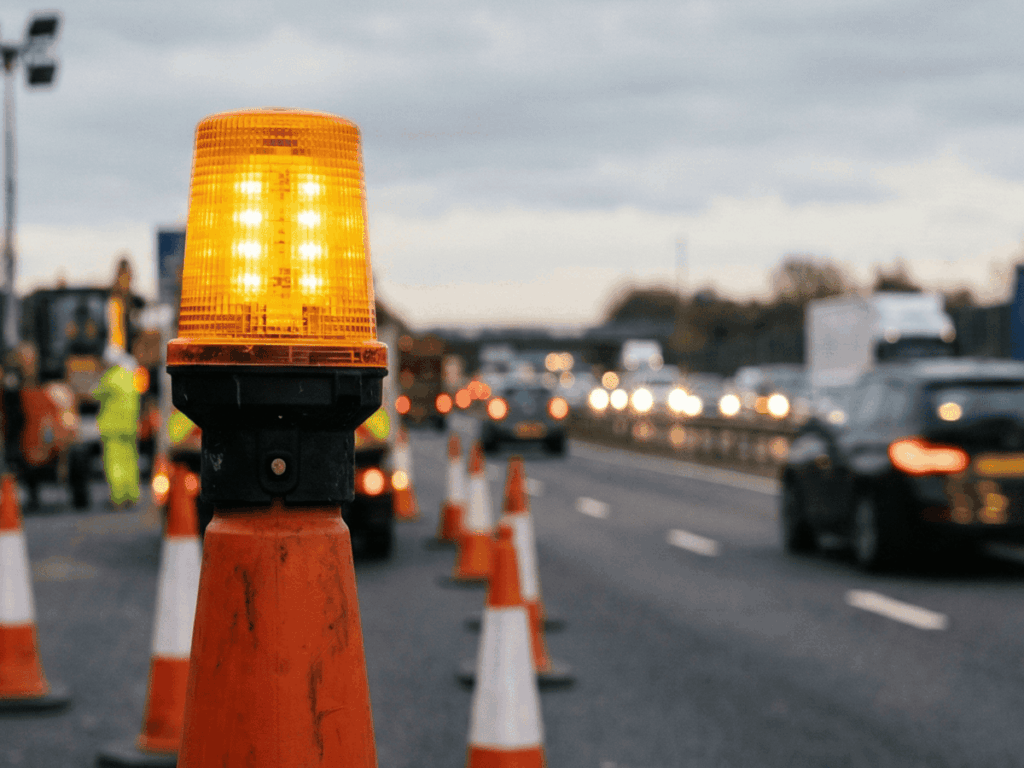
Construction zones need clear signs for drivers and workers. Traffic cones show safe paths and keep people away from danger. Workers use cones to mark where roads change or close. These cones help control traffic for a short time. They make safe lanes and warn about hazards. On job sites, workers put cones to stay safe and guide cars.
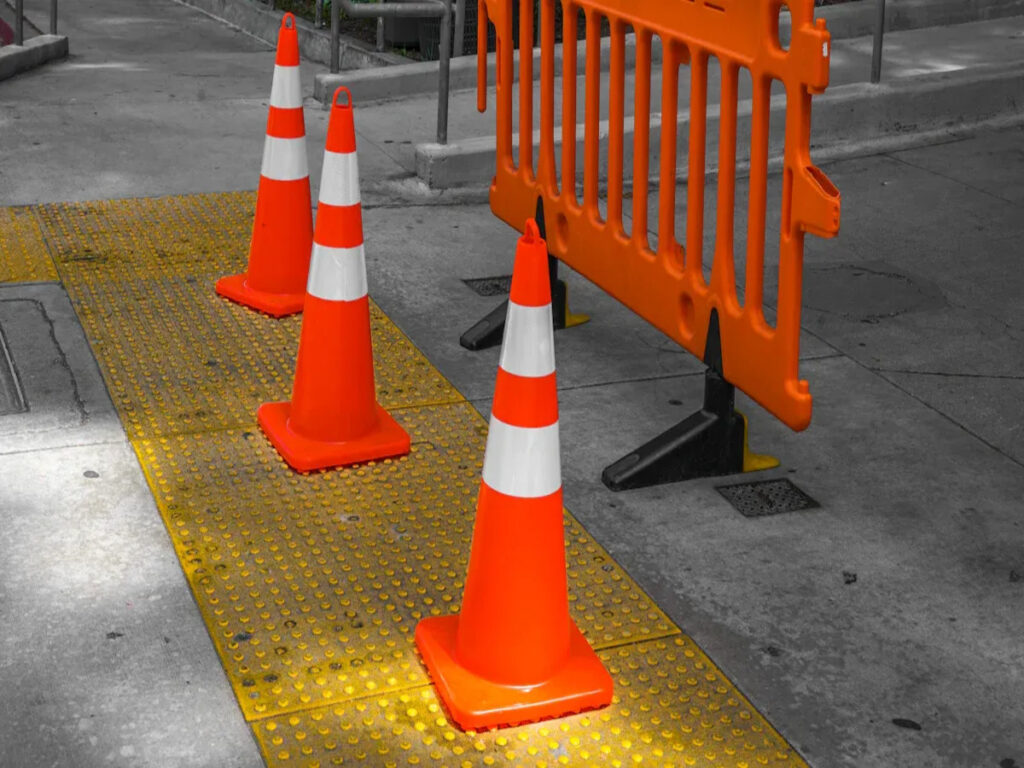
The bright orange color and shiny collars help people see the cones. They stand out at night and in bad weather. Many cones are used in construction, but PVC traffic cones are best. They last long and are easy to see. PVC cones do not break easily and can handle tough weather. The table below lists how cones are used in construction:
| Application Type | Description |
|---|---|
| Roadside Work Zones | Mark areas where road work happens |
| Lane Closures | Close lanes on streets to keep people safe |
| Utility Work | Guide traffic around work sites |
Safety rules say orange cones with shiny collars must be used. The cones should be heavy so they do not fall over in wind. They should not hurt cars if bumped. Workers space cones based on road speed. For example, they use one cone for each mile per hour of the speed limit. Bigger cones, like 42-inch ones, are used on fast roads. These cones are easier to see and protect better.
Tip: Use cones at least 28 inches tall for road closures. This helps drivers see them early.
Events, Parking, and Emergency Use
Traffic cones help manage events, parking lots, and emergencies. At events, cones organize parking and guide people safely. In parking lots, small cones mark spaces and show no-parking zones. For emergencies, first responders use cones to block roads and make safe paths fast.
Different jobs need different cone sizes and colors. Orange cones are used for traffic and road closures. Yellow cones mean caution. Blue cones mark special parking or medical spots. Green cones show eco-friendly projects. Small cones work well in slow areas like parking lots. Big cones are needed on fast roads so people can see them.
Good ways to use cones at events and emergencies are:
- Pick the right size and color for the job.
- Space cones well so people know where to go.
- Use cones with shiny collars for safety at night.
- Make sure cones stay up in wind or busy places.
- Check cones often and replace any that are broken.
PVC traffic cones are easy to set up and see. They are great for quick use in emergencies. You can stack them for fast setup and storage. These cones help keep drivers and people safe in all outdoor places.
Note: Train staff on how to use cones the right way. Always follow local safety rules for the best results.
How PVC Traffic Cones Compare to Other Materials
PVC vs. Rubber and Plastic Cones
There are many kinds of traffic cones for roads. PVC, rubber, and plastic cones have different features. The table below shows how they compare:
| Material | Durability | Cost | Environmental Impact | Specific Applications |
|---|---|---|---|---|
| PVC | High | Cost-effective | Challenges in recycling | Road construction, parking lots |
| Rubber | Very High | Higher initial cost, but long-term savings | Recyclable | Heavy-duty applications, high-traffic areas |
| Standard Plastic (PE) | Moderate | Lightweight, reduces transport costs | Recyclable | Temporary setups, easy handling |
PVC cones are strong and bend easily. They work well for building roads and parking lots. Rubber cones last longer and can take more hits. They are best for busy places or tough jobs. Plastic cones are light and simple to move. People use them for short jobs or when cones need to be moved a lot.
The next table shows more about how long cones last and recycling:
| Material | Durability | Recyclability | Cost | Environmental Impact |
|---|---|---|---|---|
| PVC | High | Recyclable | Low | Moderate |
| Rubber | High | Harder to recycle | High | Lower |
| PE | Moderate | Easier to recycle | Moderate | Moderate |
PVC cones give good strength and cost less. Rubber cones are the toughest. Plastic cones are best for short jobs or quick road work. If you want to learn more about the different materials used in traffic cone manufacturing and their benefits, check out our blog on Three Essential Materials in Traffic Cone Manufacturing.
Durability and Cost Benefits
PVC cones use strong materials that last on roads. They do not fade or break easily. This makes them good for safety and warning people. Rubber cones cost more at first, but they last longer. Over time, rubber cones may save money because you buy fewer new ones.
Total cost is important for traffic managers. Groups that plan for long-term costs can save up to 35% in five years. PVC cones help save money because they are easy to fix and swap. They work for many jobs, like building roads or warning drivers.
PVC traffic cones are easy to see and move around. They help keep roads safe in many ways. These cones are popular because they are not expensive and work well. They help keep people safe on busy streets and at short-term work sites.
Tip: Pick the right cone for each job. PVC cones work for most roads. Rubber cones are best for tough jobs.
PVC traffic cones help keep roads safe and organized. Their bright colors make them easy to see. The strong materials help stop accidents and guide drivers. These cones are not expensive and last a long time. They are simple to use in many places. New designs may use eco-friendly materials or smart features. The need for traffic cones is growing. This shows they are still very important for road safety and traffic control.
FAQ
What makes PVC traffic cones different from other cones?
PVC traffic cones use a flexible and durable material. They resist weather and impacts. Their bright colors stay visible in sunlight and rain. Many cities choose PVC cones for long-lasting road safety.
How should people clean and store PVC traffic cones?
People can clean cones with soap and water. They should let cones dry before stacking. Store cones in a cool, dry place. This helps cones last longer and keeps them ready for use.
Can PVC traffic cones be used in extreme weather?
Yes. PVC traffic cones work in hot and cold weather. They stay flexible in temperatures from -20°C to 55°C. Their color and shape do not change in sun, rain, or snow.
Where do people use PVC traffic cones most often?
People use PVC traffic cones in many places:
- Road construction zones
- Parking lots
- Public events
- Emergency scenes
These cones help guide cars and keep people safe in busy areas.