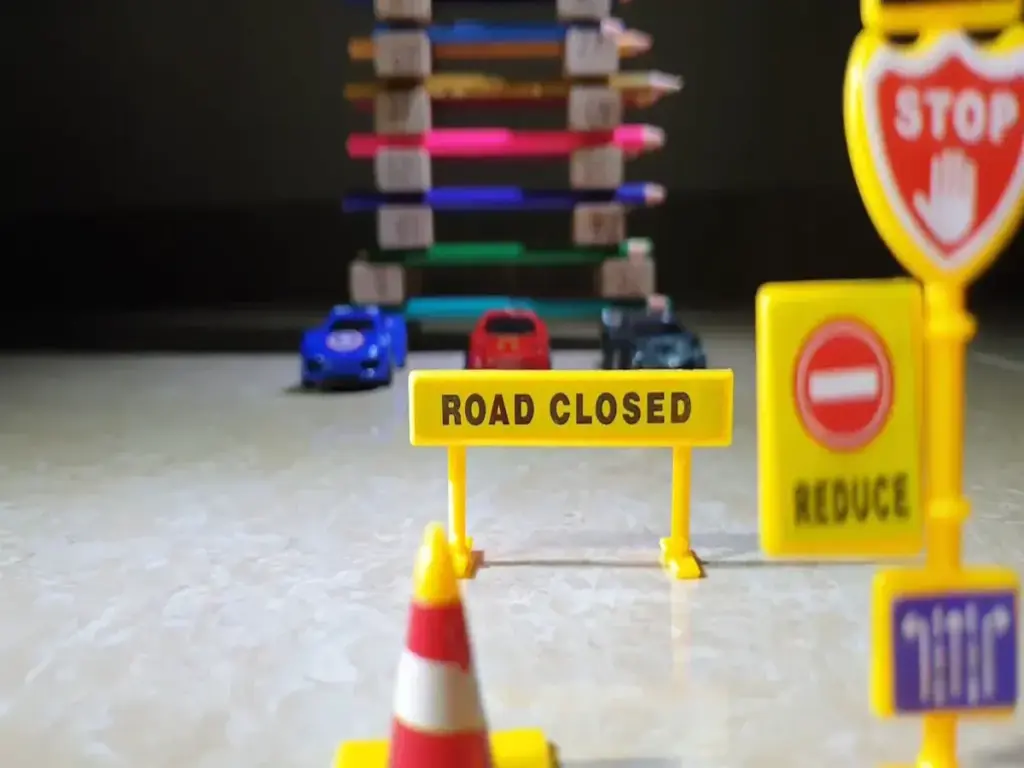
Plastic road signs are made from strong materials. They show important messages to drivers and people walking. These signs help keep everyone safe. They give clear warnings and directions. Plastic road signs are lighter than metal signs. They do not get rusty. You can use them in many places. They work well on busy streets and at construction sites.
OPTRAFFIC provides durable plastic road signs that ensure maximum visibility and safety. Whether you’re managing traffic on urban streets, construction zones, or temporary road closures, our signs are designed to endure the elements and deliver clear guidance. Choose our reliable traffic signs to enhance road safety and efficiency.
What Are Plastic Road Signs?
Key Features and Materials
Plastic road signs are made from strong materials. Makers use acrylic, polycarbonate, PVC foam sheet, and aluminum composite material. Each plastic type has special benefits for safety and how the sign works.
| Type of Plastic | Properties and Applications |
|---|---|
| Acrylic | Tough, does not break easily, costs less, used in flat and pan-faced signs, channel letters, and vacuum-formed uses. |
| Polycarbonate | Blocks UV rays, hard to break, stands up to weather, used for thermoformed and flat sign faces, comes in many colors. |
| PVC Foam Sheet | Strong, can be used in many ways, color stays the same, used for ads, menu boards, kiosks, and raised letters. |
| Aluminum Composite Material | Has a plastic center with metal layers, steady, strong, light, used for POP displays and channel letters. |
Plastic road signs are light and easy to move. Workers can put them up fast. These signs do not rust and can handle bad weather. They last longer in wet or salty places. Many plastic road signs use shiny vinyl or sheets with glass beads or tiny prisms. These help drivers see the signs at night or when it is hard to see.
Plastic signs need less fixing. Workers do not have to clean or repair them often. The signs stay bright and easy to see for a long time. This makes roads safer for everyone.
Comparison With Metal Signs
Plastic road signs and metal signs both help people on the road. They have different good points and uses. The table below shows how they are different in how long they last, how they handle weather, and cost.
| Material | Average Lifespan | Weather Resistance | Notes |
|---|---|---|---|
| Metal | 10-20 years | Great | Best for busy roads and tough weather |
| Plastic | 5-15 years | Good (best in wet/salty places) | Can crack or fade after a while |
Plastic signs cost less to make than metal signs. The table below shows the starting price and best way to use each.
| Material | Initial Cost | Longevity | Best Use |
|---|---|---|---|
| Aluminum | $150–$250 | Lasts a long time | Outside or signs that stay up |
| PVC | $100–$150 | Medium | Signs for short time or inside |
Plastic road signs have many safety features. They use strong plastics, so they are lighter than metal signs. They do not rust and can handle tough weather. Many signs use shiny materials, like glass beads or tiny prism films, to help people see them at night.
| Feature | Description |
|---|---|
| Lightweight and Durable Materials | Plastic road signs use strong plastics, making them much lighter than metal signs. |
| Corrosion and Weather Resistance | Plastic does not rust and can handle bad weather, so it lasts longer. |
| High-Quality Reflective Materials | Signs have glass beads or prism films to help people see them at night. |
| Diverse Color Options | Signs come in many colors to show rules and warnings clearly. |
| Convenient Installation | Easy ways to put up signs mean workers can finish fast and not slow down traffic. |
| Low Maintenance Requirements | Signs need little care, so workers do not have to fix them often. |
Plastic road signs are good for short-term or inside use. Metal signs work best on busy roads or where the weather is rough. Both types help keep roads safe, but plastic road signs are easier to use and put up.
If you want to learn more about the benefits and importance of metal road signs for traffic safety, check out our blog on What Are Metal Road Signs?
Why Are Plastic Road Signs Important for Road Safety?
Road Safety Benefits
Plastic traffic signs help keep roads safe. They warn drivers about changes ahead. These signs show speed limits and turns. They also show places to stop. People walking use these signs to cross streets safely. Workers use plastic road signs during roadwork. Event organizers use them at busy places to guide cars and people.
Plastic traffic signs help build strong road safety systems. They make rules clear for everyone. Drivers know when to slow down. They know when to watch for people crossing. These signs help stop confusion on busy streets. When drivers see clear signs, they make better choices. This lowers the chance of accidents.
Note: Clear signs help everyone follow the rules. This keeps roads safer for drivers, bikers, and walkers.
Plastic signs help during emergencies. Workers can put up these signs fast. They use them to block off dangerous areas. They show new routes when needed. Fast setup means less risk for everyone on the road.
Visibility and Accident Prevention
Visibility is important for road safety. Plastic road signs use bright colors. They use reflective materials too. These features help drivers see signs day and night. Signs with glass beads or microprisms shine in headlights. Drivers notice these signs in rain or fog.
There are many types of reflective materials used in traffic signs. If you’d like to learn more about how to select the best reflective materials for your signs, please check out our blog on Select the Best Reflective Materials for Traffic Signs.
A table below shows how visibility features help prevent accidents:
| Feature | How It Helps Prevent Accidents |
|---|---|
| Bright Colors | Drivers spot signs quickly |
| Reflective Surfaces | Signs stay visible in low light |
| Clear Wording | People understand rules right away |
| Fast Installation | Workers set up signs before traffic builds |
Plastic road signs help reduce traffic jams. Workers use them to guide cars around roadwork or events. Drivers follow the signs and avoid blocked lanes. This keeps traffic moving and lowers stress for everyone.
Plastic road signs help in temporary situations. Workers can move these signs to new spots. This flexibility keeps roads safe during changes. Drivers and walkers know where to go, even when routes change.
Tip: Using plastic road signs in busy or changing areas helps prevent confusion and accidents.
Plastic road signs help make streets safer. They warn, direct, and inform everyone on the road. Their bright colors and reflective surfaces make them easy to see. Quick setup and clear messages help lower accidents and keep traffic moving.
Who Uses and Where to Install Plastic Road Signs
Common Users (Municipalities, Contractors, Events)
Many groups use plastic signs to keep roads safe. Cities put these signs on streets and highways. They follow rules for how high and far from the road signs must be. Contractors use plastic road signs at building sites and roadwork areas. These signs help guide cars and keep workers safe. Event planners use plastic road signs for festivals, races, and parades. They set up signs fast to show people and cars where to go.
Typical Locations and Scenarios
Plastic traffic signs work in many places and situations. Cities use them for detours and new traffic patterns. Rural areas put plastic road signs at sharp turns and narrow bridges. Construction zones need plastic road signs to warn drivers and show safe ways to go. Events use plastic road signs for parking, entrances, and exits.
The table below shows where different materials are used:
| Material Type | Typical Use | Durability / Lifespan | Key Characteristics & Notes |
|---|---|---|---|
| Corrugated Plastic (Corflute) | Building sites, short-term | ~3 months | Lightweight, easy to install, best for quick jobs |
| Standard Plastics (PVC foam) | Temporary outdoor signs | <5 years | Medium strength, good for short use |
| Aluminium Composite Material | Medium/long-term outdoor signs | 5+ years | Strong, neat, lasts in sun and rain |
| Metal Signs | Permanent road signs | 5+ years | Best for busy or permanent places |
When and How to Install Plastic Road Signs
Installation Guidelines
Putting up plastic road signs helps keep roads safe. Workers need to follow steps so signs stay easy to see and strong. The table below shows important rules for installing these signs:
| Guideline | Description |
|---|---|
| Visibility | Put signs where drivers can see them from many places. |
| Regular Checks | Look at signs often to make sure they are clean and steady. |
| Material Choice | Use strong posts, like recycled plastic or metal, so they do not rust. |
| Secure Installation | Make sure signs are tight and steady, even in bad weather. |
| Safety Protocols | Wear safety gear and use barriers when putting up signs. |
Replacement and Maintenance
Taking care of plastic road signs helps them last longer. Workers should check signs for damage, fading, or dirt. The list below shows good ways to keep signs working in busy places:
- Use materials that can handle rain and sun.
- Check signs often for cracks, wear, or graffiti.
- Clean signs with soft brushes and gentle cleaners to keep them bright.
- Change reflective parts if they stop shining.
- Cut branches or leaves that block signs.
Signs need to be replaced when they get worn out or stop reflecting light. The table below shows how long plastic and metal signs last:
| Sign Type | Lifespan |
|---|---|
| Plastic | 1-2 years |
| Aluminum | Up to 8 years |
Tip: Checking and cleaning plastic road signs often helps them stay bright and easy to see.
Limitations and Considerations
Durability and Weather Resistance
Plastic safety signs help keep roads safe. They are light, so workers can put them up easily. But bad weather can make these products wear out faster. Storms, strong winds, and hot sun can damage some plastics. For example, PVC signs last 5–7 years in normal weather. In places with harsh weather, they last only 1–3 years. Corrugated plastic signs last 1–2 years outside if the weather is not too bad. Wind-resistant materials help signs stay put during storms. Picking the right material is very important. Contractors and city planners choose strong plastics for tough weather. Plastic road signs must handle rain, snow, and lots of cars. Checking these signs often helps find damage early and keeps roads safe.
If you are considering durable materials for your next project, corrugated plastic signs could be a great option. To explore why they are an excellent choice, take a look at our blog on Why Choose Corrugated Plastic Sign Board for Your Next Project.
Environmental Impact and Recycling
Plastic signs can help the environment. Making old-style road sign stands uses lots of energy and materials. This can cause pollution and release greenhouse gases. Some plastics cannot be recycled, so they end up in landfills and may leak chemicals. Many companies now use recycled materials to make plastic road signs. This saves new resources and helps reuse old ones. Some plastics come from plants and break down easier. The table below shows ways to make these products better for the planet:
| Sustainable Practice | Description |
|---|---|
| Use of Recycled Materials | Using all recycled plastic for sign poles and studs helps reuse old plastic. |
| Water Conservation | Factories clean and reuse water to stop waste and pollution. |
| Zero Waste Philosophy | Recycling plastic every day keeps trash out of landfills and stops pollution. |
Plastic traffic signs have lots of good points. They are light and not expensive. Workers can put them up fast. Cities and builders use them for quick changes. They also use them for short-term jobs. Experts say to clean the spot before putting up a sign. They also say to mark where the sign will go. It is important to check if people can see the sign well. Signs made from recycled or plant-based stuff help the earth. Many new ideas focus on green and smart road signs.
| Source | Key Trend |
|---|---|
| Road Sign Structure Market Future Trends | Want for earth-friendly materials |
| Traffic Signs Market Expansion Trends | Use of smart and solar-powered signs |
Picking the best sign means you must think about where it goes, what it is for, and how long you need it.
FAQ
What makes plastic road signs easy to install?
Plastic signs are lighter than metal ones. Workers can move them without much effort. They set up these signs fast. Flexible mounting systems make putting up signs simple.
How do plastic road signs stay visible at night?
Manufacturers add reflective materials to the signs. These include glass beads or microprisms. Headlights make the signs shine at night. Drivers can see them even when it is dark.
Who uses plastic road signs most often?
Cities use plastic signs a lot. Contractors and event planners use them too. These signs work well for construction, festivals, and traffic changes.
Can plastic road signs be recycled?
Many plastic road signs are made from recycled materials. Some signs can be recycled again after use. This helps cut down on waste and supports green efforts.
What is the typical lifespan of a plastic road sign?
Plastic road signs last from 1 to 7 years. How long they last depends on weather and where they are used. The type of material matters too. Cleaning and checking signs helps them last longer.