Highway safety compliance requires strict adherence to federal standards. The Manual on Uniform Traffic Control Devices (MUTCD) dictates specific lighting requirements. Site foremen must distinguish between different equipment types to ensure driver safety. Choosing the wrong LED barricade light leads to failed Department of Transportation (DOT) inspections. Professionals solve this by matching the light flash pattern to the specific hazard.
Buyers must understand broader industry standards before finalizing bulk orders. Discover complete technical specifications and federal compliance rules today. Read our foundational resource: The Ultimate Guide to Work Zone LED Warning Lights: Safety, Compliance, and Performance. This comprehensive guide helps you select the perfect safety equipment.
Understanding the MUTCD Functional Classifications
The MUTCD categorizes warning lights based on their visual behavior and intensity. These classifications ensure consistent communication with motorists nationwide.
What Defines an LED Barricade Light?
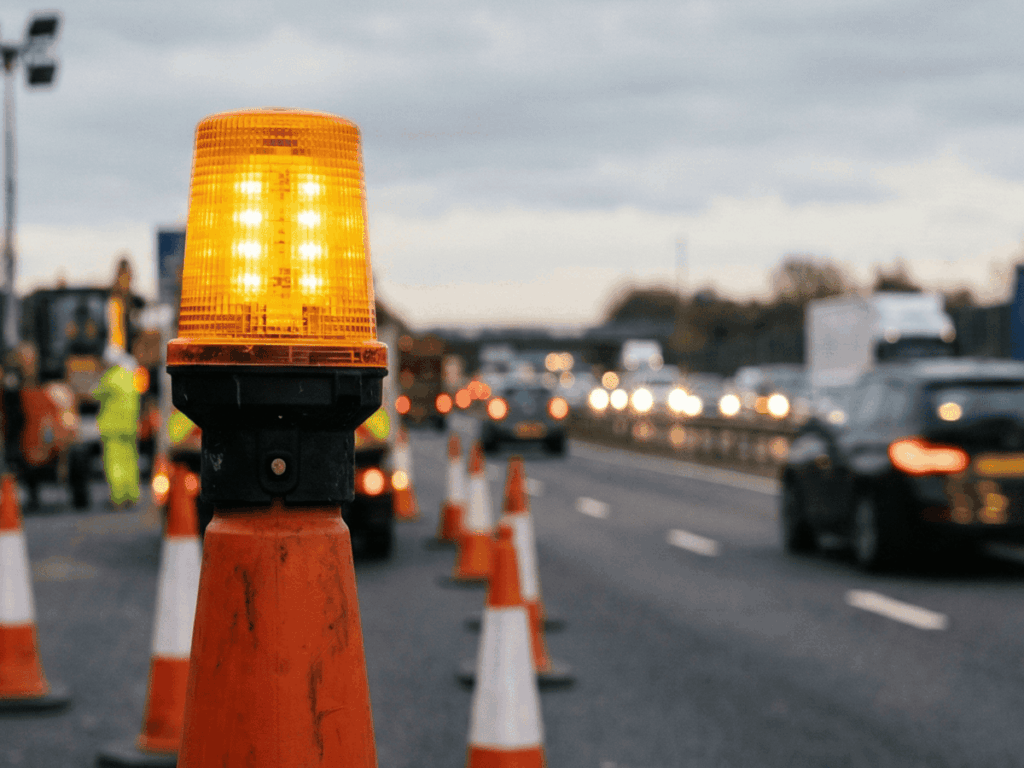
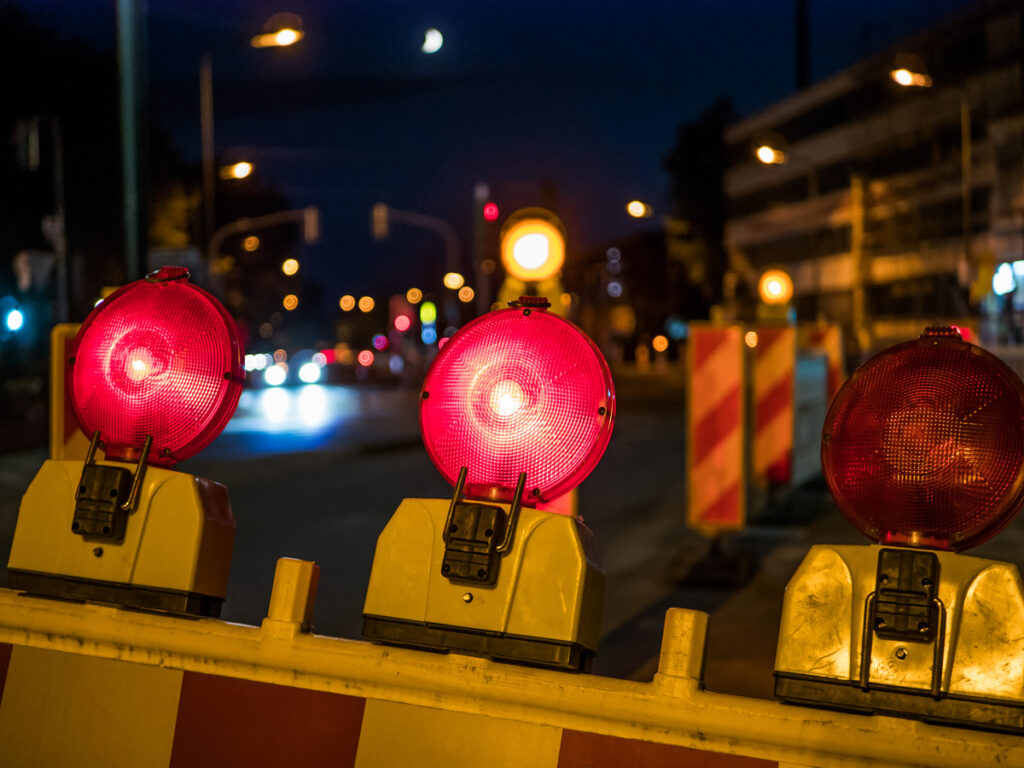
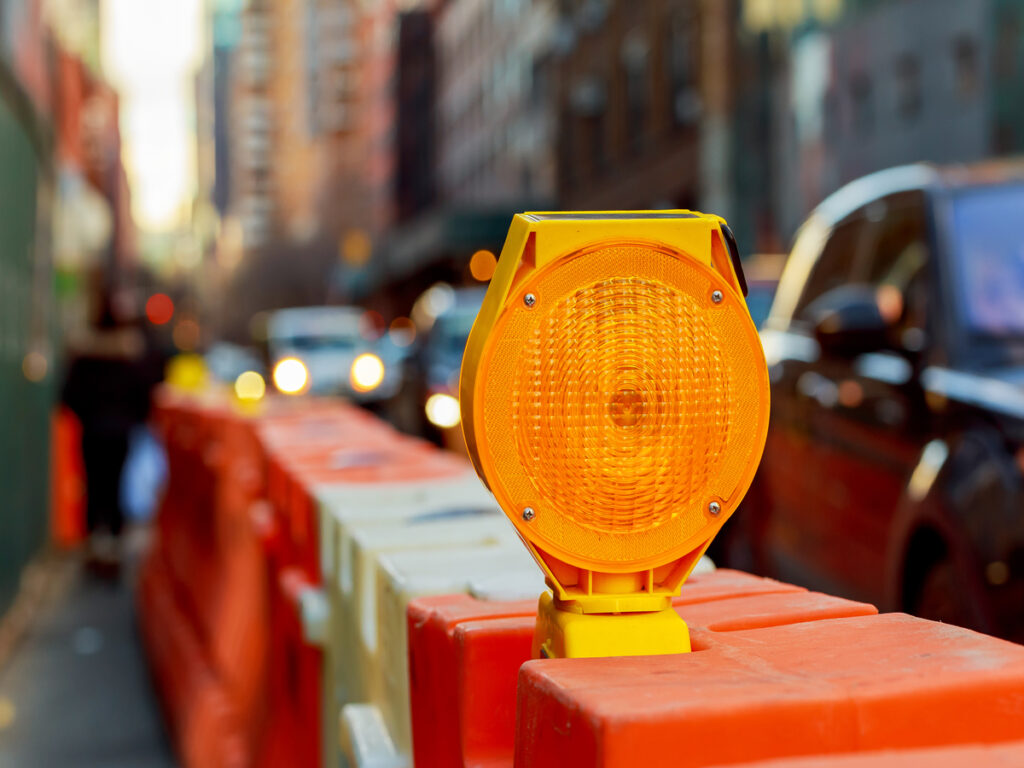
An LED barricade light is a low-intensity warning device. It mounts directly onto barricades, drums, or vertical panels. These lights primarily function during nighttime or low-visibility conditions. Modern units utilize high-efficiency LEDs to maximize battery life and optical clarity.
Type A vs. Type C: The Core Differences
The primary difference lies in how the light presents itself to the driver. One flashes to command attention, while the other burns steadily to guide movement.
Functions of a Type A LED Barricade Light
Type A units are “Flashing” lights. They emit a rhythmic pulse of light throughout the night. Their primary goal is to warn drivers of a specific, localized hazard. The flashing motion triggers an immediate “caution” response in the human brain.
Functions of a Type C LED Barricade Light
Type C units are “Steady-Burn” lights. They provide a constant, unwavering glow without flashing. These lights help motorists track the exact path of a temporary travel lane. Steady-burn units prevent the “stroboscopic effect” that confuses drivers in complex curves.
DOT Compliance: Application Comparison Table
Selecting the wrong LED barricade light creates legal liability for contractors. Use the table below to determine the correct equipment for your work zone.
| Work Zone Application | Recommended MUTCD Type | Light Behavior | Primary Purpose |
| Individual Hazards (e.g., a hole or pile) | Type A | Flashing | Warning of a specific spot |
| Channelization (e.g., lane closures) | Type C | Steady-Burn | Guiding traffic flow |
| Taper Sections (e.g., merging areas) | Type C | Steady-Burn | Defining the lane shift |
| General Road Closures | Type A | Flashing | Commanding drivers to stop |
Why Procurement Managers Prioritize Certified Equipment
Purchasing uncertified equipment risks project delays and government fines. Professional LED barricade lights must meet ITE (Institute of Transportation Engineers) optical standards.
Ensuring Nighttime Visibility Distance
A compliant LED barricade light must be visible from 3,000 feet on a clear night. This distance gives high-speed drivers enough time to react safely. High-quality polycarbonate lenses focus the LED output into a precise, horizontal beam.
Implementing Automatic Photocell Control
Manual light management is impossible on massive infrastructure projects. Compliant units feature integrated photocells. The sensor activates the LED barricade light automatically at dusk. It deactivates the unit at dawn to preserve internal battery power. This automation ensures 100% compliance without manual labor costs.
Conclusion: Secure Your Work Zone with the Correct Lighting
Choosing between Type A and Type C is critical for safety and legal protection. Flashing lights warn of hazards, while steady-burn lights guide traffic. Procurement managers must evaluate their project layout before placing bulk orders. Proper equipment ensures your site remains compliant with all DOT regulations.
Optraffic manufactures professional LED barricade lights that exceed MUTCD and ITE standards. Procurement managers across the US, UK, and Australia rely on Optraffic for high-volume deployments. Our engineering team builds durable, photocell-controlled units for the toughest highway environments. Contact Optraffic today to secure the correct Type A or Type C lighting for your fleet.
Navigate complex optical specifications and global compliance standards perfectly using our comprehensive purchasing guide: LED Warning Lights for Road Safety: What to Know Before You Buy.
Frequently Asked Questions (FAQ)
Can I use Type A lights for lane channelization?
No. The MUTCD prohibits flashing lights for long channelization lines. Flashing lights confuse drivers during lane shifts. You must use Type C steady-burn LED barricade lights to guide traffic flow.
What is the visibility requirement for an LED barricade light?
Federal standards require visibility from at least 3,000 feet at night. This distance ensures drivers have enough time to slow down or merge safely.
Do LED barricade lights work during the daytime?
No. Type A and Type C lights are low-intensity devices designed for nighttime use. They utilize photocells to remain off during the day. This saves battery power for when it is needed most.
How do I install an LED barricade light?
These units feature a standard mounting bolt at the base. They attach securely to the top of traffic drums, A-frame barricades, or vertical panels. The tamper-proof bolt prevents theft on active construction sites.
Which is better: Solar or Battery LED barricade lights?
Solar units offer a much higher ROI for long-term highway projects. They eliminate the labor costs associated with manual battery replacements. Battery units are suitable for very short-term emergency repairs.