यातायात संकेत सामग्री यह इस बात के लिए महत्वपूर्ण है कि इंजीनियर माउंटिंग छेद कैसे बनाते हैं. एल्युमीनियम हल्का होता है और आसानी से जंग नहीं लगता. कई सरकारी समूह एल्युमीनियम चुनते हैं क्योंकि यह लंबे समय तक चलता है और इसे कम देखभाल की आवश्यकता होती है. एल्युमीनियम मजबूत है लेकिन भारी नहीं है, इसलिए इसे लगाना आसान है और लागत भी कम है. ये विशेषताएं संकेतों को हवा और मौसम का सामना करने में मदद करती हैं, लोगों को सुरक्षित रखें, और चिन्हों को कई वर्षों तक कायम रखें.
पर ऑप्टट्रैफ़िक, हम उच्च गुणवत्ता की पेशकश करते हैं एल्यूमीनियम यातायात संकेत इन मानकों को पूरा करने के लिए डिज़ाइन किया गया, आने वाले वर्षों के लिए स्थायित्व और विश्वसनीयता प्रदान करना. चाहे आपको ऐसे संकेतों की आवश्यकता हो जो कठोर परिस्थितियों का सामना कर सकें या ऐसे संकेतों की जो आसान स्थापना प्रदान करते हों, OPTRAFFIC ने आपको कवर किया है.
चाबी छीनना
- यातायात संकेतों के लिए एल्युमीनियम एक लोकप्रिय सामग्री है. यह हल्का है और जंग नहीं लगता. इससे इसे लगाना और देखभाल करना आसान हो जाता है.
- संकेतों में अच्छा छेद डिज़ाइन हवा के बल को कम कर सकता है. यह तूफानों में संकेत को स्थिर और सुरक्षित रहने में मदद करता है.
- सर्वोत्तम छेद वाले स्थानों को खोजने के लिए इंजीनियरों को सीएफडी सिमुलेशन का उपयोग करना चाहिए. इससे संकेतों को तेज़ हवा का सामना करने में मदद मिलती है.
- साइन सुरक्षा के लिए सही माउंटिंग हार्डवेयर चुनना बहुत महत्वपूर्ण है. प्रत्येक सामग्री को सर्वोत्तम पकड़ के लिए विशेष फास्टनरों की आवश्यकता होती है.
- सुरक्षा और स्पष्ट दृश्य के लिए अक्सर संकेतों की जाँच करना और उन्हें ठीक करना आवश्यक होता है. खराब मौसम या क्षति के बाद यह अतिरिक्त महत्वपूर्ण है.
ट्रैफ़िक साइन सामग्री और होल डिज़ाइन
एल्यूमिनियम गुण और छेद प्लेसमेंट
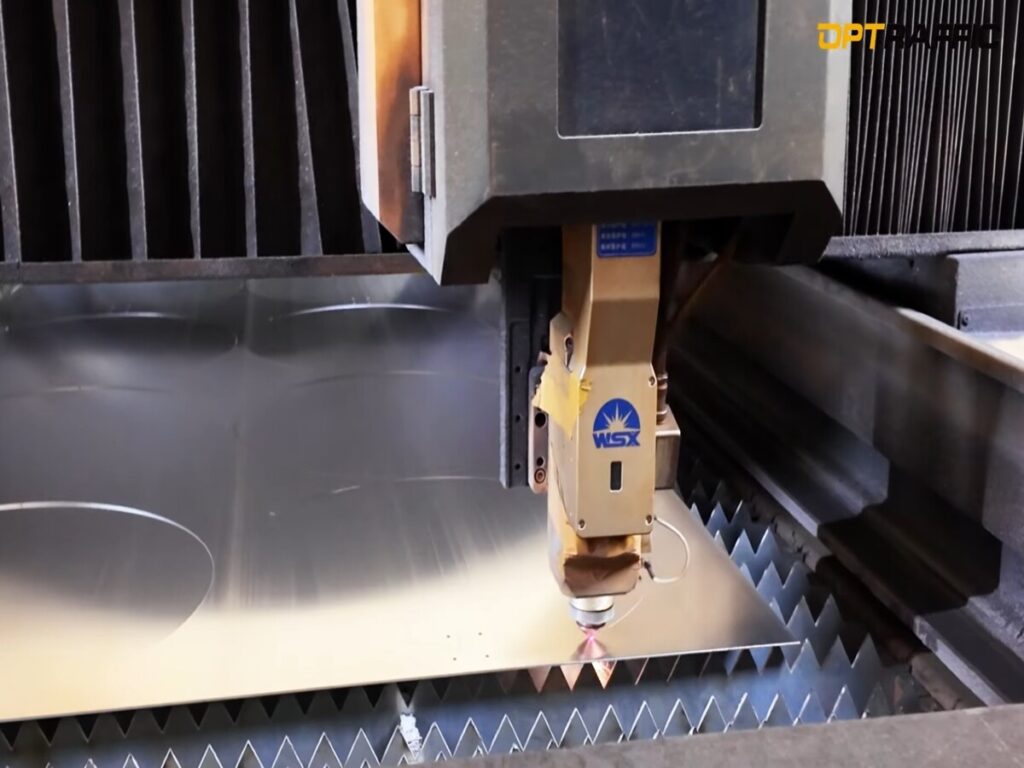
एल्युमीनियम अधिकांश अन्य की तुलना में हल्का होता है यातायात संकेत सामग्री. यह जंग नहीं है, यहां तक कि जब बारिश या बर्फबारी होती है. कई इंजीनियर एल्युमीनियम चुनते हैं क्योंकि यह बाहर लंबे समय तक चलता है. यह उन संकेतों के लिए बहुत अच्छा है जो सूरज की ओर देखते हैं, बारिश, और बर्फ. एल्युमीनियम नरम होता है, ताकि श्रमिक आसानी से छेद कर सकें. वे चिन्ह को नुकसान पहुंचाए बिना छेद करने के लिए लेजर कटर या अन्य उपकरणों का उपयोग कर सकते हैं.
बख्शीश: एनोडाइज्ड या पाउडर-लेपित फिनिश मदद करती है एल्यूमीनियम संकेत अब पिछले.
एल्युमिनियम बिना टूटे मुड़ता है, इसलिए डिज़ाइनर छेदों को एक-दूसरे के करीब रख सकते हैं. यदि आवश्यक हो तो वे विशेष छेद पैटर्न भी बना सकते हैं. इससे तब मदद मिलती है जब किसी चिन्ह को कई माउंटिंग पॉइंट या विशेष आकार की आवश्यकता होती है. नीचे दी गई तालिका से पता चलता है कि संक्षारण प्रतिरोध और अन्य विशेषताओं के लिए एल्युमीनियम अन्य ट्रैफ़िक साइन सामग्रियों की तुलना में कैसे है:
| सामग्री | संक्षारण प्रतिरोध | अन्य गुण | बाहरी उपयोग नोट्स |
|---|---|---|---|
| अल्युमीनियम | जंग या संक्षारण नहीं करता | रोशनी, मज़बूत, पैसे बचाता है | बारिश को संभालता है, बर्फ, सूरज, और आसानी से गरम करें |
| स्टेनलेस स्टील | जंग रोकने में सर्वश्रेष्ठ, खराब मौसम में भी | मज़बूत, चमकदार, थोड़ी देखभाल की जरूरत है | नमकीन हवा के लिए अच्छा है लेकिन भारी है और इसकी कीमत अधिक है |
| पीतल | जंग रोकता है, एक पेटिना मिलता है | तक चलता है, क्लासिक दिखता है | वर्षों तक अच्छा रहता है, थोड़ा काम चाहिए |
| एलुमालाईट | एल्यूमीनियम शीट के कारण मजबूत रहता है | रोशनी, अकड़न | मौसम बदलने पर अच्छा काम करता है |
इस बारे में अधिक जानने के लिए कि एल्यूमीनियम यातायात संकेतों के लिए आदर्श सामग्री क्यों है, हमारे ब्लॉग की जाँच करें: एल्युमीनियम को यातायात संकेतों के लिए आदर्श सामग्री क्या बनाती है?.
इस्पात की मजबूती और ड्रिलिंग आवश्यकताएँ
स्टील बहुत मजबूत होता है और लंबे समय तक चलता है. हेवी-ड्यूटी के लिए यह एक अच्छा विकल्प है यातायात संकेत सामग्री. स्टील के संकेत तेज़ हवाओं और थपेड़ों का सामना कर सकता है. लेकिन स्टील एल्युमीनियम की तुलना में अधिक कठोर होता है, इसलिए छेद करना अधिक कठिन है. छेद बनाने के लिए श्रमिकों को मजबूत ड्रिल या पंचिंग मशीनों की आवश्यकता होती है.
में छेद स्टील के संकेत सावधानीपूर्वक योजना बनाई जानी चाहिए. यदि छेद बहुत करीब हैं, संकेत कमजोर हो सकता है. छिद्रों के बीच का आकार और स्थान बदल जाता है कि चिन्ह हवा को कैसे संभालता है.
स्टील के संकेत जंग रोकने के लिए अतिरिक्त सहायता की आवश्यकता है, विशेष रूप से छिद्रों के पास. गैल्वनाइज्ड या पाउडर-लेपित फिनिश स्टील के संकेतों को लंबे समय तक मजबूत और सुरक्षित रखती है.
समग्र सामग्री और लचीलापन
कंपोजिट मटेरियल, एल्यूमीनियम मिश्रित पैनलों की तरह, के लिए लचीले हैं यातायात संकेत सामग्री. इन पैनलों में एल्यूमीनियम की परतें और अंदर एक कोर होता है. यह उन्हें एक ही समय में हल्का और कठोर बनाता है. डिज़ाइनर इन पैनलों को कई आकार और साइज़ में काट सकते हैं. पूर्व-ड्रिल किए गए छेद साइन लगाना तेज़ और आसान बनाते हैं.
- समग्र पैनल आपको देते हैं:
- विशेष छेद पैटर्न और आकार बनाएं
- विभिन्न माउंटिंग आवश्यकताओं के लिए चिह्न बदलें
- हर तरह के मौसम में अच्छे से काम करते रहें
इस लचीलेपन का मतलब है कि समग्र संकेत कई उपयोगों के लिए उपयुक्त हैं. वे नियमित और कस्टम ट्रैफ़िक संकेतों दोनों के लिए अच्छे हैं. उनमें जंग नहीं लगती और वे सटीक छेद पैटर्न धारण कर सकते हैं, इसलिए वे आज की सड़कों के लिए एक स्मार्ट विकल्प हैं.
पवन भार, सीएफडी सिमुलेशन, और छेद अनुकूलन
पवन भार को कम करने में छिद्रों की भूमिका
यातायात संकेतों में छेद पवन भार प्रतिरोध में महत्वपूर्ण भूमिका निभाते हैं. जब हवा किसी ठोस चिन्ह से टकराती है, यह सतह पर उच्च वायु दबाव वितरण बनाता है. इस दबाव के कारण साइन मुड़ सकता है या टूट भी सकता है. साइन के माध्यम से हवा को गुजरने देने के लिए इंजीनियर छेद का उपयोग करते हैं. यह उस बल को कम कर देता है जो संकेत के विरुद्ध धकेलता है.
कई अध्ययनों से पता चलता है कि छेद जोड़ने से हवा का भार लगभग कम हो सकता है 20%. उदाहरण के लिए, छिद्रों को ढकने वाला एक चिन्ह 2.5% इसके क्षेत्र से पवन भार में गिरावट देखी जा सकती है 35 पीएसएफ को 27.18 पीएसएफ. यह परिवर्तन तूफानों के दौरान संकेतों को स्थिर रहने में मदद करता है. इसका मतलब यह भी है कि पोस्ट और माउंटिंग हार्डवेयर को उतना भारी होने की आवश्यकता नहीं है.
होल प्लेसमेंट के लिए सीएफडी सिमुलेशन
विभिन्न छेद पैटर्न का परीक्षण करने के लिए इंजीनियर सीएफडी सिमुलेशन का उपयोग करते हैं. वे यह देखने के लिए कम्प्यूटेशनल तरल गतिकी का उपयोग करते हैं कि किसी चिन्ह के चारों ओर हवा कैसे बहती है. ये परीक्षण दिखाते हैं कि हवा का दबाव कहाँ सबसे अधिक है. छिद्रों की संख्या और स्थिति को बदलकर, वे पवन भार प्रतिरोध को कम कर सकते हैं.
सीएफडी सिमुलेशन इंजीनियरों को महत्वपूर्ण सवालों के जवाब देने में मदद करता है:
- हवा के भार को सबसे अधिक कम करने के लिए छेद कहाँ होने चाहिए??
- सर्वोत्तम पवन भार प्रतिरोध के लिए कितने छिद्रों की आवश्यकता होती है??
- ताकत और वायु प्रवाह को संतुलित करने के लिए प्रत्येक छेद का आकार क्या होना चाहिए?
सीएफडी सिमुलेशन से पता चलता है कि छेद के स्थान में छोटे बदलाव एक बड़ा अंतर ला सकते हैं. उदाहरण के लिए, साइन पर छिद्रों को समान रूप से फैलाने से हवा के दबाव वितरण को संतुलित करने में मदद मिलती है. अच्छी तरह से लगाए गए छेद वाले संकेत तेज़ हवाओं को बेहतर ढंग से संभालते हैं. इंजीनियर संकेत बनाने से पहले अपने डिज़ाइन की जांच करने के लिए पवन भार सिमुलेशन का उपयोग करते हैं.
दुर्घटना सुरक्षा और स्थिरता पर प्रभाव
छेद का डिज़ाइन पवन भार प्रतिरोध से कहीं अधिक प्रभावित करता है. यह दुर्घटना सुरक्षा और साइन स्थिरता में भी भूमिका निभाता है. जब कोई कार टकराती है: संकेत, छेद यह नियंत्रित करने में मदद कर सकते हैं कि चिन्ह कैसे मुड़ता या टूटता है. सही छेद पैटर्न वाले संकेत ऊर्जा को अवशोषित कर सकते हैं और चोट के जोखिम को कम कर सकते हैं.
इंस्टालेशन, जंग, और साइन दृश्यता
माउंटिंग हार्डवेयर संगतता
सही माउंटिंग हार्डवेयर चुनने से संकेत सुरक्षित और मजबूत रहते हैं. विभिन्न साइन सामग्री और छेद डिज़ाइन के लिए विशेष हार्डवेयर की आवश्यकता होती है. कुछ सामान्य हार्डवेयर पागल हैं, बोल्ट, वाशर, शिकंजा, और फास्टनरों. ये यू-चैनल के साथ काम करते हैं, वर्ग, और फाइबरग्लास पोस्ट. अपने ट्रैफ़िक साइन इंस्टालेशन के लिए सही हार्डवेयर का चयन करने के बारे में अधिक जानने के लिए, हमारे ब्लॉग की जाँच करें: सही ट्रैफिक साइन हार्डवेयर कैसे चुनें.
नीचे दी गई तालिका दिखाती है कि कौन सा हार्डवेयर प्रत्येक पोस्ट में फिट बैठता है और प्रत्येक किट में क्या है:
| माउंटिंग हार्डवेयर प्रकार | संगत साइन पोस्ट प्रकार | शामिल घटक |
|---|---|---|
| स्क्वायर साइन पोस्ट के लिए साइन हार्डवेयर किट | चौकोर साइन पोस्ट | 2 हेक्स हेड बोल्ट, 2 हेक्स नट, 4 फ्लैट वाशर |
| यू-चैनल साइन पोस्ट के लिए साइन हार्डवेयर किट | यू-चैनल साइन पोस्ट | 2 हेक्स हेड बोल्ट, 2 हेक्स नट, 4 फ्लैट वाशर |
| साइन बोल्टिंग सेट | यू-चैनल, वर्ग, फाइबरग्लास पोस्ट | विभिन्न बोल्ट और वॉशर |
| टैम्परप्रूफ वन वे बोल्ट सेट | यू-चैनल, फाइबरग्लास पोस्ट | वन वे बोल्ट, तोड़ने वाले मेवे |
आप किसी चिन्ह को कैसे लगाते हैं यह बदल जाता है कि वह कितनी तेजी से और अच्छी तरह ऊपर जाता है. कंक्रीट पर लगे बोल्ट संकेतों को कड़ा बनाए रखते हैं और आसानी से ढीले नहीं होते हैं. धातु की दीवारों पर चुंबक संकेत तो जल्दी दे देते हैं लेकिन उतने मजबूत नहीं होते. पेंच कई सतहों पर काम करते हैं और अगर उनमें जंग न लगे तो वे लंबे समय तक चलते हैं.
छिद्रों के आसपास संक्षारण प्रतिरोध
छिद्रों के पास संक्षारण संकेत को कमजोर बना सकता है और लंबे समय तक नहीं टिक सकता. जंग और क्षति को रोकने के लिए प्रत्येक सामग्री को अपने तरीके की आवश्यकता होती है. नीचे दी गई तालिका छिद्रों को सुरक्षित रखने के सर्वोत्तम तरीके दिखाती है एल्यूमीनियम संकेत, स्टील के संकेत, और समग्र संकेत:
| तरीका | सामग्री | विवरण |
|---|---|---|
| बिजली से धातु चढ़ाने की क्रिया | इस्पात | स्टील को जंग लगने से बचाने का एक दीर्घकालिक तरीका. |
| फाइबर-प्रबलित पॉलिमर | अल्युमीनियम | एल्यूमीनियम के लिए उपयोग किया जाता है, खासकर जब वेल्ड में दरार आ जाए. |
| छोटे-छोटे छेद करना | अल्युमीनियम | एफआरपी कंपोजिट का उपयोग करने से पहले छोटे छेद दरारें रोकने में मदद करते हैं. |
संक्षारण यातायात व्यवस्था को कमजोर बनाता है. पुलों, डंडे, और संकेत कम वजन रख सकते हैं. यह खतरनाक हो सकता है और इसे जल्द ठीक करने की जरूरत है.
इंजीनियर पवन सुरंग परीक्षणों का उपयोग यह देखने के लिए करते हैं कि कोटिंग्स और छेद वाले स्थान कैसे मदद करते हैं. ये परीक्षण संकेतों को मजबूत और सुरक्षित रखने के सर्वोत्तम तरीके दिखाते हैं.
साइन दृश्यता और रखरखाव पर प्रभाव
छेद का डिज़ाइन और सामग्री दोनों बदल देते हैं कि संकेत देखना और देखभाल करना कितना आसान हो गया है. विशेष छेद वाले संकेत हवा का बेहतर सामना करते हैं लेकिन स्पष्ट रहने के लिए अतिरिक्त देखभाल की आवश्यकता हो सकती है. पवन सुरंग परीक्षणों से पता चलता है कि सही छेद पैटर्न हवा और संकेत देखने दोनों में मदद कर सकता है. गोलियों के छेद या क्षति वाले चिह्न देखना कठिन है, खासकर रात में, और इसे तेजी से ठीक किया जाना चाहिए.
नीचे दी गई तालिका विभिन्न प्रकार के छिद्रों के लिए सामान्य समस्याओं को सूचीबद्ध करती है:
| छेद का प्रकार | रखरखाव चुनौती |
|---|---|
| इंजीनियर्ड वेध | हवा के लिए बनाया गया, लेकिन शब्दों को स्पष्ट और सुरक्षित रखने के लिए विशेष देखभाल की आवश्यकता हो सकती है. |
| बर्बरता (उदा।, गोली के छेद) | गोलियों के छेद से संकेतों को पढ़ना मुश्किल हो जाता है, खासकर रात में, इसलिए उन्हें त्वरित सुधार या नए संकेतों की आवश्यकता है. |
| अतिचित्रित चिह्न | सफ़ाई से संकेत को नुकसान पहुँच सकता है, इसलिए यदि इसे सही ढंग से नहीं किया गया तो इसे बदलने की आवश्यकता हो सकती है. |
| फीका संकेत | पुराने फीके संकेतों को आसानी से देखने के लिए बदला जाना चाहिए. |
पवन सुरंग परीक्षण से इंजीनियरों को यह देखने में मदद मिलती है कि छेद कैसे संकेत की ताकत बदलते हैं और उन्हें पढ़ना कितना आसान है. वे इन परिणामों का उपयोग संकेतों को लंबे समय तक बनाए रखने और स्पष्ट रहने के लिए करते हैं. संकेतों की बार-बार जांच करने और उन्हें ठीक करने से उन्हें देखना आसान रहता है और खराब मौसम में भी वे मजबूत रहते हैं.
सामग्री द्वारा छेद डिज़ाइन के लिए सर्वोत्तम अभ्यास
यातायात चिन्हों में छेद करते समय, आपको सामग्री के बारे में सोचने की ज़रूरत है. एल्यूमीनियम हल्का है और जंग नहीं करता है, इसलिए इसे ड्रिल करना आसान है. आप साइन को तोड़े बिना छेदों को एक-दूसरे के करीब रख सकते हैं. स्टील बहुत मजबूत है लेकिन ड्रिल करना कठिन है. श्रमिकों को इस्पात के लिए विशेष उपकरणों की आवश्यकता होती है. स्टील में छेद बहुत करीब नहीं होने चाहिए अन्यथा संकेत कमजोर हो सकता है. मिश्रित सामग्रियाँ हल्की और कठोर होती हैं. वे आपको कई आकृतियाँ और छेद पैटर्न बनाने देते हैं. समग्र संकेतों में पूर्व-ड्रिल किए गए छेद उन्हें तेजी से स्थापित करते हैं. छिद्रों के पास जंग को रोकने के लिए प्रत्येक सामग्री को अपने तरीके की आवश्यकता होती है. सही फिनिश का उपयोग करने से संकेतों को लंबे समय तक टिकने में मदद मिलती है. यह सुनिश्चित करने के लिए कि यह अभी भी मजबूत है, छेद करने के बाद हमेशा चिन्ह की जाँच करें.
यातायात संकेत सामग्री बदलें कि छेद कैसे बनाये जाते हैं और संकेत कैसे रहते हैं. आपके द्वारा चुनी गई सामग्री संकेतों को लंबे समय तक बनाए रख सकती है. यह संकेतों को बारिश का सामना करने में भी मदद करता है, बर्फ, और सूर्य. यदि आप सर्वोत्तम सामग्रियों का उपयोग करते हैं, आपको संकेतों को बार-बार बदलने की आवश्यकता नहीं है. यह सड़कों को सभी के लिए सुरक्षित रखता है. इंजीनियरों को हवा के बारे में सोचना होगा, कितने आसान संकेत देखना है, और सामग्री क्या कर सकती है. ये चीजें संकेतों को सुरक्षित बनाने और बेहतर काम करने में मदद करती हैं. ताकि यातायात सुरक्षित रहे, इंजीनियरों को चाहिए:
- ऐसी सामग्री चुनें जो मौसम से बर्बाद न हो.
- छेद वाले पैटर्न बनाएं जो तेज हवा में मदद करें.
- चमकदार सतहों का उपयोग करें ताकि ड्राइवर संकेत अच्छी तरह देख सकें.
- सुरक्षा के लिए दुनिया भर में उपयोग किए जाने वाले नियमों का पालन करें.
ऑप्टट्रैफ़िक उच्च गुणवत्ता की पेशकश करता है, इन आवश्यकताओं को पूरा करने के लिए डिज़ाइन किए गए टिकाऊ यातायात संकेत, सड़कों पर लंबे समय तक चलने वाली सुरक्षा और विश्वसनीयता सुनिश्चित करना, चाहे परिस्थितियाँ कुछ भी हों.
अक्सर पूछे जाने वाले प्रश्न
ट्रैफिक साइन होल डिज़ाइन में हवा क्या भूमिका निभाती है??
हवा यातायात संकेतों को धक्का देती है और दबाव बनाती है. इंजीनियर परीक्षण और कंप्यूटर मॉडल का उपयोग करके अध्ययन करते हैं कि हवा संकेतों के चारों ओर कैसे घूमती है. वे इस दबाव को कम करने में मदद के लिए छिद्रण पैटर्न जोड़ते हैं. यह संकेतों को अधिक स्थिर और सुरक्षित बनाता है. परीक्षणों से पता चलता है कि सही स्थानों पर छेद करने से संकेत लंबे समय तक टिके रहते हैं.
सिमुलेशन किस प्रकार संकेत की सुपाठ्यता और दृश्यता को बेहतर बनाने में मदद करता है?
सिमुलेशन इंजीनियरों को कंप्यूटर पर विभिन्न डिज़ाइन आज़माने देता है. वे जाँचते हैं कि हवा और दबाव कैसे बदलते हैं, संकेत देखना और पढ़ना कितना आसान है. इन परीक्षणों के नतीजे उन्हें सर्वोत्तम वेध पैटर्न चुनने में मदद करते हैं. यह सुनिश्चित करता है कि ड्राइवर संकेतों को स्पष्ट रूप से पढ़ सकें, खराब मौसम में भी.
वायुगतिकीय प्रभावों के लिए वेध क्यों महत्वपूर्ण है??
वेध संकेत के चारों ओर हवा के घूमने के तरीके को बदल देता है. यह हवा के दबाव को कम करने में मदद करता है और वायुगतिकीय प्रभाव को बेहतर बनाता है. परीक्षण और कंप्यूटर मॉडल से पता चलता है कि सही वेध पैटर्न संकेत पर कम तनाव डालता है. प्रयोगों के नतीजे बताते हैं कि संकेत बेहतर काम करते हैं और लंबे समय तक टिकते हैं.
इंजीनियर नए छेद डिज़ाइन का परीक्षण कैसे करते हैं??
नए छेद डिज़ाइनों की जांच करने के लिए इंजीनियर कंप्यूटर मॉडल और वास्तविक परीक्षणों का उपयोग करते हैं. वे हवा के दबाव को मापते हैं और परिणामों को देखते हैं. इससे उन्हें संकेतों को देखने और पढ़ने के लिए सर्वोत्तम वेध पैटर्न ढूंढने में मदद मिलती है. परिणाम उन्हें भविष्य में सुरक्षित यातायात संकेत बनाने में मदद करते हैं.
कौन से कारक यातायात संकेतों की दृश्यता और सुपाठ्यता को प्रभावित करते हैं??
किसी चिन्ह को देखना और पढ़ना कितना आसान है यह हवा पर निर्भर करता है, दबाव, वेध, और चिन्ह किस चीज़ से बना है. इंजीनियर इन चीजों का अध्ययन करने के लिए परीक्षण और कंप्यूटर मॉडल का उपयोग करते हैं. प्रयोगों के नतीजे बताते हैं कि सही डिज़ाइन ड्राइवरों के लिए संकेतों को देखना और पढ़ना आसान बनाता है.