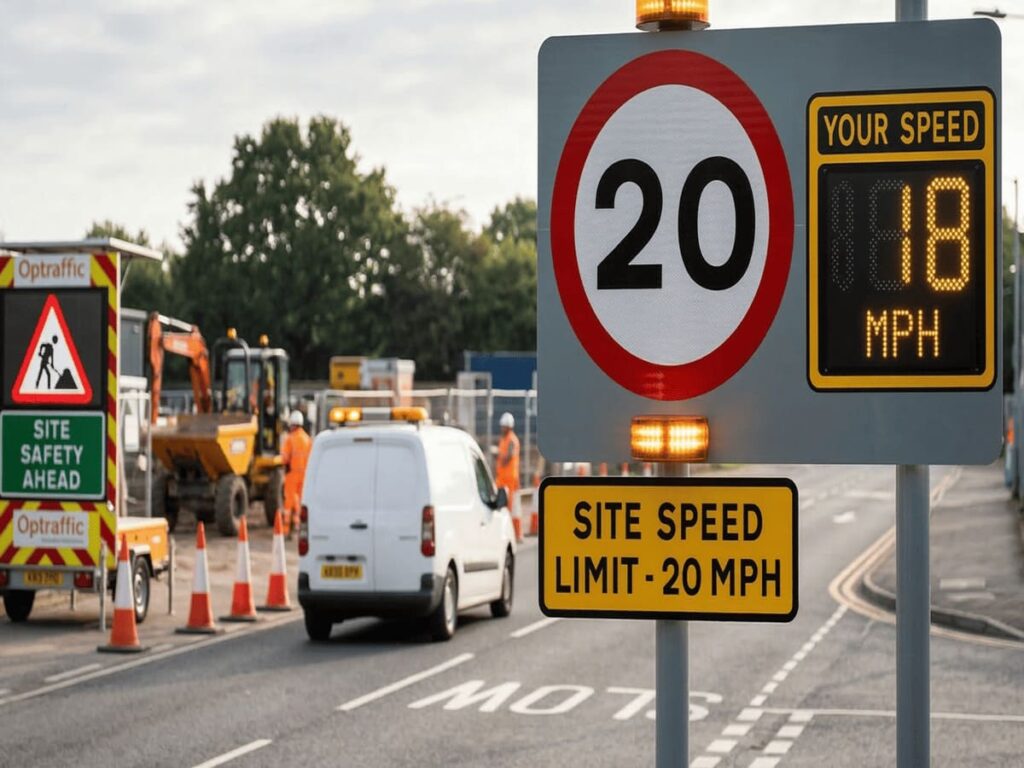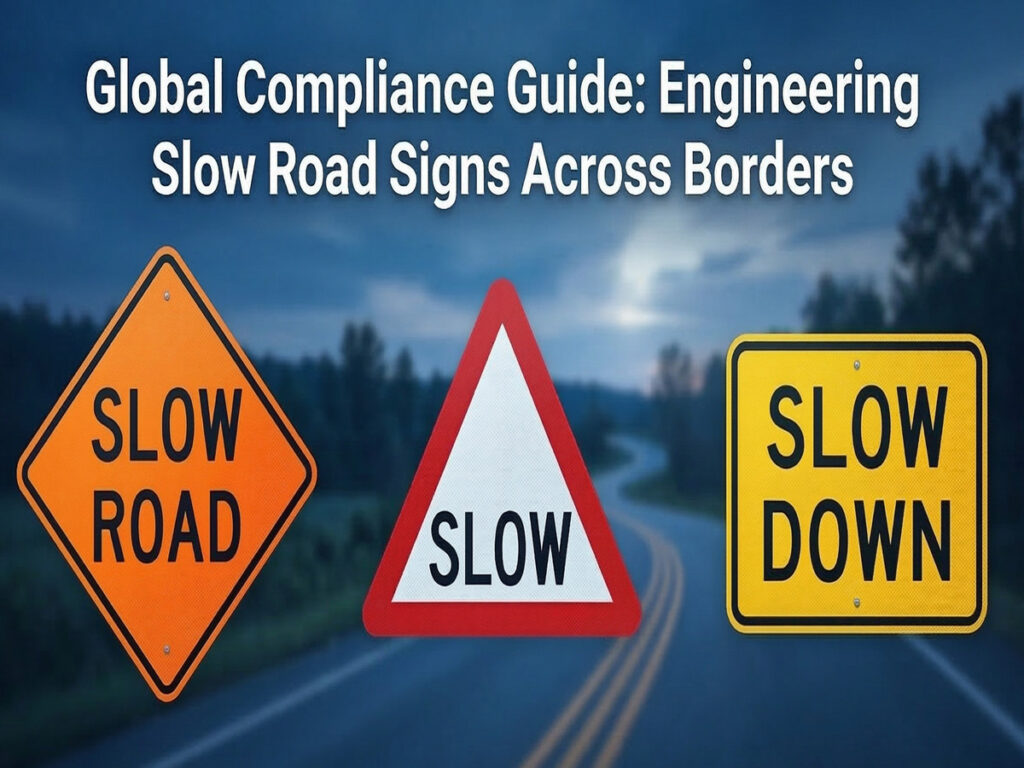
से “ट्रैफिक कोनस” को “सड़क शंकु,” इस आवश्यक सुरक्षा उपकरण की शब्दावली दुनिया भर में भिन्न-भिन्न है. चाहे नाम कुछ भी हो, यातायात नियंत्रण शंकु सड़क सुरक्षा सुनिश्चित करने और व्यवस्था बनाए रखने में महत्वपूर्ण भूमिका निभाते हैं. ये सरल लेकिन अत्यधिक प्रभावी उपकरण ड्राइवरों का मार्गदर्शन करने में मदद करते हैं, निर्माण क्षेत्रों को चिह्नित करें, और दुर्घटनाओं को रोकें. अध्ययनों से पता चलता है कि इनका उचित उपयोग दुर्घटनाओं को कम कर सकता है 30%. इससे अधिक 140 दुनिया भर में लाखों ट्रैफिक कोन उपयोग में हैं, भीड़भाड़ के प्रबंधन और सुरक्षा बढ़ाने में उनके महत्व को कम करके आंका नहीं जा सकता. पहली बार 1940 के दशक में पेश किया गया, यातायात नियंत्रण शंकु यातायात प्रबंधन के लिए अपरिहार्य हो गए हैं, सड़क नेटवर्क के विस्तार और वाहनों की संख्या में वृद्धि के साथ-साथ विकास हो रहा है. चूंकि विभिन्न देश इन उपकरणों के लिए अद्वितीय नाम और डिज़ाइन अपनाते हैं, उनकी वैश्विक विविधताओं को समझना सड़क सुरक्षा में उनकी सार्वभौमिक भूमिका पर प्रकाश डालता है.
यातायात नियंत्रण शंकु की सार्वभौमिक भूमिका
ट्रैफिक शंकु क्या हैं?
ट्रैफिक कोनस आवश्यक हैं, पोर्टेबल, यातायात को कुशलतापूर्वक प्रबंधित और निर्देशित करने के लिए डिज़ाइन किए गए शंकु-आकार के मार्कर. आमतौर पर सड़कों पर देखा जाता है, राजमार्ग, और निर्माण स्थल, ये शंकु सुरक्षा और सुचारू यातायात प्रवाह सुनिश्चित करने के लिए महत्वपूर्ण हैं. आमतौर पर चमकीला नारंगी या पीला, दिन के दौरान उनकी उच्च दृश्यता ड्राइवरों के लिए उन्हें पहचानना आसान बनाती है. रात में या कम-प्रकाश की स्थिति में, चिंतनशील कोटिंग्स उनकी दृश्यता को बढ़ाते हैं, यह सुनिश्चित करना कि वे चुनौतीपूर्ण वातावरण में भी प्रभावी बने रहें.
विभिन्न प्रकार के होते हैं ट्रैफिक कोनस, प्रत्येक को विशिष्ट आवश्यकताओं को पूरा करने के लिए तैयार किया गया है. उदाहरण के लिए, चिंतनशील ट्रैफिक कोनस रात के समय उपयोग के लिए आदर्श हैं, जबकि बड़े शंकु का उपयोग राजमार्गों पर दूर से ड्राइवरों को सचेत करने के लिए किया जाता है. कुछ मॉडल कार्यक्षमता को और बेहतर बनाने के लिए टॉपर्स या लाइट जैसी अतिरिक्त सुविधाओं से लैस हैं. ये विविधताएँ यह सुनिश्चित करती हैं ट्रैफिक कोनस विविध वातावरणों की अनूठी मांगों को पूरा करें, सड़क सुरक्षा बढ़ाना.
उच्च गुणवत्ता चाहने वालों के लिए यातायात सुरक्षा शंकु, ऑप्टट्रैफ़िक टिकाऊ और प्रभावी की एक विस्तृत श्रृंखला प्रदान करता है ट्रैफिक कोनस विभिन्न अनुप्रयोगों और ग्राहकों की आवश्यकताओं के अनुरूप.
सड़क सुरक्षा के लिए ट्रैफ़िक शंकु आवश्यक क्यों हैं?
यातायात नियंत्रण शंकु सड़क सुरक्षा सुनिश्चित करने के लिए एक अनिवार्य उपकरण हैं. वे ड्राइवरों के लिए दृश्य चेतावनी के रूप में कार्य करते हैं, निर्माण क्षेत्रों जैसे संभावित खतरों को चिह्नित करना, दुर्घटनाओं, या लेन बंद हो जाता है. इन क्षेत्रों को स्पष्ट रूप से चित्रित करके, ट्रैफिक कोनस भ्रम को कम करने में मदद करें, यह सुनिश्चित करना कि ड्राइवर और पैदल यात्री दोनों सुरक्षित रूप से यात्रा कर सकें. अध्ययनों से लगातार पता चला है कि इसका उचित उपयोग ट्रैफिक कोनस दुर्घटना दर को काफी कम कर सकता है, उन्हें प्रभावी यातायात प्रबंधन का एक महत्वपूर्ण घटक बनाना.
चिंतनशील सुरक्षा शंकु रात में दुर्घटनाओं को रोकने के लिए विशेष रूप से महत्वपूर्ण हैं. उनकी परावर्तक सतहें वाहन की हेडलाइट्स से प्रकाश ग्रहण करती हैं, उन्हें कम दृश्यता की स्थिति में भी दृश्यमान बनाना. भारी यातायात वाले शहरी क्षेत्रों में या प्रतिकूल मौसम के दौरान यह विशेष रूप से महत्वपूर्ण है, जहां सुरक्षा बनाए रखने के लिए स्पष्ट और दृश्यमान ट्रैफ़िक मार्कर आवश्यक हैं.
यातायात प्रवाह में उनकी भूमिका के अलावा, ट्रैफिक कोनस श्रमिकों की सुरक्षा के लिए भी आवश्यक हैं, खासकर निर्माण स्थलों पर. वे श्रमिकों और चलती गाड़ियों के बीच बाधा के रूप में कार्य करते हैं, दुर्घटनाओं के जोखिम को कम करना. इन शंकुओं का उचित स्थान यह सुनिश्चित करता है कि ड्राइवर और कर्मचारी दोनों सुरक्षित रहें.
इसके अतिरिक्त, ट्रैफिक कोनस यातायात प्रबंधन को अनुकूलित करने में महत्वपूर्ण भूमिका निभाएं. वे डिटॉर्स के माध्यम से वाहनों का मार्गदर्शन करते हैं, मार्क पार्किंग स्पेस, और पैदल यात्रियों के आवागमन को व्यवस्थित करें. उनकी बहुमुखी प्रतिभा उन्हें व्यस्त सड़कों पर व्यवस्था बनाए रखने के लिए एक आवश्यक उपकरण बनाती है, सार्वजनिक स्थानों पर, और विभिन्न बुनियादी ढांचा परियोजनाओं में.
ट्रैफिक शंकु दुनिया भर में सम्मेलनों का नामकरण
उत्तरी अमेरिका
उत्तरी अमेरिका में, शब्द "यातायात शंकु" रोजमर्रा की भाषा पर हावी है. आप अक्सर इसे सुनते हैं "सुरक्षा शंकु" या "निर्माण शंकु", विशेष रूप से अक्सर सड़क के साथ क्षेत्रों में. का डिज़ाइन ट्रैफिक कोनस स्थायित्व और दृश्यता को प्राथमिकता देता है, क्षेत्र के सख्त सुरक्षा नियमों के साथ संरेखित करना. उज्ज्वल नारंगी मानक रंग बना हुआ है, दिन और रात दोनों के दौरान उच्च दृश्यता सुनिश्चित करना. चिंतनशील सुरक्षा कोन कम रोशनी की स्थिति में दृश्यता बढ़ाने के लिए व्यापक रूप से उपयोग किया जाता है, विशेष रूप से राजमार्गों और निर्माण क्षेत्रों पर.
संयुक्त राज्य अमेरिका और कनाडा समान नामकरण सम्मेलनों को साझा करते हैं, लेकिन कनाडाई कभी -कभी उन्हें बुलाते हैं "तोरण". यह शब्द शंकु के आकार और ट्रैफ़िक को निर्देशित करने में इसकी भूमिका को दर्शाता है. दोनों देशों में, यातायात नियंत्रण शंकु सड़क सुरक्षा के प्रबंधन में महत्वपूर्ण भूमिका निभाएं. उनका उपयोग घटनाओं को शामिल करने के लिए निर्माण स्थलों से परे है, पार्किंग स्थल, और आपातकालीन स्थितियां. इनकी मांग ट्रैफिक कोनस चल रही बुनियादी ढांचा परियोजनाओं और रखरखाव की जरूरतों के कारण स्थिर बना हुआ है.
उन लोगों के लिए जो विश्वसनीय खरीदारी करना चाहते हैं ट्रैफिक कोनस, ऑप्टट्रैफ़िक उच्च गुणवत्ता का विस्तृत चयन प्रदान करता है यातायात नियंत्रण शंकु विभिन्न अनुप्रयोगों की आवश्यकताओं को पूरा करने के लिए डिज़ाइन किया गया.
यूरोप
यूरोप में, के लिए नामकरण परंपराएँ यातायात नियंत्रण शंकु देश के अनुसार भिन्न-भिन्न. शब्द "सड़क शंकु" यूनाइटेड किंगडम में आम है, जबकि अन्य देश जैसे स्पेन और फ्रांस जैसे शब्दों का उपयोग करते हैं "बीकन" और "सुरक्षा शंकु", क्रमश:. ये नाम अक्सर स्थानीय भाषा और सांस्कृतिक वरीयताओं को दर्शाते हैं. भाषाई मतभेदों के बावजूद, उद्देश्य निरंतर बना हुआ है—सड़क सुरक्षा सुनिश्चित करना और प्रभावी बनाना तट्राफिक कंट्रोल.
यूरोपीय यातायात शंकु डिजाइन अक्सर मानकीकृत आकारों का पालन करते हैं. आपको पूरे महाद्वीप में उपयोग किए जाने वाले तीन प्राथमिक आकार मिलेंगे, प्रत्येक विशिष्ट अनुप्रयोगों के लिए सिलवाया गया. छोटे ट्रैफिक कोनस पैदल यात्री क्षेत्रों के लिए आदर्श हैं, मध्यम आकार के शंकु शहरी सड़कों पर सूट करते हैं, और बड़ा ट्रैफिक कोनस राजमार्गों के लिए आरक्षित हैं. यह मानकीकरण उनके उपयोग को सरल बनाता है और इसमें निरंतरता सुनिश्चित करता है यातायात प्रबंध पूरे यूरोप में.
यूरोप में रंग योजनाएं भी भिन्न होती हैं. जबकि नारंगी रंग प्रचलित है, कुछ देशों में जोड़ा दृश्यता के लिए सफेद या लाल धारियों को शामिल किया जाता है. चिंतनशील ट्रैफिक कोनस एक प्रधान हैं, विशेष रूप से लगातार कोहरे या बारिश वाले क्षेत्रों में. ये शंकु न केवल ड्राइवरों का मार्गदर्शन करते हैं बल्कि निर्माण क्षेत्रों में श्रमिकों की सुरक्षा में भी महत्वपूर्ण भूमिका निभाते हैं.
उच्च गुणवत्ता के लिए यातायात नियंत्रण शंकु, ऑप्टट्रैफ़िक की एक विस्तृत श्रृंखला प्रदान करता है ट्रैफिक कोनस यूरोपीय रोडवेज के सुरक्षा मानकों और विभिन्न आवश्यकताओं को पूरा करने के लिए डिज़ाइन किया गया.
एशिया
एशिया में, यातायात नियंत्रण शंकु डिज़ाइन व्यावहारिकता और दक्षता पर जोर देते हैं. कई देश विशिष्ट संदेशों को व्यक्त करने के लिए रंग कोडिंग का उपयोग करते हैं. उदाहरण के लिए, पीला कोन सावधानी का संकेत दे सकता है, जबकि लाल कोन खतरे का संकेत. यह रंग-कोडिंग प्रणाली त्वरित पहचान की अनुमति देती है, निर्माण यातायात प्रबंध व्यस्त शहरी क्षेत्रों में अधिक कुशल.
के लिए नामकरण परंपराएँ ट्रैफिक कोनस एशिया में भाषाओं और संस्कृतियों की विविधता प्रतिबिंबित होती है. चाइना में, ट्रैफिक कोनस "चेतावनी शंकु" कहलाते हैं (चेतावनी शंकु), जबकि जापान में, उन्हें "ट्रैफिक कोन" के रूप में जाना जाता है (ट्रैफिक कोनस). ये शब्द उनके प्राथमिक कार्य को उजागर करते हैं - सुरक्षा और मार्गदर्शक यातायात. सांस्कृतिक कारक भी डिजाइनों को प्रभावित करते हैं, कुछ क्षेत्रों को प्राथमिकता के साथ कोन जिसमें अतिरिक्त निर्देश प्रदान करने के लिए प्रतीक या पाठ शामिल हैं.
एशियाई ट्रैफिक कोनस अक्सर आसान परिवहन और प्लेसमेंट के लिए हल्की सामग्री की सुविधा होती है. चिंतनशील कोटिंग्स आम हैं, भीड़-भाड़ वाले शहरों और रात के समय उच्च दृश्यता सुनिश्चित करना. व्यावहारिकता पर ध्यान विभिन्न सेटिंग्स में उनके उपयोग तक फैला हुआ है, निर्माण स्थलों से लेकर स्कूल क्षेत्रों तक, सुरक्षित और संगठित वातावरण सुनिश्चित करना.
विश्वसनीय के लिए यातायात नियंत्रण शंकु, ऑप्टट्रैफ़िक पूरे एशिया में विविध अनुप्रयोगों की आवश्यकताओं को पूरा करने के लिए डिज़ाइन किए गए विभिन्न प्रकार के उच्च गुणवत्ता वाले उत्पाद प्रदान करता है.
ऑस्ट्रेलिया और न्यूजीलैंड
ऑस्ट्रेलिया और न्यूजीलैंड में, शब्द “सड़क शंकु” आमतौर पर प्रयोग किया जाता है, हालाँकि आप उन्हें संदर्भित भी सुन सकते हैं “चुड़ैलों की टोपियाँ.” यह उपनाम उनके विशिष्ट आकार से उत्पन्न होता है, जो एक नुकीली टोपी जैसा दिखता है. ये देश अपने यातायात शंकु डिजाइनों में व्यावहारिकता और स्थायित्व पर जोर देते हैं, यह सुनिश्चित करना कि वे तेज़ हवाओं और तेज़ धूप जैसी कठोर मौसम स्थितियों का सामना करें.
ऑस्ट्रेलियाई और न्यूजीलैंड यातायात शंकु अक्सर चमकीले नारंगी को प्राथमिक रंग के रूप में दिखाया जाता है, बेहतर दृश्यता के लिए परावर्तक पट्टियों के साथ जोड़ा गया. चिंतनशील सुरक्षा शंकु इन क्षेत्रों में विशेष रूप से प्रभावी हैं, जहां ग्रामीण सड़कों के लंबे हिस्सों को रात के समय या कम रोशनी की स्थिति के दौरान स्पष्ट मार्करों की आवश्यकता होती है. आपको भी मिलेगा ट्रैफिक कोनस लचीली सामग्री से बनाया गया, वाहनों द्वारा मारा जाने पर क्षति के जोखिम को कम करना.
का उपयोग ट्रैफिक कोनस सड़क सुरक्षा से आगे तक फैला हुआ है. शहरी क्षेत्रों में, वे पैदल यात्रियों का मार्गदर्शन करते हैं, निर्माण क्षेत्र को चिह्नित करें, और पार्किंग स्थलों का प्रबंधन करें. राजमार्गों पर, बड़ा कोन ड्राइवरों को लेन बंद होने या खतरों के प्रति सचेत करें. ये बहुमुखी उपकरण ऑर्डर बनाए रखने और विभिन्न सेटिंग्स में सुरक्षा सुनिश्चित करने में महत्वपूर्ण भूमिका निभाते हैं, शहर की सड़कों से लेकर सुदूर राजमार्गों तक.
उच्च गुणवत्ता के लिए यातायात नियंत्रण शंकु, ऑप्टट्रैफ़िक टिकाऊ प्रदान करता है, चिंतनशील, और ऑस्ट्रेलियाई और न्यूजीलैंड रोडवेज की विशिष्ट आवश्यकताओं को पूरा करने के लिए डिज़ाइन किए गए बहुमुखी शंकु.
अन्य क्षेत्र
दुनिया के अन्य हिस्सों में, यातायात शंकु शब्दावली और डिज़ाइन स्थानीय आवश्यकताओं और सांस्कृतिक प्रभावों को दर्शाते हैं. उदाहरण के लिए, दक्षिण अमेरिका में, आप जैसे शब्दों का सामना कर सकते हैं "यातायात शंकु" या "सुरक्षा शंकु", जो अनुवाद करता है “यातायात शंकु” और “सुरक्षा शंकु।” ये नाम उनके प्राथमिक उद्देश्य को उजागर करते हैं—सड़क सुरक्षा सुनिश्चित करना और यातायात को कुशलतापूर्वक निर्देशित करना.
अफ़्रीकी देश अक्सर अनुकूलन करते हैं यातायात शंकु डिजाइन उनके अनूठे वातावरण के अनुरूप. कुछ क्षेत्र रोकथाम के लिए भारी आधारों का उपयोग करते हैं ट्रैफिक कोनस हवादार परिस्थितियों में पलटने से. अन्य लोग धूल या असमान सड़कों पर दृश्यता में सुधार करने के लिए जीवंत रंगों को शामिल करते हैं. ये अनुकूलन यह सुनिश्चित करते हैं ट्रैफिक कोनस प्रभावी बने रहें, चुनौतीपूर्ण परिस्थितियों में भी.
मध्य पूर्व में, ट्रैफिक कोनस विविध आबादी को समायोजित करने के लिए अक्सर द्विभाषी पाठ या प्रतीकों की सुविधा दी जाती है. चिंतनशील ट्रैफिक कोनस रेगिस्तानी क्षेत्रों में आवश्यक हैं, जहां दृश्यता को सैंडस्टॉर्म या तीव्र धूप से समझौता किया जा सकता है. हल्के वजन वाली सामग्री को तैनात करना और पुनः स्थापित करना आसान हो जाता है ट्रैफिक कोनस जल्दी से, की तेज़-तर्रार प्रकृति की पूर्ति तट्राफिक कंट्रोल हलचल भरे शहरों में.
टिकाऊ और प्रभावी के लिए यातायात नियंत्रण शंकु, ऑप्टट्रैफ़िक दुनिया भर के क्षेत्रों की विविध आवश्यकताओं को पूरा करने के लिए डिज़ाइन किए गए उच्च गुणवत्ता वाले शंकुओं की एक विस्तृत श्रृंखला प्रदान करता है.
यातायात शंकु शंकु पर सांस्कृतिक और भाषाई प्रभाव
यातायात शंकु के नामकरण में स्थानीय संस्कृति की भूमिका
स्थानीय संस्कृति इसमें महत्वपूर्ण भूमिका निभाती है ट्रैफिक कोनस नाम दिया गया है और माना गया है. जैसे देशों में ऑस्ट्रेलिया में यातायात शंकु और न्यूजीलैंड, उदाहरण के लिए, ट्रैफिक कोनस अक्सर कहा जाता है “चुड़ैलों की टोपियाँ.” यह उपनाम उनके विशिष्ट आकार से उत्पन्न होता है, जो परंपरागत रूप से चुड़ैलों से जुड़ी एक नुकीली टोपी जैसा दिखता है. यह शब्द वर्णनात्मक और कल्पनाशील भाषा का उपयोग करने के लिए एक सांस्कृतिक प्रवृत्ति को दर्शाता है, नाम कार्यात्मक और भरोसेमंद दोनों बनाना.
अन्य क्षेत्रों में, सांस्कृतिक प्राथमिकताएँ न केवल नाम बल्कि डिज़ाइन को भी प्रभावित करती हैं ट्रैफिक कोनस. उदाहरण के लिए, कई अफ़्रीकी देशों में, यातायात शंकु डिजाइन स्थानीय पर्यावरणीय आवश्यकताओं के अनुरूप अनुकूलित किया गया है. भारी आधार रोकते हैं ट्रैफिक कोनस हवादार परिस्थितियों में पलटने से, जबकि धूल भरी सड़कों पर दृश्यता बढ़ाने के लिए जीवंत रंग चुने जाते हैं. ये अनुकूलन यह सुनिश्चित करते हैं ट्रैफिक कोनस चुनौतीपूर्ण परिस्थितियों में भी प्रभावी बने रहें, स्थानीय यातायात प्रबंधन प्रयासों में मदद करना.
सांस्कृतिक अंतर्दृष्टि: शब्द “चुड़ैलों की टोपी” में ऑस्ट्रेलिया में यातायात शंकु और न्यूज़ीलैंड दर्शाता है कि कैसे सांस्कृतिक रचनात्मकता सबसे व्यावहारिक वस्तुओं को भी प्रभावित करती है, जैसे कि ट्रैफिक कोनस.
भाषाई विविधताएं और अनुवाद
दुनिया भर में भाषा विविधता आकर्षक विविधताओं को जन्म देती है यातायात शंकु शब्दावली. में चीन में यातायात शंकु, उदाहरण के लिए, ट्रैफिक कोनस "चेतावनी शंकु" कहलाते हैं (चेतावनी शंकु), उनके प्राथमिक कार्य पर प्रकाश डालना - ड्राइवरों को संभावित खतरों के प्रति सचेत करना. उसी प्रकार, में जापान में यातायात शंकु, उन्हें "ट्रैफिक कोन" के रूप में जाना जाता है (ट्रैफिक कोनस), एक सीधा नामकरण दृष्टिकोण दर्शाता है.
यूरोप में, स्पेन में यातायात शंकु उन्हें "बलीज़ा" कहा जाता है,"जबकि अंदर फ़्रांस में यातायात शंकु, उन्हें "कोन डे सेक्यूरिटे" कहा जाता है। ये शब्द स्थानीय भाषाओं से निकटता से जुड़े हुए हैं और अक्सर सुरक्षा पहलू पर प्रकाश डालते हैं ट्रैफिक कोनस.
बहुभाषी क्षेत्रों में, ट्रैफिक कोनस अक्सर द्विभाषी या बहुभाषी लेबल प्रदर्शित होते हैं. उदाहरण के लिए, में मध्य पूर्व, ट्रैफिक कोनस इसमें अरबी और अंग्रेजी दोनों में पाठ शामिल हो सकता है, अंतर्राष्ट्रीय ड्राइवरों और स्थानीय निवासियों को खानपान प्रदान करना. यह अभ्यास यह सुनिश्चित करता है ट्रैफिक कोनस इसे विभिन्न प्रकार के लोगों द्वारा सही ढंग से समझा और उपयोग किया जा सकता है.
सरकारी नियम और शब्दावली पर उनका प्रभाव
सरकारी नियम किस प्रकार महत्वपूर्ण रूप से प्रभावित करते हैं ट्रैफिक कोनस नामित एवं वर्गीकृत किया गया है. कई देशों में, नियामक निकाय इसके लिए विशिष्ट मानक स्थापित करते हैं यातायात नियंत्रण उपकरण, शामिल ट्रैफिक कोनस. ये मानक अक्सर आधिकारिक दस्तावेजों और साइनेज में उपयोग की जाने वाली शब्दावली को निर्धारित करते हैं. उदाहरण के लिए, में न्यूज़ीलैंड में यातायात शंकु, शंकु को सख्त आकार की आवश्यकताओं का पालन करना होगा, सड़कों पर उपयोग के लिए केवल दो आकारों की अनुमति है. यह मानकीकरण सरल बनाता है यातायात प्रबंध और पूरे देश में एकरूपता सुनिश्चित करता है.
में ऑस्ट्रेलिया में यातायात शंकु, इन उपकरणों को तीव्र यूवी जोखिम का सामना करने के लिए डिज़ाइन किया गया है, स्थायित्व और व्यावहारिकता पर देश का ध्यान केंद्रित करना. ऑस्ट्रेलिया में यातायात शंकु अक्सर कहा जाता है "ठोस यातायात शंकु" आधिकारिक दिशानिर्देशों में, उनके मजबूत निर्माण पर जोर देते हुए. ऐसे नियामक प्रभाव यह सुनिश्चित करते हैं ट्रैफिक कोनस सुरक्षा उपायों के रूप में अपनी प्रभावशीलता को बनाए रखते हुए विभिन्न वातावरणों की अनूठी मांगों को पूरा करें.
में यूरोप, मानकीकृत आकार और परावर्तक कोटिंग्स सामान्य आवश्यकताएं हैं ट्रैफिक कोनस. ये नियम उनकी दृश्यता और प्रयोज्य को बढ़ाते हैं, विशेष रूप से लगातार कोहरे या बारिश वाले क्षेत्रों में. कार्यक्षमता के साथ शब्दावली संरेखित करके, सरकारें यह सुनिश्चित करती हैं ट्रैफिक कोनस विविध परिवेशों में सड़क सुरक्षा के लिए विश्वसनीय उपकरण बने रहें.
यातायात शंकु के कार्यात्मक और क्षेत्रीय अनुकूलन
कैसे ट्रैफ़िक शंकु का उपयोग देशों में अलग -अलग तरीके से किया जाता है
में उत्तरी अमेरिका, का उपयोग ट्रैफिक कोनस शहरी और ग्रामीण दोनों क्षेत्रों में व्यापक है, फिर भी उनकी भूमिकाएँ भिन्न हैं. शहरी केन्द्रों में, ट्रैफिक कोनस मुख्य रूप से निर्माण क्षेत्रों को चिह्नित करने के लिए उपयोग किया जाता है, वाहनों को घुमावों से मार्गदर्शन करें, और पार्किंग स्थान निर्दिष्ट करें. उज्ज्वल की उच्च दृश्यता नारंगी शंकु परावर्तक पट्टियों के साथ आवश्यक है, विशेष रूप से भारी यातायात या कम रोशनी की स्थिति के दौरान. तथापि, ग्रामीण क्षेत्रों में, बड़ा ट्रैफिक कोनस अक्सर ड्राइवरों को दूर से चेतावनी देने के लिए राजमार्गों पर तैनात किया जाता है, विशेष रूप से कम दृश्यता या उच्च गति सीमा वाले क्षेत्रों में.
का महत्व ट्रैफिक कोनस के हालिया आँकड़ों से उजागर होता है राष्ट्रीय राजमार्ग यातायात सुरक्ष संचालन (NHTSA), जिसने एक महत्वपूर्ण सूचना दी 8.2% की पहली छमाही के दौरान सड़क पर होने वाली मौतों में गिरावट 2025. इस कमी के बावजूद, एक अनुमान के अनुसार 17,140 जनवरी से जून तक मोटर वाहन दुर्घटनाओं में लोगों की जान चली गई 2025, प्रभावी की चल रही आवश्यकता को रेखांकित करना तट्राफिक कंट्रोल पैमाने, का रणनीतिक उपयोग भी शामिल है ट्रैफिक कोनस.
में यूरोप, ट्रैफिक कोनस दोहरे उद्देश्य की पूर्ति - वाहनों और पैदल चलने वालों दोनों का मार्गदर्शन करना. छोटे शंकु व्यस्त क्षेत्रों में पैदल यातायात को व्यवस्थित करते हैं, जबकि बड़ा, भारित शंकु राजमार्गों पर स्थिरता सुनिश्चित करते हैं, यहां तक कि हवा की स्थिति में.
एशियाई देशों ने कुछ सबसे नवीन डिज़ाइन पेश किए हैं यातायात शंकु तकनीकी. टोक्यो और शंघाई जैसे घनी आबादी वाले शहरों में, ढहने योग्य यातायात शंकु अपनी सघनता और परिवहन में आसानी के कारण ये तेजी से लोकप्रिय हो गए हैं. ये शंकु आपातकालीन स्थितियों में विशेष रूप से फायदेमंद होते हैं जहां स्थान और दक्षता सर्वोपरि होती है. का उपयोग रंग-कोडित यातायात शंकु में एशिया संचार को और बढ़ाता है. उदाहरण के लिए, पीला यातायात शंकु संकेत सावधानी, जबकि लाल यातायात शंकु खतरे का संकेत दें.
में ऑस्ट्रेलिया और न्यूजीलैंड, ट्रैफिक कोनस, अक्सर कॉल किया गया "चुड़ैलों की टोपियाँ", ये न केवल एक सड़क सुरक्षा उपकरण हैं बल्कि कई अन्य उद्देश्यों को भी पूरा करते हैं. ये बहुमुखी ट्रैफिक कोनस खेल आयोजनों में उपयोग किया जाता है, त्योहारों, और यहां तक कि स्कूल क्षेत्रों में भी व्यवस्था बनाए रखने और गैर-यातायात वातावरण में सुरक्षा सुनिश्चित करने के लिए. ऑस्ट्रेलिया में यातायात शंकु अत्यधिक मौसम का सामना करने के लिए डिज़ाइन किए गए हैं, जिसमें तेज़ धूप और तेज़ हवाएँ शामिल हैं, उन्हें शहरी और ग्रामीण दोनों क्षेत्रों के लिए उपयुक्त बनाना.
ट्रैफ़िक नियंत्रण शंकु में अद्वितीय डिजाइन और सामग्री
यातायात शंकु डिजाइन विभिन्न क्षेत्रों की अनूठी मांगों को पूरा करने के लिए विकसित हुए हैं. उत्तरी अमेरिका में, पीवीसी शंकु और रबर शंकु आम हैं, स्थायित्व और लचीलेपन की पेशकश. ये शंकु बिना टूटे आघात का सामना कर सकते हैं, और परावर्तक पट्टियाँ कम रोशनी की स्थिति में दृश्यता में सुधार करती हैं.
यूरोप में, ट्रैफ़िक शंकु डिज़ाइन सख्त मानकों का पालन करते हैं. तीन मुख्य आकारों का उपयोग किया जाता है: पैदल यात्री क्षेत्रों के लिए छोटे शंकु, शहरी सड़कों के लिए मध्यम शंकु, और राजमार्गों के लिए बड़े शंकु. हवा की स्थिति में ढलान को रोकने के लिए भारित आधार विशिष्ट होते हैं, अतिरिक्त दृश्यता और कार्यक्षमता के लिए कुछ शंकुओं में रोशनी या टॉपर्स शामिल हैं.
एशिया बंधनेवाला शंकुओं के मामले में अग्रणी है, जो हल्के और पोर्टेबल हैं. थर्माप्लास्टिक शंकु और हल्का रबर शंकु इनका उपयोग उनके स्थायित्व और भंडारण में आसानी के लिए किया जाता है. कलर कोडिंग आम बात है, प्रत्येक रंग विशिष्ट ट्रैफ़िक संदेश देता है.
ऑस्ट्रेलिया और न्यूजीलैंड में, यातायात शंकु अत्यधिक मौसम का सामना करने के लिए बनाए गए हैं. यूवी-प्रतिरोधी पीवीसी शंकु तेज धूप में फीका पड़ने से रोकें, जबकि लचीले डिजाइन वाहन प्रभावों से नुकसान को कम करते हैं. परावर्तक कोटिंग्स दृश्यता सुनिश्चित करती हैं, खासकर ग्रामीण सड़कों पर, और कुछ शंकु अतिरिक्त स्थिरता के लिए रेत से भरे आधारों का उपयोग करते हैं.
अफ़्रीका और मध्य पूर्व जैसे क्षेत्रों में, यातायात नियंत्रण शंकु स्थानीय परिस्थितियों के लिए डिज़ाइन किए गए हैं. जीवंत रंग धूल भरी सड़कों पर दृश्यता बढ़ाते हैं, जबकि भारी आधार हवा में झुकने से रोकते हैं. शंकुओं पर द्विभाषी पाठ या प्रतीक विविध आबादी की जरूरतों को पूरा करने में मदद करते हैं.
क्या नामकरण अंतर यातायात शंकु के उपयोग को प्रभावित करते हैं?
अंतर्राष्ट्रीय संदर्भों में संचार चुनौतियां
नामकरण में अंतर ट्रैफिक कोनस जब आप अंतर्राष्ट्रीय संदर्भों में नेविगेट करते हैं तो चुनौतियाँ पैदा हो सकती हैं. ये विविधताएं अक्सर भ्रम पैदा करती हैं, विशेष रूप से त्वरित और स्पष्ट संचार की आवश्यकता वाली स्थितियों में. उदाहरण के लिए, उत्तरी अमेरिका में, आप सुन सकते हैं “यातायात शंकु” या “सुरक्षा शंकु,” जबकि कनाडा में, “यातायात पाइलोन” एक सामान्य शब्द है. ऑस्ट्रेलिया मै, उपनाम “चुड़ैलों’ टोपी” जटिलता की एक और परत जोड़ता है. ये अंतर यात्रियों के लिए कठिन बना सकते हैं, कारोबार, या यहां तक कि आपातकालीन उत्तरदाताओं को निर्देश या साइनेज को समझने के लिए.
एक परिदृश्य की कल्पना करें जहां आपको एक अंतरराष्ट्रीय घटना के दौरान यातायात नियंत्रण की जरूरतों को समन्वित करने की आवश्यकता है. शब्दावली की गलतफहमी संचालन में देरी कर सकती है या ट्रैफ़िक नियंत्रण उपकरणों के अनुचित उपयोग को जन्म दे सकती है. यह मुद्दा बहुभाषी क्षेत्रों में और भी अधिक स्पष्ट हो जाता है, जहां अनुवाद हमेशा इच्छित अर्थ पर कब्जा नहीं कर सकते हैं. उदाहरण के लिए, एशिया में, "चेतावनी शंकु" जैसे शब्द (चेतावनी शंकु) या "परिवहन शंकु" (ट्रैफिक कोनस) विशिष्ट कार्यों पर जोर दें, जो अन्य देशों को इन उपकरणों के साथ संरेखित नहीं कर सकते हैं.
ट्रैफ़िक शंकु के डिजाइन और सामग्री भी विश्व स्तर पर भिन्न होती हैं, आगे उनके उपयोग को जटिल. कुछ क्षेत्र हल्के को प्राथमिकता देते हैं, आसान परिवहन के लिए ढहने योग्य शंकु, जबकि अन्य भारी ठिकानों के साथ स्थायित्व पर ध्यान केंद्रित करते हैं. ये अंतर प्रभावित कर सकते हैं कि आप उन्हें अपरिचित वातावरण में कितनी प्रभावी ढंग से तैनात करते हैं. सीमाओं के पार सड़क सुरक्षा और कुशल यातायात प्रबंधन सुनिश्चित करने के लिए इन बारीकियों को समझना आवश्यक है.
बख्शीश: अंतरराष्ट्रीय स्तर पर यात्रा या काम करते समय, स्थानीय ट्रैफ़िक शंकु शब्दावली और डिजाइन के साथ खुद को परिचित करें. यह ज्ञान आपको गलत संचार से बचने और उचित उपयोग सुनिश्चित करने में मदद कर सकता है.
यातायात शंकु शब्दावली में मानकीकरण की ओर प्रयास
मानकीकरण के प्रयास यातायात शंकु शब्दावली का उद्देश्य इन चुनौतियों का समाधान करना है. दुनिया भर में संगठनों और सरकारें यातायात नियंत्रण उपकरणों में स्थिरता के महत्व को मान्यता देती हैं. मानकीकरण न केवल संचार को सरल बनाता है, बल्कि यह सुनिश्चित करके सुरक्षा को भी बढ़ाता है कि हर कोई इन उपकरणों के उद्देश्य और उपयोग को समझता है.
यूरोप में, उदाहरण के लिए, कई देश ट्रैफ़िक शंकु आकार के लिए मानकीकृत दिशानिर्देशों का पालन करते हैं, रंग, और सामग्री. ये नियम यह सुनिश्चित करते हैं कि शंकु विशिष्ट सड़क सुरक्षा आवश्यकताओं को पूरा करते हैं, देश की परवाह किए बिना. उसी प्रकार, उत्तरी अमेरिका में, चिंतनशील कोटिंग्स और उज्ज्वल नारंगी रंग मानक विशेषताएं हैं, शंकु को सार्वभौमिक रूप से पहचानने योग्य बनाना. ये प्रयास भ्रम को कम करते हैं और यातायात नियंत्रण उपायों की प्रभावशीलता में सुधार करते हैं.
वैश्विक व्यापार और विनिर्माण भी मानकीकरण के लिए धक्का चलाते हैं. ट्रैफिक शंकु उत्पादक विविध बाजारों को पूरा करते हैं, इसलिए डिजाइन और शब्दावली संरेखित करना उत्पादन और वितरण को सुव्यवस्थित करने में मदद करता है. उदाहरण के लिए, ढहने योग्य शंकु, एशिया में लोकप्रिय, अब उनकी व्यावहारिकता के कारण अन्य क्षेत्रों में कर्षण प्राप्त कर रहे हैं. यह प्रवृत्ति इस बात पर प्रकाश डालती है कि कैसे नवाचार और मानकीकरण अलग -अलग ट्रैफ़िक नियंत्रण जरूरतों को पूरा करने के लिए सह -अस्तित्व में हो सकता है.
इन प्रयासों के बावजूद, पूरा मानकीकरण एक चुनौती है. सांस्कृतिक और भाषाई मतभेदों को प्रभावित करना जारी है कि कैसे ट्रैफ़िक शंकु का नाम और उपयोग किया जाता है. तथापि, अंतर्राष्ट्रीय संगठनों के बीच सहयोग चल रहा है, निर्माताओं, और सरकारें वादा दिखाती हैं. मिलजुल कर काम करने से, ये हितधारक ट्रैफ़िक शंकु शब्दावली और डिजाइन के लिए एक अधिक एकीकृत दृष्टिकोण बना सकते हैं.
सुरक्षा और आदेश का एक सार्वभौमिक प्रतीक
ट्रैफ़िक शंकु यातायात के प्रबंधन के लिए सिर्फ उपकरण से अधिक हो गए हैं. वे सुरक्षा और आदेश के सार्वभौमिक प्रतीकों के रूप में काम करते हैं, दुनिया भर में तुरंत पहचानने योग्य. चाहे आप एक निर्माण क्षेत्र के माध्यम से ड्राइविंग कर रहे हों या भीड़ वाली पार्किंग को नेविगेट कर रहे हों, ये शंकु सावधानी बरतते हैं और संभावित खतरनाक क्षेत्रों के माध्यम से आपको मार्गदर्शन करते हैं. उनके चमकीले रंग और चिंतनशील सतहों को सुनिश्चित करें कि वे आपका ध्यान आकर्षित करें, यहां तक कि कम रोशनी की स्थिति में भी.
उनके डिजाइन की सादगी उनके महत्व को मानती है. ट्रैफ़िक शंकु स्पष्ट सीमाएं बनाते हैं, दुर्घटनाओं को रोकने और चिकनी यातायात प्रवाह को बनाए रखने में मदद करना. विविध भाषाओं और संस्कृतियों वाले क्षेत्रों में, उनके दृश्य संकेत भाषाई बाधाओं को पार करते हैं, उन्हें किसी भी सेटिंग में प्रभावी बनाना. उदाहरण के लिए, नीले शंकु अक्सर सुलभ पार्किंग या चिकित्सा क्षेत्रों को नामित करते हैं, जबकि हरे रंग के शंकु तेजी से पर्यावरण के अनुकूल परियोजनाओं के साथ जुड़े हुए हैं. ये रंग-कोडित सिस्टम संचार को बढ़ाते हैं और सड़क सुरक्षा में सुधार करते हैं.
नवाचार और यातायात नियंत्रण शंकु का भविष्य
का भविष्य ट्रैफिक कोनस नवप्रवर्तन में निहित है. बढ़ती जरूरतों को पूरा करने के लिए निर्माता लगातार अपनी कार्यक्षमता में सुधार कर रहे हैं. खुलने और बंधनेवाला ट्रैफिक कोनस, उदाहरण के लिए, घनी आबादी वाले शहरों में लोकप्रिय हैं, जगह की बचत और परिवहन को आसान बनाना, उन्हें आपातकालीन उत्तरदाताओं और इवेंट आयोजकों के लिए आदर्श बनाना. थर्मोप्लास्टिक और लचीली रबर जैसी हल्की सामग्री स्थायित्व और सुवाह्यता सुनिश्चित करती है.
प्रौद्योगिकी अगली पीढ़ी को आकार दे रही है ट्रैफिक कोनस. वास्तविक समय पर सड़क अपडेट प्रदान करने के लिए सेंसर और एलईडी लाइट से लैस स्मार्ट कोन विकसित किए जा रहे हैं, ड्राइवरों को खतरों के प्रति सचेत करना और यातायात नियंत्रण में सुधार करना. कुछ प्रोटोटाइप में जीपीएस ट्रैकिंग की सुविधा भी है, अधिकारियों को उनके प्लेसमेंट की अधिक प्रभावी ढंग से निगरानी और प्रबंधन करने की अनुमति देना.
कुछ क्षेत्रों में, दृश्यता बढ़ाने और स्थिरता को बढ़ावा देने के लिए निर्माता अब सौर ऊर्जा से चलने वाली लाइटों को ट्रैफिक कोन में एकीकृत करते हैं. इसके अतिरिक्त, वे विशिष्ट क्षेत्रों को चिह्नित करने के लिए नीले और हरे जैसे विशेष रंगों का उपयोग करते हैं, जैसे सुलभ पार्किंग या पर्यावरण-अनुकूल परियोजनाएं. यह संचार में सुधार करता है और स्थिरता प्रयासों का समर्थन करता है.
जैसे-जैसे शहरीकरण और सड़क नेटवर्क का विस्तार हो रहा है, बहुमुखी और कुशल की मांग ट्रैफिक कोनस बढ़ता रहेगा. डिज़ाइन और प्रौद्योगिकी में नवाचार यह सुनिश्चित करेंगे कि ये उपकरण सड़क सुरक्षा और यातायात प्रबंधन के लिए आवश्यक बने रहें.
ट्रैफिक कोनस, कोई फर्क नहीं पड़ता कि आप उन्हें क्या कहते हैं, दुनिया भर में सुरक्षा और आदेश का प्रतिनिधित्व करें. उनके चमकीले रंग और चिंतनशील कोटिंग्स उच्च दृश्यता प्रदान करते हैं, यह सुनिश्चित करना कि वे यातायात का मार्गदर्शन करने और दुर्घटनाओं को रोकने में प्रभावी रहें. इन उपकरणों के नामकरण में सांस्कृतिक और भाषाई अंतर को समझना आपको सड़क सुरक्षा में उनकी सार्वभौमिक भूमिका की सराहना करने में मदद करता है.
अक्सर पूछे जाने वाले प्रश्न: दुनिया भर में यातायात शंकु
1. विभिन्न देशों में यातायात शंकुओं के अलग-अलग नाम क्या हैं??
शब्द यातायात शंकु विश्व स्तर पर भिन्न होता है. उदाहरण के लिए, में उत्तरी अमेरिका, इसे आमतौर पर ए के रूप में जाना जाता है यातायात शंकु, जबकि में यूनाइटेड किंगडम, इसे ए के रूप में जाना जाता है सड़क शंकु. में स्पेन, वे कहते हैं बीकन, और में फ्रांस, सुरक्षा शंकु. नामकरण स्थानीय भाषा और सांस्कृतिक प्राथमिकताओं को दर्शाता है, लेकिन सभी एक ही मूल उद्देश्य की पूर्ति करते हैं: सड़क सुरक्षा सुनिश्चित करना.
2. सड़क सुरक्षा के लिए यातायात शंकु क्यों महत्वपूर्ण हैं??
ट्रैफिक कोनस सड़क सुरक्षा के लिए महत्वपूर्ण हैं क्योंकि वे वाहनों का मार्गदर्शन करने में मदद करते हैं, खतरनाक क्षेत्र, और दुर्घटनाओं को रोकें. वे निर्माण क्षेत्रों में विशेष रूप से महत्वपूर्ण हैं, उच्च या ट्रैफ़िक क्षेत्र, और राजमार्गों पर. में उत्तरी अमेरिका, की उच्च दृश्यता ट्रैफिक कोनस परावर्तक पट्टियों के साथ यह सुनिश्चित होता है कि वे दिन और रात दोनों समय दिखाई दें, कम दृश्यता वाली स्थितियों में दुर्घटनाओं को रोकना.
3. आपातकालीन स्थितियों में ट्रैफिक कोन का उपयोग कैसे किया जाता है??
में एशिया, ढहने योग्य यातायात शंकु आपातकालीन प्रतिक्रिया के लिए व्यापक रूप से उपयोग किया जाता है, विशेषकर टोक्यो और शंघाई जैसे शहरों में. ये शंकु सघन होते हैं, पोर्टेबल, और स्टोर करने में आसान, यह उन्हें पहले उत्तरदाताओं के लिए आदर्श बनाता है जिन्हें शीघ्रता से अस्थायी यातायात नियंत्रण स्थापित करने की आवश्यकता होती है. इसके अतिरिक्त, रंग-कोडित यातायात शंकु में एशिया (जैसे पीला सावधानी के लिए और लाल खतरे के लिए) आपात्कालीन स्थिति के दौरान संचार की गति और स्पष्टता में सुधार करें.
4. ट्रैफिक कोन बनाने में किन सामग्रियों का उपयोग किया जाता है??
ट्रैफिक कोनस आमतौर पर टिकाऊ सामग्री जैसे से बनाए जाते हैं पीवीसी, रबड़, या थर्माप्लास्टिक. में ऑस्ट्रेलिया, इन सामग्रियों को अत्यधिक मौसम की स्थिति जैसे तेज़ धूप या तेज़ हवाओं का सामना करने के लिए चुना जाता है. में यूरोप, कोहरे या बरसात की स्थिति में दृश्यता सुनिश्चित करने के लिए आमतौर पर परावर्तक कोटिंग्स लगाई जाती हैं, विविध मौसम परिवेशों में उनकी प्रभावशीलता को बढ़ाना.
5. क्या ट्रैफिक कोन डिज़ाइन में कोई नवीनता है??
हाँ, इसमें कई नवाचार हैं यातायात शंकु डिज़ाइन. उदाहरण के लिए, स्मार्ट ट्रैफिक शंकु सड़क की स्थिति के बारे में वास्तविक समय पर अपडेट प्रदान करने के लिए सेंसर और एलईडी लाइटों से सुसज्जित किया जा रहा है. इसके अलावा, कुछ ट्रैफिक कोनस में जापान इसमें अंतर्निर्मित परावर्तक तत्व और सौर ऊर्जा से संचालित रोशनी की सुविधा है, स्थिरता को बढ़ावा देने के साथ-साथ बढ़ी हुई दृश्यता सुनिश्चित करना.