परिचय: पैदल चलने वालों को रोकने का दायित्व
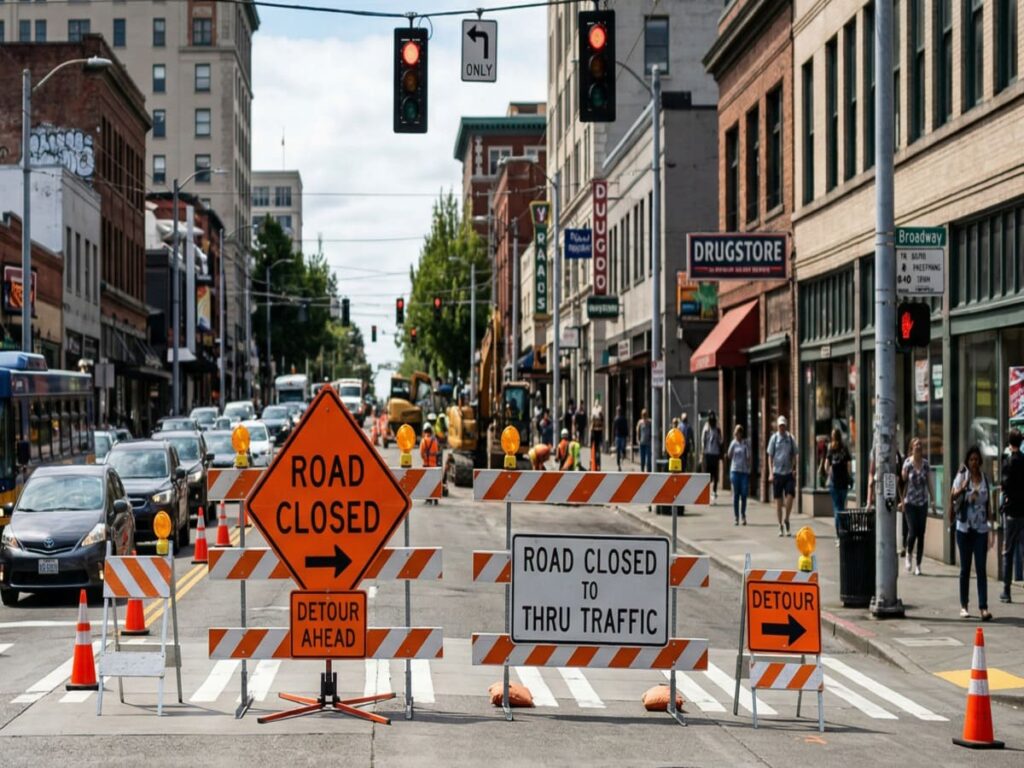
सड़क बंद करने की तुलना में फुटपाथ को बंद करना कानूनी रूप से अधिक खतरनाक है. जब आप किसी वाहन को रोकते हैं, ड्राइवर बस ब्रेक मारता है. जब आप किसी पैदल यात्री को रोकते हैं - विशेष रूप से दृष्टि या चलने-फिरने में अक्षम व्यक्ति को - तो आप तत्काल मुकदमे का जोखिम पैदा करते हैं.
आप केवल पीला सावधानी वाला टेप नहीं बांध सकते. विकलांग अधिनियम के साथ अमेरिकियों (एडीए) का एक विशिष्ट सेट अनिवार्य करता है निर्माण यातायात संकेत रूपरेखा तयार करी “अभिगम्यता.” आपको एक तिजोरी प्रदान करनी होगी, हर किसी के लिए पता लगाने योग्य पथ.
इसका मतलब है हर फुटपाथ बंद होने का संकेत इसे एक श्रव्य और स्पर्शनीय अवरोध के साथ जोड़ा जाना चाहिए. यदि किसी अंधे व्यक्ति की छड़ी आपके बैरिकेड का पता नहीं लगा सकती, आपका सेटअप गैर-अनुपालक है.
वाहन बनाम. पैदल यात्री दूरी: पैदल यात्री क्षेत्रों के लिए छोटी दूरी की आवश्यकता होती है, तत्काल रिक्ति. तथापि, यदि आपका प्रोजेक्ट निकटवर्ती सड़क को भी प्रभावित करता है, आपको वाहनों के बीच सख्त दूरी के नियमों का पालन करना होगा. हमारी समीक्षा करें निर्माण सड़क चिन्हों के प्लेसमेंट के लिए आवश्यक मार्गदर्शिका & MUTCD रिक्ति दोनों क्षेत्रों में समन्वय स्थापित करना.
अग्रिम चेतावनी: साइडवॉक आगे बंद हो गया संकेत
पैदल चलने वालों को पीछे लौटने से नफरत है. यदि व्हीलचेयर पर कोई व्यक्ति यात्रा करता है 300 केवल एक खोजने के लिए एक ब्लॉक से नीचे पैर “गतिरोध,” उन्हें इसके चारों ओर जाने के लिए सक्रिय सड़क मार्ग में प्रवेश करने के लिए मजबूर किया जा सकता है. यह एक घातक सुरक्षा विफलता है.
आपको अवश्य लगाना चाहिए साइडवॉक आगे बंद होने का संकेत (W21-5 श्रृंखला) पर निकटतम सुरक्षित चौराहा, सिर्फ समापन बिंदु पर नहीं.
प्रतिच्छेदन तर्क (क्रॉसवॉक बंद साइन)
आपको पैदल चलने वालों को ब्लॉक की ओर जाने से पहले उनका मार्ग बदलना होगा.
- निर्णय बिंदु: ए रखें साइडवॉक आगे बंद होने का संकेत कोने पर पहले पैदल यात्री सड़क पार करता है.
- कार्रवाई: इसे a के साथ युग्मित करें क्रॉसवॉक बंद संकेत (आर9-3ए) यदि क्रॉसिंग स्वयं अवरुद्ध है.
- लक्ष्य: पैदल चलने वालों को सड़क के सुरक्षित किनारे पर जाने के लिए बाध्य करें जल्दी, जबकि उनके पास अभी भी एक संरक्षित क्रॉसवॉक है.
साइन प्लेसमेंट ऊंचाई
राजमार्ग के विपरीत निर्माण यातायात संकेत, पैदल यात्री चिह्न आँख के स्तर पर कार्य करते हैं.
- बढ़ते: माउंट साइन 7 पैर जमीन से चिन्ह के नीचे तक.
- सुरक्षा: यह ऊंचाई सुनिश्चित करती है कि संकेत विचलित चलने वालों या दृष्टिबाधित व्यक्तियों के लिए सिर-चोट का खतरा न बने.
कठिन समापन: एडीए अनुपालक बैरिकेड्स & लक्षण
आप पैदल मार्ग को शंकु या पीले सावधानी वाले टेप से आसानी से अवरुद्ध नहीं कर सकते. के अनुसार विकलांग अधिनियम के साथ अमेरिकी (एडीए), एक समापन होना चाहिए “पता लगाने योग्य” एक दृष्टिबाधित व्यक्ति द्वारा सफेद छड़ी का उपयोग करते हुए.
यदि किसी अंधे पैदल यात्री का बेंत आपके सड़क अवरोध के नीचे चला जाए (सड़क शंकु या टेप की तरह), वे सीधे खतरे में चलेंगे. यह संघीय कानून का उल्लंघन है.
The “सतत निचला किनारा” नियम (MUTCD 6F.63)
फुटपाथ को पूरी तरह से बंद करना, आपको एक का उपयोग करना चाहिए एडीए-अनुपालक बैरिकेड. MUTCD धारा 6F.63 गन्ने की पहचान सुनिश्चित करने के लिए विशिष्ट ज्यामिति को अनिवार्य करती है:
- निचली रेल: बैरिकेड ठोस होना चाहिए, निरंतर निचली रेल. इसका निचला किनारा होना चाहिए इससे अधिक नहीं 2 इंच जमीन के ऊपर. यह सुनिश्चित करता है कि बेंत दीवार से टकराए, हवा नहीं.
- शीर्ष रेल: ऊपरी सतह कम से कम होनी चाहिए 32 इंच हाथ से चलने वाले मार्गदर्शक के रूप में काम करने के लिए ऊँचा.
- स्थिरता: दीवार इतनी मजबूत होनी चाहिए कि कोई व्यक्ति बिना गिरे उस पर झुक सके.
यहां सही हार्डवेयर का चयन करना महत्वपूर्ण है. उपकरण वर्गों की गहन तुलना के लिए, पर हमारी मार्गदर्शिका की समीक्षा करें बिक्री के लिए यातायात बैरिकेड: सड़क बंद होने के लिए कौन सा प्रकार सबसे अच्छा है. ध्यान दें कि टाइप I और II बैरिकेड्स राजमार्ग लेन बंद करने के लिए मानक हैं, अधिकांश विशिष्ट 'बेंत पहचान क्षमता' को पूरा नहीं करते हैं’ फुटपाथ बंद करने के लिए आवश्यक मानक.
फुटपाथ बंद साइन का स्थान (आर9-9)
भौतिक यातायात अवरोध शरीर को रोकता है; संकेत मन को सूचित करता है.
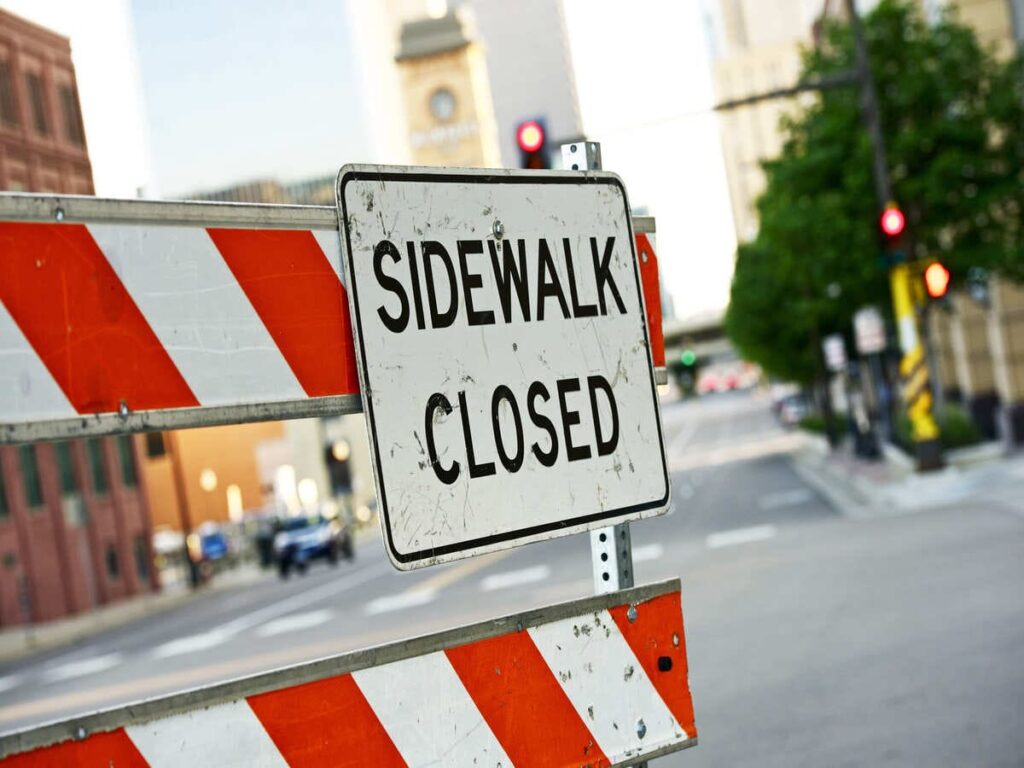
- संकेत: माउंट करें फुटपाथ बंद होने का संकेत (आर9-9) सीधे बैरिकेड पर, पैदल यात्री प्रवाह का सामना करना पड़ रहा है.
- अनुदेश: यदि चक्कर लगाकर सड़क पार करने की आवश्यकता हो, विशिष्ट का उपयोग करें साइडवॉक बंद अन्य साइड साइन का उपयोग करें (आर9-10) या यहां क्रॉस का चिह्न (आर9-11).
- दृश्यता: राजमार्ग के विपरीत निर्माण यातायात संकेत, ये रेट्रोरिफ्लेक्टिव होने चाहिए और हाई कॉन्ट्रास्ट (काले पर सफेद नियामक शैली) तत्काल अनुपालन का आदेश देना.
चेतावनी: कभी भी प्रयोग न करें “सावधानी टेप” अकेला. टेप कोई बैरिकेड नहीं है. यह शून्य शारीरिक सुरक्षा प्रदान करता है और सफेद छड़ी के लिए अदृश्य है.
चक्कर पथ: एक सुरक्षित मार्ग बनाना (चकराना)
एक बार जब आप फुटपाथ को ब्लॉक कर देंगे, आपको एक वैकल्पिक मार्ग प्रदान करना होगा. यह “पैदल यात्री चक्कर” के सख्त मानकों को पूरा करना होगा चकराना (सार्वजनिक मार्ग के अधिकार अभिगम्यता दिशानिर्देश).
आप व्हीलचेयर उपयोगकर्ता को घास पर बैठने के लिए बाध्य नहीं कर सकते, कंकड़, या मैला कंधा.
सतह की आवश्यकताएँ
घुमाव वाला रास्ता होना चाहिए:
- अटल: यह व्हीलचेयर के वजन के नीचे ख़राब नहीं होता है.
- स्थिर: यह फिसलता या हिलता नहीं है.
- पर्ची-प्रतिरोधी: यह गीला होने पर भी कर्षण प्रदान करता है.
न्यूनतम चौड़ाई (48 इंच)
चक्कर की निरंतर स्पष्ट चौड़ाई कम से कम होनी चाहिए 48 इंच (4 पैर).
- टर्निंग स्पेस: यदि चक्कर के लिए यू-टर्न या तेज कोने की आवश्यकता होती है, आपको एक प्रदान करना होगा 60-इंच x 60-इंच गुजरती हुई जगह.
- श्रेणी: क्रॉस-ढलान (नत) अस्थायी पथ से अधिक नहीं हो सकता 2%. कोई भी तेज़ चीज़ व्हीलचेयर के लिए पलटने का ख़तरा पैदा करती है.
मार्ग मार्गदर्शन: पैदल यात्री चक्कर चिन्ह (एम4-9ए)
बिलकुल गाड़ियों की तरह, पैदल यात्रियों को आश्वासन की जरूरत है.
- संकेत: उपयोग पैदल यात्री चक्कर चिन्ह (एम4-9ए) हर मोड़ पर.
- निरंतरता: प्रत्येक पर एक पुष्टिकरण चिन्ह लगाएं 100 पैर यदि चक्कर लंबा या जटिल है. अगर कोई पैदल यात्री भटक जाए, वे सहज रूप से अपना रुख खोजने के लिए सड़क पर चलेंगे.
बिलकुल गाड़ियों की तरह, पैदल यात्रियों को आश्वासन की जरूरत है. 'सकारात्मक मार्गदर्शन' के सिद्धांत’ यहां हमारे विस्तृत विवरण के समान हैं सड़क बंद गाइड: निर्माण चक्कर संकेत & बैरिकेड सेटअप. तथापि, उच्च गति वाले सड़क मार्गों के विपरीत, जिनमें बड़े-बड़े संकेतों का उपयोग किया जाता है 500 पैरों के अलावा, पैदल यात्री पथों पर भ्रम की स्थिति को रोकने के लिए हर कुछ गज की दूरी पर छोटे संकेतों की आवश्यकता होती है.
संकेतों से परे: श्रव्य उपकरण & अस्थायी रैंप
अंधे पैदल यात्री के लिए दृश्य संकेत बेकार हैं. नीचे एमयूटीसीडी 11वां संस्करण (2023), जटिल समापनों के लिए अब केवल दृश्य संकेत पर्याप्त नहीं है.
श्रव्य सूचना उपकरण (सहायता)
- जनादेश (एमयूटीसीडी 6पी-29): जब आप a का उपयोग करते हैं “यहां फुटपाथ बंद कर दिया गया” संकेत (आर9-11ए), संघीय मानक आपको बताते हैं करेगा एक श्रव्य सूचना उपकरण शामिल करें.
- क्यों? एक अंधा पैदल यात्री सड़क के दूसरी ओर इंगित करने वाले तीर को नहीं देख सकता. बिना ध्वनि संदेश के, वे मान सकते हैं कि रास्ता खुला है या किनारे पर फंस सकते हैं.
- टेक: ये बैरिकेड पर लगे मोशन-एक्टिवेटेड स्पीकर हैं जो एक कस्टम संदेश प्रसारित करते हैं: “फुटपाथ बंद. चक्कर लगाने के लिए यहां से पार करें।”
अस्थायी कर्ब रैंप (The 1:12 नियम)
यदि आपका चक्कर पैदल चलने वालों को सड़क से हटकर सड़क पर आने के लिए मजबूर करता है (परिवर्तन), आप व्हीलचेयर उपयोगकर्ता से ऐसी अपेक्षा नहीं कर सकते “कूदना” अंकुश.
- हार्डवेयर: आपको एक इंस्टॉल करना होगा अस्थायी कर्ब रैंप.
- ढाल: रैंप का ढलान अनुपात होना चाहिए 1:12 (1 प्रत्येक के लिए इंच की वृद्धि 12 इंच की दौड़).
- किनारा: इसके किनारे अवश्य उठे हुए होंगे (किनारे की सुरक्षा) व्हीलचेयर के पहिये को फिसलने से रोकने के लिए.
निष्कर्ष: अनुपालन आपका सर्वोत्तम बीमा है
शहरी निर्माण में, साइडवॉक बंद चिह्न केवल एक यातायात उपकरण नहीं है; यह एक कानूनी ढाल है. एडीए स्वीकार नहीं करता “हम नहीं जानते थे” बचाव के रूप में. यदि कोई अंधा पैदल यात्री घायल हो जाता है क्योंकि आपके बैरिकेड में निचली रेलिंग नहीं है, दायित्व आपकी साइट प्रबंधन पर पड़ता है.
ऑप्टट्रैफ़िक की पूरी श्रृंखला का निर्माण करती है MUTCD-संगत पैदल यात्री नियंत्रण चिह्नएस. गैर-अनुपालक गियर पर अपने प्रोजेक्ट की टाइमलाइन को जोखिम में न डालें.
अक्सर पूछे जाने वाले प्रश्न: फुटपाथ बंद करने के नियम
स्थान महत्वपूर्ण है.
फुटपाथ बंद (आर9-9): रखा गया फुटपाथ पर पैदल यात्रियों को ब्लॉक से नीचे चलने से रोकने के लिए.
क्रॉसवॉक बंद (आर9-3ए): रखा गया कगार पर पैदल चलने वालों को एक विशिष्ट चौराहे पर प्रवेश करने से रोकना.
हाँ, विशिष्ट मामलों में. MUTCD 11वें संस्करण के तहत, यदि आपके सेटअप के लिए पैदल यात्रियों को सड़क पार करने की आवश्यकता है (ए का उपयोग करना “यहाँ पार करो” संकेत), एक श्रव्य सूचना उपकरण (सहायता) ये जरूरी है (“करेगा”) दृष्टिबाधित उपयोगकर्ताओं का मार्गदर्शन करने के लिए.
7 पैर. पैदल चलने वालों को चोट से बचाने के लिए जो साइन में चल सकते हैं, चिन्ह का निचला किनारा कम से कम होना चाहिए 7 चलने की सतह से पैर ऊपर.