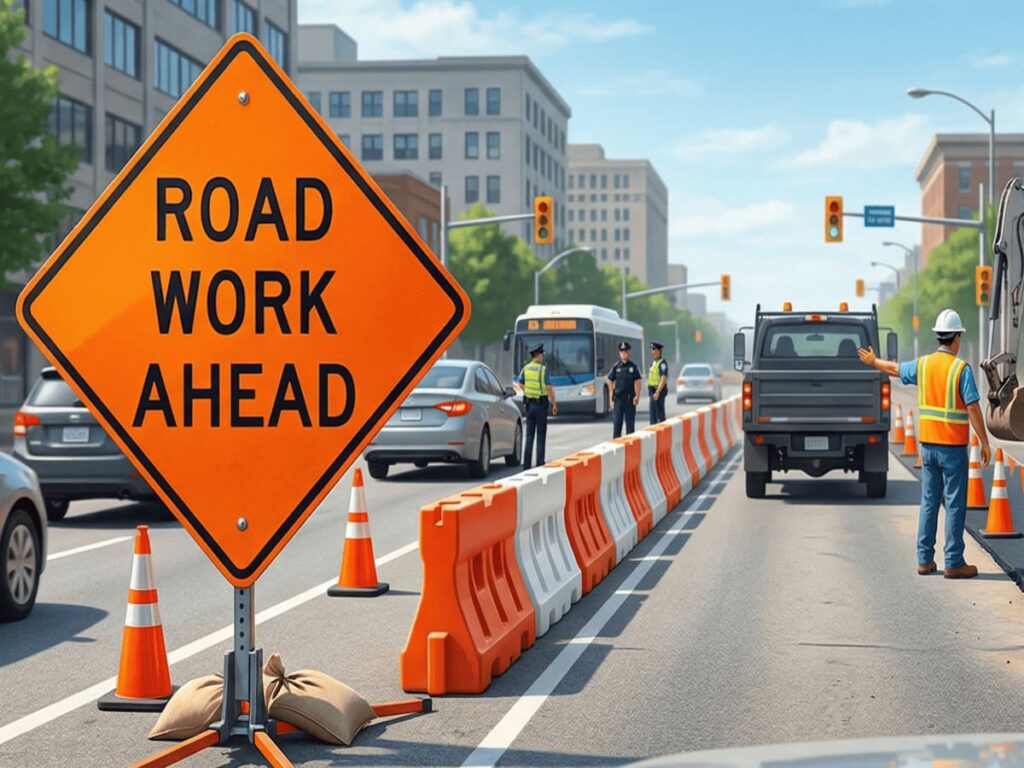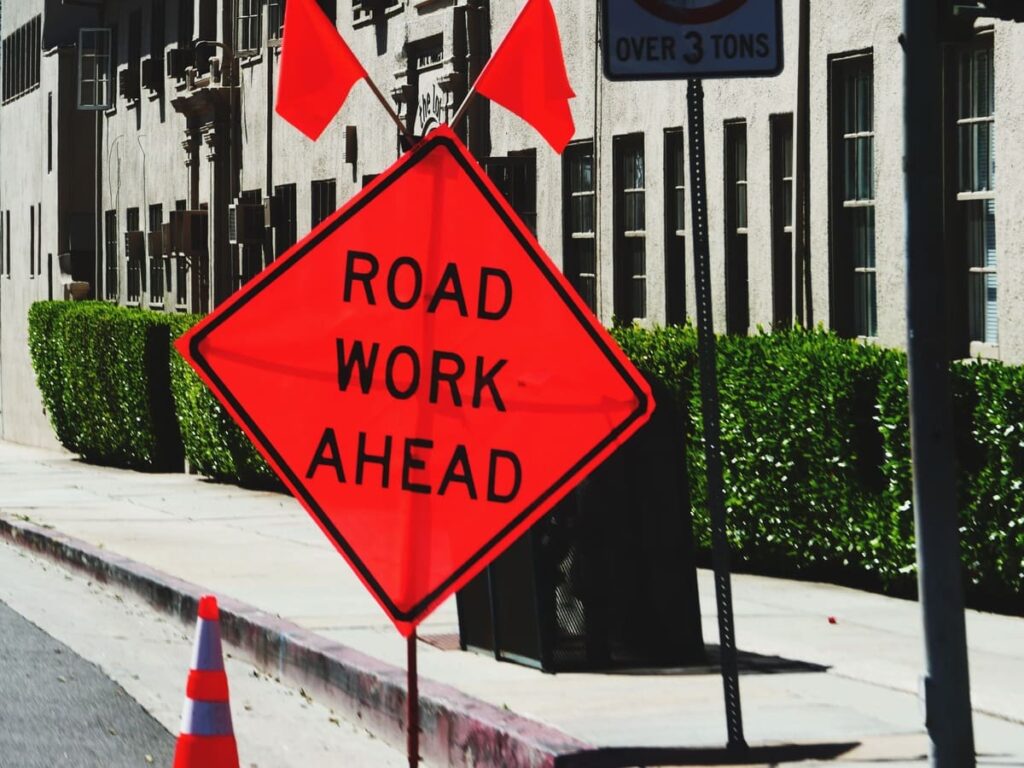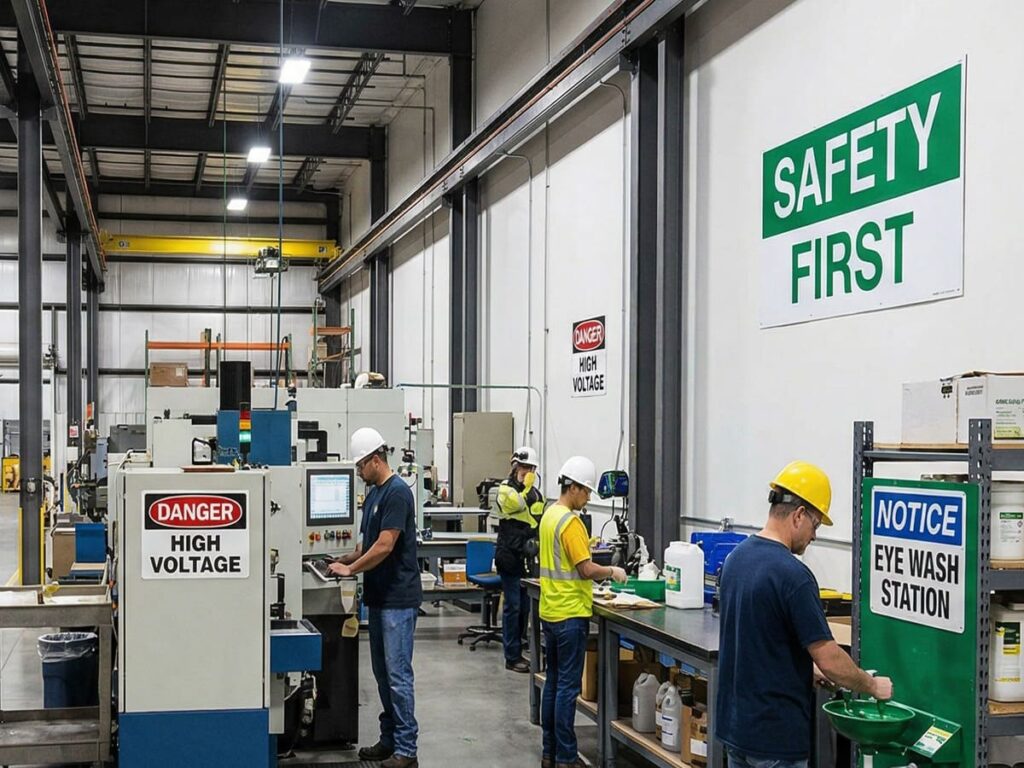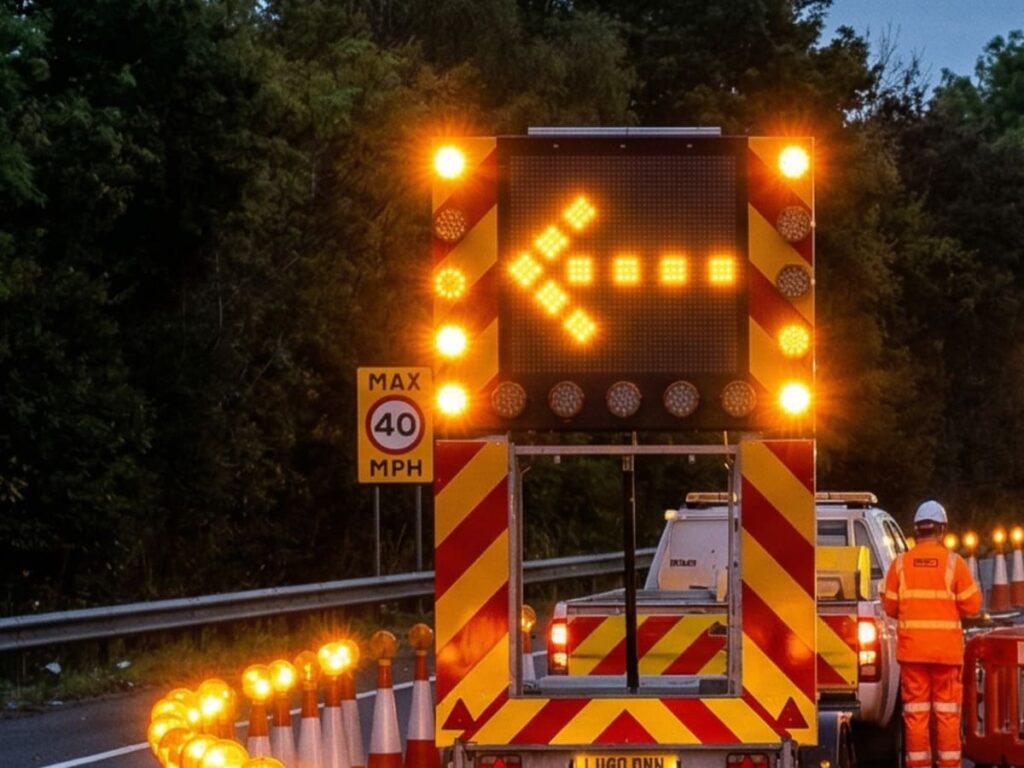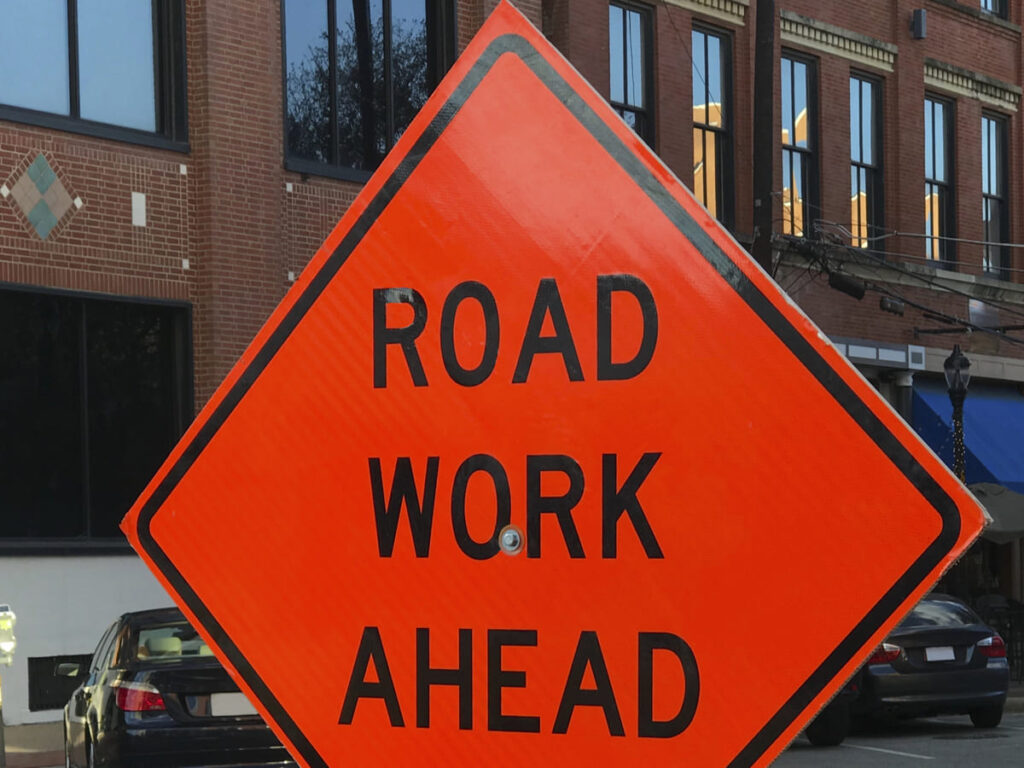
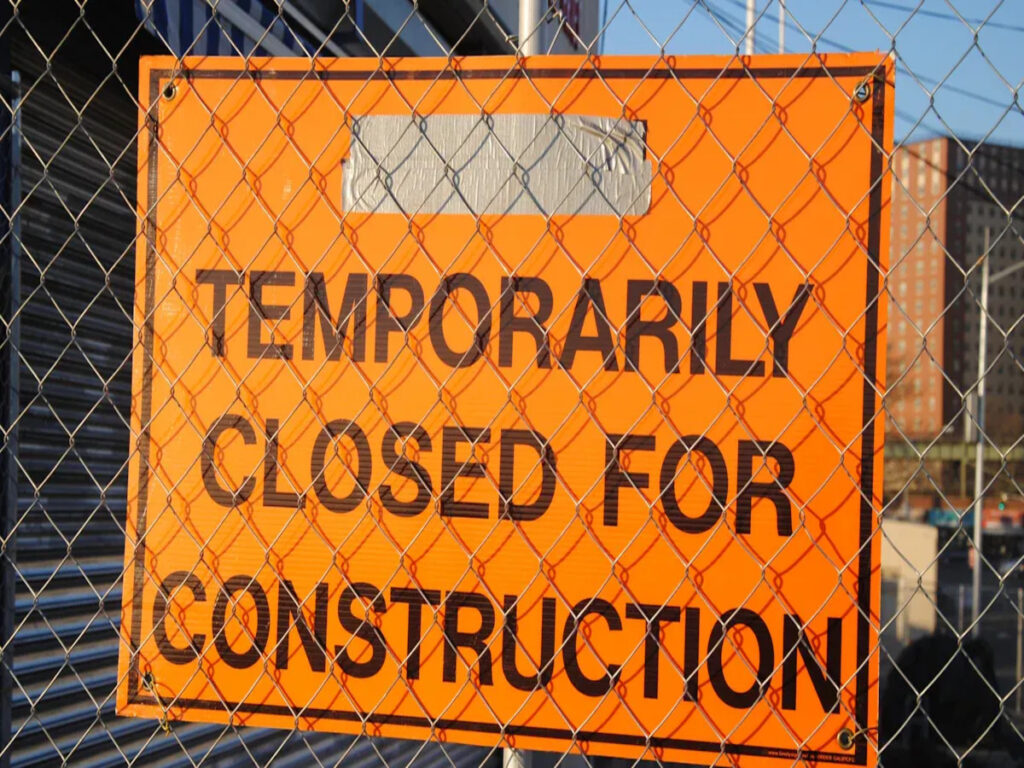
निर्माण चिह्न सामग्री परिभाषित करें कि क्या चेतावनियाँ धूल के माध्यम से भी पढ़ने योग्य रहती हैं, प्रभाव, और लंबे समय तक यूवी एक्सपोज़र. इसलिए, मजबूत सामग्री विकल्प सक्रिय निर्माण स्थलों पर अनुपालन अंतराल और दायित्व जोखिम को कम करते हैं.
निर्माण वातावरण साइनेज को दंडित करता है. सीमेंट की धूल चेहरे को खरोंच देती है. फोर्कलिफ्ट्स कोनों को क्लिप करते हैं. सूरज की रोशनी स्याही को फीका कर देती है. नमी और क्लीनर किनारों पर हमला करते हैं. जब कोई संदेश प्रोजेक्ट के मध्य में विफल हो जाता है, क्रू एक नियंत्रण परत खो देते हैं जिससे नियामकों को स्थिर और सुपाठ्य होने की उम्मीद होती है.
सुरक्षा प्रदर्शन भी निर्माण जोखिम की वास्तविकता से जुड़ा है. हम. निर्माण में कुल रिकॉर्ड करने योग्य मामलों की घटना दर दर्ज की गई 2.2 प्रति 100 नवीनतम बीएलएस उद्योग तालिका में पूर्णकालिक कर्मचारी.
इस दौरान, सीपीडब्लूआर की रिपोर्ट 1,099 ए के साथ निर्माण मौतें 9.2 प्रति 100,000 FTE मृत्यु दर के लिए 2023.
वे संख्याएँ "साबित" नहीं करतीं कि कोई संकेत अपने आप चोट लगने से बचाता है. तथापि, वे एक सरल संचालन सिद्धांत को उचित ठहराते हैं: संपूर्ण प्रोजेक्ट जीवनचक्र के लिए साइट नियंत्रण विश्वसनीय रहना चाहिए, और साइनेज ख़राब होने वाले सबसे तेज़ नियंत्रणों में से एक है.
यदि आप सही सामग्रियों को चुनने के महत्व और वे सुरक्षा को कैसे प्रभावित करते हैं, इसके बारे में अधिक जानना चाहते हैं, अनुपालन, और आपके कार्य स्थलों पर दक्षता, हमारी पूरी मार्गदर्शिका अवश्य देखें: निर्माण साइनेज के लिए व्यापक गाइड.
निर्माण स्थल सुरक्षा संकेत निर्माण संकेत सामग्री से शुरू होते हैं
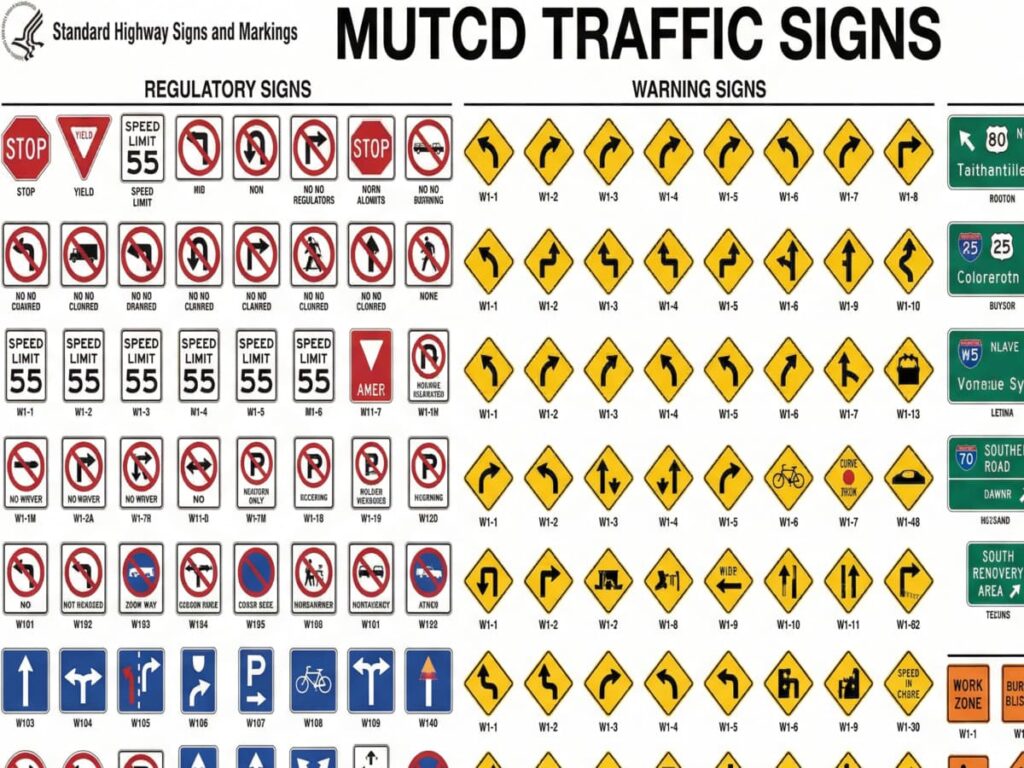
यू.एस. पर. कार्यस्थल, कर्मचारी सुरक्षा के लिए यातायात नियंत्रण उपकरणों के अनुरूप होना चाहिए MUTCD भाग 6 OSHA के निर्माण मानकों के तहत. इस दौरान, FHWA का 11वां संस्करण MUTCD जनवरी से प्रभावी हो गया 18, 2024, और राज्य एफएचडब्ल्यूए समयसीमा के आधार पर पर्याप्त अनुरूपता की ओर बढ़ रहे हैं.
सामग्री की विफलता व्यावहारिक गैर-अनुरूपता पैदा करती है, भले ही साइन डिज़ाइन कागज पर "सही" दिखता हो. एक क्षत-विक्षत चेहरा, चाकयुक्त किंवदंती, या टूटा हुआ सब्सट्रेट पठनीयता को मिटा सकता है, पुनर्मिलन, या क्षेत्र में अखंडता का संदेश दें. एफएचडब्ल्यूए इस बात पर भी जोर देता है कि समय के साथ साइन रिट्रोरफ्लेक्टिविटी में गिरावट आती है और एजेंसियों को एमयूटीसीडी द्वारा आवश्यक न्यूनतम स्तर बनाए रखना चाहिए.
इसलिए भौतिक प्रश्न कॉस्मेटिक नहीं है. यह चालू है.
इसलिए, जब जॉबसाइट टीमों को साइनेज की आवश्यकता होती है जो धूल के माध्यम से अनुपालन-दिखने वाला और क्षेत्र-पठनीय रहता है, प्रभाव, और लंबा एक्सपोज़र, ऑप्टट्रैफ़ीसी उच्च गुणवत्ता वाले निर्माण कार्यक्रमों का समर्थन करता है निर्माण संकेत कठोर साइट स्थितियों और सुसंगतता के लिए निर्मित, दोहराने योग्य प्रदर्शन.
साइट क्षेत्र के अनुसार टिकाऊ निर्माण संकेत
सामग्री का चयन तब सबसे अच्छा काम करता है जब टीमें साइन बिल्ड का मिलान क्षेत्र के खतरे की प्रोफ़ाइल से करती हैं. एक ही प्रोजेक्ट के लिए कई सबस्ट्रेट्स और फेस कंस्ट्रक्शन की आवश्यकता हो सकती है, क्योंकि एक्सपोज़र मोड अलग-अलग होते हैं.
परिधि और बाड़ लगाने के लिए यूवी प्रतिरोधी निर्माण होर्डिंग संकेत
विशिष्ट स्थितियाँ
- महीनों या वर्षों तक लंबे समय तक धूप में रहना
- पवन लोडिंग और कंपन
- भित्तिचित्र जोखिम और दबाव धुलाई
- जनता के सामने ब्रांड का प्रदर्शन
अनुशंसित निर्माण
- एसीएम (एल्यूमीनियम मिश्रित सामग्री) या एल्यूमीनियम शीट कठोरता और सपाटता के लिए
- यूवी-स्थिर स्याही प्रणाली प्लस एंटी-यूवी ओवरलैमिनेट या एक यूवी-स्थिर फेस फिल्म
- लैमिनेटेड एंटी-भित्तिचित्र जब सफाई बार-बार होगी
यह क्यों काम करता है
परिधि साइनेज "अर्ध-स्थायी" की तरह व्यवहार करता है। यह सीधा रहना चाहिए, तेल-कैनिंग का विरोध करें, और रंग पकड़ो. यूवी प्लास्टिक और कई मुद्रित परतों दोनों पर हमला करता है, इसलिए चेहरे की रणनीति उतनी ही मायने रखती है जितनी कोर पैनल.
पॉलीकार्बोनेट बाहर काम कर सकता है, लेकिन मानक ग्रेड स्थिरीकरण के बिना यूवी के तहत पीले हो सकते हैं या ऑप्टिकल गुण खो सकते हैं. पॉलीकार्बोनेट ग्लेज़िंग पर शोध से पता चलता है कि यूवी एक्सपोज़र से मलिनकिरण हो सकता है, धुंध, और सतह का क्षरण, और आर्द्रता फोटो-प्रेरित पीलेपन को तेज कर सकती है.
इसलिए, जब टीमें आउटडोर कवर या साइन फेस के लिए पॉलीकार्बोनेट चुनती हैं, उन्हें निर्दिष्ट करना चाहिए यूवी स्थिर या यूवी-प्रतिरोधी ग्रेड. SABIC इस बात पर प्रकाश डालता है कि यूवी-स्थिर पॉली कार्बोनेट फॉर्मूलेशन पीलेपन का विरोध कर सकते हैं और मानक पॉली कार्बोनेट की तुलना में चमक और रंग को लंबे समय तक बनाए रख सकते हैं।.
उच्च-यातायात संयंत्र मार्गों और लेडाउन यार्डों के लिए भारी शुल्क निर्माण संकेत
विशिष्ट स्थितियाँ
- फोर्कलिफ्ट और टेलीहैंडलर हमले
- उड़ता हुआ मलबा और समग्र प्रभाव
- लगातार धूल का घर्षण
- बार-बार स्थानांतरण और पुनः स्थापना
अनुशंसित निर्माण
- मोटा एल्यूमीनियम कठोरता और डेंट प्रतिरोध के लिए, या
- पॉलीकार्बोनेट क्रैकिंग जोखिम हावी होने पर प्रभाव प्रतिरोध के लिए
- किनारे की सुरक्षा (गोल कोनें, कोने की त्रिज्या, या सुरक्षात्मक किनारा)
- बदली जाने योग्य फेस ओवरले बार-बार संभालने के लिए पुन: प्रयोज्य सबस्ट्रेट्स पर
यह क्यों काम करता है
इन क्षेत्रों में प्रभाव विफलता यूवी की तुलना में तेजी से पठनीयता समाप्त करती है. पॉलीकार्बोनेट को अक्सर चुना जाता है क्योंकि यह प्रभाव के तहत टूटने से बचाता है. इंजीनियरिंग सामग्रियों की तुलना में आमतौर पर ग्लास की तुलना में कहीं अधिक उच्च प्रभाव प्रतिरोध वाले पॉली कार्बोनेट का हवाला दिया जाता है, और यह ऐक्रेलिक की तुलना में बूंदों और झटकों को भी बेहतर ढंग से सहन करता है.
तथापि, पॉलीकार्बोनेट ऐक्रेलिक की तुलना में अधिक आसानी से खरोंच सकता है, तो ए सख्त लेपित चेहरा या एक सुरक्षात्मक ओवरले धूल से चलने वाली धुंध को कम करता है.
एक व्यावहारिक क्षेत्र नियम मदद करता है: उच्च प्रभाव वाले क्षेत्रों में, लक्ष्य "संपूर्ण उपस्थिति" नहीं है। लक्ष्य है "संदेश दुरुपयोग से बचे।"
बेसमेंट और इंटीरियर फिट-आउट के लिए रासायनिक प्रतिरोधी सुरक्षा संकेत
विशिष्ट स्थितियाँ
- उच्च नमी और संघनन
- ख़राब वेंटिलेशन
- सफाईकर्मियों से संपर्क करें, अम्ल/क्षार, और सीमेंट वॉश उत्पाद
- नम सबस्ट्रेट्स से चिपकने वाली विफलता
अनुशंसित निर्माण
- एचडीपीई गीले के लिए पैनल, संक्षारक, या रासायनिक-संपर्क क्षेत्र
- कठोर पीवीसी कई औद्योगिक रासायनिक वातावरणों के लिए पैनल
- सीलबंद किनारे और चेहरे के पीछे पानी के प्रवेश को रोकने के लिए उपयुक्त फास्टनरों
- उच्च-विपरीत किंवदंतियाँ साथ ही जहां प्रकाश सीमित है वहां परावर्तक या फोटोल्यूमिनसेंट सहायता
यह क्यों काम करता है
प्लास्टिक चयन के लिए साक्ष्य की आवश्यकता है, अनुमान नहीं. आईएनईओएस ने एक एचडीपीई रासायनिक प्रतिरोध गाइड प्रकाशित किया है जिसमें सामान्य तापमान पर कई एसिड और लवणों में एचडीपीई दरों को संतोषजनक दिखाया गया है, जबकि अनुकूलता कुछ सॉल्वैंट्स और उच्च तापमान के लिए बदल जाती है.
उसी प्रकार, आईपीईएक्स एक पीवीसी रासायनिक प्रतिरोध गाइड प्रदान करता है और उस तापमान पर जोर देता है, एकाग्रता, एक्सपोज़र अवधि, और तनाव की स्थितियाँ परिणाम बदल देती हैं.
इसलिए, "रासायनिक प्रतिरोधी" का अर्थ "इस साइट पर उपयोग किए जाने वाले विशिष्ट क्लीनर और एक्सपोज़र के साथ संगत" होना चाहिए।
तेजी से बदलते कार्यस्थलों के लिए अल्पकालिक निर्माण चेतावनी संकेत
विशिष्ट स्थितियाँ
- दैनिक चालें और स्टेजिंग परिवर्तन
- लघु एक्सपोज़र विंडो
- हानि और क्षति का उच्च जोखिम
- त्वरित स्थापना की आवश्यकता
अनुशंसित निर्माण
- coroplast (नालीदार प्लास्टिक) या बहुत कम अवधि के लिए हल्के पैनल
- स्पष्ट प्रतिस्थापन योजना क्षति के लिए
- संदेश अनुशासन इसलिए दल अस्पष्ट संकेतों को तुरंत हटा दें
यह क्यों काम करता है
अल्पावधि का मतलब कम दांव नहीं है. इसका मतलब है कि प्रोग्राम को तेजी से प्रतिस्थापन और सख्त स्थिति जांच की आवश्यकता है.
मूक खतरे जो टिकाऊ निर्माण संकेतों को नष्ट कर देते हैं
सामग्री का चुनाव अक्सर विफल हो जाता है क्योंकि टीमें "माध्यमिक" तनाव को नजरअंदाज कर देती हैं. चार मूक खतरे बार-बार सामने आते हैं.
कंक्रीट की धूल का घर्षण और गंदगी का जमा होना
कंक्रीट की धूल बारीक अपघर्षक की तरह काम करती है. इससे चेहरे फीके पड़ जाते हैं, किनारों को पीसता है, और बादल प्लास्टिक को साफ़ करते हैं. गंदगी से सुस्पष्टता भी कम हो जाती है, खासकर रात में.
सामग्री प्रतिक्रिया
- उपयोग सुरक्षात्मक ओवरलैमिनेट्स जो सफाई को सहन करता है
- निर्दिष्ट करें सफाई-संगत स्याही और ऐसे चेहरों से बचें जो जल्दी खराब हो जाते हैं
- जोड़ना गोल किनारे और प्रदूषण को कम करने के लिए कोनों को सील कर दिया जाता है
परिचालन प्रतिक्रिया
- एक सरल नियम परिभाषित करें: यदि पठनीयता कम हो जाती है, चेहरा बदलें.
यह इस व्यापक अपेक्षा के अनुरूप है कि संकेत क्रियाशील बने रहेंगे, सिर्फ "वर्तमान" नहीं।
मचान और अस्थायी संरचनाओं पर पवन भार की विफलता
हवा केवल संकेतों को ही उड़ा नहीं देती. यह फास्टनरों को भी थका देता है और भंगुर सब्सट्रेट्स को तोड़ देता है.
समझौता निर्णय
- जालीदार बैनर पवन पाल क्षेत्र को कम करें, इसलिए वे भार कम करते हैं
- कठोर पैनल संदेश की स्पष्टता और आकार स्थिरता में सुधार करें
फ़ील्ड-तैयार दृष्टिकोण
- जब हवा हावी हो तो जाली का प्रयोग करें और संदेश दूरी पर पढ़ने योग्य बना रहे
- जब अनुपालन संदेश उच्च-विपरीत और सटीक रहना चाहिए तो कठोर पैनलों का उपयोग करें
- दोनों ही मामलों में, अटैचमेंट हार्डवेयर को साइन सिस्टम के भाग के रूप में मानें, कोई बाद का विचार नहीं
बहु-वर्षीय परियोजनाओं पर यूवी उम्र बढ़ना
यूवी क्षति शायद ही कभी रातोंरात विफल हो जाती है. यह रंग फीका कर देता है, प्लास्टिक को नष्ट करता है, और चिपकने वाले पदार्थों को कमजोर कर देता है, फिर विफलता "अचानक" महीने में प्रकट होती है 18.
सामग्री प्रतिक्रिया
- यूवी-स्थिर फेस सिस्टम को प्राथमिकता दें
- स्पष्ट या पारभासी घटकों के लिए यूवी-स्थिर प्लास्टिक निर्दिष्ट करें
- स्थिरीकरण के बिना बाहर मानक पॉलीकार्बोनेट पर निर्भर रहने से बचें, क्योंकि यूवी समय के साथ पीलापन और ऑप्टिकल गुणों के नुकसान को बढ़ा सकता है.
थर्मल साइकलिंग और फास्टनर थकान
गर्म दिन और ठंडी रातें पैनल का विस्तार और संकुचन करती हैं. वह गति फास्टनरों को ढीला कर देती है और कोनों को तोड़ देती है.
डिजाइन प्रतिक्रिया
- नुकीले कोनों के बजाय कोने की त्रिज्याएँ जोड़ें
- लचीले मीडिया के लिए वॉशर और उपयुक्त ग्रोमेट का उपयोग करें
- होर्डिंग साइनेज के लंबे समय तक विस्तार अंतराल की अनुमति दें
रात्रि कार्य और अप्रकाशित स्थलों के लिए चिंतनशील निर्माण संकेत
रात का काम एक गैर-परक्राम्य परत जोड़ता है: हेडलाइट्स के नीचे दृश्यता. रेट्रोरिफ्लेक्टिव प्रदर्शन हमेशा के लिए स्थिर नहीं रहता है, इसलिए टीमों को एक रखरखाव मानसिकता की आवश्यकता होती है जो परियोजना की लंबाई के अनुकूल हो. एफएचडब्ल्यूए नोट करता है कि रेट्रोरिफ्लेक्टिविटी कम हो जाती है और एमयूटीसीडी को न्यूनतम रेट्रोरिफ्लेक्टिविटी स्तरों को पूरा करने के लिए संकेतों की आवश्यकता होती है, जो प्रदर्शन को बनाए रखने के लिए प्रबंधन विधियों को संचालित करता है.
व्यावहारिक चयन मार्गदर्शन
- उपयोग उच्च श्रेणी की चादर जहां पहुंचने की गति अधिक हो या प्रतिक्रिया का समय कम हो
- खराब परिवेश प्रकाश व्यवस्था वाले क्षेत्रों के लिए परावर्तक ग्रेड को अपग्रेड करें
- जब धूल और धुलाई बार-बार होने लगे तो परावर्तक चेहरों को उपभोग्य वस्तु के रूप में समझें
यह अनुभाग "गैर-सड़क" औद्योगिक निर्माणों पर भी मायने रखता है. कई दूरस्थ साइटें न्यूनतम रोशनी के साथ रात्रिकालीन संचालन चलाती हैं, इसलिए चिंतनशील प्रदर्शन प्राथमिक दृश्यता उपकरण बन जाता है.
निर्माण चिह्न सामग्री चयन मैट्रिक्स
नीचे दिया गया मैट्रिक्स निर्णय को एक्सपोज़र मोड में आधारित रखता है, सामान्य सामग्री दावे नहीं.
| साइट क्षेत्र | प्रमुख खतरे | अनुशंसित सब्सट्रेट | चेहरा और सुरक्षा | प्रतिस्थापन ताल तर्क |
|---|---|---|---|---|
| परिधि होर्डिंग और बाड़ लाइन | यूवी, हवा, भित्ति चित्र, कपड़े धोने | एसीएम या एल्यूमीनियम | यूवी-स्थिर प्रिंट + यूवी/एंटी-भित्तिचित्र लैमिनेट | जब फीका पड़ जाए या धुंध साफ होने पर कंट्रास्ट कम हो जाए तो बदलें |
| संयंत्र मार्ग और लेडाउन यार्ड | प्रभाव, घर्षण, धूल | मोटा एल्यूमीनियम या पॉली कार्बोनेट | मोटा कोट / सुरक्षात्मक आवरण | संदेश क्षेत्र को विकृत या क्रैक करने वाले प्रभावों के बाद बदलें |
| बेसमेंट और गीला आंतरिक भाग | नमी, रसायन, सफ़ाईकर्मी | एचडीपीई या कठोर पीवीसी | रसायन-संगत स्याही + सीलबंद किनारे | सूजन होने पर बदलें, मुड़ने, या एज लिफ्ट दिखाई देती है |
| तेजी से बदलता वर्कफ्रंट | क्षति से निपटना, नुकसान | coroplast / हल्का पैनल | साधारण चेहरा, हाई कॉन्ट्रास्ट | मुड़ने या पढ़ने में न आने पर तुरंत बदलें |
| रात्रि संचालन और अप्रकाशित क्षेत्र | हेडलाइट दृश्यता | एल्यूमिनियम/एसीएम + चिंतनशील चेहरा | उपयुक्त परावर्तक ग्रेड, साफ करने योग्य ओवरले | रेट्रोरिफ्लेक्टिविटी और कंट्रास्ट लॉस के आधार पर बदलें/साफ़ करें |
रासायनिक अनुकूलता को अभी भी साइट-विशिष्ट सत्यापन की आवश्यकता है क्योंकि तापमान और एकाग्रता प्रदर्शन को बदलते हैं. उद्योग गाइड एचडीपीई और पीवीसी जैसे प्लास्टिक के लिए इन चरों को स्पष्ट रूप से उजागर करते हैं.
दूरस्थ औद्योगिक स्थल जब प्रतिस्थापन यात्राओं की लागत संकेतों से अधिक होती है
दूरस्थ परियोजनाएं लागत तर्क को बदल देती हैं. एक रिप्लेसमेंट रन में साइन की तुलना में अधिक समय और पैसा खर्च हो सकता है, खासकर जब पहुंच के लिए एस्कॉर्ट्स की आवश्यकता होती है, परमिट, या मौसम खिड़कियाँ.
परिदृश्य पैटर्न
- उच्च ऊंचाई या रेगिस्तानी तापमान में उतार-चढ़ाव
- सीमित रोशनी के साथ रात्रि संचालन
- लंबी लॉजिस्टिक लीड समय
- डाउनटाइम के लिए कम सहनशीलता
मजबूत समाधान सेट
- उपयोग प्रतिबिंबित निर्माण संकेत महत्वपूर्ण मार्गों और जोखिम बिंदुओं में
- चुनना कठोर सब्सट्रेट्स जो विरूपण और कंपन का विरोध करता है
- निर्दिष्ट करें यूवी-स्थिर चेहरे और मध्य-चक्र प्रदूषण से बचने के लिए किनारों को सील कर दिया गया है
- माउंटिंग को मानकीकृत करें ताकि कर्मचारी कस्टम हार्डवेयर के बिना संकेतों को शीघ्रता से बदल सकें
यह दृष्टिकोण साइनेज को एक विश्वसनीयता परिसंपत्ति के रूप में मानता है. यह "सूक्ष्म विफलताओं" को कम करता है जो जोखिम को बढ़ाती हैं.
निर्माण परियोजना प्रबंधकों के लिए अक्सर पूछे जाने वाले प्रश्न
कौन सी निर्माण सामग्री तीन साल की परियोजना परिधि में जीवित रहती है
यूवी-स्थिर चेहरे के निर्माण के साथ जोड़े जाने पर एसीएम या एल्यूमीनियम लंबे परिधि चक्रों के लिए सबसे अच्छा प्रदर्शन करता है. यूवी प्रतिरोध को वर्णक स्थिरता और लेमिनेट प्रदर्शन दोनों को कवर करना चाहिए, न केवल कोर पैनल.
जब धूल स्थिर रहती है तो विध्वंस स्थल दृश्यता कैसे बनाए रख सकते हैं
धूल प्रबंधन चेहरे की सुरक्षा से शुरू होता है. एक साफ करने योग्य ओवरले और एक योजनाबद्ध वाइप-डाउन ताल अकेले सब्सट्रेट स्विच करने की तुलना में अक्सर कंट्रास्ट को बेहतर बनाए रखता है. इस दौरान, कोई भी चिह्न जो सुपाठ्यता खो देता है उसे सेवा से बाहर कर देना चाहिए, क्योंकि कार्यात्मक प्रदर्शन "एक साइन पोस्ट करने" से अधिक मायने रखता है।
कहां बजट में सरल सामग्री का उपयोग किया जा सकता है और कहां टीमों को कभी समझौता नहीं करना चाहिए
अल्पकालिक, कम-एक्सपोज़र वाले आंतरिक नोटिस हल्के पैनलों का उपयोग कर सकते हैं. तथापि, उच्च यातायात वाले संयंत्र मार्ग, रात्रि दृश्यता बिंदु, और परिधि अनुपालन संदेश को टिकाऊ सबस्ट्रेट्स और संरक्षित चेहरों का उपयोग करना चाहिए, क्योंकि वे क्षेत्र सबसे आक्रामक विफलता मोड का सामना करते हैं.
अंतिम चिह्न तक निष्कर्ष का निर्माण अंतिम तक
निर्माण की गुणवत्ता दोहराए जाने वाले नियंत्रणों पर निर्भर करती है. साइनेज उस नियंत्रण परत में बैठता है. यह श्रमिकों और आगंतुकों के लिए खतरों को तत्काल निर्णयों में परिवर्तित करता है.
सामग्री का चुनाव यह तय करता है कि वह अनुवाद धूल से बचेगा या नहीं, प्रभाव, यूवी, नमी, और रसायन. यह यह भी तय करता है कि क्या साइट नियामकों द्वारा अपेक्षित कार्यात्मक स्थिति बनाए रखती है या नहीं, विशेष रूप से जहां एमयूटीसीडी-अनुरूपता कार्यकर्ता सुरक्षा यातायात नियंत्रण उपकरणों पर लागू होती है.
अगर आप चाहते हैं, मैं आपकी मौजूदा उत्पाद बाधाओं को ले सकता हूं (आकार, बढ़ते तरीके, चिंतनशील ग्रेड विकल्प) और चयन मैट्रिक्स को फिर से लिखें ताकि यह आपके कैटलॉग से बिल्कुल मेल खाए, वही "ज़ोन-आधारित" तर्क रखते हुए.
अपनी अवसंरचना सुरक्षा रणनीति को अनुकूलित करें
टिकाऊ निर्माण स्थल साइन सामग्री का चयन करना परियोजना की विश्वसनीयता की दिशा में पहला कदम है. अपनी साइट के सुरक्षा प्रदर्शन और खरीद तर्क को और अधिक परिष्कृत करने के लिए, हमारी विशेष अंतर्दृष्टियों का अन्वेषण करें:
- वित्तीय प्रभाव: उच्च गुणवत्ता वाले सबस्ट्रेट्स एक रणनीतिक संपत्ति हैं, सिर्फ एक पंक्ति वस्तु नहीं. पता लगाएं कि अग्रिम क्यों टिकाऊ निर्माण चिह्नों की लागत निवेश के लायक है कम प्रतिस्थापन चक्र और कम दीर्घकालिक जोखिम के माध्यम से.
- उद्योग-विशिष्ट मानक: विभिन्न वातावरण सुरक्षा के विभिन्न स्तरों की मांग करते हैं. के लिए अद्वितीय आवश्यकताओं की तुलना करें तेल के लिए वाणिज्यिक बनाम औद्योगिक सुरक्षा संकेत & गैस स्थल यह सुनिश्चित करने के लिए कि आपके सामग्री विकल्प भारी-उद्योग मानकों को पूरा करते हैं.
- क्षेत्रीय अनुपालन: वैश्विक सीमाओं के पार मानक काफी भिन्न होते हैं. मुख्य अंतरों पर स्पष्टता प्राप्त करें ऑस्ट्रेलियाई बनाम ब्रिटिश निर्माण सुरक्षा संकेत सीमा पार अनुपालन और साइट स्थिरता बनाए रखने के लिए.