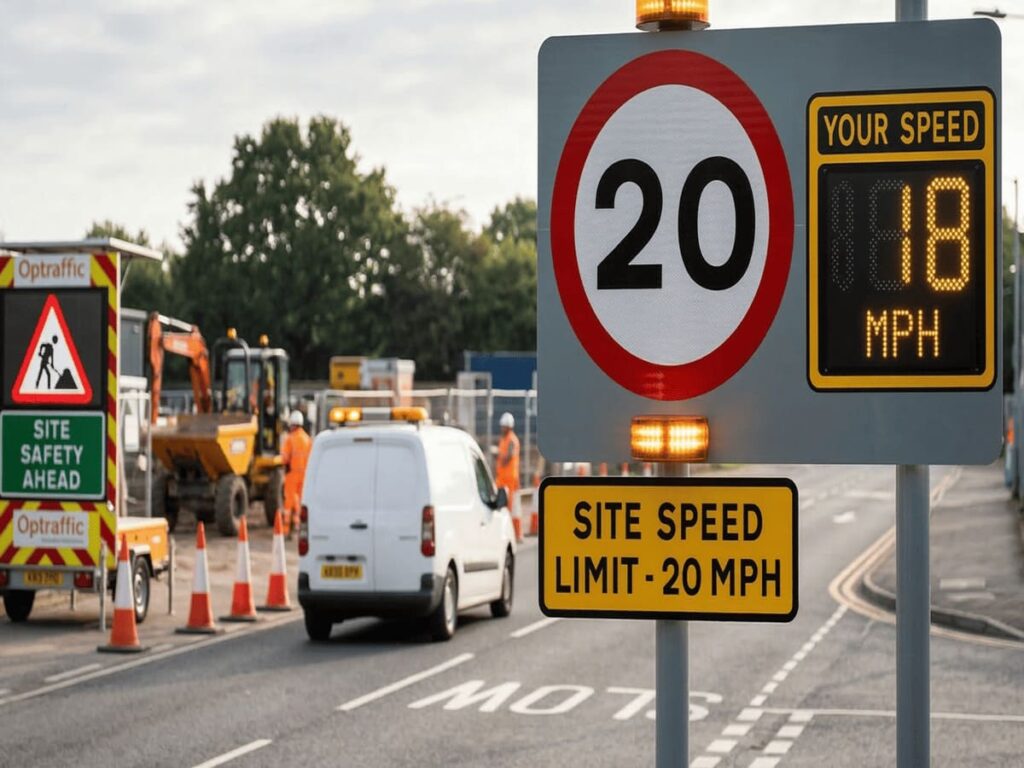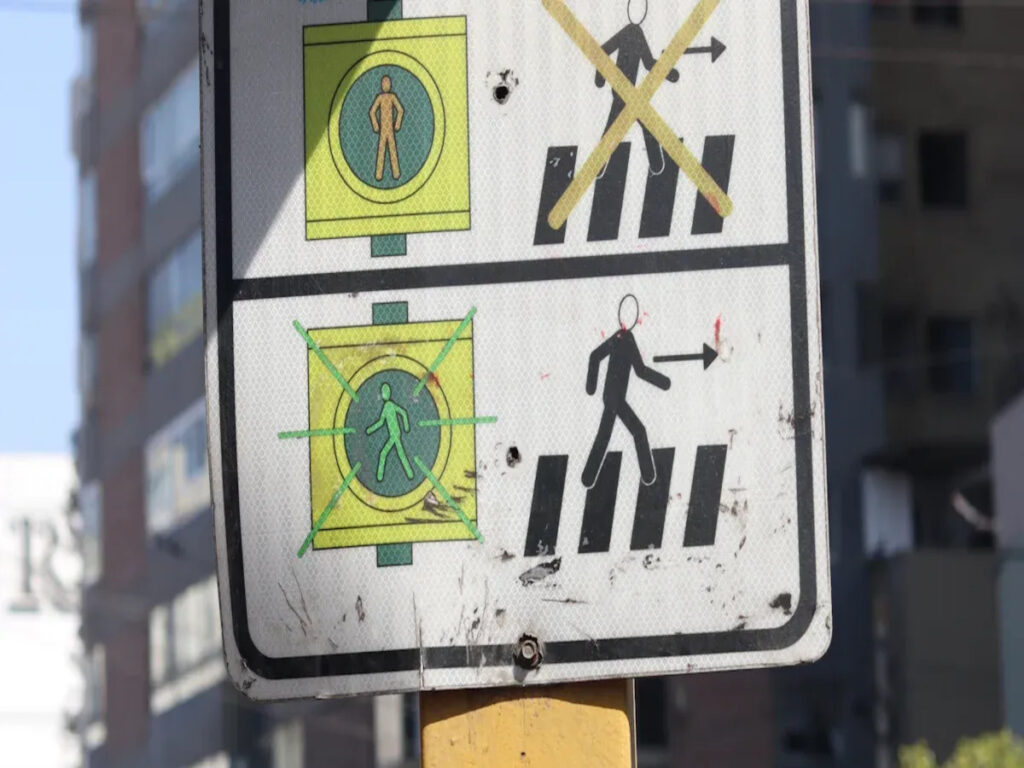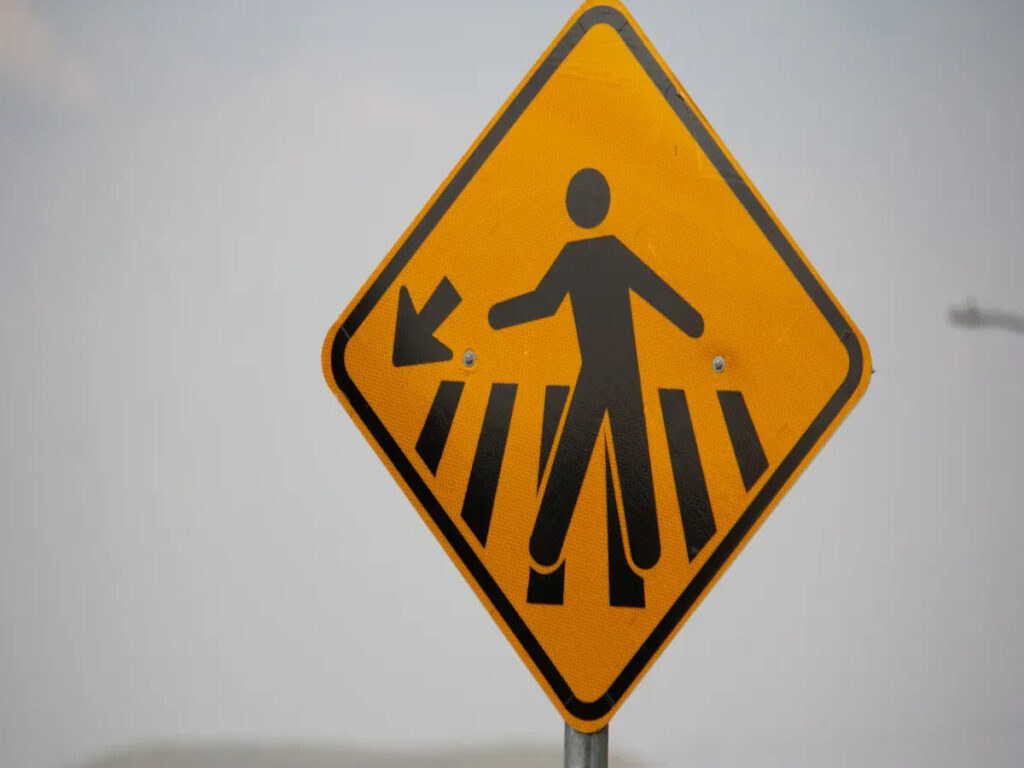

निर्माण चिह्न स्थापना यह निर्धारित करता है कि ड्राइवरों को समय पर स्पष्ट चेतावनी मिलती है या नहीं, और यह यह भी निर्धारित करता है कि कोई साइट अनुपालन जांच से गुजरती है या नहीं. इसके लिए मानकों की आवश्यकता है, हार्डवेयर अनुशासन, और दोहराए जाने योग्य फ़ील्ड चरण.
ख़राब इंस्टालेशन सिर्फ "अव्यवस्थित दिखता" नहीं है। यह सुपाठ्यता को कम कर सकता है, एडीए पथ अवरुद्ध करें, मलबे का खतरा पैदा करें, या कर्मचारियों को प्रवर्तन और दावों के अधीन छोड़ दें. अमेरिका में।, OSHA स्पष्ट रूप से निर्माण यातायात नियंत्रण उपकरणों को MUTCD भाग से जोड़ता है 6 आवश्यकताएं, इसलिए "काफ़ी अच्छी" फ़ील्ड आदतें अभी भी अनुपालन में विफल हो सकती हैं.
स्थापना एक अनुपालक कार्य-क्षेत्र संचार प्रणाली का केवल एक हिस्सा है. चिह्न चयन, संदेश अनुक्रम, प्लेसमेंट रणनीति, परावर्तन, और चल रहा रखरखाव यह निर्धारित करता है कि सेटअप प्रत्येक शिफ्ट परिवर्तन के दौरान पहले दिन से प्रभावी रहता है या नहीं. संपूर्ण रूपरेखा के लिए—आपको किन संकेतों की आवश्यकता है, संपूर्ण कार्य-क्षेत्र हस्ताक्षर लेआउट की योजना कैसे बनाएं, और इसे कैसे अनुपालन में रखा जाए—देखें निर्माण साइनेज के लिए व्यापक गाइड.
कार्य क्षेत्रों में स्थापना गुणवत्ता क्यों मायने रखती है?
इंस्टॉलेशन त्रुटियाँ वास्तविक क्रैश जोखिम और दायित्व जोखिम पैदा करती हैं
कार्य क्षेत्र उच्च जोखिम वाला ड्राइविंग वातावरण बना रहता है, तब भी जब कर्मचारी सब कुछ ठीक करते हैं. एफएचडब्ल्यूए ने सूचना दी 899 कार्यस्थल दुर्घटनाओं में मौतें 2023, और इसका टूटना इस बात पर प्रकाश डालता है कि कितनी बार घातक कार्य क्षेत्र दुर्घटनाओं में गति और रियर-एंड संघर्ष दिखाई देते हैं. वह संदर्भ मायने रखता है क्योंकि इंस्टॉलेशन गुणवत्ता सीधे तौर पर प्रभावित करती है कि ड्राइवर क्या अनुभव करते हैं, वे कितनी जल्दी प्रतिक्रिया करते हैं, और क्या वे टीटीसी सेटअप के माध्यम से सही रास्ता चुनते हैं.
अनुपालन श्रृंखला कर्मचारियों को OSHA से लेकर MUTCD और स्थानीय DOT नियमों का पालन करना होगा
हममें. निर्माण, OSHA के लिए आवश्यक है कि कर्मचारी सुरक्षा के लिए यातायात नियंत्रण उपकरणों का डिज़ाइन और उपयोग MUTCD भाग के अनुरूप हो 6 (संदर्भ द्वारा शामिल किया गया).
MUTCD तब निर्दिष्ट करता है कि फ़ील्ड में संकेतों को कैसा प्रदर्शन करना चाहिए: प्लेसमेंट तर्क, बढ़ती ऊंचाई, साइन/सपोर्ट सिस्टम की क्रैशयोग्यता, और रात में दृश्यता की उम्मीदें.
स्थानीय डीओटी अनुपूरक विवरण जोड़ सकते हैं, लेकिन वे शायद ही कभी MUTCD के बुनियादी सिद्धांतों में ढील देते हैं. कर्मचारियों को MUTCD को आधार रेखा और स्थानीय योजनाओं को कार्य-विशिष्ट परत के रूप में मानना चाहिए.
उस गहरे टूटने के लिए, देखना विनियामक अनुपालन और निर्माण स्थल साइनेज: MUTCD और OSHA मानकों को समझना.
इंस्टॉल करने से पहले: आवश्यकताएं, प्लेसमेंट, और साइट वास्तविकता
कार्य गतिविधि और दृष्टिकोण गति के साथ संकेत संदेश का मिलान करें
एक निर्माण चिह्न केवल तभी काम करता है जब संदेश मेल खाता हो कि ड्राइवरों को आगे क्या करना चाहिए. यदि पहला संकेत गति में कमी के लिए कहता है लेकिन टेपर तुरंत शुरू हो जाता है, ड्राइवर देर से ब्रेक लगाएंगे और कतारें लगाएंगे. यदि संकेत अनुक्रम बहुत सारे संदेशों को बहुत तेज़ी से ढेर कर देता है, ड्राइवर दूसरे निर्देश से चूक जाएंगे.
MUTCD इसे धारणा-प्रतिक्रिया समय के रूप में परिभाषित करता है (पीआरटी): का पता लगाने, मान्यता, फ़ैसला, और प्रतिक्रिया. चेतावनी संकेतों को पर्याप्त पीआरटी प्रदान करना चाहिए, और MUTCD नियोजन सहायता के रूप में दूरी तालिकाएँ प्रदान करता है.
अग्रिम प्लेसमेंट सेट करने के लिए MUTCD धारणा-प्रतिक्रिया समय मार्गदर्शन का उपयोग करें
MUTCD तालिका 2C-3 गति और परिदृश्य प्रकार के आधार पर अग्रिम प्लेसमेंट दूरी देती है. नीचे एक व्यावहारिक अंश दिया गया है जिसका उपयोग कर्मचारी त्वरित योजना बनाने के लिए कर सकते हैं (वक्रों के लिए हमेशा इंजीनियरिंग निर्णय लागू करें, ग्रेड, और अव्यवस्था).
| की तैनाती / 85वां % रफ़्तार | शर्त ए (भारी यातायात गति में कमी & लेन परिवर्तन) | शर्त बी (संभावित रोक) |
|---|---|---|
| 30 मील प्रति घंटा | 460 फुट | 200 फुट |
| 45 मील प्रति घंटा | 775 फुट | 360 फुट |
| 60 मील प्रति घंटा | 1,100 फुट | 570 फुट |
| 70 मील प्रति घंटा | 1,250 फुट | 730 फुट |
स्रोत: MUTCD 11वां संस्करण अध्याय 2सी, तालिका 2सी-3.
तालिका नोट्स से दो फ़ील्ड नियम अनुसरण करते हैं:
- यदि किसी चेतावनी संकेत में छोटी कथा या बहुत अधिक शब्दों का उपयोग किया गया है, दूरी जोड़ें. MUTCD नोट न्यूनतम जोड़ते हैं 100 उन मामलों में सुपाठ्यता का समर्थन करने के लिए पैर.
- विभिन्न चेतावनी संदेशों के बीच इतना बड़ा अंतर रखें कि ड्राइवर दूसरे संकेत पर कार्रवाई कर सकें. MUTCD स्पष्ट रूप से समझ और प्रतिक्रिया के लिए न्यूनतम अंतर को अनुमानित PRT से जोड़ता है.
दृष्टि रेखाओं के लिए फ़ील्ड साइट मूल्यांकन, उपयोगिताओं, मिट्टी, और हवा
यदि दल साइट की वास्तविकता को नजरअंदाज करता है तो एक "सही" योजना अभी भी क्षेत्र में विफल हो सकती है:
- दृष्टि रेखाएँ: ऊर्ध्वाधर शिखरों की जाँच करें, पार्क किए गए उपकरण, वनस्पति, और चकाचौंध कोण.
- भूमिगत उपयोगिताएँ: ड्राइविंग पोस्ट से पहले स्थानीय लोकेट सेवा को कॉल करें.
- मिट्टी और कंधे की स्थिति: नरम कंधे और संतृप्त उपश्रेणी दुबलेपन और घुमाव का कारण बनती है.
- पवन जोखिम: खुले पुल डेक और तटीय गलियारे मजबूत गिट्टी योजना की मांग करते हैं.
हार्डवेयर जो वास्तव में निर्माण स्थितियों में फिट बैठता है
अर्ध-स्थायी सेटअप के लिए यू-चैनल और ब्रेकअवे पोस्ट
यू-चैनल पोस्ट लंबी अवधि के काम और समान गलियारों में बार-बार पुन: तैनाती के लिए उपयुक्त हैं. जब इंस्टालेशन यात्रा किए गए रास्ते के पास बैठें तो ब्रेकअवे सिद्धांतों का उपयोग करें, और एम्बेडमेंट गहराई और मिट्टी वर्ग पर स्थानीय डीओटी विवरण का पालन करें.
ए-फ़्रेम और स्प्रिंग का मतलब बिना झुके टीटीसी गतिशीलता है
पोर्टेबल गति पर जीत का समर्थन करता है, लेकिन वे अधिक आसानी से झुक जाते हैं और चालक दल के दौड़ने पर पैदल चलने वाले रास्तों में बह जाते हैं. MUTCD जोर देने की आवश्यकता होने पर पोर्टेबल सपोर्ट पर और यहां तक कि सड़क के भीतर भी संकेतों की अनुमति देता है, लेकिन इसके लिए सिस्टम का सुरक्षित और दृश्यमान रहना भी आवश्यक है.
फास्टनरों और चोरी-रोधी विवरण जो परावर्तक शीटिंग की रक्षा करते हैं
फास्टनरों को चेहरे को नुकसान पहुंचाए बिना संकेत को सुरक्षित करना चाहिए:
- उपयोग वाशर जो दबाव फैलाता है और चेहरे का फटना कम करता है.
- ओवर-टॉर्क से बचें जो एल्युमीनियम पर डिम्पल बनाता है और तनाव बिंदु बनाता है.
- जहां चोरी या बर्बरता बार-बार दिखाई दे, वहां छेड़छाड़-प्रतिरोधी नट्स का उपयोग करें.
चरण-दर-चरण निर्माण चिह्न स्थापना प्रक्रिया
स्थान चिह्नित करें और यात्रा लेन से ऑफसेट की पुष्टि करें
टेपर/कार्य क्षेत्र ज्यामिति से प्रारंभ करें और MUTCD दूरी मार्गदर्शन का उपयोग करके पहला अग्रिम चेतावनी संकेत सेट करने के लिए पीछे की ओर काम करें.
फिर पार्श्व प्लेसमेंट की पुष्टि करें ताकि ड्राइवर सड़क के किनारे कोई खतरा पैदा किए बिना संकेत को जल्दी देख सकें. MUTCD पार्श्व स्थान मार्गदर्शन प्रदान करता है और लगातार प्लेसमेंट पर जोर देता है.
पहली बार पोस्ट ड्राइव करें या पोर्टेबल बेस सही ढंग से सेट करें
पोस्ट-संचालित इंस्टॉल के लिए:
- मृदा वर्ग के लिए सही ड्राइवर का उपयोग करें.
- ड्राइविंग के दौरान पोस्ट को सीधा रखें, बाद में नहीं.
- यदि पोस्ट जल्दी से इनकार कर दे तो रुकें और पुनर्मूल्यांकन करें; "इसे कार्यान्वित करने" के लिए पोस्ट को मोड़ें नहीं।
पोर्टेबल स्टैंड के लिए:
- आधार को स्थिर भूमि पर रखें, कंधे की बजरी ढीली नहीं.
- पैरों को पैदल पथों और बाइक सुविधाओं से दूर रखें.
ग्रामीण क्षेत्र के लिए ऊँचाई बढ़ाने के नियम, शहरी, और पोर्टेबल समर्थन
ऊँचाई बढ़ाना कॉस्मेटिक नहीं है. यह सुपाठ्यता को नियंत्रित करता है, अवरुद्ध, और पैदल यात्री निकासी.
सामान्य MUTCD माउंटिंग ऊँचाई (भाग 2ए):
- ग्रामीण सड़क किनारे न्यूनतम ऊंचाई: 5 फुट (यात्रा मार्ग के निकट किनारे तक चिन्ह के नीचे).
- पैदल यात्री गतिविधि वाले व्यावसायिक/वाणिज्यिक/आवासीय क्षेत्र: 7 फुट न्यूनतम.
टीटीसी-विशिष्ट MUTCD माउंटिंग ऊंचाई (भाग 6एफ.02):
- सड़क के किनारे ग्रामीण: 5 फुट न्यूनतम.
- शहरी/पार्किंग या पैदल यात्रियों वाले क्षेत्र: 7 फुट न्यूनतम.
- बैरिकेड्स या अन्य पोर्टेबल सपोर्ट पर संकेत: कम से कम साइन के नीचे 1 यात्रा मार्ग से फुट ऊपर.
पहुंच भी मायने रखती है. MUTCD के अनुरूप साइन माउंटिंग और प्लेसमेंट की आवश्यकता होती है 2010 एडीए मानक संदर्भ.
चकाचौंध को कम करने और सुपाठ्यता को अधिकतम करने के लिए अभिविन्यास और कोण नियंत्रण
क्रू अक्सर साइन एंगल का अनुमान लगाते हैं. MUTCD एक स्पष्ट लक्ष्य देता है: इसमें कहा गया है कि साइन चेहरों को उन्मुख किया जाना चाहिए 93 सड़क मार्ग की केंद्र रेखा तक डिग्री (3 सड़क से डिग्री दूर).
वह मामूली "खुला" कोण कुछ दृष्टिकोणों के तहत दर्पण जैसी चमक को सीमित करते हुए हेडलाइट रोशनी को वापस लाने में मदद करता है.
ऑडिट और रात्रि जांच के लिए अंतिम सत्यापन और दस्तावेज़ीकरण
क्रू के सेटअप छोड़ने से पहले:
- पुष्टि करें कि पहला संकेत दृष्टिकोण गति के लिए पर्याप्त पीआरटी दूरी देता है.
- टेप से ऊंचाई बढ़ने की पुष्टि करें, अनुमान नहीं.
- रात्रि प्रदर्शन की पुष्टि करें: MUTCD के लिए आवश्यक है कि रात में उपयोग किए जाने वाले संकेत रेट्रोरिफ्लेक्टिव या प्रकाशित हों (स्ट्रीट लाइटिंग स्वयं रोशनी को संतुष्ट नहीं करती है).
- ड्राइवर के दृष्टिकोण से प्रत्येक चिह्न का फोटो खींचिए, जब संभव हो दिन और रात. यह सरल रिकॉर्ड बाद में विवादों को ख़त्म करने में मदद करता है.
सुरक्षा में "सुधार" किए बिना जमीनी चुनौतियों पर काबू पाना
नरम मिट्टी स्थिरीकरण के तरीके
नरम मिट्टी की विफलताएं दुबली दिखाई देती हैं, मोड़, और बारिश के बाद अचानक गिरना. क्रू विफलताओं को कम कर सकते हैं:
- Driving deeper where local specs allow.
- Moving the install point off saturated shoulder pockets.
- Using appropriate portable bases instead of forcing posts into unstable material.
Hard ground and rocky shoulder methods
Hard ground causes bent posts, shallow embedment, and fractured edges. Practical options include:
- Pre-drilling with approved methods where utilities and permits allow.
- Using weighted portable systems when driving becomes unsafe or inconsistent.
Slopes and uneven terrain with a dedicated internal deep dive
Slope installs create two problems at once: drivers lose the normal sight picture, and the sign face often tilts out of target orientation. On crowned roads or sloped shoulders, that usually triggers a predictable chain of sign-performance issues:
- Base sits unevenly → पैनल झुक जाता है और संदेश अब आने वाले ट्रैफ़िक का सामना नहीं करता है.
- बढ़ती ऊंचाई में बदलाव (एक तरफ "बूंदें") → संकेत लक्ष्य ऊंचाई से नीचे या अव्यवस्था में गिर सकता है.
- रात में रेट्रोरिफ्लेक्टिव प्रदर्शन प्रभावित होता है → किंवदंती है कि जब चेहरे पर गलत निशाना लगाया जाता है तो हेडलाइट्स की रोशनी कम हो जाती है.
- हवा का भार बढ़ जाता है → झुका हुआ चेहरा पोस्ट/स्टैंड पर अधिक मरोड़ पैदा करता है, टिप-ओवर जोखिम बढ़ाना.
- तात्कालिक समाधान उल्टा असर डालते हैं → कर्मचारी गलत स्थान पर गिट्टी डालते हैं, जो साइन फेस को अवरुद्ध कर सकता है या खतरा पैदा कर सकता है.
सर्वोत्तम परिणामों के लिए, कर्मचारियों को ढलानों और ऊबड़-खाबड़ इलाकों को एक अलग इंस्टॉलेशन विधि के रूप में मानना चाहिए-अतिरिक्त सैंडबैग के साथ सामान्य सेटअप के रूप में नहीं. चरण-दर-चरण समतलन तकनीकों के लिए, आधार चयन, और स्थिरीकरण विकल्प, पर हमारी विस्तृत मार्गदर्शिका देखें ऊबड़-खाबड़ ज़मीन पर संकेत स्थापित करना.
नए खतरे पैदा किए बिना स्थिरता और हवा प्रतिरोध
गिट्टी नियम और सुरक्षित सैंडबैग प्लेसमेंट
गिट्टी विस्फोट को रोक सकती है, लेकिन यह प्रक्षेप्य या प्रभाव का खतरा भी पैदा कर सकता है.
MUTCD सामान्य TTC उपकरणों के लिए सीधे नियम देता है:
- ड्रम के शीर्ष पर गिट्टी नहीं रखी जाएगी.
- तेज़ गति वाली सड़कों पर जहां हवा बैरिकेड्स को पलट सकती है, MUTCD फ्रेम या स्टे के निचले हिस्सों पर सैंडबैग की अनुमति देता है.
वह तर्क अच्छी तरह से सामान्यीकरण करता है: गिट्टी कम रखें, इसे चेहरे पर हस्ताक्षर करने से दूर रखें, और इसे गलियों में फिसलने से रोकें.
जाल और पवन-भार कटौती विकल्प
हवा के छिद्र और जाल खिंचाव को कम करते हैं, जो टिप-ओवर जोखिम और हार्डवेयर थकान को कम करता है. जब संदेश पहुंच गति पर सुपाठ्य रहता है और जब नौकरी के माहौल में बार-बार झटके दिखाई देते हैं तो उनका उपयोग करें.
क्रैशवर्थी सपोर्ट और ब्रेकअवे लॉजिक
MUTCD को इसकी आवश्यकता है एक साथ उपयोग किए जाने वाले संकेत और संकेत समर्थन दुर्घटनाग्रस्त हो सकते हैं.
उस आवश्यकता को हार्डवेयर चयन को आकार देना चाहिए, खासकर लाइव ट्रैफिक के पास. एक स्टैंड जो "कभी भी सुझाव नहीं देता" तब भी सुरक्षा इरादे को विफल कर सकता है यदि यह किसी प्रभाव में एक कठोर खतरा बन जाता है.
स्थापना के बाद रखरखाव और पुन: निरीक्षण
दैनिक जाँचें जो सबसे आम विफलताओं को रोकती हैं
रोजाना तेज गति से चलना अधिकांश संकेत-संबंधी घटनाओं को रोकता है:
- उस उपकरण की जांच करें, भंडार, या पार्क किए गए ट्रक साइन को अवरुद्ध नहीं करते हैं.
- जांचें कि चिन्ह लंबवत और स्थिर रहे.
- जांचें कि चेहरा साफ रहे; गंदगी रेट्रोरिफ्लेक्टिव प्रदर्शन को मिटा सकती है.
तूफान और स्थानांतरण जाँचें जिन्हें दल अक्सर छोड़ देते हैं
तेज़ हवा या भारी बारिश के बाद:
- कंपन के कारण ढीले हुए हार्डवेयर को फिर से कस लें.
- गिट्टी प्लेसमेंट की पुनः जाँच करें.
- जब कंधा बैठ जाए या घिस जाए तो बढ़ती ऊंचाई की दोबारा जांच करें.
रात में रेट्रोरिफ्लेक्टिविटी और दृश्यता जांच
रात की जांच में असफलताएं पकड़ी जाती हैं जबकि दिन की जांच में चूक हो जाती है. MUTCD की आधारभूत आवश्यकता सरल बनी हुई है: यदि साइन रात में काम करता है, यह रेट्रोरिफ्लेक्टिव या प्रकाशित होना चाहिए. एक व्यावहारिक तरीका सुरक्षित दूरी से "हेडलाइट जांच" और जब यातायात नियंत्रण अनुमति देता है तो आसन्न लेन से दूसरा दृष्टिकोण है.
अक्सर पूछे जाने वाले प्रश्न
यू.एस. में कौन से मानक निर्माण चिह्न स्थापना को नियंत्रित करते हैं??
OSHA को MUTCD भाग के अनुरूप कार्यकर्ता सुरक्षा के लिए यातायात नियंत्रण उपकरणों की आवश्यकता होती है 6, इसलिए MUTCD दिन-प्रतिदिन की स्थापना आधार रेखा बन जाती है.
कार्य क्षेत्रों में सही MUTCD साइन माउंटिंग ऊंचाई क्या है??
एमयूटीसीडी भाग 6एफ.02 निर्दिष्ट करता है 5 ग्रामीण सड़क किनारे न्यूनतम फीट, 7 पैदल यात्रियों/पार्किंग वाले क्षेत्रों में न्यूनतम फीट, और 1 बैरिकेड्स/पोर्टेबल सपोर्ट पर लगाए जाने पर न्यूनतम फीट.
Incorrect placement or spacing can lead to serious safety gaps and costly compliance fines. To ensure your site layout meets every regulatory standard and keeps traffic moving safely, explore our professional setup guide: कार्य क्षेत्र सेटअप 101: निर्माण सड़क चिन्हों के प्लेसमेंट के लिए आवश्यक मार्गदर्शिका & MUTCD रिक्ति.
Can crews place TTC signs in the roadway?
MUTCD allows signs on portable supports to sit within the roadway when special emphasis is needed, and it also allows mounting on barricades.
How should crews angle a sign to improve night performance?
MUTCD guidance indicates orienting the sign face 93 सड़क मार्ग की केंद्र रेखा तक डिग्री (के बारे में 3 सड़क से डिग्री दूर).
Where should crews put sandbags and ballast?
MUTCD prohibits ballast on top of drums, and it supports placing sandbags on lower frame parts for barricade stability in windy, high-speed contexts.
Do portable sign supports need to be crashworthy?
हाँ. MUTCD requires signs and their supports to be crashworthy when used together.
निष्कर्ष
निर्माण चिह्न स्थापना तब सफल होती है जब कर्मचारी इसे इंजीनियरिंग-नियंत्रित फ़ील्ड प्रक्रिया के रूप में मानते हैं, सेटअप के अंत में कोई त्वरित कार्य नहीं है. MUTCD लागू करने योग्य रीढ़-पीआरटी-आधारित प्लेसमेंट देता है, आवश्यक बढ़ते ऊंचाई, रात्रि दृश्यता नियम, और क्रैशवर्थी समर्थन अपेक्षाएँ - जबकि OSHA उस रीढ़ को निर्माण स्थलों पर कानूनी रूप से प्रासंगिक बनाता है.
जब टीमें उस प्रक्रिया का मानकीकरण करती हैं, अगली चुनौती निरंतरता के साथ क्रियान्वयन की है, क्षेत्र में विशिष्ट-तैयार साइनेज. ऑप्टट्रैफ़िक टिकाऊ के साथ निर्माण दल का समर्थन करता है, अनुपालन निर्माण संकेत और तेज़ तैनाती के लिए डिज़ाइन किया गया माउंटिंग हार्डवेयर, मजबूत स्थिरता, और दिन-रात विश्वसनीय दृश्यता.