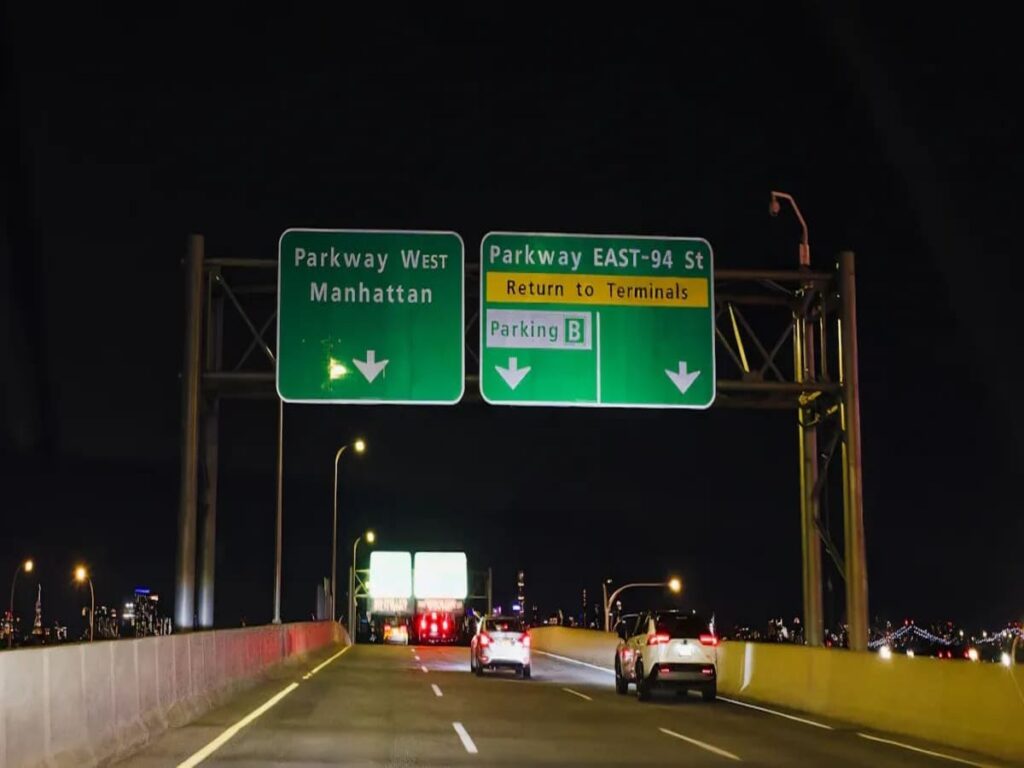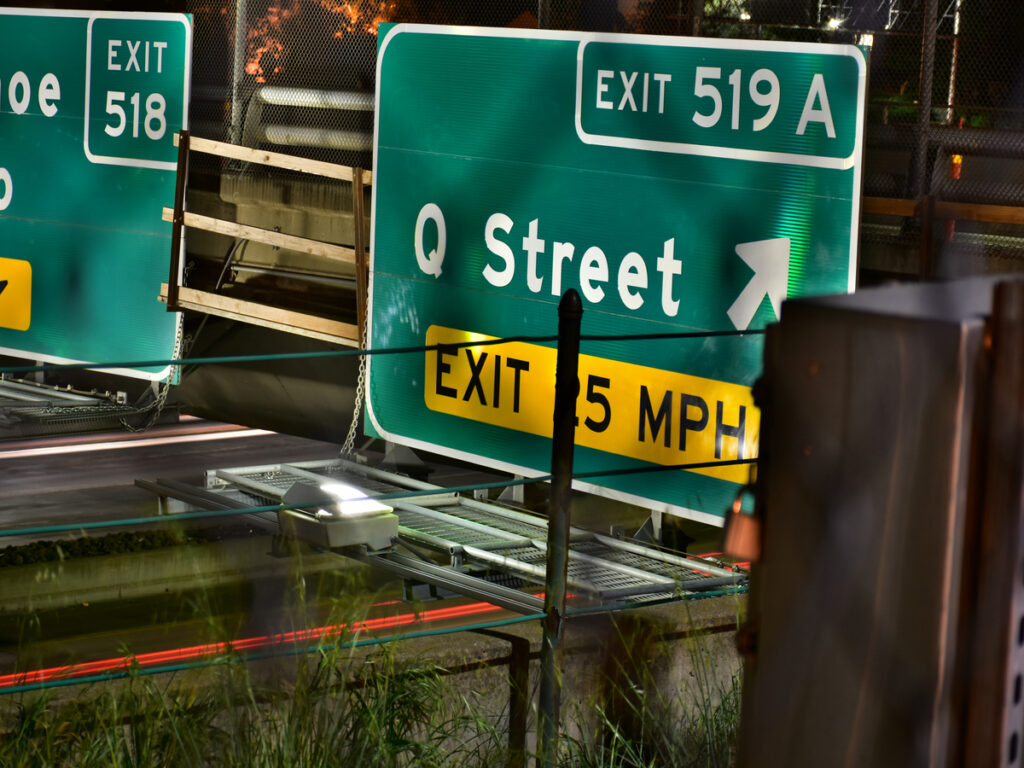
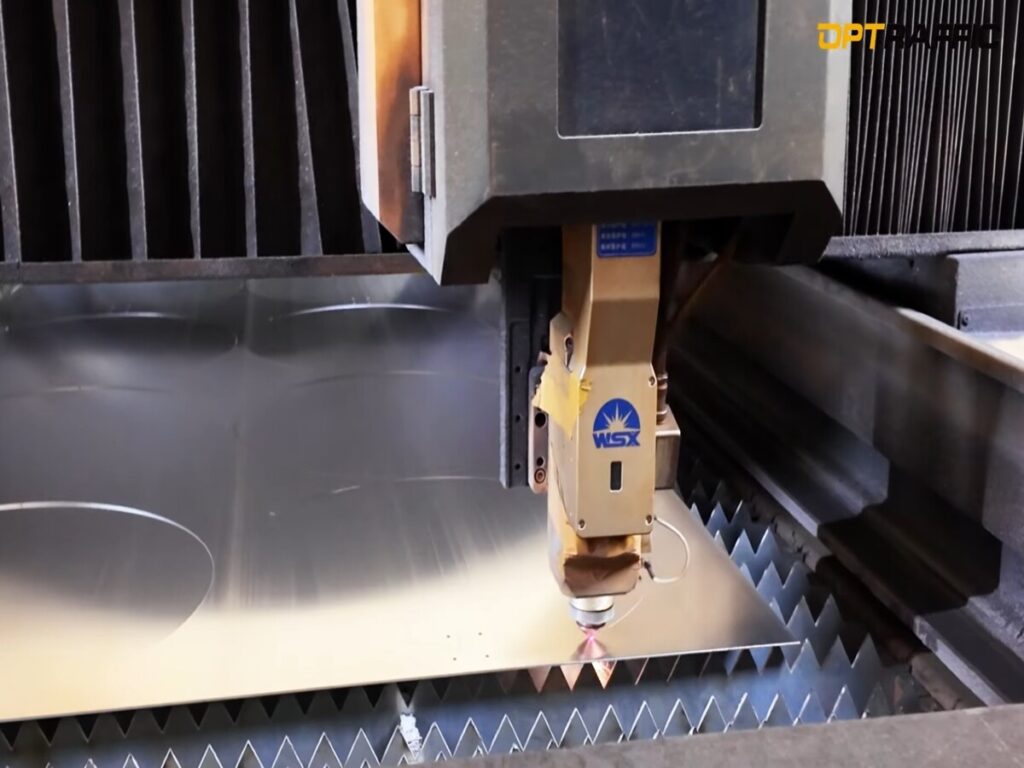
Traffic signs play a crucial role in ensuring road safety and guiding drivers effectively. The manufacturing process of these signs, particularly the placement of holes for mounting, is a critical factor in their durability and functionality. Precise hole placement ensures that signs remain securely fixed, even under challenging environmental conditions. It also ensures that the signs are positioned correctly, providing optimal visibility for drivers.
This blog explores advanced techniques in hole placement for यातायात चिह्न निर्माण. These methods improve the efficiency and precision of production. They also enhance the performance and longevity of the signs. By using innovative technologies and materials, manufacturers can achieve the highest quality standards. This ensures the safety and durability of road signage. If you want to learn about the complete process of यातायात चिह्न निर्माण, हमारे ब्लॉग को देखें ट्रैफिक साइन उत्पादन के लिए वन स्टॉप गाइड: डिज़ाइन से लेकर डिलीवरी तक.
The Evolution of Hole Placement: From Manual to Modern Methods
The Early Days of Hole Placement: Manual Drilling Techniques
In the early days of यातायात चिह्न निर्माण, hole placement was a completely manual process. Sign manufacturers would typically use hand tools such as drills and hammers to manually place holes in the material. This process required significant manual labor and attention to detail to ensure accuracy. Workers had to rely on their experience and skill to mark the correct locations for holes, often using rulers, templates, or even freehand techniques.
This manual method of hole placement had several limitations. Due to the inherent human error in measuring and drilling, it was common to see inconsistencies between signs. इसके अतिरिक्त, the lack of advanced tools meant that the hole placement process was time-consuming and labor-intensive, making mass production challenging.
आगे, the materials used for early traffic signs, such as wood or basic metals, often lacked the durability required to withstand harsh weather conditions. अधिक समय तक, these signs would degrade or become misaligned, necessitating frequent maintenance and replacement.
The Shift to Mechanized and Automated Hole Placement
As the demand for traffic signs grew, the limitations of manual drilling became increasingly apparent. इन चुनौतियों से निपटने के लिए, manufacturers began to explore mechanized drilling methods. The introduction of electric drills and powered machinery allowed for faster hole placement, reducing the reliance on manual labor and improving the consistency of the hole placement process.
This shift marked a significant advancement in the industry, as manufacturers could now produce signs more quickly and with greater accuracy. तथापि, the process was still somewhat reliant on human oversight, and the technology was limited in terms of precision and speed.
The Technological Leap: CNC Machines and Laser Alignment Systems
With the rise of Computer Numerical Control (CNC) technology and laser alignment systems in the late 20th century, यातायात चिह्न निर्माण experienced a major technological leap. CNC machines automated the entire drilling process, allowing for exact, repeatable hole placements with minimal human intervention. These machines are programmed with precise measurements, ensuring that each sign is drilled with the exact specifications required.
Laser alignment systems further enhanced precision by providing a visual guide for sign positioning. These tools use lasers to project a straight line or grid, ensuring that signs are positioned perfectly before drilling begins. This eliminates the guesswork and manual adjustments that were common in earlier methods, significantly reducing the likelihood of misalignment.
The combination of CNC technology and laser alignment systems has transformed यातायात चिह्न निर्माण, enabling mass production with consistent quality and precision. These advancements not only streamline the production process but also improve the durability and effectiveness of the final product.
Precision in Hole Placement: Advanced Techniques
Precision in hole placement is one of the most important aspects of यातायात चिह्न निर्माण. पिछले कुछ वर्षों में, several techniques have been developed to ensure that each hole is placed accurately and consistently across all signs. These methods reduce the risk of errors and enhance the overall quality of the final product.
1. Use of Templates and Jigs: Ensuring Consistency Across Multiple Signs
One of the simplest and most effective methods for achieving precision in hole placement is the use of templates and jigs. These tools help maintain uniformity in hole positions across multiple signs, ensuring that each sign produced is identical in terms of hole placement. This technique is particularly useful in high-volume production environments where signs need to be manufactured quickly and consistently.
Templates and jigs are usually designed to accommodate the specific dimensions and specifications of different types of traffic signs. By aligning the sign with the template, manufacturers can mark the exact locations for hole placement, ensuring accuracy and efficiency. This method is also helpful in minimizing human error, as the template guides the drill or cutting machine to the correct position.
2. Laser Alignment: Achieving Precision with Technology
Laser alignment tools have become a staple in modern यातायात चिह्न निर्माण. These tools provide an additional level of precision when positioning the sign before drilling. Laser alignment systems project a straight line or grid onto the sign’s surface, helping operators place the sign in the exact position needed before marking the hole locations.
This technology is especially useful for large signs or signs requiring high accuracy. उदाहरण के लिए, when a sign needs to be mounted at a specific angle or height, laser alignment ensures correct positioning. This reduces the likelihood of misalignment.
Laser tools not only improve precision but also speed up the manufacturing process. By reducing the time required for manual alignment and adjustments, manufacturers can increase productivity and reduce labor costs.
3. सीएनसी मशीनें: Automation for High-Volume Production
Computer Numerical Control (CNC) machines are a cornerstone of modern manufacturing. These automated machines are capable of drilling holes with incredible precision, ensuring that each hole is placed exactly where it needs to be. CNC machines are programmed to follow exact specifications, which means that hole placement is consistent across all signs, regardless of size or complexity.
The use of CNC machines is particularly advantageous in high-volume production settings. Instead of relying on manual labor, which is time-consuming and prone to human error, manufacturers can use CNC machines to automate the drilling process. This allows for faster production times and ensures that each sign meets the highest standards of quality.
CNC machines are also capable of handling more complex sign designs, such as intricate shapes or custom hole patterns. The versatility of CNC technology allows manufacturers to create a wide range of traffic signs, each with precise hole placement tailored to the specific requirements of the installation site.
4. Advanced Materials for Hole Reinforcement: Ensuring Durability
While hole placement is important, the materials used around the holes are just as critical. अधिक समय तक, the edges of the holes can weaken, especially in high-stress environments such as areas with heavy traffic or extreme weather conditions. To combat this issue, manufacturers are increasingly using advanced materials to reinforce the areas around the holes.
Stainless steel inserts are often placed around the drilled holes. They provide additional strength. This helps prevent the sign material from cracking or wearing down. These inserts are particularly useful for signs made of lightweight materials, एल्यूमीनियम की तरह. They stop the material from degrading over time.
In addition to stainless steel inserts, manufacturers may also use washers or reinforcing rings around the holes. These components distribute the stress placed on the sign during installation and ensure that the sign remains securely attached to its mounting post.
5. Wind Load Considerations: Optimizing Hole Placement for Structural Integrity
Traffic signs are exposed to various environmental conditions, including high winds, which can put significant stress on their structural integrity. For signs that are installed in areas prone to strong winds, such as open highways or coastal regions, optimizing hole placement becomes essential.
To minimize the risk of damage from wind load, यातायात संकेत निर्माता can place holes at strategic points on the sign. This not only ensures that the sign remains secure but also reduces the likelihood of the sign bending or breaking under pressure. इसके अतिरिक्त, signs with optimized hole placement are less likely to become dislodged, बार-बार प्रतिस्थापन या मरम्मत की आवश्यकता को कम करना.
6. Keyhole and Slot Designs: Simplifying Installation and Maintenance
कुछ मामलों में, यातायात संकेत निर्माता use keyhole-shaped or slot-style holes to simplify installation and maintenance. These hole designs allow for quick and easy mounting of the sign, as the mounting hardware can be slid into place without the need for precise alignment.
Keyhole and slot designs are particularly beneficial for temporary or frequently changed traffic signs. उदाहरण के लिए, construction zones or event-based signs often need to be replaced or moved quickly. With keyhole or slot designs, workers can easily install or remove signs, reducing the time and effort required for installation.
Improving Efficiency and Reliability: Combining Technology with Expertise
In addition to using advanced techniques and materials, it’s crucial for manufacturers to combine these innovations with expertise and experience. Skilled workers who understand the intricacies of hole placement and sign manufacturing play a key role in ensuring that each sign is produced to the highest standards.
Cutting-edge technology, like CNC machines and laser alignment, combines with the expertise of seasoned professionals. This helps traffic sign manufacturers achieve high precision and reliability. The combination ensures the signs remain accurate. It also makes them durable and able to withstand the demands of the road.
निष्कर्ष: The Future of Precision in Traffic Sign Manufacturing
This blog demonstrates the importance of precision in यातायात चिह्न निर्माण. Laser alignment, सीएनसी मशीनें, material reinforcement, and wind load optimization all play a role. Each method contributes to the overall effectiveness of traffic signs. They help guide and protect road users.
The industry continues to evolve. Advancements in technology and materials will improve the precision and durability of traffic signs. Manufacturers who invest in these technologies can provide the best products. This helps meet the needs of modern transportation systems. It ensures signs remain effective and reliable for years.
पर ऑप्टट्रैफ़िक, we specialize in precision manufacturing, ensuring that each यातायात संकेत features accurate hole placement for easy installation. We also offer customization options to meet specific customer requirements, whether for unique sizes, आकार, or installation needs. By using advanced technologies such as laser alignment and CNC machining, we produce signs that are both durable and tailored to fit the exact specifications of our clients, helping to meet the evolving demands of the transportation industry.
अक्सर पूछे जाने वाले प्रश्न
What is the most common hole size used in traffic sign manufacturing in the United States?
संयुक्त राज्य अमेरिका में, the most common hole size for traffic signs is 3/8 इंच. This size ensures compatibility with standard mounting hardware and is widely used for securing signs to poles or posts. तथापि, hole sizes can vary depending on factors such as sign material and installation requirements.
How does hole placement impact the overall durability of traffic signs?
Proper hole placement is essential to a traffic sign’s durability. Holes that are too close to the edge can weaken the material, making the sign more susceptible to cracking or damage from wind stress. Correct hole positioning helps evenly distribute weight and prevents excessive wear, thereby extending the lifespan of the sign.
What are the advantages of using keyhole or slot-shaped holes in traffic signs?
Keyhole and slot-shaped holes offer several advantages, especially in terms of installation and maintenance. These hole designs allow for quicker and easier mounting and removal of signs, which is particularly useful for temporary or frequently changed signs. They reduce installation time and make it easier to reposition signs if needed.
Are there any regulations or standards governing hole placement in U.S. यातायात संकेत?
हाँ, several regulations and standards govern the hole placement for U.S. यातायात संकेत. उदाहरण के लिए, समान ट्रैफ़िक नियंत्रण उपकरणों पर मैनुअल (MUTCD) provides guidelines on the size, जगह, and type of holes used in signs to ensure consistent installation practices across the country. These standards are designed to ensure safety and visibility.
How do manufacturers ensure precision in hole placement?
Manufacturers ensure precision in hole placement by using advanced technologies like CNC machines and laser alignment systems. CNC machines automate the drilling process, ensuring consistent hole placement with minimal human error. Laser alignment systems provide a visual guide to accurately position signs before drilling, improving overall precision and efficiency.