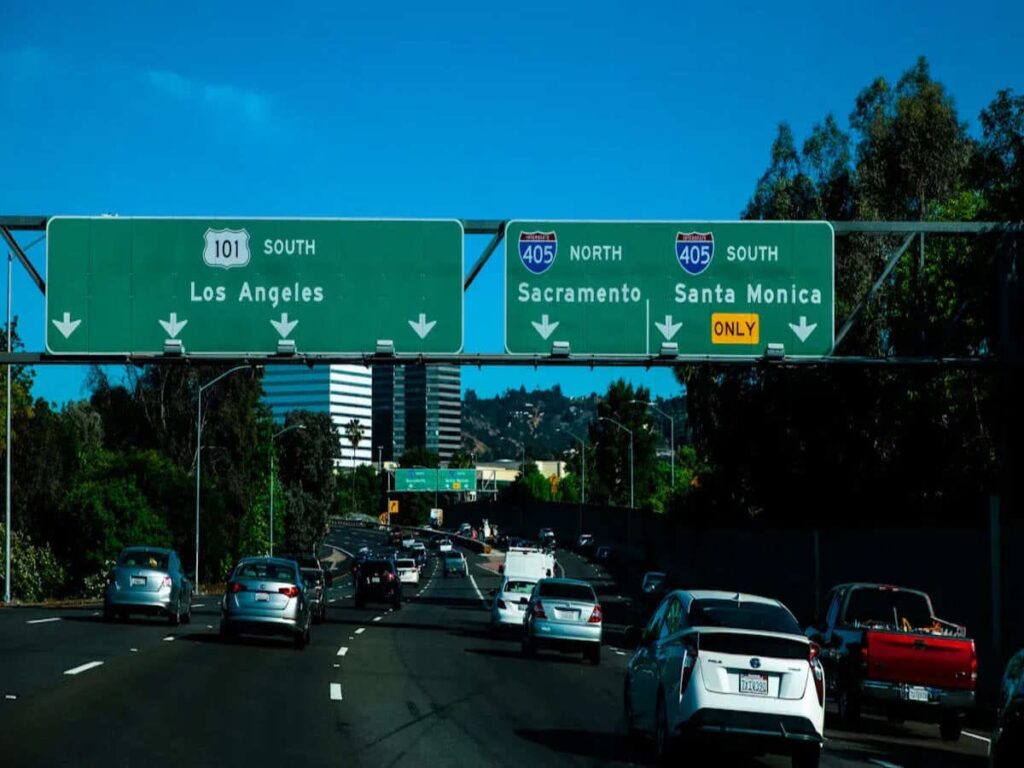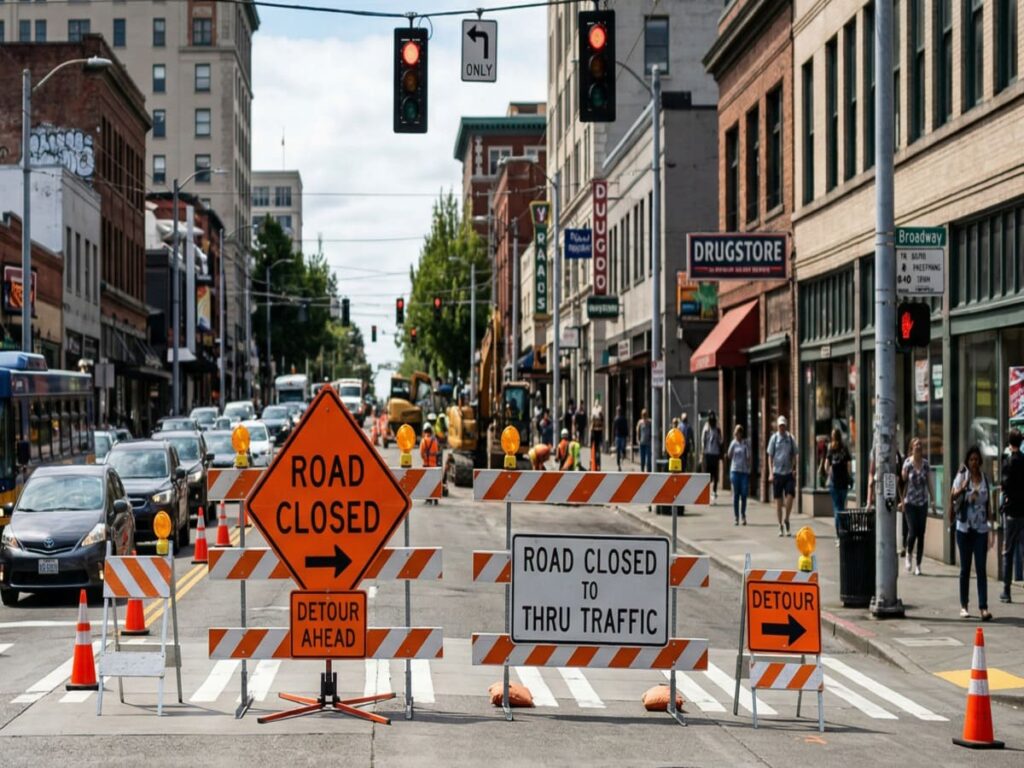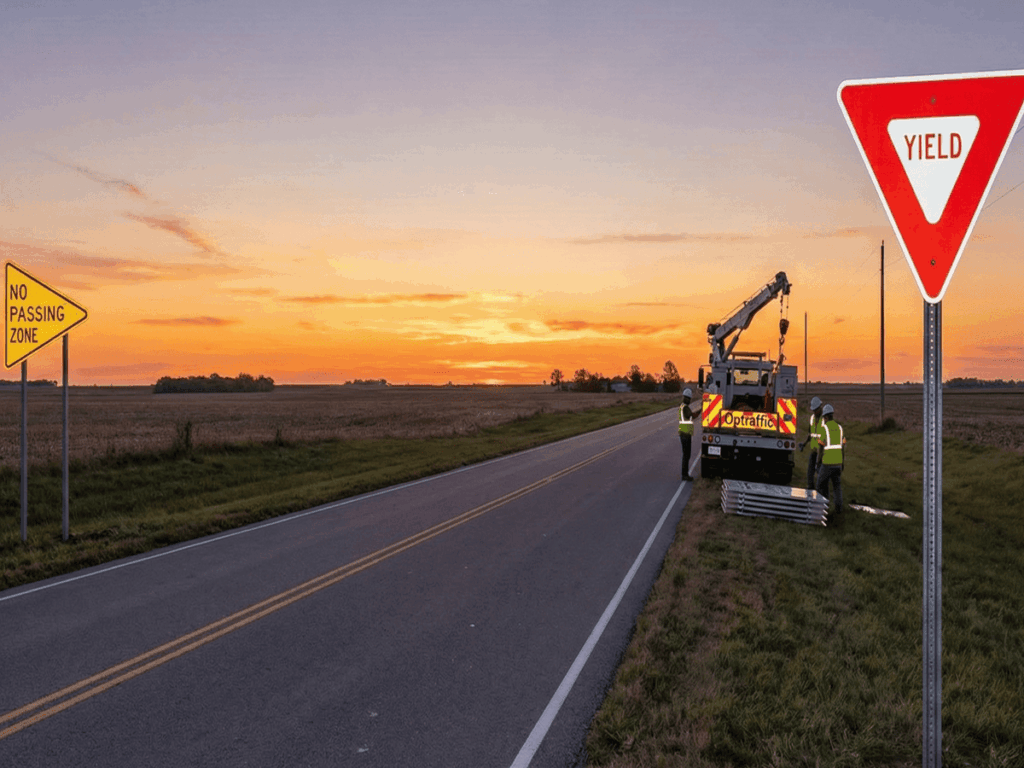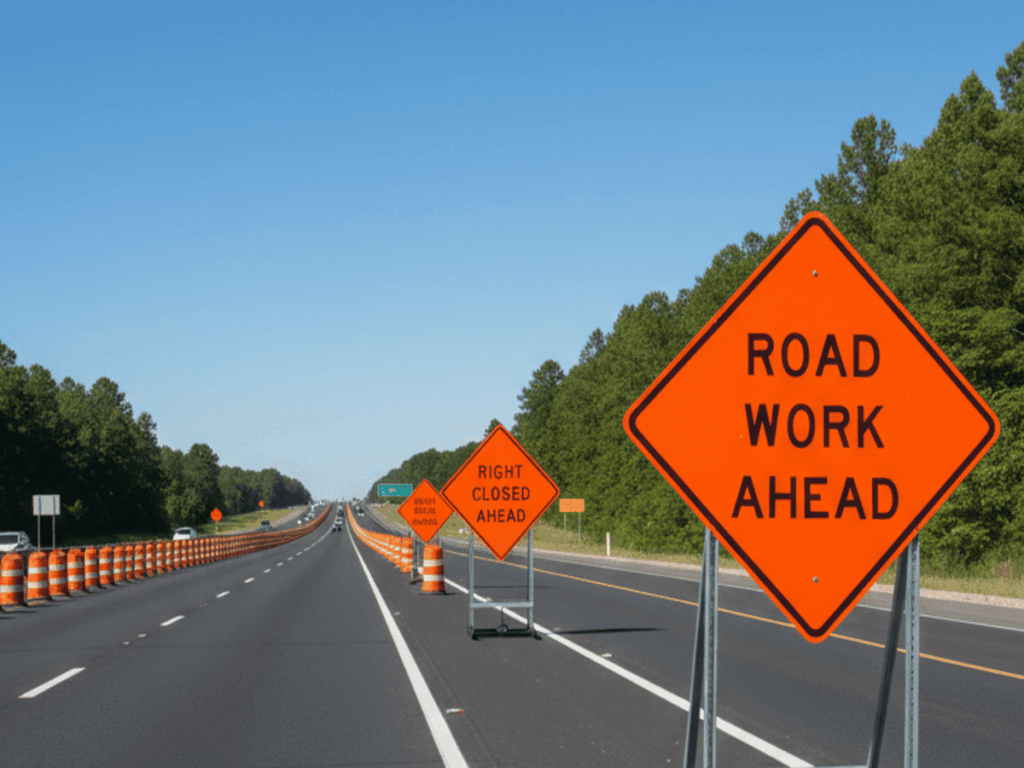
Fabricación de señales de tráfico. enfrenta requisitos estrictos bajo AS/NZS 1906. Este estándar determina cómo las empresas crean señales que los conductores ven todos los días.. El cumplimiento de estas normas no es opcional.. Mantiene las carreteras más seguras y hace que las señales sean visibles en todas las condiciones.. Mucha gente confía en las señales de tráfico claras para viajar con seguridad. Estándares como AS/NZS 1906 desempeñan un papel clave en el uso diario de la carretera.
Fabricación de señales de tráfico: Adaptaciones clave
Cambios inmediatos para el cumplimiento
Fabricantes de letreros como OPTRAFICO actuar rápido cuando surjan nuevos estándares. Miran diseños y materiales antiguos.. Cada señal debe seguir AS/NZS. 1906 requisitos. Los equipos cambian las láminas reflectantes viejas por otras aprobadas. Cambian las opciones de color para adaptarse a las reglas de visibilidad.. Los trabajadores obtienen nuevas medidas para recortar, impresión, y juntando carteles.
Nota: El rápido cumplimiento evita costosos retiros del mercado y mantiene a las personas seguras.
Muchas empresas enseñan al personal a identificar los materiales y pasos correctos.. Usan listas de verificación para cada parte de fabricación de señales de tráfico. Estas listas ayudan a los trabajadores a encontrar errores antes de que los carteles salgan de la fábrica.. Los gerentes verifican a los proveedores para asegurarse de que todas las piezas cumplan con las reglas necesarias..
Ajustes a las prácticas de fabricación
Fabricación de señales de tráfico. cambia cuando los estándares lo hacen. Las fábricas compran máquinas nuevas para montar láminas reflectantes mejor. Utilizan herramientas que comprueban el color y la retroreflectividad. Equipos de calidad prueban carteles terminados con diferentes luces.
Los fabricantes suelen hacer estas cosas para cumplir con las normas:
- Verificación de materiales: El personal revisa cada lote de láminas reflectantes en busca de etiquetas de certificación..
- Documentación del proceso: Los trabajadores anotan cada paso al hacer carteles..
- Auditorías periódicas: Los equipos miran las señales en momentos aleatorios para mantener el cumplimiento..
- Colaboración de proveedores: Las empresas trabajan con proveedores homologados para conseguir buenos materiales.
| Tipo de adaptación | Descripción | Beneficio |
|---|---|---|
| Mejoras de materiales | Uso de láminas reflectantes certificadas. | Visibilidad mejorada |
| Capacitación del personal | Instrucción sobre nuevos estándares. | Menos errores de producción |
| Inversión en equipos | Compra de máquinas de aplicación de precisión. | Calidad constante |
| Control de calidad | Pruebas y documentación de rutina | Rendimiento confiable |
Fabricación de señales de tráfico. Depende de estos cambios hacer señales que sigan la ley y las normas de seguridad.. Cada cambio ayuda a aclarar las señales de tráfico, Fácil de ver, y duradero.
Como/nzs 1906 Descripción general estándar
Propósito y alcance
Como/nzs 1906 Da reglas claras para hacer señales de tráfico y ropa de seguridad.. La norma indica a los fabricantes qué colores y materiales utilizar. cubre retrorreflectante y telas fluorescentes. Estas reglas ayudan a que los letreros y la ropa se destaquen durante el día y la noche.. La norma se aplica tanto a señales permanentes como temporales.. Esto mantiene todas las señales de tráfico iguales en todas partes..
Los fabricantes siguen estas reglas para asegurarse de que las señales sean fáciles de ver y duren mucho tiempo.. La norma explica cómo probar el brillo y el color de los materiales.. Utilizando AS/NZS 1906, fabricación de señales de tráfico Las empresas ayudan a los conductores y trabajadores a ver las cosas importantes rápidamente..
Consejo: Usar materiales aprobados todo el tiempo hace que las carreteras sean más seguras para todos.
Importancia para la seguridad vial
La seguridad vial necesita señales que sean fáciles de ver. Como/nzs 1906 ayuda a reducir los accidentes asegurándose de que las señales y la ropa de seguridad utilicen materiales de alta visibilidad. Estos materiales reflejan la luz de los faros de los coches.. Esto hace que las señales sean fáciles de detectar con mal tiempo o de noche..
| Estándar | Descripción |
|---|---|
| Como/nzs 1906.4:2010 | Enumera qué materiales de alta visibilidad necesita la ropa de seguridad.. Esto ayuda a las personas a ver mejor en diferentes condiciones.. |
| Como/nzs 4602.1:2011 | Establece normas de seguridad para la ropa de trabajo.. Muestra por qué son importantes los tejidos de alta visibilidad y los materiales retrorreflectantes. |
- La ropa de alta visibilidad ayuda a evitar accidentes en lugares concurridos.
- Los materiales reflectantes son importantes para la seguridad cuando hay mucho tráfico o cosas peligrosas..
- Dice cómo debe ser la ropa de seguridad para el día y la noche..
- Enumera reglas para colores, materiales fluorescentes, y tiras retrorreflectantes.
Las señales que siguen estos estándares ayudan a los conductores a actuar más rápido y mantenerse seguros. Los trabajadores que usan ropa aprobada están más seguros cerca de automóviles en movimiento. Utilizar materiales de alta visibilidad en fabricación de señales de tráfico hace que las carreteras y los lugares de trabajo sean más seguros.
Materiales & Láminas reflectantes
Clases de materiales retrorreflectantes
Fabricación de señales de tráfico. Debe utilizar ciertos materiales establecidos por AS/NZS. 1906. Cada clase tiene un trabajo especial.. Estas clases ayudan a que las señales sean fáciles de ver en todo tipo de clima.. La siguiente tabla muestra las clases principales.:
| Clase | Descripción |
|---|---|
| Clase F | material fluorescente |
| Clase F(W) | material fluorescente (clima húmedo) |
| Clase NF | No fluorescente |
| Clase NF(W) | No fluorescente (clima húmedo) |
| Clase R | retrorreflectante |
| Clase SP | Actuación separada |
| Clase RF | Retrorreflectante/Fluorescente |
- La Clase R devuelve las luces del coche a los conductores. Esto ayuda a las personas a ver las señales por la noche..
- La clase RF combina características retrorreflectantes y fluorescentes. Resalta las señales durante el día y cuando está oscuro..
Los fabricantes eligen la clase adecuada para la ubicación de cada letrero. Esta elección cambia la forma en que los conductores ven las señales bajo la lluvia o de noche..
Criterios de color y rendimiento
Como/nzs 1906 da reglas estrictas para el color y cómo funcionan los letreros. Cada el letrero debe usar colores que son fáciles de detectar. La norma dice qué rojo., amarillo, verde, y blanco para usar. Estos colores ayudan a los conductores a saber rápidamente qué significa la señal.
Las reglas de desempeño se centran en cuán brillantes y fuertes son las señales.. Las señales deben brillar lo suficiente como para ser vistas desde lejos.. Las fábricas prueban qué tan brillantes y coloridos son los materiales antes de usarlos. Esto asegura que cada letrero cumpla con las reglas..
Nota: Los buenos materiales ayudan a evitar accidentes al hacer que las señales sean más fáciles de notar.
Abastecimiento de proveedores aprobados
Los fabricantes deben comprar materiales de proveedores aprobados. Sólo estos proveedores pueden proporcionar láminas reflectantes certificadas para AS/NZS. 1906. Esta regla garantiza que cada lote funcione como debería..
Las fábricas verifican los certificados antes de comprar cualquier cosa.. Anotan cada pedido que hacen. Esto ayuda a realizar un seguimiento de la calidad en la fabricación de señales de tráfico..
Los proveedores homologados también ofrecen ayuda técnica.. Ayudan a los fabricantes a elegir el mejor material para cada rótulo. Este trabajo en equipo mantiene las señales seguras y funcionando bien en la carretera..
Fabricación & Control de calidad
Estándares de impresión y aplicación
Los fabricantes deben seguir reglas estrictas para imprimir señales de tráfico. Utilizan máquinas para asegurarse de que la tinta tenga el espesor adecuado.. Estas máquinas también ayudan a mantener los colores correctos.. Los trabajadores revisan cada letrero en busca de bordes afilados y letras claras.. Cada paso debe coincidir con las instrucciones del proveedor del material.. Esto asegura que la lámina reflectante funcione bien.. Los equipos escriben lo que hacen en cada etapa., desde cortar hasta comprobar las señales al final. Estos registros muestran que cada letrero cumple con las normas AS/NZS. 1906 estándar.
Pruebas de durabilidad y visibilidad
Las pruebas son muy importantes en fabricación de señales de tráfico. Las fábricas prueban los letreros para ver si son brillantes y tienen el color correcto antes de enviarlos.. Utilizan herramientas especiales para comprobar qué tan bien las señales reflejan la luz por la noche. Las señales también pasan por pruebas climáticas.. Estas pruebas muestran cómo funcionan las señales bajo la lluvia, sol, y viento. Algunas señales obtienen aprobación temporal mientras aún se realizan las pruebas climáticas. Las inspecciones de campo garantizan que las señales permanezcan brillantes y claras después de estar en la carretera durante meses..
Consejo: Las pruebas periódicas ayudan a mantener las señales seguras y fáciles de ver para todos..
Certificación y cumplimiento continuo
La certificación garantiza que cada letrero siga las reglas. Todas las láminas retrorreflectantes deben cumplir con AS/NZS 1906.1. Transport for NSW solo aprueba señales hechas de la manera correcta. Las fábricas mantienen certificados para cada lote de materiales.. Los auditores verifican estos documentos durante las inspecciones.. Las fábricas deben probar y controlar su trabajo con frecuencia para seguir las reglas.. Esto mantiene la calidad alta y las señales funcionando bien..
- Las fábricas deben:
- Utilice sólo materiales certificados.
- Mantenga registros de cada pedido y prueba..
- Trabajar con proveedores aprobados..
- Pasar auditorías periódicas.
Un sólido sistema de control de calidad ayuda fabricación de señales de tráfico las empresas hacen seguras, señales duraderas. Las buenas señales protegen a los conductores y ayudan a mantener las carreteras seguras todos los días..
Impactos prácticos & Desafíos de la industria
Mayor seguridad y cumplimiento legal
Fabricantes que siguen AS/NZS 1906 ayudar a que las carreteras sean más seguras. Las señales fabricadas con materiales homologados son fáciles de ver con mal tiempo y de noche.. Los conductores pueden detectar advertencias e indicaciones más rápidamente. Esto ayuda a reducir las posibilidades de accidentes. Cumplir la ley también evita que las empresas reciban multas o tengan que retirar carteles. Los auditores examinan los registros y los resultados de las pruebas para verificar que cada señal cumpla con las reglas.. Los equipos mantienen certificados e informes de prueba listos para su verificación.. Cuando las empresas siguen estas reglas, Las autoridades viales y el público confían más en ellos..
Estándares globales y sistemas de reconocimiento
Como/nzs 1906 Es como algunos estándares internacionales., como ASTM D4956. Ambos sistemas quieren que las señales sean fáciles de ver y duren más. Pero AS/NZS 1906 agrega nuevos colores de fondo como verde y rosa. También trae nuevos tipos de materiales., como NF(W) y SP. La siguiente tabla muestra algunas de las diferencias.:
| Cambiar descripción | Detalles |
|---|---|
| Nuevos materiales de referencia | Introducción de materiales verdes y rosas. |
| Nuevas clasificaciones de materiales | NF(W) y clasificaciones SP agregadas |
| Rendimiento de lavado extendido | Especificaciones opcionales para color de fondo y rendimiento de la cinta. |
| Especificaciones de prueba | Especificaciones adicionales para patrones a cuadros y cintas reflectantes aplicadas térmicamente |
Estos cambios Las señales de ayuda funcionan mejor en el clima local. y lugares. Los fabricantes que conocen ambos sistemas pueden fabricar señales para muchos mercados.. Conocer los estándares globales ayuda a las empresas a vender carteles en otros países y competir con otros..
Implicaciones para los fabricantes y usuarios de la carretera
Cambiar a AS/NZS 1906 significa nuevo costos para los fabricantes. Necesitan comprar nuevos materiales., conseguir nuevas máquinas, y enseñar al personal nuevos pasos. La siguiente tabla muestra algunos de estos costos.:
| Cambiar descripción | Implicaciones para los fabricantes |
|---|---|
| Introducción de dos nuevos materiales de fondo de alta visibilidad. (verde y rosa) | Costos potenciales para el abastecimiento e integración de nuevos materiales en la producción.. |
| Dos nuevas clasificaciones de materiales (NF(W) y SP) | Posibles costos de reclasificación y ajustes en los procesos de fabricación.. |
| Especificaciones de rendimiento de lavado ampliadas opcionales | Costos adicionales de prueba y cumplimiento para los fabricantes. |
| Especificaciones adicionales para probar cintas reflectantes con patrón de cuadros y aplicadas térmicamente | Mayores costos de prueba y posible rediseño de productos para cumplir con nuevas especificaciones.. |
Fabricación de señales de tráfico. Las empresas deben pensar en estos costos y en las cosas buenas que se obtienen con carreteras más seguras y el cumplimiento de la ley.. Los usuarios de la carretera obtienen señales más claras y viajes más seguros. Los fabricantes que siguen las reglas ayudan a todos a viajar con seguridad y confianza.
Fabricación de señales de tráfico. cambios seleccionando materiales certificados. Las fábricas también actualizan cómo fabrican carteles. Mantienen estrictos controles de calidad.. Estas medidas ayudan a que las carreteras sean más seguras. Las señales son más fáciles de ver.. También siguen la ley..
- La gente de la industria debería preocuparse por los estándares. Las normas ayudan a que las señales funcionen bien y a mantener las carreteras seguras.
- Si compras o haces carteles., puedes pedir ayuda a expertos. También puedes leer guías de la industria..
Las normas ayudan a salvar vidas. Se aseguran de que cada letrero esté bien hecho..
Preguntas frecuentes
¿Qué significa AS/NZS? 1906 Cobertura en la fabricación de señales de tráfico.?
Como/nzs 1906 da reglas para los colores, materiales, y reflectividad. Las fábricas deben utilizar materiales aprobados para cada letrero.. También necesitan probar los letreros para asegurarse de que sean brillantes y duren mucho tiempo..
¿Por qué los fabricantes deben utilizar láminas reflectantes certificadas??
Las láminas reflectantes certificadas cumplen con las normas de seguridad y visibilidad.. Ayuda a los conductores a ver las señales cuando está oscuro o llueve.. Los proveedores aprobados entregan materiales que pasan todas las pruebas necesarias..
¿Con qué frecuencia las fábricas prueban el cumplimiento de las señales de tráfico??
Las fábricas prueban las señales muchas veces.. Los equipos comprueban si las señales son brillantes., el color correcto, y fuerte antes de enviarlos. Los auditores examinan los registros y los resultados de las pruebas durante las comprobaciones..
¿Pueden los fabricantes utilizar cualquier proveedor para los materiales??
Los fabricantes deben elegir proveedores aprobados por AS/NZS 1906. Estos proveedores prometen dar materiales certificados. Si las fábricas utilizan proveedores no aprobados, podrían romper las reglas y necesitar arreglar o recordar señales.
¿Qué sucede si una señal no cumple con AS/NZS? 1906 estándares?
Si un cartel no cumple las reglas, debe ser reparado o reemplazado. Las autoridades pueden dar multas. Las buenas pruebas y el mantenimiento de registros ayudan a detener estos problemas..