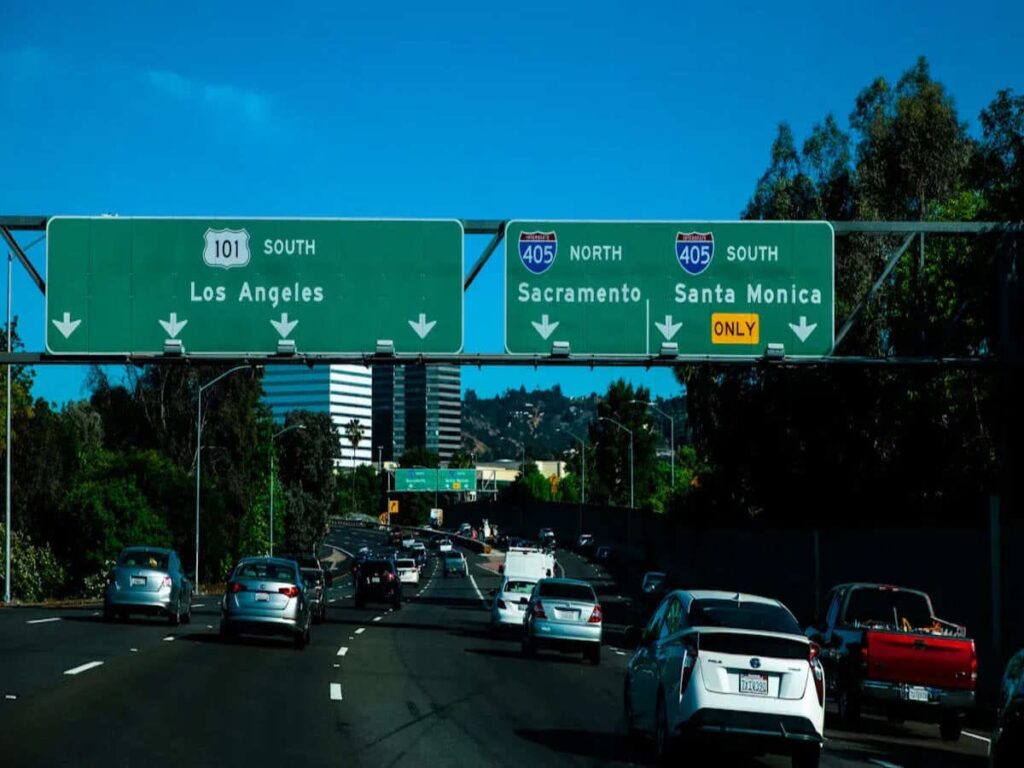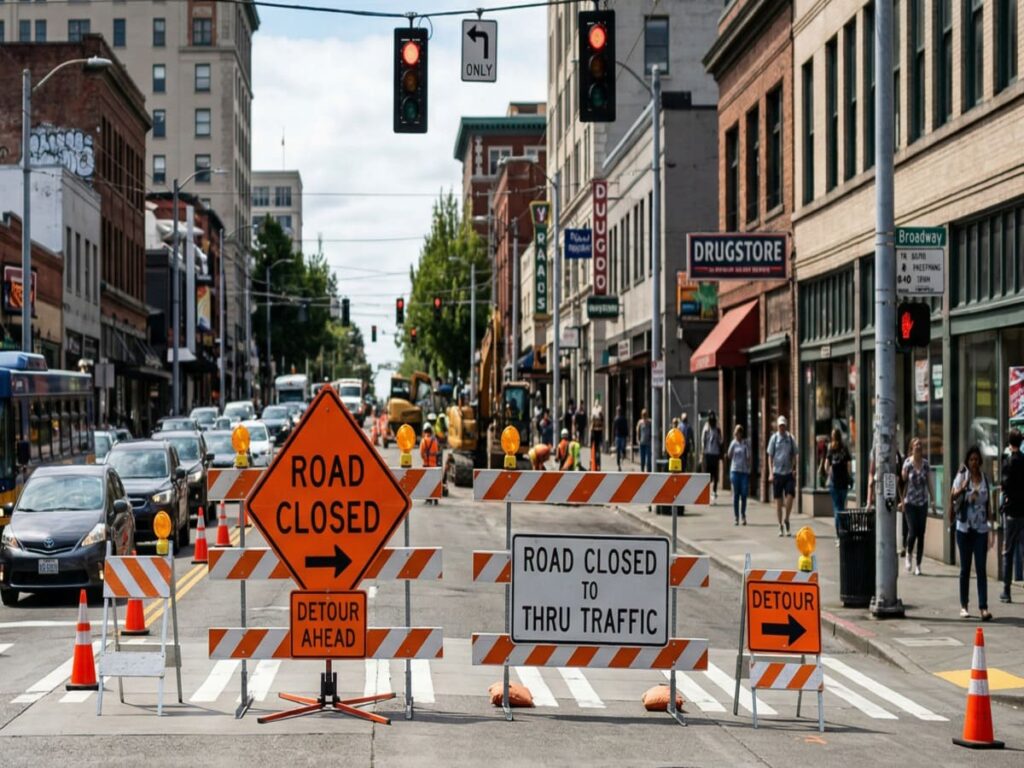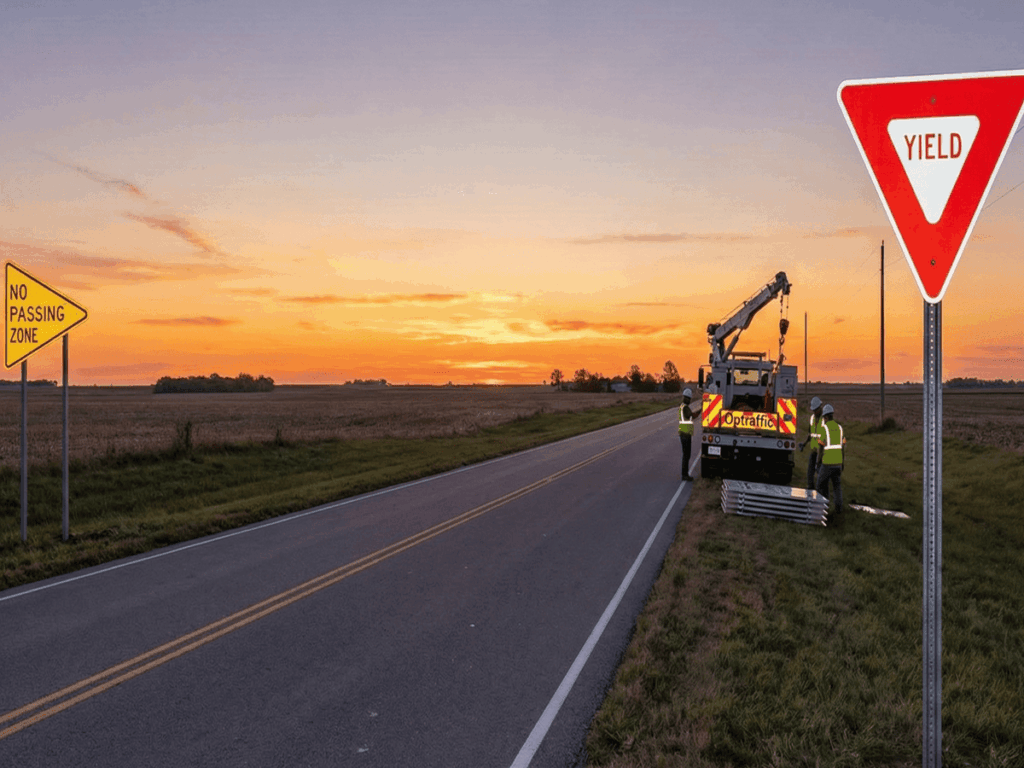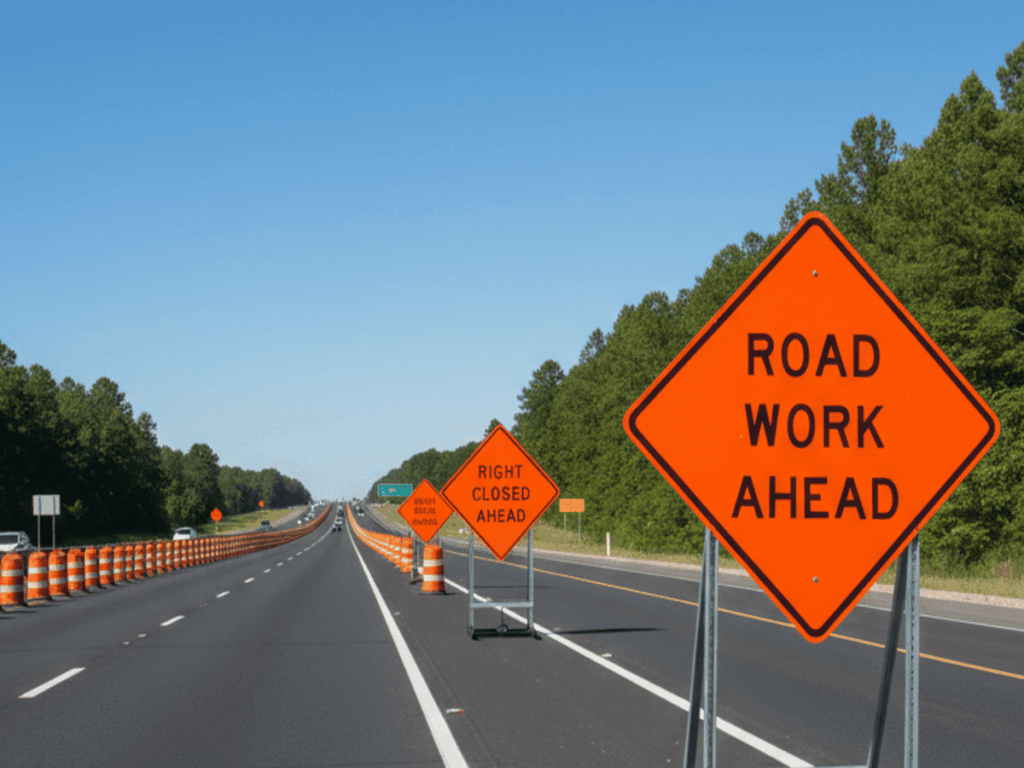

Las señales de tráfico necesitan Películas reflexivas para ayudar a la gente a verlos. Esto mantiene a los conductores seguros. Las películas reflectantes más utilizadas para uso manual son las de perlas de vidrio., prismático de alta intensidad, y grado de diamante. Las láminas retrorreflectantes hacen que las señales sean más fáciles de ver por la noche. Las películas que se doblan y son fáciles de usar ayudan a los trabajadores a hacer un mejor trabajo. La siguiente tabla muestra cómo las láminas reflectantes hacen que las carreteras sean más seguras.:
| Aspecto | Detalle |
|---|---|
| Muertes nocturnas | Aproximadamente la mitad de las muertes por accidentes de tráfico ocurren de noche |
| Estadísticas de viajes | Sólo una cuarta parte de los viajes se realizan de noche |
| Impacto de las señales reflectantes | Las láminas reflectantes reducen el riesgo de accidentes al ayudar a las personas a ver y reaccionar más rápido |
En OPTRAFICO, Nos especializamos en proporcionar signos reflectantes que están equipados con materiales retrorreflectantes de alta calidad, incluidas opciones prismáticas de alta intensidad y de grado diamante. Nuestras señales de tráfico reflectantes están diseñadas para cumplir con los estándares de seguridad de la industria., durabilidad, y visibilidad, asegurando la máxima eficacia y un rendimiento duradero.
Control de llave
- Las películas reflectantes ayudan a las personas a ver mejor las señales de tráfico por la noche. Esto puede reducir el número de accidentes automovilísticos después del anochecer..
- Elija películas reflectantes que se doblen fácilmente y sean fáciles de usar.. Esto te ayuda a ponértelos bien y hace que duren más..
- Las películas prismáticas y de diamante de alta intensidad son muy brillantes. Duran mucho tiempo. Estas películas funcionan bien para carreteras muy transitadas o señales importantes..
- Preparar la superficie y utilizar buenos métodos evita los problemas. Esto mantiene alejadas las burbujas de aire y asegura que las señales estén rectas.. Las señales funcionarán bien durante mucho tiempo..
- Colocar películas a mano te permite cambiar los carteles como quieras. También ahorra dinero. Esto es bueno para trabajos pequeños o formas de letreros especiales..
Elegir las películas reflectantes adecuadas para la aplicación manual
Características clave de las películas reflectantes aplicadas manualmente
escogiendo lo mejor Películas reflexivas para uso manual significa mirar algunas cosas importantes. A los trabajadores les gustan las películas que se doblan, pegarse bien, y son fáciles de usar. Estas características ayudan a garantizar que cada letrero sea seguro y dure mucho tiempo..
Las características clave incluyen:
- Flexibilidad: Las películas reflectantes flexibles pueden doblarse en esquinas y bordes.. Esto ayuda a los trabajadores a colocar la película sin problemas., incluso en señales de formas irregulares o trabajos pequeños. La película reflectante de cuentas de vidrio se siente suave, mucha gente lo elige para uso manual.
- Propiedades de adhesión: La buena adherencia mantiene la película reflectante pegada al cartel.. El fuerte respaldo adhesivo evita que se pele y ayuda a que la película dure, incluso afuera.
- Facilidad de manejo: Las películas ligeras y fáciles de manejar facilitan su colocación.. Los trabajadores pueden cortar y colocar estas películas sin herramientas especiales.. Esto ayuda a evitar errores y ahorra tiempo..
- Durabilidad: Las películas reflectantes duraderas pueden soportar el mal tiempo, desvanecimiento, y daño. Las películas prismáticas y de diamante de alta intensidad siguen funcionando bien durante mucho tiempo, Lo cual es bueno para las señales de tráfico en lugares difíciles..
- Normas de cumplimiento: Cada película reflectante debe seguir las normas de seguridad.. Cumplir estas reglas garantiza que el letrero sea fácil de ver para los conductores..
- Métodos de impresión: Qué tan bien esté impresa la película es importante para el mensaje del letrero.. La impresión clara ayuda a las personas a leer mejor el letrero.
- Consideraciones presupuestarias: Algunas películas reflectantes ofrecen una buena combinación de precio y funcionamiento.. Las películas avanzadas de grado de ingeniería son buenas para carreteras con menos tráfico. Las películas de calidad diamante son las mejores para carreteras muy transitadas o señales que permanecen encendidas durante años..
💡 Consejo: Al recoger cinta o película reflectante para uso manual, Piensa en cuánta luz hay y hacia dónde irá el cartel.. Necesita una mayor retrorreflectividad en lugares oscuros o en carreteras muy transitadas.
Los instaladores suelen elegir cuentas de vidrio Películas reflexivas porque se doblan bien y cuestan menos. Las películas prismáticas de alta intensidad brillan más y duran más. Las películas reflectantes de grado diamante funcionan mejor para trabajos difíciles o importantes.. Cada tipo tiene beneficios especiales para diferentes usos..
Películas reflectantes adecuadas para señales de tráfico aplicadas manualmente
Película reflectante de cuentas de vidrio: Una flexibilidad, Opción rentable para la aplicación manual
Películas reflectantes de cuentas de vidrio Tienen pequeñas bolas de cristal que devuelven la luz.. Estas películas se sienten suaves y se doblan fácilmente.. Los trabajadores pueden cortarlos y ponerlos en carteles a mano.. Mucha gente elige cinta reflectante de cuentas de vidrio para trabajos pequeños o formas especiales.. El precio es más bajo que las películas prismáticas., entonces los pueblos los usan mucho. Las películas de perlas de vidrio son buenas para las señales de estacionamiento, señales de tráfico a corto plazo, y carteles con información. Reflejan la luz desde muchos ángulos., para que los conductores los vean desde diferentes lugares y de cerca.
Nota: La película reflectante de cuentas de vidrio dura aproximadamente 5 a 7 años. Comienza con la reflectividad entre 50 y 75 CD/LX/m². Esto lo convierte en una elección inteligente para señales que no son muy importantes..
| Clase de reflectividad | Tipo | Descripción | Rendimiento retrorreflectante |
|---|---|---|---|
| RA1 | A | Cuentas de vidrio cerradas, utilizado para aplicaciones gráficas | mínimo. 60 CD/LX/m² |
| RA2 | B | Perlas de vidrio encapsuladas, utilizado para señales de tráfico | mínimo. 180 CD/LX/m² |
Película reflectante prismática de alta intensidad: Rendimiento mejorado para aplicaciones manuales
Películas prismáticas de alta intensidad. Utilice pequeños prismas para recuperar más luz.. Estas películas brillan más y duran más que los tipos de cuentas de vidrio.. Los trabajadores pueden colocar manualmente películas prismáticas de alta intensidad. Se doblan bien y se pegan bien. La película con gráficos prismáticos de alta intensidad es ideal para señales de carretera, áreas escolares, y lugares que necesitan ser vistos fácilmente.
- Las películas prismáticas de alta intensidad duran tanto como 10 años.
- Empiezan muy brillantes., a menudo 100 a 150 CD/LX/m².
- La construcción en forma de panal de policarbonato los hace más resistentes..
| Métrico | Prismático de alta intensidad | Grado de diamante | Cuentas de vidrio |
|---|---|---|---|
| Reflectividad inicial | Superior | Alto | Moderado |
| Vida útil esperada | Arriba a 10 años | Arriba a 10 años | Varía |
| Tecnología de la construcción | Panal de policarbonato | Prismas de cubo | Cuentas de vidrio |
Para obtener más información sobre por qué las láminas prismáticas de alta intensidad son la mejor opción para la señalización reflectante, Mira nuestro blog: Prismático de alta intensidad (CADERA) Chapas: La elección óptima para la señalización reflexiva.
Película reflectante de grado diamante: Rendimiento premium para proyectos complejos aplicados a mano
Películas prismáticas de grado diamante. utilizar prismas en forma de cubo. Estas películas reflejan la mayor cantidad de luz y permanecen brillantes durante muchos años.. Las películas de calidad diamante son las mejores para trabajos difíciles aplicados a mano., como señales de carretera y señales de advertencia. Funcionan bien en mal tiempo y lugares difíciles.. Las películas de calidad diamante cumplen estrictas normas de señalización y duran desde 12 en exceso 18 años. Su reflectividad inicial es 100 a 150 CD/LX/m². Esto los hace perfectos para señales que deben verse de noche o desde lejos..
| Tipo de láminas | Reflectividad inicial (CD/LX/m²) | Vida útil esperada |
|---|---|---|
| Grado de diamante | 100–150 | 12–18+ años |
Para profundizar en las láminas reflectantes de calidad diamante, Lea nuestro blog: Láminas reflectantes de grado de diamante: Maximizar la visibilidad y la durabilidad para la señalización crítica.
Problemas comunes en la instalación de películas reflectantes aplicadas manualmente
Estiramiento y desalineación de la película: Cómo prevenirlo y solucionarlo
Los instaladores a veces tienen problemas con el estiramiento y la desalineación de la película.. Estos problemas pueden hacer que un letrero parezca torcido o difícil de ver.. Los trabajadores pueden dejar de estirarse utilizando métodos inteligentes:
| Mejor práctica | Descripción |
|---|---|
| Técnica de envoltura | Envuelva la película en forma de 8.. Mantener 50-60% superposición. gira la película 3-5 veces en la parte superior e inferior. Esto mantiene la película estable.. |
| Manejo de la tensión | Estire la película entre 60% y 100%. No estires demasiado ni demasiado poco.. |
| Capacitación de empleados | La capacitación ayuda a los trabajadores a utilizar menos material y mantenerse seguros. También les ayuda a trabajar más rápido.. |
Para corregir la desalineación, Los trabajadores utilizan herramientas y trucos especiales.. Marcan dos puntos en una línea láser para ayudar a colocar la película. Las herramientas de TomoTherapy RITG148+ ayudan a comprobar la calidad y mantener todo en orden.
🛠️ Consejo: Alinear la cinta con cuidado ayuda a mantenerla recta.. Esto hace que la señal sea más fácil de ver..
Burbujas de aire y arrugas: Causas y soluciones
Pueden aparecer burbujas de aire y arrugas si la superficie no está lista o si la película se coloca incorrectamente.. Estos problemas pueden hacer que la película se desprenda o luzca desordenada..
| Problema técnico | Consecuencias |
|---|---|
| Preparación inadecuada de la superficie | Burbujas, arrugas, y la película sale temprano. |
| Malas técnicas de instalación. | Se pueden ver burbujas y la película puede desprenderse.. |
| Factores ambientales | Arrugas, puntos difíciles, y adherencia débil. |
Los instaladores pueden deshacerse de las burbujas y arrugas con una escobilla de goma.. La forma en que sostienes la escobilla de goma ayuda a suavizar la película.. Usar calor de una pistola de calor o un secador de pelo a temperatura baja hace que la película se doble mejor y ayuda a eliminar las burbujas..
Para obtener más información sobre cómo evitar estos problemas comunes durante el proceso de laminación, Mira nuestro blog en Evitar burbujas y arrugas en las señales de tráfico laminadas.
Problemas de adherencia: Garantizar una unión fuerte para una durabilidad a largo plazo
Los problemas de adherencia ocurren si la superficie está sucia., húmedo, o aceitoso. El clima como el calor y la humedad también pueden debilitar la unión.. Los trabajadores deben ser cuidadosos con la película para evitar que se produzcan hematomas y se estire demasiado.. Presionar y calentar después ayuda a que la película se adhiera mejor..
Para asegurarse de que la película se adhiera bien, Los trabajadores limpian la superficie con alcohol isopropílico y agua.. Para manchas grasas, Usan desengrasantes o limpiadores fuertes.. Frotar la superficie con lana de acero o papel de lija la vuelve más áspera para una mejor adherencia.. Pintar o sellar puntos ásperos también ayuda. El uso de tratamiento con plasma hace que la superficie sea más pegajosa y ayuda a que la película se adhiera más fuerte.
💡 Limpiar la superficie y utilizar buenos métodos ayuda a que la cinta dure más. Esto mantiene seguras las señales de tráfico..
Por qué las fábricas experimentadas son esenciales para una instalación exitosa de la película aplicada a mano
Mano de obra calificada: Experiencia en el manejo de instalaciones complejas
Los trabajadores de fábricas experimentadas reciben una formación especial. Aprenden a utilizar cintas y películas reflectantes de forma correcta. Estos trabajadores pueden colocar materiales sobre superficies duras sin problemas.. Muchos trabajadores acuden a talleres dirigidos por expertos.. Aprenden a envolver, utilizar película protectora de pintura, y trabajar con película para ventanas. Algunos trabajadores obtienen certificados como CWI o Instalador certificado UASG de 3M.. Estos certificados son difíciles de obtener y es necesario pasar pruebas difíciles.. La formación ayuda a los trabajadores a dar lo mejor de sí y a sentirse seguros de sus habilidades.
| Tipo de programa | Descripción |
|---|---|
| Talleres dirigidos por expertos | Todos los niveles de habilidad, cubriendo envoltura, FPP, y capacitación sobre películas para ventanas |
| Certificación CWI | Mejora la credibilidad, aumenta los ingresos, y ofrece oportunidades de marca |
| 3Instalador UASG certificado M | Requiere pruebas rigurosas para altos estándares en instalación de gráficos. |
Medidas de control de calidad: Prevención de problemas comunes de instalación
Las fábricas experimentadas utilizan controles estrictos para detener los problemas. Siguen reglas estrictas para asegurarse de que las señales sean seguras.. La Asociación Internacional de Películas para Ventanas (IWFA) tiene reglas para verificar las señales. Los trabajadores buscan burbujas, arrugas, y puntos torcidos. Los equipos saben cómo saber si una película falló o si hubo un error en la verificación. Estos pasos ayudan a mantener la confianza en la empresa y a los clientes contentos..
- Las fábricas siguen los estándares de la industria para películas para ventanas..
- Los estándares de calidad visual de la IWFA establecen puntos de referencia para instalaciones de alta calidad.
- Los equipos saben cómo detectar fallas en las películas y problemas de control de calidad..
- Las medidas de control de calidad ayudan a mantener la integridad empresarial.
🛡️ Una verificación cuidadosa en cada paso ayuda a los trabajadores a encontrar errores a tiempo. Solucionan problemas antes de enviar el cartel.
Consistencia en proyectos personalizados: Por qué las fábricas experimentadas ofrecen resultados superiores
Las grandes fábricas con equipos cualificados pueden realizar bien los trabajos personalizados. Tienen muchos trabajadores y buenas máquinas para pedidos grandes.. Estas fábricas pueden hacer diseños especiales y cambiar espesores o bordes.. Envían pedidos a tiempo y dan muestras para probar.. Los certificados demuestran que se preocupan por la calidad.. Las fábricas utilizan materiales seguros y protegen ideas especiales para proyectos personalizados..
| Tipo de evidencia | Detalles |
|---|---|
| Tamaño de fábrica | Grandes instalaciones soportan pedidos de gran volumen |
| Recuento de personal | equipos de 70+ el personal permite operaciones escalables |
| Tasa de entrega a tiempo | 92.8%–100,0% muestra un fuerte control del proceso |
| Calificaciones & Reseñas | Decenas de 4.6/5.0 o más reflejan experiencias positivas del comprador |
| Certificaciones | EN 12899 o AS/NZS 1906 estándares para películas de grado industrial |
| Soporte de diseño personalizado | Ajustar espesor, reflectividad, y acabados de bordes |
| Negociación de cantidad mínima de pedido | Los MOQ más bajos ayudan a las empresas emergentes y a los lotes piloto |
| Disponibilidad de muestras | Muestras gratuitas o de bajo costo validan el rendimiento |
| Abastecimiento de materia prima | Trazabilidad de la plata, aluminio, o sustratos poliméricos |
| Cumplimiento ambiental | Recubrimientos no tóxicos y embalajes reciclables. |
| Protección de propiedad intelectual | Protección para capas de película de espejo patentadas o propiedades ópticas |
Las fábricas experimentadas se aseguran de que cada trabajo de cinta se haga bien. Sus equipos entrenados, controles fuertes, y los buenos sistemas ayudan a mantener las señales seguras y fáciles de ver.
Beneficios de la aplicación manual con películas reflectantes
Personalización y flexibilidad: Ideal para lotes pequeños o letreros personalizados
La aplicación manual permite a los trabajadores hacer cosas especiales. signos reflectantes para diferentes necesidades. Pueden cambiar diseños rápidamente e imprimir imágenes detalladas o combinaciones de colores.. Esta forma funciona bien para grupos pequeños., como pedidos con menos de doce signos. Los trabajadores pueden cambiar de diseño en el último minuto. Esto ahorra tiempo y dinero. Cada letrero puede verse diferente para adaptarse a lo que se necesita..
| Característica | Beneficio |
|---|---|
| pedidos pequeños | La impresión digital funciona bien para lotes pequeños |
| Configuración rápida | Cambios de diseño e impresión rápidos |
| Diseños complejos | Imágenes detalladas y mezclas de colores. |
| Cambios de última hora | Las actualizaciones rápidas ahorran tiempo y dinero |
| Personalización | Cada cartel puede tener un diseño especial. |
📝 La aplicación manual permite a los equipos manejar solicitudes especiales y reglas locales. pueden usar cinta reflectante para agregar nuevas formas o colores.
Rentabilidad: Equilibrio entre rendimiento y presupuesto para proyectos personalizados
La aplicación manual cuesta menos para proyectos pequeños. Los trabajadores no necesitan grandes máquinas ni muchos carteles. Pueden utilizar películas flexibles que sean fáciles de cortar y pegar.. Esto ahorra dinero en trabajo y materiales.. Las ciudades y las pequeñas tiendas suelen elegir métodos manuales para trabajos a corto plazo. signos reflectantes o caminos tranquilos. Consiguen buenas señales sin gastar demasiado.
- La aplicación manual se adapta a presupuestos reducidos.
- Los trabajadores pueden utilizar la película sobrante para hacer nuevos carteles..
- Las películas flexibles ayudan a detener el desperdicio y reducir los costos.
💡 Elegir la película adecuada ayuda a equilibrar el costo y la calidad. Los equipos pueden cumplir las normas de seguridad y no gastar demasiado.
Longevidad y durabilidad: Garantizar la reflectividad y la resistencia a la intemperie a largo plazo
Películas reflectantes usado a mano dura muchos años. Las películas prismáticas y de calidad diamante de alta intensidad no se desvanecen ni se rompen con la intemperie.. Los trabajadores limpian bien las superficies para que la película se adhiera mejor.. Las señales permanecen brillantes y fáciles de ver después de la lluvia o el sol fuerte.. Las películas resistentes no se pelan y mantienen las palabras claras..
- Las películas de calidad diamante permanecen brillantes durante mucho tiempo..
- Una buena instalación evita que se pele y se levante.
- Las señales siguen siendo fáciles de ver con mal tiempo.
🌧️ Las películas resistentes ayudan a mantener las carreteras seguras al garantizar que las señales sean fáciles de leer en cualquier clima..
escogiendo lo mejor cinta reflectante porque una señal significa pensar en el precio, cuanto dura, y que fácil es ver. La siguiente tabla explica cómo cambia el precio de lo que la gente elige.:
| Factor de costo | Detalles |
|---|---|
| Grado de láminas & Material | Diamond Grade dura más pero cuesta más. Los grados de ingeniero y súper ingeniero ofrecen valor para la señalización de seguridad. |
| Dimensiones & Complejidad | Las marcas más grandes o las marcas de seguridad complejas aumentan los costes. |
| Servicios de diseño & Pruebas | Los diseños personalizados para uso en vehículos o puntos pueden agregar tarifas. |
para asegurarse signos reflectantes son brillantes y seguros, Fíjate siempre en qué tan bien reflejan la luz y si siguen las reglas.. Piensa en cómo se ve el cartel de día y de noche.. Consejo: Pruebe primero la cinta en la superficie para obtener los mejores resultados..
Preguntas frecuentes
¿Qué hace que una película reflectante sea adecuada para su aplicación manual??
Una película reflectante es buena para usar con las manos si se dobla., corta fácilmente, y se pega bien. Estas cosas ayudan a los trabajadores a colocar la película en muchas formas de letreros.. No necesitan herramientas especiales para hacer esto..
¿Qué película reflectante es mejor para señales de tráfico personalizadas o en lotes pequeños??
La película reflectante de perlas de vidrio funciona mejor para trabajos pequeños o personalizados. Se dobla y corta sin problemas. Esto ayuda a los trabajadores a evitar errores como arrugas o líneas torcidas..
¿Cómo pueden los instaladores evitar las burbujas de aire y las arrugas al aplicar una película reflectante??
Los instaladores deben limpiar el letrero primero.. Usan una escobilla de goma y presionan uniformemente.. Un secador de pelo a baja temperatura puede ayudar a eliminar las burbujas y suavizar las arrugas..
¿Por qué algunas señales necesitan una mayor reflectividad??
Las señales en lugares oscuros o concurridos deben verse desde lejos. Las películas prismáticas de alta intensidad y de grado diamante brillan más para estos letreros.
¿Qué deben hacer los instaladores si la película no se pega bien??
Los instaladores deben limpiar el área con alcohol y quitar aceite o polvo.. Presionan la película con fuerza.. Si es necesario, Pueden usar papel de lija para hacer la zona más áspera y que se adhiera mejor..