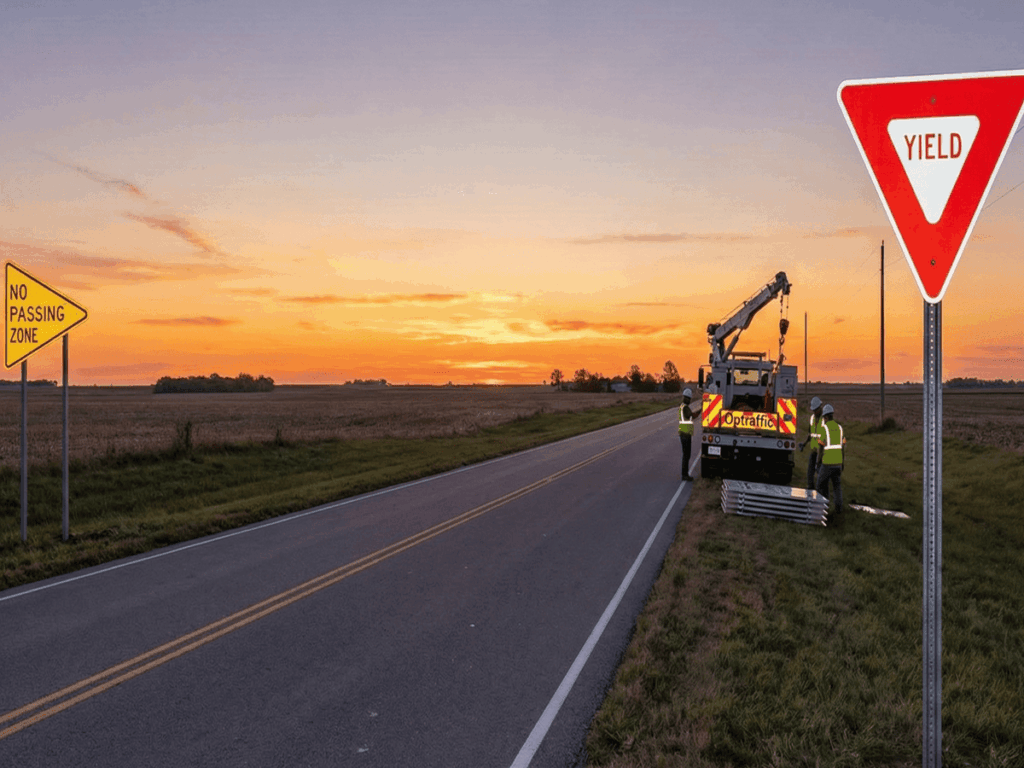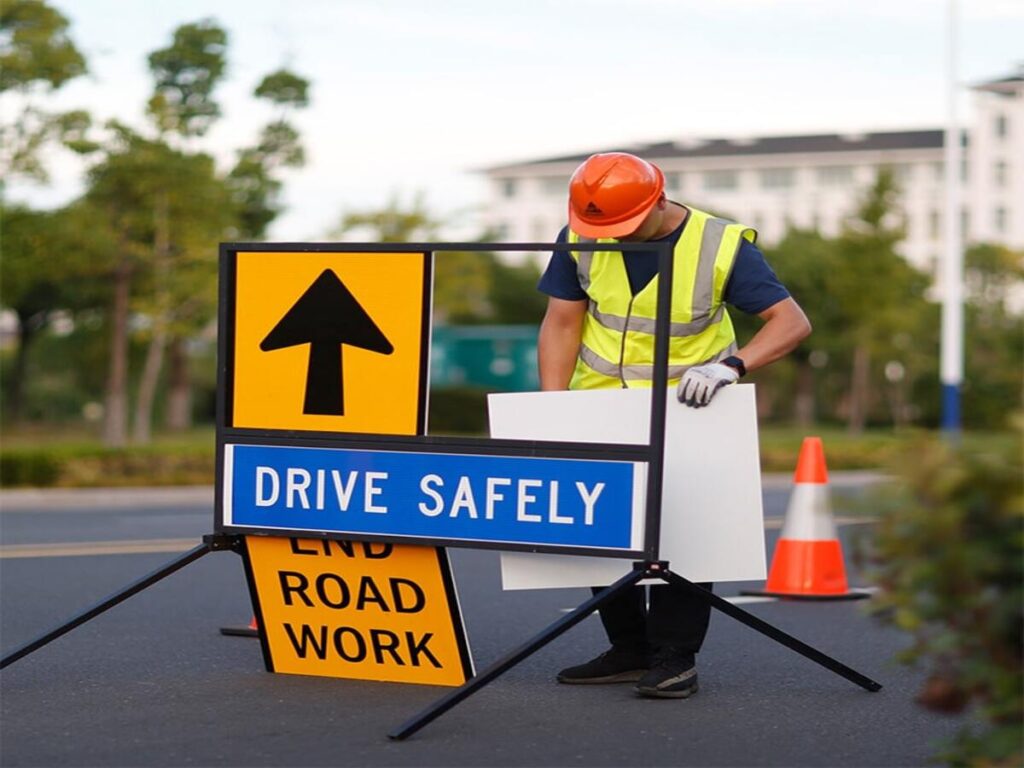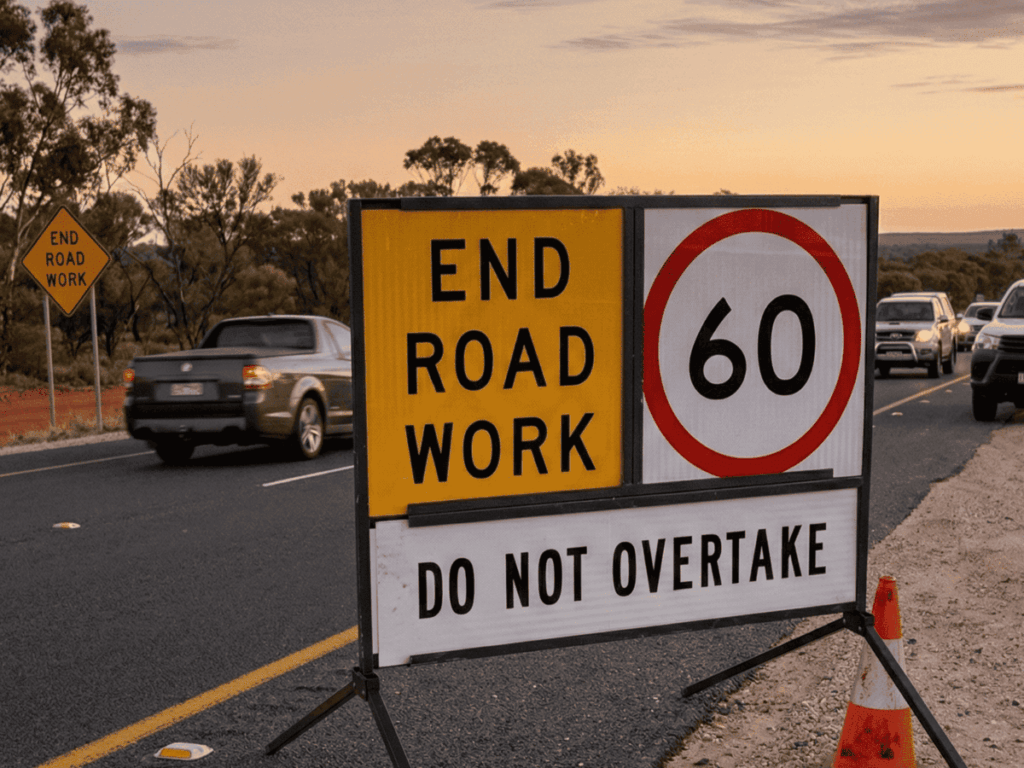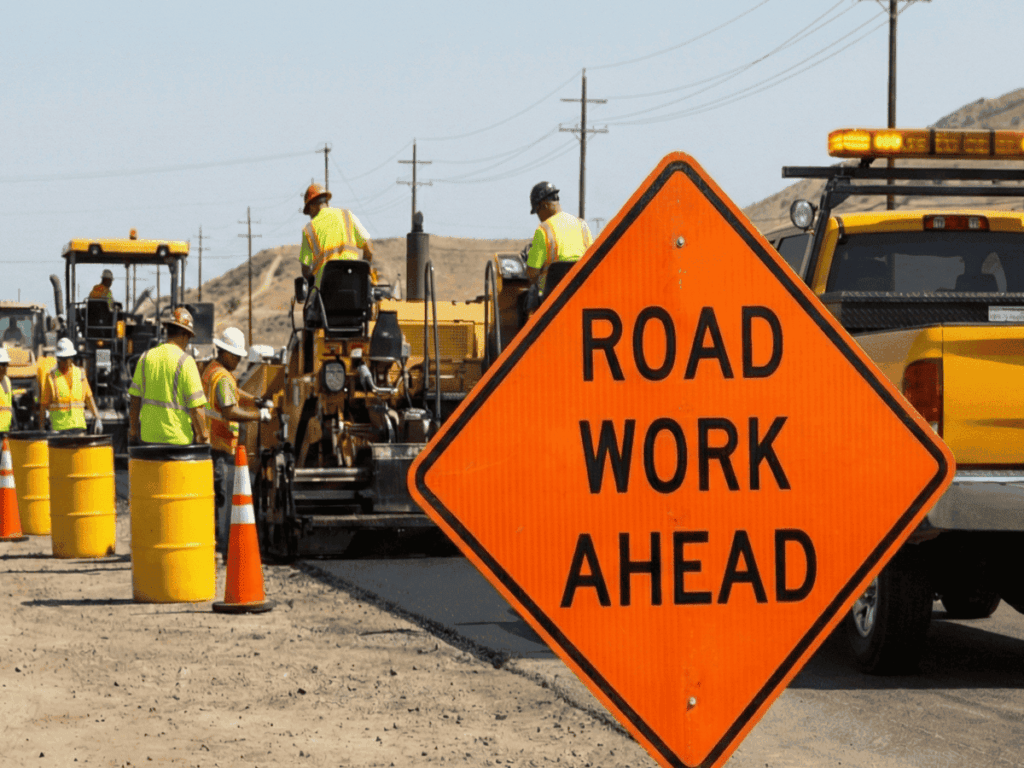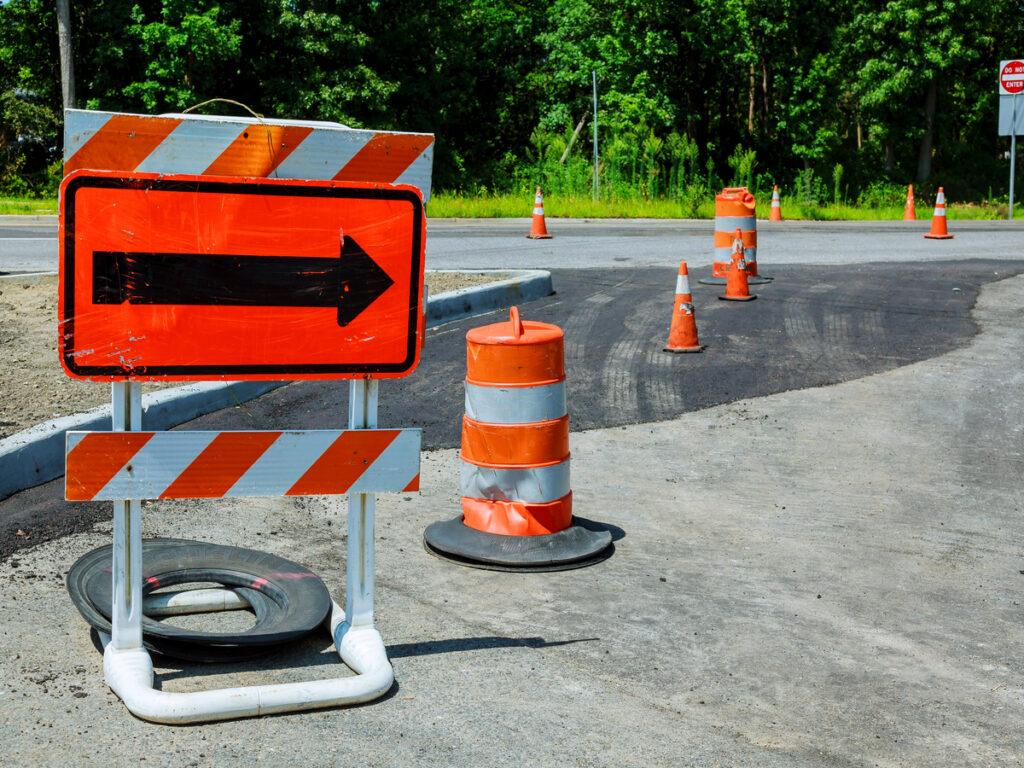
La canalización gradual es mejor cuando los conductores deben incorporarse o cambiar de carril lentamente en zonas de construcción.. La canalización tangente ayuda a que los automóviles avancen en línea recta y mantiene el tráfico estable. Dispositivos de canalización son muy importantes en ambos sentidos. Ayudan a detener accidentes y evitar que las personas resulten heridas.
Control de llave
- La canalización cónica ayuda a los conductores a cambiar de carril de forma segura en las zonas de trabajo.
- La canalización tangente mantiene a los autos en línea recta. Funciona mejor en largos, Áreas de trabajo rectas sin cambios de carril..
- Los dispositivos de canalización deben estar espaciados correctamente. Si los autos van más rápido, Los dispositivos deben estar más cerca por seguridad..
- Los conductores deben ver fácilmente los dispositivos de canalización. Los colores y materiales brillantes ayudan a los conductores a ver los cambios rápidamente.
- Los trabajadores deben revisar y reparar los dispositivos de canalización con frecuencia.. Esto los mantiene seguros y funcionando bien para todos..
Dispositivos de canalización en zonas de trabajo
Dispositivos de canalización Son muy importantes para el control del tráfico.. Ayudan a guiar a los conductores y mantener a las personas seguras en las zonas de trabajo.. Algunos ejemplos son conos, batería, paneles verticales, separadores de carril, marcadores tubulares, e islas elevadas. Cada dispositivo debe seguir reglas sobre el brillo, grande, y colorido es. Por la noche, Estos dispositivos deben brillar o tener luces en su interior para que los conductores puedan verlos..
Métodos de canalización cónica
La canalización cónica utiliza dispositivos para ayudar a los automóviles a pasar de un carril a otro. Los trabajadores colocan estos dispositivos en línea inclinada.. Esto ayuda a los conductores a incorporarse o cambiar de carril de forma segura. Hay diferentes tipos de conos, como fusionar velas y cambiar velas. El espacio entre dispositivos depende del límite de velocidad.. El Muescato dice que el espacio no debe ser mayor que el límite de velocidad en pies. Esto ayuda a detener cambios rápidos de carril y mantiene el tráfico en movimiento sin problemas..
Métodos de canalización tangente
La canalización tangente mantiene los coches en línea recta en una zona de trabajo. Los trabajadores colocan dispositivos en línea recta para guiar los coches.. Esto funciona mejor cuando los coches no necesitan cambiar de carril.. La canalización tangente se utiliza en largas, áreas de trabajo rectas o cuando los automóviles deben permanecer en un carril. El MUTCD dice que el espacio entre dispositivos no debe ser más del doble del límite de velocidad en pies.. Esto ayuda a los conductores a mantener el rumbo y no confundirse..
Diferencias clave para la seguridad
Elegir una canalización cónica o tangente cambia la seguridad en las zonas de trabajo. La canalización gradual ayuda a los conductores a acostumbrarse a los nuevos patrones de carriles. La canalización tangente mantiene a los conductores en línea recta. El MUTCD tiene reglas para ambos, como qué tan lejos deben estar los dispositivos y qué tan fáciles de ver. Si el trabajo está cerca del tráfico, Se necesitan más dispositivos para la seguridad.. El uso correcto de estos dispositivos ayuda a proteger a los trabajadores y conductores. Seguir las reglas garantiza que todos estén seguros en las zonas de construcción..
Elegir la canalización para la seguridad del tráfico
Velocidad y espacio entre dispositivos
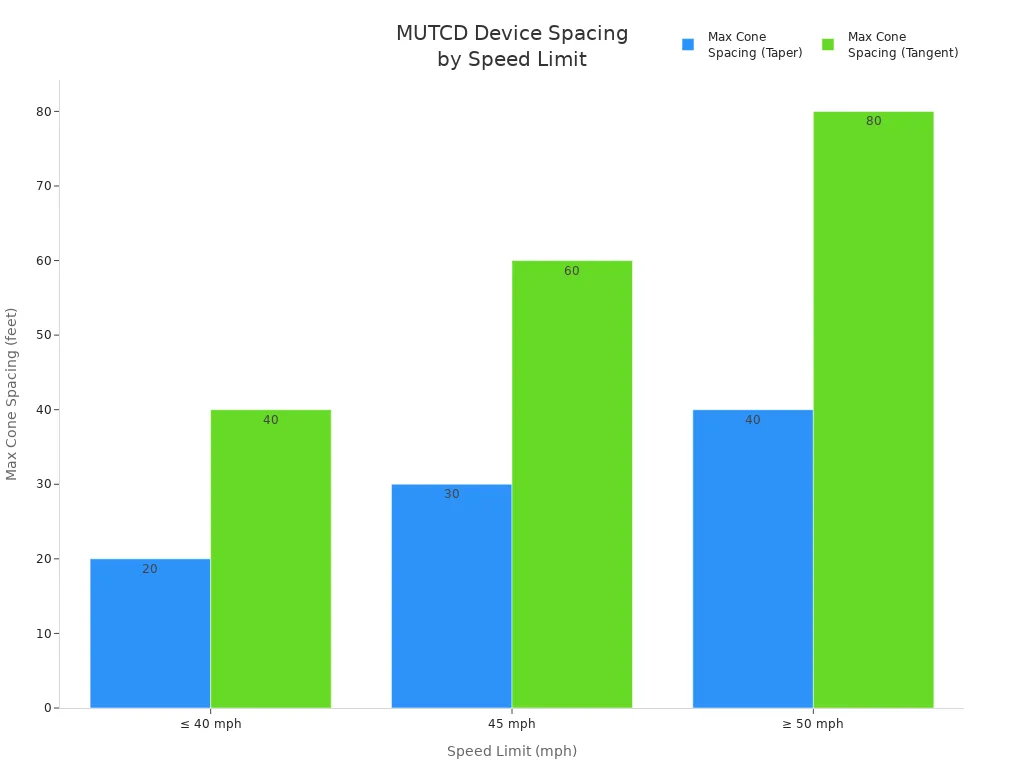
La velocidad es importante cuando los trabajadores configuran dispositivos de canalización. Si los autos van rápido, como 45 mph o más, Los dispositivos deben estar más juntos.. Esto ayuda a mantener a todos a salvo. Los trabajadores utilizan dispositivos de protección positiva para protegerse de los coches. El MUTCD proporciona reglas sobre la distancia entre dispositivos que deben estar. La siguiente tabla muestra el mayor espacio permitido para conos en canalización cónica y tangente a diferentes velocidades..
| Velocidad (mph) | Espaciado máximo de conos (Afilar) en pies | Espaciado máximo de conos (Tangente) en pies |
|---|---|---|
| ≤ 40 | 20 | 40 |
| 45 | 30 | 60 |
| ≥ 50 | 40 | 80 |
Disposición de la zona de trabajo y volumen de tráfico
El aspecto de una zona de trabajo y cuántos coches la utilizan son importantes. Estas cosas ayudan a los trabajadores a elegir el mejor método de canalización.. Los estudios dicen que el espaciado entre dispositivos puede cambiar el funcionamiento de los dispositivos. Pero el tipo o el espacio no cambia la forma en que los conductores cambian de carril.. Los trabajadores deben asegurarse de que los conductores puedan ver bien y elegir los dispositivos adecuados para el trabajo.. Las carreteras con mucho tráfico necesitan dispositivos más grandes y brillantes para guiar a los coches. La canalización tangente se utiliza en zonas de trabajo rectas.. La canalización cónica se utiliza cuando los automóviles deben incorporarse o cambiar de carril..
Consejo: Elija siempre el método de canalización que coincida con la zona de trabajo y cuántos coches lo utilizan..
Visibilidad y mantenimiento
Los dispositivos de canalización deben ser fáciles de ver en las zonas de construcción.. Los dispositivos que destacan ayudan a los conductores a notar los cambios y reaccionar rápidamente. Superficies reflectantes y luces de advertencia hacer que los dispositivos sean más fáciles de ver, Especialmente por la noche. Los dispositivos grandes, como tambores y paneles verticales, son fáciles de detectar y no se caen fácilmente.. Más nuevo, Los conos más altos son fuertes y fáciles de usar.. Los trabajadores deben mantener limpios los dispositivos., en el lugar correcto, y arreglar o reemplazar los rotos. Los dispositivos de canalización longitudinal llenos de agua pueden reducir el impacto y hacer las cosas más seguras.
- Utilice dispositivos brillantes para que los conductores los vean y sigan instrucciones.
- Verifique y repare los dispositivos con frecuencia para que funcionen bien.
- Elija dispositivos nuevos y más seguros cuando pueda.
Elegir la canalización adecuada y cuidar los dispositivos mantiene la seguridad de los trabajadores y el tráfico en movimiento en las zonas de construcción..
Aplicaciones prácticas en el control temporal del tráfico
Cuándo utilizar la canalización cónica
La canalización cónica ayuda cuando los automóviles necesitan cambiar de carril o incorporarse. Los trabajadores usan conos en lugares donde los carriles cambian o se cierran. Los conos guían a los conductores a través de cambios de carril y configuraciones de señalización. En zonas de construcción, Los conos ayudan a los automóviles a moverse con seguridad de un carril a otro. Los conos se utilizan cerca de señales de advertencia y señales temporales.. Funcionan mejor en áreas donde el tráfico necesita dividirse, como al comienzo de un cierre de carril o un desvío.
Por ejemplo, si se cierra un carril de la autopista, un cono de fusión guía a los automóviles hacia el carril abierto. Los trabajadores miden la longitud del cono según la velocidad y las reglas de MUTCD. En ciudades ocupadas, Las luces indicadoras ayudan a controlar el tráfico durante cierres breves. Las puestas a punto también ayudan en lugares donde los carriles cambian, mantener seguros a los conductores y trabajadores. Conos, batería, y barricadas marcan el cono y advierten a los conductores.
El clima puede cambiar el funcionamiento de la canalización cónica. La niebla o la nieve dificultan la visión.. Las luces fijas de los dispositivos ayudan a los conductores a ver mejor. Mantener los dispositivos en el lugar correcto y arreglarlos ayuda a que el tráfico se mueva y evita la confusión..
Cuándo utilizar la canalización tangente
La canalización tangente es mejor cuando los automóviles pasan directamente por una zona de trabajo.. Los trabajadores utilizan métodos tangentes en largas, áreas rectas. La canalización tangente mantiene a los automóviles en movimiento en un carril. Los dispositivos están espaciados según las reglas MUTCD..
Por ejemplo, en un proyecto de repavimentación de una carretera, Los trabajadores ponen conos y tambores en línea recta.. Esto mantiene a los autos en su carril y ayuda a controlar el tráfico.. La canalización tangente también ayuda después de una reducción, Guiar a los conductores a través de la zona de trabajo..
Visibilidad es importante para la canalización tangente. Los dispositivos deben estar limpios., de pie, y reflexivo. bajo una fuerte lluvia, Los trabajadores agregan luces de advertencia para ayudar a los conductores a ver.. La tecnología, como las señales inteligentes y los marcadores digitales, puede ayudar a controlar el tráfico y mantener a las personas seguras.. Estas herramientas brindan actualizaciones de controladores en tiempo real.
Guía de decisiones
Elegir una canalización cónica o tangente depende de muchas cosas. Utilice esta lista de verificación para elegir el método correcto para cada plan:
| Factor de decisión | Canalización cónica | Canalización tangente |
|---|---|---|
| Se requieren cambios de carril | ✔️ | |
| Reducción de carril o reducción de señal | ✔️ | |
| Se necesita un flujo de tráfico recto | ✔️ | |
| Área de transición presente | ✔️ | ✔️ |
| Alto volumen de tráfico | ✔️ | ✔️ |
| Se necesita un área de advertencia avanzada | ✔️ | ✔️ |
| El clima afecta la visibilidad | ✔️ | ✔️ |
| Señalización temporal de construcción. | ✔️ | ✔️ |
| Longitud del cono de medición | ✔️ |
Consejo: Elija siempre la canalización que se ajuste a la zona de trabajo., tráfico, y zona de transición.
Errores comunes
Los errores comunes incluyen un mal espaciado entre dispositivos, longitud cónica incorrecta, y no hay suficiente advertencia. Los estudios muestran que estos errores pueden causar accidentes y lesiones. Por ejemplo, 496 Los accidentes ocurrieron en zonas del NYSDOT desde 1994-1996. Un tercio involucró dispositivos de control de tráfico, y 37% causó lesiones graves. Las barreras de hormigón pueden dañar gravemente a las personas, pero los dispositivos llenos de agua son más seguros. La Guía de diseño de carreteras dice que se deben utilizar barreras sólo si hacen que los choques sean menos graves que golpear objetos sin protección..
| Tipo de evidencia | Detalles |
|---|---|
| La zona de trabajo se bloquea | 496 accidentes en NYSDOT desde 1994-1996, Un tercio involucra dispositivos de control de tráfico y 37% resultando en lesiones graves. |
| Barrera de seguridad | Las barreras temporales de hormigón pueden causar lesiones graves debido a las altas fuerzas G en el momento del impacto., mientras que los dispositivos llenos de agua reducen estos riesgos. |
| Prácticas recomendadas | La Guía de diseño en carreteras recomienda que las barreras solo se utilicen cuando reduzcan la gravedad de los choques en comparación con objetos sin protección.. |
Espacio y mantenimiento
Los ingenieros de tráfico dicen que el buen espaciamiento y el mantenimiento de los dispositivos son muy importantes. Los cambios de carril ocurren con mayor frecuencia cuando los dispositivos están espaciados cada vez más lejos del cono. 40 pies en lugar de cada 80 pies. La mala ubicación y el mal cuidado hacen que los dispositivos sean menos útiles.
| Estudiar | Recomendaciones |
|---|---|
| Cottrell (1981) | La respuesta del conductor al cambio de carril no dependió en gran medida del dispositivo de canalización empleado en una zona de trabajo.. Los cambios de carril ocurrieron con mayor frecuencia a mayores distancias del cono cuando los dispositivos se espaciaron cada 40 pies en comparación con cada 80 pie. |
| Dolor y otros. (1981) | La mayoría de los dispositivos muestran un rendimiento de detección y guía de ruta relativamente exitoso, pero una mala ubicación y mantenimiento pueden reducir significativamente la efectividad. |
El clima también importa para las opciones de canalización. En niebla o lluvia, Las luces fijas ayudan a los conductores a ver mejor las zonas estrechas y tangenciales..
| Contexto | Evidencia |
|---|---|
| Condiciones climáticas | La literatura sugiere que en entornos caracterizados por una visibilidad comprometida debido a las inclemencias del tiempo, Se debe considerar el despliegue de luces fijas en todos los dispositivos de canalización utilizados para el cierre del carril derecho.. |
La tecnología mejora el control temporal del tráfico en las zonas de trabajo. Sistemas automatizados de control de tráfico (ATCS) Mejorar la seguridad en las zonas de trabajo mediante el uso de sensores y cámaras en tiempo real para monitorear el flujo de tráfico.. Estos sistemas pueden ajustar dinámicamente los tiempos de las señales según el volumen de tráfico., Mejora de la gestión del tráfico. Señales inteligentes, integrado con IA, Puede priorizar los vehículos de emergencia y adaptarse a los patrones de tráfico cambiantes., minimizando la congestión. Marcadores digitales, como Señales de mensaje variable OPTRAFFIC (Máquinas de moda), Proporcionar a los conductores información actualizada sobre cierres de carriles o peligros.. Además, vehículo a infraestructura (V2I) La comunicación permite que los automóviles reciban alertas sobre las próximas zonas de construcción., Permitir a los conductores reducir la velocidad a tiempo y evitar accidentes..
Para elegir el método de canalización correcto es necesario pensar en algunas cosas importantes.. Las puestas en marcha ayudan a los coches a cambiar de carril de forma segura. Los trabajadores deben hacer conos del largo adecuado para la velocidad y la forma de la carretera.. La canalización tangente es buena cuando los coches van rectos sin detenerse. Las reglas de MUTCD garantizan que los dispositivos sean seguros y ayudan a los conductores a prestar atención.
Si sigues estas reglas, Los trabajadores y conductores se mantienen seguros en cada zona de construcción.. Para garantizar el más alto nivel de seguridad y cumplimiento, OPTRAFICO ofrece una amplia gama de dispositivos canalizadores de alta calidad, incluidas opciones duraderas y confiables que cumplen con los estándares de la industria. Puede adquirir nuestros dispositivos canalizadores de tráfico directamente desde OPTRAFICO, donde ofrecemos personalizable, Soluciones duraderas diseñadas para soportar incluso las condiciones más duras en zonas de construcción..
Preguntas frecuentes
¿Cuál es la principal diferencia entre canalización cónica y tangente en zonas de construcción??
La canalización gradual ayuda a los conductores a pasar a nuevos carriles o incorporarse. La canalización tangente hace que los coches sigan recto. Los trabajadores utilizan ambos para hacer que las zonas de construcción sean más seguras y mantener el tráfico en movimiento..
¿Cuándo deben los trabajadores utilizar la canalización cónica durante la construcción??
Los trabajadores utilizan la canalización cónica cuando un carril se cierra o cambia. Esto ayuda a los conductores a incorporarse de forma segura a otro carril.. La canalización cónica se utiliza al inicio de cierres de carriles o desvíos..
¿Cómo ayuda la canalización tangente en proyectos de construcción??
La canalización tangente mantiene a los automóviles en movimiento recto en las zonas de trabajo. Los trabajadores lo utilizan durante mucho tiempo., áreas rectas. Este método ayuda a que el tráfico se mantenga estable y evita que los conductores se confundan..
¿Por qué es importante el espaciado entre dispositivos en la canalización de la construcción??
Un buen espaciado entre dispositivos permite a los conductores ver los cambios con antelación. Los trabajadores siguen Reglas de Mutcd para saber qué tan lejos están los dispositivos. Esto ayuda a detener accidentes y mantiene a todos seguros.
¿Qué deben hacer los trabajadores para mantener los dispositivos canalizadores en las zonas de construcción??
Los trabajadores deben mantener los dispositivos limpios y fáciles de ver.. Revisan los dispositivos con frecuencia y reparan o cambian los que están rotos.. Un buen cuidado garantiza que los dispositivos guíen los automóviles de forma segura a través de las zonas de trabajo.
Consejo: La verificación y actualización de los dispositivos a menudo ayuda a evitar errores en las zonas de construcción..