Urban areas, especially those with dense populations, require effective traffic management to ensure smooth and safe driving conditions. Road sign for one way play a crucial role in reducing congestion, minimizing accidents, and improving overall traffic flow. For traffic management companies, understanding the strategic placement and compliance of these one-way signs is essential to maintaining order and safety in busy city environments.
This blog provides detailed insights for traffic management professionals, highlighting the key factors to consider when installing road sign for one way in urban settings. It emphasizes best practices, regulatory compliance, and considerations for optimizing traffic flow and enhancing pedestrian safety.
Understanding the Function of One-Way Road Signs in Urban Areas
Facilitating Efficient Traffic Flow
One-way road signs are integral to urban traffic management as they allow for more organized movement of vehicles. By eliminating the need for vehicles to navigate against traffic, these signs create smoother routes, reduce congestion, and enhance overall traffic efficiency.
To learn more about how one-way traffic signs play a crucial role in improving road safety and traffic flow, check out our blog on The Importance of One Way Traffic Signs for Enhancing Road Safety and Traffic Flow.
Pedestrian Safety in Urban Environments
One-way signs also contribute to pedestrian safety by reducing confusion and preventing vehicles from turning into streets against traffic, thus lowering the risk of pedestrian accidents.
In densely populated urban zones such as San Francisco’s Financial District, proper placement of one-way road signs has been crucial in managing both pedestrian and vehicle traffic. Studies have shown that areas with clear traffic direction markers see a 25% reduction in pedestrian-vehicle accidents.
Key Factors to Consider When Installing One-Way Road Signs
Choosing the Right Location for One-Way Signs
The placement of one-way road signs must be strategic to ensure smooth traffic flow and avoid congestion. Here are key road conditions to consider when selecting locations:
- Critical Intersections: Place one-way signs where multiple lanes converge or intersect, as these areas often experience high levels of traffic movement.
- Narrow Roads or Alleys: In areas with limited space, one-way signs help prevent confusion and ensure vehicles move in a single direction to avoid potential bottlenecks.
- Entry/Exit Points: Install one-way signs at the entrances or exits of streets where traffic flow needs to be managed, such as off-ramps or roadways with high entry/exit traffic.
By considering these traffic flow dynamics, traffic management companies can ensure that one-way signs are effectively placed to optimize traffic movement and prevent accidents.
Sign Placement and Visibility
Ensuring that one-way signs are clearly visible is essential for maintaining traffic safety. Factors to consider for visibility include:
- Clear Sightlines: Avoid obstructions like trees, utility poles, or other signage that can block drivers’ view of the one-way sign. Signs should be placed in open areas where they are easily seen.
- Height and Position: Raise signs above street level or place them at eye level, especially in areas where street structures might obscure visibility. This ensures that the signs are noticed from a distance.
- Lighting and Reflectivity: In high-traffic or poorly lit areas, reflective coatings or additional lighting can enhance sign visibility during nighttime driving, ensuring they remain visible under all conditions.
These steps help ensure that drivers can easily spot and respond to one-way signage, reducing confusion and improving road safety.
Considering Traffic Volume and Speed Limits
Traffic volume and vehicle speed are crucial factors when determining the size and placement of one-way road signs. Traffic management companies should consider the following conditions:
- High Traffic Volume: In areas with high vehicle traffic, larger one-way signs are necessary to capture drivers’ attention and ensure compliance, especially at major intersections or throughways.
- Speed Limits: In areas where traffic moves at higher speeds, larger signs with reflective coatings should be used to increase visibility. This ensures that drivers can clearly see and react to one-way instructions in time.
- Congested Areas: For densely populated zones, placing additional one-way signs at strategic points, such as mid-block or along lanes, helps reinforce the direction and minimize confusion during peak traffic hours.
Adapting the size and placement of one-way signs based on these factors ensures that they are effective in directing traffic and preventing accidents, particularly in areas where the road conditions require additional clarity.
Compliance with MUTCD Guidelines for One-Way Road Signs
Adherence to Federal and Local Regulations
The Manual on Uniform Traffic Control Devices (MUTCD) sets the standard for traffic signs in the United States. One-way signs must meet these guidelines to ensure they are legally enforceable and recognizable across jurisdictions.
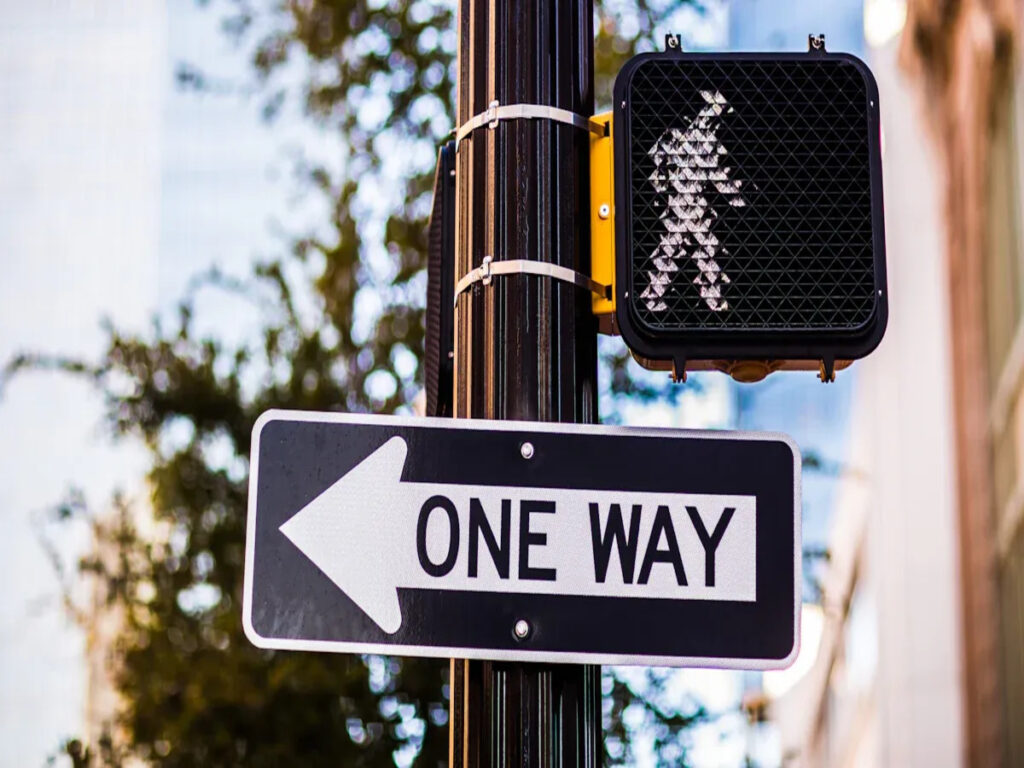
Traffic management companies must be familiar with specific MUTCD guidelines regarding the size, shape, and color of one-way road signs to guarantee compliance. For example, the standard for one-way signs includes the use of white letters on a black background or a white arrow, which is universally recognized. To delve deeper into MUTCD standards and the proper sizing of one-way traffic signs, check out our blog on Understanding MUTCD Standards for One Way Traffic Sign Sizes.
Ensuring Consistency in Urban Infrastructure
Uniformity in signage across an urban area is essential to reduce confusion for drivers. Traffic management companies should ensure that one-way signs follow a consistent design to help drivers navigate urban streets seamlessly.
In cities like Boston, where there is a complex road network, city planners have focused on maintaining consistent signage to reduce misinterpretations of traffic flow directions, improving both safety and traffic efficiency.
Integrating Technological Solutions with One-Way Road Signs
Electronic and Smart Signage for One-Way Streets
As urban areas continue to evolve and face increasing traffic demands, traffic management companies are increasingly incorporating smart technologies alongside traditional signage to enhance the efficiency and safety of one-way streets. Traditional one-way road signs provide essential directionality for traffic flow, but integrating electronic or dynamic signage offers even greater flexibility and responsiveness to changing traffic conditions.
For instance, San Francisco’s Bay Bridge employs dynamic one-way signage, a key element of its Intelligent Traffic System (ITS), which allows for real-time updates based on fluctuating traffic conditions. During periods of congestion or accidents, the dynamic signs change direction to accommodate the flow of traffic more efficiently. This real-time adaptation of road signage helps mitigate traffic jams, reduce bottlenecks, and improve overall traffic flow during peak times or emergencies. The use of such electronic road signs ensures that traffic management systems can remain responsive and adaptable, ultimately improving safety and reducing stress for drivers.
The integration of smart traffic signs is not limited to just large-scale infrastructure like bridges. Cities across the U.S. are beginning to embrace technologies that make signage more flexible and adaptable to real-time conditions, including solar-powered digital displays, LED-lit signs, and traffic flow monitoring systems. For example, Los Angeles has piloted systems that update road signs based on the level of congestion or weather conditions, ensuring that traffic control devices are always up-to-date and reflective of the current state of traffic.
Advanced Traffic Control Systems
Incorporating one-way road signs into broader Intelligent Traffic Systems (ITS) offers traffic management companies a more comprehensive approach to improving urban mobility. An ITS integrates a range of technologies that work together to optimize traffic flow, reduce delays, and enhance road safety. These systems often use a combination of real-time data collection, predictive analytics, and adaptive traffic control mechanisms.
One of the main advantages of integrating one-way signs with ITS is the ability to modify signal timings based on live traffic conditions. For example, when congestion increases at key intersections, the system can automatically adjust signal timing to allow for smoother transitions, reducing vehicle idling times and improving overall traffic throughput. This level of dynamic adjustment helps alleviate delays that would otherwise occur in a static, manually controlled system.
In Seattle, the integration of one-way road signs with ITS has led to smoother transitions at major intersections, improving traffic flow significantly. The system uses real-time traffic data from sensors placed along streets and highways to dynamically adjust traffic signals and control vehicle movement more efficiently. This technology has resulted in a measurable decrease in average wait times at critical intersections and a reduction in accident rates, particularly at locations known for heavy pedestrian traffic and congestion. By incorporating predictive analytics, the system can even alert drivers to potential congestion ahead, providing them with advanced warning to adjust their routes, thereby enhancing road safety and reducing the likelihood of accidents.
If you’re interested in ITS, check out our other blog, How ITS Is Transforming Traffic Equipment for Safer Roads.
Maintenance and Longevity of One-Way Road Signs
Regular Inspection and Maintenance Protocols
One-way road signs are essential for ensuring smooth traffic flow and safety, but their effectiveness relies heavily on regular inspection and maintenance. Over time, weather conditions, traffic wear, and environmental factors can degrade the visibility and integrity of road signs. Signs that are damaged, faded, or obscured by debris can create confusion for drivers, leading to potential accidents. To avoid such risks, traffic management companies must implement a comprehensive maintenance schedule that addresses issues such as rust, fading, and physical damage.
In cities like Chicago, where winters bring extreme weather conditions, the Chicago Department of Transportation (CDOT) has established ongoing maintenance programs focused on extending the life of road signs. The use of rust-resistant materials in sign construction has proven particularly effective in combating the damaging effects of snow, ice, and salt during winter months. CDOT’s proactive maintenance approach has helped maintain high standards of safety and visibility throughout the year, even in the harshest conditions. These efforts not only prolong the life of signage but also reduce long-term costs associated with sign replacements, ensuring consistent safety for all road users.
Durability of Sign Materials
The choice of materials for one-way signs is crucial to their longevity, especially in cities with extreme weather. Traffic management companies should select materials that are resistant to fading, corrosion, and impact damage, ensuring the signs last for years without significant degradation.
The use of high-quality reflective sheeting, which can withstand rain and snow, has become a standard practice in areas like Denver, where winter conditions can cause significant wear on road signs.
Case Studies of Successful One-Way Sign Implementations in Urban Areas
Example 1: New York City
New York City has strategically implemented one-way road signs in high-traffic areas, such as Times Square, which sees one of the highest concentrations of pedestrian traffic in the world. In 2020, the NYC Department of Transportation (DOT) completed a redesign of Times Square that included clear one-way signage, pedestrian plazas, and enhanced traffic control measures. The results were significant: a report by the NYC DOT indicated a 15% reduction in pedestrian injuries within the first year following the changes. The proper placement of one-way signs, combined with other traffic management strategies, helped alleviate congestion and reduce accidents, contributing to both improved pedestrian safety and smoother vehicle flow in one of the busiest parts of the city.
Example 2: Los Angeles
In Los Angeles, the installation of one-way road signs along Hollywood Boulevard, a major commercial and tourist hub, has had a measurable impact on traffic safety. Between 2010 and 2019, 53 severe and fatal collisions occurred on the stretch of Hollywood Boulevard between Gower Street and Lyman Place, a section notorious for both high traffic volume and heavy pedestrian activity. To address these issues, traffic management professionals at the Los Angeles Department of Transportation (LADOT) implemented one-way signage along this corridor.
Following the installation, LADOT reported a 25% decrease in accidents at key intersections along Hollywood Boulevard. This reduction in accidents can be attributed to several factors, including improved traffic directionality, better compliance with road signs, and reduced driver confusion. In particular, the signage helped manage the flow of traffic in areas where heavy pedestrian movement intersects with vehicle lanes, making it safer for both pedestrians and drivers.
The positive impact of the one-way signage system on safety demonstrates the effectiveness of well-placed traffic control measures in densely populated urban areas, further emphasizing how crucial it is to address both pedestrian and vehicle safety in high-traffic districts like Hollywood Boulevard.
Final Considerations for Traffic Management Companies
Collaboration with Local Authorities
Traffic management companies should work closely with local government bodies, urban planners, and public safety departments to ensure that one-way signs are strategically placed and meet the specific needs of each area.
Public Awareness and Education
While installing one-way road signs is essential, educating the public on their meaning and importance can further reduce violations. Traffic management companies can support public awareness campaigns to enhance driver compliance.
Choosing the Right Sign Manufacturer for One-Way Road Signs
Selecting the right road sign for one way manufacturer is a crucial step for traffic management companies to ensure the longevity, visibility, and compliance of signage. It’s important to partner with manufacturers who adhere to MUTCD guidelines and provide high-quality materials that can withstand harsh weather conditions and high traffic volumes. Reliable road sign manufacturers like OPTRAFFIC offer customizable solutions, ensuring that each one-way sign fits the specific needs of urban areas, from size and design to the inclusion of reflective sheeting for nighttime visibility.
In conclusion, installing one-way road signs in urban areas requires a careful balance of strategic planning, regulatory compliance, and ongoing maintenance. By considering factors such as traffic flow, pedestrian safety, visibility, and the integration of smart technologies, traffic management companies can significantly enhance both the efficiency and safety of urban roadways. Collaborating with local authorities and educating the public further ensures the effectiveness of these traffic control measures. As cities continue to grow and evolve, prioritizing the installation and upkeep of one-way road signs will play a crucial role in creating safer, more efficient transportation networks for all users. Traffic management companies must remain proactive in adopting best practices to meet the increasing demands of urban mobility, ultimately fostering safer and more reliable road environments.
FAQ
Why are road signs for one way important in urban areas?
Road signs for one way are essential for ensuring smooth traffic flow in busy urban areas. They prevent vehicles from navigating against traffic, reducing congestion, preventing accidents, and improving overall road safety. By regulating traffic direction, these signs optimize the use of road space, especially in high-density environments.
What size is a one-way sign?
The size of a one-way sign can vary based on location, visibility requirements, and traffic conditions. However, the MUTCD provides standardized size recommendations. The most common sizes for one-way road signs are:
| Sign Type | Standard Size | Usage |
|---|---|---|
| One-Way Sign – Minimum | 18 inches x 24 inches | Used for parking lots or smaller roadways. |
| One-Way Sign – Standard | 24 inches x 30 inches | Commonly used for residential streets and smaller roads. |
| One-Way Sign – Larger | 30 inches x 36 inches | Used on multi-lane roads or roads with higher traffic volume. |
| One-Way Sign – Expressway | 36 inches x 48 inches | Typically used on expressways or freeways with higher speeds. |
| One-Way Sign – Freeway | 48 inches x 60 inches | For high-speed highways and expressways with higher traffic speeds. |
Is a one-way sign a regulatory sign?
Yes, a one-way road sign is a regulatory sign under the Manual on Uniform Traffic Control Devices (MUTCD). It legally directs drivers to move in a specified direction, and failure to comply can result in fines or traffic violations. The sign plays a critical role in ensuring that traffic flows safely and efficiently in urban environments and helps prevent accidents caused by vehicles traveling in the wrong direction.
What are the different types of directional signs?
Directional signs guide drivers, pedestrians, and cyclists by indicating routes, turning instructions, or movement directions. Here are the primary types:
- One-Way Signs: Indicates that traffic must proceed in one direction only. Often seen on one-way streets or highways.
- Left/Right Turn Signs: Directs drivers to turn left or right at an intersection, helping to manage traffic flow.
- “Ahead Only” Signs: Directs drivers to continue straight ahead, typically used in areas where turning is prohibited.
- Detour Signs: Used to redirect traffic around road closures or construction zones.
- Merge Signs: Indicates that lanes will merge, instructing drivers to adjust their position.
These directional signs help maintain safe, predictable movement for all road users, improving traffic management and safety.
What is the difference between an “Ahead Only” sign and a “One-Way” sign?
The key difference lies in their purpose. An “Ahead Only” sign directs drivers to continue forward in one direction, often used at intersections or to indicate a dead-end road. A “One-Way” sign, on the other hand, restricts traffic to move in only one direction along a street or highway, ensuring orderly traffic flow and preventing accidents in the opposite direction.