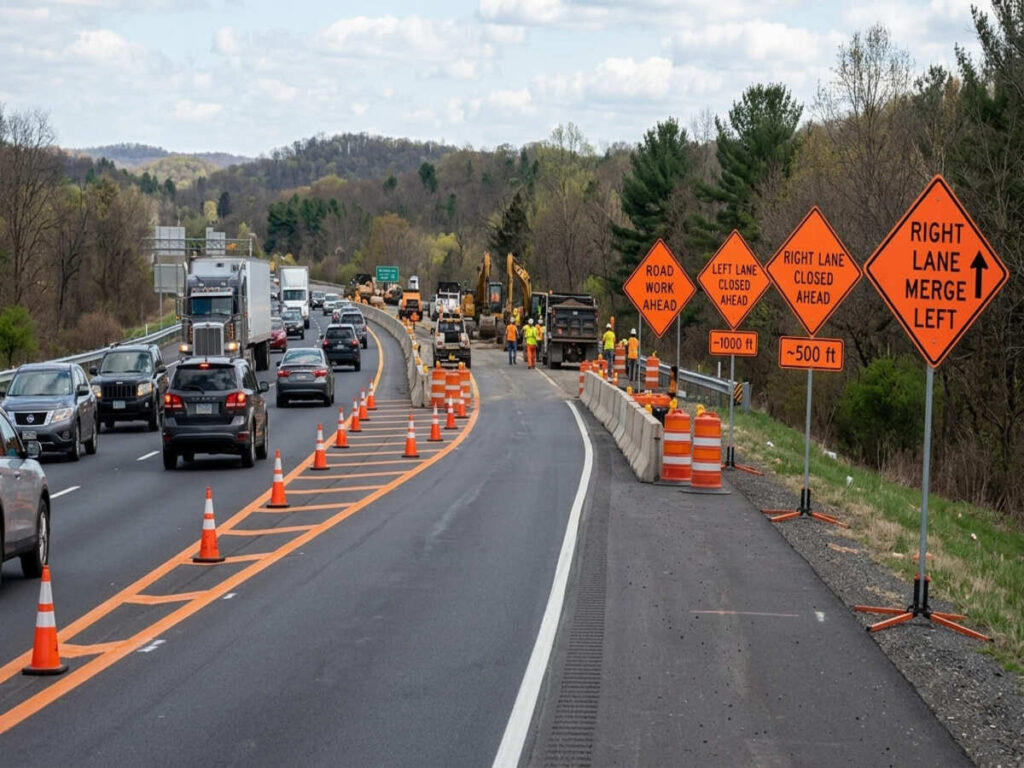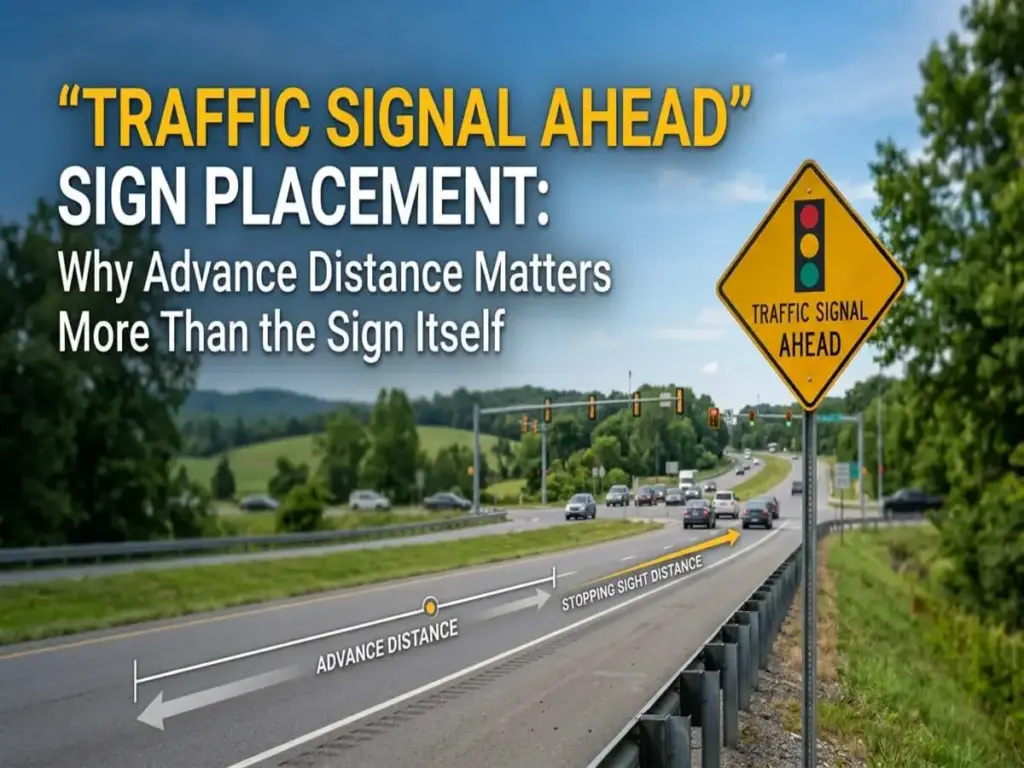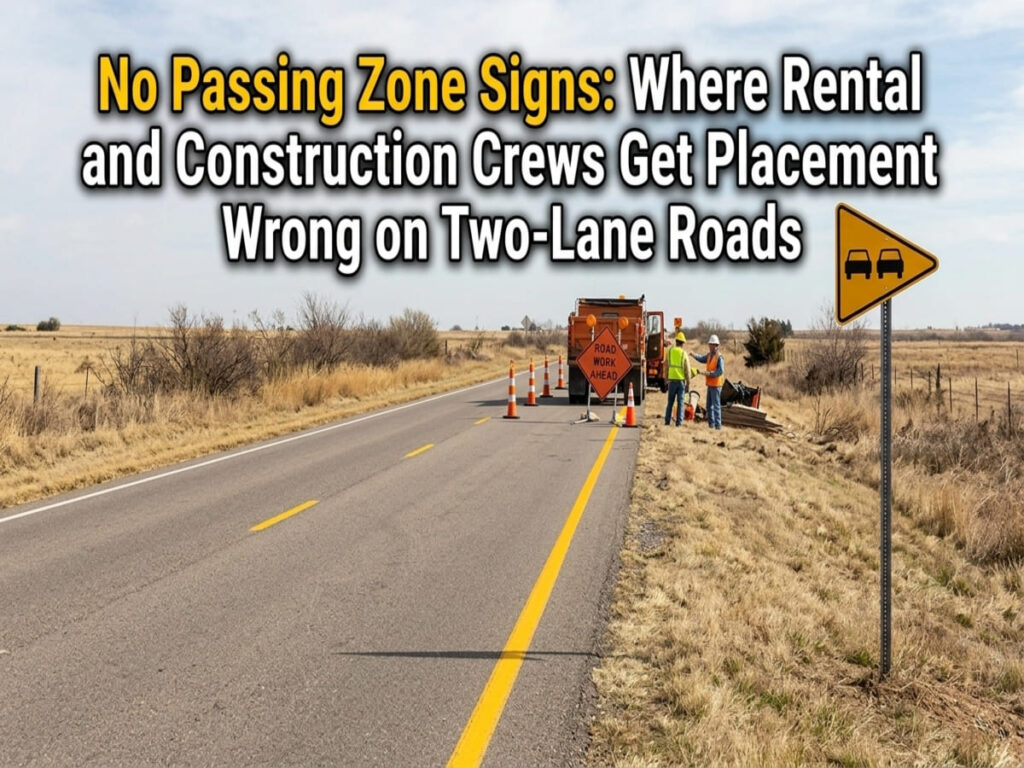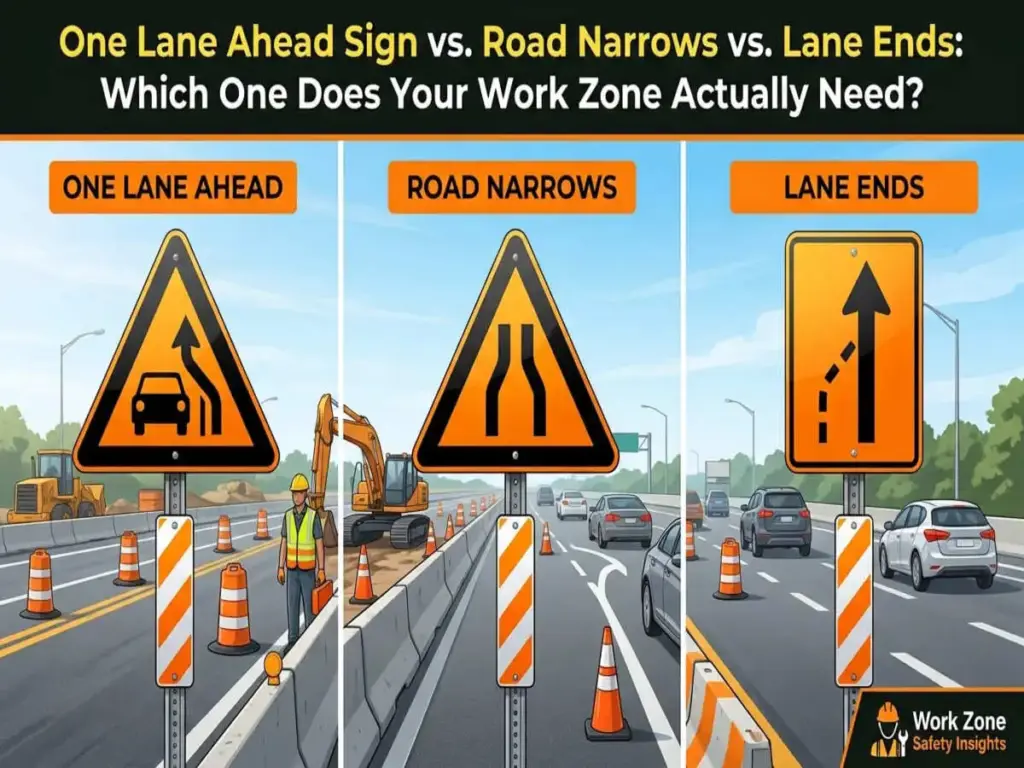
Construction signs are vital for maintaining safety, compliance, and efficiency at construction sites. Beyond ensuring safety, understanding the financial implications of these signs is critical to making informed decisions about budgeting and investment. This blog explores the factors influencing construction sign costs, the return on investment (ROI), and the long-term savings generated by these signs.
Introduction to Construction Signs Costs
The cost of construction signs is an important consideration in any construction project. The financial implications of selecting appropriate signage depend not only on the upfront costs but also on maintenance, compliance, and durability over time. By analyzing these costs, construction companies can make decisions that balance quality, safety, and budgetary constraints.
At OPTRAFFIC, we understand the need for cost-effective yet durable solutions. We offer a wide range of high-quality, affordable construction signs that meet industry standards and ensure long-term savings. Our ability to provide both affordability and reliability stems from our use of efficient manufacturing processes, bulk purchasing power, and strategic partnerships with suppliers. These advantages allow us to maintain competitive prices without compromising on the quality, compliance, or durability of our products. With OPTRAFFIC signs, contractors can achieve safety, compliance, and cost savings all in one.
Key Factors Affecting the Cost of Construction Signs
Several elements contribute to the overall cost of construction signs. Below, we explore each of these factors in detail, providing valuable insights for construction companies to make cost-effective decisions.
Material Selection
The material chosen for construction signs directly impacts both the durability and the overall cost of the sign. Different materials offer varying degrees of visibility, longevity, and resistance to environmental elements. Here’s a deeper look at how material selection affects costs:
- Aluminum Signs
Aluminum is one of the most common materials used for construction signs due to its durability and resistance to weathering. Aluminum signs are highly resistant to rust and can withstand harsh outdoor conditions, making them an ideal choice for long-term use. However, this durability comes at a higher initial cost. Aluminum signs are particularly useful for permanent signage that needs to endure for years without replacement. - Reflective Sheeting
Reflective sheeting is another key factor in determining the cost of construction signs. Reflective signs are crucial for night-time visibility and safety, particularly on roads with high traffic. The addition of reflective sheeting increases the cost of the signs due to the extra materials required to make them visible in low-light conditions. Reflective signs are more expensive than non-reflective alternatives but are often required to meet safety standards. - Plastic and Vinyl Signs
Plastic and vinyl signs are the least expensive options. They are lightweight and easy to produce, making them a good choice for temporary signage, such as those used in construction zones or events. However, they may not be as durable as aluminum and may need to be replaced more frequently, adding to the long-term costs.
By selecting the right material based on the project’s needs (temporary vs. permanent, low-cost vs. high-durability), construction companies can ensure they are making the most cost-effective choice.
Size and Customization
The size and customization of construction signs are significant factors in determining their cost. Larger signs or signs with customized designs usually incur higher costs due to the additional materials, labor, and design work involved. Here’s how size and customization contribute to the cost:
- Standard vs. Custom Signs
Standard construction signs typically feature universal messages and sizes, making them more affordable. These signs are often pre-manufactured and can be quickly deployed for generic construction purposes. However, when a project requires specific instructions or a company’s branding on the signs, custom designs come into play. - Custom Graphics and Branding
Custom signs, including those with company logos, specific colors, or unique messages, add an extra layer of cost. Design services, logo printing, and customized graphics all contribute to the price of these signs. For larger projects with high visibility, custom signs can also help create a professional appearance and increase brand recognition. - Larger Signs for High-Traffic Areas
In areas with heavy foot or vehicle traffic, construction signs must be larger and more visible to ensure maximum safety and effectiveness. Larger signs require more materials and take longer to produce, which raises their cost. For example, highway construction sites often require oversized signs to be visible from a distance, which increases production time and costs.
The right size and customization should be selected based on the project’s visibility needs, the target audience, and any specific legal or regulatory requirements.
Compliance with Regulations
Meeting regulatory standards set by bodies like MUTCD, OSHA, and other local safety organizations is crucial. This ensures both the safety and legality of construction signage.Non-compliance can lead to costly fines and legal consequences. Here’s how compliance factors into the cost of construction signs:
- MUTCD Compliance
The MUTCD sets the standard for the design and placement of traffic control devices, including construction signs. Ensuring that construction signs meet these requirements is not optional—failure to comply can result in fines or even legal action. MUTCD-compliant signs typically feature specific sizes, colors, symbols, and reflective properties, all of which contribute to the overall cost. For example, reflective sheeting is a MUTCD requirement for many construction zone signs, which increases the expense. - OSHA and State-Level Regulations
In addition to MUTCD standards, local regulations such as those set by OSHA (Occupational Safety and Health Administration) require that certain types of signage be used to maintain workplace safety. Compliance with these regulations can add costs, especially when specific materials or features (such as warning labels or reflective film) are required for construction signs. - Long-Term Compliance and Inspections
Once construction signs are installed, they must be maintained to ensure ongoing compliance. Regular inspections may be required to verify that the signs are still visible and functioning as intended. This can add additional maintenance costs. Furthermore, construction sites must stay up to date with any changes in regulations, which might require the replacement or updating of signs over time.
While compliance may increase initial costs, it helps avoid legal issues and fines, making it a worthwhile investment for construction companies in the long run. To explore in more detail how compliance with MUTCD and OSHA standards affects the choice and cost of signage, read our blog on Regulatory Compliance and Construction Site Signage.
The Role of Construction Signs in Reducing Liability and Risk
Construction signs are crucial for both safety and reducing financial and legal risks. Proper signage ensures compliance with safety regulations, lowering the risk of accidents, legal claims, and fines. Investing in compliant and well-placed signs helps contractors avoid costly lawsuits, medical expenses, and higher insurance premiums.
OSHA and MUTCD-compliant signs help contractors avoid fines and legal issues. This makes signage an essential part of risk management. The initial cost of purchasing compliant signs is an investment in preventing the financial consequences of non-compliance, accidents, and delays.
Understanding Return on Investment (ROI) for Construction Signs
Investing in construction signs goes beyond the initial cost; it’s about understanding the long-term financial benefits. The return on investment (ROI) comes from both direct and indirect advantages, which justify the upfront costs. Proper signage not only keeps workers safe but also helps reduce project costs and improve efficiency.
Direct ROI: Prevention of Accidents, Injuries, and Delays
The direct ROI from construction signs comes from preventing accidents, injuries, and delays, which can lead to major financial losses. Clear, visible signage reduces the risk of hazards, creating a safer environment for workers, vehicles, and equipment. Here’s how direct ROI materializes:
- Accident Prevention
Construction sites are inherently dangerous, with heavy machinery, vehicles, and workers operating in close proximity. Properly placed and compliant signage warns workers and site visitors of hazards, reducing the likelihood of accidents. Whether it’s warning of moving equipment, unsafe zones, or electrical hazards, signage directly contributes to minimizing the risk of injuries, which can lead to costly medical expenses and lawsuits. - Reduced Legal Claims
Accidents and injuries on construction sites often result in legal claims, which can be both financially draining and time-consuming. Construction signs that help ensure safety and compliance with regulations like OSHA and MUTCD can significantly reduce the risk of legal action. By adhering to legal requirements and providing adequate warnings, contractors avoid the financial burden of fines, legal fees, and settlements that would arise from safety violations or negligence claims. - Lower Insurance Premiums
Insurance companies often offer reduced premiums to contractors who demonstrate proactive safety measures, including the use of compliant signage. By minimizing the risk of accidents, insurance costs can be lowered, resulting in substantial long-term savings. These savings further contribute to the ROI of investing in high-quality, durable construction signs.
Indirect ROI: Improved Efficiency and Workflow
Beyond accident prevention, construction signs offer substantial indirect returns on investment by improving overall project efficiency and streamlining operations. Well-maintained and strategically placed signs help organize the worksite and manage the flow of workers, vehicles, and equipment. This, in turn, can lead to faster project completion and reduced operational costs. Here’s how indirect ROI materializes:
- Optimized Traffic Flow and Worker Movement
Construction sites often involve a lot of movement—machinery, materials, and personnel moving in different directions. By using clear and visible traffic control signage, companies can direct vehicle and worker movement, minimizing delays caused by confusion or congestion. For instance, directing construction vehicles around hazardous zones or providing clear instructions for pedestrian traffic can prevent bottlenecks and reduce unnecessary downtime. - Increased Productivity
A well-organized construction site is a productive one. Signs that clearly mark work zones, material storage areas, or hazard zones contribute to a smoother workflow. Workers spend less time searching for instructions or navigating unclear areas. As a result, efficiency increases, and tasks are completed more quickly, which can accelerate project timelines and reduce labor costs. - Reduced Downtime
In addition to boosting worker productivity, clear signage can help prevent disruptions due to safety hazards or miscommunication. When workers and equipment are guided effectively through the site, there is less chance of accidents or delays, ensuring that the project runs on schedule. This reduced downtime improves the overall project budget and allows construction companies to meet deadlines, potentially leading to bonuses or additional contracts.
Life Cycle Costs and Maintenance of Construction Signs
When planning a budget for construction signs, it’s important to consider not just the upfront costs but also the ongoing maintenance and replacement expenses. Durable signage materials may cost more initially but offer significant savings over time. This section dives into the life cycle costs of construction signs.
Durability: How High-Quality Materials Save Money
The durability of construction signs plays a significant role in minimizing long-term costs. Choosing high-quality, weather-resistant materials like reflective aluminum can reduce the frequency of replacements and repairs. Aluminum is durable, corrosion-resistant, and can withstand harsh weather conditions, which makes it a great long-term investment. While reflective aluminum signs may have a higher initial cost, they require fewer replacements, reducing overall costs in the long run. For high-visibility areas and long-term projects, these signs can remain effective for years.
On the other hand, plastic and vinyl signs, while more affordable, tend to wear out quicker due to exposure to sun, rain, and heavy winds. For short-term projects or temporary construction zones, these materials are acceptable but will likely need to be replaced more frequently, driving up the cost over time.
Maintenance and Replacement: Ongoing Expenses to Account For
Regular maintenance is necessary to ensure that construction signs remain legible and effective throughout the duration of a project. The costs of maintaining signs, such as cleaning, replacing damaged signs, or updating old information, should be factored into the budget.
- Routine Cleaning and Maintenance: Construction signs are exposed to dirt, dust, and environmental elements, which can obscure their visibility. Regular cleaning is essential to maintain effectiveness. While cleaning is a relatively low-cost maintenance activity, it can add up if not scheduled regularly. Additionally, failure to clean signs can cause them to degrade or become ineffective over time.
- Replacement Costs: Signs that are damaged by weather, vandalism, or physical impact will need to be replaced. Whether it’s a cracked reflective sheet or a dented metal frame, replacing signs can add unexpected costs. Signs made of durable materials like aluminum require less frequent replacement, but plastic or vinyl signs may need replacement every few months depending on the project’s duration and exposure.
- Updating Information: Construction projects often change over time, which can require sign updates. Whether it’s updating project information, changing work zone layouts, or complying with new safety regulations, updating signage is a regular expense. For example, MUTCD-compliant signage might need updates to reflect changes in traffic patterns or safety requirements.
By understanding these ongoing maintenance and replacement costs, companies can better budget for signage over the course of a project, ensuring that signage remains effective while keeping costs manageable.
Budgeting for Construction Signs in Large-Scale Projects
For large-scale construction projects, budgeting for construction signs can be complex. There are multiple signs to consider for different areas of the site, each with different costs based on size, material, and function. Contractors need to allocate funds wisely to ensure the signage budget is optimized.
One strategy for managing signage costs effectively is to prioritize essential signs that are required for safety and compliance. After these have been accounted for, additional signage can be customized or adapted to meet the specific needs of the project. This approach ensures that funds are spent efficiently, without compromising safety or functionality.
Maximizing Financial Efficiency with Sustainable Construction Signs
Sustainability is an increasingly important factor in the construction industry. As the demand for eco-friendly construction practices grows, the financial benefits of using sustainable signage solutions cannot be overlooked.
- Solar-Powered Signs: Solar-powered signs can significantly reduce energy costs over time, especially for projects in remote locations where grid power is not available. These signs have the added benefit of being low-maintenance and highly durable, providing long-term value.
- Recyclable Materials: Using recyclable materials for construction signs not only lowers production costs but also contributes to environmentally responsible practices. Many contractors are turning to sustainable signage solutions as part of their broader green building initiatives.
Conclusion: The Value of Investing in High-Quality Construction Signs
Investing in high-quality construction signs is essential for both safety and financial efficiency on construction sites. While the initial cost may seem high, the long-term savings, such as reduced risk, improved workflow, and compliance, make it worthwhile.
Understanding the costs and the role of signs in reducing liability and boosting efficiency helps construction companies make informed decisions. High-quality construction signs protect workers, ensure regulatory compliance, and provide a solid return on investment, making them crucial for any successful project.
To dive deeper into how construction signage can enhance safety, efficiency, and compliance on job sites, check out our Comprehensive Guide to Construction Signs. This guide explores everything you need to know to make the best decisions for your construction site, ensuring you meet legal requirements while optimizing costs and improving workflow.
FAQ: Construction Signs Costs and ROI
What factors influence the cost of construction signs?
Material, size, customization, and compliance with safety standards all impact construction sign costs. Durable and compliant signs often cost more upfront but save money in the long run.
How do construction signs reduce legal risks?
Proper signage helps meet regulatory requirements like OSHA and MUTCD standards, preventing costly fines, legal claims, and accidents.
Can construction signs improve project efficiency?
Yes. Clear signage helps manage traffic, direct workers, and avoid delays, ultimately speeding up project completion and reducing labor costs.
What is the ROI of investing in high-quality construction signs?
The ROI comes from fewer accidents, lower insurance premiums, and better project efficiency. High-quality signs lead to long-term savings despite higher initial costs.
How often should construction signs be maintained or replaced?
Maintenance depends on the material. Durable signs need less frequent replacement, while cheaper, temporary signs may require more frequent updates.