Selecting the right ink is crucial for producing durable and visible printed road signs. The ink chosen for road signs directly impacts their ability to withstand harsh weather, UV radiation, and other environmental factors.
This blog will explore the differences between UV ink and water-based ink, comparing their advantages, disadvantages, and suitability for various environmental conditions. Additionally, it will provide guidance on how to choose the right ink for printed road signs based on factors such as durability, cost, and environmental impact.
For those in need of high-quality printed road signs, OPTRAFFIC provides reliable solutions tailored to meet specific industry needs.
UV Ink vs. Water-based Ink: Key Differences in Printed Road Signs
A. UV Ink
Definition and Composition:
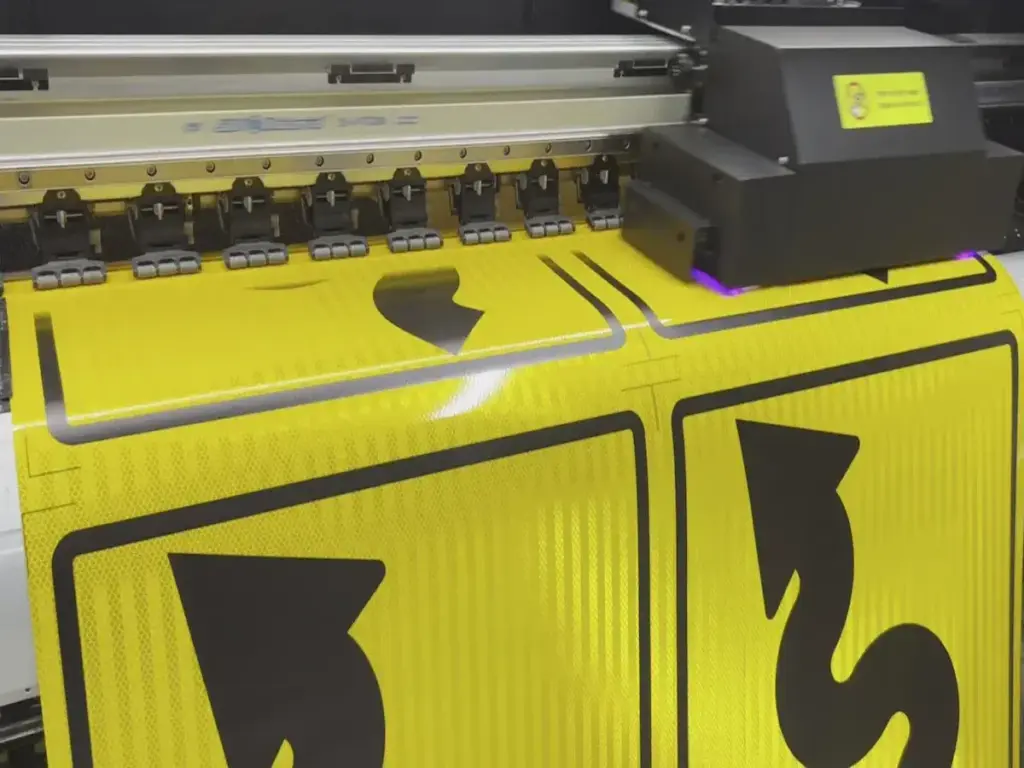
UV ink is a type of ink that cures when exposed to ultraviolet (UV) light. It consists of pigments, resins, and solvents that react to UV light, making the ink dry instantly. The curing process involves chemical reactions that solidify the ink, creating a durable, glossy finish.
Curing Process:
Unlike conventional inks, UV ink dries almost immediately upon exposure to UV light. This instant curing process enhances production speed and ensures that the ink adheres securely to the surface.
Advantages for Printed Road Signs:
- Quick Drying Time: Since UV ink dries immediately, it speeds up production times for road signs. No waiting for the ink to air-dry saves time and energy.
- High Durability: UV ink is highly resistant to UV rays, chemicals, and weathering. This makes it ideal for road signs exposed to harsh outdoor elements. A study from the Journal of Coatings Technology and Research confirms that UV inks perform well in outdoor signage due to their superior durability and resistance to fading under sunlight.
- Superior Adhesion: UV ink adheres well to non-porous materials, such as aluminum and acrylic, which are commonly used for printed road signs.
Disadvantages:
- Higher Initial Cost: UV inks are generally more expensive, both in terms of the ink itself and the special UV curing equipment required.
- Limited Material Compatibility: While effective on non-porous surfaces, UV ink might not adhere as well to porous materials, limiting its use for temporary or indoor signs.
B. Water-based Ink
Definition and Composition:
Water-based ink uses water as its primary solvent. It is made from pigments or dyes, water, and other additives that help it adhere to surfaces. The ink dries when the water evaporates.
Curing Process:
The drying process of water-based ink occurs naturally as the water evaporates into the air. This slower drying time is ideal for materials that need to absorb the ink, such as paper.
Advantages for Printed Road Signs:
- Eco-friendly: Water-based ink contains lower levels of volatile organic compounds (VOCs) compared to other inks. It is considered more environmentally friendly and complies with many local regulations aimed at reducing industrial pollution.
- Cost-effective: Water-based ink is typically more affordable than UV ink, both in terms of raw material costs and equipment investment.
- Ideal for Porous Materials: This ink works best on porous surfaces like paper and cardboard, which are commonly used for temporary printed road signs.
Disadvantages:
- Slower Drying Time: Water-based ink takes longer to dry compared to UV ink, which could slow down the production process.
- Reduced Durability: Water-based inks tend to fade faster when exposed to UV light and harsh weather conditions. Research from the Paint and Coatings Industry Journal highlights that water-based inks may not maintain their integrity under prolonged outdoor exposure.
Suitability of UV Ink and Water-based Ink for Different Environmental Conditions in Printed Road Signs
A. UV Ink for Harsh Outdoor Conditions
UV ink is the best choice for printed road signs that will be exposed to extreme weather conditions. The ink’s ability to withstand UV rays, humidity, and temperature fluctuations makes it perfect for outdoor signage. According to a report from The National Association of Sign Manufacturers (NASM), UV inks are proven to be highly resistant to fading, cracking, and weather damage, making them ideal for permanent road signs like regulatory and warning signs.
B. Water-based Ink for Moderate Conditions
For printed road signs that are used indoors or in less exposed environments, water-based ink can be an appropriate option. These signs typically do not face direct sunlight or extreme weather. Water-based ink is often used for temporary signage in construction zones or indoor locations, where durability is less of a concern.
Application of UV and Water-based Inks in Printed Road Signs
A. UV Ink for Printed Road Signs
UV ink is the go-to option for printed road signs that require long-term exposure to the elements. Signs made with UV ink will maintain their visibility, color, and durability even in harsh conditions. UV inks are particularly beneficial for high-traffic, high-visibility signs, such as stop signs and directional signs, where durability and legibility are essential. The American Traffic Safety Services Association (ATSSA) recommends UV ink for outdoor traffic signage due to its proven longevity and resistance to fading.
To ensure compliance with safety and visibility standards, it’s crucial to understand the regulatory guidelines for road sign printing. Learn more in our blog: Understanding the Regulatory Standards for Road Sign Printing.
B. Water-based Ink in Printed Road Signs
While water-based ink is an affordable alternative, it’s less durable when used for printed road signs exposed to outdoor elements. It may be suitable for temporary or indoor signage, such as event-specific signs or construction-zone markers. However, water-based ink can fade or wear off more quickly in harsh weather conditions, particularly in areas with prolonged sun exposure.
How to Choose the Right Ink for Printed Road Signs Durability
A. Environmental Considerations
When selecting ink for printed road signs, it’s essential to consider the specific needs of the industry in question. Environmental factors such as UV exposure, temperature fluctuations, and humidity play a critical role in determining the best ink choice. Let’s break this down for several key industries:
PPE Industry
For the PPE industry, where safety signage is paramount, road signs are often exposed to harsh weather conditions, UV rays, and constant use. UV ink is the preferred choice for long-lasting, high-visibility signs. Its resistance to UV degradation ensures that safety messages remain clear and legible over time, even in extreme outdoor conditions. UV ink’s durability also ensures that the signs continue to meet regulatory safety standards without fading, crucial for compliance and worker safety.
Want to learn more about procuring PPE signage? Check out our blog: Complete Guide to Procuring PPE Signage.
Construction Industry
In the construction industry, road signs are frequently moved and exposed to varying environmental conditions. While UV ink is optimal for permanent outdoor signs that face sun, rain, and wind, water-based ink can be a more cost-effective solution for temporary construction zone signage. Water-based ink dries faster and is ideal for signs that will only be used for a short period. However, it is important to note that water-based ink is less durable under UV light, so for longer-term visibility, UV ink should be prioritized.
Traffic Management Industry
For the traffic management industry, signs must remain visible, legible, and resistant to fading from UV light and environmental wear. UV ink is a reliable choice for permanent traffic signage, such as stop signs, direction markers, and regulatory indicators, ensuring they withstand continuous exposure to the elements. In contrast, temporary or portable signs used in traffic control zones might benefit from water-based ink due to its lower cost and suitability for short-term use in less extreme weather conditions.
Mining Industry
In the mining industry, signage is subject to extreme weather conditions, dust, and potential chemical exposure. UV ink is the best solution for creating durable, highly visible signage that can withstand these challenging environments. Mining sites often require long-lasting, weatherproof signage that can handle exposure to UV rays and harsh outdoor conditions. UV inks offer superior durability, ensuring signs remain readable and intact in even the most demanding environments.
By understanding the unique requirements of each industry, businesses can make more informed decisions about the ink they use for printed road signs, ensuring that the signs remain effective, compliant, and durable.
B. Balancing Durability with Cost
If budget is a primary concern, water-based ink may offer a cost-effective sign solution, particularly for signs that will only be in place for a short period. However, for long-term durability, particularly for printed road signs that must withstand weather and traffic wear, UV ink is the better investment in the long run.
C. Material Compatibility
UV ink excels on non-porous surfaces, such as metal and plastic, commonly used in printed road signs. Water-based ink is best suited for porous materials, such as paper or cardboard, which are typically used for temporary signs. When selecting ink, consider the material of the sign to ensure optimal adhesion and durability.
Curious about the most common materials used for road signs? Check out our blog: Material Selection and Mounting Methods for Traffic Safety Signs.
Conclusion
Choosing the right ink for printed road signs is essential for ensuring their longevity, visibility, and resistance to environmental damage. UV ink is the best choice for long-lasting, durable road signs that will be exposed to harsh outdoor conditions. It provides fast curing, high durability, and excellent resistance to weather and UV degradation. On the other hand, water-based ink is a more affordable and eco-friendly option for temporary or indoor signage but may not hold up well in outdoor settings.
For printed road signs that need to perform well in various environmental conditions, consider factors such as material compatibility, environmental exposure, and cost. By choosing the right ink, you can ensure that your road signs are both effective and long-lasting, ultimately contributing to safer and more efficient roadways.
If a decision is still difficult to make, it’s advisable to consult with an experienced road sign manufacturer. Companies like OPTRAFFIC specialize in providing tailored signage solutions based on specific industry needs. Whether the requirement is for durable, weather-resistant signs for long-term outdoor use or affordable options for temporary signage, their expertise can help identify the most suitable materials and inks for the job.