When it comes to road safety, stop signs play an essential role in directing traffic, reducing accidents, and ensuring smooth road operations. Choosing the right road sign for stop is crucial. The two primary options available are official stop signs and custom stop signs. Each option has its own advantages. This guide compares both options in-depth, helping decision-makers make the best choice for their specific needs.
If you’re looking for high-quality stop signs tailored to your needs, OPTRAFFIC offers a variety of options. Explore our selection of official and custom road signs to enhance road safety and compliance.
What Are Official Stop Signs?
Official stop signs are traffic control devices that comply with federal regulations and are universally recognized. These signs adhere to the Manual on Uniform Traffic Control Devices (MUTCD) published by the U.S. Department of Transportation (USDOT), ensuring uniformity and clarity across the nation.
Key Characteristics of Official Stop Signs
1. Standardized Design
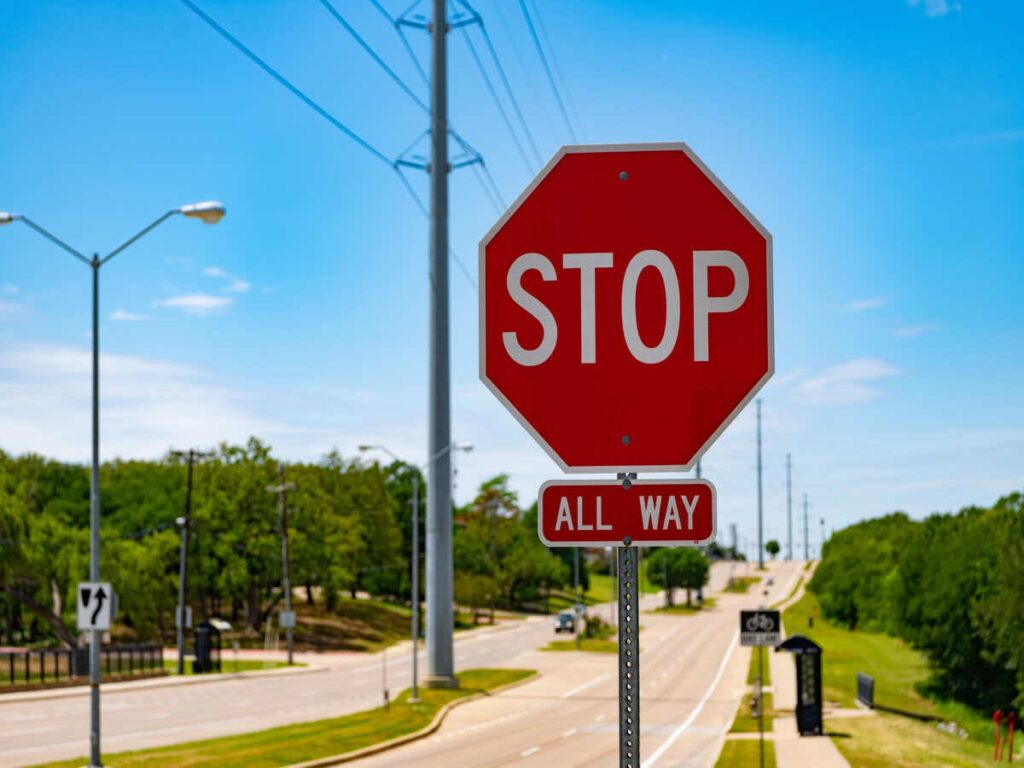
Official stop signs must meet strict requirements in terms of size, shape, and color. They are octagonal with red backgrounds and white lettering. This standardized design makes them instantly recognizable to drivers, ensuring the message to stop is clear regardless of location.
2. Regulatory Compliance
Official stop signs are created to meet the MUTCD standards, ensuring that they comply with all traffic control regulations. These guidelines specify dimensions, placement, reflectivity, and more, which guarantees that the signs will be effective and legally acceptable in any location.
3. Durability and Safety Features
Official stop signs use materials like aluminum or steel for durability and often include reflective sheeting to enhance visibility in low-light conditions. These durable materials allow the signs to withstand harsh weather, ensuring long-lasting reliability.
4. Proven Effectiveness
Official stop signs have been extensively tested and researched to ensure their effectiveness in preventing accidents. Studies show that when placed correctly, these signs significantly reduce the risk of collisions at intersections. Their universal design ensures that all drivers, regardless of location, understand the stop message.
If you’re involved in the importation of stop signs, be sure to check out our blog, Exporting STOP Signs: What Importers Should Know About Standards and Documentation. This blog provides essential information on compliance standards, documentation requirements, and best practices for importing stop signs across borders.
What Are Custom Stop Signs?
Custom stop signs provide more flexibility in design compared to official stop signs. While they must still meet certain legal standards, custom signs allow for adjustments in size, shape, color, and other elements to fit specific needs.
Key Features of Custom Stop Signs
1. Personalization
Custom stop signs enable businesses, organizations, and communities to personalize their signs. They can add logos, branding, or specific text, making them a unique option for those who need more than the standard stop sign. These signs can be tailored to fit specific aesthetic preferences or organizational branding.
2. Versatility for Specific Use Cases
Custom stop signs are often used in private roads, construction sites, or other temporary roadblocks. These signs provide the flexibility needed for areas that do not require the uniformity of official signs. Custom options are useful for applications such as private property, event spaces, or temporary work zones.
3. Cost-Effective for Small-Scale Use
In certain cases, custom stop signs can be more affordable than official stop signs, especially for small-scale projects. For instance, they may be ideal for businesses or private roads where only a few signs are needed. However, the cost savings must be weighed against the need to meet safety regulations.
4. Ideal for Temporary or Non-Public Spaces
Custom stop signs are often a go-to choice for temporary applications. They are commonly used on private properties, construction sites, or during special events. These signs can be adapted for the specific needs of a temporary setup, allowing for easy adjustment and removal once the situation changes.
To understand the requirements and guidelines for installing your own stop signs, check out our blog, Can You Legally Install Your Own STOP Signs? This blog will help you navigate the regulations and ensure compliance when setting up traffic control on private properties or construction sites.
When to Choose Official Stop Signs
Official stop signs are the best option when legal compliance and standardization are necessary. Here are some situations where official stop signs are most appropriate:
1. Public Roads and Intersections
Official stop signs are required on public roads and highways, especially at intersections. These signs are designed to ensure safety and compliance with national traffic laws. They are the best choice for government bodies and municipalities that need uniform signage across public areas. These departments must strictly adhere to requirements when purchasing stop signs and typically partner with reputable, high-quality sign manufacturing factories like OPTRAFFIC.
2. Regulatory Compliance
For areas where traffic regulations must be strictly followed, official stop signs are essential. These signs are legally approved and designed to meet all requirements of the MUTCD.
3. Standardization Across Locations
When managing signage for multiple locations or roads, official stop signs are the most practical choice. Their uniform design ensures that drivers recognize the stop sign in any location, improving road safety by minimizing confusion.
When to Choose Custom Stop Signs
Custom stop signs are more appropriate for private properties, temporary roadblocks, or specialized environments. Here are some cases where custom stop signs might be the better option:
1. Private Properties or Gated Communities
Custom stop signs are commonly used in gated communities, private roads, and business premises. These areas are not subject to the same legal requirements as public roads, which allows for more flexibility in design. Custom signs can incorporate logos, colors, or specific instructions that are tailored to the needs of the property.
2. Construction Zones and Temporary Use
For construction zones, special events, or temporary roadblocks, custom stop signs are often more practical. These environments require flexibility in signage design, and custom signs can be easily adapted to the specific needs of the situation.
3. Branding and Identity
Businesses or organizations may opt for custom stop signs to reinforce their brand identity. Adding logos, specific color schemes, or messaging can help companies maintain a cohesive look while ensuring road safety. Custom signs provide an opportunity to combine branding with essential traffic control.
Key Considerations for Choosing the Right Road Sign for Stop
When deciding between official stop signs and custom stop signs, decision-makers need to consider several factors. Here are the key considerations:
1. Legal Compliance and Safety Standards
Official stop signs are essential for public roads, intersections, and areas with strict traffic laws. These signs meet the highest safety standards and comply with the MUTCD, the regulatory document that governs the design and placement of road signs in the United States. Built to withstand environmental factors, official stop signs maintain their visibility and effectiveness, ensuring consistent traffic control. They also help municipalities and agencies adhere to federal and local traffic laws, protecting them from potential legal issues. For any public road or intersection, traffic authorities must use official stop signs to ensure compliance and safety.
2. Flexibility for Specific Needs
Custom stop signs, on the other hand, are suitable for private roads, construction sites, or specialized environments. These signs offer a higher degree of flexibility in terms of design, color, size, and additional features. For example, a construction site might require a temporary stop sign with a specific color scheme or reflective materials to ensure visibility during night shifts. Custom stop signs can be tailored to meet the unique demands of these environments.
However, it’s important to remember that even custom stop signs must still meet certain minimum safety standards, such as proper reflectivity for night-time visibility, appropriate size to ensure clear communication, and durability to withstand environmental exposure.
3. Budget and Project Scope
Budget is a critical factor when selecting the appropriate stop sign for a project. Custom stop signs tend to be more affordable, making them a good choice for smaller projects, private properties, or temporary setups. For example, a private residential community or a business with internal roads may find custom stop signs more budget-friendly without sacrificing essential safety features.
However, for larger projects, especially those that involve public roads, intersections, or areas with high traffic volumes, official stop signs are a necessary investment. These signs may carry a higher upfront cost, but they ensure full compliance with regulations, safety standards, and durability. In such cases, the investment in official signs ultimately pays off by preventing potential legal issues and ensuring long-term safety.
Conclusion
Both official stop signs and custom stop signs serve important roles in traffic control. The choice between the two ultimately depends on the specific needs of the road or area in question. Official stop signs are the best choice for public roads and areas requiring strict regulatory compliance, while custom stop signs provide a flexible, cost-effective solution for private roads or temporary situations.
By evaluating factors such as legal compliance, budget, and specific use case, decision-makers can confidently choose the road sign for stop that best meets their requirements. Safety should always be the top priority when choosing traffic signage.