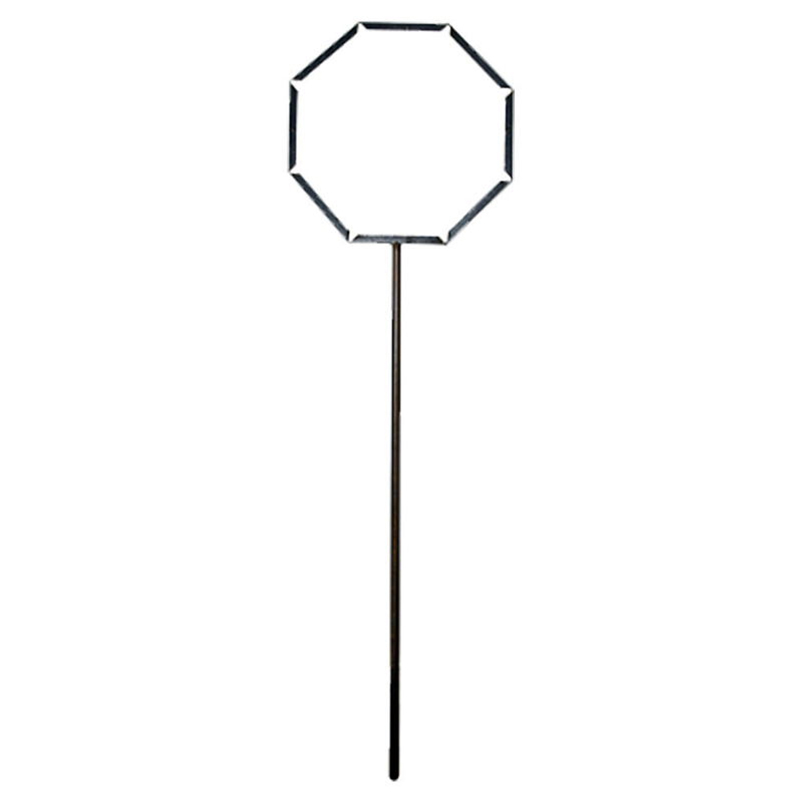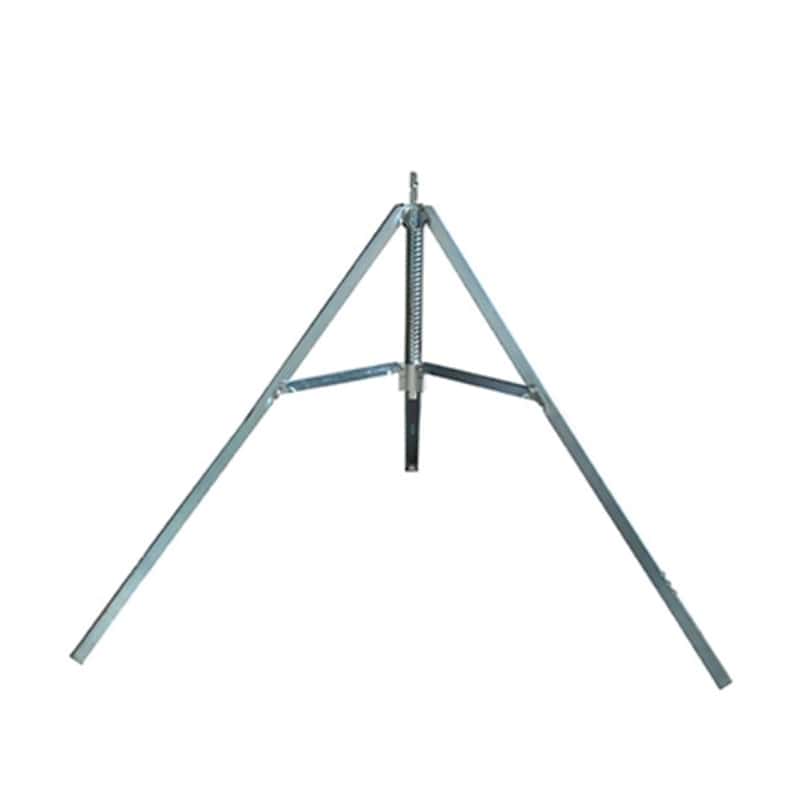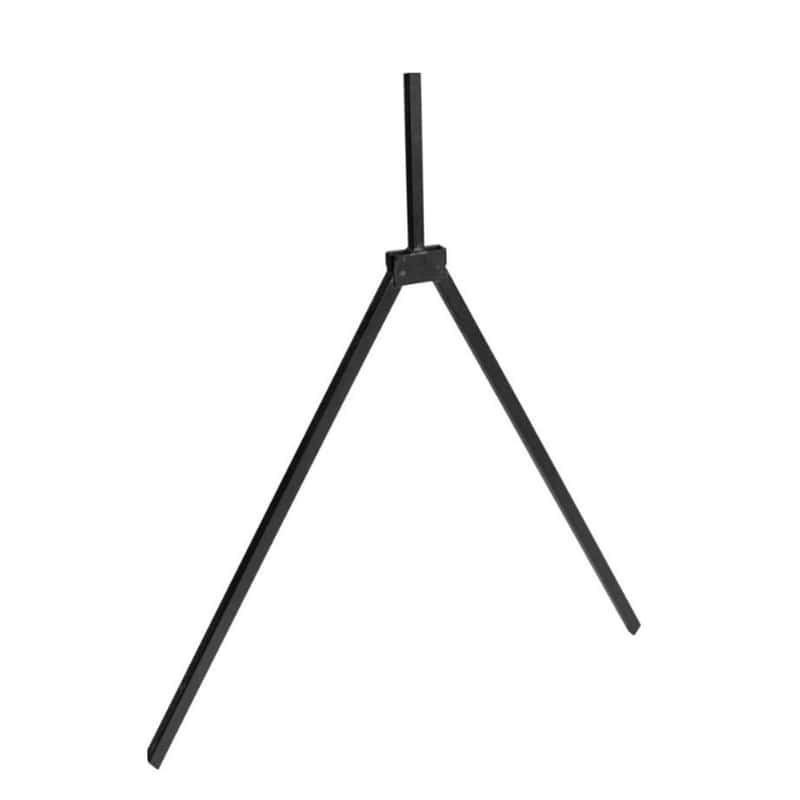
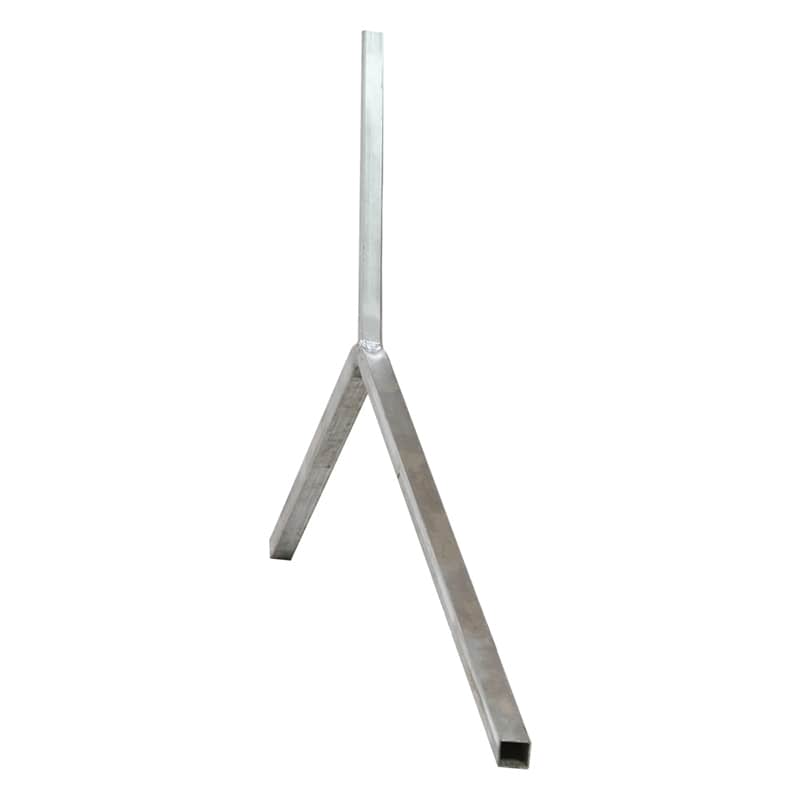
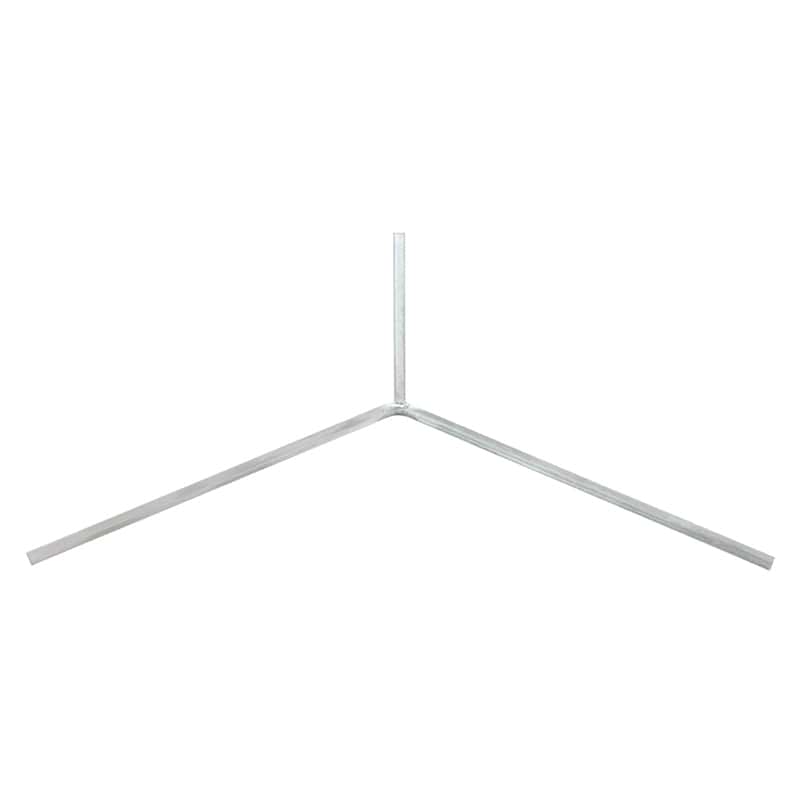
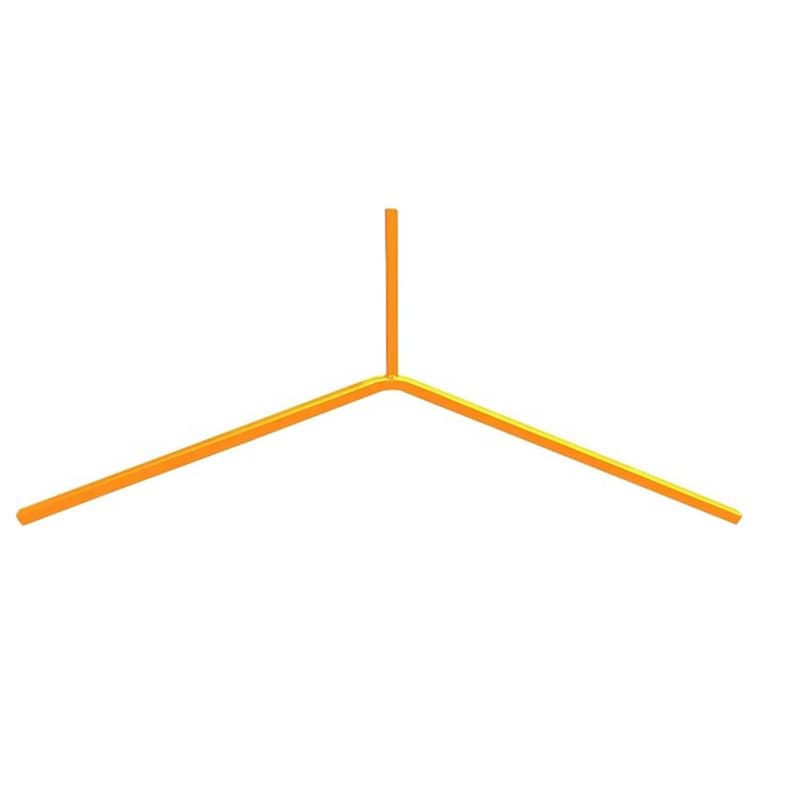
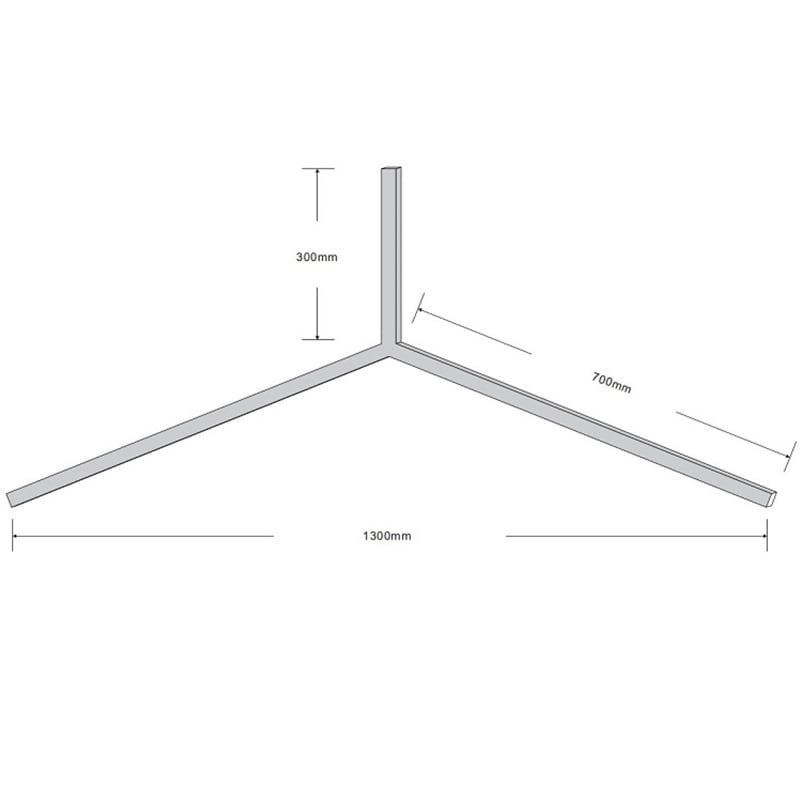
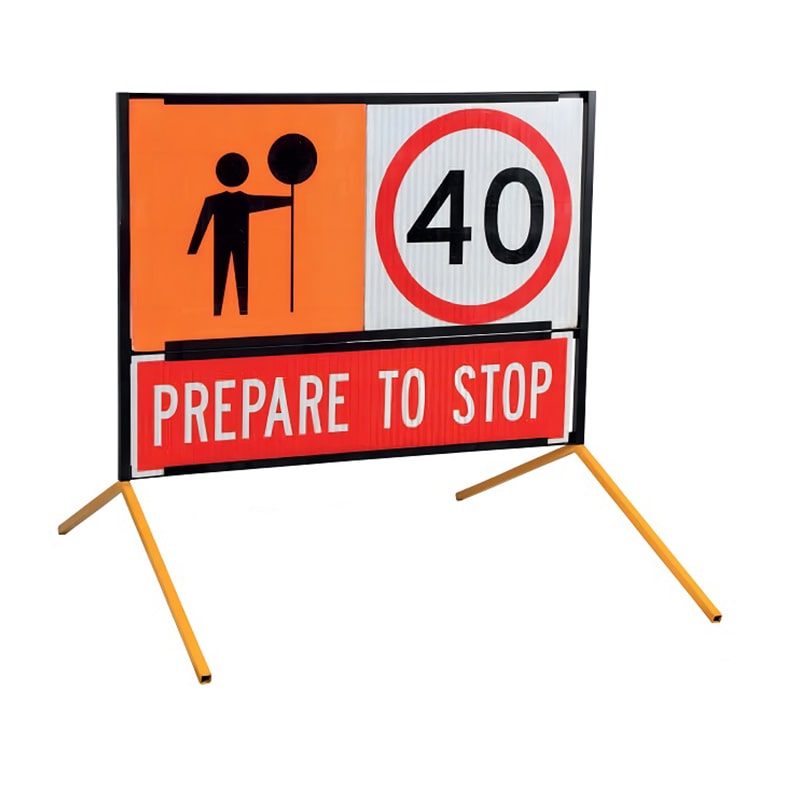
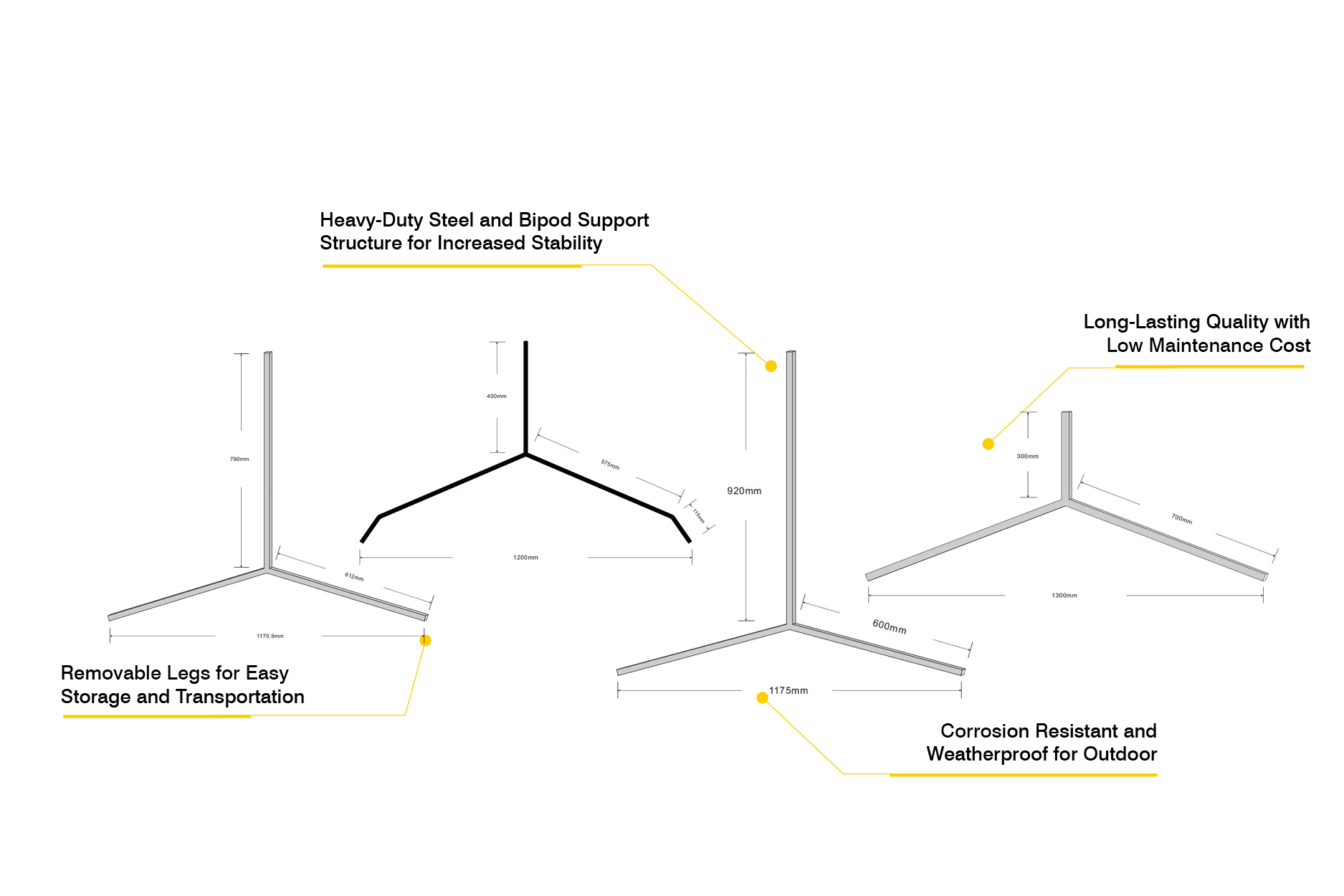
Optsigns Y Stands feature durable removable bipod steel legs designed to support multi-message frames, offering a robust and stable structure for temporary safety signs. These versatile Y Stands effectively manage traffic and alert motorists to important information, such as roadworks, roadway closures, speed reductions, and other hazardous road conditions. Their lightweight design allows for easy setup and transport, making them an essential tool for traffic management in various environments.
*We respect your confidentiality and all information are protected.
| Size | 1300*590mm |
|---|---|
| Weight | 1.6kgs |
| Material | Hollow Square Steel |
| Finish | Galvanized Surface |
| Middle Bar | 300mm |
| Leg Length | 700mm |
| Customize | Custom Size and Shape |
Using Optsigns Y Stands is straightforward and efficient. Start by placing the bipod legs on a flat surface where you intend to set up your temporary safety signs. Attach the multi-message frame securely to the Y Legs, ensuring it is stable and upright. Adjust the frame to display the necessary messages clearly, whether it’s for roadworks, speed reductions, or other safety alerts. Once set up, regularly check the stability of the Y Stands, especially in windy conditions, to ensure maximum visibility and safety for motorists.
A fence post spike is a type of anchor designed to secure fence posts into the ground without the need for concrete. These spikes are typically made from durable materials like steel and can easily be driven into the soil.
To install a ground spike, position it where you want to place the post and drive it into the soil using a mallet or hammer. For better penetration, you may want to pre-drill a hole if the ground is particularly hard. Ensure the spike is vertical, providing a solid anchor for the heavy duty ground spike.
Yes, ground spikes can effectively support a small shed by providing a stable base. When using metal post anchors, ensure they are properly spaced to distribute the weight evenly. This method is particularly useful in areas where traditional concrete footings may not be feasible.
To remove a ground spike, you can use a pry bar or a similar tool to gently lift it out. If it’s stuck, try twisting it back and forth while pulling upward. For stubborn spikes, you may need to dig around the base to loosen the soil before removal.
To address rust on metal spikes for ground, you can use a wire brush to scrub off the rusted areas. For more extensive rust, consider using rust remover or a solution of vinegar and baking soda. After cleaning, apply a protective coat, such as a rust-inhibiting paint, to prevent further corrosion on your galvanized ground spikes.