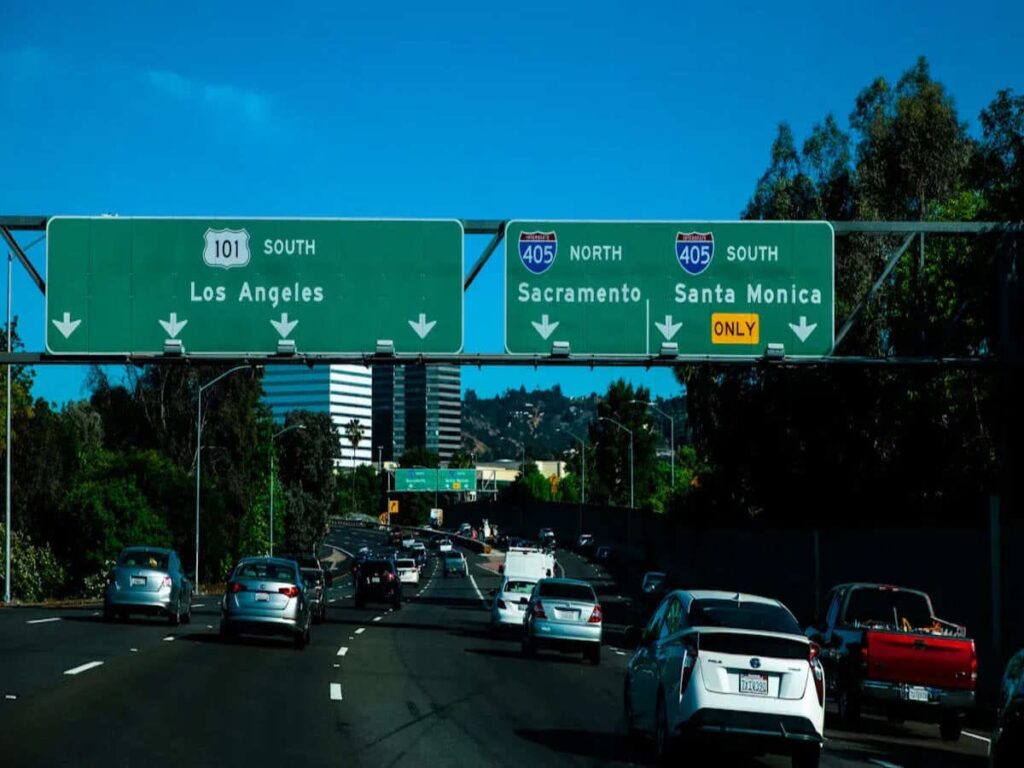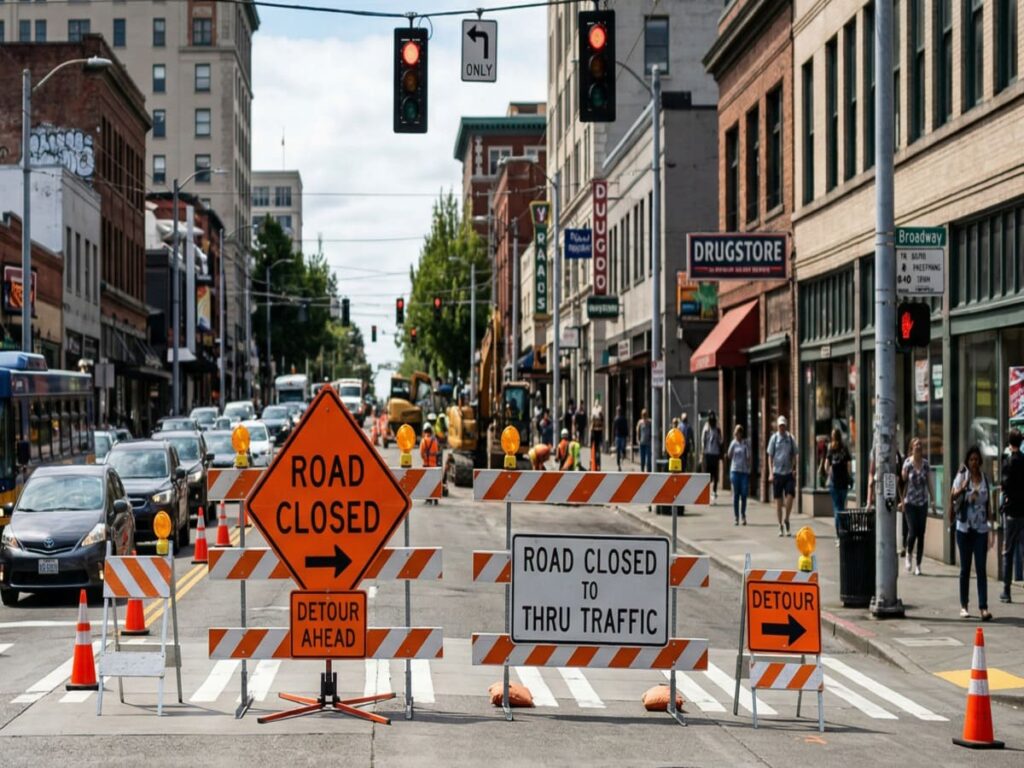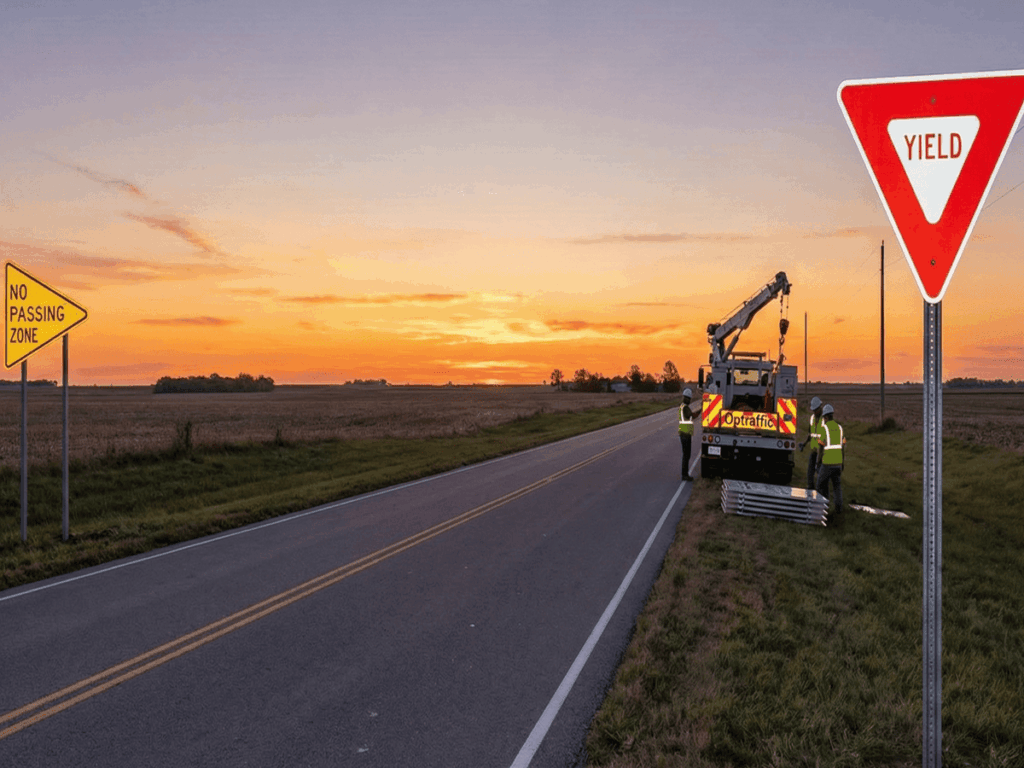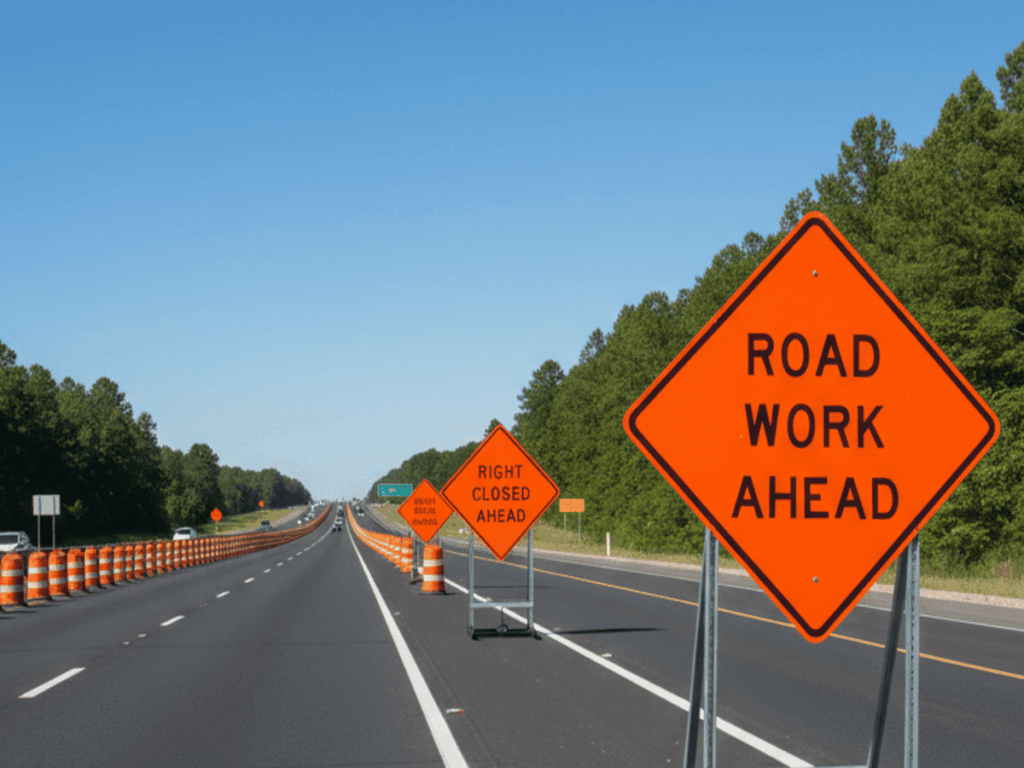
Самый распространенный толщина дорожного знака для изготовленных на заказ алюминиевых дорожных знаков .080 дюймы. Многие государственные DOT, такие как МейнДОТ, придерживаться этого стандарта. Более толстые варианты, такие как .100″ или .125″ обеспечивают большую прочность и обычно используются для знаков большего размера или в районах с сильным ветром.. Например, 24″ знак остановки использует .080″ материал, в то время как 48″ знак остановки требует .100″ или .125″ выдерживать неблагоприятные погодные условия. ТОЧКИ определяют толщина дорожного знака в зависимости от размера или площади знака. Всегда проверяйте местные правила перед размещением заказа..
| Знак знака | Варианты толщины |
|---|---|
| 48″ Стоп знак | .100″ или .125″ |
| 24″ Стоп знак | .080″ |
В ОПТРАФИК, мы предлагаем индивидуальный Алюминиевые дорожные знаки различных размеров и толщины, включая стандартную толщину 0,080 дюйма для таких знаков, как 24-дюймовый дорожный знак, и 0,100 дюйма или 0,125 дюйма для более крупных знаков, таких как 48-дюймовый дорожный знак.. Нужен ли вам 24-дюймовый дорожный знак для жилых районов или 48-дюймовый дорожный знак для автомагистралей или мест, подверженных суровым погодным условиям, OPTRAFFIC гарантирует, что все ваши знаки будут созданы в соответствии с местными правилами и рассчитаны на работу в сложных условиях..
Общие варианты толщины дорожных знаков
Алюминиевые заготовки для вывесок: Стандартная толщина
Заготовки для вывесок из алюминия являются основой для большинства уличных и дорожных знаков в США.. Эти заготовки бывают разной толщины.. Каждая толщина лучше всего подходит для определенных мест и целей.. Более толстые заготовки прочнее и служат дольше..
- .040 дюймовые алюминиевые заготовки для знаков подходят для знаков, используемых в течение короткого времени.. Они лучше всего подходят для мест с небольшим ветром..
- .063 дюймовые алюминиевые заготовки для знаков прочнее, чем .040 дюйм. Люди используют их в окрестностях для менее важных знаков..
- .080 дюймовые алюминиевые заготовки для вывесок являются основным выбором для важных вывесок.. Города и штаты используют эту толщину для знаков остановки и знаков пропуска..
- .100 дюймовые алюминиевые заготовки для знаков еще прочнее. Такая толщина необходима для больших знаков или знаков в оживленных местах..
- .125 дюймовые алюминиевые заготовки для вывесок самые прочные. Они используются на автомагистралях и в строительных зонах., особенно там, где плохая погода.
Кончик: Выберите правильные алюминиевые заготовки для вывесок, подумав о том, где будет располагаться вывеска., как долго это должно длиться, и если он может столкнуться с ветром или повреждением.
Таблица сравнения толщины
В таблице ниже показано, насколько различаются алюминиевые заготовки для вывесок сравнивать. Там указана толщина, Для чего они используются, хорошие моменты, плохие моменты, и как их монтировать. Это поможет вам выбрать тот, который соответствует вашим потребностям..
| Толщина (в) | Толщина (мил) | Толщина (мм) | Тип обязанности | Типичные варианты использования | Плюс | Минусы | Примечания по монтажу |
|---|---|---|---|---|---|---|---|
| 0.040 | 40 | 1.02 | Легкая обязанность | Временные знаки, парковка для мероприятий, краткосрочные уведомления | Легкий вес, Легко обращаться | Не подходит для ветреных мест и мест с интенсивным движением транспорта. | Используйте с легкими стойками или рамами. |
| 0.063 | 63 | 1.60 | Легкая обязанность | Жилые уличные указатели, знаки частной собственности | Более прочный, чем 0.040 | Менее жесткий, чем более толстые варианты | Работает со стандартным монтажным оборудованием. |
| 0.080 | 80 | 2.03 | Стандартная обязанность | Стоп знаки, Урожайные знаки, нормативные дорожные знаки | Отраслевой стандарт, балансирует силу/вес | Может прогибаться на очень больших знаках | Совместим с большинством вывесок |
| 0.100 | 100 | 2.54 | Средняя нагрузка | Негабаритные знаки, перекрестки с интенсивным движением транспорта | Повышенная жесткость, сопротивляется сгибанию | Более тяжелый, может потребоваться более сильная поддержка | Использование с усиленными системами крепления. |
| 0.125 | 125 | 3.18 | Сверхмощный | Дорожные знаки, Строительные зоны, ветреные места | Максимальная долговечность, выдерживает суровую погоду | Самый тяжелый, более высокая стоимость | Требуется надежный монтаж и опоры. |
Большинство нормативных знаков используют .080 дюймовые алюминиевые заготовки для знаков. Более толстые заготовки типа .100 или .125 дюймовые лучше подходят для больших знаков или знаков в ветреных местах..
Терминология толщины: Дюймы, Милс, Миллиметры
Знание того, как измеряется толщина, поможет вам сделать правильный выбор. алюминиевые заготовки для вывесок. Производители используют дюймы, мил, и миллиметры, чтобы показать толщину заготовки.
- Дюймы показывать толщину в виде дроби или десятичной дроби, нравиться 0.080 дюйм.
- Милс имею в виду тысячные доли дюйма, так 80 мил это 0.080 дюйм.
- Миллиметры являются метрическим способом измерения, нравиться 2.03 мм для 0.080 дюйм.
Вот таблица с обычными преобразованиями для алюминиевых заготовок для вывесок.:
| Толщина (в) | Толщина (мил) | Толщина (мм) |
|---|---|---|
| 0.040 | 40 | 1.02 |
| 0.063 | 63 | 1.60 |
| 0.080 | 80 | 2.03 |
| 0.100 | 100 | 2.54 |
| 0.125 | 125 | 3.18 |
Примечание: 1 мил это 0.001 дюйм, и 1 миллиметр это 0.0394 дюйм. Большинство алюминиевых заготовок для вывесок используют эти единицы в деталях продукта..
Выбор правильной толщины дорожного знака помогает знаку хорошо работать там, где он расположен.. Алюминиевые заготовки для вывесок бывают разной толщины для всех видов вывесок., от краткосрочных уведомлений до постоянных дорожных знаков.
Плоские и экструдированные уличные знаки
Плоские панели и жесткость
Как известно, плоские алюминиевые панели являются наиболее часто используемым материалом для уличных знаков.. Толщина помогает знаку оставаться прочным и не гнуться.. Более толстые панели позволяют знаку оставаться плоским в плохую погоду.. Толстый знак лучше удерживает отражающие слои.. Это облегчает видимость ночью или во время шторма.. Города выбирают более толстые панели для ветреных или оживленных мест.. Эти знаки служат дольше и требуют меньше ремонта..
В таблице ниже показано, как толщина влияет на прочность и использование плоских уличных знаков.:
| Толщина (дюймы) | Преимущества |
|---|---|
| 0.080 | Достаточно мощный для ежедневного использования. Это помогает знаку оставаться плоским и легко читать. |
| 0.125 | Предотвращает изгиб и повреждение от сильного ветра и дорог с интенсивным движением.. Это продлевает срок службы вывески. |
| Более толстые знаки | Лучше удерживайте светоотражающие слои. Они служат дольше и создают прочную основу для безопасности.. |
Выбор правильной толщины помогает знаку соблюдать правила безопасности.. Более толстые панели делают знак прочнее. Это означает меньший изгиб и лучшую видимость..
Экструдированные панели и жесткость кромок
Экструдированные уличные знаки имеют другой дизайн.. Эти знаки имеют специальные края, которые добавляют большей прочности.. Края работают как рамка и делают знак более жестким.. Такая конструкция предотвращает изгиб знака., даже если середина не толстая. В городах используются экструдированные панели для больших вывесок или в ветреных местах.. Прочные края помогают знаку выдерживать большие нагрузки и оставаться на месте..
Экструдированные панели прочны в двух отношениях.. Форма края помогает избежать сгибания.. Толстые края защищают знак от повреждений при установке или ударе автомобиля.. Благодаря этому экструдированные знаки хорошо подходят для труднодоступных мест..
Примечание: Плоские панели используют толщину для прочности. В экструдированных панелях используется как толщина, так и конструкция кромок для обеспечения максимальной жесткости..
Требования и рекомендации Министерства транспорта США по толщине
Министерство транспорта США (Точка) и в государственных органах есть правила выбора правильных толщина дорожного знака для дорог. Эти правила помогают знакам соответствовать стандартам MUTCD в плане безопасности и легкости видимости.. Каждый штат может устанавливать свои собственные правила, но большинство штатов используют схожие идеи в зависимости от размера знака. Вот три примера из Айовы, Грузия, и Техас. Для получения дополнительной информации о том, как толщина дорожного знака из алюминия обеспечивает соответствие MUTCD, Проверьте наш блог, Толщина алюминиевых знаков и его роль в соответствии с соответствием MUTCD.
Пороги на основе размера (Айова ДОТ)
Департамент транспорта штата Айова смотрит на самую длинную сторону знака, чтобы выбрать минимальную толщину алюминия.. Это делает вещи простыми и легкими для запоминания. Если самая длинная сторона 36 дюймов или меньше, знак должен быть хотя бы 0.080 дюймов толщиной. Если самая длинная сторона больше 36 дюймы, знак должен быть хотя бы 0.125 дюймов толщиной. Департамент транспорта штата Айова также использует ASTM B209 для проверки правильности толщины и соответствия национальным стандартам..
| Самая длинная сторона знака | Минимальная толщина (дюймы) | Типичное применение |
|---|---|---|
| ≤ 36″ | 0.080 | Стандартные знаки остановки/уступки |
| > 36″ | 0.125 | Большие указатели или предупреждающие знаки |
Методика Департамента транспорта штата Айова помогает городам и округам сделать правильный выбор толщина дорожного знака для маленьких и больших вывесок. Этот метод соответствует стандартам mutcd и обеспечивает безопасность знаков в любую погоду..
Пороги на основе площади (Грузия ДОТ)
DOT Джорджии использует общую площадь знака для выбора толщины алюминия.. Это хорошо работает для знаков необычной формы или больших поверхностей.. Если знак 9 квадратных футов или меньше, это должно быть хотя бы 0.08 дюймов толщиной (плюс или минус 0.005 дюймы). Если знак больше 9 квадратные футы, это должно быть хотя бы 0.10 дюймов толщиной (плюс или минус 0.006 дюймы). Департамент транспорта Джорджии также заявляет, что в знаках должен использоваться алюминий 6061-T6 или 5052-H38 и соответствовать стандартам ASTM B209..
| Зона знака (кв) | Минимальная толщина (дюймы) | Требование к сплаву |
|---|---|---|
| ≤ 9 | 0.08 | 6061-Т6 или 5052-H38 |
| > 9 | 0.10 | 6061-Т6 или 5052-H38 |
Районный метод Департамента транспорта Джорджии гарантирует, что большие знаки останутся прочными и их будет легко увидеть.. Этот способ соответствует стандартам mutcd и помогает вывескам дольше служить снаружи..
Многоуровневое распределение областей (TXDOT)
Техасское DOT (TXDOT) использует систему, которая основывает толщину алюминия на площади знака, чтобы обеспечить лучшую прочность. Для знаков размером менее 7.5 квадратные футы, толщина должна быть не менее 0.080 дюймы. Для знаков между 7.5 и 15 квадратные футы, минимальная толщина 0.100 требуется дюймы. Знаки размером более 15 квадратных футов должны иметь толщину не менее 0.125 дюймы.
| Зона знака (кв) | Минимальная толщина (дюймы) |
|---|---|
| < 7.5 | 0.080 |
| 7.5 - 15 | 0.100 |
| > 15 | 0.125 |
Пошаговая система TxDOT помогает инженерам и производителям вывесок сделать правильный выбор. толщина дорожного знака на каждую работу. Таким образом обеспечивается безопасность знаков и соответствие стандартам mutcd..
Примечание: Правила DOT могут меняться в зависимости от штата или проекта.. Всегда проверяйте местные правила, прежде чем заказывать алюминиевые знаки для дорог..
Независимо от региональных требований, ОПТРАФИК, как опытный производитель дорожных знаков, способен предоставить соответствующие знаки для отделов общественных работ, компании по управлению дорожным движением, услуги по аренде оборудования для обеспечения безопасности дорожного движения. Мы гарантируем, что все знаки соответствуют необходимым стандартам долговечности., видимость, и соответствие нормативным требованиям.
Алюминиевые сплавы и подготовка поверхности
6061-T6 против сплавов 5052-H38
Тип алюминиевого сплава влияет на срок службы уличных знаков.. Для дорожных знаков инженеры обычно выбирают между 6061-T6 и 5052-H38.. Каждый из них лучше всего работает в разных местах.
- 6061-T6 прочный и подходит для большинства городских и шоссейных знаков.. Он не сгибается легко и может выдерживать ежедневное использование..
- 5052-H38 называется морским алюминием.. Борется с ржавчиной лучше, чем 6061-T6.. В городах вблизи океана или при плохой погоде этот сплав чаще используют.. Выдерживает соленый воздух и влажную погоду., так это длится дольше.
- Оба сплава образуют экран снаружи.. Этот щит защищает металл от ржавчины и продлевает срок службы знака..
- Некоторые знаки имеют порошковое покрытие для большей защиты.. Такое покрытие делает вывеску более прочной и защищает ее от солнечных лучей., дождь, и грязь.
Вот таблица, показывающая различия:
| Сплав | Сила | Коррозионная стойкость | Типичные варианты использования |
|---|---|---|---|
| 6061-T6 | Высокий | Умеренный | Городской, шоссе, стандартный |
| 5052-H38 | Умеренный | Высокий | Прибрежный, промышленное, жесткий |
Узнайте больше о преимуществах использования алюминия 5052-H38 для дорожных знаков., обязательно загляните в наш блог, “Откройте для себя преимущества алюминия 5052-H38 для знаков управления движением”, где мы исследуем его долговечность, коррозионная стойкость, и пригодность для различных сред.
Конверсионное покрытие и адгезия
Подготовка поверхности важна для прочных алюминиевых уличных знаков.. Конверсионное покрытие — это шаг перед установкой светоотражающей пленки.. Этот шаг поможет пленке лучше приклеиться и сохранит яркость вывески в течение длительного времени..
Хорошая подготовка поверхности означает очистку и шлифовку алюминия.. Чистый алюминий обеспечивает хорошее прилипание листового покрытия.. Гладкий алюминий помогает работникам равномерно укладывать защитное покрытие., что делает знак более долговечным. Вывески с хорошей подготовкой могут защититься от грязи и солнечного света., поэтому они остаются блестящими.
Конверсионное покрытие помогает светоотражающей пленке хорошо прилипать.. Это важно для того, чтобы знак прослужил долго и его было легко увидеть..
Города и штаты используют эти шаги, чтобы создавать знаки, которые будут хорошо работать и прослужат в любую погоду..
Ветряная нагрузка, Вибрация, и поддерживает
Ветровая нагрузка и полевые характеристики
Дорожные знаки могут сильно сдвинуться ветром, особенно на открытых или ветреных местах. По данным Департамента транспорта штата Айова, дорожные знаки должны выдерживать 30 фунты на квадратный фут давления ветра. Это требование гарантирует, что знаки останутся в безопасности во время штормов и сильных ветров..
Ветровая вибрация различна на каждом участке. Трудно предположить, когда это произойдет. Устойчивый ветер и внезапные порывы ветра могут по-разному расшатывать столб.. Если это происходит часто, это может повредить шест. Если тряска сильная, это может сделать металл или сварные швы слабыми. Они могут треснуть, даже если столб будет прочным..
Вибрация ветра не всегда сразу ломает знаки. Но если это будет продолжаться, это может сделать знаки или опоры слабыми. Инженеры проверяют наличие таких проблем, как небольшие трещины или ослабленные болты.. Они делают это во время регулярных проверок.. Выбор правильной толщины и поддержки помогает решить эти проблемы.. Он обеспечивает безопасность знаков для водителей и пешеходов..
Узнайте больше о том, как выбрать правильную толщину алюминия для дорожных знаков с учетом ветровой нагрузки и размера., Проверьте наш блог, “Как выбрать толщину алюминия для дорожных знаков в зависимости от ветровой нагрузки и размера”, где мы углубимся в факторы, которые следует учитывать для обеспечения долговечности и долговечности знаков..
Способы монтажа и системы поддержки
Хороший монтаж и поддержка важны для алюминиевых уличных знаков.. Большим знакам или знакам в ветреных местах требуется нечто большее, чем просто толстый алюминий.. Им нужна сильная поддержка, чтобы они не согнулись и не сломались..
- Толстые алюминиевые пластины типа 2.0 мм или 3.0 мм сделать большие знаки сильнее.
- Дополнительные распорки или прочная рама удерживают знаки на ветру..
- Стальные каналы или другие распорки помогают тонким пластинам оставаться прямыми..
- Больше постов обеспечивает лучшую поддержку больших вывесок.
- Специальные системы поддержки знаков помогают работать с очень большими или тяжелыми знаками..
- Всегда проверяйте правила производителя, чтобы выбрать правильную стойку или опору..
В ветреных местах, в опорных системах часто используется виброизоляция. Это означает использование креплений или гибких деталей, которые выдерживают тряску.. Они не останавливают всю вибрацию., но они делают его менее сильным. Оно работает как сиденье, поглощающее удары в поезде.. Используя правильную толщину и хорошие опоры, города помогают знакам оставаться видимыми и безопасными, Даже в плохую погоду.
Типы светоотражающей пленки и заготовки для знаков
ASTM D4956 Типы листового покрытия
FHWA устанавливает правила для светоотражающих дорожных знаков. В этих правилах используются типы листов ASTM D4956.. Эти типы помогают водителям видеть знаки ночью или в плохую погоду.. В таблице ниже показаны наиболее распространенные типы листов для алюминиевых заготовок для вывесок.:
| Тип светоотражающей пленки | Видимость | Описание | Долговечность | Приложения |
|---|---|---|---|---|
| Инженерный класс (Тип i) | ~500 футов | Используются стеклянные бусины или призматическая технология.; для некритических признаков | 5–7 лет | Некритичные уличные знаки, Знаки парковки |
| Высокая интенсивность призматическая (Тип III & IV) | ~1000 футов | Микропризматическая линза; высокая отражающая способность | ~10 лет | Дорожные знаки, Баррикады, устройства строительной зоны |
| Алмазный класс (Тип XI) | ~1500 футов | Полный куб Prismatic; возвращается о 60% света | Долгоиграющий | Важные знаки регулирования дорожного движения, такие как знаки остановки и ограничения скорости. |
Листы алмазного качества очень яркие.. Он отражает гораздо больше света, чем призматическое полотно высокой интенсивности.. Это помогает людям видеть дорожные знаки издалека.. Бриллиантовый сорт служит дольше и защищает от непогоды., грязь, и ржавчина. Города используют алмазный сорт для изготовления важных знаков, чтобы соблюдать правила безопасности и обеспечивать безопасность дорог..
Использование прочного защитного покрытия, такого как ASTM D4956 Type XI, делает дороги безопаснее в ночное время.. Знаки с лучшим отражением помогают водителям видеть правила и соблюдать их..
Идентификация светоотражающей пленки
Выбор подходящей пленки для дорожных знаков важен с точки зрения безопасности и затрат.. FHWA допускает различные типы, как инженерный уровень, Супер инженерный класс, и высокоинтенсивное бисерное полотно. Агентствам следует думать не только о цене. Им необходимо проверить, как долго пленка остается яркой и насколько хорошо она отражает свет..
Узнать, какое защитное покрытие на вывеске, Ищите эти вещи:
- Этикетки или отметки на обратной стороне знака пусты.
- Особые узоры или текстуры на поверхности вывески.
- Цвет и яркость, когда на него светят фары ночью
Некоторые правила гласят, что определенные типы листов нельзя использовать для белых букв на верхних указателях или для желтого фона на предупреждающих знаках.. Всегда проверяйте местные и федеральные правила, прежде чем выбирать материалы для дорожных знаков..
Кончик: При выборе профнастила, подумай, где будет стоять знак, как долго это должно длиться, и как легко должно быть увидеть. Хорошие светоотражающие дорожные знаки помогают водителям быстро реагировать и обеспечивают безопасность всех..
Выбор правильной толщины дорожного знака
Практический контрольный список для выбора
Выбор правильной толщины алюминиевого дорожного знака обеспечивает безопасность людей. Это также продлевает срок службы знака и позволяет соблюдать правила.. Простой контрольный список помогает работникам выбрать оптимальную толщину для каждой работы.. В таблице ниже показаны распространенные толщины., Для чего они используются, и какой ветер они могут выдержать:
| Измерять | Общий случай использования | Устойчивость к ветровой нагрузке |
|---|---|---|
| 0.040″ | Легкие партии, внутренние гаражи | До 30 миль в час |
| 0.063″ | Стандартная открытая парковка, пригородные улицы | 30–50 миль в час |
| 0.080″ | Грузовые маршруты, прибрежные или сильноветренные районы | 50 миль в час+ |
Когда делаешь знак, подумай об этих вещах:
- Размер знака и его площадь
- Какая сила ветра ударит по знаку
- Как будет крепиться знак
- Какая высота поста, особенно если это закончилось 7 ноги
- Если знак будет использоваться кратковременно или постоянно
- Если перемещение или переноска знака может его повредить
- Сколько должен прослужить знак и как часто его нужно ремонтировать
Для дорожных знаков снаружи, 16–18 калибр (1.2–1,5 мм) обычно лучше всего. Если вы используете высокий пост U-канала, более толстый знак помогает не сгибаться.
Кончик: Всегда выбирайте толщину алюминия, которая соответствует тому месту, где будет располагаться знак, и способу его установки..
Распространенные ошибки, чтобы избежать
Выбор неправильной толщины уличных знаков может вызвать проблемы с безопасностью или стоить больше денег.. Наиболее распространенными ошибками являются:
- Использование тонкого алюминия для больших или ветреных вывесок, что может заставить их погнуться или упасть
- Не утолщать знак от .040″ к .063″ или .080″ для улицы или оживленных мест
- Забываем использовать более толстый алюминий для больших знаков, требующих большей поддержки.
- Не проверка правильной толщины знака по размеру и месту его размещения.
- Выбор толщины, которая не соответствует потребностям знака.
Примечание: Выбор правильной толщины с самого начала поможет избежать проблем и обеспечит надежную работу знака в течение длительного времени..
Большинство уличных знаков используют .080″ алюминий, потому что он прочный. Такая толщина помогает знаку прослужить долгое время.. Для больших знаков или знаков в ветреных местах нужен более толстый алюминий.. Эти знаки используют .100″ или .125″ оставаться в безопасности. В таблице ниже показано, какая толщина лучше всего подходит для каждого места.:
| Тип приложения | Рекомендуемая толщина |
|---|---|
| Шоссе, занятые перекрестки | 0.080″ или 0,125″ |
| Строительные зоны | Толще, экструдированные знаки |
| Жилые улицы, парковки | 0.040″ или 0,063″ |
| Временные или событийные указатели | Более тонкие варианты |
Всегда смотрите на местные правила DOT.. Эти правила помогают обеспечить безопасность вывесок и сделать их легко видимыми.. Используйте контрольный список и таблицы выше, чтобы выбрать правильную толщину для вашего проекта..
Часто задаваемые вопросы
Какова стандартная толщина уличных знаков??
В большинстве уличных знаков используется алюминий толщиной 0,080 дюйма.. Такая толщина обеспечивает баланс прочности и веса.. Города и штаты выбирают этот размер для остановки, урожай, и нормативные знаки.
Является 80 мил то же самое, что и 0.080 дюйм?
Да, 80 мил равен 0.080 дюйм. Производители часто используют “мил” для описания толщины. Один мил означает одну тысячную дюйма..
Если кто-то выберет 0.063 или 0.080 для знаков парковки?
Для парковок, 0.080-дюйм алюминий работает лучше всего. Он устойчив к изгибу и дольше служит на открытом воздухе.. Используйте 0,063 дюйма только для знаков с низким трафиком или временных знаков..
Когда знакам нужен алюминий толщиной 0,125 дюйма?
Знаки размером более 36 дюйма или подвергается сильному ветру, необходим алюминий толщиной 0,125 дюйма.. Такая толщина предотвращает изгиб и увеличивает долговечность..
Требуются ли в разных штатах разные правила толщины??
Каждый штат устанавливает свои правила толщины дорожных знаков.. Всегда проверяйте местные требования DOT или требования проекта перед заказом знаков..