Материалы дорожных знаков важны для того, как инженеры делают монтажные отверстия. Алюминий легкий и не ржавеет легко. Многие правительственные группы выбирают алюминий, потому что он прослужит долго и не требует особого ухода.. Алюминий прочный, но не тяжелый, поэтому его легко установить и он стоит дешевле. Эти функции помогают знакам противостоять ветру и непогоде., Держите людей в безопасности, и сделаем так, чтобы вывески прослужили долгие годы.
В ОПТРАФИК, Мы предлагаем высококачественное Алюминиевые дорожные знаки разработанный в соответствии с этими стандартами, обеспечение долговечности и надежности на долгие годы. Нужны ли вам знаки, способные выдержать суровые условия, или знаки, которые легко установить?, OPTRAFFIC поможет вам.
Ключевые выводы
- Алюминий – популярный материал для дорожных знаков.. Это светло и не ржавеет. Это упрощает установку и уход.
- Хорошая конструкция отверстий в знаках может снизить силу ветра.. Это помогает знаку оставаться устойчивым и безопасным во время шторма..
- Инженерам следует использовать CFD-моделирование, чтобы найти лучшие места для отверстий.. Это помогает знакам противостоять сильному ветру.
- Выбор правильного крепежа очень важен для безопасности вывесок.. Для каждого материала необходимы специальные крепления для лучшей фиксации..
- Проверка и установка знаков часто необходима для обеспечения безопасности и четкого обзора.. Это особенно важно после плохой погоды или повреждений..
Материалы дорожных знаков и дизайн отверстий
Свойства алюминия и расположение отверстий
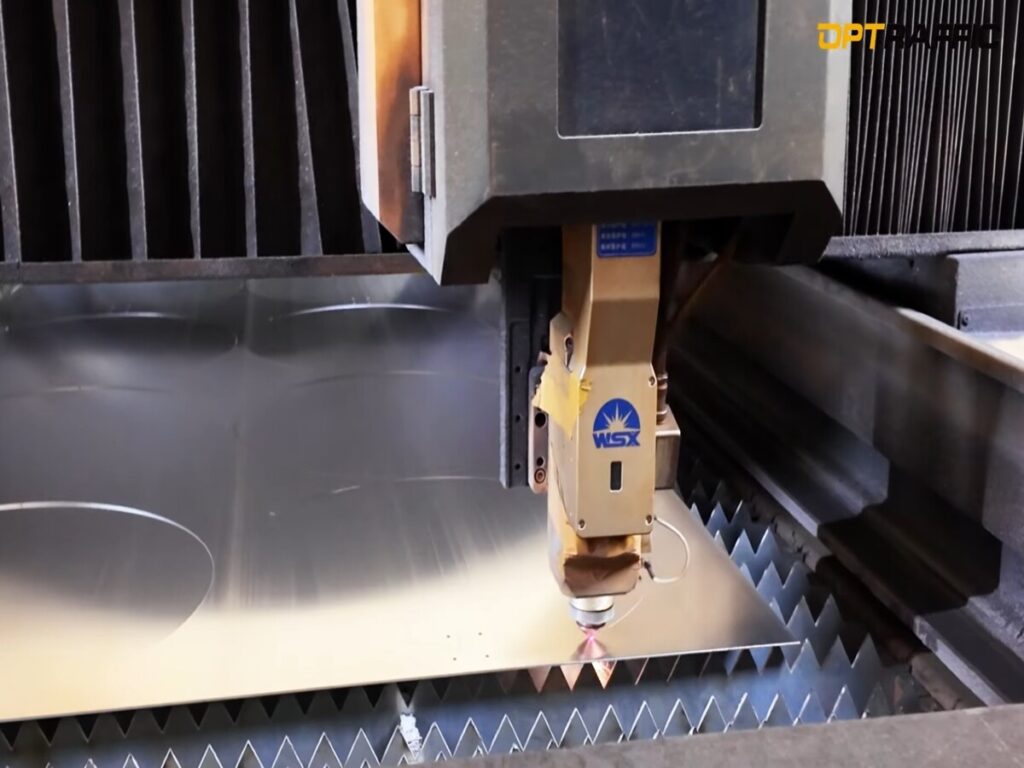
Алюминий легче большинства других материалы для дорожных знаков. Он не ржавеет, даже когда идет дождь или снег. Многие инженеры выбирают алюминий, потому что он долго служит снаружи.. Это делает его идеальным для знаков, обращенных к солнцу., дождь, и снег. Алюминий мягкий, чтобы рабочие могли легко сверлить отверстия. Они могут использовать лазерные резаки или другие инструменты, чтобы проделать отверстия, не повредив знак..
Кончик: Анодированная отделка или отделка с порошковым покрытием помогают алюминиевые знаки длиться дольше.
Алюминий гнется, не ломаясь., чтобы дизайнеры могли располагать отверстия близко друг к другу. При необходимости они также могут сделать специальные схемы отверстий.. Это помогает, когда знаку требуется много точек крепления или особая форма.. В таблице ниже показано, как алюминий сравнивается с другими материалами для дорожных знаков по устойчивости к коррозии и другим характеристикам.:
| Материал | Коррозионная стойкость | Другие свойства | На открытом воздухе примечания |
|---|---|---|---|
| Алюминий | Не ржавеет и не корродится | Свет, сильный, экономит деньги | Обрабатывает дождь, снег, солнце, и нагреть легко |
| Нержавеющая сталь | Лучше всего остановить ржавчину, Даже в плохую погоду | Сильный, блестящий, нуждается в небольшом заботе | Хорошо для соленого воздуха, но тяжелый и стоит дороже |
| Бронза | Останавливает ржавчину, получает патину | Длится долго, выглядит классическим | Остается хорошо годами, нуждается в небольшой работе |
| Гипотат | Остается сильным из -за алюминиевых листов | Свет, жесткий | Хорошо работает, когда меняется погода |
Узнайте больше о том, почему алюминий является идеальным материалом для дорожных знаков., Проверьте наш блог: Что делает алюминий идеальным материалом для дорожных знаков.
Прочность стали и потребности в сверлении
Сталь очень прочная и прослужит долго. Это хороший выбор для тяжелых условий эксплуатации. материалы для дорожных знаков. Стальные знаки выдерживает сильный ветер и удары. Но сталь тверже алюминия, поэтому сверлить отверстия сложнее. Рабочим нужны более сильные дрели или перфораторы, чтобы проделать отверстия..
Дыры в стальные знаки должно быть тщательно спланировано. Если отверстия расположены слишком близко, знак может ослабнуть. Размер и расстояние между отверстиями меняют то, как знак справляется с ветром..
Стальные знаки нужна дополнительная помощь, чтобы остановить ржавчину, особенно возле дыр. Оцинкованная или порошковая покраска обеспечивает прочность и безопасность стальных знаков в течение длительного времени..
Композитные материалы и гибкость
Композитные материалы, как алюминиевые композитные панели, гибки для материалы для дорожных знаков. Эти панели имеют слои алюминия и сердцевину внутри.. Это делает их легкими и жесткими одновременно.. Дизайнеры могут разрезать эти панели на множество форм и размеров.. Предварительно просверленные отверстия позволяют быстро и легко установить вывеску..
- Композитные панели позволяют:
- Сделайте специальные узоры и формы отверстий.
- Изменение знака для различных потребностей монтажа
- Продолжайте работать в любую погоду
Такая гибкость означает, что составные знаки подходят для многих целей.. Они хороши как для обычных, так и для нестандартных дорожных знаков.. Они не ржавеют и могут содержать точные рисунки отверстий., поэтому они являются разумным выбором для сегодняшних дорог..
Ветряная нагрузка, CFD-моделирование, и оптимизация отверстий
Роль отверстий в снижении ветровой нагрузки
Отверстия в дорожных знаках играют ключевую роль в устойчивости к ветровым нагрузкам.. Когда ветер достигает твердого знака, создает сильное распределение давления ветра по поверхности. Это давление может привести к тому, что знак погнется или даже сломается.. Инженеры используют отверстия для прохождения воздуха через знак. Это уменьшает силу, которая давит на знак..
Многие исследования показывают, что добавление отверстий может снизить ветровую нагрузку примерно на 20%. Например, знак с дырками, закрывающими 2.5% его площади можно увидеть падение ветровой нагрузки от 35 PSF для 27.18 PSF. Это изменение помогает знакам оставаться устойчивыми во время штормов.. Это также означает, что стойки и крепежные детали не должны быть такими тяжелыми..
CFD-моделирование для размещения отверстий
Инженеры используют CFD-моделирование для тестирования различных схем расположения отверстий.. Они используют вычислительную гидродинамику, чтобы увидеть, как ветер обтекает знак.. Эти тесты показывают, где давление ветра самое высокое. Путем изменения количества и положения отверстий, они могут снизить сопротивление ветровой нагрузке.
CFD-моделирование помогает инженерам ответить на важные вопросы:
- Где должны быть отверстия, чтобы максимально снизить ветровую нагрузку?
- Сколько отверстий необходимо для лучшей устойчивости к ветровым нагрузкам?
- Какого размера должно быть каждое отверстие, чтобы сбалансировать прочность и воздушный поток??
Моделирование CFD показывает, что небольшие изменения в расположении отверстий могут иметь большое значение.. Например, Равномерное распределение отверстий по всему знаку помогает сбалансировать распределение давления ветра.. Знаки с удачно расположенными отверстиями лучше выдерживают сильный ветер.. Инженеры используют моделирование ветровой нагрузки, чтобы проверить свои конструкции перед изготовлением знаков..
Влияние на безопасность и устойчивость при столкновении
Конструкция отверстий влияет не только на сопротивление ветровой нагрузке. Он также играет роль в безопасности при столкновении и стабильности знаков.. Когда машина врезается в: знак, отверстия могут помочь контролировать, как знак сгибается или ломается.. Знаки с правильным расположением отверстий могут поглощать энергию и снижать риск травм..
Установка, Коррозия, и видимость знака
Совместимость монтажного оборудования
Выбор правильного монтажного оборудования обеспечивает безопасность и прочность вывесок.. Различные материалы для вывесок и конструкции отверстий требуют специального оборудования.. Некоторые распространенные аппаратные средства являются сумасшедшими, болты, шайбы, винты, и крепеж. Они работают с U-Channel, Квадрат, и столбы из стекловолокна. Чтобы узнать больше о выборе подходящего оборудования для установки дорожных знаков,, Проверьте наш блог: Как правильно выбрать оборудование для дорожных знаков.
В таблице ниже показано, какое оборудование подходит для каждой стойки и что входит в каждый комплект.:
| Тип монтажного оборудования | Совместимые типы вывесок | Включенные компоненты |
|---|---|---|
| Комплект оборудования для вывесок для квадратных знаков | Квадратные вывески | 2 Болты с шестигранной головкой, 2 Шестигранные гайки, 4 Плоские шайбы |
| Комплект оборудования для знаков для U-образных знаков | Знаки U-канала | 2 Болты с шестигранной головкой, 2 Шестигранные гайки, 4 Плоские шайбы |
| Комплект болтов для вывесок | U-канал, Квадрат, Столбы из стекловолокна | Различные болты и шайбы |
| Набор односторонних болтов с защитой от несанкционированного доступа | U-канал, Столбы из стекловолокна | Односторонние болты, Отрывные гайки |
То, как вы устанавливаете знак, влияет на то, насколько быстро и хорошо он поднимается.. Благодаря болтам на бетоне знаки остаются прочными и их нелегко ослабить.. Магниты на металлических стенах ускоряют установку вывесок, но не так сильны.. Шурупы работают на многих поверхностях и служат долго, если не ржавеют..
Коррозионная стойкость вокруг отверстий
Коррозия возле отверстий может сделать вывеску слабой и прослужить недолго.. Для каждого материала нужен свой собственный способ защиты от ржавчины и повреждений.. В таблице ниже показаны лучшие способы защиты отверстий в алюминиевые знаки, стальные знаки, и составные знаки:
| Метод | Материал | Описание |
|---|---|---|
| Гальванизация | Сталь | Надежный способ защитить сталь от ржавчины. |
| Армированный волокном полимер | Алюминий | Используется для алюминия, особенно когда сварные швы трескаются. |
| Сверление небольших отверстий | Алюминий | Маленькие отверстия помогают остановить появление трещин перед использованием композитного стеклопластика.. |
Коррозия ослабляет дорожную систему. Мосты, поляки, и знаки могут выдерживать меньший вес. Это может быть опасно и требует исправления в ближайшее время..
Инженеры используют испытания в аэродинамической трубе, чтобы увидеть, как покрытия и отверстия помогают. Эти тесты показывают лучшие способы сохранить вывески прочными и безопасными..
Влияние на видимость и обслуживание знаков
Дизайн и материал отверстий влияют на то, насколько легко увидеть знаки и как за ними ухаживать.. Знаки со специальными отверстиями лучше противостоят ветру, но, возможно, потребуется особая осторожность, чтобы оставаться в стороне.. Испытания в аэродинамической трубе показывают, что правильная схема расположения отверстий может помочь как при ветре, так и при обнаружении знака.. Знаки с пулевыми отверстиями или повреждениями трудно увидеть, Особенно ночью, и это должно быть исправлено быстро.
В таблице ниже перечислены распространенные проблемы для разных типов отверстий.:
| Тип отверстия | Задача по техническому обслуживанию |
|---|---|
| Инженерная перфорация | Сделано для ветра, но, возможно, потребуется особая осторожность, чтобы слова были ясными и безопасными.. |
| Вандализм (НАПРИМЕР., пулевые отверстия) | Пулевые отверстия затрудняют чтение знаков, Особенно ночью, поэтому им нужен быстрый ремонт или новые знаки. |
| Закрашенные знаки | Чистка может повредить знак, поэтому, возможно, его придется заменить, если все сделано неправильно.. |
| Выцветшие знаки | Старые выцветшие знаки необходимо заменить, чтобы их было легко увидеть.. |
Испытания в аэродинамической трубе помогают инженерам увидеть, как отверстия меняют силу знаков и насколько легко их читать.. Они используют эти результаты, чтобы продлевать срок службы знаков и оставаться четкими.. Регулярная проверка знаков и их ремонт сделают их заметными и надежными в плохую погоду..
Лучшие практики проектирования отверстий по материалам
При проделывании дыр в дорожных знаках, тебе нужно подумать о материале. Алюминий легкий и не ржавеет, так что сверлить легко. Вы можете поставить отверстия близко друг к другу, не сломав знак.. Сталь очень прочная, но ее труднее сверлить.. Рабочим нужны специальные инструменты для стали. Отверстия в стали не должны располагаться слишком близко, иначе знак может стать слабым.. Композитные материалы легкие и жесткие.. Они позволяют создавать множество форм и рисунков отверстий.. Предварительно просверленные отверстия в композитных знаках позволяют быстро их устанавливать.. Для каждого материала нужен свой способ остановить ржавчину возле отверстий.. Использование правильной отделки помогает вывескам прослужить дольше.. Всегда проверяйте знак после проделывания отверстий, чтобы убедиться, что он все еще прочный..
Материалы дорожных знаков изменить способ изготовления отверстий и срок службы знаков. Материал, который вы выберете, продлит срок службы вывесок.. Это также помогает знакам противостоять дождю., снег, и солнце. Если вы используете лучшие материалы, не нужно так часто заменять знаки. Это держит дороги в безопаснее для всех. Инженерам придется подумать о ветре, как легко увидеть знаки, и на что способен материал. Эти вещи помогают сделать знаки безопаснее и работать лучше. Чтобы движение было безопасным, инженеры должны:
- Выбирайте материалы, которые не испортятся от погоды..
- Сделайте схемы отверстий, которые помогут при сильном ветре..
- Используйте блестящие поверхности, чтобы водители могли хорошо видеть знаки..
- Соблюдайте правила безопасности, используемые во всем мире..
ОПТРАФИК предлагает высококачественное, долговечные дорожные знаки, разработанные с учетом этих требований., обеспечение долгосрочной безопасности и надежности на дорогах, Независимо от условий.
Часто задаваемые вопросы
Какую роль ветер играет в дизайне отверстий для дорожных знаков??
Ветер толкает дорожные знаки и оказывает давление. Инженеры изучают, как ветер движется вокруг знаков, с помощью тестов и компьютерных моделей. Они добавляют узоры перфорации, чтобы снизить это давление.. Это делает знаки более стабильными и безопасными.. Испытания показывают, что размещение отверстий в нужных местах помогает знакам прослужить дольше..
Как моделирование помогает улучшить читаемость и видимость знаков?
Моделирование позволяет инженерам опробовать различные конструкции на компьютере.. Они проверяют, как меняются ветер и давление, насколько легко увидеть и прочитать знаки.. Результаты этих тестов помогают им выбрать лучшие схемы перфорации.. Это гарантирует, что водители смогут четко читать знаки., Даже в плохую погоду.
Почему перфорация важна для аэродинамических эффектов?
Перфорация меняет направление ветра вокруг знака. Это помогает снизить давление ветра и улучшить аэродинамические эффекты.. Испытания и компьютерные модели показывают, что правильный рисунок перфорации оказывает меньшую нагрузку на знак.. Результаты экспериментов показывают, что признаки работают лучше и служат дольше.
Как инженеры тестируют новые конструкции отверстий?
Инженеры используют компьютерные модели и реальные испытания для проверки новых конструкций отверстий.. Они измеряют давление ветра и смотрят на результаты.. Это помогает им найти лучшие образцы перфорации для просмотра и чтения знаков.. Результаты помогут им создавать более безопасные дорожные знаки в будущем..
Какие факторы влияют на видимость и читаемость дорожных знаков?
Насколько легко увидеть и прочитать знак, зависит от ветра, давление, перфорация, и из чего сделан знак. Инженеры используют тесты и компьютерные модели для изучения этих вещей.. Результаты экспериментов показывают, что правильный дизайн делает знаки более заметными и читаемыми для водителей..