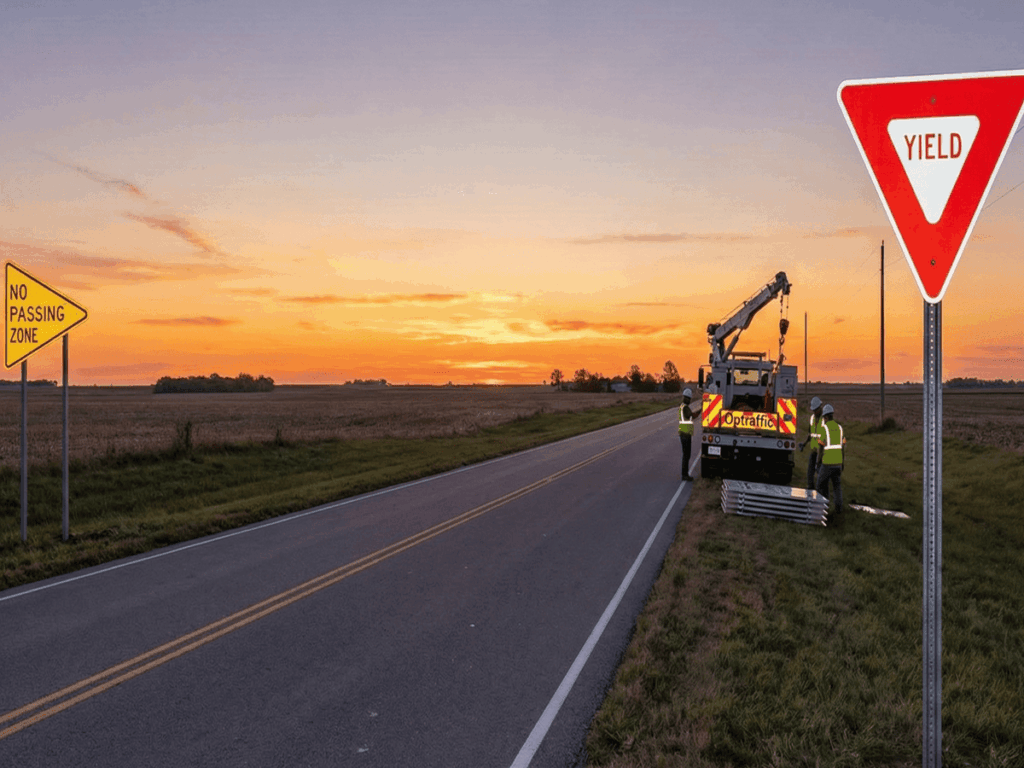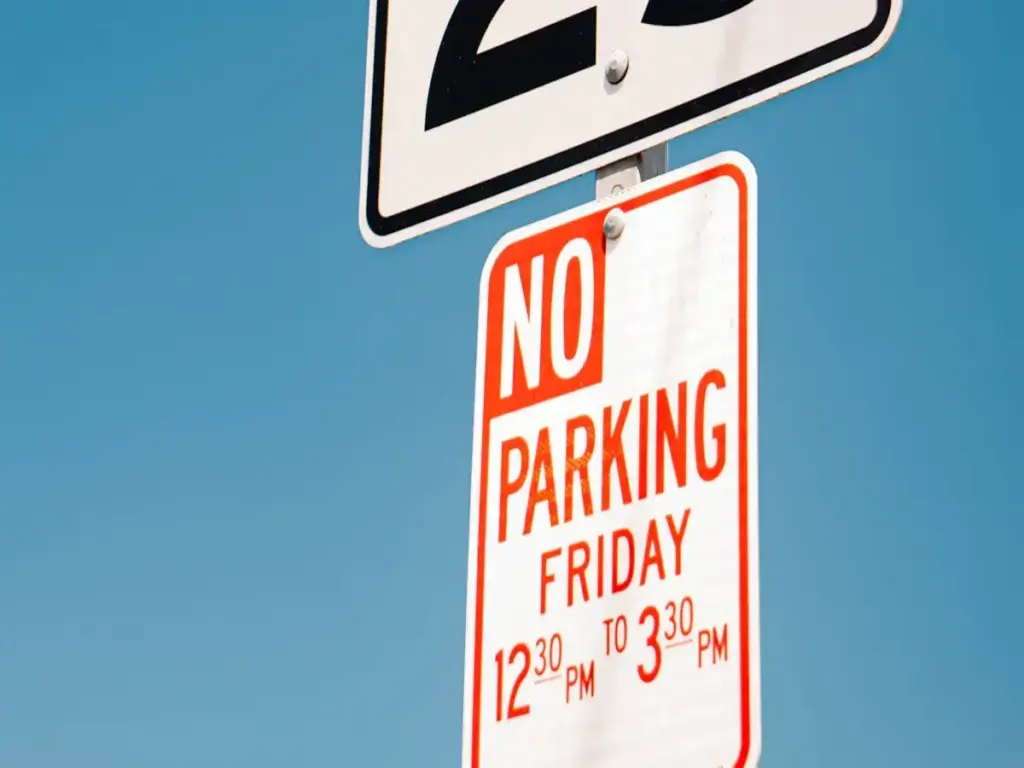
Светоотражающие дорожные знаки имеют решающее значение для обеспечения безопасности дорожного движения, особенно ночью и в условиях плохой видимости. Однако, многие регионы с суровыми погодными условиями сталкиваются с постоянной проблемой отслоения светоотражающих материалов от дорожных знаков. Этот пилинг снижает эффективность вывески., ставящий под угрозу безопасность. Эта проблема особенно распространена в регионах, подверженных сильным холодам., снег, и повторяющиеся циклы замораживания-оттаивания.
Для борьбы с этой проблемой, ОПТРАФИК предлагает высококачественное, долговечный Отражающие дорожные знаки спроектирован так, чтобы выдерживать суровые погодные условия. С такими материалами, как High-Intensity Prismatic (БЕДРО) и светоотражающая пленка Diamond-Grade., OPTRAFFIC обеспечивает длительную работу, даже в самых экстремальных условиях.
В этом блоге мы углубимся в причины отслаивания светоотражающих материалов., выяснить, почему определенные знаки более уязвимы к повреждениям, и предложить практические решения для обеспечения долговечности и эффективности дорожных знаков в этих сложных условиях..
Почему светоотражающие материалы отслаиваются?
Расслаивание светоотражающих пленок
Светоотражающие пленки, используемые в дорожных знаках, предназначены для улучшения видимости за счет отражения света обратно водителям., особенно ночью. Однако, со временем, условия окружающей среды могут привести к отслаиванию этих пленок, процесс, известный как расслаивание. Расслоение происходит, когда клей, который соединяет отражающий слой с подложкой знака, разрушается., позволяя отражающей пленке отделиться. Распространенные причины включают длительное воздействие влаги., изменения температуры, и физический стресс, вызванный элементами окружающей среды.
Циклы замораживания и оттаивания
Регионы с суровыми зимами сталкиваются с уникальными проблемами, когда дело касается обслуживание дорожных знаков. Циклы замораживания и оттаивания — когда снег тает и снова замерзает — могут оказать глубокое влияние на клей, удерживающий светоотражающий материал на месте.. Снег накапливается и тает, влага проникает по краям вывески. Когда температура падает, эта влага замерзает, расширяя и оказывая давление на светоотражающую пленку. Когда лед тает, он сжимается, вызывая напряжение и возможное отслаивание отражающего материала, особенно в верхней части знака.
Повторяющийся процесс замораживания-оттаивания особенно вреден для светоотражающих материалов из-за постоянного воздействия влаги и механических напряжений, создаваемых замораживанием и оттаиванием..
Влияние суровой погоды на светоотражающие дорожные знаки
Воздействие снега и льда
Во многих частях США, каждую зиму выпадает сильный снегопад. Такие регионы, как Северо-Восток (НАПРИМЕР., северная часть штата Нью-Йорк, Вермонт, Нью-Гэмпшир), Верхний Средний Запад (НАПРИМЕР., Миннесота, Висконсин, Мичиган), и горные районы Запада (НАПРИМЕР., Колорадо, Монтана) регулярно сталкиваться с глубоким снегом и повторяющимися циклами замерзания-оттаивания. В этих областях, дорожные знаки часто надолго засыпают снегом. Длительное воздействие влаги снега в сочетании с последующим таянием и замерзанием может привести к значительному повреждению светоотражающих материалов.. Снег и лед могут просачиваться по краям знаков., ослабление клея, удерживающего отражающий слой. Когда влага снова замерзает, он расширяется и еще больше ускоряет шелушение и расслоение сверху вниз.
Длительное воздействие влаги
Проблемы с вывесками наблюдаются не только в холодных регионах.. Районы с частыми дождями или высокой влажностью, например, Тихоокеанский Северо-Запад (НАПРИМЕР., Вашингтон и Орегон), также подвергайте дорожные знаки длительному воздействию влаги. Постоянная влажная погода, в сочетании с перепадами температур, постепенно разрушать связь между светоотражающим материалом и подложкой знака. Через некоторое время, длительное воздействие влаги может испортить клей и привести к отслоению отражающего слоя, что приведет к отслаиванию и снижению видимости..
Решения для предотвращения отслаивания светоотражающих материалов
Переходите на прочные светоотражающие материалы
Один из наиболее эффективных способов предотвратить шелушение — перейти на более качественные светоотражающие материалы.. Стандартные светоотражающие материалы инженерного класса часто не предназначены для того, чтобы выдерживать суровые условия, существующие в районах с экстремальными погодными условиями.. Материалы более высокого качества, такие как призматический высокоинтенсивный материал. (БЕДРО) или светоотражающая пленка алмазного качества разработаны специально для суровых условий эксплуатации.. Эти материалы более долговечны., обеспечивают более высокую устойчивость к влаге, и лучше переносят экстремальные температуры. Они сохраняют свою отражательную способность и адгезию в течение более длительного периода времени., даже в сложных погодных условиях.
Выбирая эти передовые материалы, органы дорожного движения могут гарантировать, что их указатели остаются эффективными., снижение необходимости частого ремонта или замены. Если вы хотите узнать больше о выборе лучших светоотражающих материалов для дорожных знаков, не стесняйтесь заглянуть в наш блог, Как выбрать лучшие рефлексивные материалы для дорожных знаков.
Используйте печатные вывески вместо виниловых надписей
Традиционные надписи, вырезанные из винила, являются одной из основных причин отслаивания по краям.. Виниловые края уязвимы к износу, что увеличивает риск расслоения. Печатные знаки, однако, предлагают бесшовную отражающую поверхность без уязвимых краев. Светоотражающие материалы с печатным изображением более устойчивы к повреждениям, поскольку не имеют зазоров и порезов, куда может попасть вода.. Эта непрерывная поверхность обеспечивает лучшую адгезию и более длительный срок службы.. Перейдя в печатные светоотражающие знаки, органы дорожного движения могут существенно снизить риск отслаивания, особенно в регионах с суровыми погодными условиями.
Чтобы лучше понять нормативные стандарты печати дорожных знаков и обеспечить соответствие отраслевым рекомендациям., вы можете изучить наш блог, Понимание нормативных стандартов печати дорожных знаков. Это поможет вам в процессе принятия решений при выборе лучших материалов и методов для ваших нужд в дорожных знаках..
Герметизация и укупорка кромок
Одним из наиболее эффективных способов предотвращения проникновения влаги по краям дорожных знаков является герметизация или закрытие краев.. Влага обычно попадает через верхние края дорожных знаков., где светоотражающий материал встречается с подложкой знака. Применение алюминиевых краевых заглушек, подобных тем, которые используются в автомобильных дверях, может защитить края знака и предотвратить просачивание воды под отражающий слой.. Это особенно важно для знаков, подвергающихся воздействию снега и льда в течение длительного времени.. Уплотнение краев предотвращает скопление влаги, которая может привести к отслаиванию., помогает продлить срок службы светоотражающего материала.
Регулярные проверки и профилактическое обслуживание
Регулярные проверки необходимы для обнаружения ранних признаков отслаивания или расслоения.. После сильных метелей или периодов оттаивания, важно осмотреть знаки на предмет повреждений. Раннее обнаружение позволяет выполнить ремонт или замену до того, как проблема усугубится.. Профилактическое обслуживание также важно. Составьте график регулярных проверок, особенно после зимнего сезона или обильных снегопадов. Сюда, поврежденные знаки можно устранить немедленно, обеспечение безопасности на дорогах.
Защитные покрытия и ламинаты
Нанесение защитного покрытия на отражающий материал может помочь защитить его от влаги., Ультрафиолетовые лучи, и физический износ. Эти покрытия действуют как дополнительный уровень защиты., снижение воздействия стрессов, связанных с погодой. Ламинат также может помочь сохранить целостность отражающего материала.. Эти защитные слои предотвращают прямой контакт материала с влагой., минимизация вероятности шелушения.
Лучшие практики по обслуживанию светоотражающих дорожных знаков
Правильный выбор клея
Клей, используемый для приклеивания отражающей пленки к подложке, имеет решающее значение.. Убедитесь, что клей рассчитан на экстремальные температуры и влажность.. Некачественный клей может сломаться под нагрузкой., приводит к шелушению. Используйте атмосферостойкие клеи, специально разработанные для холодных условий., влажные условия для обеспечения длительной адгезии.
Правильное размещение знаков
Расположение знака играет решающую роль в его долговечности.. В районах, где скапливается снег, может быть полезно разместить знаки в местах, которые с меньшей вероятностью будут засыпаны землей.. Альтернативно, рассмотрите возможность установки знаков под углом, чтобы уменьшить скопление снега, или используйте стойки для указателей, которые позволяют снегу легче соскальзывать..
График профилактического обслуживания
Создайте график профилактического обслуживания, включающий регулярные проверки на предмет отслаивания., трещины, или другой урон. Это должно включать проверку знаков после каждой метели и периода оттепели.. Путем регулярной оценки состояния знаков, органы дорожного движения могут принять своевременные меры для предотвращения дальнейшего ущерба.
Заключение: Обеспечение долгосрочной долговечности дорожных знаков
Отслаивание светоотражающих материалов — распространенная проблема., особенно в регионах с экстремальными погодными условиями. Переход на более качественные светоотражающие материалы, такие как HIP или Diamond-Grade., переход на печатную вывеску, а также нанесение герметика или покрытия по краям — эффективные способы предотвращения отслаивания и продления срока службы дорожных знаков.. Кроме того, выбор ведущих производителей дорожных знаков, нравиться ОПТРАФИК, которые специализируются на прочных и устойчивых к атмосферным воздействиям материалах, может значительно снизить риск шелушения. Регулярные проверки, использование правильного клея, а принятие упреждающего подхода к техническому обслуживанию будет в дальнейшем гарантировать, что дорожные знаки останутся эффективными и безопасными в долгосрочной перспективе..