Что касается изготовления дорожных знаков, вам часто приходится выбирать между сначала бурим или сначала ламинирование. Многие специалисты предпочитают ламинировать перед сверлением., поскольку этот метод улучшает внешний вид и долговечность знака.. Отраслевые рекомендации указывают, что ваш выбор должен зависеть от материалов, которые вы используете., условия окружающей среды, и ваши производственные цели. Очень важно учитывать эти факторы, чтобы выбрать лучший подход для ваших нужд в производстве дорожных знаков..
Ключевые выводы
- Выбирайте первый метод сверления для твердых материалов, таких как алюминий.. Это гарантирует, что отверстия находятся в правильном месте.. Это также помогает быстрее создавать знаки..
- Используйте последовательное ламинирование, чтобы вывески прослужили дольше и выглядели лучше.. Таким образом, останавливаются пузырьки и сохраняется отражающий слой..
- Всегда тщательно очищайте панели перед тем, как надевать защитное покрытие.. Очистка помогает пленке лучше прилипать.. Это также снижает вероятность возникновения проблем в готовом знаке..
- Выберите метод производства в зависимости от материалов, которые вы используете.. Это поможет избежать проблем и продлит срок службы знаков..
- Часто проверяйте свои инструменты и действия.. Это сохранит ваши знаки в хорошем состоянии и поможет вам работать быстрее..
Первый метод сверления
Этапы процесса
С бурение первый метод, вы делаете отверстия в панели вывески перед добавлением световозвращающая пленка. Вы кладете алюминий или другой материал на стол.. Вы используете сверлильный станок или станок, чтобы сделать отверстия.. После сверления, вы чистите панель, чтобы избавиться от пыли и мусора. Затем, вы наклеиваете на вывеску световозвращающую пленку или винил. Вы прижимаете пленку, чтобы остановить образование пузырей и обеспечить ее хорошее прилипание.. Сюда, знак готов к монтажу и кронштейнам для установки указателя.
Преимущества и недостатки
Есть несколько хороших моментов в бурении в первую очередь. Сюда, отверстия находятся в правильном месте, что помогает, когда вы помещаете знак на столб или рамку. Это быстрее с твердые материалы, такие как алюминий потому что сверление не сгибает и не рвет панель. Кроме того, предварительное сверление предотвращает попадание отверстий в неподходящие места., что может случиться, если просверлить после надевания обшивки.
Но есть и некоторые проблемы. Сверление перед ламинированием может повредить края отверстий.. При добавлении световозвращающей пленки после сверления, воздух может застрять вокруг отверстий. Это может привести к образованию пузырей или блестящих пятен., что может повлиять на то, насколько хорошо знак отражает свет. Защитное покрытие может плохо приклеиться рядом с отверстиями., особенно если панель не очень чистая. Со временем вода может попасть внутрь и сделать знак слабее.. Вам следует подумать об этих вещах, выбирая лучший способ изготовления вывесок..
Кончик: Всегда тщательно очищайте просверленные панели перед тем, как наклеивать пленку, чтобы они лучше приклеились и снизили вероятность возникновения проблем..
Метод последовательного ламинирования
Этапы процесса
Вы начинаете с нанесения световозвращающей пленки или винила на панель вывески перед сверлением.. Панель должна быть чистой и ровной.. Вы используете валик или ламинатор, чтобы прижать пленку.. Это поможет пленке хорошо приклеиться и покрыть всю панель.. После завершения ламинирования, вы просверливаете отверстия как в панели, так и в обшивке. Этот способ работает для многих знаков, особенно со светоотражающими материалами.
Преимущества и недостатки
Последовательное ламинирование имеет много преимуществ при изготовлении вывесок.. Защитное покрытие прилипает лучше, потому что оно ложится прямо на чистую панель.. Это помогает остановить пузырьки воздуха и блестящие пятна возле дырочек. Ваши вывески выглядят гладкими и аккуратными. Отражающий слой остается прочным, поэтому знак яркий ночью. Ваши знаки также служат дольше в плохую погоду.. Дождь, снег, и солнечный свет имеет меньше шансов повредить края защитного покрытия..
Есть некоторые проблемы с последовательным ламинированием. Сверление после ламинирования может затруднить совмещение отверстий.. Если вы используете неправильные инструменты, вы можете порвать пленку или сделать неровные края. Вы должны быть осторожны на каждом этапе, чтобы избежать этих проблем.. Для больших заказов, вам могут потребоваться дополнительные действия, чтобы работать быстрее. Все еще, многие эксперты выбирают последовательное ламинирование, поскольку оно делает вывески прочными и красивыми.. Этот метод лучше всего подходит, если вы хотите, чтобы ваши знаки прослужили долго и хорошо выглядели где угодно..
Примечание: Всегда используйте острые сверла и подходящие направляющие.. Это сохранит аккуратность отверстий и гладкость покрытия при изготовлении вывесок..
Светоотражающие материалы в производстве дорожных знаков
Световозвращающий винил
Световозвращающий винил помогает вывескам светиться ночью. Этот материал делает уличные знаки легко видимыми.. Водители могут быстро заметить важные детали. Вы выбираете между первым сверлением или последовательным ламинированием. Предварительное сверление может сделать винил жестким возле отверстий.. Вы можете заметить пузырьки или слабые места вблизи краев.. Последовательное ламинирование сохраняет листы плоскими и прочными.. Винил лучше прилипает к панели.. Светоотражающий слой остается ярким и четким..
Вот таблица, которая показывает, как метод ламинированияизменить надежность и гарантию световозвращающей пленки:
| Метод ламинирования | Детали производительности |
|---|---|
| 3M Дорожные указатели с цифровой печатью | Более высокая гарантия (12 годы) по сравнению с трафаретной печатью (8-10 годы) |
| Светоотражающий омни Avery | Оценка для 18 годы, более низкий коэффициент отражения для 7-8 годы |
| 3М 3930 Серия призматических пленок высокой интенсивности | Сертифицировано для 10 лет с гарантией 3M Traffic MCS |
| 3М 4000 Светоотражающая пленка серии Diamond Grade | Сертифицировано для 12 лет с гарантией 3M Traffic MCS |
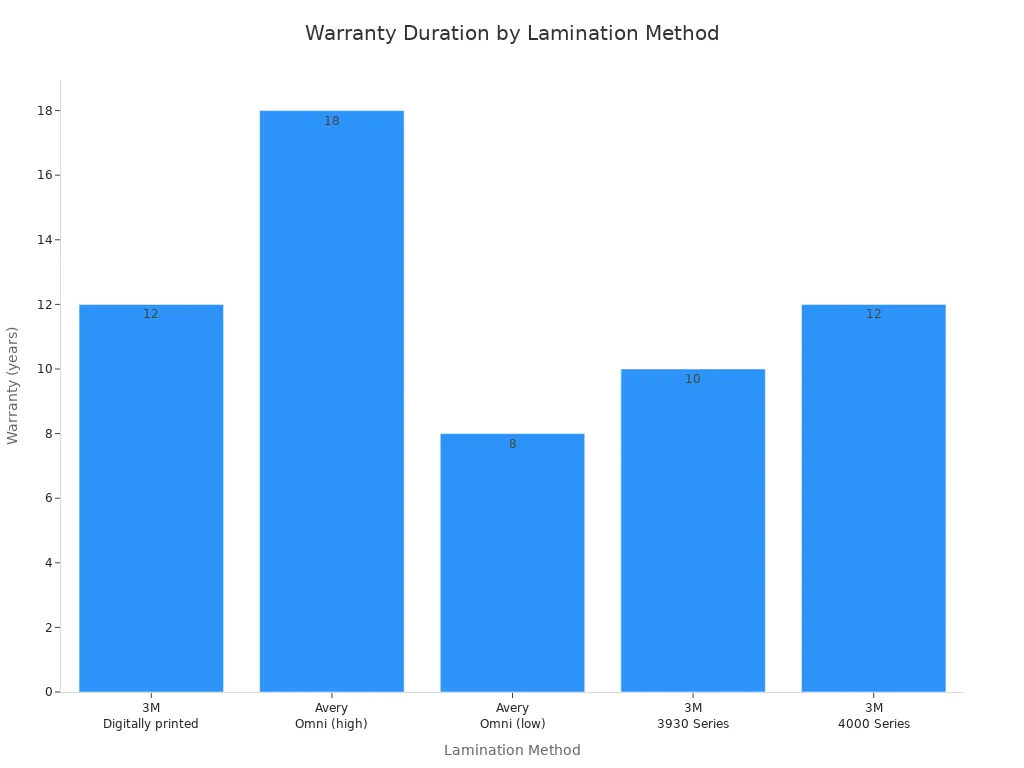
Как видите, последовательное ламинирование дает более длительную гарантию.. Это также делает знаки более надежными. Этот процесс защищает отражающий слой.. Это помогает производству вывесок оставаться быстрым и бесперебойным..
Алюминиевый лист
Алюминиевый лист делает вывески прочными и крепкими.. Вы используете его для большинства наружных вывесок.. Он не ржавеет и остается ровным. Сначала сверление хорошо работает с алюминиевыми панелями.. Панель остается твердой, и вы получаете аккуратные отверстия для крепления. После сверления, прижмите пленку вниз, чтобы не было пузырей. Последовательное ламинирование тоже работает., но тебе нужны острые инструменты. Вы просверливаете как листовое покрытие, так и металл.. Отражающая поверхность останется гладкой и яркой, если вы будете следовать инструкциям.. Ваше производство идет быстро, и знаки служат дольше в плохую погоду.
Другие материалы
Иногда для специальных знаков используют пластик или стекловолокно.. Эти материалы изгибаются сильнее, чем алюминий.. Если сначала сверлить, панель может треснуть или погнуться.. Последовательное ламинирование помогает сохранить плоскость листа и прочность вывески.. Вы получаете лучшее прилипание и меньше проблем. Светоотражающий слой остается прозрачным., и вывески выглядят аккуратно. Вы выбираете процесс в зависимости от вашего дизайна и потребностей.. Вы сохраняете стабильность производства вывесок, сопоставляя метод с материалами..
Кончик: Всегда сопоставляйте этапы ламинирования и сверления с типом листового материала и материала панелей.. Это обеспечит прочность ваших вывесок и простоту производства..
Долговечность и экологические характеристики
Погодная сопротивление
Вы хотите, чтобы ваш уличный знак прослужил в плохую погоду. Дождь, снег, и солнечный свет может повредить знакам. Как вы заставляете знак меняться, насколько он силен. Если ты сначала просверлишь, вода может попасть в отверстия. Это происходит после того, как вы наденете простыню.. Вода со временем приводит к разрушению защитного покрытия и панели.. Если вы используете последовательное ламинирование, сначала запечатай панель. Перед сверлением вы надеваете световозвращающую пленку.. Это предотвращает попадание воды и грязи под обшивку.. Ваши знаки остаются сильными и яркими в плохую погоду.
Светоотражающий слой защиты
Важно защитить отражающий слой.. Это помогает людям увидеть знак и обеспечивает их безопасность.. Сверление после ламинирования может повредить края листа.. Если вы используете острые инструменты и направляющие, вы сохраняете покрытие гладким. Ретрофлексы остаются в хорошей форме. Водители видят ваши знаки ночью.. Если ты сначала просверлишь, воздух или вода могут попасть под обшивку. Это может привести к образованию пузырей или блестящих пятен.. Ваши знаки тоже не работают. Вы хотите, чтобы пленка была плоской и плотной, чтобы отражающий слой был в безопасности..
Долгосрочное наружное использование
Знаки должны прослужить долгие годы снаружи. Вы не хотите, чтобы они выцветали или шелушились. Последовательное ламинирование продлевает срок службы вывесок на открытом воздухе.. Пленка хорошо прилегает к панели.. Отверстия остаются запечатанными. Это работает со многими материалами, такими как алюминий и винил.. Ваша работа идет быстро, и вы сделаете меньше ошибок. Если вы согласуете свой процесс с вашими материалами и дизайном, твои знаки работают лучше. Вы экономите время и деньги, поскольку реже ремонтируете и заменяете знаки..
Кончик: Всегда проверяйте покрытие и панели перед началом работы.. Это поможет вам выбрать лучший способ стать сильнее., долговечные знаки.
Экономическая эффективность в производстве
Труд и время
Вы хотите изготовление дорожных знаков бежать плавно и быстро. Когда вы выбираете правильный процесс, вы экономите время и снижаете трудозатраты. Предварительное сверление часто ускоряет процесс производства твердых материалов, таких как алюминий.. Рабочие могут сверлить несколько панелей одновременно, это помогает, когда ты делаешь много знаков. Последовательное ламинирование требует большего ухода. Перед сверлением необходимо прижать листовое покрытие к каждой панели.. Этот шаг добавляет время, но это помогает защитному покрытию лучше прилипать и сохраняет вывески чистыми.. Если вы используете световозвращающую пленку, необходимо убедиться, что поверхность ровная и очищена от пыли. Этот шаг защитит отражающий слой и сохранит яркость вашего уличного знака..
Стоимость оборудования
Вам нужны правильные инструменты для каждого производственного процесса. При сверлении сначала используются обычные сверлильные станки или станки.. Эти инструменты хорошо работают с твердыми материалами и позволяют снизить затраты.. Для последовательного ламинирования требуется ламинатор или валик для прижима листа к панели.. Вам также понадобятся острые сверла, чтобы прорезать как листовое покрытие, так и панель.. Дополнительное оборудование может увеличить ваши расходы., но это поможет вам добиться лучших результатов при использовании световозвращающих материалов и светоотражающей пленки.. Если вы планируете крупномасштабное производство, вам следует инвестировать в машины, которые могут выполнять как ламинирование, так и сверление.. Эта установка обеспечивает бесперебойную работу вашей производственной линии и помогает достичь ваших проектных целей..
Переделки и дефекты
Вы хотите, чтобы ваши вывески прослужили долго и хорошо выглядели. Предварительное сверление может привести к таким проблемам, как пузыри или посеребрение возле отверстий.. Эти дефекты снижают надежность ваших знаков и могут нарушить целостность сигнала.. Возможно, вам придется переделать некоторые панели., что замедляет ваше производство и увеличивает затраты. Последовательное ламинирование снижает риск возникновения этих проблем.. Лист остается ровным, и дырки остаются запечатанными. Вы получаете меньше дефектов и меньше переделок. Этот метод хорошо работает со многими материалами и помогает поддерживать эффективность производственного процесса.. Когда вы адаптируете свой процесс к своим материалам и листам, вы защищаете свои вывески и экономите деньги.
Кончик: Всегда проверяйте свое оборудование и материалы перед началом работы.. Этот шаг поможет вам избежать дорогостоящих ошибок и поддерживать производство в нужном русле..
Выбор правильного метода
Когда сверлить в первую очередь
Сначала сверление хорошо работает с твердыми материалами.. Подходит для алюминиевых панелей и многослойных слоев, таких как углепластик и алюминий.. Вы можете увидеть, где меняются материалы, и изменить способ сверления.. Если вы используете машину опорных векторов (SVM), вы можете наблюдать за процессом и вносить изменения для каждого материала. Для алюминия, не сверлите слишком медленно в течение длительного времени. Это может привести к перегреву дрели и возникновению проблем..
В таких случаях вам может потребоваться сначала просверлить:
- Вы делаете много панелей с уличными знаками, в которых нужны отверстия в одном и том же месте..
- Вы используете сложенные материалы и вам необходимо следить за изменениями между слоями..
- Вы хотите, чтобы отверстия в твердых панелях не находились в неправильных местах..
- Вашему знаку необходимо оборудование, которое должно располагаться в нужном месте..
Кончик: Очистка панелей после сверления. Это помогает световозвращающей пленке лучше прилипать и прослужить дольше..
Когда лучше ламинировать
Ламинирование поможет вашим вывескам прослужить дольше и выглядеть лучше.. Этот способ лучше всего подходит для мягких материалов, таких как винил или пластик.. Это также работает для любого знака со световозвращающей пленкой.. Когда впервые ламинируешь, вы герметизируете панель и сохраняете отражающий слой в безопасности. Ваши знаки остаются яркими и легко различимыми, Даже после многих лет на улице.
В наше время выбирайте последовательное ламинирование:
- Вы делаете знаки, которые должны прослужить долго в плохую погоду и на улице..
- Вы используете световозвращающие материалы или светоотражающую пленку, которая должна оставаться плоской и не иметь пузырей..
- Вы хотите предотвратить попадание воды или воздуха под пленку., что может повредить работе знака.
- Вы используете пластик или стекловолокно, которые могут треснуть, если просверлить их перед ламинированием..
Примечание: Используйте острые сверла и правильные направляющие.. Это сохраняет листовое покрытие плоским и предотвращает его разрыв при сверлении..
Заключительные рекомендации
Вы должны выбрать свой метод на основе ваших материалов., что ты хочешь сделать, и правила, которым вы должны следовать. В таблице ниже показаны самые важные вещи, о которых стоит подумать.:
| Фактор | Описание |
|---|---|
| Видимость | Хорошая светоотражающая пленка, как 3M™ Diamond™ класса DG3, делает знаки ярче и помогает водителям видеть быстрее. |
| Долговечность | Выбирайте детали, которые прослужат долго, как продукты 3M, которые работают до 12 годы. |
| Изготовление | Правильное изготовление знаков помогает им отражать свет со всех сторон.. |
Также нужно подумать об окружающей среде. Использование таких материалов, как алюминий, которые можно перерабатывать, помогает сократить количество отходов.. Станки с ЧПУ помогают использовать меньше материала. Выбор перерабатываемого пластика помогает сделать вашу работу лучше для планеты.
Вы должны соблюдать правила вашего региона.. Эти правила расскажут вам, какие материалы использовать и как делать вывески.. Они также рассказывают, как сделать знаки безопасными и полезными для окружающей среды.. Правила могут изменить то, как вы выбираете материалы, и если вы сначала сверлите или ламинируете..
Кончик: Часто проверяйте свой процесс. Посмотрите свои материалы, лист, и инструменты, которые помогут вам следовать правилам и добиться успеха, хорошие знаки.
Когда вы знаете свои материалы, что тебе нужно сделать, и правила, ты можешь выбрать лучший способ сделать дорожные знаки. Это поможет вам создавать долговечные знаки, легко увидеть, и сохранить дороги в безопасности.
Вам предстоит выбрать лучший способ изготовления дорожных знаков.. Подумайте, как долго прослужат знаки, как быстро ты сможешь их сделать, и сколько это стоит. Убедитесь, что ваш метод соответствует вашим материалам и тому, что вы хотите сделать.. Чтобы ваши вывески были сильными и не слишком дорогими, ведущие компании говорят, что вам следует:
- Следите за расходами, например, за чернилами, власть, и обучение работников.
- Попробуйте тестовые отпечатки, чтобы проверить цвет., насколько хорошо все держится, и какой яркий знак.
- Работайте с поставщиками, которые помогут вам с поддержкой и ремонтом машин..
- Убедитесь, что ваше программное обеспечение работает, и запланируйте обновления позже..
Вы можете получить лучшие результаты, если будете часто анализировать свой процесс и использовать новые инструменты и идеи..
Часто задаваемые вопросы
В чем основное преимущество ламинирования перед сверлением??
Ламинирование в первую очередь сохраняет отражающий слой в безопасности.. Это продлевает срок службы вывески на улице.. Таким образом останавливаются пузыри и помогает знаку выглядеть гладким.. Панель становится герметичной, чтобы знак оставался сильным.
Можете ли вы сначала использовать сверление со всеми материалами для вывесок??
Сначала сверление лучше всего работает с твердыми материалами, такими как алюминий.. Мягкие материалы, такие как винил или пластик, могут треснуть или погнуться.. Всегда выбирайте правильный метод для вашего материала.
Как предотвратить появление пузырей при нанесении светоотражающей пленки??
Кончик: Очистите панель перед тем, как надеть защитное покрытие.. Используйте валик или ламинатор, чтобы прижать его ровно.. Это предотвращает образование воздушных карманов и сохраняет слой гладким..
Влияет ли порядок сверления и ламинирования на гарантию на знак??
| Метод | Типичный срок гарантии |
|---|---|
| Сначала ламинирование | До 12 годы |
| Сначала бурим | 8–10 лет |
Вывески, изготовленные методом последовательной ламинации, часто имеют более длительную гарантию.. Большинству производителей нравится этот способ для сильного, качественные вывески.
Какие инструменты помогут просверлить ламинированные панели без повреждений?
Используйте острые сверла и хорошие направляющие.. Эти инструменты помогут вам сделать аккуратные отверстия и сохранить пленку в безопасности.. Всегда проверяйте свои инструменты, прежде чем начинать делать знаки..