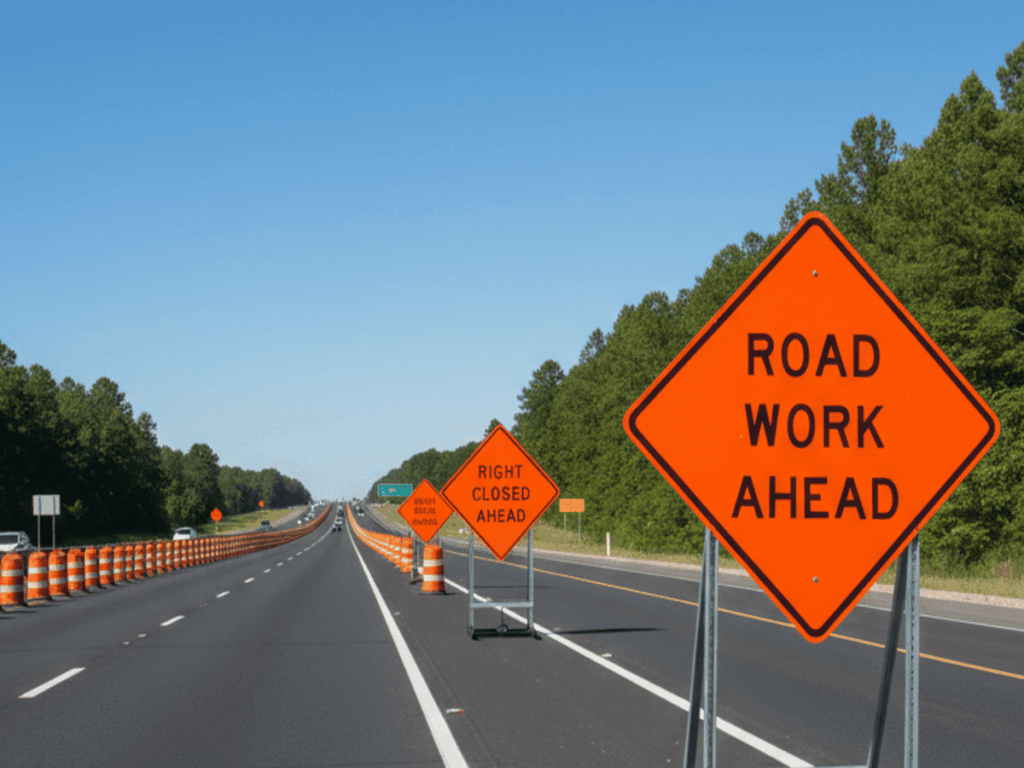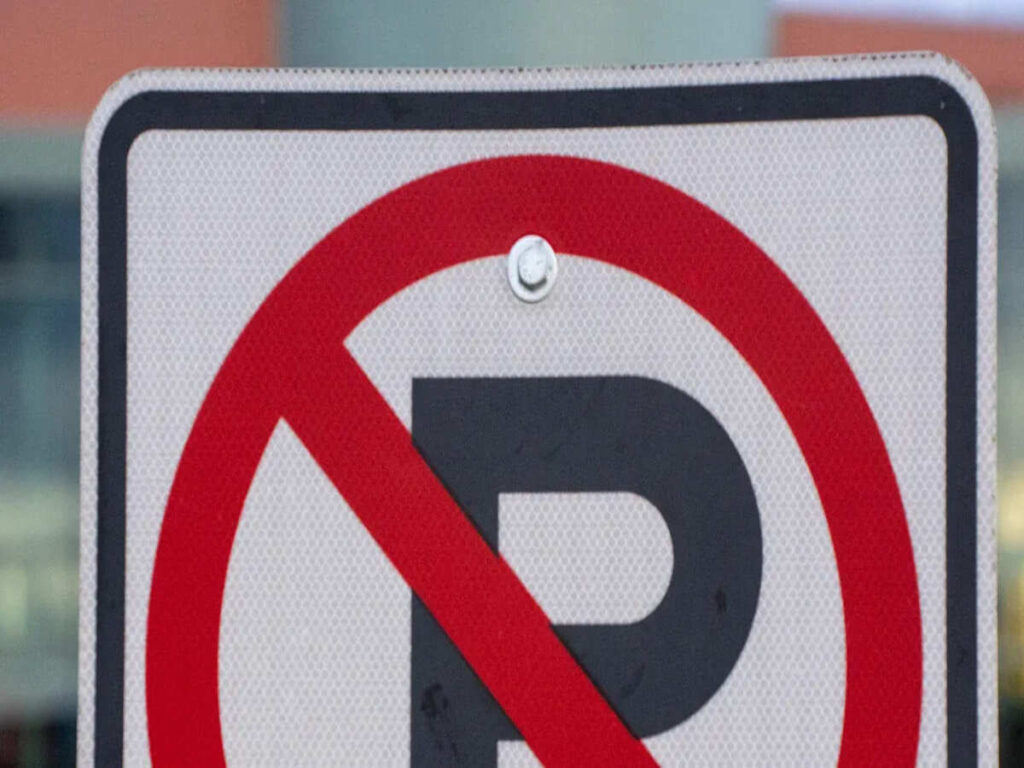
строительство знаков запрещена парковка защитить бордюрное пространство, к которому экипажи полагаются для доступа, постановка, и безопасное перемещение оборудования. В густых коридорах, один забитый бордюр может остановить пролив, задержать доставку, и заставлять небезопасные маневры заднего хода. Поэтому, контроль парковки становится логистической системой, не просьба вежливости.
Несанкционированная парковка часто становится узким местом на периметре рабочей площадки.. Он блокирует грузовики-насосы, бортовые платформы доставки, вакуумные экскаваторы, и аварийный доступ. Это также выталкивает рабочих на полосу движения, когда они пытаются «объехать» припаркованную машину..
В этой статье объясняется подход, готовый к использованию в полевых условиях.. Основное внимание уделяется зонам отчуждения., многоуровневое устройство, и обязательное уведомление. Он также связывает каждый шаг с реальными рисками в рабочей зоне и признанными стандартами управления дорожным движением..
Для полного представления системы: как объединить нормативные сообщения, логика размещения, светоотражающая производительность, и стандартизированные программы знаков на каждом этапе проекта — читайте Комплексное руководство по строительным указателям: Повышение безопасности, Эффективность, и соблюдение требований на рабочих местах.
Скрытые риски, которые предотвращает строительство знаков «Парковка запрещена» в рабочих зонах
рабочие задержки начинаются на обочине
Рабочие зоны работают по временным окнам. Автоцистерна не ждет, пока мастер ищет владельца автомобиля. Экипаж также не может «освободить место», когда на улице пробки..
Рассмотрим 6:00 АМ заливка бетона. Автоцистерна прибывает по графику. Частный автомобиль блокирует единственный доступный вход. Водитель не может безопасно установить выносные опоры.. Наливные листы. Затем торги вниз по течению теряют утреннюю прибыль.
Этот сценарий кажется маленьким. Однако, ставки в рабочей зоне остаются высокими. А 2024 обследование Associated General Contractors of America (АРУ) показывает, что 64% дорожных подрядчиков только за последний год столкнулись с авариями в своих рабочих зонах. При таком частом риске вторжения, Каждый конфликт, которого можно избежать, имеет значение.
Угрозы безопасности быстро нарастают
Припаркованные автомобили создают слепые зоны совсем не в тех местах.. Они прячут пешеходов возле проемов ворот. Они также блокируют линию обзора оператора, когда оборудование сворачивает с маршрута перевозки..
Риск увеличивается ночью. Водители часто едут быстрее, когда полосы движения кажутся открытыми и пробки уменьшаются.. FHWA отмечает, что согласно последним национальным данным, скорость является причиной значительной доли аварий со смертельным исходом на рабочих местах..
Интегрированная настройка уменьшает импровизацию
Сильная система начинается с четкого юридического уведомления и четких физических границ..
- Использовать строительство знаков запрещена парковка претендовать на место на обочине и установить правило.
- Использовать строительные конусы чтобы отметить точное начало ограничения.
- Использовать нет парковочных конусов (конусы с втулками, конусные знаки, или сообщения на вершине конуса) повторить сообщение на уровне глаз водителя, не добавляя больше сообщений.
- Добавлять строительные барьеры где бордюрная линия нуждается в реальном сдерживании.
MUTCD называет это дисциплиной «временного регулирования дорожного движения».. Он требует, чтобы устройства управления дорожным движением, используемые для строительства и обслуживания, соответствовали применимым положениям Руководства..
За пределами вывесок: Создание многоуровневой зоны отчуждения
Почему на реальных улицах выходит из строя один знак
Один знак конкурирует с беспорядком. Водители ищут свободные места, не для крайних случаев. Они также пропускают знаки, когда приближаются с «неправильного» направления..
Поэтому экипажам не следует полагаться на одно устройство. Они должны создать резерв. Многоуровневая система остается видимой, даже если один элемент выходит из строя.
Трехслойная модель
Надежная зона отчуждения использует три слоя. Каждый уровень решает отдельный режим отказа..
- Визуальное предупреждение
- Размещайте знаки ограничения парковки через равные промежутки времени..
- Сохраняйте читаемость легенды в реальных условиях на обочине.
- Используйте массовые сообщения в зонах с высокой текучестью кадров..
- Физическое отрицание
- Добавьте А-образные рамки, Баррикады, или строительные барьеры где водители пытаются «втиснуться».
- Защитите конусы, проемы ворот, и зоны качания оборудования.
- Наземное наведение
- Разверните линию строительные конусы отвести движущийся транспорт от обочины.
- Использовать нет парковочных конусов внутри ограниченного сегмента бордюра, чтобы предотвратить «пробелы в одну машину».
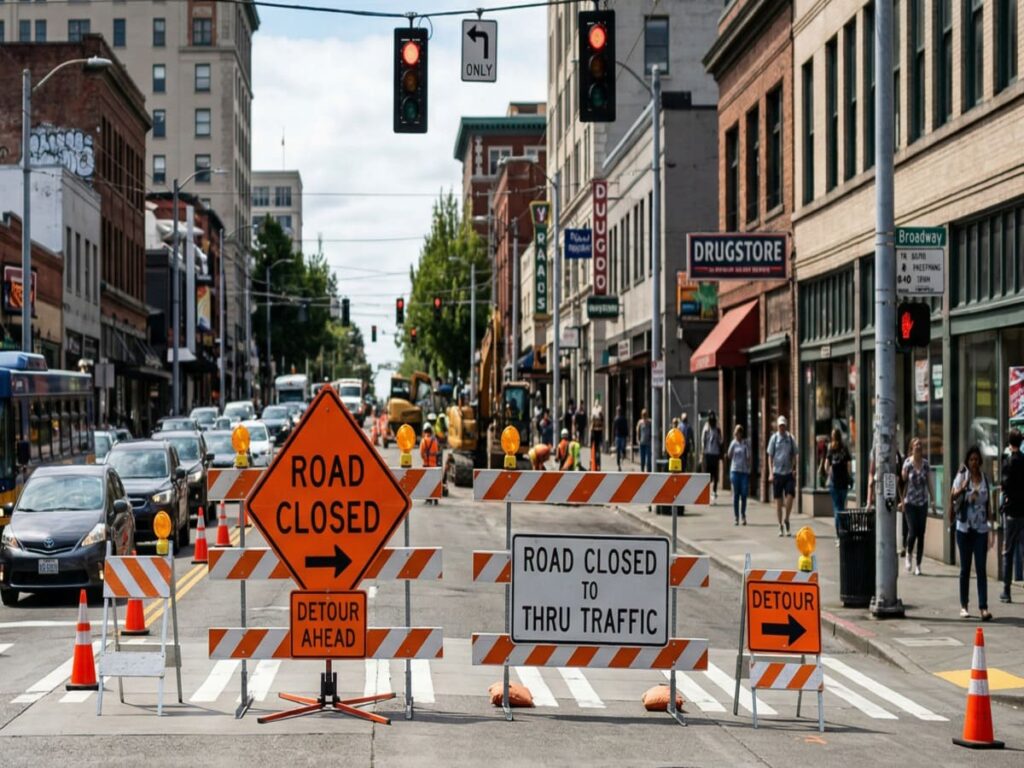
MUTCD также определяет устройства распределения каналов. (включая конусы и баррикады) в качестве инструментов, которые предупреждают и направляют участников дорожного движения при изменении их трудовой деятельности..
Практичная компоновка, которую экипажи могут повторить
Экипажам нужна повторяемая геометрия. Им не нужна сложная математика.
- Запустить ограничение перед точкой доступа, не в точке доступа.
- Создайте зону «чистой двери» у ворот или бордюра..
- Расширьте ограничение за пределы точки доступа, чтобы охватить повороты и постановку.
Простое правило поля работает хорошо:
- Восходящий буфер: защищает подход и путь поворота.
- Окно доступа: всегда остается чистым.
- Нисходящий буфер: защищает заднюю часть грузовика и выравнивание при выезде.
Справочная таблица зоны отчуждения
Используйте таблицу ниже в качестве шаблона поля.. Это соответствует тому, как экипажи на самом деле развертывают устройства..
| Слой | Основное устройство | Вторичное устройство | Цель | Обычная неисправность, которую он предотвращает |
|---|---|---|---|---|
| Официальное уведомление | строительство знаков запрещена парковка | сообщения на вершине конуса | устанавливает правило | Заявления «Я не знал» |
| Визуальное повторение | нет парковочных конусов | бордюрная разметка (где разрешено) | держит сообщение на виду | Загораживание знаков припаркованными фургонами |
| Канализация | строительные конусы | барабаны / вертикальные панели | сдвиги, отводя трафик | конфликты между смахиваниями |
| Физическое отрицание | строительные барьеры | А-образные рамы / Баррикады | блокирует въезд на бордюр | «втиснутая» парковка |
Обеспечение правоприменения при строительстве знаков «Парковка запрещена»
Сделайте так, чтобы сообщение соответствовало признанным стандартам
Правоприменение зависит от ясности. Оператору буксира и офицеру нужна чистая основа для действий..
MUTCD требует, чтобы нормативные знаки были разработаны так, чтобы их было видно и разборчиво., и требует, чтобы они были установлены в месте действия правил или рядом с ним..
Также требуется, чтобы нормативные знаки были световозвращающими или светящимися., что напрямую влияет на соблюдение требований в ночное время.
Специально для контроля парковки, MUTCD заявляет, что знаки, запрещающие парковку, обычно используйте красную легенду и рамку на белом фоне.
Используйте удобочитаемые размеры легенды, не «мелкий шрифт»
Знаки контроля парковки столкнулись с особой проблемой. Водители читают их возле обочины. Однако, водителям по-прежнему необходимо быстрое понимание.
MUTCD дает практическую основу: для урбанизированного применения, Высота основной буквы легенды на знаках парковки должна быть не менее 2 дюймы.
Экипажи могут относиться к этому как к минимуму.. Плотные улицы часто требуют большего количества повторений, а не меньшего текста..
Изучите больше: Для разбивки высоты букв по принципу соответствия, расстояние просмотра, и реальная читаемость на обочине, читать Как выбрать правильный размер знака парковки для соответствия.
Держите знаки в вертикальном положении, соблюдая дисциплину при монтаже
Правоприменение терпит неудачу, когда знак лежит лицевой стороной вниз. Ветер, вибрация, и вмешательство общественности являются причиной большинства событий «инвалидации тайны».
Профессиональный подход к монтажу уменьшает количество таких ошибок.:
- Используйте жесткие стойки или устойчивые подставки..
- Зафиксируйте высоту и угол знака, чтобы блики не размывали легенду..
- Избегайте «раскачивающихся» установок, вращающихся вдали от движения транспорта..
- Добавьте избыточность в углах и середине блока.
Это не косметика. Он защищает исполнимость и безопасность.
Документируйте ограничение как оператор, не похож на маркетолога
Во многих юрисдикциях требуются разрешения, даты, и определенные часы для временных ограничений на бордюрах. Правила различаются, поэтому самый безопасный подход использует пакет документации, который поддерживает принудительное исполнение..
Пакет сильного поля включает в себя:
- Точные пределы (диапазон адресов, сторона улицы, стрелы).
- Время начала и окончания, с четким обозначением дня недели.
- Разрешение или номер работы, где это необходимо.
- Фотографии установленных знаков с временными метками.
- Быстрая карта, соответствующая планировке поля.
Это также уменьшает количество споров. Это ускоряет авторизацию буксировки. Оно защищает подрядчика, когда общественность оспаривает ограничение..
Логистика профессиональной настройки сайта
Предварительное уведомление снижает трения и повышает соответствие требованиям
Предварительное уведомление об изменении поведения. Это также дает жителям время переехать до начала ограничений..
Во многих городах публикуются минимальные окна публикации сообщений.. Например, SFMTA Сан-Франциско заявляет, что временные знаки «Стоянка запрещена» должны быть вывешены как минимум 72 часов до вступления в силу в неизмеренных зонах, и по крайней мере 24 часов до исполнения закона в помещениях со счетчиком.
Санта-Моника также связывает возможность принудительного исполнения со сроками. Он отмечает, что инспекции, проведенные с менее чем 24 часов до времени начала резервирования не будет иметь силы.
Эти примеры демонстрируют закономерность: экипажи должны публиковать сообщения заранее, затем проверьте. Раннее размещение уменьшает объем буксировки, конфликт, и отвлечение экипажа.
Создайте ограничение вокруг реальных путей движения транспортных средств.
Зона «Запрещена парковка» должна защищать движение, не только бордюр.
Полевые команды должны начать с этих вопросов:
- Куда сдается самый большой автомобиль?
- Где он проходит, не блокируя живые полосы??
- Куда он выходит, не пятясь вслепую??
- Где пешеходы естественным образом переходят дорогу возле ворот?
Затем экипаж должен разместить строительные конусы и строительные барьеры чтобы сформировать этот путь. Сами по себе знаки не контролируют геометрию.
Долговечность имеет значение, потому что улицы разрушают слабое оборудование
Вывески и световые стенды для розничной торговли быстро выходят из строя. Улицы порождают пыль, вибрация, и влияние.
Профессиональная установка использует:
- Жесткие подложки, устойчивые к изгибу.
- Световозвращающие лица, которые остаются читаемыми даже при ярком свете фар..
- Стенды и столбы, которые сохраняют положение в течение смены.
Требование MUTCD к световозвращающей способности для нормативных знаков подтверждает этот приоритетный выбор долговечности., особенно для ночных операций.
Роль Optraffic в крупномасштабных установках
Для подрядчиков, эксплуатирующих коридоры с высокой интенсивностью движения и объекты с множественным доступом., Optraffic поддерживает долговечность вывески рабочей зоны и аппаратные системы, соответствующие признанным нормативным нормам и жестким полевым условиям..
Выбор между временными и постоянными решениями
Краткосрочная работа требует мобильности и быстрой перезагрузки
Ежедневная коммунальная работа меняется каждую смену. Поэтому, экипажам нужна скорость.
Краткосрочный пакет обычно включает в себя:
- Переносные стенды для вывесок.
- строительные конусы для быстрого сужения.
- нет парковочных конусов для повторения сообщения возле бордюра.
- Легкие баррикады для микроизоляции вокруг подъездных путей и гидрантов.
Цель — быстрое развертывание и быстрое удаление.. Это также уменьшает «беспорядок в устройствах», который сбивает с толку водителей..
Долгосрочные проекты требуют целостности периметра
Месячные проекты сталкиваются с другим врагом: дрейфовать. Устройства мигрируют. Знаки исчезают. Экипажи меняются. Периметр медленно деградирует.
Долгосрочные сайты следует обновить до:
- Фиксированные стойки или комплекты болтов для последовательного размещения знаков..
- Усиленный строительные барьеры где транспортные средства постоянно бросают вызов краю.
- Документированная процедура проверки, привязано к смене смен.
- Запасные триггеры для поврежденных или отсутствующих устройств.
MUTCD также уделяет особое внимание удалению или закрытию устройств, когда они больше не применяются.. Это важно для длительных проектов, потому что устаревшие ограничения вызывают усталость от соблюдения требований.
Пользовательские доски улучшают отношения с сообществом при правильном использовании
Пользовательские сообщения помогают, когда они уменьшают неопределенность, не тогда, когда они добавляют шума.
Эффективные пользовательские доски отвечают всего на три вопроса:
- Какое ограничение действует?
- Когда это начинается и заканчивается?
- К кому может обратиться общественность за разъяснениями?
Такой подход снижает количество жалоб и улучшает добровольное соблюдение требований.. Это также снижает нагрузку на правоприменение..
Заключение: Эффективность начинается с четкого периметра
Четкая бордюрная линия защищает расписание и экипаж.
Хорошо управляемая рабочая зона действует как контролируемый интерфейс.. Эта дисциплина обеспечивает движение оборудования и сводит к минимуму конфликты слепых зон.. Точные границы также устраняют стимул для рискованной импровизации..
Многоуровневые системы успешны, потому что они предвидят неудачу.. Водитель может пропустить знак, или конус можно пнуть. Несмотря на эти отдельные ошибки, периметр остается безопасным.
Ставки высоки. Национальные данные продолжают фиксировать сотни смертельных случаев на рабочих местах ежегодно в США.. Учитывая эти риски, экипажи должны устранить все предотвратимые конфликты, находящиеся под их контролем..
Следующий шаг: аудит границы доступа, не только сужение полосы движения
Команда объекта может начать сегодня с быстрого аудита периметра:
- Начинается ли ограничение бордюра достаточно рано, чтобы защитить пути поворота??
- Остаются ли знаки вертикальными и читаемыми с обоих направлений подхода??
- Делать строительные конусы четко показать, где заканчивается парковка и начинается сужение?
- Делать строительные барьеры блокировать места «втиснения», которые вызывают повторные нарушения?
- Есть ли у команды фотодокументация, подтверждающая правоприменение??
Для потребностей больших объемов, Optraffic поставляет надежные комплекты знаков и оборудования, которые помогают мастерам на объекте поддерживать последовательную, профессиональный периметр.
Примечание: Требования к соблюдению правил парковки и буксировке различаются в зависимости от юрисдикции.. Бригады должны проверить местные правила публикации времени выполнения заказа., подробности разрешения, и разрешенные форматы знаков до вступления в силу.
Часто задаваемые вопросы
Они не позволяют несанкционированным транспортным средствам блокировать важные точки доступа для автоцистерн., бортовые платформы доставки, и аварийные спасатели. Четкая запретная зона сокращает операционные задержки и предотвращает создание опасных слепых зон, которые подвергают опасности рабочих и пешеходов..
Это резервная система для обеспечения соответствия. Он сочетает в себе Визуальное предупреждение (Знаки «Стройка запрещена» для официального уведомления), Физическое отрицание (Барьеры безопасности или А-образные рамы для блокировки входа), и Наземное наведение (Строительные конусы для отвода движущегося транспорта от обочины).
Требования различаются в зависимости от города, но лучшие практики включают размещение знаков 24 к 72 часов вперед. Например, некоторые правила требуют 72 часов для неучтенных территорий и 24 часы для помещений со счетчиком. Раннее размещение информации снижает трения с жильцами и обеспечивает юридическую силу..
Профессиональные монтажные комплекты гарантируют, что вывески останутся в вертикальном положении и будут разборчивыми при ветре., вибрация, и вмешательство общественности. Знак, упавший лицом вниз, не является юридическим предупреждением, делая невозможным принудительное исполнение и увеличивая риски ответственности.
Для поддержки правоприменения, менеджеры объекта должны иметь полевой пакет, содержащий номер разрешения., точные пределы ограничения (адрес/стрелки), время начала/окончания, и фотографии с указанием времени установки Знаки "Стройка запрещена".