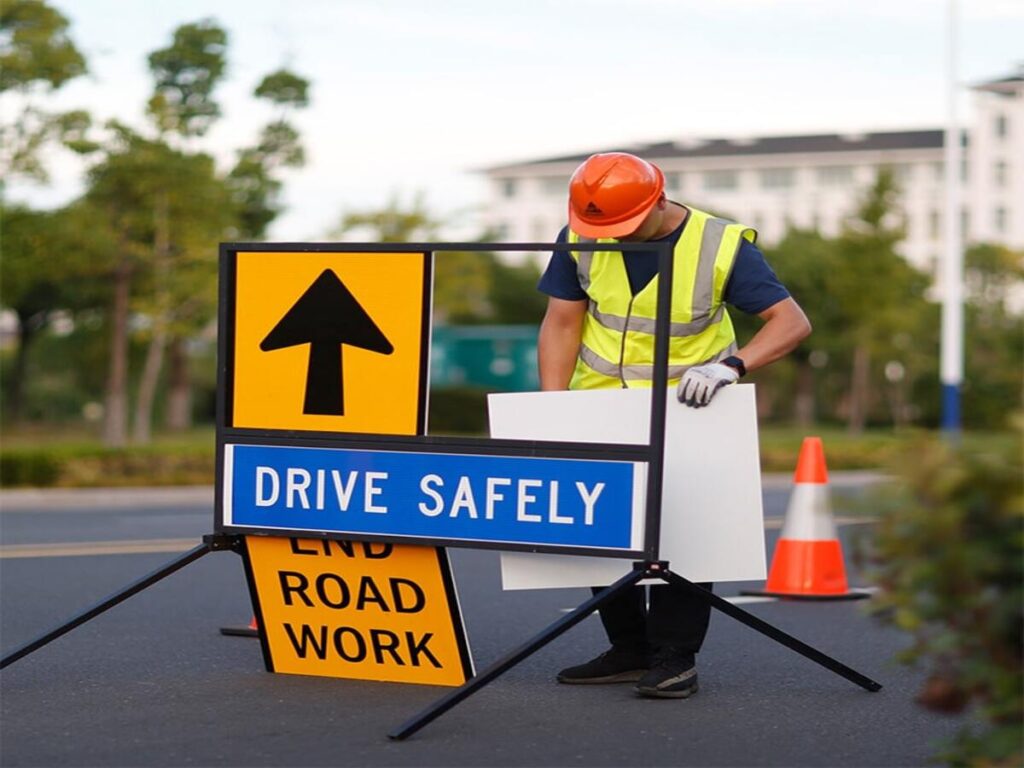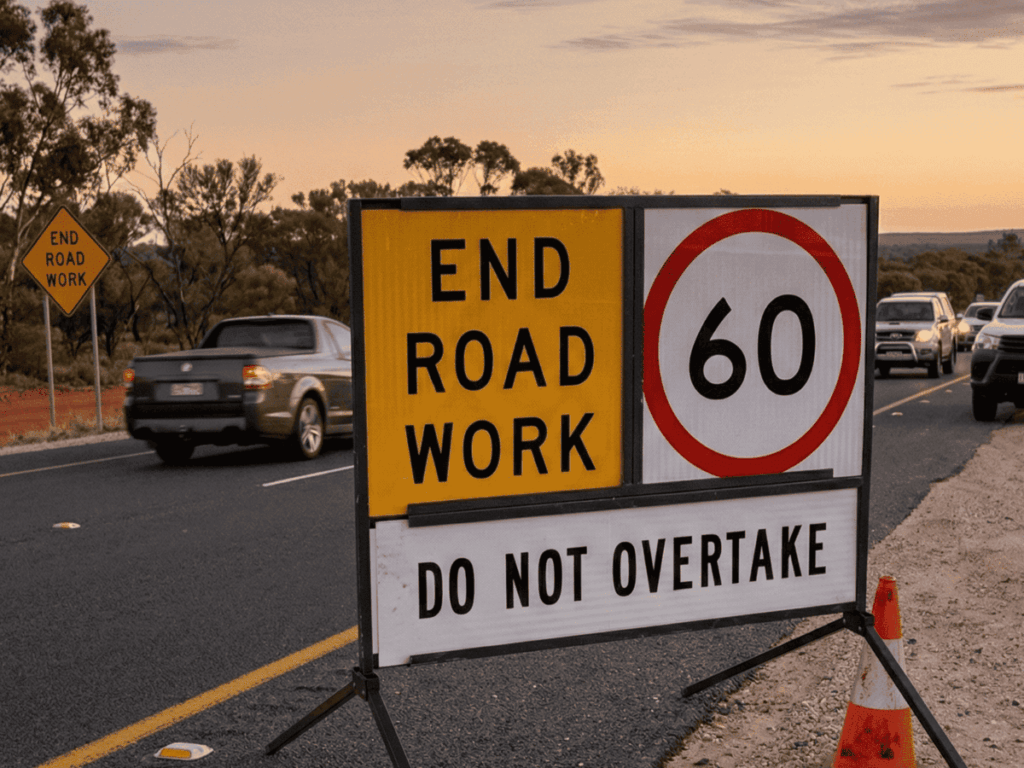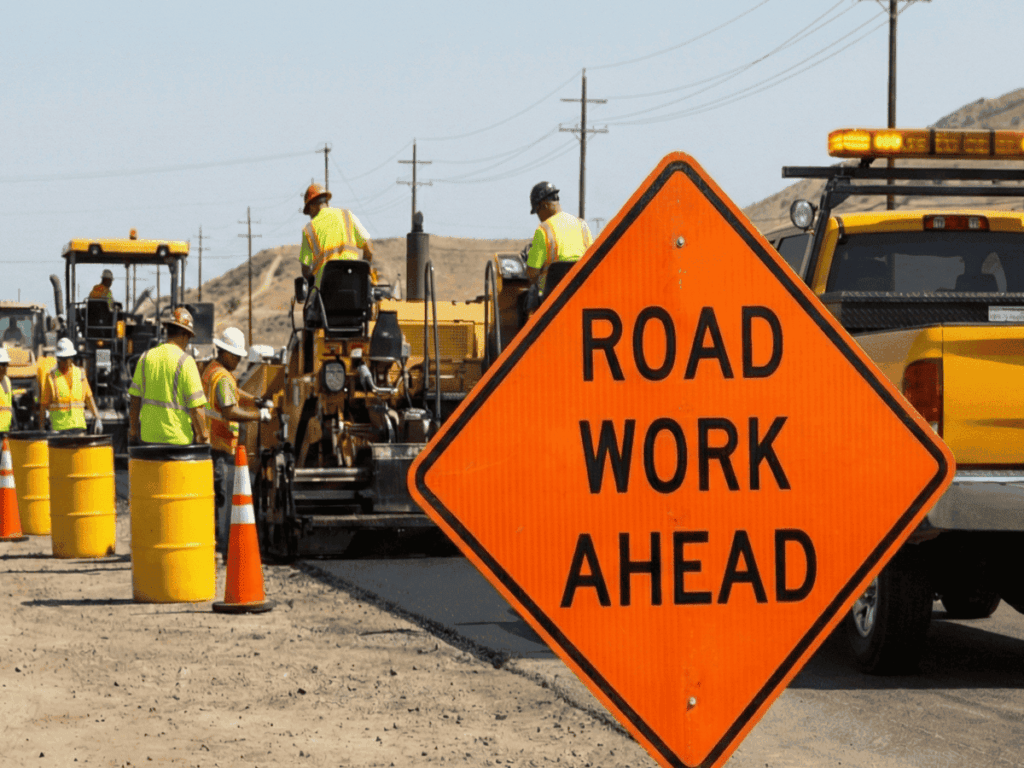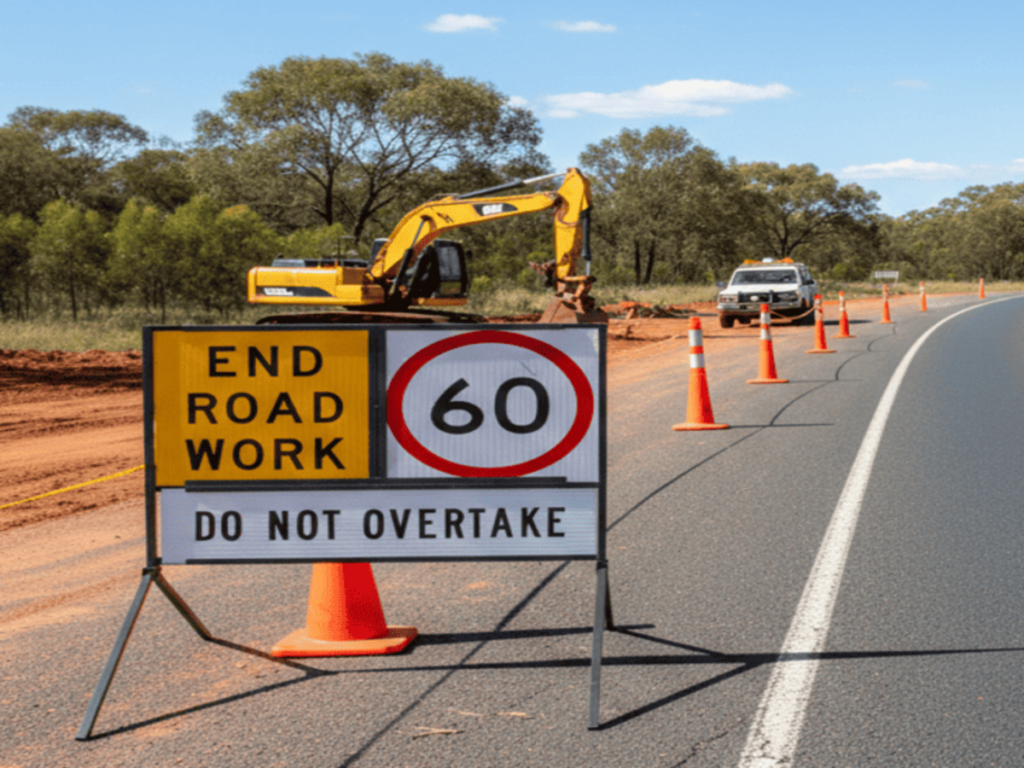
Sinais de trânsito reflexivos play a crucial role in improving night-time visibility for drivers. The evolution of reflective materials has helped ensure that road signs are easily visible under low-light conditions. No entanto, excessive brightness in some road signs can actually hinder drivers’ vision, making driving more dangerous rather than safer. This blog will explore the importance of managing road sign reflectivity, focusing on the challenges posed by overly bright signs and offering solutions to address this issue. Traffic management companies play a key role in balancing road safety and visibility by regulating and adjusting the reflectivity of road signs.
No OPTRÁFEGO, we understand the significance of proper sinal da estrada refletividade. As a leader in the traffic safety industry, we provide a range of reflective materials and solutions that help traffic management companies meet safety standards while minimizing the dangers posed by over-bright signs. By offering high-quality reflective products and custom solutions, we help optimize visibility and ensure that road signs serve their purpose without causing distraction or visual discomfort.
The Role of Retroreflective Road Signs in Night-Time Visibility
What is Retroreflection?
Retroreflective road signs use the principle of retroreflection to bounce light back toward the driver. When headlights hit these signs, the light is reflected back to the driver’s eyes. This mechanism significantly improves night-time visibility and helps ensure safety on the roads. Retroreflection is critical for making sure that road signs are visible even in dark conditions.
The Purpose of Reflective Road Signs
Sinais de trânsito reflexivos are designed to ensure that drivers can see them clearly in various lighting conditions, particularmente à noite. The technology behind reflective materials has evolved over time, from glass beads to modern microprismatic retroreflective technology. These advances have greatly enhanced the effectiveness of road signs in low-visibility environments.
When Reflectivity Becomes a Problem: The Dangers of Overly Bright Road Signs
Bright Signs as Distractions
Sinais de trânsito reflexivos are designed to improve visibility, particularmente à noite. No entanto, excessive brightness can create strong glare that distracts drivers, reducing their ability to focus on the road. Research by the Federal Highway Administration (Fhwa) has found that glare from overly bright signs, especially those made with modern retroreflective materials or flashing LEDs, significantly diminishes a driver’s ability to detect hazards and increases reaction times. This glare can divert attention from critical road features, such as pedestrians, ciclistas, ou outros veículos, aumentando a probabilidade de acidentes.
Por exemplo, a Texas A&M study showed that intense light from road signs scatters in the eye, reducing contrast and the distance at which drivers can see important objects, making it more difficult to react to sudden changes in the environment. The FHWA also notes that this issue is not limited to traditional reflective signs but extends to newer technologies like digital message boards and vehicle headlights as well.
The Problem of Visual Fatigue and Eye Strain
Extended exposure to excessively bright road signs can cause visual fatigue, which leads to discomfort and reduced focus on the road. Drivers exposed to high-intensity glare often experience difficulty adjusting their vision when transitioning from bright to darker areas, as highlighted by the American Academy of Ophthalmology. This strain can slow reaction times and impair decision-making, which is particularly dangerous in nighttime conditions when quick responses are essential.
The Institute of Public Works Engineering Australasia (IPWEA) highlights that older drivers are especially vulnerable to glare. Age-related changes in vision, such as decreased contrast sensitivity, mean older adults require more light to see clearly. No entanto, this does not mean they are immune to the effects of excessive brightness. Na verdade, excessive brightness can create discomfort and visual impairment for older drivers. The high intensity of road signs can overwhelm their reduced contrast sensitivity. This makes it harder for them to distinguish road features and react to hazards. For these drivers, bright signs can become a safety hazard rather than a help.
Nos Estados Unidos, the aging population of drivers further emphasizes the importance of addressing excessive road sign brightness. According to the National Institute on Aging (NIA), mais do que 40 million adults aged 65 and older hold a valid driver’s license. That number is expected to increase significantly over the coming decades. Motoristas mais velhos, particularly those with age-related vision changes, are more sensitive to glare. They also require more time to adjust to changes in light intensity.
Poor Road Visibility Due to Glare
Excessive reflection from road signs creates powerful glare, reducing a driver’s ability to distinguish critical road features like lane markings, pedestres, and oncoming traffic. This is particularly problematic in urban areas, where street lighting, combined with bright road signs, creates a confusing visual environment. The FHWA and ITE both note that this glare can be exacerbated by LED-enhanced road signs and digital message boards, which emit more intense light compared to traditional reflective signs.
Netizens have complained that drivers are unable to see pedestrians or cyclists at crosswalks due to the glare caused by overly bright signs. This issue becomes more pronounced at night or in conditions with reduced ambient light, making it difficult for drivers to safely navigate busy streets.
Reducing Brightness: Finding the Right Balance for Safety
Why Lowering Reflectivity is Necessary
Sinais de trânsito reflexivos are essential for improving visibility, especialmente à noite. No entanto, when signs are too bright, they can impair a driver’s vision and contribute to road safety issues. Overly bright signs can cause glare, distract drivers, and reduce their ability to detect hazards. Adjusting the brightness of road signs is therefore crucial. Properly managed reflectivity ensures that signs provide optimal visibility without causing distraction or visual discomfort for drivers. This balance is essential to maintaining safety on the roads.
Recommended Solutions to Control Reflectivity Levels
Traffic management companies should carefully select the reflectivity of materials based on the specific road environment and conditions. High-grade reflective materials may not always be the best choice, as excessive brightness can cause glare and impair driving. Por exemplo, ASTM Type III or IV sheeting (or similar lower-grade materials) is more appropriate for white and non-fluorescent yellow signs on low-volume roads, as it helps limit brightness while maintaining visibility. Em contraste, signs on highways require higher reflectivity for better visibility in dark conditions.
Adicionalmente, to improve road safety and reduce visual clutter, traffic management companies should avoid unnecessary signs. Fewer, well-placed signs help minimize glare and prevent drivers from becoming desensitized to signage, ensuring each sign remains effective without causing distractions.
Traffic management companies should consult with road sign manufacturers when purchasing signs, as the choice of reflective material should be based on the specific needs of each road environment. By working with sign manufacturers who understand the balance between visibility and glare, traffic safety can be optimized without compromising driver comfort or road safety. If you’d like to learn more about selecting the best reflective materials for traffic signs, Sinta -se à vontade para navegar no nosso blog, Como selecionar os melhores materiais reflexivos para sinais de trânsito.
Soluções tecnológicas: Innovation in Road Sign Materials and Design
New Innovations in Reflective Materials
Recent innovations in reflective materials have led to the development of films that reflect light at lower intensities, reducing glare while maintaining high visibility. Smart reflective materials are also being introduced. These materials automatically adjust their reflectivity based on the surrounding lighting conditions, helping maintain optimal visibility for drivers.
Smart and Adaptive Road Signs
Smart road signs are an emerging technology in traffic safety. These signs can automatically adjust their brightness in response to external factors such as ambient light and vehicle speed. Using sensors and LED technology, dynamic road signs can change their reflectivity in real-time, providing a safer and more comfortable driving experience at night.
The Regulatory and Safety Considerations
Current Regulations for Road Sign Reflectivity
The United States Manual on Uniform Traffic Control Devices (MUTCD) sets standards for the reflectivity of road signs. These regulations ensure that road signs provide sufficient visibility while minimizing risks caused by excessive brightness. Traffic management companies must follow these guidelines when selecting and maintaining road signs.
How New Standards Can Address Over-Reflectivity
To better address the issue of overly bright signs, new standards could be introduced to regulate the brightness of road signs based on road types and traffic conditions. Traffic management companies should adjust the brightness of reflective materials in line with these standards to maintain a balance between safety and comfort.
Conclusão: Striking a Balance Between Safety and Comfort
Excessively bright sinais de trânsito reflexivos can pose significant risks to drivers, including distractions, visual fatigue, and impaired judgment. Lowering the brightness of these signs is essential to improve road safety without compromising visibility. Traffic management companies play a vital role in ensuring that road sign reflectivity is properly regulated. By embracing new technologies and adhering to updated standards, we can create safer and more comfortable driving environments. The future of road sign technology will focus on providing drivers with a balance of optimal visibility and reduced glare, ultimately enhancing road safety at night.