
Introdução: A realidade espacial de um sinal lento
Muitos motoristas veem um sinal lento como uma simples sugestão de velocidade. No entanto, engenheiros de tráfego tratam este sinal como um limite físico crítico. Todo sinal lento representa um buffer calculado para a desaceleração do veículo.
Tráfego óptico prioriza a precisão técnica em todas as infraestruturas de segurança rodoviária. Reconhecemos que a sinalização eficaz determina o comportamento do condutor através da física. Este artigo explora a relação entre velocidade, percepção, e distância de frenagem. A compreensão desses fatores garante proteção máxima para o pessoal da zona de trabalho e motoristas.
As regulamentações regionais determinam o desenho exato destas fronteiras críticas em todo o mundo. Compare os padrões internacionais em nosso Guia de Conformidade Global: Engenharia de sinais de trânsito lento além das fronteiras.
Engenharia Estratégica do Sinal de Trânsito Lento
A colocação de um sinal de trânsito lento determina a segurança de um canteiro de obras. Engenheiros devem calcular o ponto exato para detecção inicial do motorista. Esse “Distância de detecção” permite que o cérebro processe as próximas mudanças nas estradas.
A área de aviso prévio
O primeiro sinal de trânsito lento deve aparecer bem antes do perigo real. Este posicionamento leva em conta o Tempo de Percepção-Resposta (PRT) do motorista médio. Os benchmarks padrão definem este PRT em aproximadamente 2.5 segundos. Em velocidades de rodovia, um veículo percorre distâncias significativas durante esta fase de processamento mental.
Zonas de transição e buffer
Gestores de segurança usam o sinal de trânsito lento para canalizar o fluxo de tráfego. Movimentos bruscos em altas velocidades causam instabilidade do veículo. Portanto, o espaço tampão longitudinal atua como uma rede de segurança invisível.
Tráfego óptico segue a Tabela 6C-2 do MUTCD para determinar comprimentos precisos de buffer. Para um 60 zona de trabalho mph, recomendamos um amortecedor longitudinal de 450 pés. Esta distância fornece uma zona crítica de recuperação para motoristas distraídos. Este espaço deve permanecer vazio de todos os equipamentos e pessoal. O espaçamento adequado reduz fatalidades na zona de trabalho, fornecendo uma margem de erro essencial.
O fator humano e o sinal de lentidão no trânsito
O cérebro humano experimenta um atraso biológico ao ver um sinal de trânsito lento. Este atraso inclui detecção, reconhecimento, e reação física.
Processando estímulos visuais
As cores de alto contraste de um sinal lento acionar o nervo óptico. No entanto, o driver ainda deve interpretar o comando específico. Fatores como brilho ou fadiga podem prolongar esse tempo de processamento. Consequentemente, o sinal deve se destacar contra fundos visuais complexos.
Lacunas de velocidade e reação
A velocidade reduz drasticamente o tempo disponível para reação do motorista. No 65 km/h, um veículo cobre 95 pés a cada segundo. Um atraso de três segundos significa que o carro viaja 285 pés antes de frear. Portanto, todo sinal de trânsito lento deve oferecer tempo suficiente para preencher essa lacuna.
A Física da Desaceleração e o Sinal Lento
A desaceleração requer dissipação significativa de energia. UM sinal lento inicia este processo alertando o motorista para reduzir a energia cinética. Os engenheiros usam fórmulas específicas para determinar a distância de frenagem necessária para vários pesos de veículos.
Energia Cinética e Força de Frenagem
A energia cinética aumenta com o quadrado da velocidade do veículo. Dobrar a velocidade quadruplica a energia que os freios devem absorver. Portanto, um sinal lento em uma abordagem de alta velocidade requer uma distância de limpeza muito maior. A Optraffic projeta sinalização para dar conta dessas forças físicas exponenciais.
O coeficiente de atrito
As condições da superfície da estrada determinam a eficácia com que um veículo responde a uma sinal lento. Chuva, gelo, ou cascalho solto reduzem o coeficiente de atrito. Nessas condições, os pneus perdem aderência mais facilmente durante travagens bruscas. Consequentemente, os encarregados do local devem mover o sinal de trânsito lento mais a montante durante o mau tempo.
Ciência dos Materiais: Garantindo a conspicuidade do sinal lento
A visibilidade impacta diretamente “significado” de sinalização de trânsito lento. Se um motorista não consegue ver a placa, o protocolo de segurança falha. Materiais de alta qualidade garantem que o sinal permaneça visível sob todas as condições de iluminação.
Padrões de retrorefletividade
Optraffic utiliza folhas retrorrefletivas avançadas para cada sinal de trânsito lento. Nós seguimos ASTM padrões para garantir o máximo retorno de luz. A tecnologia microprismática direciona a luz de volta aos olhos do motorista, em vez de espalhá-la. Esta tecnologia amplia a distância de detecção em várias centenas de metros à noite.
Entenda a engenharia por trás desses benchmarks de segurança visual. Leia nossa análise detalhada: A ciência por trás da retroreflectividade e seu papel na visibilidade dos sinais de rodovias.
Angularidade e ângulos de observação
O ângulo da estrada afeta como a luz atinge um sinal lento. Sinais colocados em curvas exigem desempenho de angularidade superior. Nossa equipe de engenharia garante que o sinal de trânsito lento permanece brilhante em ângulos de aproximação agudos. Esta precisão evita “apagão de sinal” durante manobras críticas.
Variáveis ambientais que afetam a sinalização lenta
O ambiente circundante pode degradar a eficácia do sinalização de trânsito lento. Fatores externos muitas vezes competem pela atenção limitada do motorista.
Superando a desordem visual
Os ambientes urbanos contêm muitas luzes e outdoors que distraem. Um padrão sinal lento pode facilmente desaparecer neste “ruído visual.” Para combater isso, Optraffic recomenda o uso de suportes fluorescentes. Esses materiais brilham sob luz UV para proporcionar contraste superior em centros urbanos movimentados.
O impacto do clima na legibilidade dos sinais
Nevoeiro e neve pesada atuam como barreiras físicas à luz. Estas condições encurtam o alcance efetivo de qualquer sinal de trânsito lento. Usando maior, sinais de alta intensidade ajudam a penetrar nessas obstruções atmosféricas. A manutenção regular também evita que o acúmulo de sujeira neutralize as propriedades reflexivas da sinalização..
Conformidade e responsabilidade pelo sinal de trânsito lento
A colocação inadequada de sinalização cria riscos legais significativos para os empreiteiros. Um extraviado sinalização de trânsito lento pode levar a acidentes catastróficos. Órgãos reguladores como o Fhwa e OSHA impor mandatos de colocação estritos.
Cumprindo Mandatos Federais
Todo sinal de trânsito deve cumprir MUTCD requisitos de altura e tamanho. Esses padrões garantem uniformidade em diferentes jurisdições. A uniformidade ajuda os motoristas a reconhecer e obedecer comandos instantaneamente. O não cumprimento desses padrões geralmente resulta em multas pesadas durante as inspeções no local.
Documentando Protocolos de Segurança
Os encarregados do local devem registrar a localização exata de cada sinal. Esses registros fornecem evidências vitais de defesa durante o litígio. Registros detalhados comprovam que a empresa priorizou a segurança pública e dos trabalhadores. A Optraffic apoia esses esforços fornecendo hardware que atende aos padrões de conformidade globais.
Integração digital: O futuro do sinal lento
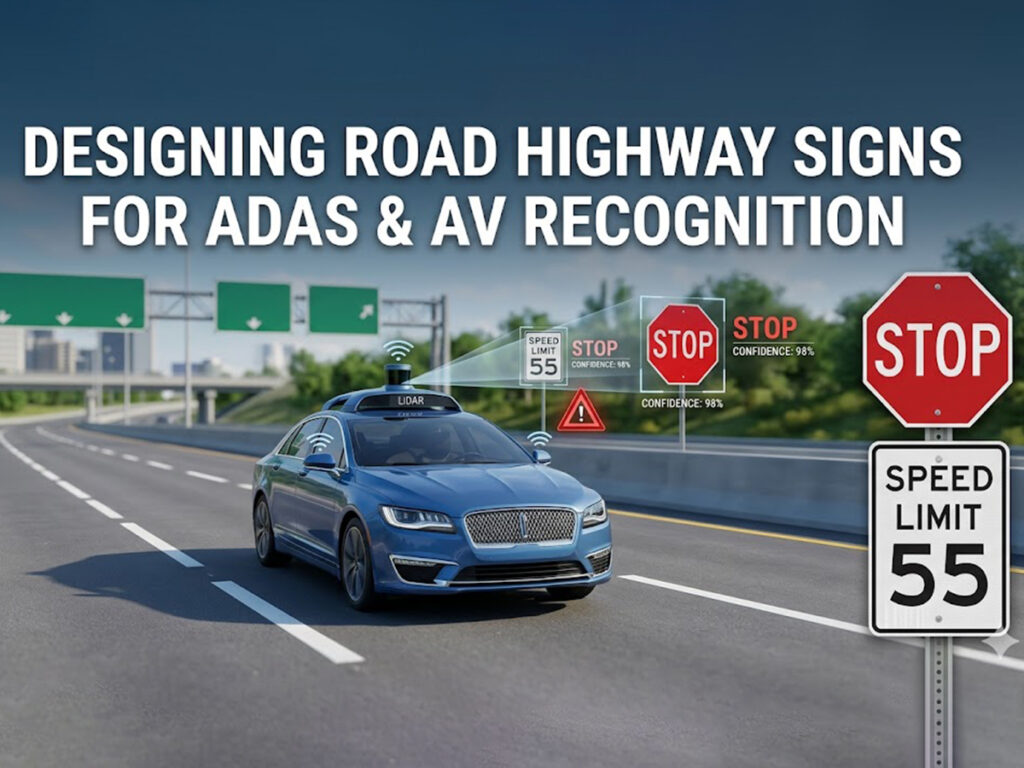
A tecnologia está transformando a sinalização de trânsito tradicional em um terminal de dados ativo. Sinais estáticos estão evoluindo para sistemas inteligentes. Esses sistemas se comunicam diretamente com sensores de veículos modernos.
Feedback do radar e comportamento do motorista
Sensores de radar integrados melhoram a eficácia de um sinal lento. Esses sensores exibem a velocidade atual do motorista em tempo real. Este ciclo de feedback imediato desencadeia um desejo natural de desacelerar. Estudos mostram que o feedback dinâmico reduz as velocidades médias de forma mais eficaz do que os sinais metálicos estáticos.
V2X e infraestrutura conectada
A próxima geração do sinal de trânsito lento inclui V2x conectividade. Esses sinais transmitem “Lento” comandos para sistemas de computador integrados. Isso garante que mesmo motoristas distraídos recebam um alerta dentro da cabine. A Optraffic lidera esta transição integrando conectividade inteligente em nossos produtos de segurança.
Conclusão: Projetando uma trajetória mais segura
UM sinal lento é mais do que um pedaço de alumínio e filme reflexivo. É uma ferramenta precisa baseada nas leis da física. O posicionamento correto leva em conta os limites biológicos humanos e o poder de frenagem mecânica.
A Optraffic continua dedicada a promover a segurança rodoviária através da excelência técnica. Fornecemos o equipamento necessário para gerenciar ambientes de tráfego complexos. Compreender a ciência por trás do sinal de trânsito lento salva vidas. Cada centímetro de distância de frenagem é importante em uma zona de trabalho de alto risco.
Perguntas frequentes
UM sinal de trânsito lento atua como uma ferramenta regulatória ou de alerta crítica. Ele instrui os motoristas a reduzirem sua velocidade atual imediatamente. Este sinal aparece frequentemente perto de escolas, zonas de trabalho, ou curvas nítidas. A Optraffic projeta esses sinais usando materiais reflexivos de alta intensidade. Isso garante que o comando permaneça visível a longas distâncias.
O objetivo principal do sinal de desaceleração é gerenciar a energia cinética. Velocidades mais baixas reduzem significativamente a distância necessária para uma parada completa. Isto protege os trabalhadores rodoviários e evita colisões de alta velocidade em zonas de transição. Adicionalmente, esses sinais alertam os motoristas sobre perigos ocultos ou mudanças nas condições da estrada à frente.
Condições climáticas extremas, como neblina ou chuva forte, reduzem a legibilidade dos sinais. Estas condições bloqueiam fisicamente o retorno da luz aos olhos do motorista. Usar letreiros maiores ou fundos fluorescentes ajuda a superar essas barreiras atmosféricas. A manutenção regular também evita que a sujeira obscureça a superfície reflexiva crítica.