A segurança nas travessias ferroviárias continua sendo uma prioridade para encarregados e engenheiros de obra. Este guia explora sinais essenciais de travessia ferroviária e protocolos de segurança de direção. Sinalização eficaz evita acidentes catastróficos em cruzamentos de alto risco. Dados recentes mostram que o Texas e a Califórnia lideram o país em colisões em travessias ferroviárias.
| Classificação | Estado | Colisões | Mortes | Ferimentos |
| 1 | Texas | 283 | 20 | 81 |
| 2 | Califórnia | 185 | 49 | 49 |
| 3 | Flórida | 125 | 25 | 60 |
A Optraffic fabrica produtos de alta qualidade, durável Sinais de trânsito para ambientes ferroviários complexos. Projetamos cada sinalização para travessias ferroviárias para atender aos rígidos padrões de segurança internacionais. Nossos sinais de trânsito personalizados garantem uma comunicação clara em zonas de alto risco. Os gerentes de compras confiam na Optraffic para soluções confiáveis de sinalização de travessias ferroviárias. Contate-nos hoje para proteger seu local com kits e placas de montagem profissionais.
Tipos de travessias ferroviárias
Os gerentes de compras categorizam os cruzamentos ferroviários em dois grupos principais. Consistem em interseções controladas e não controladas. Cada ambiente apresenta desafios de segurança únicos para motoristas e pedestres. A segurança do local melhora quando você seleciona os sinais corretos de cruzamento de ferrovia.
Travessias Controladas
As travessias controladas utilizam dispositivos de alerta ativos para aumentar a segurança do local. Esses sistemas incluem luzes intermitentes, Portões, e sinos de alerta sonoros. As autoridades referem-se a estes como “controles ativos”. As movimentadas travessias ferroviárias industriais priorizam esses sistemas de alta visibilidade.
Para a ponta: Engenheiros Optraffic duráveis sinalização para suportar ambientes ferroviários pesados.
A tabela abaixo mostra quantas colisões acontecem em cada tipo de cruzamento:
| Tipo de cruzamento | Porcentagem de colisão |
| Controles ativos | 62% |
| Controles Passivos | 28% |
| Sem sinais | 10% |
Travessias Não Controladas
Travessias não controladas, ou travessias passivas, falta de dispositivos de alerta eletrônicos ativos. Em vez de, esses sites dependem sinais passivos como crossbucks. Os motoristas devem procurar e ouvir os trens antes de cruzar os trilhos. As áreas rurais apresentam frequentemente estes cruzamentos passivos de alto risco.
- Os EUA mantêm mais 130,000 travessias passivas em todo o país.
- Cerca de metade de todas as travessias ferroviárias permanecem sem controle.
- Sinais de trânsito personalizados aumentar a visibilidade nesses locais remotos.
Sinais de cruzamento ferroviário
Profissional sinais de cruzamento ferroviário prevenir acidentes e salvar vidas. Os engenheiros de tráfego os categorizam em sistemas ativos e passivos. Cada sinal para travessia ferroviária fornece instruções claras aos motoristas. A seleção de materiais de alta qualidade garante visibilidade a longo prazo em locais industriais.
Sinal de aviso prévio para travessia ferroviária
O sinal de aviso prévio serve como alerta principal para motoristas. Esta rodada, sinal amarelo apresenta um “X” preto e duas letras “R”. Ele ordena que os motoristas diminuam a velocidade, olhar, e ouvir trens. Os capatazes do local instalam estes sinalização unidades bem antes das faixas reais.
- Alta visibilidade: Ofertas de tráfego Sinais de LED para melhor visibilidade noturna.
- Durabilidade: Nossos sinais suportam condições climáticas adversas em zonas ferroviárias de alta velocidade.
- Integração: Movido a energia solar Sinais de LED conecte-se facilmente a sistemas ferroviários existentes.
Sinal de Crossbuck
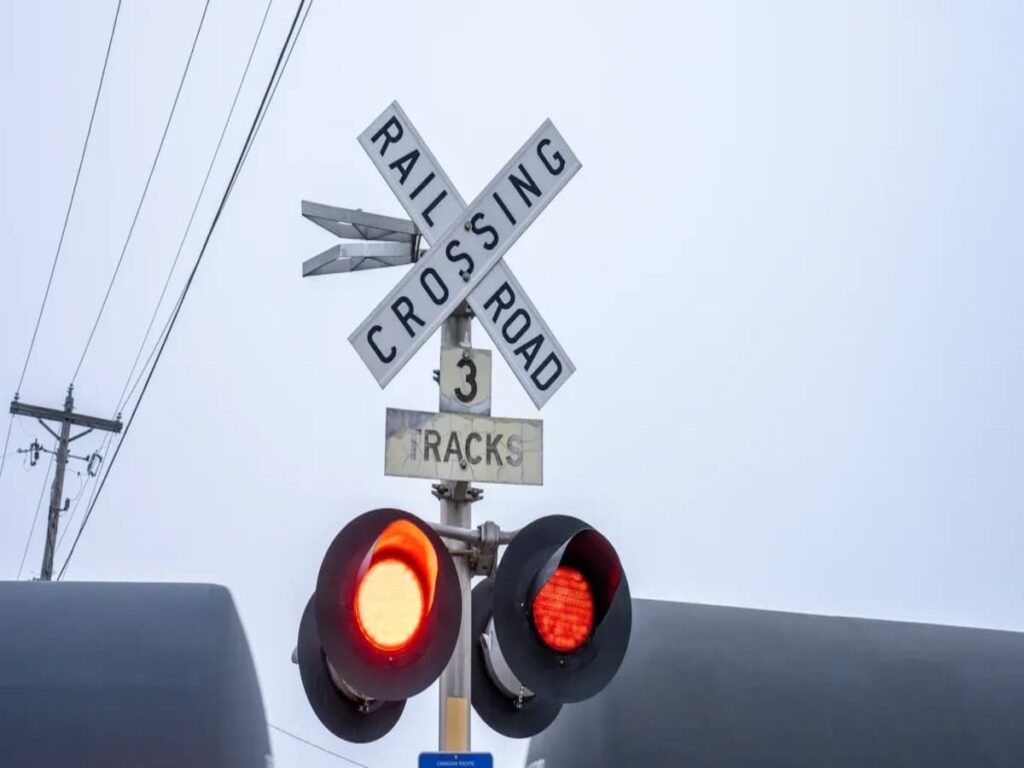
O sinal de crossbuck marca a localização exata do cruzamento ferroviário. Este “X” branco apresenta as palavras “RAILROAD CROSSING” em negrito preto. Os sinais de trânsito modernos devem cumprir os padrões MUTCD para todas as passagens públicas. As empresas ferroviárias mantêm esses ativos de sinalização para limitar a responsabilidade legal.
- Requisito legal: Todas as passagens públicas devem exibir uma placa de crossbuck.
- Manutenção: As autoridades ferroviárias gerenciam a manutenção desses sinais.
- Regra do motorista: Os motoristas devem ceder o direito de passagem a cada crossbuck.
Nenhum sinal de buzina de trem & Baixa distância ao solo
Zonas tranquilas exigem sem sinais de buzina de trem para a segurança da comunidade. Os trens não tocam buzinas nessas zonas, exceto durante emergências. Os motoristas devem permanecer alertas extras sem esses avisos sonoros.
Sinais de baixa distância ao solo evitar que caminhões pesados fiquem parados nos trilhos. Esse sinal para travessia ferroviária (W10-5) protege reboques e ônibus.
- Reboques de trator: Alto risco de travar em pistas irregulares.
- Ônibus: Veículos grandes exigem espaço extra para uma passagem segura.
- Trailers Pessoais: RVs com baixa folga devem verificar as inclinações antes de cruzar.
Sinais de cruzamento ferroviário
Luzes piscantes
Luzes piscantes são principal alerta em cruzamentos ferroviários. Essas luzes acendem quando um trem está chegando. O sistema verifica a velocidade e localização do trem. Acende as luzes para alertar motoristas e pessoas que caminham. Os sinos geralmente tocam ao mesmo tempo que as luzes. Isso ajuda as pessoas que não veem as luzes. Luzes piscantes e sinos ajudam a manter todos seguros perto dos trilhos.
Portões e Barreiras
Portões e barreiras bloqueiam a estrada quando um trem está próximo. Os braços do portão abaixam para mostrar os carros e as pessoas devem parar. Muitas travessias movimentadas usam luzes e portões juntos para maior segurança. Canteiros elevados e muros de barreira impedem os motoristas de contornar os portões. Grandes ferrovias adicionaram portões extras para carros e pedestres para tornar as travessias mais seguras. Nos Estados Unidos, a maioria dos cruzamentos ferroviários não tem portões. Isso torna os acidentes mais prováveis. Portões ajudam a diminuir acidentes e proteger as pessoas.
Sinos de alerta
Sinos de alerta tocam com as luzes e portões nos cruzamentos. Os sinos tocam quando um trem está chegando. O som é alto o suficiente para que todos possam ouvir. Sinos e sirenes ajudam pessoas que não veem as luzes. Os sinos param depois que o trem passa e é seguro atravessar.
Sistema de Notificação de Emergência (ENS)
O Sistema de Notificação de Emergência fornece detalhes de contato de emergência em cada travessia. Cada placa ENS mostra o número de telefone de emergência da ferrovia. Também mostra o Número do Inventário da Travessia Nacional. Este número ajuda os trabalhadores de emergência a encontrar a travessia rapidamente. O ENS permite que qualquer pessoa relate problemas ou emergências rapidamente. Isso torna mais fácil obter ajuda imediatamente.
Práticas de segurança em travessias ferroviárias
Aproximando-se da travessia
Os motoristas devem ter cuidado perto de um cruzamento ferroviário. Primeiro, desacelerar e preparar -se para parar. Olhe para os dois lados em busca de um trem. Ouça apitos ou sinos de alerta. Desligue o rádio e abra a janela para ouvir melhor. Não envie mensagens de texto nem use fones de ouvido. Isso pode fazer você perder sinais importantes.
- Diminua a velocidade ao se aproximar do cruzamento.
- Atravesse apenas em locais marcados para cruzamentos ferroviários.
- Cuidado com as luzes piscando, sinos, ou portões.
- Teste seus freios para ter certeza de que você pode parar.
- Vá devagar o suficiente para parar se um trem chegar.
Dica: A educação em segurança ferroviária diz que os trens podem chegar mais rápido do que parecem. Sempre pense que um trem pode estar chegando em cada cruzamento.
Parando e olhando
Quando você chegar ao cruzamento, parar e olhar é muito importante. Pare pelo menos 15 pés dos trilhos se você vir luzes piscando, portões para baixo, ou um trem chegando. Nunca pare seu carro nos trilhos. Se você deve parar, certifique-se de que seu carro não esteja nos trilhos.
- Livre-se das distrações e desligue o rádio.
- Procure trens nos dois sentidos, mesmo que os portões estejam abertos.
- Espere que os portões subam totalmente e as luzes parem antes de ir.
- Nunca passe por portões ou tente vencer um trem.
- Sempre verifique se há outro trem antes de cruzar.
Uma tabela abaixo mostra até onde você deve parar:
| Situação | Distância Mínima de Parada |
|---|---|
| Luzes piscantes ou portões abaixados | 15 pés |
| Trem se aproximando visível | 15 pés |
| Sem sinais, mas com trilhas presentes | 15 pés |
Alerta: Os trens são mais largos que os trilhos. Pare sempre antes das pistas para se manter seguro.
Cruzando com Segurança
Para atravessar com segurança, preste muita atenção e seja paciente. Não mude de marcha enquanto estiver nas pistas. Isso ajuda você a evitar travamentos. Mantenha espaço entre o seu carro e o da frente. Isso evita que você fique preso nos trilhos. Sempre siga os sinais de trânsito. Espere que os portões subam e as luzes parem antes de se mover.
- Certifique-se de que haja espaço suficiente para atravessar antes de começar.
- Preste atenção nas pessoas andando ou andando de bicicleta pelos trilhos.
- Tenha cuidado ao virar perto de cruzamentos ferroviários.
- Cuidado com outros carros, ônibus, ou caminhões que podem parar primeiro.
- Se você não consegue ver bem, seja extremamente cuidadoso e use a educação em segurança ferroviária para ajudá-lo a decidir.
Se o seu carro parar nos trilhos, saia imediatamente. Afaste-se em um ângulo de 45 graus em direção à direção do trem. Isso mantém você mais seguro contra detritos voadores se houver um acidente.
Depois da travessia
Depois de cruzar os trilhos, continue prestando atenção. Não pare ou estacione nos trilhos ou perto deles. Verifique seus espelhos para ter certeza de que seu carro está fora do cruzamento. Se os portões começarem a cair depois que você começar a atravessar, continue. É mais seguro quebrar o portão do que parar.
- Fique alerta aos sinais de que outro trem está chegando.
- Nunca volte para os trilhos.
- Compartilhe a educação sobre segurança ferroviária com outras pessoas para ajudar a manter todos seguros.
Observação: Aprender sobre segurança em travessias ferroviárias ajuda a impedir acidentes e salva vidas. Cada motorista ajuda a tornar as estradas mais seguras.
Procedimentos de segurança de emergência
Um veículo parado nos trilhos da ferrovia cria um perigo crítico. Reboques com baixa distância ao solo muitas vezes ficam presos em travessias irregulares. Os motoristas devem agir rápido para evitar uma colisão catastrófica. O Administração Federal Ferroviária relaciona muitos acidentes a travamentos de veículos.
- Evacue imediatamente: Deixe o veículo imediatamente se ele parar.
- Mova-se em um ângulo: Corra em um ângulo de 45 graus em direção à direção do trem.
- Localize o sinal ENS: Encontre o azul sinal para travessia ferroviária próximo.
- Peça ajuda: Use o número de emergência no Sinal ENS imediatamente.
Considerações Especiais de Segurança
Caminhões e Veículos Grandes
Motoristas de caminhões e veículos de grande porte têm problemas especiais em cruzamentos ferroviários. Esses veículos precisam de espaço e tempo extra para parar. Os motoristas devem ficar atentos aos sinais de alerta prévio. Eles devem ter certeza de que conseguem ver a travessia claramente. Sinais de alerta ajudam os motoristas a se prepararem mais cedo. Os sinais devem dar tempo suficiente para os caminhões pararem antes da chegada do trem. Colinas perto dos trilhos podem dificultar a travessia de veículos grandes.
| Consideração de segurança | Descrição |
|---|---|
| Distâncias de visão mais longas | Veículos grandes precisam de visibilidade clara nos cruzamentos. |
| Sinais de aviso prévio | Placas devem alertar os motoristas com antecedência. |
| Tempo de aviso para sinais | Os sinais devem dar tempo suficiente para parar com segurança. |
| Notas de aproximação e partida | As notas devem permitir uma travessia segura. |
| Área de armazenamento | Espaço entre pistas e cruzamentos evita que veículos fiquem presos. |
| Rotas de materiais perigosos | Caminhões com materiais perigosos devem utilizar travessias com segurança extra. |
| Educação do motorista | Programas de treinamento melhoram a conscientização sobre segurança. |
Ônibus escolares e veículos perigosos
Ônibus escolares e caminhões com materiais perigosos devem seguir regras rígidas nos cruzamentos ferroviários. Os motoristas têm que parar em todos os cruzamentos, a menos que os sinais indiquem que é seguro passar. Cada estado tem suas próprias regras, mas a maioria diz que os motoristas devem abrir a porta e olhar para os dois lados antes de atravessar.
| Tipo de regulamento | Descrição |
|---|---|
| Ônibus escolares | Deve parar em todos os cruzamentos, a menos que os sinais mostrem que é seguro. |
| Veículos perigosos | Deve parar nos cruzamentos, exibir cartazes, e ter um CDL com um ‘H’ endosso. |
- Caminhões com materiais perigosos precisam de cartazes em forma de diamante.
- Os motoristas devem ter um CDL com ‘H’ endosso.
- Os motoristas devem passar por um teste sobre regras de materiais perigosos.
Segurança de pedestres
Os pedestres devem permanecer alertas perto de todas as vias ativas e passivas. Sempre atravesse em locais públicos com os devidos sinalização, luzes, ou portões. Nunca ande pelos trilhos ou ignore os sinais vermelhos piscantes.
- Olhe para os dois lados: Sempre presuma que um trem pode chegar a qualquer momento.
- Cruz em linha reta: Bicicletas e carrinhos de bebê devem cruzar os trilhos em um ângulo de 90 graus.
- Aguarde a liberação: Certifique-se de que nenhum segundo trem chegue depois que o primeiro passar.
Eficaz sinais de cruzamento ferroviário são essenciais para a conformidade e segurança do local. Os gerentes de compras devem priorizar a alta qualidade sinalização para proteger trabalhadores e motoristas. Optraffic fornece profissional soluções de controle de tráfego para projetos ferroviários globais.
Explorar nosso Como os sinais de segurança no trânsito ajudam a reforçar zonas tranquilas blog para mais informações. Contate a Optraffic hoje para personalizar kits de montagem e durável Sinais.
Perguntas frequentes
O que os motoristas devem fazer se virem um trem se aproximando de um cruzamento?
Os motoristas devem parar pelo menos 15 pés dos trilhos. Eles devem esperar até que o trem passe e todos os sinais parem antes de cruzar. A segurança está em primeiro lugar em cada travessia.
Quais são os diferentes tipos de travessias ferroviárias?
Existem dois tipos principais de travessias ferroviárias: travessias descontroladas e travessias controladas. As travessias não controladas têm apenas sinalização básica para alertar os maquinistas sobre a aproximação de um trem. Travessias controladas, por outro lado, ter medidas de segurança adicionais, como luzes piscantes, Portões, e sinais sonoros para ajudar a regular o trânsito e garantir uma travessia segura. O tipo de travessia depende do volume de tráfego e da velocidade dos trens na área.
Qual é a placa de cruzamento de ferrovia?
O sinal padrão para um cruzamento ferroviário é um sinal de crossbuck, que parece um “X” com as palavras “CRUZAMENTO DE LINHA FÉRREA” escrito nele. Este sinal é normalmente colocado perto dos trilhos para alertar os motoristas sobre a possibilidade de trens. Em cruzamentos com maior tráfego ou em locais mais perigosos, sinais adicionais, como luzes piscando, Portões, e luzes de advertência pode ser usado para segurança extra.
Qual é a diferença entre os dois sinais de cruzamento ferroviário?
A diferença entre os dois sinais de cruzamento ferroviário normalmente reside na sua função. O sinal de crossbuck serve como um aviso geral de uma travessia, enquanto sinais adicionais, como luzes piscando ou Portões oferecer mais específico, avisos ativos quando um trem está se aproximando. O sinal crossbuck é passivo, simplesmente informando os motoristas sobre a travessia, enquanto as luzes piscantes e os portões são sinais ativos que ajudam a controlar o tráfego e a prevenir acidentes, parando os veículos antes da passagem do trem.
Ao se aproximar de um cruzamento ferroviário, você deve procurar o que?
Ao se aproximar de um cruzamento ferroviário, você deve procurar trens e sinais. Sempre verifique se há algum luzes piscando, Portões, ou sinais de crossbuck, que indicam a presença de uma travessia ativa. Olhe para os dois lados para garantir que nenhum trem esteja se aproximando, e esteja atento a quaisquer sons ou sinais que possam alertá-lo sobre a chegada de um trem. Pare sempre se os portões estiverem abaixados ou se as luzes estiverem piscando, e nunca tente atravessar até que seja seguro fazê-lo.