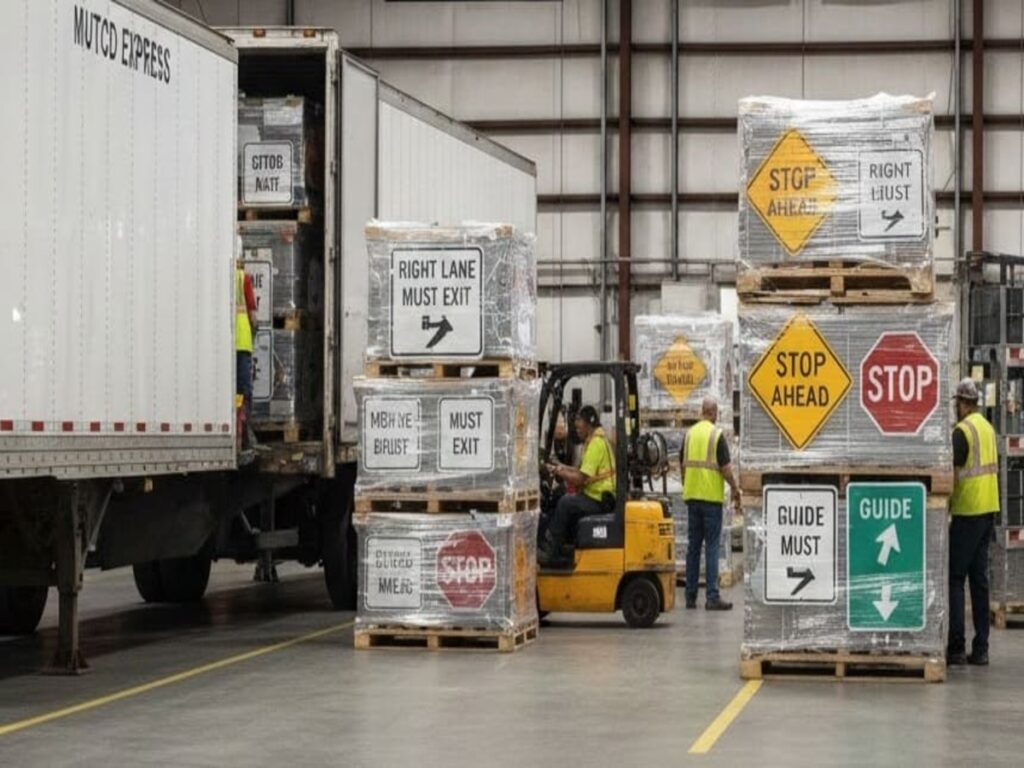
Quando o tempo está apertado e a segurança no trânsito está em jogo, fornecedores de sinalização rodoviária deve enfrentar vários desafios logísticos para entregar o necessário 400 Sinais compatíveis com MUTCD dentro de três semanas. Este cronograma apertado levanta questões importantes sobre as capacidades de produção, gerenciamento de estoque, logística de transporte, e o risco de danos durante o transporte. Este blog explorará como os fornecedores podem atender a essas demandas e garantir entregas oportunas, entrega de sinalização rodoviária de qualidade.
Compreendendo a capacidade de produção do fornecedor de sinalização rodoviária
O primeiro fator crucial para cumprir o prazo de três semanas é compreender a capacidade de produção do fornecedor. Quantos sinais eles podem produzir em um determinado período de tempo? Isso depende de vários fatores, como disponibilidade da máquina, turnos de trabalho, e a capacidade operacional geral do fornecedor.
Fatores-chave que influenciam a capacidade de produção
- Disponibilidade da máquina e taxas de produtividade.
- Turnos trabalhistas: O fornecedor pode aumentar o horário de turno para cumprir o prazo?
- Flexibilidade operacional: O fornecedor pode ajustar seus processos para cumprir cronogramas apertados??
Um fornecedor respeitável de sinalização rodoviária deve ter um processo de produção robusto em funcionamento. A flexibilidade dos seus turnos e se podem aumentar a produção para cumprir prazos apertados é uma consideração importante. Se o fornecedor operar em vários turnos, fica mais fácil acelerar a produção e garantir que o trabalho seja feito no prazo.
Para quem procura parceria com fornecedores confiáveis que possam cumprir prazos rigorosos, vale a pena considerar os principais fabricantes do mundo. Descubra os líderes da indústria em sinais de trânsito rodoviário e suas capacidades de produção em nosso blog no Principal 10 Fabricantes de sinais de trânsito rodoviário no mundo 2026.
Envio Parcial e Sequenciamento
Para cumprir ainda mais os prazos, envio parcial pode ser uma solução eficaz. Isso envolve o envio de uma parte do 400 sinais em fases, muitas vezes com base em sua sequência de instalação.
Por que o envio parcial é benéfico
- Cumprindo os prazos do projeto priorizando os sinais mais urgentes.
- Sequenciamento otimizado garante que os sinais sejam entregues conforme necessário para a instalação.
Por exemplo, se os sinais precisarem ser colocados em locais diferentes, um fornecedor pode enviar na sequência do corredor, enviando primeiro os sinais mais urgentes ou específicos do local. Por aqui, não se perde tempo esperando que todo o pedido chegue, e os prazos do projeto ainda são cumpridos.
Embalagem pré-embarque e controle de qualidade (Controle de qualidade) Passos
Uma das principais preocupações ao manusear sinais de trânsito é a embalagem. Dado o tamanho e os materiais utilizados para sinais compatíveis com MUTCD, a embalagem adequada garante que os sinais estejam protegidos contra danos durante o transporte.
Especificações de embalagem
- Durabilidade: Os materiais devem suportar os rigores do transporte.
- Proteção: Métodos de amortecimento e envolvimento para evitar danos.
- Rotulagem: Instruções claras de manuseio, como “frágil” ou “manusear com cuidado,” para evitar manuseio incorreto.
Um bom rfornecedor de sinalização oad deve ter um rigoroso controle de qualidade (Controle de qualidade) processo em vigor antes do envio. Isto envolve inspecionar cada sinal para garantir a conformidade com os padrões MUTCD, verificação de defeitos, e certificando-se de que os materiais e cores corretos sejam usados.
Logística: Transportadoras e tempos de trânsito
Após a produção, a logística desempenha um papel significativo para garantir que os sinais sejam entregues no prazo. Os fornecedores devem trabalhar com transportadoras confiáveis para lidar com a entrega. Seja através de serviços de frete padrão, envio rápido, ou uma combinação de ambos, escolher a operadora certa é essencial para velocidade e economia.
Selecionando a operadora certa
- Opções de operadora: FedEx, UPS, serviços de frete, ou outros.
- Cronogramas de trânsito: Com que rapidez eles podem entregar em sua localização?
- Custo versus. velocidade: Equilibrando urgência com orçamento.
Diferentes transportadoras oferecem diferentes tempos de trânsito, e é importante selecionar aqueles que entregarão no prazo. Ao trabalhar com um fornecedor de sinalização rodoviária, peça detalhes sobre as opções de transportadora disponíveis e os tempos de trânsito esperados para seu CEP específico.
Por ter uma compreensão sólida dos tempos de trânsito, tanto o fornecedor quanto o cliente podem planejar e gerenciar melhor as expectativas.
Gerenciando prazos de entrega e SLAs
No mundo da segurança no trânsito, evitar riscos de cronograma é crucial. Um fornecedor confiável deve fornecer Acordos de Nível de Serviço (SLAs) definir os termos de entrega e garantir a prestação de contas.
Como os SLAs ajudam a mitigar riscos
- Confirmando a disponibilidade do inventário para evitar rupturas de estoque.
- Definir cronogramas claros para fabricação e envio.
- Garantir a responsabilidade do fornecedor com prazos acordados.
Confirmar a disponibilidade do estoque antecipadamente ajuda a evitar atrasos, garantindo que o fornecedor possa atender o pedido sem rupturas de estoque ou compras de última hora. Também é importante estabelecer prazos claros para fabricação e envio – isso garante que o projeto será concluído no prazo.
Preocupações Centrais e Comportamentos Típicos
Apesar do melhor planejamento, existem preocupações centrais que muitas vezes surgem em tais projetos urgentes. Problemas comuns incluem rupturas de estoque, mobilização perdida, e danos em trânsito.
Desafios Típicos
- Roturas de estoque: O risco de estoque insuficiente para atender à demanda.
- Mobilização perdida: Atrasos na preparação de sinais para envio.
- Danos em trânsito: Sinais danificados devido a embalagem ou manuseio inadequado.
Esses riscos podem impactar gravemente o cronograma de entrega, tornando fundamental que tanto o fornecedor quanto o cliente mantenham uma comunicação aberta e uma solução proativa de problemas. Tipicamente, fornecedores de sinalização rodoviária solicitarão SLAs, confirmar os níveis de estoque, e oferece gráficos de Gantt detalhados para acompanhar o progresso.
Mitigar esses riscos envolve definir prazos realistas, garantindo que o estoque seja protegido com antecedência, e usando transportadoras confiáveis que possam gerenciar as condições de entrega.
Conclusão
Entregando 400 Sinais compatíveis com MUTCD dentro de três semanas é uma meta desafiadora, mas alcançável para fornecedores de sinalização rodoviária, desde que tenham os recursos certos, estratégias logísticas, e práticas de mitigação de risco em vigor. No entanto, para muitos fornecedores, esse prazo pode ser apertado, e é essencial incorporar flexibilidade ao cronograma.
No OPTRÁFEGO, entendemos as complexidades de lidar com pedidos grandes como este. Enquanto nos esforçamos para atender às expectativas dos clientes, o prazo de três semanas para um pedido tão grande pode exigir planejamento avançado, flexibilidade no envio, e recursos adicionais. Recomendamos iniciar o processo com bastante antecedência, confirmando inventário, e coordenando estreitamente com nossa equipe para um bom, entrega no prazo.
Se o seu projeto exige alta qualidade, Sinais compatíveis com MUTCD, OPTRÁFEGO oferece soluções personalizáveis projetadas para atender às suas necessidades de cronograma e conformidade. Entre em contato hoje mesmo para discutir seu projeto, confirmar prazos de entrega, e obtenha um plano detalhado de nossa equipe de especialistas. Estamos aqui para garantir que suas necessidades de segurança no trânsito sejam atendidas, dentro do cronograma, e sem compromisso.
Perguntas frequentes
1. Como posso garantir a entrega oportuna de 400 Sinais compatíveis com MUTCD dentro de três semanas?
Garantir a entrega no prazo requer planejamento e coordenação cuidadosos com os fornecedores. Para evitar atrasos:
- Confirme a capacidade de produção: Garantir que o fornecedor tenha os recursos e a flexibilidade necessários para cumprir os prazos.
- Considere remessas parciais: Se o pedido completo não puder ser enviado de uma só vez, o envio em fases ou por sequência de corredor pode ajudar a garantir a execução oportuna do projeto.
- Estabeleça SLAs claros: Acordos de nível de serviço (SLAs) deve definir prazos de entrega, níveis de estoque, e padrões de qualidade.
- Verifique a logística: Trabalhe em estreita colaboração com seu fornecedor para confirmar as opções de transportadora e os tempos de trânsito até sua localização.
2. O que devo fazer se o fornecedor não conseguir cumprir o prazo de três semanas?
Se o cumprimento do prazo não for viável, considere as seguintes ações:
- Envio parcial: Solicite que o fornecedor envie em etapas com base na prioridade. Isso permite que você comece seu projeto enquanto aguarda o restante do pedido.
- Fornecedores alternativos: Considere envolver vários fornecedores que possam lidar com diferentes partes do pedido simultaneamente.
- Ajuste os cronogramas do projeto: Se a janela de três semanas for crítica, discuta com as partes interessadas do projeto a possibilidade de ajustar o cronograma do projeto ou implantação escalonada.
3. Como posso mitigar o risco de rupturas ou atrasos no inventário?
- Pré-encomenda: Para evitar rupturas de estoque, fazer pedidos com bastante antecedência e confirmar a disponibilidade de estoque com o fornecedor.
- Atualizações regulares: Peça atualizações periódicas sobre os níveis de estoque, status de produção, e possíveis atrasos. Alguns fornecedores podem oferecer serviços de previsão de estoque.
- Estoque de segurança: Considere negociar com seu fornecedor para manter um estoque de sinalização de segurança para necessidades futuras, garantindo que você nunca seja pego sem o inventário necessário.
4. Quais são as melhores maneiras de reduzir danos aos sinais de trânsito durante o transporte?
- Embalagem de alta qualidade: Certifique-se de que o fornecedor use produtos duráveis, embalagem protetora para evitar danos durante o transporte. Isso deve incluir amortecimento, embalagem resistente, e rotulagem para manuseio frágil.
- Seguro: Discuta as opções de seguro para remessa, especialmente para grandes encomendas, para cobrir possíveis danos durante o transporte.
- Seleção de operadora: Trabalhe com transportadoras confiáveis, especializadas em manuseio de granéis, pesado, e itens frágeis como sinais de trânsito.
5. Como lidar com possíveis atrasos devido a sinais danificados em trânsito?
- Controle de qualidade pré-embarque: Certifique-se de que o fornecedor tenha um processo de controle de qualidade rigoroso para detectar defeitos antes do envio. Isso reduz a chance de receber mercadorias danificadas.
- Backup de inventário: Mantenha um plano de contingência trabalhando com fornecedores que possam oferecer substituições rápidas, se necessário.
- Comunicação clara: Estabeleça um processo claro para relatar mercadorias danificadas na chegada, incluindo procedimentos de devolução e prazos para substituições.
6. O OPTRAFFIC pode acomodar pedidos de sinalização personalizados?, e como isso afeta o tempo de entrega?
Sim, OPTRÁFEGO oferece sinais personalizáveis em conformidade com MUTCD, adaptados às necessidades do seu projeto. As personalizações podem exigir tempo de produção adicional, mas trabalhamos em estreita colaboração com os clientes para fornecer prazos de entrega precisos. É importante levar em consideração o processo de personalização ao planejar o pedido, especialmente para grandes projetos com prazos apertados.
7. E se meu projeto exigir entrega urgente, e não posso me permitir atrasos no envio?
- Envio rápido: Solicite opções de envio rápido para garantir que suas placas cheguem o mais rápido possível.
- Vários fornecedores: Em caso de prazos apertados, considere dividir seu pedido entre diferentes fornecedores para garantir processamento e entrega mais rápidos.
- Comunicação direta: Estabeleça comunicação regular com seu fornecedor para monitorar o progresso e fazer ajustes, se necessário.
8. Como avaliar e escolher o melhor fornecedor de sinalização rodoviária para o meu projeto?
Ao escolher um fornecedor de sinalização rodoviária, considerar:
- Capacidade de produção e flexibilidade: Eles podem lidar com o tamanho do seu pedido e se ajustar às mudanças no cronograma?
- Reputação e experiência: Procure fornecedores com experiência comprovada no fornecimento de grandes, ordens baseadas em conformidade.
- Embalagem e garantia de qualidade: Garantir que eles tenham processos sólidos de embalagem e controle de qualidade para reduzir danos e erros.
- Logística: Verifique se eles têm opções de transportadora confiáveis e podem atender às suas necessidades de tempo de trânsito.
- Suporte ao cliente: Avalie sua capacidade de resposta e disposição para trabalhar com você em projetos urgentes.