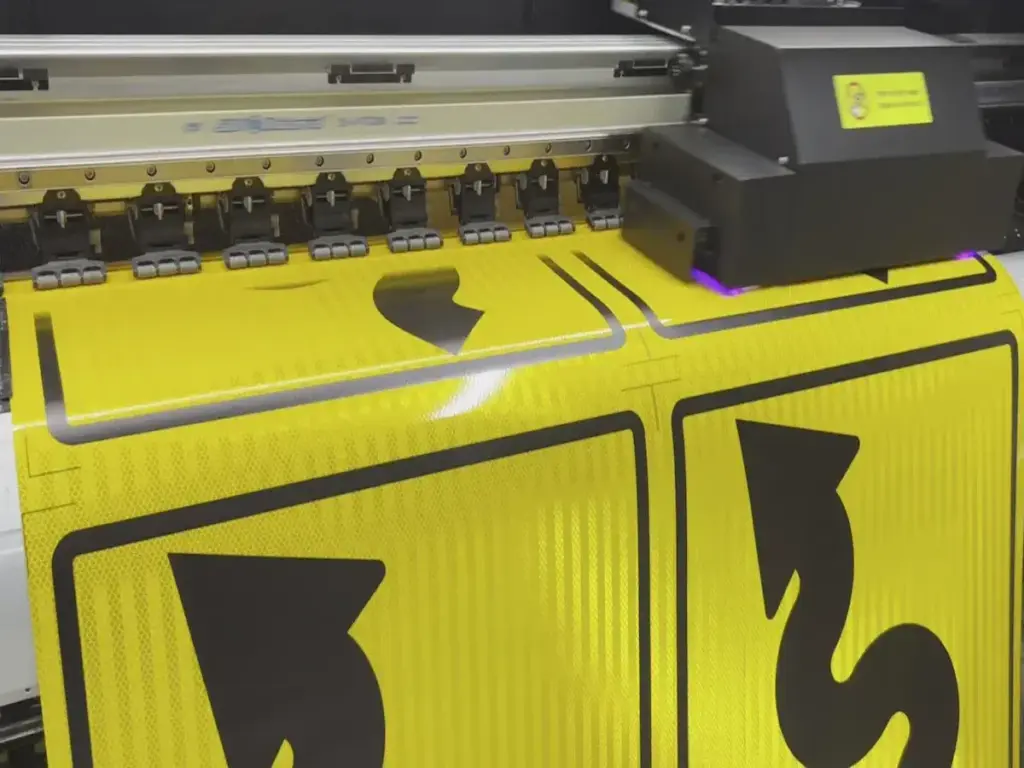
Padrões regulatórios para impressão de sinalização rodoviária tem regras rígidas. Essas regras ajudam a deixar os sinais claros, fácil de ver, e duradoura. Os padrões mantêm motoristas e pessoas que caminham protegidos contra confusão ou danos. Estudos mostram isso 40% dos acidentes de carro acontecem porque a sinalização não é boa o suficiente. Também, sinais pouco claros ou ausentes causam 30% de acidentes na contramão.
| Tipo de acidente | Percentagem |
|---|---|
| Acidentes de trânsito devido à sinalização inadequada | 40% |
| Acidentes na contramão devido a sinais pouco claros/ausentes | 30% |
| Acidentes de carro ligados a maus sinais na década de 1970 | 40% |
Seguindo regras como MUTCD, ISO, e as leis locais são importantes. Essas regras garantem que cada sinalização seja segura e legal. Os sinais regulamentares devem ser fáceis de ver e simples de entender em qualquer clima.
Impressão de sinalização rodoviária da OPTRAFFIC os serviços são totalmente compatíveis com esses padrões, garantindo que todos os nossos sinais atendam aos requisitos legais e de segurança necessários. Usamos materiais de alta qualidade e técnicas de impressão avançadas para oferecer, durável, e sinalização em conformidade com a regulamentação para todas as suas necessidades de controle de tráfego.
Órgãos Reguladores e Documentos Chave
Impressão de sinais de trânsito deve seguir regras de grupos diferentes. Esses grupos estabelecem padrões para que os sinais sejam seguros e fáceis de ler. Os principais grupos e documentos mudam por região. Mas todos eles querem que as estradas sejam mais seguras.
| Região | Organização |
|---|---|
| Estados Unidos | Administração Federal de Rodovias (Fhwa) |
| Europa | Conferência Europeia de Ministros de Transporte (ECMT) |
| Austrália | Padrões da Austrália |
MUTCD e EUA. Padrões
Nos Estados Unidos, a Administração Rodoviária Federal elabora o Manual sobre Dispositivos Uniformes de Controle de Tráfego. Este documento é denominado MUTCD. Dá regras para cada sinalização nas vias públicas. O Regras de Mutcd dizer como devem ser os sinais e para onde vão. Os sinais devem usar certas cores, formas, e fontes. Vermelho significa parar ou algo não é permitido. Amarelo alerta sobre perigo. Verde ajuda com direções. O MUTCD diz qual o tamanho das letras e símbolos. Isso ajuda os motoristas a ler os sinais rapidamente. A retrorrefletividade ajuda os sinais a brilharem à noite. O MUTCD também afirma que as placas precisam de materiais aprovados para durar e permanecer seguras.
| Nome do documento | Descrição |
|---|---|
| Manual sobre Dispositivos Uniformes de Controle de Tráfego (MUTCD) | Começou em 1935, fornece regras sobre a aparência e o funcionamento dos sinais de trânsito nos EUA. |
| Convenção de Viena sobre sinais e sinais de trânsito | Começou em 1968, ajuda os países a usar sinais de trânsito semelhantes para que todos possam entendê-los. |
ISO e Diretrizes Internacionais
A Organização Internacional de Normalização estabelece regras para sinalização em todo o mundo. ISO 7010 é sobre símbolos e imagens. Ajuda os sinais a parecerem iguais em todos os lugares. ISO 9001 é garantir que as placas sejam de boa qualidade. A Convenção de Viena sobre Sinais e Sinais Rodoviários ajuda os países a usar sinais semelhantes. As regras ISO também dizem quais cores, formas, e fontes para usar. Triângulos alertam sobre o perigo. Círculos mostram regras. Retângulos fornecem informações. Fontes e tamanhos claros ajudam as pessoas a ler os sinais com facilidade.
ASTM e requisitos de materiais
A Sociedade Americana de Testes e Materiais estabelece regras para materiais de sinalização. Os padrões ASTM listam quais folhas e suportes usar. A maioria das placas usa alumínio porque dura muito e pode ser reciclado. Algumas placas usam compensado ou plástico reforçado com fibra de vidro. Mas o alumínio é melhor para a maioria das placas. A ASTM também diz como os sinais brilhantes e brilhantes devem ser. Isso mantém os sinais fáceis de ver.
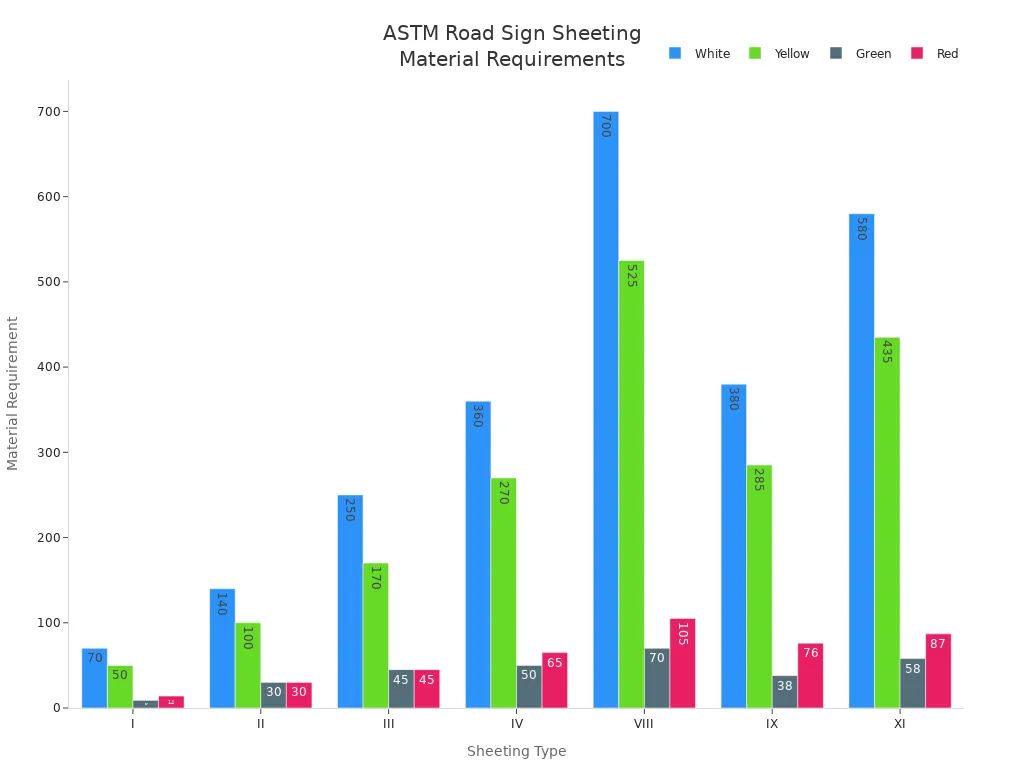
Todos esses grupos e documentos funcionam juntos. Eles garantem que cada sinal seja seguro e fácil de entender.
Padrões de impressão de sinais de trânsito
Impressão de sinais de trânsito tem muitas regras para manter as estradas seguras. Essas regras dizem que materiais, cores, e formas para usar. Eles também dizem como os sinais devem refletir a luz. Cada regra ajuda as pessoas a entender os sinais rapidamente.
Materiais e durabilidade
O material de um sinal ajuda a durar mais. A maioria dos sinais são feitos de alumínio. Sinais de alumínio podem durar 7 para 10 anos. Sol, chuva, e a neve pode fazer os sinais desaparecerem. Alguns sinais usam folhas reflexivas para melhor visão noturna. Placas de metal podem durar muito tempo se forem bem cuidadas. Folhas reflexivas vêm em diferentes graus. Estes são engenharia, alta intensidade, e grau de diamante. Esses materiais ajudam os sinais a permanecerem brilhantes e fortes por anos.
- Materiais comuns para impressão de sinais de trânsito:
- Substratos de alumínio
- Folha reflexiva (engenharia, alta intensidade, grau de diamante)
- Vida útil média: 7 para 10 anos em condições normais
Observação: Bons materiais significam que os sinais duram mais e mantêm as pessoas seguras.
Cores, Formas, e fontes
Cores e formas ajudam as pessoas a saber o que significa um sinal. As regras MUTCD e ISO dizem quais cores e formas usar. Vermelho significa parar ou não entrar. Amarelo alerta sobre perigo. Verde dá instruções. A forma de um sinal também transmite uma mensagem. Octógonos significam parada. Triângulos alertam sobre perigos. Círculos mostram regras. Retângulos fornecem informações. Isso ajuda os motoristas a reagir rapidamente, Mesmo de longe.
A fonte de uma placa também é importante. MUTCD diz para usar a Série E(M) fonte. Esta fonte é fácil de ler, mesmo à noite. As regras de cor e fonte estão em 23 Cfr 655. Estas regras garantem que todos os sinais tenham a mesma aparência em todos os lugares.
- Padrões de cores e formas:
- Octógono vermelho: PARAR
- Diamante amarelo: Aviso
- Retângulo branco: Regulamento
- Padrões de fonte:
- Série E(M) para letras e números
- A fonte Clearview foi usada antes 2016
Este sistema ajuda a todos, até mesmo pessoas com problemas de visão de cores. Os sinais de trânsito personalizados devem seguir estas regras para serem legais.
Refletividade e visibilidade
A refletividade é muito importante para sinais de trânsito. Os sinais devem ser fáceis de ver à noite e com mau tempo. MUTCD define a refletividade mais baixa para todos os sinais. Estas regras não mudaram desde 2009. Alguns estados têm regras ainda mais rigorosas. Folhas refletivas fazem os sinais brilharem nos faróis. Isso ajuda os motoristas a ver sinais no escuro.
| Tipo de evidência | Descrição |
|---|---|
| Fatalidades noturnas | Sobre 50% das mortes no trânsito acontecem à noite, embora apenas 25% de viagem faz. |
| Redução da taxa de acidentes | Sinais retrorrefletivos reduzem os riscos de colisão, melhorando a visibilidade. |
| Comparação da taxa de mortalidade | As taxas de mortalidade noturna são três vezes maiores que as taxas diurnas. |
Materiais Ratrorrefletivos ajudar a reduzir as taxas de acidentes. Eles são muito úteis em cruzamentos e curvas. A Administração Rodoviária Federal afirma que melhor refletividade salva vidas. Cada sinalização deve atender a essas regras para manter as estradas seguras.
- Sinais de trânsito reflexivos:
- Melhore a visibilidade com pouca luz
- Taxas de acidentes mais baixas à noite
- Atenda aos requisitos federais e estaduais
Impressão de sinais de trânsito padrões trabalham juntos. Eles garantem que cada sinal seja fácil de ver e entender.
Sinais regulatórios: Função e Requisitos
Conformidade Legal e Segurança
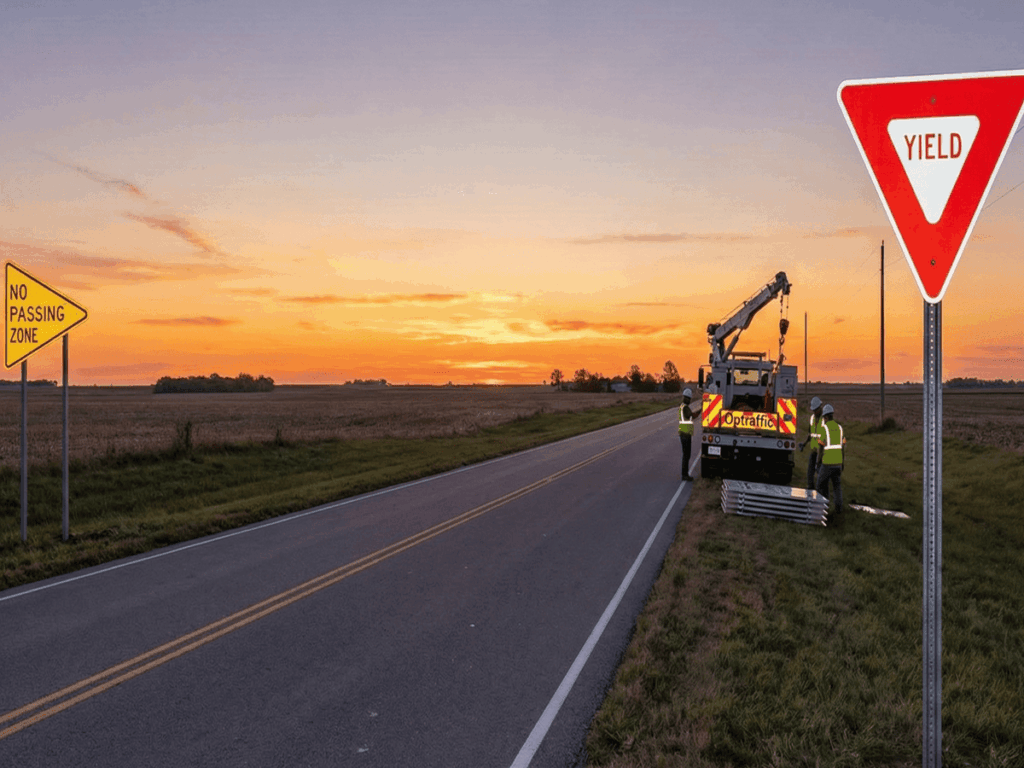
Os sinais regulamentares são importantes para estradas seguras e legais. Esses sinais dizem aos motoristas o que eles podem ou não fazer. Alguns exemplos são STOP SIGNS, sinais de rendimento, e sinais de limite de velocidade. Cada sinalização deve seguir regras rígidas para ser permitida. A tabela abaixo lista as principais regras para esses sinais em grandes regiões:
| Exigência | Descrição |
|---|---|
| Projeto | Os sinais regulamentares devem ser retangulares, salvo especificação em contrário. |
| Visibilidade | Os sinais devem ser projetados para visibilidade e legibilidade adequadas para garantir a conformidade. |
| Instalação | A sinalização deve ser colocada no local ou perto de onde os regulamentos se aplicam. |
| Retorreflectividade | A sinalização deve ser retrorrefletiva ou iluminada para visibilidade noturna. |
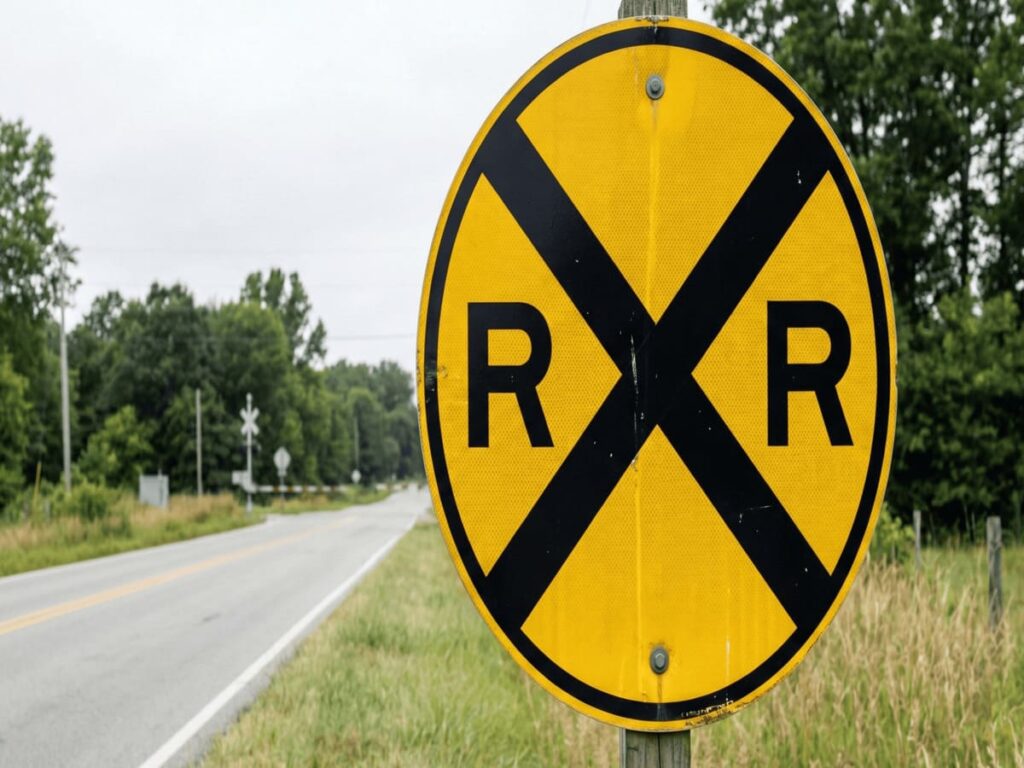
Sinais regulatórios impedem confusão e acidentes. Estudos dizem que a maioria das informações sobre direção vem do que vemos. Sinais maiores e mais brilhantes ajudam os motoristas a perceber as regras mais rapidamente. Por exemplo, uma placa de limite de velocidade na escola deve ser fácil de ver para que os motoristas reduzam a velocidade. Uma placa de cruzamento ferroviário diz aos motoristas para pararem e procurarem trens. Quando os sinais seguem as regras, todos ficam mais seguros.
Padronização para Reconhecimento
A padronização ajuda as pessoas a conhecerem imediatamente os sinais regulatórios. Os motoristas veem as mesmas formas, cores, e fontes em todos os lugares. Isso os ajuda a reagir rapidamente, Mesmo em novos lugares. Por exemplo, um sinal de limite de velocidade sempre parece o mesmo, para que os motoristas saibam que devem verificar sua velocidade. Sinais regulatórios comuns, como sinais de parada e rendimento, usam cores vermelhas e brancas e letras claras.
Pesquisa mostra que adicionar palavras aos sinais ajuda as pessoas a entendê-los e a reagir mais rapidamente. Quando os motoristas sabem onde procurar uma placa, eles respondem mais rapidamente. Praticar com sinais em estradas reais também ajuda os motoristas a aprender o que cada sinal significa. A tabela abaixo mostra como a padronização torna as estradas mais seguras:
| Descrição da evidência | Principais descobertas |
|---|---|
| Correção melhorada com texto | Adicionar texto às placas melhora a compreensão e reduz o tempo de resposta, especialmente para sinais desconhecidos. |
| Localização como uma sugestão | O pré-conhecimento da localização da sinalização melhora a precisão e os tempos de reação dos motoristas. |
| Processamento visual na direção | Reduzir o tempo para extração de informações visuais pode levar a resultados perigosos. |
Sinais regulatórios padronizados, como o sinal de limite de velocidade, ajudar motoristas de todas as idades. Os condutores mais jovens reagem mais rapidamente, mas sinais claros ajudam a todos. Sinais regulatórios comuns como parar, colheita, e sinais de limite de velocidade tornam as estradas mais seguras para todos.
Padrões Internacionais e Regionais
UN/ECE R104 e Diretrizes Europeias
Os países europeus têm regras rígidas para impressão de sinalização rodoviária. UN/ECE R104 é o principal conjunto de regras. Estas regras garantem que os sinais sejam fáceis de ver e durem muito. Toda sinalização deve usar materiais retrorrefletivos. As cores principais são o branco, amarelo, e vermelho. O tamanho e a forma de um sinal dependem da estrada e do veículo. Os requisitos fotométricos garantem que os sinais reflitam luz suficiente. Isso ajuda os motoristas a ver sinais de longe.
| Tipo de requisito | Detalhes |
|---|---|
| Material e Cor | Deve usar durável, materiais retrorrefletivos em branco, amarelo, ou vermelho. |
| Tamanho e forma | A largura mínima das marcações é 50 milímetros; o comprimento varia de acordo com as dimensões do veículo. |
| Requisitos fotométricos | Padrões para reflexão da luz para garantir visibilidade à distância. |
Essas regras ajudam a sinalização a funcionar na chuva, névoa, ou escuridão. Os condutores na Europa confiam nestas regras para manter as estradas seguras.
AS/NZS 1906 para Austrália e Nova Zelândia
Austrália e Nova Zelândia têm suas próprias regras para sinalização. AS/NZS 1906 atende às regras ISO de qualidade e segurança. COMO 1742 corresponde às regras do MUTCD para design e layout. Estas regras garantem que os sinais sejam fáceis de ler e durem muito.
| Padrão | Alinhamento |
|---|---|
| AS/NZS 1906 | Corresponde à ISO |
| COMO 1742 | Corresponde ao MUTCD |
As placas nesses países usam materiais fortes e símbolos claros. Folhas refletivas ajudam os sinais a brilhar à noite. As regras também dizem quão grandes e brilhantes os sinais devem ser.
Variações Regionais e Necessidades Locais
Diferentes lugares fazem sinalização especial para suas necessidades. Na Austrália, sinais de passagem de canguru alertam sobre animais. O Reino Unido usa sinais de travessia Pegasus para cavalos. Peru tem cartazes com lhamas. Finlândia usa sinais humorísticos de alerta de zumbis em histórias locais.
- Sinais de travessia canguru na Austrália
- Sinais de cruzamento de Pegasus no Reino Unido
- Lhama assina no Peru
- Sinais de alerta de zumbis finlandeses
Alguns lugares usam sinais para indicar o clima e as condições das estradas. Áreas com neblina têm sinalização de baixa visibilidade. Locais costeiros usam sinais para ventos fortes ou inundações. Locais nevados alertam sobre estradas geladas e avalanches.
- Sinais alertando sobre visibilidade reduzida em áreas propensas a neblina
- As regiões costeiras usam sinais para ventos fortes ou inundações
- Regiões nevadas alertam sobre estradas geladas ou avalanches
Alguns lugares usam imagens para ajudar motoristas que falam idiomas diferentes. Os Estados Unidos usam principalmente palavras em inglês em placas. O Oriente Médio tem sinais de passagem de camelos para o tráfego local.
- Pictogramas para diversos idiomas
- Sinais de texto em inglês nos EUA.
- Sinais de travessia de camelos no Oriente Médio
Cada placa mostra o que a região precisa. Essas diferenças ajudam os motoristas a se manterem seguros e saberem o que está por vir.
Sinais de trânsito personalizados e conformidade
Processo de projeto e aprovação
Os sinais de trânsito personalizados devem atender aos regulamentos de aparência, tamanho, fonte, cor, e refletividade. Compradores, designers, e engenheiros colaboram para garantir a conformidade. O processo envolve discussões de ideias, adesão a diretrizes como AS 1742 e COMO 1319, selecionando um fabricante com certificação ISO 9001 aprovado pelas autoridades locais, obter aprovação do conselho local, e inspeções regulares para manter a funcionalidade e conformidade. Isso garante que os sinais sejam seguros e legais.
Desafios Comuns
Sinais de trânsito personalizados podem ter problemas. A tabela abaixo mostra alguns problemas e o que eles causam:
| Desafio | Descrição |
|---|---|
| Problemas de refletividade | Materiais não refletivos podem causar problemas de segurança, especialmente à noite. |
| Imitação de Sinais Oficiais | Sinais que parecem oficiais podem confundir os motoristas e violar os regulamentos. |
| Aplicação legal de sinais personalizados | Sinais não autorizados podem causar problemas legais se não seguirem as regras locais. |
| Manutenção de Sinalização | Sinais antigos ou danificados podem não atender aos padrões de visibilidade e podem se tornar um passivo. |
Os sinais de trânsito personalizados precisam evitar esses problemas para manter todos seguros.
Garantindo padrões em sinalização personalizada
Existem boas maneiras de garantir que os sinais de trânsito personalizados sigam as regras. As equipes devem colocar sinalização da maneira certa. Os sinais devem ser colocados de forma forte para que não caiam ou se movam. As pessoas precisam verificar os sinais frequentemente quanto a desbotamento ou danos. A cada três a cinco anos, eles verificam quão bem o sinal reflete a luz. O design deve seguir as regras do MUTCD para cores, fontes, e tamanhos. Por exemplo, um sinal de limite de velocidade precisa de grande, letras claras e a cor certa. Sinais de trânsito personalizados que seguem estas etapas ajudam os motoristas a conhecer as regras e a se manterem seguros.
Dica: Verificar os sinais com frequência e seguir as regras ajuda os sinais a durar mais e a funcionar melhor.
Sinais de trânsito personalizados são importantes para a segurança no trânsito. Cada sinalização deve seguir regras de design, cor, e refletividade. Uma placa de limite de velocidade que segue as regras ajuda os motoristas a fazer escolhas seguras. As equipes que usam bons passos mantêm todos os sinais funcionando e legais.
Impacto Legal e Consequências
Riscos de não conformidade
Não seguindo impressão de sinalização rodoviária As regras podem causar grandes problemas. Se uma placa não seguir as regras, Os motoristas podem ficar confusos. Isso pode causar acidentes e confusões na estrada. Os sinais regulatórios devem seguir regras rígidas para manter as pessoas seguras. Se um sinal estiver faltando ou for difícil de ver, as pessoas podem não seguir avisos ou instruções.
As reivindicações de seguros ficam mais difíceis quando um acidente envolve um mau sinal. Demora mais para descobrir quem é o culpado. As vítimas têm que mostrar que o sinal não cumpriu as regras. Eles usam fotos, histórias de testemunhas, e registros de reparo para provar isso. Às vezes, mais de um grupo é culpado. Escritórios governamentais e empreiteiros podem ter problemas por causa da placa. Se os reparos atrasaram ou as pessoas souberam do problema, o risco aumenta.
- Maus sinais tornam mais difícil saber quem causou um acidente.
- As vítimas devem mostrar que o sinal estava errado para conseguir dinheiro.
- Muitos grupos, como governo ou empreiteiros, pode ser culpado.
- As pessoas precisam de provas como fotos ou histórias de testemunhas para reivindicações.
- Esperar muito para consertar uma placa piora os problemas legais.
Responsabilidade e Penalidades
Locais têm regras e punições para quem não segue as normas de sinalização. Sinais regulatórios que violam as regras podem causar ações judiciais e perda de dinheiro. Os estados podem perder dinheiro federal se não consertarem as placas a tempo. Os tribunais podem culpar as agências por acidentes causados por sinais ruins ou ausentes. Responsabilidade civil significa que as pessoas podem processar se um sinal causar danos.
| Tipo de penalidade | Descrição |
|---|---|
| Retirada de fundos de ajuda federal | Não consertar as placas dentro do prazo pode fazer os estados perderem dinheiro federal. |
| Responsabilidade civil | Os estados podem ser processados por acidentes causados por sinais ruins ou ausentes. |
As agências devem manter a sinalização em bom estado para evitar problemas. Verificar os sinais com frequência e corrigi-los rapidamente ajuda a diminuir os riscos. Seguir as regras da sinalização regulatória mantém as pessoas seguras e evita problemas legais.
Melhores práticas para conformidade
Fornecedores Certificados e Controle de Qualidade
Escolher fornecedores certificados ajuda a manter a boa qualidade da sinalização. Os fornecedores devem seguir regras rígidas para atender aos padrões. A tabela abaixo mostra o que procurar ao escolher um fornecedor:
| Critérios | Detalhes |
|---|---|
| Tátil & Padrões Braille | Aplicação automatizada de altura e espaçamento de caracteres, pontos Braille de precisão, manutenção da largura do curso. |
| Visual & Padrões de contraste | Requisitos mínimos de contraste, acabamentos sem brilho, conformidade da fonte com os padrões ADA. |
| Integração de software de conformidade | Integração com software de conformidade, bibliotecas de modelos, validação em tempo real, gerenciamento de atualização. |
| Opções de material & Durabilidade | Várias opções de substrato com considerações de vida útil e durabilidade para diferentes ambientes. |
| Implementação & Fluxo de trabalho | Planejando o espaço, pessoal, e fluxo de trabalho de produção para garantir operações eficientes. |
As verificações de qualidade garantem que os sinais sejam claros e durem muito. As equipes analisam os materiais, cores, e fontes antes de imprimir. Eles também testam o quão bem os sinais brilham para atender às regras de segurança.
Auditorias e Inspeções
Auditorias e verificações regulares ajudam a manter a sinalização seguindo as regras. As equipes procuram sinais desbotados ou quebrados. Eles também verificam se algo bloqueia o sinal. As equipes garantem que as informações da placa estejam atualizadas. Encontrar problemas mais cedo ajuda a interromper acidentes e mantém as estradas seguras.
- As auditorias garantem que os sinais de segurança sejam fáceis de ver e sigam as regras.
- Inspeções encontram placas desbotadas, visualizações bloqueadas, ou informações antigas.
- As equipes resolvem os problemas rapidamente para manter a sinalização legal e os motoristas seguros.
Uma lista de verificação ajuda as equipes a lembrar o que fazer. A tabela abaixo lista itens a serem verificados:
| Item da lista de verificação | Descrição |
|---|---|
| Tamanho MUTCD, Retro-Refletividade & Fonte | Use letras modificadas padrão da Série E; Painéis de alumínio dimensionados por MUTCD. |
| Colocação & Padrões de altura | Borda da placa a 6–12 pés da borda da estrada; Altura de montagem urbana 7 ft; rural 5 ft. |
| Inspeção, Limpeza & Substituição | Verificação retro noturna anualmente; lave trimestralmente para remover a sujeira. |
| Penalidades por não conformidade | Citações OSHA até $14,000; seguradoras podem negar sinistros. |
Dica: As equipes devem limpar e verificar as placas com frequência para manter as estradas seguras e evitar multas.
Mantendo-se atualizado com os padrões
Acompanhar as novas regras ajuda as equipes a garantir que as placas sigam a lei. Novas regras podem mudar de cor, como os sinais brilham, e do que eles são feitos. A tabela abaixo mostra regras importantes e maneiras de se manter atualizado:
| Padrão | Descrição |
|---|---|
| ASTM D4956 | Define requisitos de cor e retrorrefletividade para sinais de trânsito. |
| EM 12899 | Fornece diretrizes para o desempenho da sinalização rodoviária na Europa. |
| Impressão digital | Oferece flexibilidade para atender aos padrões acima, permitindo cores personalizadas e durabilidade. |
As equipes vão aos treinos e leem notícias dos grupos de regras. Eles usam software especial para rastrear alterações e atualizar sinais. Aprender coisas novas e fazer auditorias ajuda as equipes a manter a sinalização segura e legal para todos.
Seguindo as regras para impressão de sinalização rodoviária mantém as estradas seguras. Também ajuda as pessoas a confiar nos sinais que veem. Sinais regulatórios como parar, colheita, e os sinais de limite de velocidade devem seguir regras rígidas. Estas regras tornam os sinais fáceis de ver e compreender. Quando todos os limites de velocidade e sinais regulamentares parecem iguais, Os motoristas sabem o que fazer. Bons sinais ajudam as pessoas a confiar nas estradas e a se sentirem mais seguras.
| Tipo de evidência | Descrição |
|---|---|
| Confiança Pública | Boa sinalização de segurança no trânsito ajuda as pessoas a confiar nas estradas porque elas sempre funcionam bem. |
| Percepção Pública | Sinais sempre claros fazem as pessoas se sentirem melhor em relação à segurança no trânsito. |
| Segurança rodoviária | Um estudo da NHTSA mostrou que estradas com LED VMS tiveram menos acidentes do que estradas com sinalização regular. |
As agências podem usar impressão digital e materiais resistentes para garantir que a sinalização siga as regras. As equipes devem verificar os sinais com frequência e usar as melhores ferramentas. Acompanhar as novas regras ajuda cada sinalização a permanecer segura e legal.
Perguntas frequentes
O que torna um sinal de trânsito oficial?
Uma sinalização rodoviária torna-se oficial quando segue regras de grupos como MUTCD ou ISO. A placa deve usar as cores certas, formas, e materiais. Agências locais aprovam a placa antes de ir para a estrada.
Com que frequência as equipes devem inspecionar uma sinalização rodoviária?
As equipes devem verificar cada sinal pelo menos uma vez por ano. Eles procuram desaparecer, dano, ou vistas bloqueadas. Verificações regulares ajudam a manter cada sinalização clara e segura para motoristas e pedestres.
Uma empresa pode criar sua própria sinalização rodoviária?
Uma empresa pode projetar uma placa, mas deve seguir todas as regras. A placa precisa da aprovação das autoridades locais. Se o sinal não atender aos padrões, não pode andar em vias públicas.
Por que uma placa precisa ser reflexiva?
Uma placa precisa brilhar à noite ou com mau tempo. Materiais refletivos ajudam os motoristas a ver a placa de longe. Esse recurso reduz os riscos de acidentes e mantém todos seguros.
O que acontece se uma placa não atender aos padrões?
Se uma placa não seguir as regras, pode causar confusão ou acidentes. Agências podem enfrentar multas ou ações judiciais. A sinalização deve ser fixada ou substituída para atender a todos os padrões de segurança.