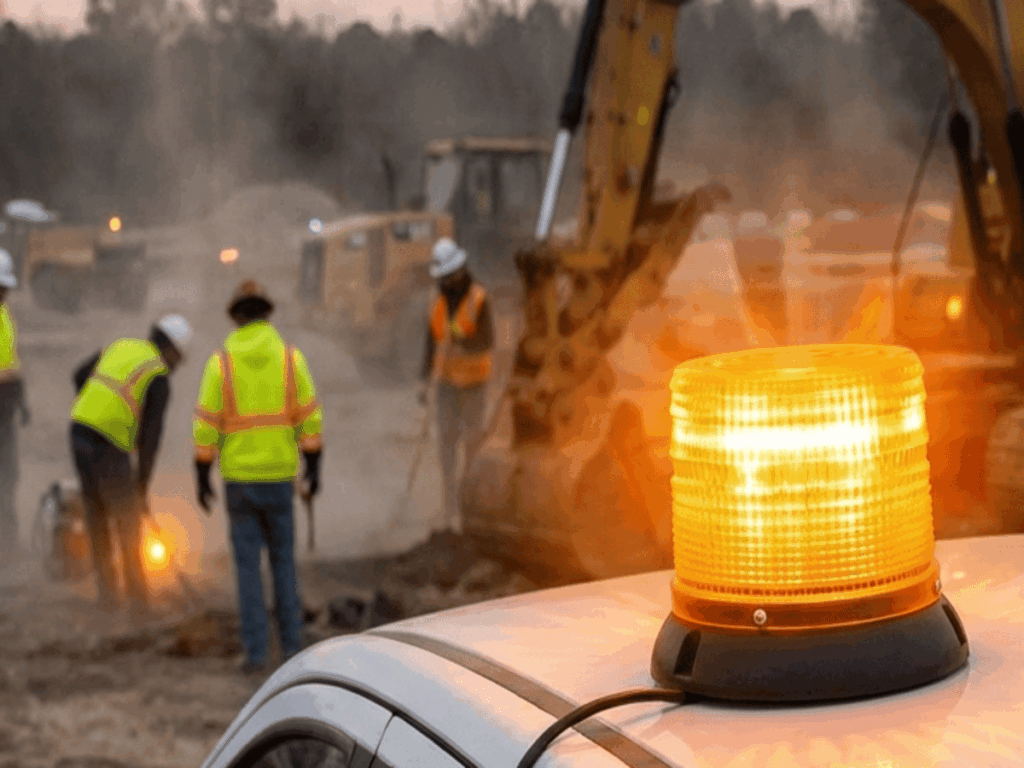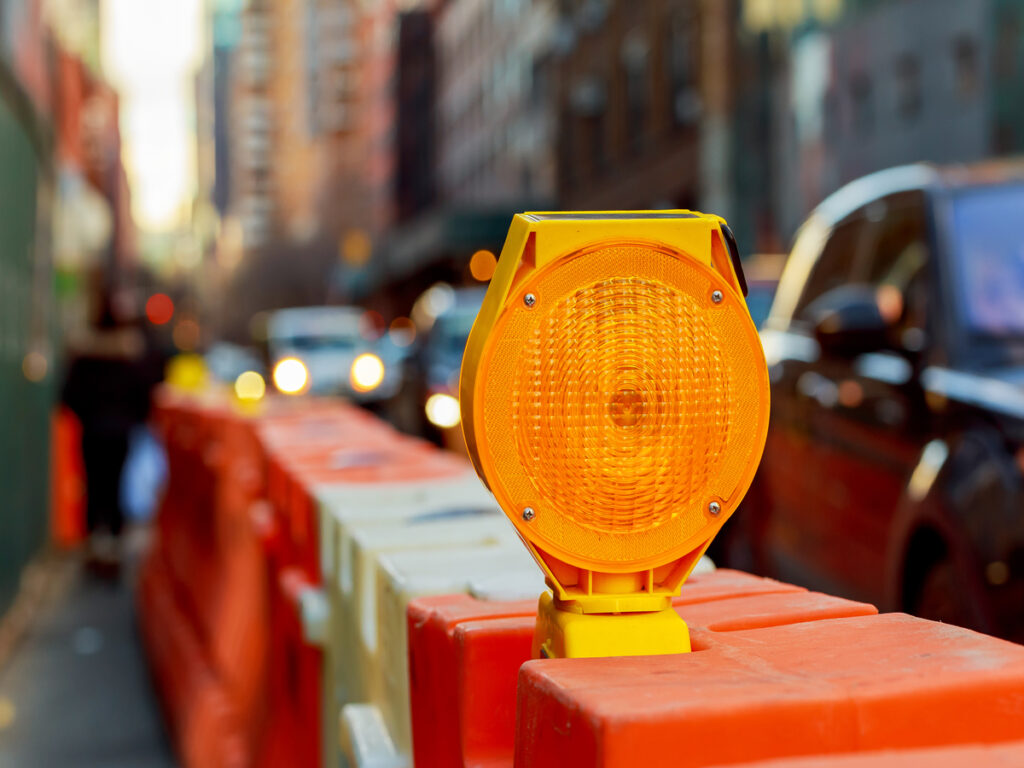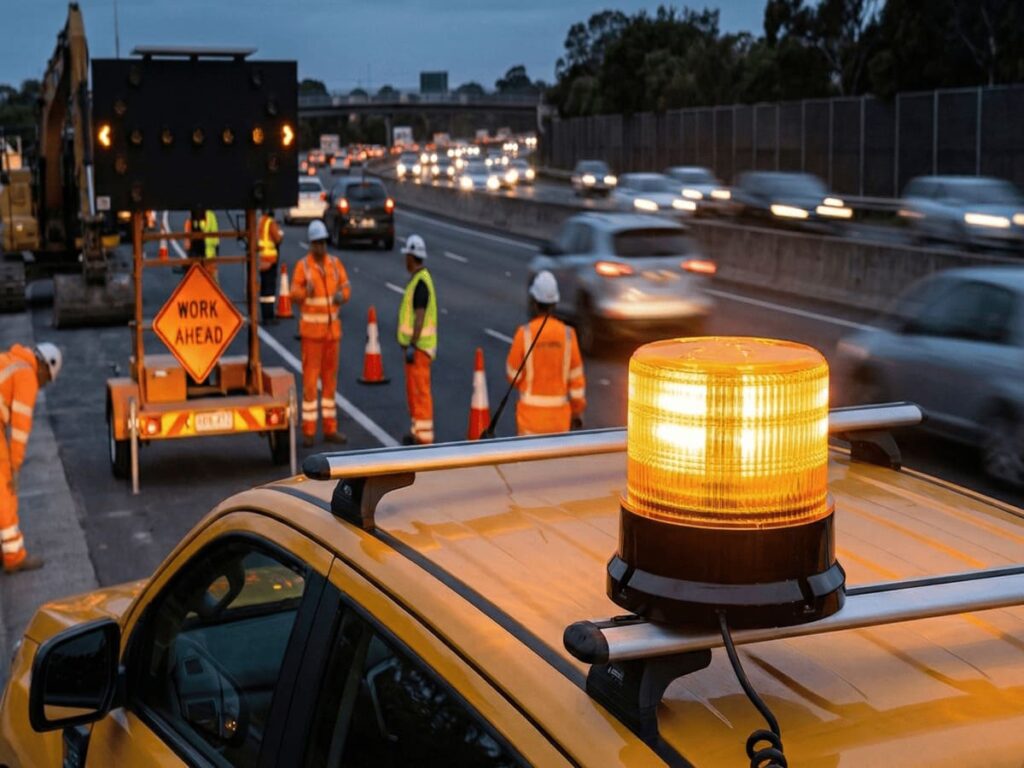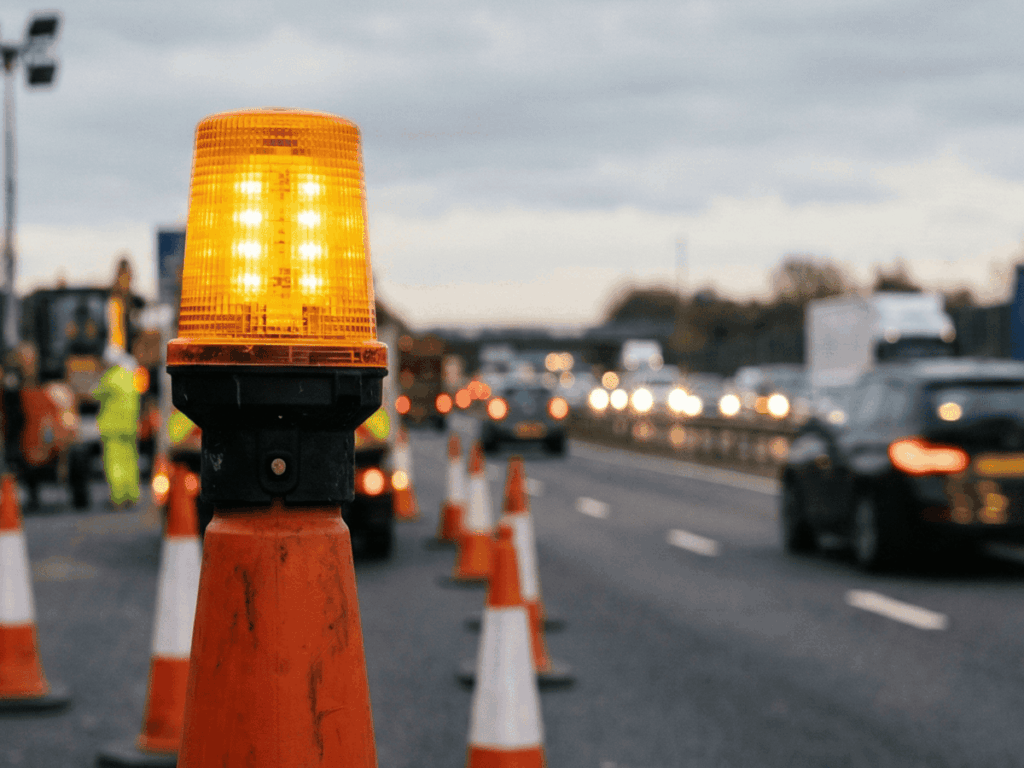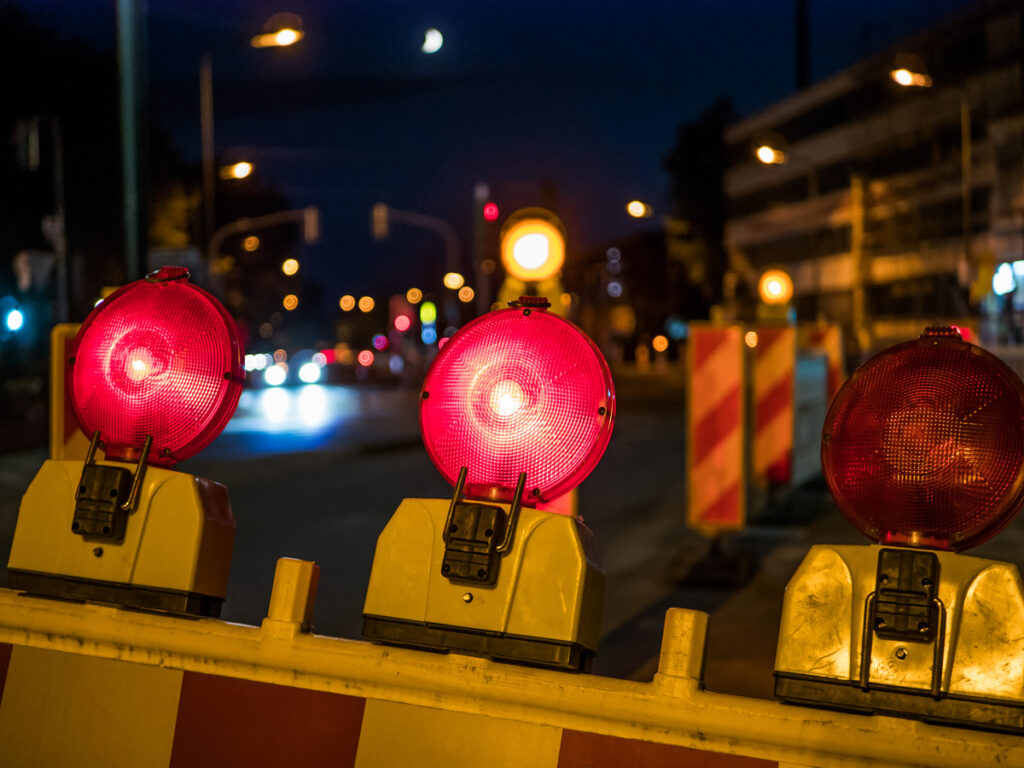
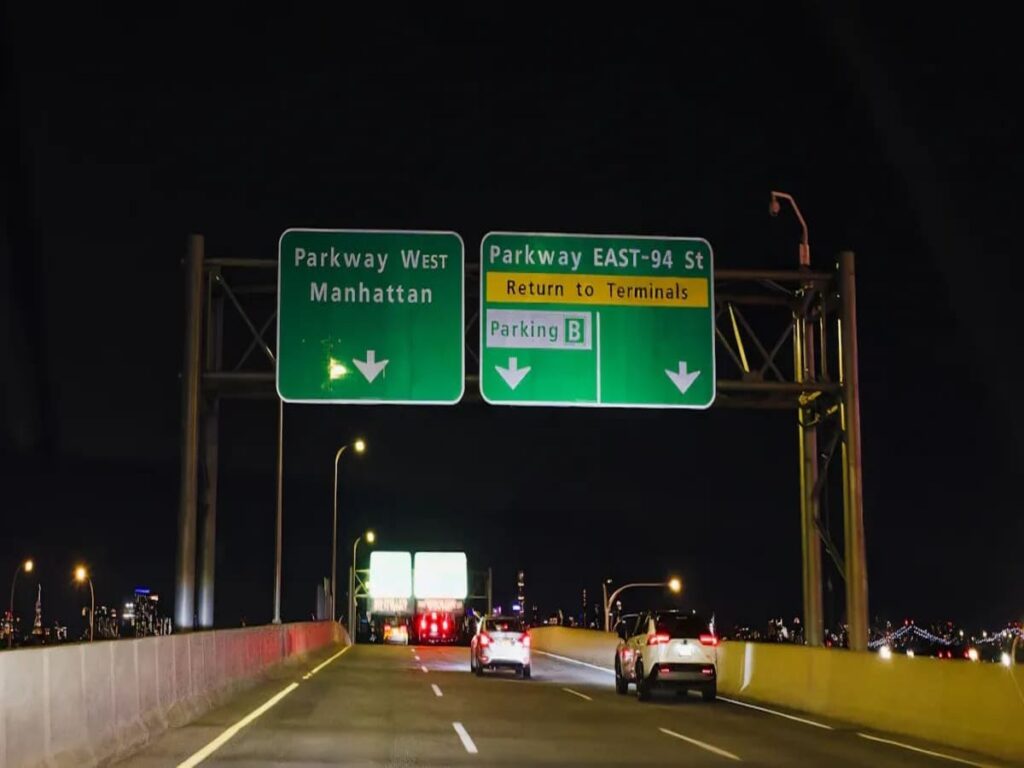
Imagine um cruzamento movimentado à noite quando está chovendo. Os motoristas precisam de folhas refletivas para ver os sinais de trânsito rapidamente e permanecer seguros. Sinais refletivos de rodovia use materiais especiais. Esses materiais enviam luz dos faróis de volta para os motoristas, Mesmo com mau tempo. Cidades que usavam melhores folhas refletivas viram os sinais acabarem 50% mais fácil de ver. As taxas de acidentes caíram 30%. Em Estocolmo, o uso de folhas refletivas de grau diamante reduziu os acidentes noturnos em 20%. A classe certa de película refletiva pode tornar as estradas mais seguras para os motoristas urbanos e rurais.
Escolher a melhor película refletiva ajuda a manter todos na estrada mais seguros e reduz acidentes.
Takeaways -chave
- Folhas refletivas ajudam a manter as estradas seguras. Facilita a visualização dos sinais de trânsito à noite e com mau tempo. Isso ajuda os motoristas a perceber os sinais rapidamente e reagir rapidamente.
- Escolher a classe certa de película refletiva é importante. Diamond Grade é bom para rodovias. Ajuda a reduzir as taxas de acidentes e facilita a visualização dos sinais.
- Existem diferentes materiais e tecnologias para películas reflexivas. A cobertura microprismática é um exemplo. Eles fornecem diferentes níveis de brilho e duram mais. Eles funcionam bem para certas condições de estrada.
- Os sinais precisam de cuidados regulares para permanecerem claros e claros. Seguir as regras de segurança mantém os sinais reflexivos funcionando bem. Isso ajuda a tornar as estradas mais seguras para todos.
- Novas maneiras de fazer folhas refletivas são melhores para o planeta. Eles usam materiais ecológicos. Isso ajuda o meio ambiente e mantém a sinalização segura.
O que são folhas refletivas para sinais de trânsito?
Definição e Função
Folhas refletivas são muito importantes para a segurança no trânsito. Este material cobre sinais de trânsito. Ele envia luz dos faróis do carro de volta para os motoristas. Isso ajuda os motoristas a ver os sinais à noite e com mau tempo. Folhas refletivas tornam os sinais mais fáceis de ver. Os motoristas podem reagir mais rapidamente a informações importantes. O material também evita que os sinais desbotem ou sejam danificados externamente. Engenheiros de trânsito usam folhas refletivas para atender às regras de segurança. Também ajuda a reduzir o custo de fixação ou substituição de sinalização.
Folhas reflexivas enviam de volta quase 60% da luz aos motoristas. Isso ajuda todos os tipos de veículos a ver melhor os sinais.
| Função | Descrição |
|---|---|
| Visibilidade noturna aprimorada | Folhas refletivas ajudam as pessoas a ver os sinais de trânsito à noite. Isto é muito importante para a segurança. |
| Durabilidade em ambientes externos | Protege os sinais contra desbotamento e danos climáticos. Isso faz com que os sinais durem mais. |
| Conformidade com padrões internacionais | Garante que os sinais de trânsito sejam claros o suficiente para seguir as regras de segurança. |
| Custos de manutenção reduzidos | Materiais resistentes significam que os sinais não precisam ser substituídos com tanta frequência. Isso economiza dinheiro em reparos. |
Materiais e Tecnologia
Muitos materiais são usados para fazer folhas reflexivas. O filme base dá força e forma ao sinal. Alguns materiais comuns são acrílico, Policarbonato, e PVC. A camada retrorrefletiva envia luz de volta aos motoristas. Existem dois tipos principais: conta de vidro e microprismática. A tecnologia de contas de vidro usa pequenas contas para refletir a luz. Dá brilho médio. A tecnologia microprismática usa pequenos prismas. Torna os sinais muito mais brilhantes e duram mais.
| Tipo de material | Descrição |
|---|---|
| Filme Base (Camada de substrato) | Acrílico, Policarbonato, e PVC deixam os sinais claros, forte, e flexível. |
| Camada retrorrefletiva | Contas de vidro e tipos microprismáticos proporcionam diferentes níveis de brilho. |
Para saber mais sobre como selecionar os melhores materiais refletivos para sinais de trânsito, Confira nosso blog em Como selecionar os melhores materiais reflexivos para sinais de trânsito.
Aulas de refletividade (RA1, RA2, RA3)
As chances reflexivas vêm em diferentes classes. Essas classes são baseadas em quão brilhante é o material. Engenheiros de trânsito escolhem a classe certa para cada sinal. RA1 é o mais básico. É bom para ruas ou bairros lentos. RA2 é mais brilhante e usado em estradas movimentadas. RA3 é o mais brilhante. É melhor para rodovias e locais perigosos.
| Aula de refletividade | Valor de refletividade (CD/LX/M²) |
|---|---|
| RA1 | ≥60 |
| RA2 | ≥180 |
| RA3 | ≥300 |
Os trabalhadores do trânsito usam essas classes para escolher as melhores coberturas. Classes mais altas ajudam os motoristas a ver sinais de lugares mais distantes e em condições difíceis.
Classes e tipos de folhas reflexivas
Folhas refletivas são muito importantes para a segurança no trânsito. Existem diferentes tipos para diferentes locais e usos. A Administração Rodoviária Federal e o MUTCD estabelecem regras sobre o quão brilhante e forte a cobertura deve ser. As próximas partes falam sobre as principais classes, o que eles fazem, e onde eles funcionam melhor.
Grau do engenheiro
Folhas refletivas de nível de engenharia são um tipo comum. Ele usa tecnologia de contas de vidro para refletir a luz de volta. Este tipo funciona bem para sinalização em ruas lentas ou locais com pouco trânsito. Cidades usam nível de engenharia para placas de nomes de ruas, Sinais de estacionamento, e sinais de zona de trabalho.
| Característica/Aplicação | Descrição |
|---|---|
| Durabilidade | Dura cerca de cinco anos |
| Propriedades adesivas | Adere à pressão |
| Resistência ao tempo | Permanece forte em mau tempo |
| Aplicações típicas | Usado para sinais de trânsito, adesivos, e decalques |
| Faixa de visibilidade | Visto de 400 para 600 pés de distância |
- Este lençol é resistente e tem pequenas contas dentro.
- Funciona para sinalização interna e externa.
- Adere bem e mantém a sua forma.
O grau de engenheiro atende ao tipo DOT 1 regras. Tem uma classificação de candela de 75 para branco.
Alta intensidade prismática
Folha reflexiva prismática de alta intensidade usa tecnologia de microprisma. Isso torna os sinais mais brilhantes e duram mais. É bom para estradas movimentadas, zonas de construção, e locais onde a segurança é muito importante.
- É muito brilhante e fácil de ver.
- Pode durar até 10 anos.
- É melhor para o meio ambiente do que o nível de engenharia.
- É melhor que os tipos ASTM D4956 3 e 4.
- É ótimo para zonas de trabalho, cones, e barricadas.
Esta cobertura atende ao tipo DOT 4 regras. Tem uma classificação de candela de 360 para branco.
Prismático de alta intensidade ajuda os motoristas a ver sinais na chuva, névoa, E à noite. Mantém as pessoas mais seguras em locais movimentados.
Grau de diamante
A película reflexiva de grau diamante é o tipo mais brilhante. Ele usa microprismas especiais para enviar mais luz de volta aos drivers. Esta cobertura é necessária para rodovias, Grandes cruzamentos, e locais perigosos.
| Tipo de Folha | Refletividade inicial (CD/LX/M²) | Vida de serviço esperada |
|---|---|---|
| Alta intensidade prismática | 50–75 | 10–12 anos |
| Grau de diamante | 100–150 | 12–18+ anos |
- Ajuda as pessoas a ver sinais dia e noite.
- É feito para faróis de carros novos.
- Pode durar 18 anos ou mais.
Grau de diamante atende ao tipo DOT 8 e tipo 11 regras. Tem uma classificação de candela até 700 para branco.
Grau comercial
As folhas refletivas de nível comercial são mais baratas e não tão brilhantes. É bom para sinalização que não esteja em rodovias ou para uso de curto prazo. Este tipo não atende às regras DOT ou ASTM para rodovias.
| Características | Aplicações |
|---|---|
| Mais barato com refletividade básica | Usado para sinalização não oficial e de curto prazo |
- É usado para sinalização que não precisa seguir regras rígidas.
- É bom para marcar locais e veículos de emergência.
A qualidade comercial não é para sinais de trânsito reais. Funciona melhor em áreas privadas ou para trabalhos curtos.
Tipos especializados (Fluorescente, Fitas Retrorrefletivas)
Algumas folhas refletivas são especiais, como filmes fluorescentes e fitas retrorrefletivas. Isso ajuda as pessoas a ver melhor em lugares especiais, como zonas de construção, passagens escolares, e emergências.
| Tipo de folha reflexiva | Benefícios exclusivos |
|---|---|
| Retrorrefletivo (Contas de vidro) | Envia luz de volta para onde veio, bom para usos simples. |
| Retrorrefletivo (Microprisms) | Muito brilhante de longe, bom para segurança. |
| Grau de engenharia | Funciona com impressão digital, dura até 7 anos, para sinais menos importantes. |
| Grau Prismático de Alta Intensidade | Mais brilhante que o normal, dura até 10 anos, bom para segurança. |
| Prismático (Diamante) Nota | Muito claro dia e noite, dura até 10 anos, feito para novos faróis. |
- As folhas fluorescentes são fáceis de ver durante o dia.
- Fitas retrorrefletivas são usadas em barreiras, cones, e carros.
- Esses materiais ajudam os motoristas a detectar perigos rapidamente.
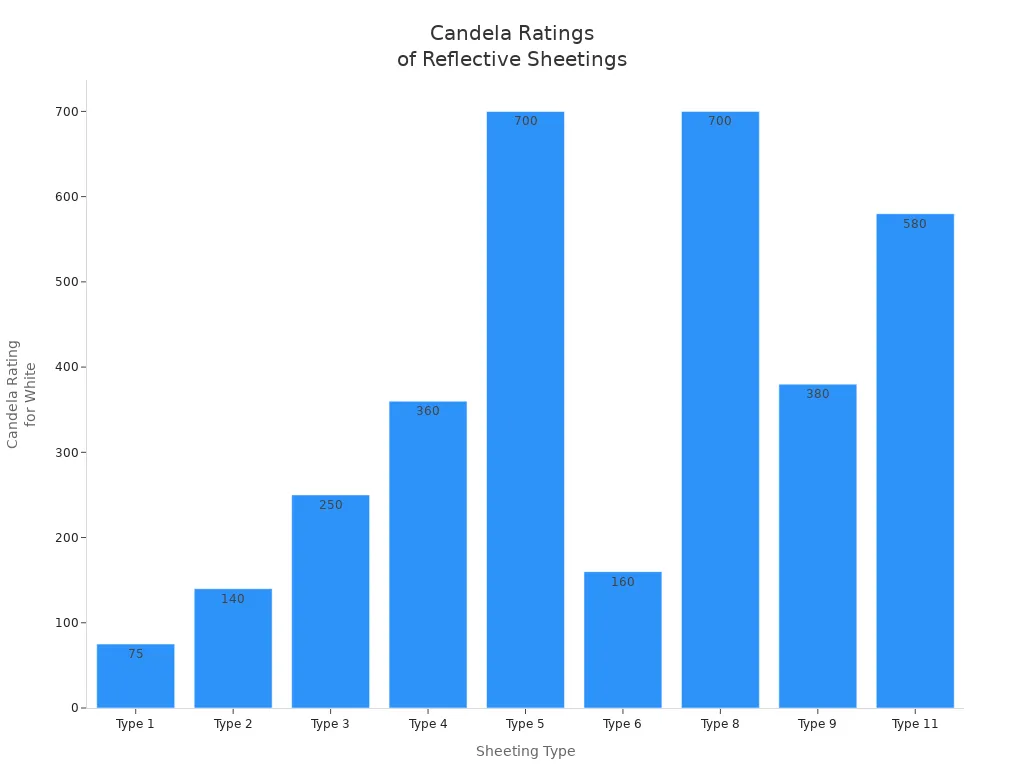
O MUTCD e o DOT dizem que os sinais devem permanecer suficientemente claros. Cada classe de película refletiva ajuda com diferentes necessidades e custos de segurança.
Aplicações de folhas refletivas em sinalização rodoviária
Sinais refletivos de rodovia Ajude a manter as estradas seguras. A película refletiva correta facilita a visualização dos sinais. Isso ajuda os motoristas a fazer escolhas rápidas. Cada classe de película reflexiva funciona melhor para determinados usos. As próximas partes mostram como os engenheiros escolhem materiais para diferentes sinais. Escolher a cobertura certa é importante para a segurança.
Sinais regulatórios
Sinais regulatórios dizem aos motoristas o que fazer. Alguns exemplos são Parar, Colheita, e sinais de limite de velocidade. Esses sinais devem ser fáceis de ver o tempo todo. Isto é extremamente importante quando está escuro ou com neblina. Folhas refletivas de grau diamante são usadas para esses sinais. Isso reflete quase 60% de luz. Os motoristas podem vê-lo de até 1500 pés de distância. Funciona bem para carros novos e motoristas mais antigos. Cidades e estados usam Diamond Grade para sinais de trânsito importantes. Dá a melhor visibilidade. A maioria das rodovias e ruas movimentadas usam Diamond Grade para esses sinais.
Folhas refletivas de grau diamante nos sinais de parada ajudam os motoristas a enxergar melhor. Isso os ajuda a reagir mais rapidamente e reduz a chance de acidentes.
Sinais de aviso
Sinais de alerta alertam os motoristas sobre os perigos futuros. Esses sinais incluem avisos de curva, faixas de pedestres, e sinais de trânsito escorregadios. Prismático de alta intensidade e grau diamante são usados para esses sinais. Em cidades com muita gente, painéis refletivos nas faixas de pedestres reduzem acidentes em 40%. Rodovias com sinais de alerta refletivos tiveram menos acidentes noturnos. Estudos mostram que delineadores reflexivos reduzem os acidentes em 67%. Eles também reduzem as mortes em 62% e lesões por 78%. Usar boas folhas refletivas para sinais de alerta é muito importante.
- Prismático de alta intensidade é bom para a maioria dos sinais de alerta.
- Diamond Grade é melhor para estradas rápidas ou locais arriscados.
Guia e sinais direcionais
Sinais guias e direcionais ajudam os motoristas a encontrar saídas e ruas. Esses sinais devem ser claros, especialmente à noite ou em rodovias. O tipo de película reflexiva depende da estrada e da velocidade do tráfego.
- Diamond Grade é o mais brilhante e pode ser visto de longe.
- Prismático de alta intensidade funciona bem para ruas urbanas e tráfego médio.
- Engineer Grade é usado para estradas lentas com pouco tráfego.
O uso de folhas refletivas mais brilhantes ajuda os sinais de orientação a permanecerem visíveis no escuro. Isto é importante em rodovias onde os motoristas precisam ler os sinais rapidamente. Grau Diamante dura mais. Economiza dinheiro para grandes estradas e marcadores de rodovias.
Zonas de alto risco e de construção
Zonas de alto risco e de construção precisam de sinais luminosos para manter trabalhadores e motoristas seguros. O tipo de película reflexiva é muito importante nesses locais. A tabela abaixo mostra como funciona cada aula:
| Classe de Felas Reflexivas | Impacto na visibilidade e segurança |
|---|---|
| Aula 1 (Alta intensidade) | Bom para ruas movimentadas; ajuda os motoristas a enxergar melhor no trânsito |
| Aula 3 (Grau de diamante) | Melhor para estradas rápidas; dá mais brilho e visibilidade |
| Aula 2 (Grau do engenheiro) | Não tão brilhante; não é bom para áreas arriscadas ou escuras |
Usar a cobertura errada pode causar acidentes, especialmente perto de escolas ou cruzamentos. Bons sinais refletivos em zonas de construção ajudam os motoristas a ver as mudanças e a reagir rapidamente. O tipo de cobertura deve corresponder ao tráfego e à área.
Dica: Utilize sempre Grau Diamante ou Prismático de Alta Intensidade para construção e áreas de risco. Isso mantém todos mais seguros.
Folhas refletivas são usadas de várias maneiras em sinais de trânsito. Os engenheiros escolhem a classe certa com base na velocidade, tipo de estrada, e necessidades de segurança. Esses usos mostram como os materiais refletivos ajudam os motoristas e tornam as estradas mais seguras todos os dias.
Escolhendo folhas refletivas para sinais de trânsito
Volume de tráfego e velocidade
A escolha de folhas refletivas começa com o conhecimento da estrada. Engenheiros verificam se é uma rodovia, estacionamento, ou passarela. Eles observam a velocidade dos carros e quantos usam a estrada. Estradas rápidas precisam de sinais que sejam fáceis de ver de longe. Lugares movimentados precisam de sinalização clara e clara. A maneira como os carros se aproximam e a quantidade de luz que atinge a placa também são importantes. As coberturas premium ajudam os motoristas a ver melhor e a reagir mais rapidamente em áreas movimentadas ou rápidas.
- As rodovias precisam de materiais mais brilhantes do que os estacionamentos.
- Tráfego rápido significa que os motoristas devem ver os sinais mais cedo.
- A sinalização deve ser vista de longe em estradas rápidas.
Fatores ambientais e climáticos
O clima e o meio ambiente mudam a forma como os sinais podem ser vistos. Alguns materiais funcionam melhor na chuva, névoa, ou neve. A tabela abaixo mostra como cada tipo funciona em climas diferentes:
| Tipo de folha reflexiva | Distância da visibilidade | Material Recomendado | Considerações ambientais |
|---|---|---|---|
| Reflexivo de grau rodoviário (Tipo VIII) | Até 1,500 pés | Alumínio, HDPE | Permanece forte em mau tempo |
| Reflexivo de grau de engenheiro | Até 500 pés | Alumínio | Bom para clima ameno |
| Alta intensidade prismática | Maior refletividade | Alumínio | Funciona bem com pouca luz |
| Grau de diamante | Até 1,500 pés | Alumínio | Melhor para rodovias rápidas |
Diamond Grade e High Intensity Prismatic funcionam melhor em condições climáticas adversas. O Engineer Grade é adequado para locais com menos tráfego e clima ameno.
Conformidade e padrões
A sinalização de trânsito deve seguir regras de segurança. O MUTCD estabelece regras sobre o brilho e a cor dos sinais. As leis dizem quais tipos de folhas devem ser usadas para cada sinalização. A tabela abaixo mostra o brilho mais baixo para sinais comuns:
| Tipo de sinal | Refletividade mínima (CD/LX/M²) |
|---|---|
| Sinais de orientação aérea | Branco ≥ 250, Verde ≥ 25 |
| Sinais de aviso | Cobertura ≥ 50 |
| STOP SIGNS | Branco ≥ 35, Vermelho ≥ 7 |
Usar a película refletiva correta mantém as estradas seguras e atende às regras.
Custo e durabilidade
As cidades e agências devem pensar nos custos e na duração dos sinais. O nível de engenharia custa menos, mas precisa ser substituído com mais frequência. Diamond Grade custa mais, mas dura mais e precisa de menos conserto. A tabela abaixo compara preço e quanto tempo dura cada tipo:
| Tipo de Folha | Custo inicial (24Sinal ″×24″) | Vida esperada (anos) | Custo Anualizado |
|---|---|---|---|
| Grau do engenheiro | $80 | 7 | $11.43 |
| Grau de diamante | $140 | 15 | $9.33 |
Escolher folhas refletivas significa pensar na estrada, tráfego, clima, e dinheiro. Bons materiais economizam dinheiro ao longo do tempo e mantêm a sinalização fácil de ver. Explorar o equilíbrio entre custo e qualidade ao escolher folhas refletivas, Confira nosso blog em Custo versus. Qualidade em chapa reflexiva: O que vale o investimento em sinalização rodoviária?
Dica: Escolha a classificação certa para cada estrada. Use materiais melhores para locais rápidos ou arriscados para ajudar os motoristas a ver os sinais e permanecer seguros.
Tendências Futuras em Sinais Rodoviários Refletivos
Avanços na tecnologia reflexiva
Sinais de rodovias estão melhorando a cada ano. Novos materiais e recursos inteligentes ajudam a manter as estradas mais seguras. Os fabricantes agora usam camadas microprismáticas para tornar os sinais mais brilhantes. Essas camadas também ajudam os sinais a durar mais, Mesmo sob forte luz solar. Eles impedem que os sinais desapareçam e os mantêm fáceis de ver por muitos anos.
Revestimentos nanoestruturados são uma grande ideia nova. Esses revestimentos funcionam bem com luzes LED. Isso torna os sinais mais fáceis de ver em qualquer clima. Alguns materiais reflexivos inteligentes podem alterar o brilho deles. Por exemplo, um sinal pode ficar mais brilhante na neblina ou na chuva. Isso ajuda os motoristas a ver sinais importantes com mais rapidez.
- Folhas refletivas de alta qualidade ajudam os motoristas a ver as placas 3 segundos mais rápido que os sinais antigos.
- Novos materiais atendem às rígidas regras ASTM e EN por serem brilhantes e fortes.
- O manual em dispositivos uniformes de controle de tráfego (MUTCD) diz como os sinais brilhantes devem ser.
Muitos novos materiais reflexivos também ajudam projetos de cidades inteligentes. Eles trabalham com sensores e sistemas para fornecer atualizações imediatamente. Estas novas ideias ajudam as cidades a reagir rapidamente às mudanças nas estradas.
Sustentabilidade e materiais ecológicos
A sustentabilidade é muito importante para o futuro das películas refletivas. Sobre 35% de novas ideias usam materiais ecológicos e maneiras de torná-los. Os fabricantes agora criam filmes reflexivos que usam menos energia e causam menos poluição. Esses materiais seguem regras verdes e proporcionam mais segurança às pessoas, produtos mais limpos.
| Recurso de Sustentabilidade | Beneficiar |
|---|---|
| Materiais ecologicamente conscientes | Menor impacto ambiental |
| Programas de reciclagem | Menos resíduos em aterros |
| Produção com eficiência energética | Pegada de carbono reduzida |
As aulas de folhas refletivas não são todas iguais. Eles têm diferentes níveis de visibilidade e duram tempos diferentes. Eles também são usados de maneiras diferentes. A tabela abaixo mostra como RA1 e RA2 são diferentes:
| Tipo de folha reflexiva | Distância de visibilidade à noite | Vida útil média (Anos) | Características de durabilidade |
|---|---|---|---|
| RA1 (Grau de engenharia) | Até 150 metros | 7 | Bom para áreas de baixo tráfego |
| RA2 (Alta intensidade prismática) | Até 250 metros | 10–12 | Suporta clima, permanece brilhante |
Escolher a película refletiva certa ajuda as pessoas a se manterem seguras. Torna os sinais mais fáceis de ver e ajuda-os a durar mais tempo. As agências devem garantir que os sinais sejam suficientemente claros. Eles devem verificar a sinalização com frequência para manter a segurança elevada e seguir as regras. Os projetistas de sinalização e os trabalhadores de segurança devem:
- Use os padrões MUTCD para que os sinais possam ser vistos à noite.
- Observe as placas com frequência para ter certeza de que são seguras.
- Verifique as regras estaduais do DOT antes de escolher materiais.
- Escolha lençóis que se encaixem em todas as regras.
No OPTRÁFEGO, nós oferecemos sinais de trânsito personalizados com folhas refletivas de alta qualidade que atendem aos padrões de segurança e melhoram a visibilidade. Se você precisa de sinais para zonas de construção, rodovias, ou áreas urbanas, podemos fornecer soluções personalizadas para garantir a máxima segurança e durabilidade.
Perguntas frequentes
Qual é o principal objetivo das folhas refletivas em sinais de trânsito?
A folha reflexiva ajuda os motoristas a ver sinais à noite ou com mau tempo. Ele reflete a luz dos faróis de volta para os motoristas. Isso mantém as pessoas mais seguras e ajuda a evitar acidentes.
Quanto tempo dura a película refletiva nos sinais de trânsito?
As chapas de nível de engenharia geralmente duram cerca de 7 anos. Prismático de alta intensidade pode durar até 12 anos. O grau de diamante pode durar 15 anos ou até mais se bem cuidado.
As folhas refletivas podem ser recicladas?
Muitos novos materiais reflexivos podem ser reciclados. Cidades e agências aderem a programas de reciclagem para produzir menos lixo e ajudar o meio ambiente.
Por que alguns sinais parecem mais brilhantes que outros à noite?
As placas usam diferentes classes de folhas refletivas. Grau de diamante e prismático de alta intensidade refletem mais luz. Isso faz com que esses sinais pareçam mais brilhantes e fáceis de ver de longe.